Modern Home Decor Ideas for Small Spaces: Affordable Interior Design Solutions That Work
You measure the same wall for the third time this week, trying to figure out if a real desk will fit or if you’re stuck balancing a laptop on your knees forever. Living in a small home or apartment doesn’t mean sacrificing style, comfort, or personality, but it does mean every single decision has to earn its square footage. Modern home decor works especially well for small spaces because it prioritizes clean lines, simplicity, and function—three things that cut visual clutter and create balance. Below are the affordable, practical moves that actually make a compact space look and feel bigger, in the order they’re worth tackling.
Choose Multifunctional Furniture First
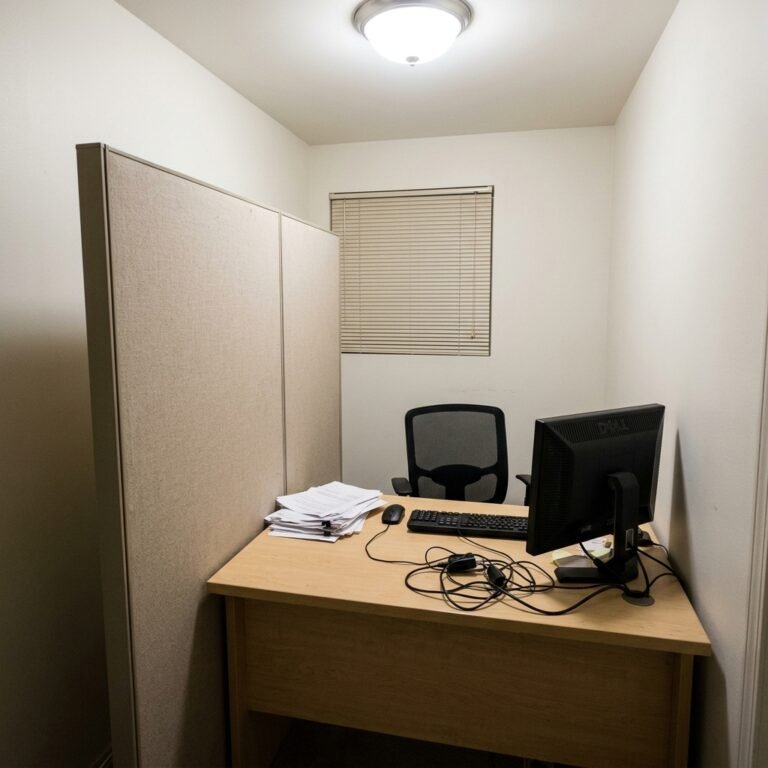
Before you buy anything else, look at what one piece of furniture can do for you instead of just one job. A sofa bed with a hidden storage compartment turns a living room into an occasional guest room without a permanent bed frame eating floor space. Storage ottomans double as seating and a place to stash blankets or shoes that would otherwise pile up by the door. Foldable or extendable dining tables adapt to everyday meals and still expand for guests, and a bed with built-in drawers or lift-up storage keeps a bedroom tidy without a bulky dresser. If you’re trying to fit an actual workspace into a studio or one-bedroom apartment, this breakdown of the most common small-space home office mistake covers exactly where a fold-away desk should and shouldn’t go.
Budget matters here more than most guides admit. A basic storage ottoman typically runs $60 to $150, while a sofa bed with a lift-up storage base starts closer to $400 for a loveseat-sized option. That’s still cheaper than buying a sofa and a separate guest bed. Before purchasing anything multifunctional, measure the collapsed and expanded footprint, not just the collapsed one; an extendable table that needs four extra feet of clearance to open is only useful if that clearance actually exists in your room. Wall-mounted, fold-down desks are worth prioritizing over floor-standing ones specifically because a folded desk reclaims almost all of its footprint the moment you’re done using it, which a rolling cart or side table never fully does.
Anchor the Palette in Warm, Light Neutrals
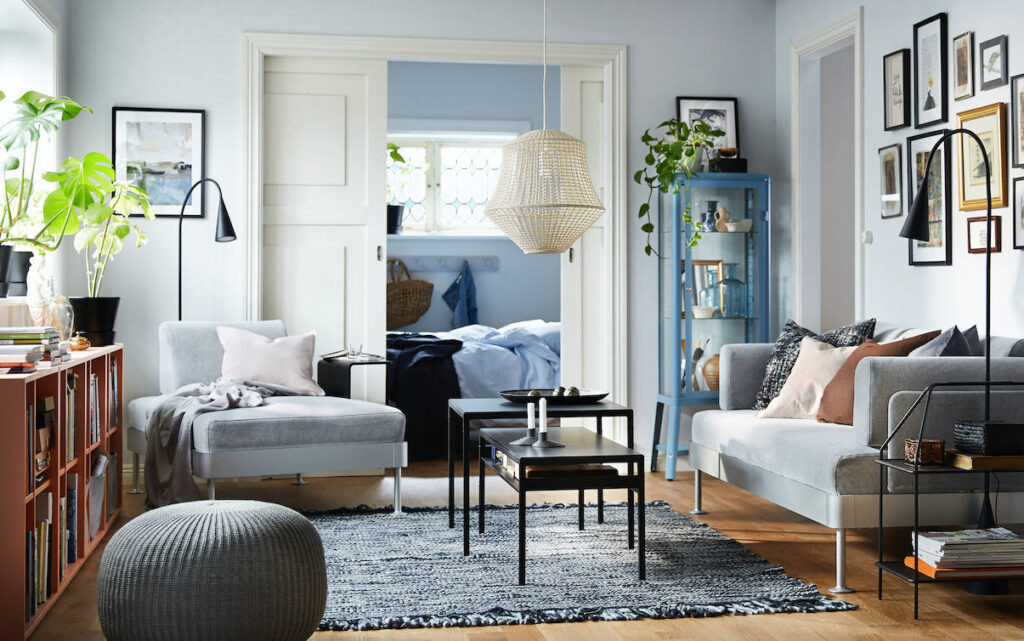
Light and neutral color palettes create a bright, open, visually spacious environment, but not every “light” color performs the same way once it’s on a wall. Paint professionals measure this with Light Reflectance Value, a 0–100 scale that tells you how much light a color actually bounces back into a room. For small rooms with limited natural light, aim for a wall color with an LRV of roughly 50 or higher; anything much darker will read as cozy in a large room but closed-in in a small one. Soft cream, light grey, and warm beige tend to land in that range while still feeling warmer than a stark white. To keep a light palette from feeling flat, layer in texture: a woven rug, linen curtains, a couple of textured cushions, or a piece of minimalist wall art. Mixing matte and slightly glossy finishes adds depth without adding visual noise.
Apply this differently depending on the room. A small bedroom with one north-facing window benefits from an LRV closer to 60 to 70, since it gets the least natural light of any room in most apartments and needs the paint doing more of the reflective work. A living room with a larger window or sliding door can handle a slightly lower LRV, in the 45 to 55 range, and still feel open because daylight is already doing part of the job. Kitchens and bathrooms tend to look best with LRVs above 65, partly for light and partly because pale, semi-gloss finishes in those rooms are easier to wipe clean. None of this means every room has to match. A cohesive small home usually uses two to three related neutrals across adjoining rooms rather than one identical color everywhere, which keeps the eye from noticing where one space ends and the next begins.
Use Vertical Space Before You Add More Floor Furniture
Once the floor plan is full, the walls are the only square footage left. Wall-mounted shelves display books, plants, and decor without eating into walking room. Hanging cabinets add real storage in kitchens, bathrooms, and entryways—this small kitchen remodel guide has specific cabinet configurations if that’s the room giving you the most trouble. Tall, narrow bookcases draw the eye upward and make ceilings feel higher than they are, which matters more in a small room than almost any other single trick. Floating shelves, wall hooks, and vertical planters round out the approach for anyone renting or working with a smaller budget. The goal isn’t to fill every wall. It’s to move storage up so the floor stays open.
A practical rule of thumb: reserve the bottom three feet of wall space for furniture you actually touch daily, and treat everything above that as storage or display. That’s roughly where a wall-mounted shelf, a row of hooks, or a hanging cabinet should start. In an entryway, a single row of hooks at coat height paired with a shelf above it for mail and keys replaces an entire console table’s worth of function in a fraction of the footprint. In a bathroom, a shallow wall cabinet above the toilet or beside the mirror adds storage that a floor-standing cabinet simply can’t, since floor space in most small bathrooms is already spoken for by the tub, sink, and door swing.
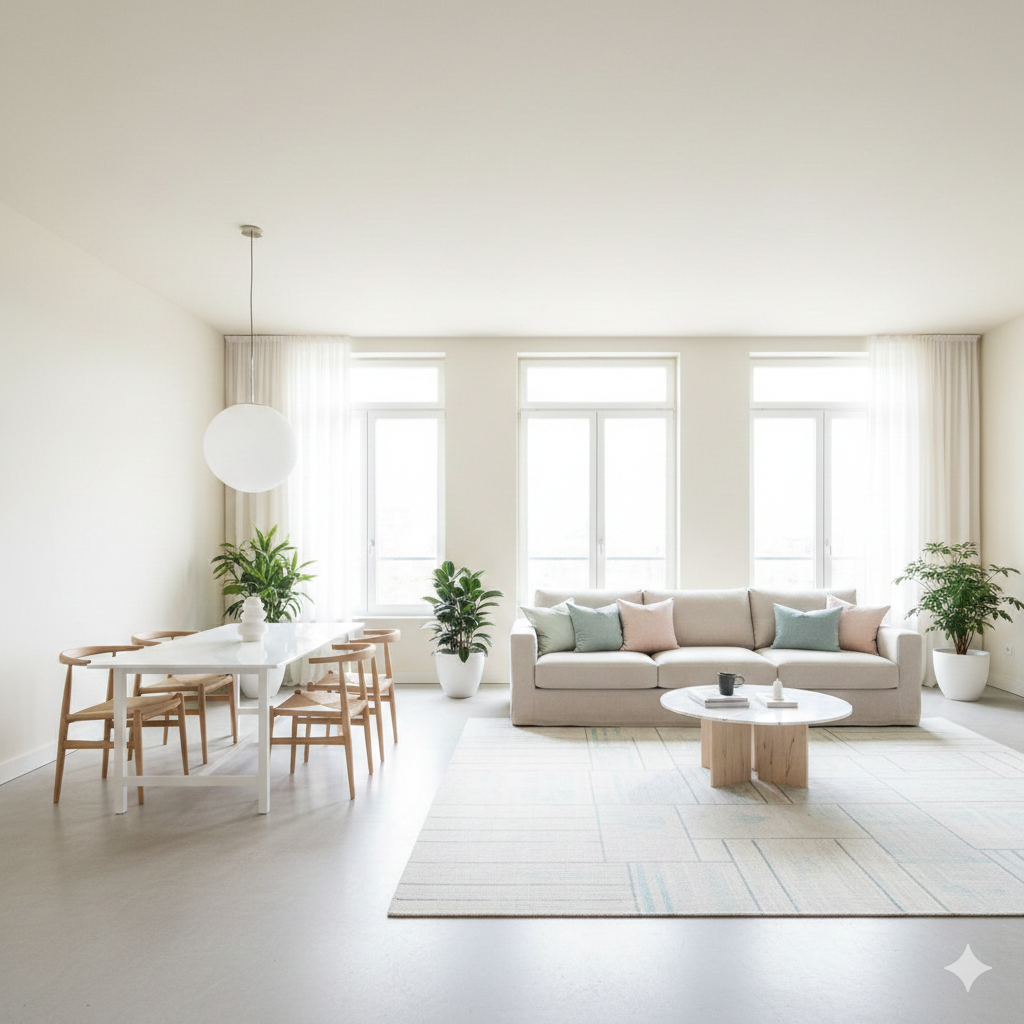
Place Mirrors Where They Actually Earn Their Spot
Mirrors are one of the most effective and budget-friendly tools in small-space design, but placement matters more than the mirror itself. Position a mirror directly opposite a window, not off to the side, so it reflects the window’s full light back into the room rather than a sliver of it. Placing a mirror behind a sofa or a console table creates a focal point while doubling the sense of depth behind that piece of furniture. In a narrow hallway, a tall vertical mirror elongates the space far more effectively than a small round one. Stick to sleek, frameless, or thin-framed designs for a modern look; a heavy, ornate frame competes with the reflection instead of disappearing into it.
Size matters as much as placement. A mirror that’s too small for the wall it’s on reads as an afterthought, while one sized to roughly two-thirds the width of the furniture below it, like a console table or a headboard, looks intentional. In a dining nook, a large mirror on the wall behind the table does double duty: it reflects the room’s main light source and makes a two-person table area feel like it belongs to a bigger room. Avoid placing a mirror directly across from a cluttered closet or a view of the hallway to the bathroom; it will double that view too, and not in a flattering way.
Edit Decor Down to a Few Statement Pieces
Modern design leans on restraint. Overcrowding a small space with decorative objects makes the room feel cluttered and, ironically, smaller than an empty one would. Pick a handful of pieces that carry real personality instead: one abstract print, one or two well-placed plants, one lighting fixture that doubles as sculpture. Each piece gets room to be noticed instead of competing for attention with a dozen others. This same discipline helps in larger rooms too, but it’s non-negotiable in a small one, where every extra object has a visible cost in floor and shelf space.
A useful test before buying any new decor item: does it replace something, or does it just add to the pile? If a new lamp isn’t replacing a dimmer, dated fixture, one that’s not doing its job, it’s probably better spent as a plant or a piece of art instead. Group the few pieces you do keep in odd numbers, typically one or three, rather than pairs, since asymmetry tends to look more deliberate in a small vignette than a matched set does. And leave at least a few inches of visible surface around each grouped item on a shelf or console; decor packed edge to edge reads as clutter no matter how nice each individual piece is.
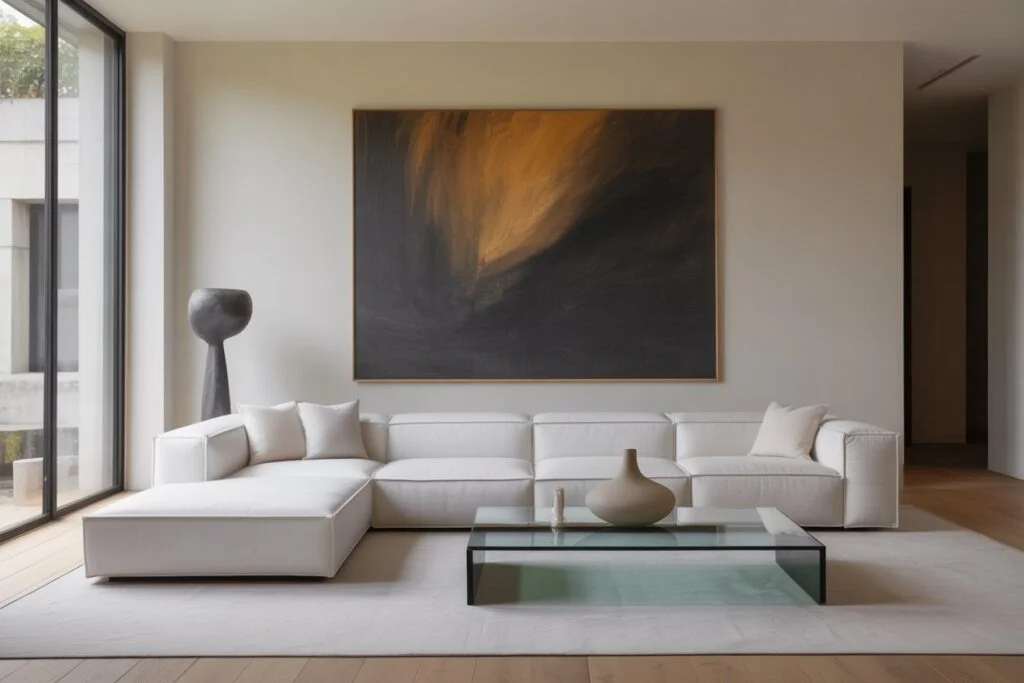
Layer Three Types of Lighting
A single overhead light is the fastest way to flatten a small room. Layering ambient, task, and accent lighting adds depth without taking up any floor space at all. LED strip lights tucked under cabinets or shelves give subtle ambient glow. Pendant lights over a dining nook or kitchen counter free up table and floor space that a lamp would otherwise use. Wall-mounted reading lamps handle task lighting beside a bed or a reading chair without needing a side table. Stick to warm-toned bulbs, generally in the 2700K to 3000K range, so the room feels cozy rather than clinical. Combined, these three layers make a small room feel considered instead of just lit.
Dimmers make the biggest practical difference for the least cost, and most plug-in dimmer switches cost under $20. A single room can then shift from bright, task-ready lighting during the day to a softer evening mode without buying a second fixture. In a studio apartment where the bed, living area, and sometimes a desk share one room, using a different lamp for each zone—rather than one central ceiling light for the whole space—does more to visually separate those areas than furniture placement alone. Battery-powered puck lights inside a bookshelf or cabinet are an easy, no-wiring way to add accent lighting in a rental where drilling or rewiring isn’t an option.
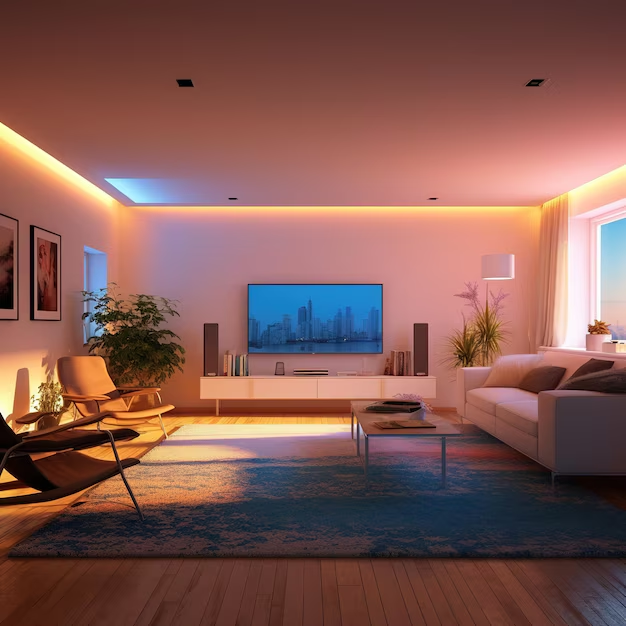
Add Personality With Low-Cost Textiles and Plants
The cheapest way to update a small space is also the easiest to change your mind about later. New cushion covers refresh a sofa or bed in an afternoon. An area rug defines a sitting zone within an open-plan room without a single wall going up. A piece of DIY or handmade wall art adds a story-driven focal point for less than a printed poster from a big-box store. Indoor plants round things out, adding life, a bit of natural texture, and a genuine improvement to indoor air quality. None of these require a big budget or a weekend of labor, and all of them can be swapped out again the next time your taste shifts.
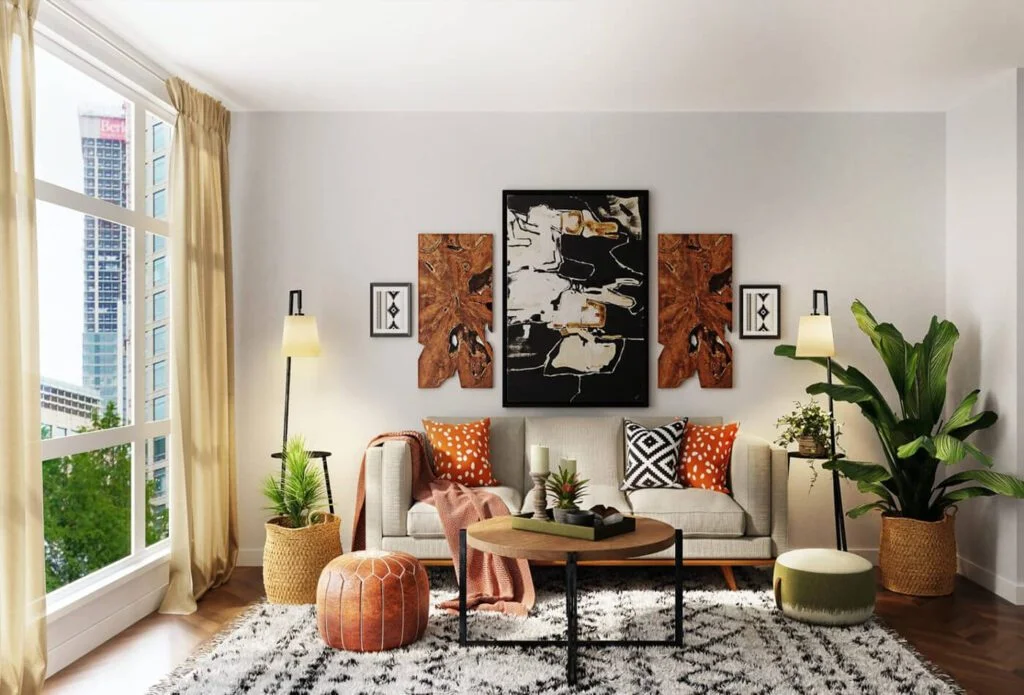
Size Rugs and Furniture for the Room You Have
An undersized rug is one of the most common small-space mistakes, and it’s rarely about the rug itself. A rug that only fits under a coffee table, with none of the seating touching it, makes the whole arrangement look like it’s floating in the middle of an empty room. In a small living room, aim for a rug large enough that at least the front legs of the sofa and chairs rest on it; that single change visually ties the seating area together far more than a bigger rug budget would. The same logic applies to furniture scale generally: one appropriately sized sofa or sectional almost always looks better in a small room than two smaller, mismatched pieces, even if the total seating capacity is the same. Fewer, correctly scaled pieces read as intentional. More, smaller pieces read as making do.
Conclusion: Small Space, Big Style
Turning a small home into a stylish, functional space doesn’t require a renovation or a big budget. It requires working in a deliberate order: multifunctional furniture first, a light neutral palette with a real LRV in mind, vertical storage before more floor pieces, mirrors placed for actual reflected light, decor edited down to a few pieces, layered lighting, correctly sized rugs and furniture, and low-cost textiles to finish the room off. Tackle even two or three of these at once and a compact apartment starts to feel intentional instead of cramped. Whether you’re in a studio or a small family home, the smallest spaces can deliver the biggest style once every square foot is working for you.