

You finally found the right sofa. The rug is down, the pillows are plumped, and the lamp sits exactly where you wanted it. Yet the room still feels unfinished. Look at the middle. A forgettable table, or a stack of boxes, is doing the job of a centerpiece, and it shows.
The coffee table is the piece everything else faces. It sets the scale of your seating area, decides how easily people walk through, and holds the mugs, books, and remotes you actually use. These 21 modern coffee table ideas cover shape, material, and function. Each one comes with real measurements and honest trade-offs, so you can pick the table that fits how you live, not only how a photo looks.

Size Before Style: Three Measurements to Take First
A beautiful table in the wrong size looks wrong in every photo you take. Grab a tape measure before you start shopping.
Length. Aim for about two-thirds the length of your sofa. An 84-inch sofa pairs well with a table near 56 inches. Longer tables crowd the seating, and shorter ones look lost.
Height. Match your seat cushions, or go one to two inches lower. Most sofa seats sit 17 to 19 inches off the floor, so a table between 16 and 18 inches is easy to reach from the couch.
Gap. Leave 14 to 18 inches between the sofa edge and the table. That is enough legroom to stand up, and close enough to grab a mug. Keep roughly 30 inches between the table and a TV console or wall.
Before you buy, cut painter’s tape to the table’s footprint and leave it on the floor for a day. Walk past it with a laundry basket. You will know quickly whether it fits.

Sculptural Statement Coffee Tables
If your room is full of straight lines, one sculptural table gives the eye somewhere to land. Think of a thick plinth base, a fluted drum, or an asymmetrical stone slab. These pieces work as furniture and art at once, so keep the tabletop quiet. One tray, one book stack, and one small vase are plenty. Check the weight before you order. Solid plinths often run well over 100 pounds, which matters if you rearrange often or live upstairs. Pair a sculptural table with a plain rug so the shape stays the star.

Glass Coffee Tables for Light and Space
Glass is the classic fix for a small or dark living room. You can see the floor and rug straight through it, which keeps sightlines open and makes the room read bigger. Choose tempered glass at least 3/8 inch thick, and rounded corners if kids visit. The trade-off is upkeep. Fingerprints show fast, so keep a microfiber cloth in a nearby drawer. A smoked or lightly tinted top hides smudges better than clear glass. Put a handsome rug underneath, since it becomes part of the table’s look.

Round Coffee Tables for Softer Flow
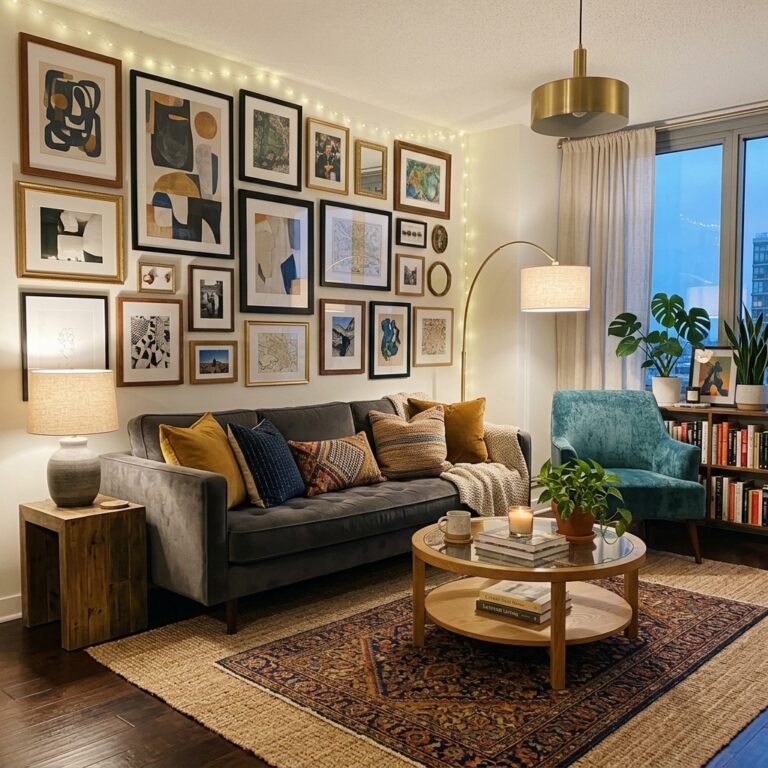
A round table removes the corners you bang your shins on. That makes it a smart pick for tight walkways and family rooms. It also softens a layout full of right angles. Rounds break the two-thirds rule, so go by diameter instead. A 36- to 40-inch round suits most standard sofas. Anything under 30 inches tends to look like a side table. A round top also works when seating is mixed, such as a sofa plus two chairs, because everyone sits at about the same distance.

Marble Coffee Tables for Luxury Appeal
Marble brings real weight and a cool, veined surface that makes a plain room look considered. Choose honed (matte) marble over polished if you want to hide small marks. Be honest about care. Marble etches when lemon juice, wine, or vinegar sit on it, so use coasters and wipe spills quickly. Ask whether the top is sealed. A 48-inch slab can weigh well over 100 pounds, so measure doorways and stairwells before delivery. If a full marble piece strains the budget, a marble top on a slim metal base gives a similar look.

Nesting Coffee Tables for Flexible Living
Nesting tables suit a room that does more than one job. Keep them stacked for everyday use, then pull them apart when friends come over. The best sets vary in height by a few inches, so each table reaches a different part of the seating area. Choose two tables rather than three for most rooms, because three often feels busy. Mix finishes, such as a wood top with a black frame, so the set looks collected rather than matched. Check that the smaller table slides fully under the larger one without scraping.

Minimalist Slab Coffee Tables
A slab table is one thick surface on a low, simple base. With so little detail, the material does the talking: oak grain, honed stone, or poured concrete. It is the calmest option on this list, and it suits quiet rooms with few patterns. Keep the top mostly clear. A single bowl or a stack of two books looks deliberate, while six objects look cluttered. Check the edge profile before buying. A crisp edge feels sharp and modern, while a softened edge is kinder to knees and toddlers.

Storage Coffee Tables That Hide Clutter
If your coffee table disappears under remotes, throws, and board games, storage is the upgrade you will notice daily. Drawers hide small items. A lower shelf holds baskets. A lift-top rises to laptop height, which works for eating or working from the sofa. Test the mechanism in person if you can, since cheap lift-tops sag or slam shut. Measure the inside, not only the outside. A drawer four inches deep holds remotes but not much else. For storage beyond the table, see our living room bookshelf ideas.

Black Coffee Tables for Bold Contrast
A black coffee table adds contrast to a room of creams, whites, and light woods. It works like a dark outline around a drawing. Matte black hides fingerprints better than glossy lacquer, but it shows dust, so plan a weekly wipe. Repeat the black elsewhere, in a picture frame, lamp base, or curtain rod, so the table does not feel like a stray. Over a pale rug, a solid black table looks sharp. Over a dark rug, choose a table with slim legs so it does not melt into a heavy block.

Wooden Coffee Tables with Modern Lines
Wood keeps a modern room from feeling cold. Look for clean lines, such as tapered legs, softened corners, or a fluted front, rather than heavy carved details. Walnut reads rich and dark. White oak reads light and Scandinavian. Match the wood undertone to your floor, or contrast it on purpose by a couple of shades. A near-match often looks like a mistake. Use coasters, because water rings on an oiled finish show quickly. Solid wood costs more than veneer, but you can sand and refinish it later.

Concrete Coffee Tables for Industrial Style
Concrete gives you an industrial edge without needing exposed brick to justify it. A cast top feels cool and matte, and small surface variations are part of the charm. It is heavy, often 100 pounds or more for a mid-size table, so add felt pads under the base to protect your floors. Ask whether it is sealed, because unsealed concrete stains from oil and coffee. Soften it with warm things nearby: a wool throw, a wooden tray, a leafy plant. Otherwise the room can feel more like a loading dock than a living room.

Acrylic Coffee Tables for a Modern Twist
Acrylic is the lightweight cousin of glass. It is clear, it will not shatter like glass, and a thick block or waterfall bench looks like floating ice. That makes it a sensible choice with kids or pets. Its weakness is scratching. Avoid ammonia-based glass cleaners, which can cloud it, and use mild soap with a soft cloth. Look for a top about three-quarters of an inch thick, since thin sheets look flimsy. A rug with a bold pattern shows through the table and does half the decorating for you.

Coffee Tables with Metal Frames
A slim metal frame holds a top of wood, stone, or glass, so the table looks light but stays sturdy. Brushed brass warms up a gray room. Matte black suits a modern one. Chrome adds a touch of retro shine. Check the finish. Powder-coated steel resists scratches better than painted metal. Wobble matters too. Press down on a corner in the store, or read reviews for stability complaints. Pick one metal and repeat it in a lamp or mirror instead of mixing three.

Two-Tier Coffee Tables for Styling Depth
The lower shelf is your overflow zone. Books, a basket of throws, or a tray of candles can live down there, so the top stays clear for drinks. Look for six to eight inches of clearance under the top, which fits most coffee table books. Style the layers differently: heavier items below, light and airy ones above. Avoid filling both shelves to the edge, or the table starts to look like a bookcase on its side. Designs with a glass top over a stone shelf keep the look open.

Oval Coffee Tables for Modern Elegance
An oval keeps the length of a rectangle but loses the sharp corners. It works especially well in a long, narrow living room, where a round table would feel too short for the sofa. Apply the two-thirds rule to the longest side. The curved ends also leave more walking room at each end of the sofa. Ovals look best when the shape echoes something else in the room, such as a round mirror, an arched lamp, or a curved chair back.

Statement Color Coffee Tables
In a mostly neutral room, a colored table works like an accent pillow, only bigger and longer lasting. Deep green, rust, and cobalt look rich in lacquer or powder-coated metal. Pick a color you already have in small amounts, such as a pillow or a piece of art, so the table feels connected. Keep the tabletop styling simple, because the color is already working hard. A bright table is also easy to swap out later, which makes it a low-risk way to test a bold shade.

Coffee Tables with Integrated Tech
Loose cables make even a good table look messy. Some tables hide wireless charging pads, USB ports, or outlets in the frame. Ask how power is delivered and where the cord exits. A table that still needs a visible cord to a wall outlet solves only half the problem. Wireless charging usually works through wood or thin glass but not through metal tops, so check the specs. If you love a table without built-in tech, a cable clip under the edge and a short power strip behind the sofa get you most of the way.

Organic-Shaped Coffee Tables
Pebble, kidney, and cloud shapes give a room a soft focal point. They pair well with a curved sofa or a round armchair, and they break up a grid of straight-edged furniture. Check the shape against your seating. An asymmetrical table has a good side, so turn it toward the longest run of seating. Measure the narrowest point too, since it must still leave 14 to 18 inches to the sofa. Live-edge wood versions bring natural character, but run a hand along the edge to make sure it is smooth.

Mixed-Material Coffee Tables
Combining two materials gives you depth that one finish cannot. Popular pairs include a travertine top on a black steel base, a wooden frame with a glass inset, or a stone drum with a brass band. Stick to two materials, three at most, or the table starts to look busy. Echo one of them elsewhere in the room. A brass base, for example, ties in with brass lamps or picture frames. These tables often feel pricier than they are, because the contrast reads as designer detailing.

Low-Profile Japanese-Inspired Tables
A table only 12 to 14 inches high changes how the whole room feels. Sightlines drop, and the walls seem taller. It works best with low sofas, floor cushions, or sectionals with a shallow seat. Beside a standard 18-inch seat it can feel too low to reach comfortably, so think about who will use it. Charcoal-stained oak, ash, and dark stone all suit the look. Keep the top almost bare. One ceramic vessel or a single tea tray is enough.

Vintage-Inspired Modern Tables
Mid-century shapes never fully leave style, and a vintage-inspired table gives a new room some history. Look for tapered legs, rounded surfboard edges, and warm teak or walnut tones. If you shop secondhand, check the legs for wobble and the top for deep water stains, which are hard to sand out. Teak oil can revive dull wood. A reproduction costs less than an original and often has a steadier build. Pair it with a few clean modern pieces so the room reads as updated, not as a stage set.

Budget-Friendly Modern Coffee Tables
A good-looking table does not need a four-figure budget. Focus on shape and finish: a sturdy round top, a simple matte color, or a wood-look surface on a metal base. Most budget tables use MDF or particleboard, which are composite woods. The EPA recommends that consumers look for products labeled TSCA Title VI compliant, meaning the composite wood meets federal formaldehyde emission limits. Check the label or product page, especially for a table in the room where you spend your evenings. Also test stability and check the top’s thickness, since thin tops bow over time.

How to Style Any Coffee Table
The table is only half the picture. The top needs a plan, or it turns into a drop zone. Start with a tray to corral small items like remotes and coasters. Add something tall, such as a vase or candle, and something low, such as a stack of books. Odd numbers of objects look more natural than pairs. Leave at least a third of the surface empty so you can set down a mug. Swap one object each season, and the table stays fresh without a purchase.
Final Thoughts: Choose for the Way You Live
The best coffee table is the one that fits your sofa, your walkways, and your habits. Measure first, then choose the material that suits your daily routine. If you are rethinking the rest of the room too, our guide to 2026 living room decor trends shows which finishes are built to last. Save your favorite tables to Pinterest, then tape out the footprint before you commit.
1 comment