20 Neo-Deco Interior Ideas That Instantly Fix a Boring Living Room
To transform a “flat” or uninspired living room into a sophisticated sanctuary, the Neo-Deco 2026 framework focuses on architectural intentionality and high-contrast “visual weight.” By replacing temporary, small-scale decor with bold silhouettes—such as curved bouclé sofas, arched geometric mirrors, and tall channel-tufted headboards—you introduce the structural depth typical of premium, bespoke interiors. This luminous hierarchy is further solidified by a three-tier lighting formula and a disciplined use of metallic accents like brushed brass or matte black, which act as a stylistic bridge between affordable foundations and high-end luxury.

Why Neo‑Deco Is the Style Your Living Room Needs
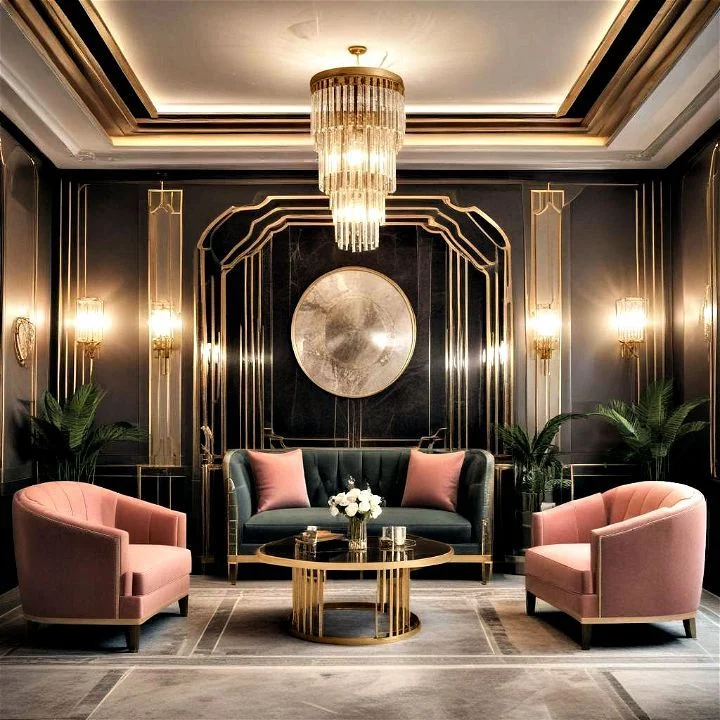
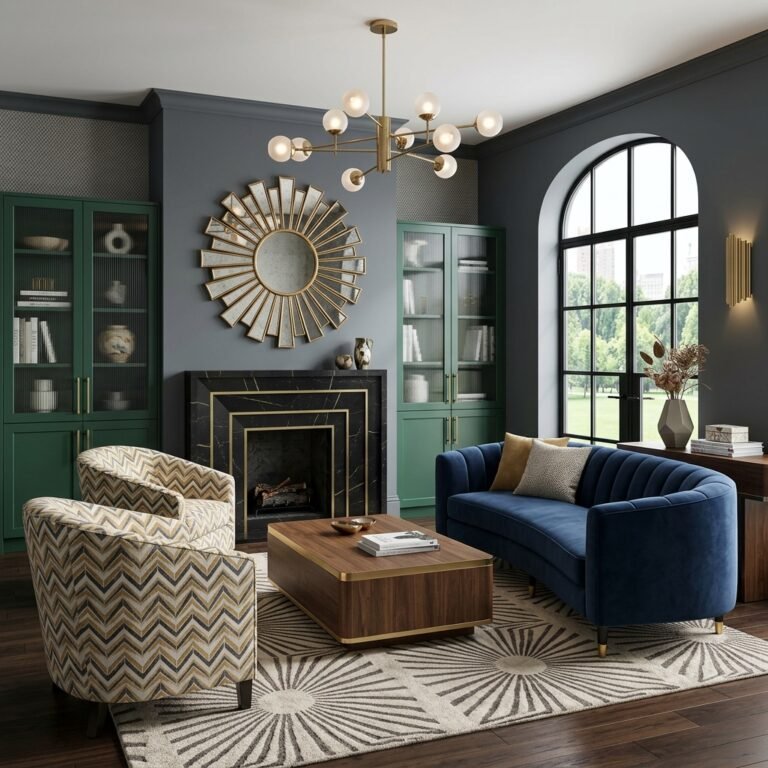
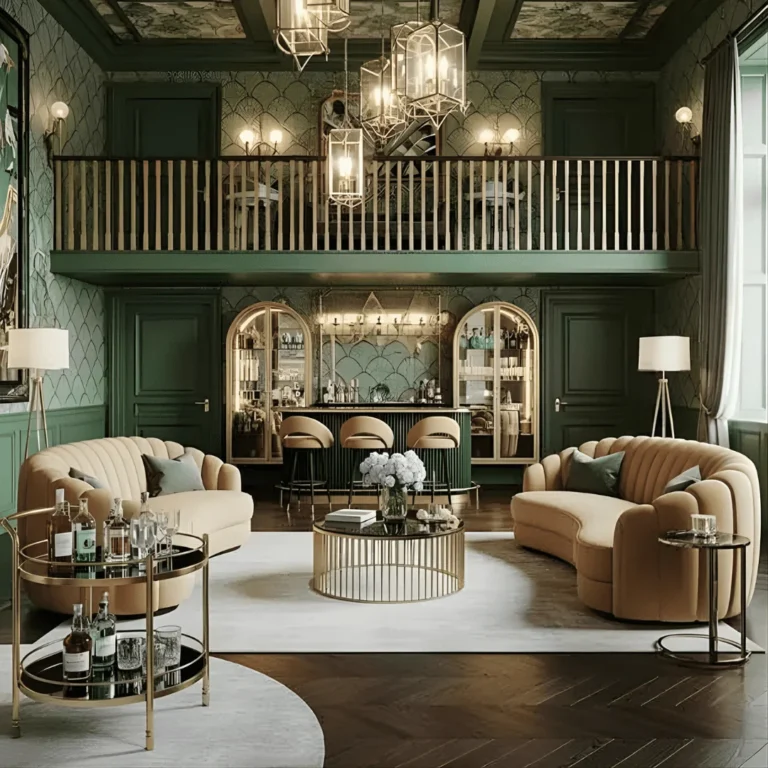
If your living room feels flat, forgettable, or stuck somewhere between outdated and unfinished, Neo‑Deco interiors might be the design refresh you didn’t know you needed. Neo‑Deco—short for Neo Art Deco—is a modern reinterpretation of classic Art Deco glamour. It blends bold geometry, rich materials, and statement lighting with today’s clean lines and livable layouts. Unlike traditional Art Deco, which can feel heavy or overly ornate, Neo‑Deco is lighter, more flexible, and perfectly suited to modern home decor. It works beautifully in apartments, small space decor, and even minimalist interiors that crave a touch of drama. In this guide, you’ll discover 20 Neo‑Deco interior ideas that instantly fix a boring living room—without requiring a full home renovation. Each idea is practical, Pinterest‑worthy, and designed to help you create a living room that feels intentional, stylish, and unforgettable.

What Defines Neo‑Deco Interior Design?
At its core, Neo-Deco is a contemporary reimagining of 1920s Art Deco that swaps excessive opulence for modern restraint. While traditional Deco was defined by heavy ornamentation and high-shine finishes, Neo-Deco prioritizes visual weight through substantial, sculptural forms and a “luminous hierarchy” of textures. It effectively solves the problem of “flat,” utilitarian modernism by introducing bold geometric patterns and architectural depth, creating a sophisticated sanctuary that feels both expansive and profoundly anchored.

1. Velvet Sofas in Jewel Tones
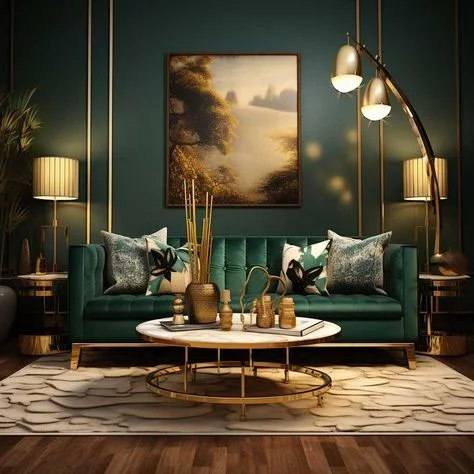
A velvet sofa in a deep jewel tone—such as emerald green, sapphire blue, or burgundy—serves as the ultimate architectural anchor, instantly providing the visual weight necessary to ground a “flat” or uninspired living room. Because velvet possesses a unique “luminous hierarchy,” it catches the light to create a vibrant, multi-dimensional texture that acts as a stylistic bridge between affordable foundations and premium, bespoke aesthetics. This design strategy effectively solves the problem of a dull space by introducing a bold silhouette that functions as a high-contrast focal point against neutral walls.

2. Geometric Wall Paneling
While heavy, historical ornamentation can often feel dated, geometric wall paneling serves as a modern architectural “power tool” that provides sophisticated visual weight without the chaos of clutter. This Neo-Deco wall decor strategy effectively solves the problem of “flat,” builder-grade surfaces by introducing a subtle, rhythmic depth that mimics the curated feel of a bespoke sanctuary. By utilizing slim molding to create large-scale rectangles or stepped “Ziggurat” patterns, you create a structural anchor that draws the eye upward, significantly elevating the room’s perceived height and luxury.

3. Brass and Gold Accents
In the Neo-Deco framework, brass and gold accents are the primary “luminous hierarchy” tools, providing the high-contrast warmth required to elevate a space from utilitarian to bespoke. Unlike high-shine chrome, which can feel clinical, brushed brass and antique gold offer a sophisticated “visual weight” that acts as a stylistic bridge between affordable foundations and premium luxury. By strategically integrating these warm metallics through side tables, framed mirrors, or decorative trays, you introduce a series of architectural “pops” that effectively solve the problem of a room looking “flat” or unanchored.

4. Statement Lighting as Art
In the Neo-Deco framework, lighting is elevated from a functional necessity to a primary architectural anchor. A basic, flush-mount fixture often leaves a room feeling “flat” and utilitarian, whereas statement lighting provides the essential visual weight and “luminous hierarchy” required for a sophisticated sanctuary. By prioritizing sculptural chandeliers, globe pendant lights, and tiered floor lamps, you introduce a bold silhouette that acts as a structural centerpiece, effectively solving the problem of a room looking generic or unanchored.

5. Curved Furniture Silhouettes
In the Neo-Deco framework, curved furniture silhouettes serve as the essential architectural “softener” that prevents a high-contrast room from feeling clinical or overly rigid. While sharp, geometric lines provide the structural foundation, pieces like rounded sofas, arched chairs, and oval coffee tables introduce a sense of organic “visual weight” that anchors the center of a room. This design strategy effectively solves the problem of a “stiff” or generic living space by creating a fluid, bespoke sanctuary that feels both expansive and profoundly inviting.

6. High‑Contrast Color Palettes
In the Neo-Deco framework, high-contrast color palettes serve as the primary “luminous hierarchy” tool, providing the architectural depth and intentionality required to anchor a sophisticated sanctuary. By pairing deep, moody tones—such as charcoal, navy, or black—with light, expansive neutrals like cream or blush, you introduce a sense of “visual weight” that effectively solves the problem of a “flat,” builder-grade interior. This high-contrast approach acts as a stylistic bridge between affordable foundations and premium, bespoke luxury, creating a vibrant, multi-dimensional backdrop that allows your bold silhouettes to truly pop.

7. Marble Coffee Tables
In the Neo-Deco framework, a marble coffee table serves as a primary “visual weight” anchor, providing the organic mass and architectural depth required to ground a seating area. Because natural or high-quality faux stone possesses a unique “luminous hierarchy,” it catches light differently than wood or glass, acting as a stylistic bridge between affordable foundations and premium, bespoke luxury. This design strategy effectively solves the problem of a “flat” or temporary-looking living room by introducing a bold silhouette that feels both expansive and profoundly permanent.

8. Mirrored and Glass Surfaces
In the Neo-Deco framework, mirrored and glass surfaces act as architectural “power tools” that manipulate light to create an illusion of expanded square footage. While solid furniture can sometimes feel heavy or “blocky” in a compact layout, glass and mirrored pieces provide the necessary visual weight without consuming the visual field, effectively solving the problem of a “cluttered” or dark living room. By prioritizing mirrored consoles, glass-topped coffee tables, or beveled glass accents, you introduce a “luminous hierarchy” that bounces light into every corner, signaling the intentionality and depth of a high-end sanctuary.

9. Bold Area Rugs with Deco Motifs
In the Neo-Deco framework, bold area rugs with Deco motifs serve as the essential “fifth wall,” providing the structural foundation and visual weight required to anchor a seating arrangement. While a plain rug can leave a room feeling “flat” or unfinished, a large-scale rug featuring geometric patterns, radiating sunbursts, or stepped “Ziggurat” motifs introduces a sense of architectural depth. This design strategy effectively solves the problem of a “floating” furniture layout by creating a defined, bespoke sanctuary that feels both expansive and profoundly intentional.

10. Symmetrical Furniture Layouts
In the Neo-Deco framework, symmetrical furniture layouts serve as the primary “visual weight” anchor, providing the architectural order and elegance required to ground a sophisticated sanctuary. While an asymmetrical room can feel modern and “lived-in,” true Deco luxury relies on a luminous hierarchy of pairs—such as matching chairs flanking a fireplace or twin side tables framing a velvet sofa. This design strategy effectively solves the problem of a “cluttered” or disjointed living room by creating a sense of intentionality and permanent structure.

11. Sculptural Coffee Tables
In the Neo-Deco framework, a sculptural coffee table serves as the primary “visual weight” anchor, transforming a functional necessity into a piece of functional art. While a standard rectangular table can feel utilitarian and “flat,” a sculptural piece—featuring a solid plinth base, a fluted cylindrical form, or an asymmetrical stone slab—provides the architectural depth required to ground a sophisticated sanctuary. This design strategy effectively solves the problem of a “cheap” or generic seating area by introducing a bold silhouette that mimics the curated atmosphere of a premium, bespoke gallery.

12. Decorative Wall Mirrors
In the Neo-Deco framework, decorative wall mirrors serve as the ultimate architectural “power tool” for creating a sense of expanded square footage and visual weight. While a standard, frameless mirror can feel utilitarian and “flat,” a Neo-Deco classic—featuring a sunburst frame, a stepped “Ziggurat” silhouette, or a bold arched form—acts as a primary structural anchor. This design strategy effectively solves the problem of a dark or generic living space by introducing a “luminous hierarchy” that bounces light and reflects your most bold silhouettes, signaling the intentionality of a premium, bespoke sanctuary.

13. Layered Textures
In the Neo-Deco framework, layered textures are the essential sensory “softener” that prevents a high-contrast room from feeling clinical or cold. While bold geometry provides the structure, a “luminous hierarchy” of fabrics—such as velvet, bouclé, and silk—introduces a multi-dimensional “visual weight” that anchors a seating area. This design strategy effectively solves the problem of a “flat,” one-dimensional living space by creating a tactile, bespoke sanctuary that feels both expansive and profoundly inviting.

14. Moody Accent Walls
In the Neo-Deco framework, a moody accent wall serves as a primary “visual weight” anchor, providing the architectural depth and intentionality required to ground a sophisticated sanctuary. By choosing a deep, saturated shade—such as midnight blue, forest green, or charcoal gray—you introduce a high-contrast backdrop that effectively solves the problem of a “flat,” builder-grade interior. This design strategy acts as a stylistic bridge between affordable foundations and premium, bespoke luxury, creating a vibrant, multi-dimensional retreat that allows your bold silhouettes to truly pop.

15. Art‑Inspired Decor Pieces
In the Neo-Deco framework, art-inspired decor pieces serve as the definitive “visual weight” anchor, shifting the focus from quantity to architectural intentionality. A common mistake in uninspired living rooms is the use of small, mismatched decor that creates “visual noise.” By prioritizing fewer but more impactful pieces—such as a large-scale geometric canvas, a bold bronze sculpture, or a monumental ceramic vase—you introduce the structural depth typical of a premium, bespoke sanctuary. This design strategy effectively solves the problem of a “cluttered” or generic space by establishing a singular, sophisticated focal point.

16. Modern Deco Storage Solutions
In the Neo-Deco framework, modern storage solutions serve as a primary “visual weight” anchor, transforming a utilitarian necessity into a structural “wow” moment. While standard, flat-pack cabinetry can leave a room feeling “flat” and uninspired, ribbed cabinets and brass-handled consoles provide the essential luminous hierarchy and architectural depth required for a sophisticated sanctuary. This design strategy effectively solves the problem of “visual noise” by introducing a bold silhouette that conceals clutter while acting as a premium, bespoke focal point.

17. Subtle Patterned Upholstery
In the Neo-Deco framework, subtle patterned upholstery acts as a sophisticated “textural bridge,” providing the essential visual weight required to break up large expanses of solid color without creating “visual noise.” While a bold, high-contrast print can often dominate a room, subtle motifs—such as tone-on-tone chevrons, micro-geometric weaves, or embossed velvet—introduce a “luminous hierarchy” of shadows and highlights. This design strategy effectively solves the problem of a “flat,” builder-grade interior by adding a vibrant, multi-dimensional depth that feels both expansive and profoundly bespoke.

18. Vertical Design Elements
In the Neo-Deco framework, vertical design elements serve as the primary architectural “power tool” for manipulating perceived volume. By prioritizing verticality, you introduce a sense of expansive “visual weight” that effectively solves the problem of a “boxed-in” or low-ceilinged living room. Whether through floor-to-ceiling drapery, tall channel-tufting, or slender floor lamps, these bold silhouettes draw the eye upward, creating a “luminous hierarchy” that mimics the grand proportions of a premium, bespoke sanctuary.

19. Mixing Modern Minimalism with Deco Glam
In the Neo-Deco framework, mixing modern minimalism with Deco glam is the ultimate strategy for achieving a sophisticated sanctuary without the “visual noise” of historical kitsch. By keeping your foundational furniture simple—prioritizing clean lines and unadorned surfaces—you provide the essential “visual weight” required to anchor a room. This minimalist base effectively solves the problem of a space feeling “over-decorated” or dated, acting as a structural canvas for the “luminous hierarchy” of your high-end accents.

20. Affordable Neo‑Deco Decor Upgrades
In the Neo-Deco framework, affordable decor upgrades act as the ultimate “stylistic bridge,” providing the essential visual weight and architectural depth of a premium sanctuary without the high-end price tag. By prioritizing high-impact, low-cost swaps—such as lighting fixtures, metallic accessories, and peel-and-stick wall panels—you introduce a “luminous hierarchy” that effectively solves the problem of a “flat,” builder-grade interior. This design strategy serves as a vibrant, multi-dimensional retreat for those seeking a bespoke feel on a practical budget.

Final Thoughts:
Neo‑Deco interiors prove that your living room doesn’t need a full renovation to feel exciting again. With the right mix of geometry, texture, and modern glamour, even the most ordinary space can feel intentional and inspiring. Explore more decor ideas, subscribe for weekly interior inspiration, and save your favorite Neo‑Deco looks to Pinterest so your next living room upgrade is always within reach.