
A clean living room does not have to feel quiet, pale, or predictable. The strongest modern spaces use restraint as a backdrop for a few deliberate statements. A sculptural sofa, a dark accent, a large artwork, or an expressive light can provide personality without filling every surface.
This clean-but-bold approach is especially useful for modern homes because it balances two competing goals. The room needs enough simplicity to feel organized, yet enough contrast to feel distinctive. Instead of following a long list of trends, the design can rely on a controlled palette, clear furniture hierarchy, tactile materials, and purposeful styling.

Clean Lines With a Strong Point of View
The clean-but-bold look begins with a simple question: what should the room be remembered for? The answer might be a curved sofa, a dramatic artwork, a dark architectural detail, or a distinctive coffee table. Everything else supports that choice.
Clean design depends on editing. Furniture should have enough breathing room to read clearly. Decorative objects should contribute texture, color, shape, or meaning. When every item competes for attention, the room loses the calm quality that makes modern design appealing.
Bold design uses contrast rather than clutter. A creamy wall can make black metal details feel sharper. Pale upholstery can give a deep wood table more visual weight. A restrained room can therefore feel expressive without relying on a large number of accessories.

What Clean but Bold Means in Modern Home Decor
Clean but bold modern decor combines visual order with one or two strong moments. The foundation usually includes simple silhouettes, a limited palette, and uncluttered surfaces. The bold layer comes from contrast, scale, texture, art, or an unusual shape.
- Neutral foundations create visual calm.
- Dark or saturated accents establish contrast.
- Sculptural furniture supplies a memorable focal point.
- Natural materials prevent clean lines from feeling sterile.
- Large-scale decor creates impact without multiplying objects.
This distinction matters because Homedecorio already has broader articles covering 2026 living-room trends, minimalist rooms, luxury rooms, furniture ideas, and small spaces. The role of this article is more specific: it explains how to combine simplicity and personality in the same room. That positioning reduces repetition while preserving the target keyword’s modern-living-room intent.

Do and Don’t for a Clean but Bold Room
Do choose one dominant statement. A sculptural sofa, oversized artwork, dramatic rug, or distinctive light can anchor the room. Supporting pieces should reinforce that focal point rather than compete with it.
Don’t make every object dramatic. Several statement pieces can create visual noise. A bold item becomes more effective when quieter materials surround it.
Do use contrast deliberately. Black hardware, dark wood, deep green, rust, navy, or another saturated accent can sharpen a neutral foundation.
Don’t treat contrast as a color-only decision. Shape and material can create just as much impact. Smooth stone beside textured upholstery can feel bold even when both pieces share similar colors.
Do protect negative space. Empty areas allow furniture and artwork to read as intentional. A clear wall or open corner can be part of the design rather than unfinished space.
Don’t fill every shelf. A small collection of meaningful objects usually creates a more considered appearance than a dense arrangement of accessories.
Choose Materials That Give Clean Shapes Depth
Material contrast keeps a modern living room from becoming visually flat. Smooth surfaces can provide clarity, while tactile finishes add softness. The most convincing combinations often include three broad material families: a soft textile, a natural hard material, and a darker or more structured accent.
Linen and cotton can soften tailored furniture. Wool and bouclé can introduce a deeper tactile quality. Wood adds grain and warmth. Stone provides visual weight. Ceramic pieces can connect smooth and rough surfaces through their irregular forms.
Natural materials also help a restrained color palette feel richer. A beige room does not need several accent colors if the upholstery, wood, stone, and woven pieces all have different surface qualities.
Material selection should follow the room’s use. A high-traffic living area needs finishes that fit everyday maintenance. Seating should support the activities that actually happen in the room. The American Society of Interior Designers notes that furniture selection should account for how a space will be used, reinforcing the importance of function alongside appearance. ASID design resources provide broader professional context on furniture, materials, and residential design.

Build a Controlled Color Palette With Contrast
Color is one of the easiest ways to make a clean room feel bold. The strongest approach is usually not a rainbow of accents. It is a restrained base with one clear contrast direction.
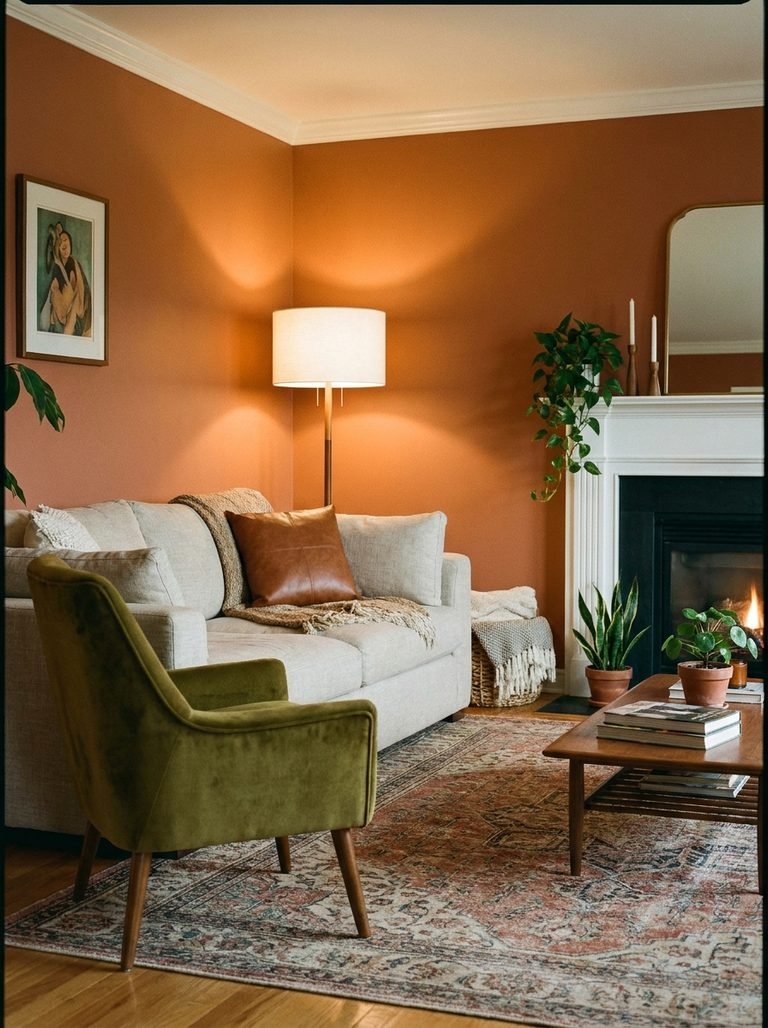
Warm neutrals can support black details and dark walnut. Cream and sand can support deep rust or terracotta. Soft stone tones can support olive or muted navy. A monochrome room can also feel expressive when different materials create enough variation.
The original article proposed a fixed 60-30-10 formula. That ratio has been removed because it can sound more universal than it is. Color balance depends on the architecture, natural light, furniture scale, and finishes already present in the room.
A better method is to establish the dominant background first. Walls, large upholstery, and the main rug usually carry the greatest visual area. The secondary layer can come from wood, stone, curtains, and supporting furniture. The smallest layer then carries the strongest contrast.
This hierarchy gives bold colors more impact. A deep accent used sparingly can become memorable without making the room feel busy.

Make Wall Decor Feel Intentional
Modern wall decor works best when scale and placement are treated as part of the furniture arrangement. A large artwork can establish a focal point above a sofa or console. A textured wall treatment can add depth when the room needs architectural interest rather than more decoration.
Oversized artwork often suits a clean room because one substantial piece can create impact without creating a busy collection. The artwork should still relate to the room’s palette. A strong accent color can echo a cushion, ceramic, rug detail, or another small element elsewhere in the space.
Gallery walls can also work, but they require more editing. Consistent framing, a limited color family, or a clear relationship between the pieces helps preserve the clean quality of the room.
Architectural features can serve as decoration too. Built-in niches, beams, molding, plaster texture, or a carefully finished media wall can provide visual character without adding many objects.

Shape the Layout Before Styling the Surfaces
Bold decor cannot rescue an uncomfortable furniture plan. The layout should work before decorative objects are introduced. Seating needs a clear relationship to conversation, television viewing, windows, doors, and the room’s main circulation path.
Open-plan rooms benefit from furniture that defines zones without closing them off. A sectional can establish the living area. A console can reinforce the boundary behind a sofa. An area rug can visually gather the seating group. Lighting can further distinguish one zone from another.
Smaller rooms need even more discipline. Slim furniture, open bases, and visually lighter pieces can prevent the floor plan from feeling crowded. A strong focal piece can still work, but the supporting furniture should remain restrained.
The layout should also account for doors, drawers, windows, and everyday movement. A visually beautiful chair is not a successful choice if it blocks a route through the room. The cleanest modern interiors feel effortless because the practical circulation was solved before styling began.
For additional small-room strategies, Homedecorio’s modern small living room decor guide covers compact layouts in greater depth. This article keeps its focus on the clean-but-bold styling method rather than repeating that full space-planning guide.

Use Layered Lighting to Add Mood
Lighting is one of the most effective ways to make a clean living room feel sophisticated after sunset. A single ceiling fixture often produces a flatter result. A layered plan can combine general illumination with task, accent, and decorative sources.
The National Kitchen and Bath Association describes layered lighting as a combination of ambient, task, accent, and decorative approaches. Its 2026 lighting education also emphasizes the relationship between lighting, color, texture, scale, and mood. NKBA lighting guidance supports treating lighting as a design element rather than a finishing detail.
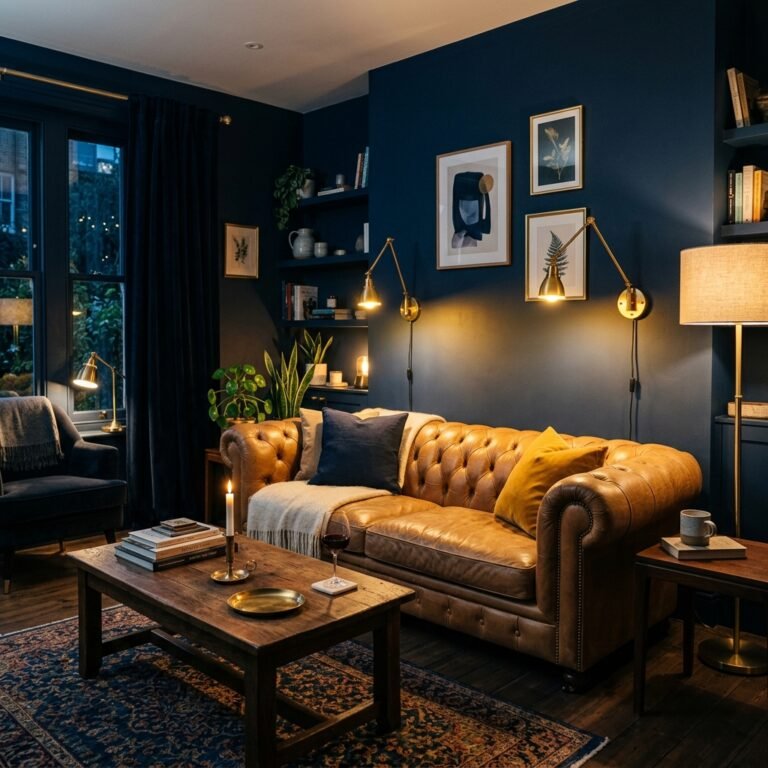
In a living room, ambient light can establish the overall level. A floor or table lamp can support reading or seating. Accent lighting can highlight artwork or architectural details. Decorative lighting can become a sculptural feature in its own right.
Color should be reviewed under the room’s evening lighting before final decisions are made. A wall that looks balanced in daylight can appear warmer, cooler, brighter, or darker after sunset. Lighting and paint therefore need to be considered together.

Make Small Spaces Clean but Bold
A small living room does not require a timid design. The stronger strategy is to reduce the number of competing elements and increase the clarity of the focal point.
A single sculptural chair, striking artwork, distinctive lamp, or richly textured sofa can provide enough personality. The remaining pieces can stay simple. This approach creates a stronger visual hierarchy and protects the limited floor area.
Vertical elements can also help a compact room feel more considered. Full-height curtains, tall lamps, or vertical cabinetry can draw attention upward. Mirrors may support brightness and depth, but their placement should respond to what they reflect rather than simply maximizing mirror area.
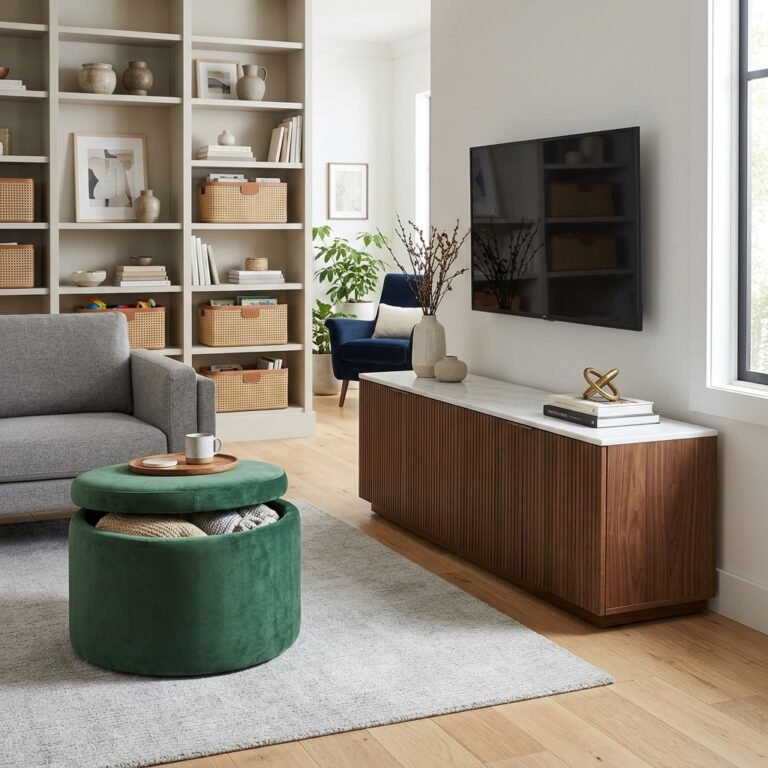
Storage matters as much as decoration. Closed cabinetry, storage ottomans, and carefully selected consoles can keep everyday items from interrupting the clean visual field. The room then has space for one or two bold moments to stand out.
Common Mistakes That Make Bold Decor Feel Busy
Too many focal points: When the sofa, rug, artwork, lighting, and accessories all demand attention, the eye has nowhere to settle. The fix is to choose one primary statement and one supporting statement.
Bold color without a visual anchor: A saturated accent can feel disconnected when it appears only once. The fix is to repeat a small echo of the color elsewhere through art, textiles, or accessories.
Oversized furniture in a tight room: A dramatic sofa can consume the space it is meant to elevate. The fix is to measure the available floor area first and choose statement furniture that leaves useful circulation.
Decorative clutter: More accessories do not automatically create a richer room. The fix is to edit surfaces and keep only pieces that add shape, texture, function, or personal meaning.
Lighting added too late: A room can look balanced during the day and flat at night. The fix is to plan light sources alongside furniture and wall treatments.
Common Questions About Clean but Bold Modern Rooms
What colors work for a clean but bold living room?
Warm neutrals provide a reliable foundation for a clean but bold living room. Cream, sand, beige, taupe, and soft stone can support darker accents or a single saturated hue. Black, deep green, navy, rust, and terracotta can create contrast when used selectively. The final palette should respond to natural light, furniture, and existing finishes.
Can a minimalist living room still feel bold?
Yes, a minimalist living room can feel bold through scale, shape, contrast, and material. One sculptural sofa, oversized artwork, distinctive light, or dark architectural detail can provide personality without adding clutter. The strongest minimalist rooms usually make fewer choices, then give each choice enough visual space to register clearly.
Which furniture creates the strongest modern focal point?
Sculptural sofas, distinctive lounge chairs, unusual coffee tables, and statement lighting can all create strong focal points. The best choice depends on the room’s proportions and existing architecture. A large room may support substantial furniture, while a compact space often benefits from one expressive piece surrounded by visually lighter supporting items.
How can a bold living room stay visually calm?
A bold living room stays calm when the design has a clear hierarchy. Large furniture establishes the main structure, the palette remains controlled, and accessories stay selective. Repeated materials or colors can connect separate elements. Negative space also matters because open areas give the eye a place to rest between stronger visual moments.
Does a small living room need to avoid statement decor?
A small living room does not need to avoid statement decor. One strong artwork, sculptural chair, distinctive lamp, or textured sofa can make a compact room more memorable. The key is limiting competing pieces. Furniture should also respect the available circulation, while closed storage can keep everyday items from overwhelming the design.
Make the Look Personal Instead of Predictable
The clean-but-bold approach works because it does not require a room to choose between simplicity and personality. Clean lines create order. Contrast creates energy. Texture adds depth. Statement pieces provide character.
The strongest modern living room is not necessarily the one with the most expensive furniture or the most current trend pieces. It is the room where every major choice has a reason. The sofa fits the way the room is used. The palette supports the available light. The rug connects the seating group. The artwork has enough scale to matter. Lighting changes the atmosphere without becoming visual clutter.
Homedecorio’s broader 2026 living room decor trends guide covers the wider direction of contemporary living-room design. For readers focused on furniture specifically, the site’s modern furniture coverage can provide additional inspiration without changing the clean-but-bold framework used here.
A modern home becomes more convincing when bold choices feel intentional rather than accumulated. That is the real formula: keep the foundation edited, give one or two elements permission to stand out, and let function guide the final decisions. The result can feel polished, expressive, and comfortable enough for everyday life.