Boho decor has a reputation for being effortless. Then you try it, and the room looks like a yard sale instead of a collected home. The gap between the two is rarely about buying more. It’s about layering with a plan.
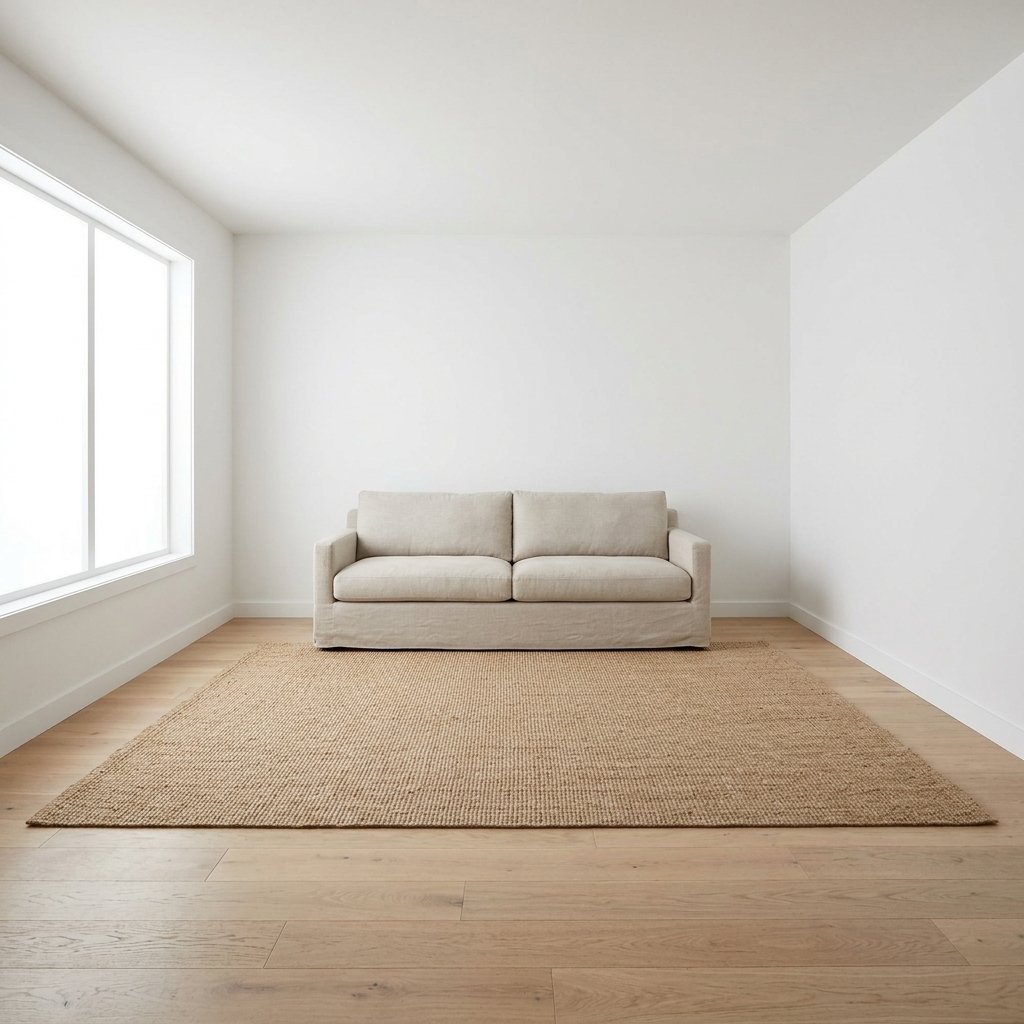
Boho works because it mixes textures, patterns, and eras around a calm base. That base might be cream walls, a linen sofa, or a jute rug. Everything else sits on top of it, from the terracotta pillows to the macramé hanging.
Below are ten practical ways to bring boho decor into your home. Each one includes real sizes, materials, and color pairings, so you can copy the idea instead of guessing. You don’t need a big budget or a big room. You need a few good anchor pieces and permission to be a little imperfect.

Embrace Vibrant Colors and Bold Patterns
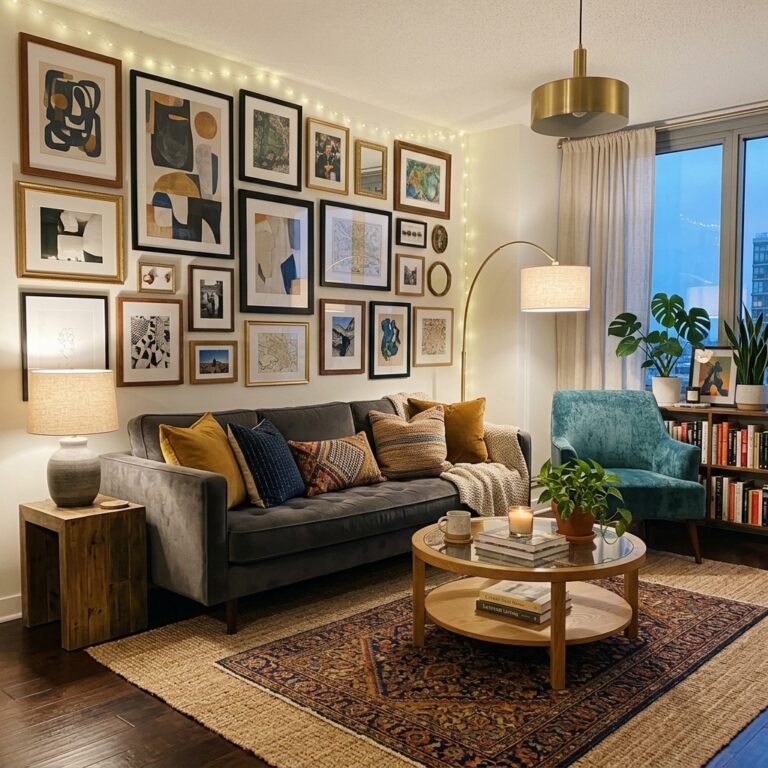
Boho color feels rich because it comes from the earth. Think terracotta, rust, mustard, olive, and deep teal. Add a little magenta or burnt orange and the palette turns lively without turning loud.
Here is the rule that keeps it under control. Let about 60 percent of the room stay neutral: walls, sofa, and large rug in cream, warm white, or oatmeal. Use roughly 30 percent for your main colors, such as teal and terracotta. Save the last 10 percent for one loud accent, like a magenta cushion or a mustard throw.
Pattern follows the same logic. Pick one large-scale print, one medium print, and one small print. A big floral pillow, a medium stripe, and a tiny block print will sit together happily. Three big florals will fight for attention.
Repeat one color across every pattern. If teal shows up in the rug, a pillow, and a curtain stripe, the eye reads it as a plan. Start with pillows and curtains before you commit to a big rug or wallpaper. Textiles are cheap to swap, so you can adjust as you go.

Layer Textiles for Texture and Comfort
Texture does more work than color in a boho room. It’s what makes a plain sofa look collected instead of catalog-perfect. Build the layers in a set order: rug first, then large furniture, then throws, then pillows.
Start with the rug. In a living room, an 8 by 10 foot rug lets at least the front legs of your sofa and chairs sit on it. A rug that is too small makes the furniture look scattered. Use a flatweave jute or wool kilim as the base. Then lay a smaller vintage-style rug, around 3 by 5 feet, on top for extra pattern.
On the sofa, use three to five pillows. Mix sizes: 22-inch squares at the back, 20-inch squares in the middle, and one 12 by 20 inch lumbar in front. Combine velvet, linen, and knit so each pillow feels different under your hand. Drape a chunky knit or fringed throw over one arm and leave it loose. Neat folding is the opposite of boho.
Textiles also make a room quieter. Bare walls and hard floors bounce sound around. Curtains, rugs, and cushions absorb some of it, so the room feels calmer as well as cozier.

Bring In Natural Elements
Natural materials keep a colorful room from feeling busy. Rattan, jute, bamboo, and raw wood give your eyes somewhere to rest between prints. They also add warm, mid-tone color that works with almost every boho palette.
A single rattan accent chair is an easy first step. Pair it with a wooden side table and a woven basket for blankets, about 16 to 20 inches wide. Group wall baskets in odd numbers, such as three or five, and vary the sizes. Choose open-weave pieces in light tones if your room is small, because they take up less visual space.
Plants finish the look. Pothos, snake plants, and rubber plants forgive missed waterings, which suits a relaxed style. Vary the heights: one floor plant near 3 feet tall, a shelf plant, and one trailing plant in a macramé hanger at eye level. Odd-numbered groups look natural instead of staged.
Buy plants for the way they look and feel, not for cleaner air. According to the EPA’s guidance on improving indoor air quality, removing pollution sources and ventilating are usually the most effective fixes. The same page warns that overwatered soil can encourage microorganisms that bother people with allergies. Let the top inch of soil dry before you water again.

Hang Artistic Wall Decor
Boho walls are collected, not matched. A woven tapestry, a macramé hanging, a vintage print, and a few family photos can share one wall. The trick is to give the mix some structure.
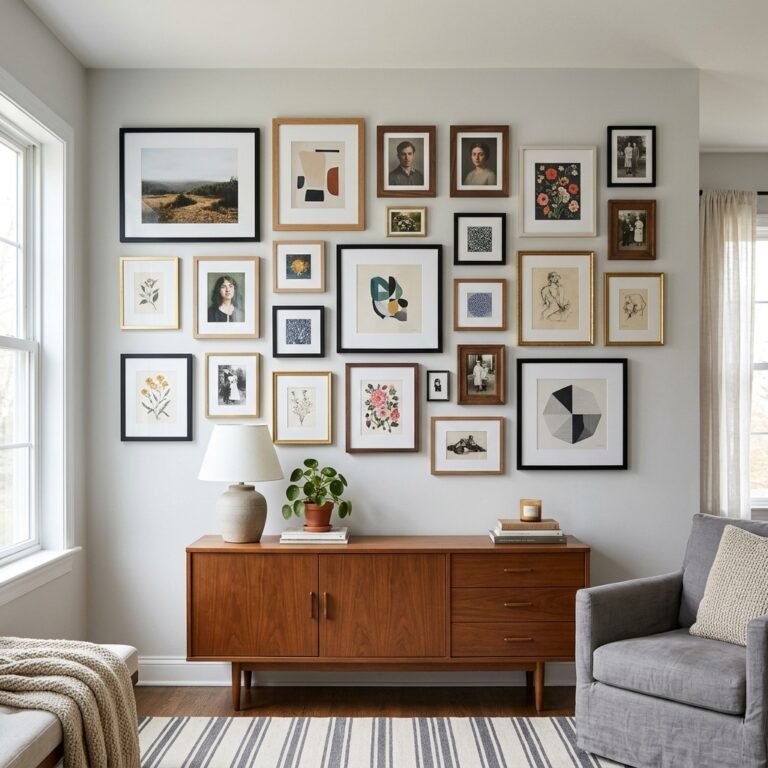
Lay everything on the floor first. Trace each piece on kraft paper, cut the shapes out, and tape them to the wall. Move them around until the layout feels balanced. Keep 2 to 3 inches between frames, and aim for the center of the whole arrangement to sit about 57 to 60 inches from the floor.
Size the group to the furniture below it. Over a sofa or bed, the arrangement should span roughly two thirds of the furniture’s width. A macramé piece or tapestry can act as the anchor, with smaller frames filling in around it. Hang the tapestry from a wooden dowel so it drapes cleanly.
Mix frame materials, like weathered wood and brass, but repeat one detail. White mats or thin black frames on half the pieces will tie the group together. If you rent, use removable hanging strips for lighter frames and a tension rod for the tapestry.

Use Vintage and Thrifted Furniture
Thrifted furniture gives a room the history that new pieces can’t fake. It also costs less, so you can afford to take a risk on a bold shape. Look for mid-century armchairs, cane-back chairs, carved side tables, and old wooden dressers.
Check quality before you buy. Push on the piece to see if it wobbles. Pull each drawer to make sure it glides. Sniff for mildew or smoke, since those smells are hard to remove. Solid wood is worth paying a bit more for, because you can sand and refinish it. Peeling veneer over particleboard is usually not.
Small updates go a long way. Swap dated drawer pulls for brass or ceramic knobs. Reupholster a stool seat in a kilim or block-print fabric. Refinish a dresser in a matte earthy paint, like clay or sage, or rub it with a natural oil to bring out the grain.
One safety note: if a painted piece was made before 1978, test it for lead with a store-bought kit before you sand it. Once it’s cleared, use a damp sanding method and keep the dust contained.

Create a Cozy Reading Nook or Lounge Area
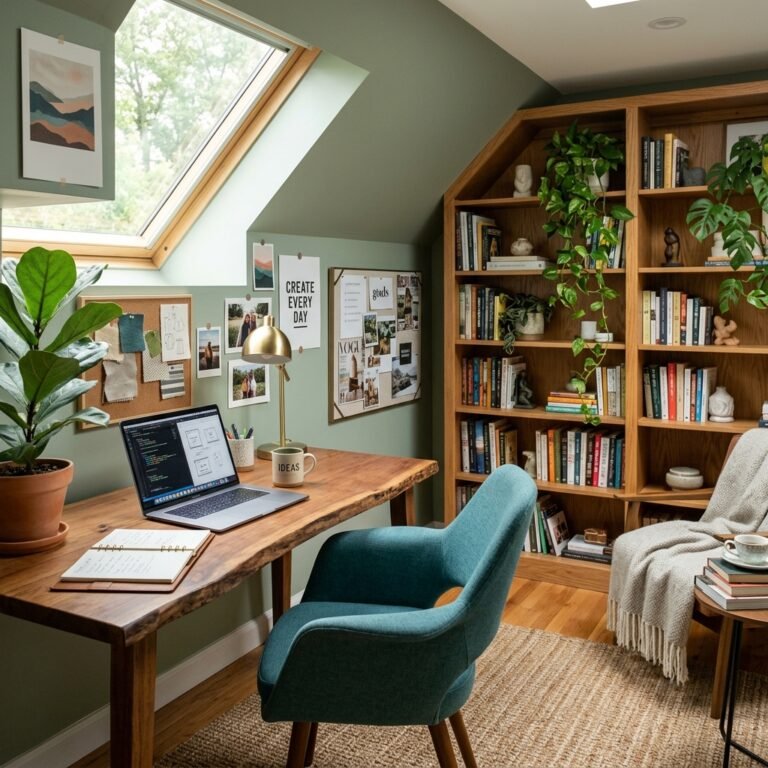
You don’t need a spare room for a nook. A corner about 3 by 3 feet is enough. Choose the spot with the best natural light, ideally beside a window, and treat it as its own small room.
Start with the seat. A deep armchair works well, or you can pile a 24-inch floor cushion and a pouf on a 3 by 5 foot rug. Add a side table between 18 and 24 inches high for a mug and a book. A small stool can double as a footrest and a tray table.
If you want more layouts for a corner like this, these cozy reading nook ideas show how to fit one into even a small room.
Light matters as much as comfort. Place a lamp so the bulb sits near shoulder height when you’re seated. A plug-in wall sconce saves floor space in tight corners. Choose a warm bulb so the page doesn’t glare.
Then add storage. A narrow bookshelf, a wall ledge, or a stack of books under the side table keeps your favorites within reach. Tuck a basket beside the chair for a knit blanket. That small detail makes the nook feel ready for you at any time of day.

Mix and Match Furniture Styles
Matching furniture sets are the fastest way to lose the boho look. A room feels collected when the pieces come from different eras but share something. That shared thread can be a wood tone, a color, or a similar scale.
Try this formula. Choose one clean-lined piece, like a simple sofa, and two pieces with character, like an antique coffee table and a carved chair. The plain piece gives the eye a rest. The characterful ones give the room its story.
Keep undertones consistent. Warm honey oak looks better with warm walnut than with a cool gray-brown. Do the same with metals. Stick with brass or black iron instead of mixing four finishes.
Mixed furniture still needs breathing room, especially in a small space. Leave 14 to 18 inches between the sofa and coffee table. Keep main walkways about 30 to 36 inches wide. Vary the heights, too. A low sofa, a tall bookcase, and a mid-height side table make the room look layered rather than flat.

Use Layered Lighting for Atmosphere
A single overhead fixture flattens a boho room. All those textures and colors need soft, low light to look their best. Aim for at least three light sources at different heights in every room.
Begin with a floor lamp for height, ideally one with a linen or rattan shade. Add a table lamp on a side table or console. Then bring in a decorative layer, such as string lights over a bookshelf or a woven pendant. Each source lights a different zone, so the room glows instead of glaring.
Bulb color matters. Look for warm white bulbs around 2700K. Cooler bulbs turn terracotta and rust into flat brown. If you can, put a lamp on a dimmer or a smart plug, so you can lower the light in the evening.
Candles add a flicker that no bulb can match. Keep them at least 12 inches from fabric, curtains, and dried grasses, and never leave them burning unattended. If you have pets or small kids, flameless LED candles give you a similar glow with less risk.

Add a Touch of Global Influence
Global pieces are what make boho feel well traveled. Indian block-print textiles, Moroccan wool rugs, Turkish kilim pillows, and South American woven baskets all fit the style. The mistake is using them all at once.
Pick two or three regions and stay with them. For example, combine block-print pillows with a Moroccan pouf, about 20 inches wide, and a hand-painted ceramic bowl. That reads as a curated collection. Ten different cultures on one shelf reads as a gift shop.
Small apartments can still join in. If floor space is tight, these small apartment decor ideas can help you place a few statement pieces without crowding the room. A single kilim pillow, a hanging basket, or a set of three ceramic vases adds character without using floor space. Put one statement piece on each surface and leave the rest empty.
Try to buy from makers when you can. Look for handmade pieces sold directly by artisans or by sellers who name the craft and the region. You get a better object, and you get a story you can actually tell when a guest asks where it came from.

Create a Relaxed, Laid-Back Atmosphere
Boho should feel lived in. Books can lean, blankets can slump, and a linen duvet can wrinkle. But relaxed is not the same as cluttered, and this is where most rooms go wrong.
Edit before you add. Leave about a third of every shelf and tabletop empty. Group objects in threes, with one tall, one medium, and one low piece. Lean art on a shelf instead of hanging every frame. Empty space is what lets the layered pieces stand out.
Keep the practical things easy. Give shoes, keys, and mail a basket or tray, so they don’t become visual noise. Let a plant trail off a shelf. Leave a throw where you actually use it. If an object has no story and no job, it probably doesn’t belong.
Before you call the room finished, do one last pass. Take away one item from each surface. If you miss it within a week, put it back. Most of the time, you won’t.

Conclusion
You can build a boho home one layer at a time. Begin with a calm neutral base, then add a rug, a few textiles, and one or two thrifted pieces. Light the room warmly and hang art in a plan. Each step is small, and each one makes the room feel more like yours.
Take your time. The best boho rooms grow slowly, one meaningful find after another. Buy what you love, edit what you don’t, and let the space stay a little imperfect.