As the trend toward compact living spaces continues to grow in 2026, finding ways to maximize your home’s potential is more important than ever. With the right small space home decor, you can turn even the tiniest of spaces into a stylish and functional haven. Whether you live in a small apartment, a studio, or a cozy house, these small home decor ideas will help you create a space that feels larger, more inviting, and tailored to your needs.
In this article, we’ll explore interior design ideas and aesthetic home decor strategies specifically designed for small spaces. From multifunctional furniture to clever use of color, we’ll show you how to maximize every inch of your home with these 15 stylish ideas that will keep your space feeling fresh and modern throughout 2026.
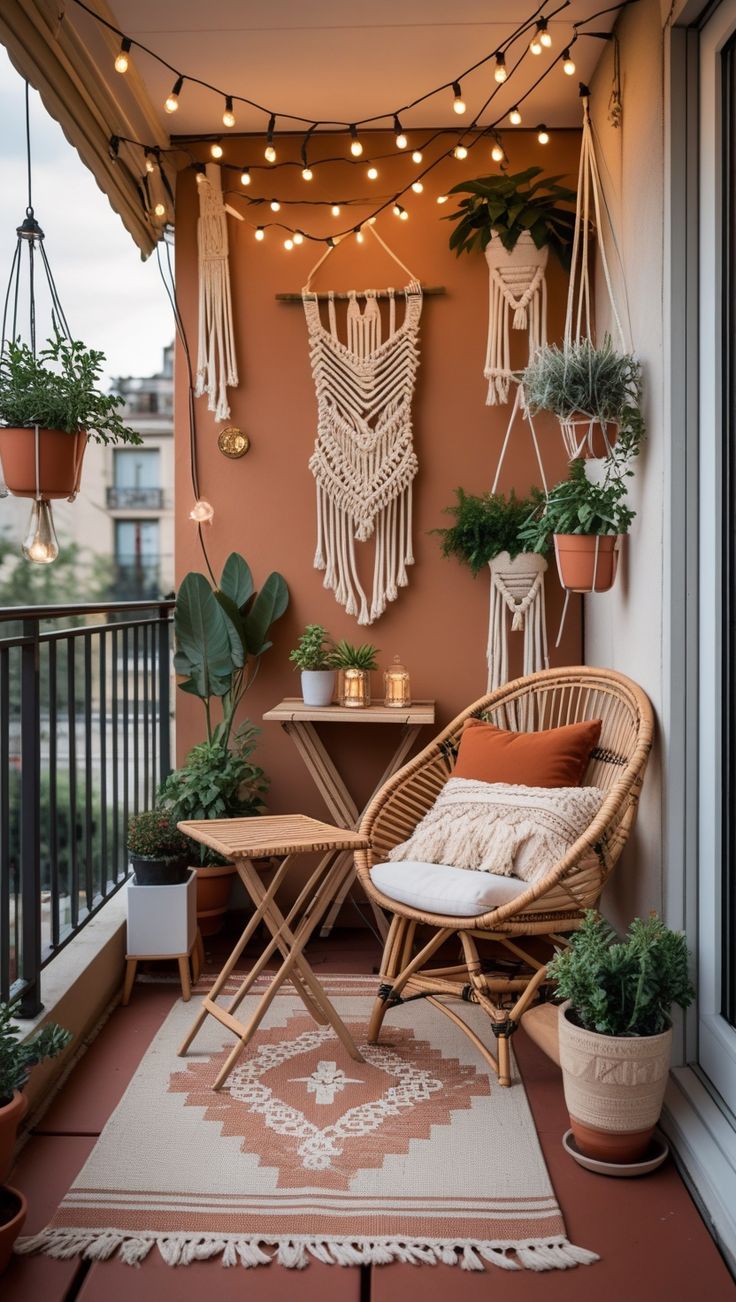
1. Optimize Vertical Space with Tall Furniture and Shelving
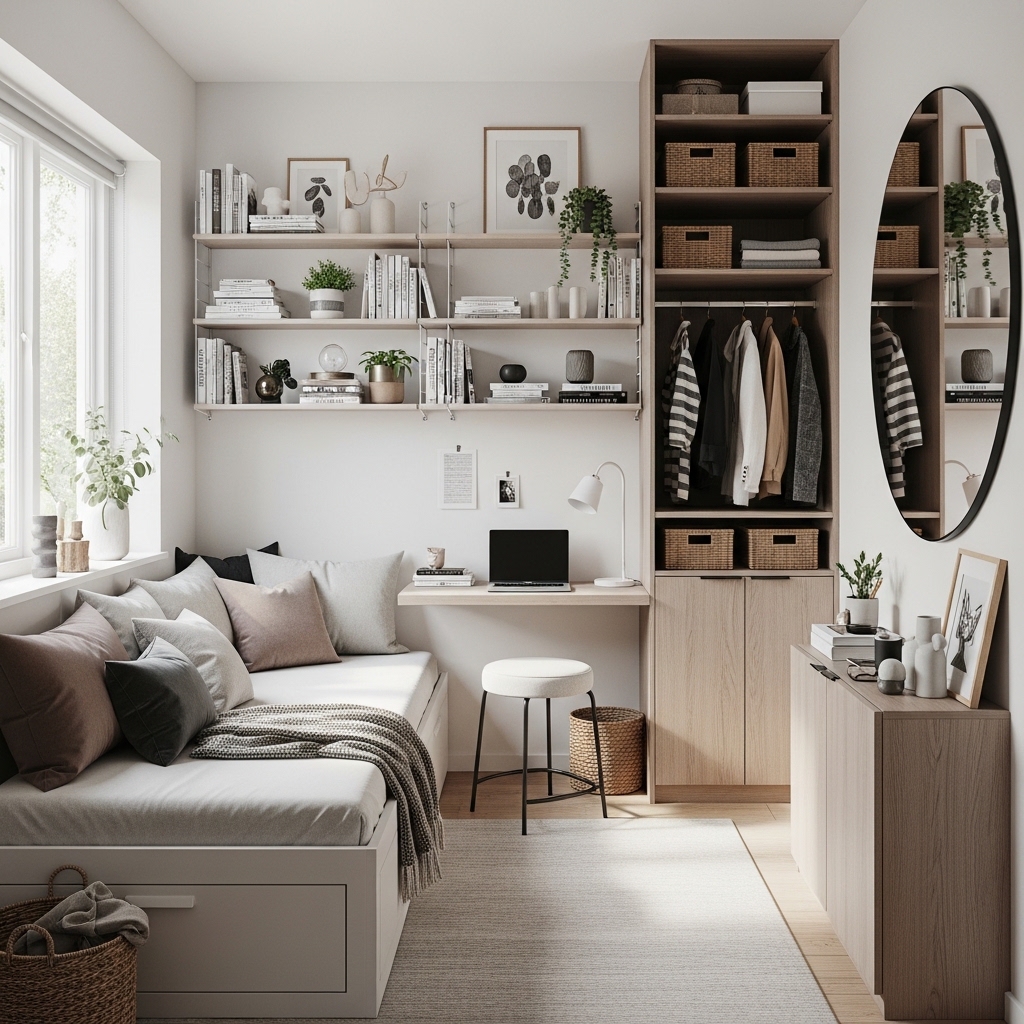
To maximize your home’s storage capacity while maintaining an open atmosphere, you should optimize vertical space with tall furniture and shelving. In 2026, the “soaring storage” trend emphasizes utilizing the full height of your walls to draw the eye upward, effectively creating a powerful illusion of height in compact rooms. By incorporating floor-to-ceiling bookshelves or slender, tall cabinets, you reclaim functional space that otherwise remains empty. Additionally, installing floating shelves allows you to display books, greenery, and art without consuming a single inch of valuable floor area. This modern decor technique ensures a sleek and uncluttered look by lifting items into the vertical plane, preventing the “weighted” feeling that bulky floor units create. Ultimately, prioritizing height over width transforms a cramped layout into a lofty, high-performance sanctuary where your belongings are organized and the architectural volume of the room is fully celebrated.
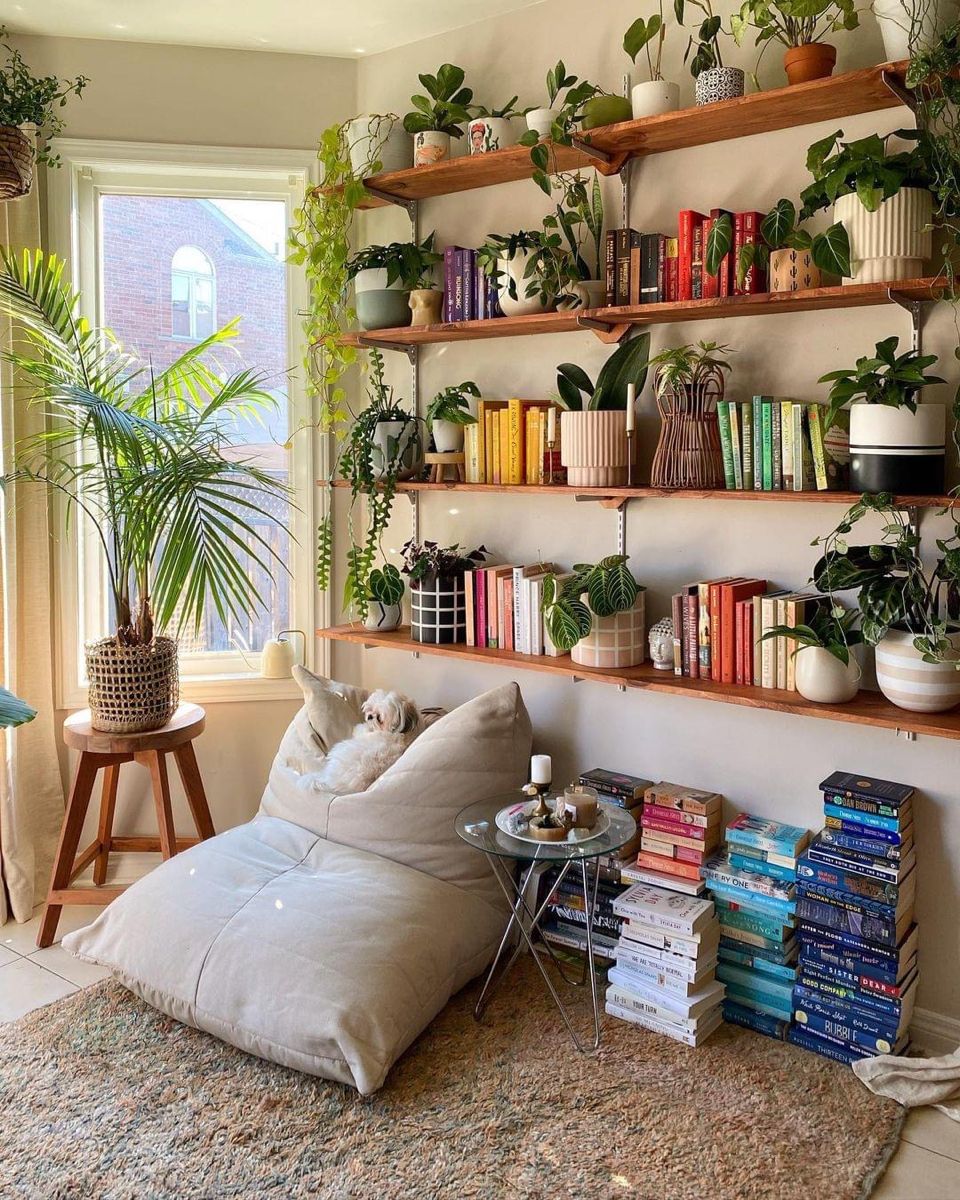
2. Choose Light, Neutral Colors to Make Rooms Feel Bigger
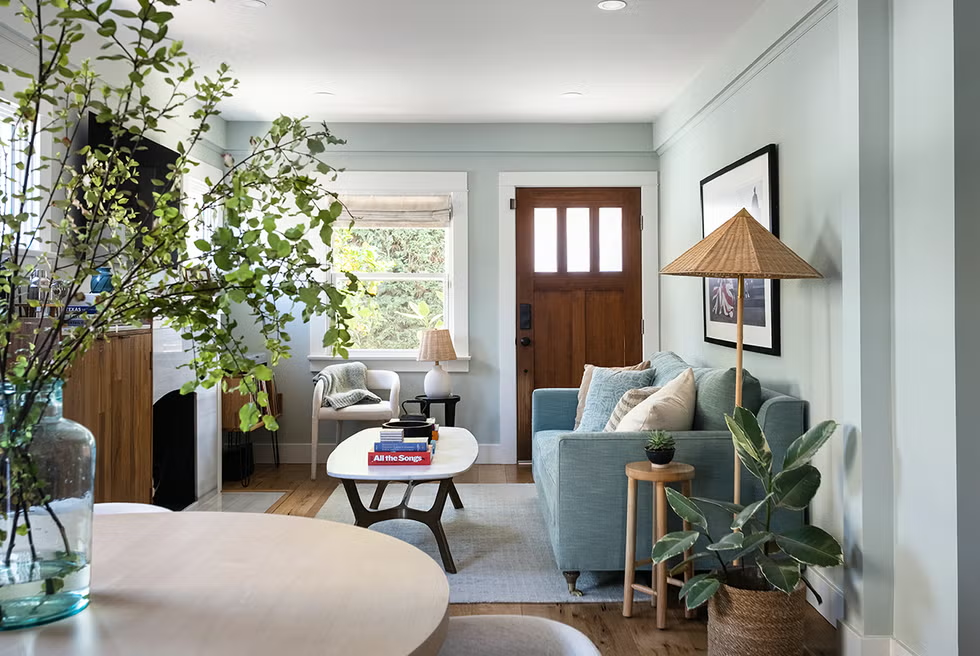
To create the ultimate illusion of expansiveness, you should choose light, neutral colors to serve as the foundation of your interior design. In 2026, the use of soft shades like crisp white, warm beige, and airy light gray remains a premier strategy for making small rooms feel significantly larger by maximizing light reflection. These “receding” colors soften the boundaries of a room, creating a calm and serene atmosphere that feels open rather than enclosed. By incorporating inviting tones such as pale taupe or off-white, you provide a balanced backdrop that allows your furniture and bold accents to shine without visual competition. This approach is a cornerstone of modern small-home decor, as it transforms a cramped layout into a luminous, breathable sanctuary. Ultimately, a neutral palette fosters a sense of architectural clarity, ensuring your home feels cohesive, sophisticated, and unexpectedly spacious.
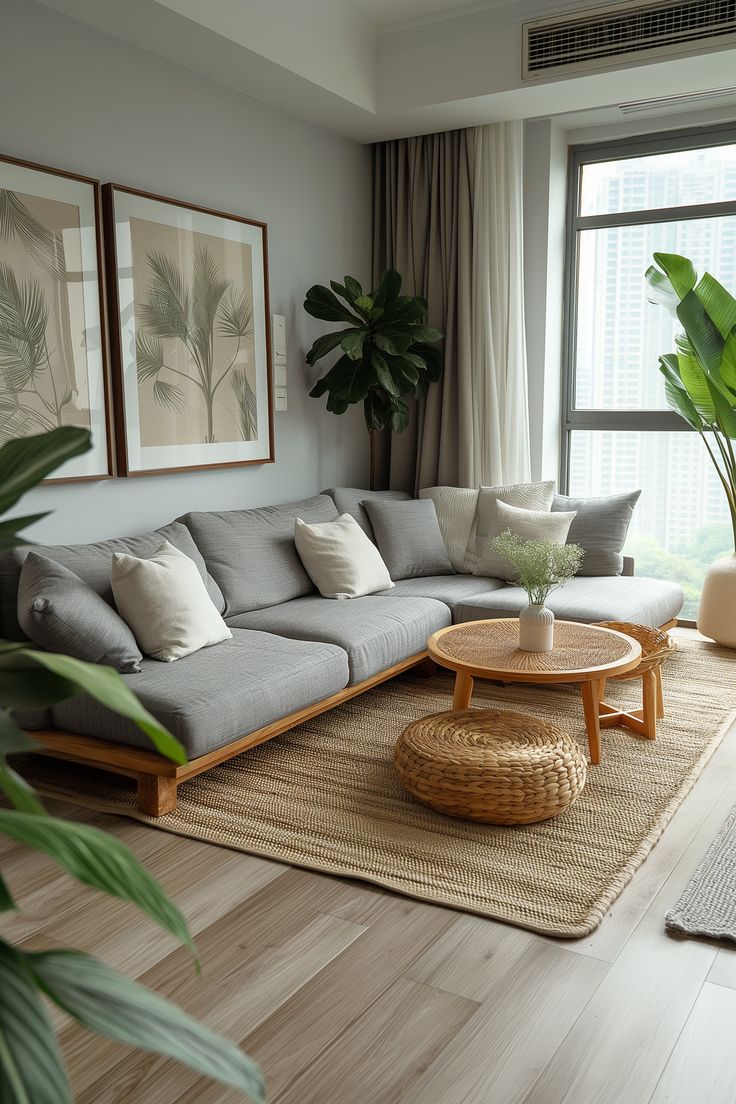
3. Multi-Functional Furniture for Maximum Efficiency
To maximize every square inch of your home, you must prioritize multi-functional furniture for maximum efficiency, transforming static rooms into versatile, high-performance environments. In 2026, the “adaptive living” movement highlights pieces that serve dual purposes, such as a sleek sofa bed for overnight guests or a dining table that functions as a professional workstation. By incorporating storage ottomans that provide both extra seating and a hidden place for clutter, you eliminate the need for redundant furniture. Furthermore, integrating DIY solutions like fold-out desks or modular shelving allows you to customize your layout to meet shifting daily needs, making your home significantly more flexible. This strategic approach ensures that your furniture works twice as hard, resulting in a streamlined, intelligent sanctuary that never feels cramped. Ultimately, investing in multi-functional design creates a sophisticated and agile living space that effortlessly balances style with superior utility.
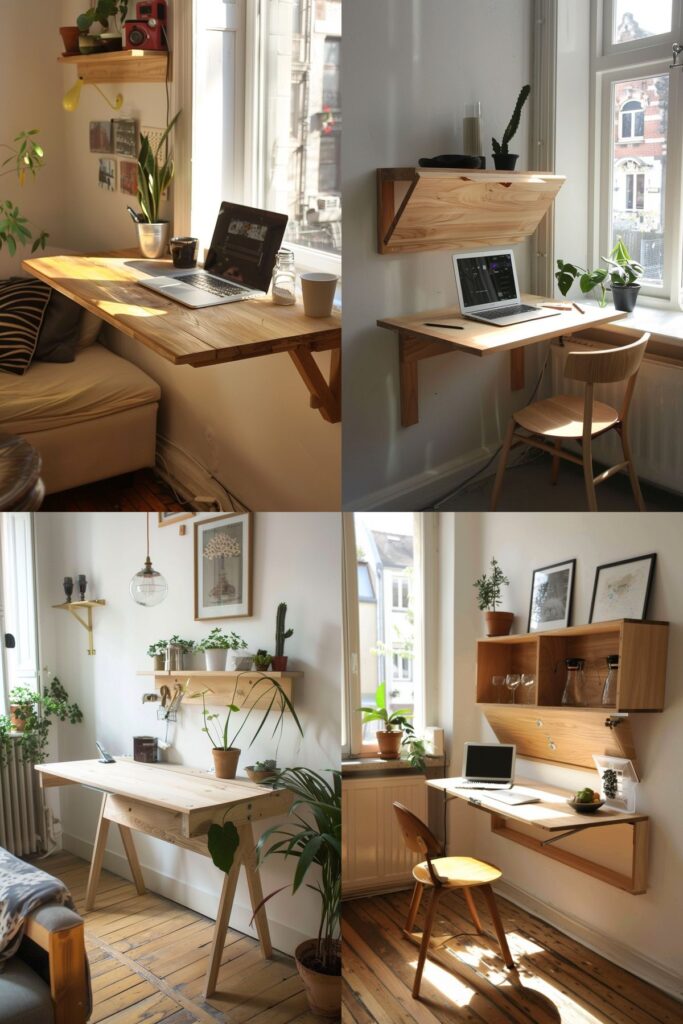
4. Incorporate Mirrors to Enhance Light and Space
To instantly double the perceived depth of your environment, you should incorporate mirrors to enhance light and space, utilizing their reflective properties to break down visual barriers. In 2026, designers leverage oversized or strategically placed mirrors as “virtual windows” that bounce natural light into the furthest corners of a room, creating a luminous and expansive atmosphere. A well-positioned mirror in a cramped hallway or small bedroom doesn’t just add a decorative touch; it tricks the eye into seeing a continuation of the floor plan, effectively making the boundaries of your home feel limitless. By selecting aesthetic decor pieces like frameless mirrors or those with slim, metallic profiles, you maintain a sleek, modern look that complements a minimalist sanctuary. This technique provides a high-impact spatial solution without occupying a single inch of floor space. Ultimately, mirrors transform a dim, enclosed area into a vibrant, multi-dimensional sanctuary that feels both sophisticated and airy.
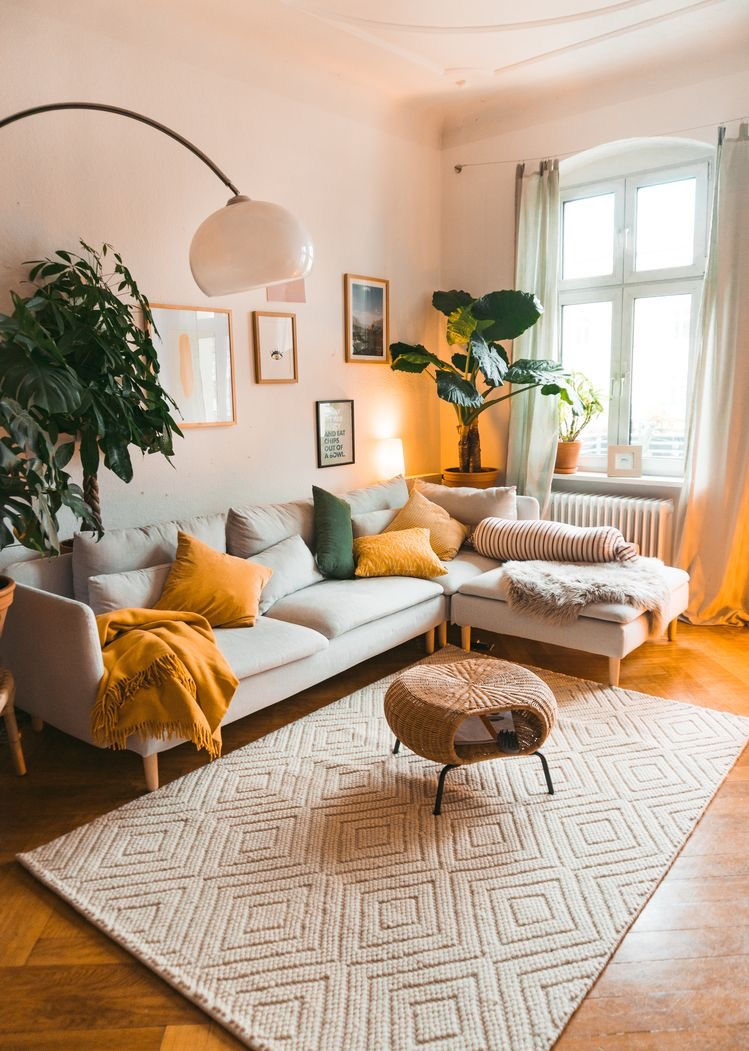
5. Go for Minimalistic Designs
To achieve a truly open and tranquil environment, you should go for minimalistic designs, where the philosophy of “less is more” helps prevent a compact layout from feeling suffocating. In 2026, the minimalist movement focuses on clean lines and clutter-free surfaces, ensuring that every furniture choice serves a specific purpose without dominating the room’s visual field. By opting for low-profile tables, streamlined sofas, and open shelving, you maintain sightlines that allow the eye to travel freely, which instantly makes your small home feel more expansive and peaceful. This approach blends high-performance functionality with a sleek, modern aesthetic, removing the “visual noise” that often plagues smaller floor plans. Ultimately, embracing minimalism transforms your interior into a refined, restorative sanctuary where the architecture and light take center stage. This intentional simplicity results in a home that feels sophisticated, balanced, and effortlessly spacious.
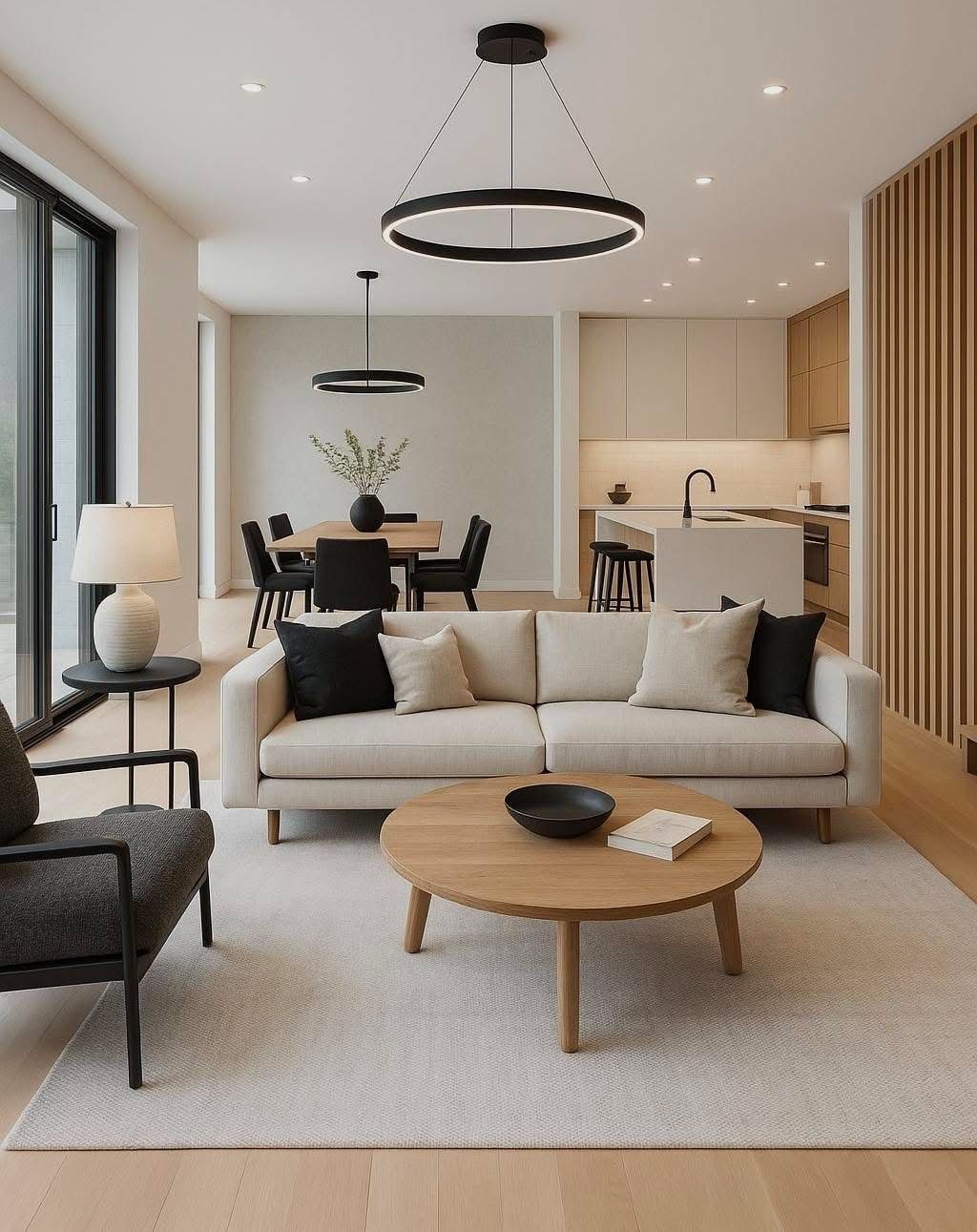
6. Create Separate Zones in Open-Plan Spaces
To maximize the utility of a shared footprint, you should create separate zones in open-plan spaces, using strategic design cues to define different functional areas without building permanent walls. In 2026, the key to a high-performance home is “visual partitioning,” where a large area rug can anchor a cozy living room while a well-placed bookshelf or folding screen carves out a private home office. By establishing these clear boundaries for lounging, working, or dining, you eliminate the chaotic “one-room” feel and replace it with a structured, inviting atmosphere. This intentional division allows for a better rhythmic flow, making the entire floor plan feel more expansive because the eye perceives multiple “destinations” within a single view. Ultimately, zoning transforms a generic open layout into a sophisticated, multi-dimensional sanctuary that feels both organized and tailored to your daily lifestyle, proving that even the smallest studio can offer the luxury of distinct rooms.
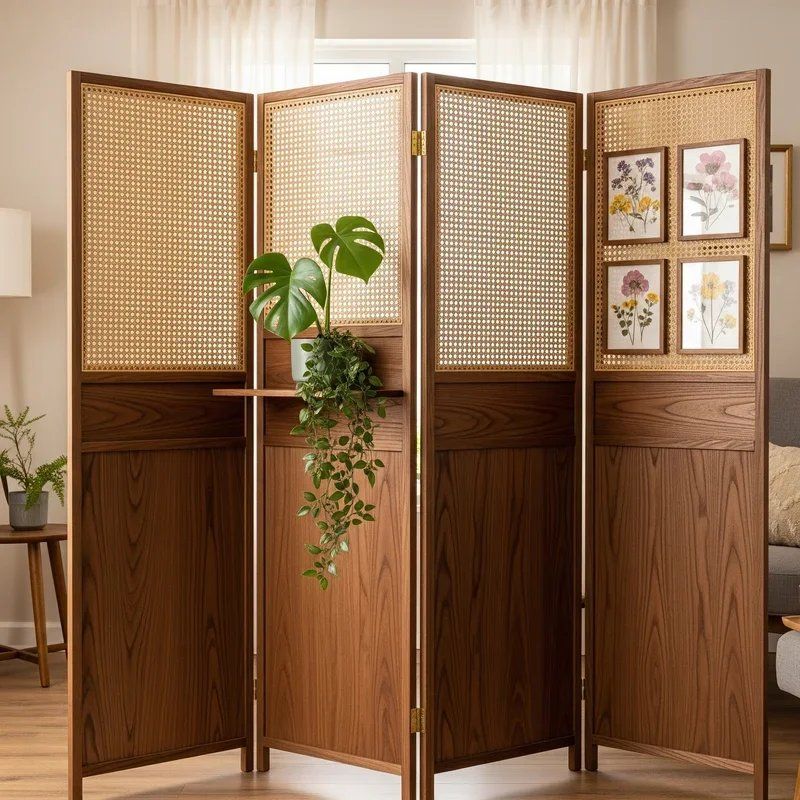
7. Add Vertical Gardens for a Touch of Nature
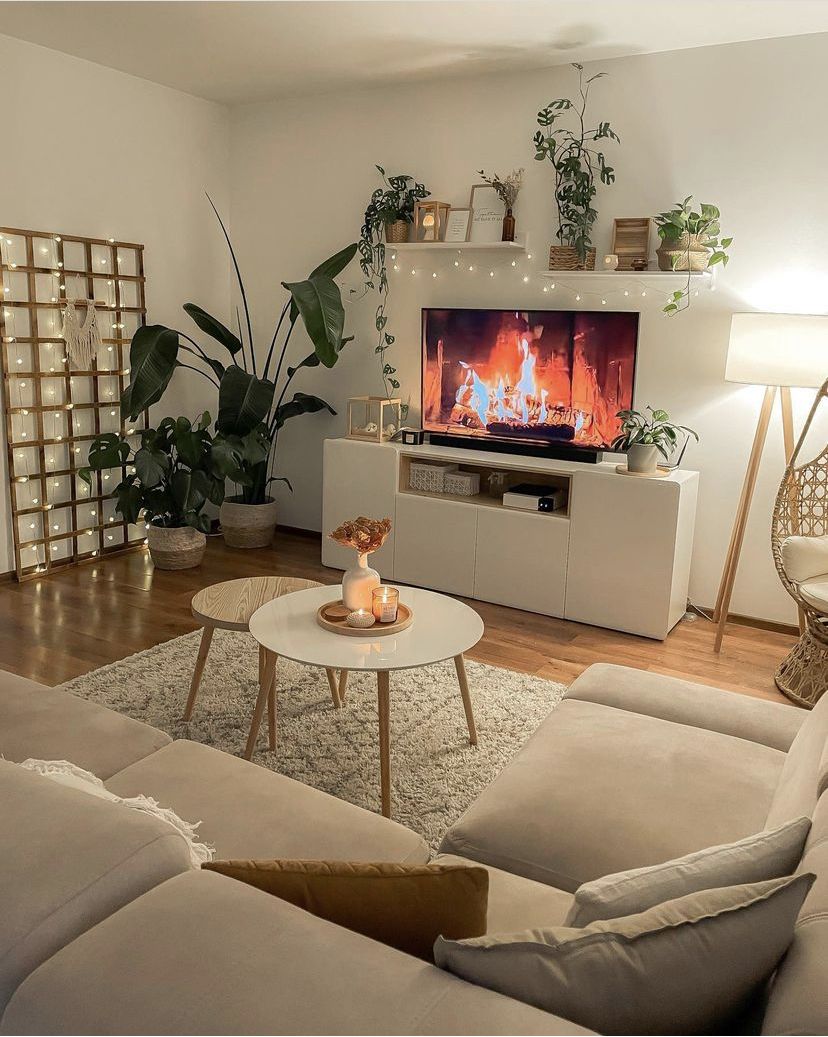
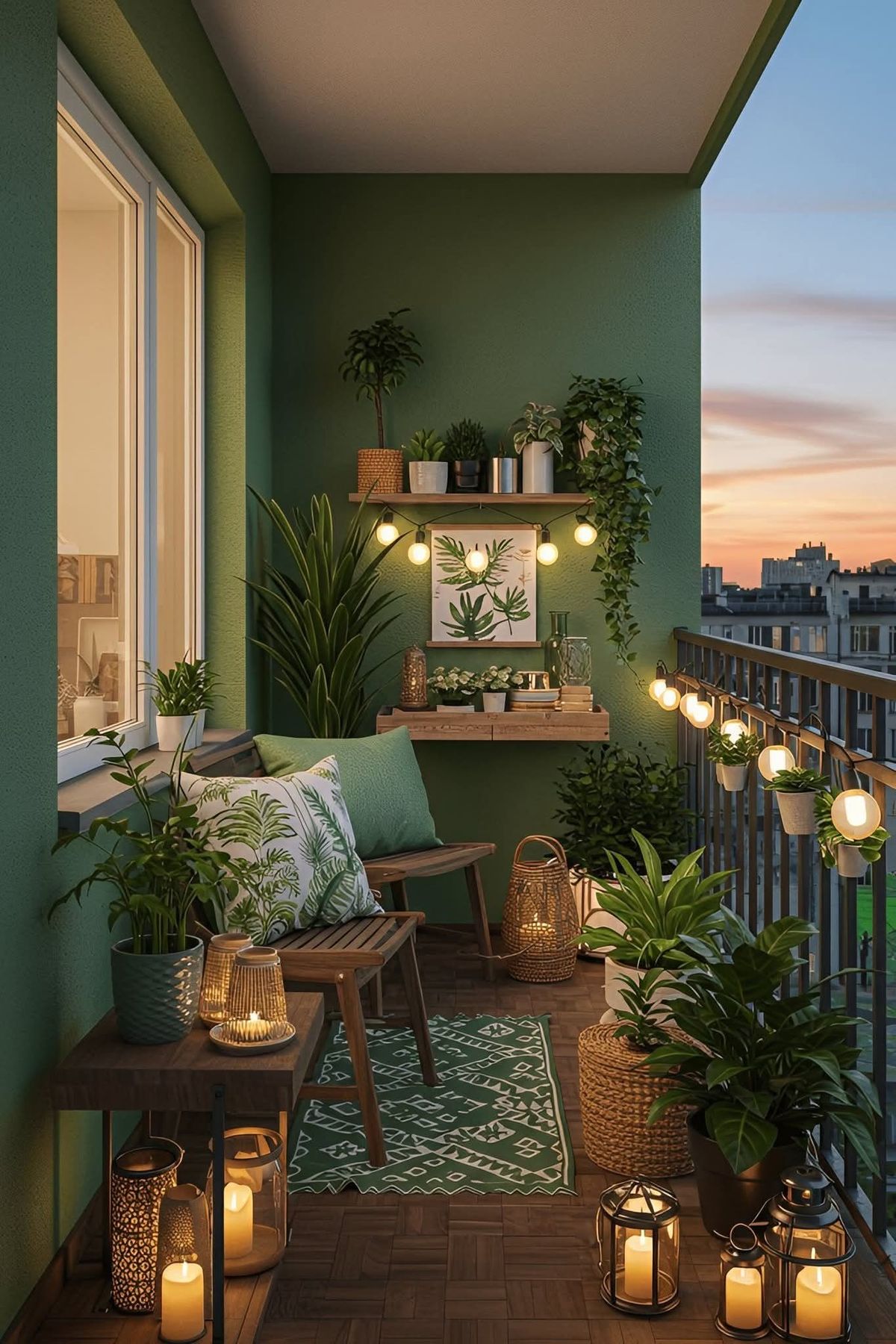
To infuse your home with vitality without sacrificing square footage, you should add vertical gardens for a touch of nature, utilizing your walls as a canvas for living art. In 2026, “biophilic design” is essential for small-scale living, as plants improve air quality and provide a calming, restorative energy. By opting for hanging planters or sleek wall-mounted systems, you can cultivate a lush environment without occupying precious floor space. Whether you embark on a DIY home decor project to create a kitchen herb garden or install a professional-grade green wall, these vertical solutions make your interior feel fresher and more vibrant. This “upward growth” strategy draws the eye toward the ceiling, further enhancing the room’s sense of height. Ultimately, integrating greenery into the vertical plane transforms a sterile apartment into a lush, breathing sanctuary, proving that you don’t need a backyard to enjoy a sophisticated and inviting garden atmosphere.
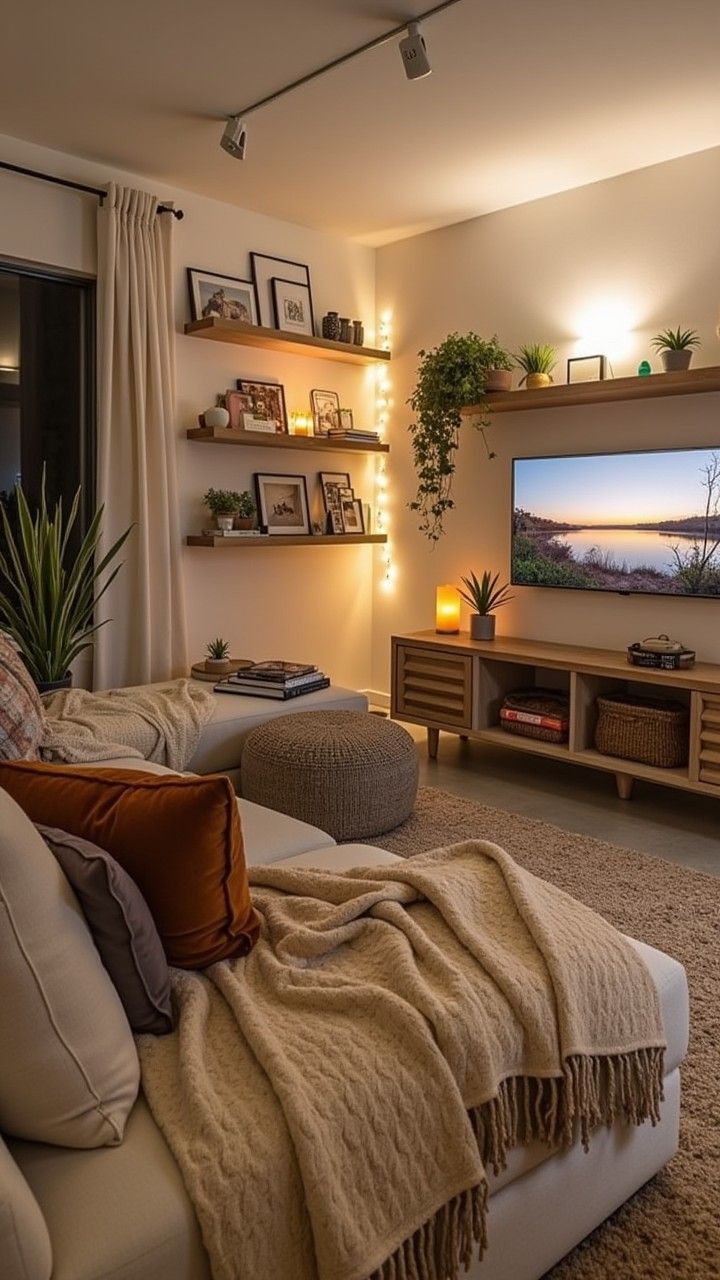
8. Go for Custom-Built Furniture
To achieve a truly high-performance interior, you should go for custom-built furniture, ensuring that no square inch of your floor plan is left underutilized. In 2026, the shift toward bespoke craftsmanship allows homeowners to solve unique architectural challenges that off-the-shelf pieces simply cannot address. By commissioning a built-in bed with integrated storage drawers or a custom bookshelf tailored to an awkward corner, you transform wasted gaps into valuable functional zones. These personalized pieces are designed specifically for your lifestyle, whether that means a modular sofa that adapts to your hosting needs or a desk that perfectly fits a narrow alcove. This strategic approach is a cornerstone of small-apartment decor, as it eliminates visual clutter and maximizes efficiency. Ultimately, custom-built solutions provide a seamless, high-end sanctuary where the furniture is an extension of the architecture itself, resulting in a home that is both remarkably organized and aesthetically unified.
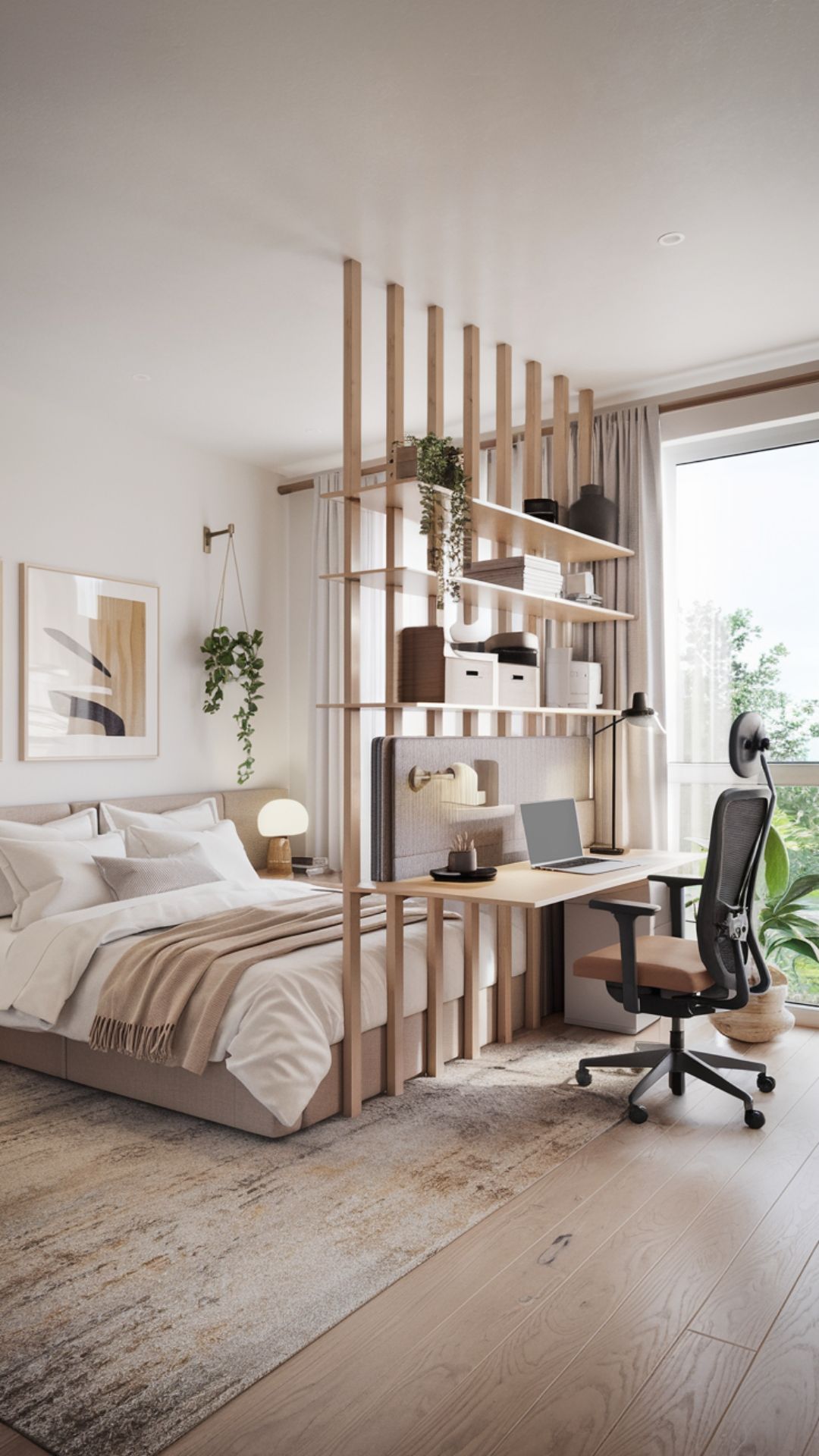
9. Embrace Multi-Use Wall Space
To maximize your home’s functionality, you should embrace multi-use wall space, shifting your storage and workspace needs from the floor to the vertical plane. In 2026, the “floating” aesthetic is a hallmark of high-performance design, as it keeps sightlines clear and square footage unobstructed. By installing wall-mounted desks, floating cabinets, or strategic wall hooks for everyday essentials like bags and coats, you transform empty walls into active assets. In a home office decor setup, a fold-down desk or a wall-integrated shelving unit provides a complete workstation while freeing up the floor below, making the room feel significantly more spacious. This approach effectively eliminates the heavy “bottom-weighted” look of traditional furniture, resulting in an organized and clutter-free sanctuary. Ultimately, reclaiming your vertical real estate ensures every tool remains within reach without compromising the breathability of your layout, creating a sleek and highly efficient living environment.
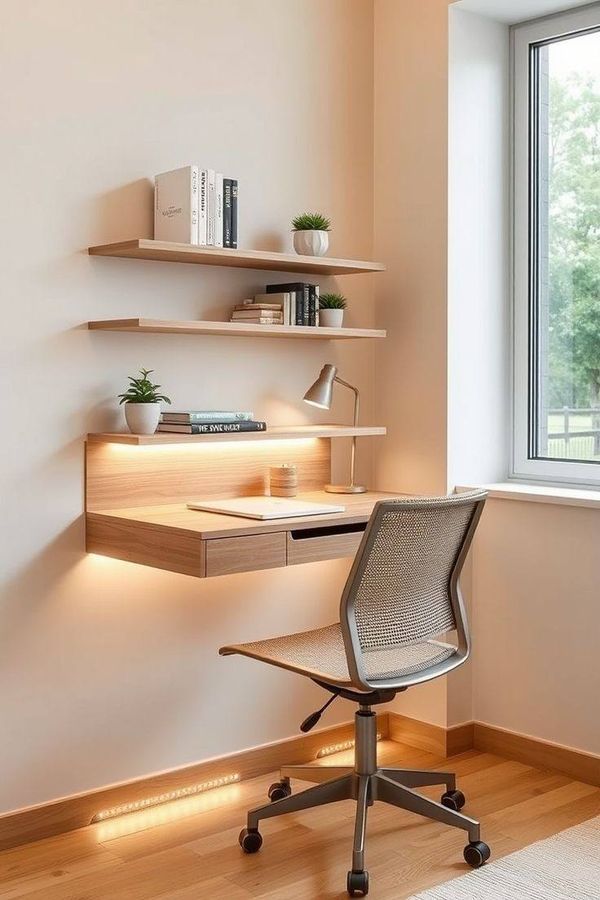
10. Add Cozy Textures with Rugs and Throw Pillows
To soften the clean lines of a compact layout, you should add cozy textures with rugs and throw pillows, layering tactile elements to transform a functional room into a restorative retreat. In 2026, the “soft sanctuary” trend emphasizes the importance of sensory comfort in smaller footprints; by incorporating plush throw pillows, knitted blankets, and shaggy rugs, you introduce warmth without the need for additional furniture. For small bedroom decor, a high-pile rug underfoot provides immediate comfort and visual depth, while neutral home decor pieces with subtle textures—like linen or bouclé—ensure the space remains cohesive and airy rather than cluttered. These layers act as acoustic dampeners, making the room feel more private and serene. Ultimately, prioritizing texture over volume creates a sophisticated, inviting atmosphere where the scale of the room is secondary to the quality of the experience, resulting in a luminous and deeply relaxing sanctuary.
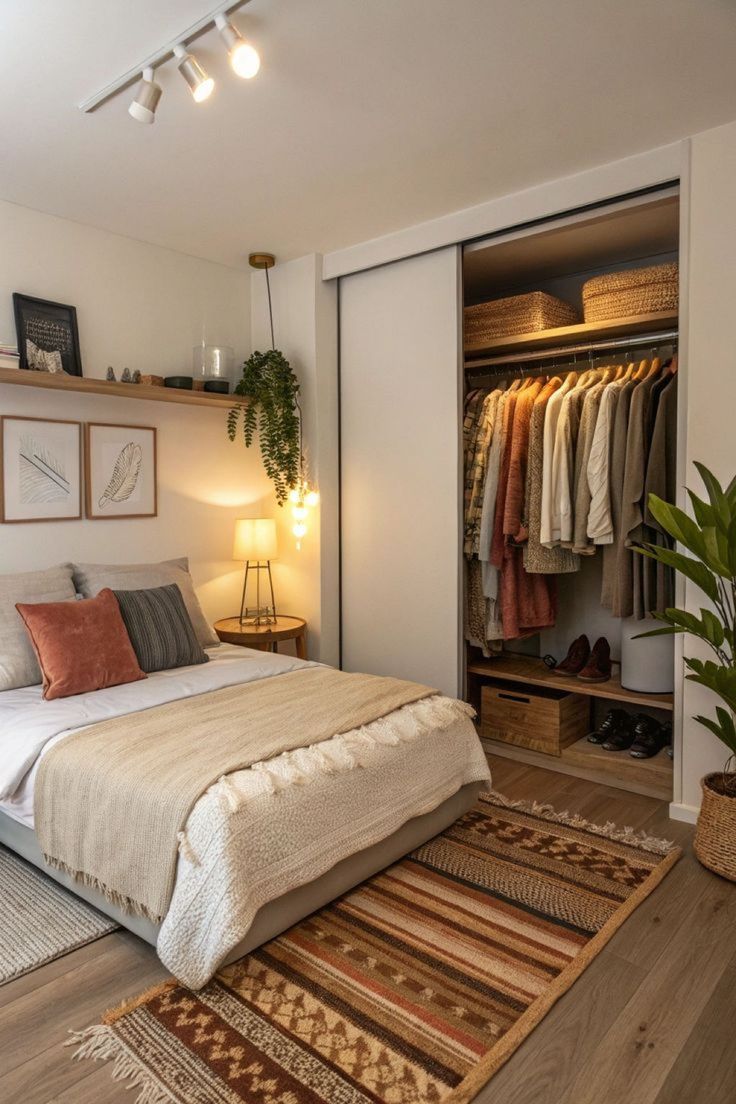
11. Use Sliding Doors to Save Space
Traditional doors that swing open can take up valuable floor space, which is particularly challenging in small homes. Sliding doors are an excellent space-saving solution. Install them in places where you need privacy but want to preserve floor space, such as in the bathroom, closet, or between rooms. Sliding doors can contribute to your modern home decor while providing practical benefits.
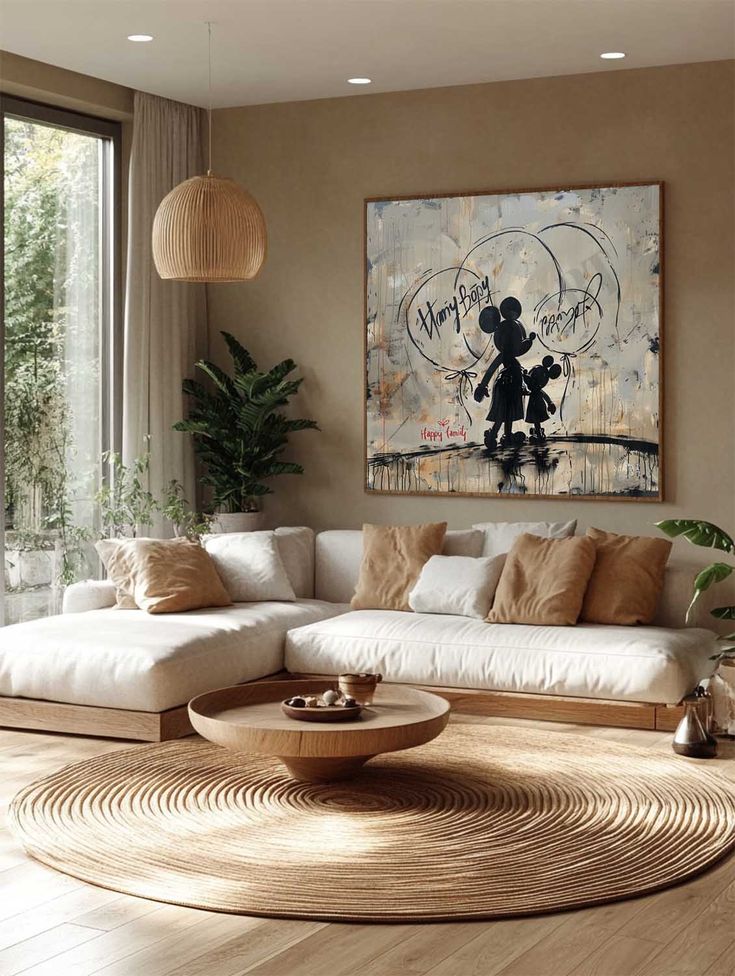
12. Use Bold Accents for a Pop of Personality
While neutral colors dominate small spaces, adding bold accents can inject personality into your design. Opt for colorful throw pillows, bright artwork, or a bold accent wall to draw the eye and break up the monotony. These touches of aesthetic home decor make a small space feel unique and welcoming, while also adding a layer of excitement to the room.
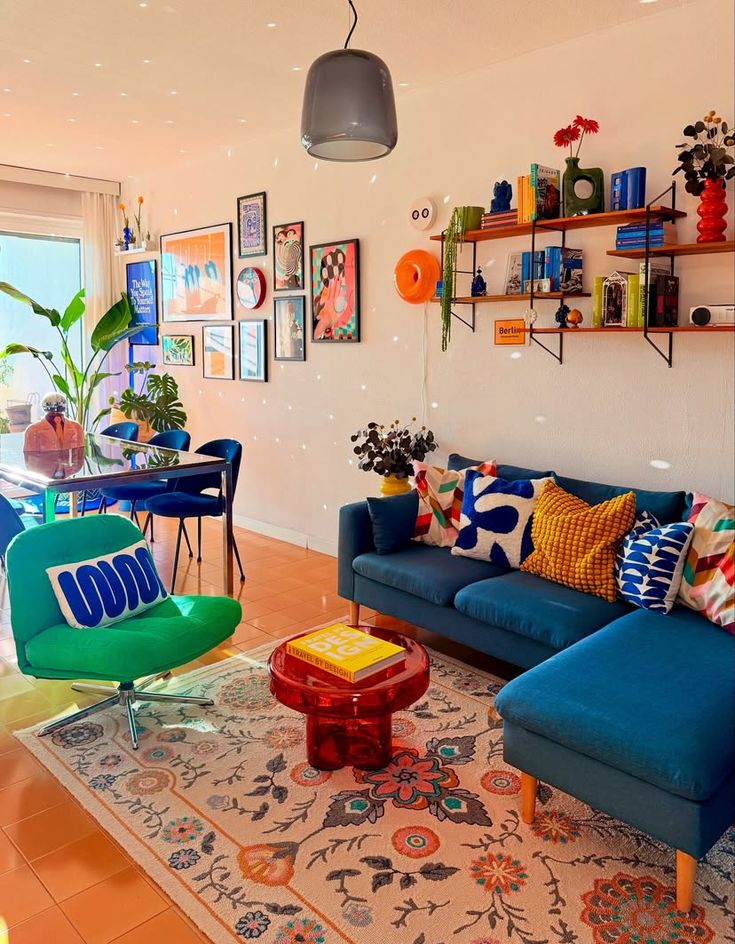
13. Install Open Shelving for Easy Access
In small kitchens or bathrooms, open shelving is a practical and aesthetic solution. By showcasing your favorite mugs, dishes, or bathroom essentials on open shelves, you can create a more visually appealing space. This is one of the best small space home decor ideas that doesn’t sacrifice function for style.
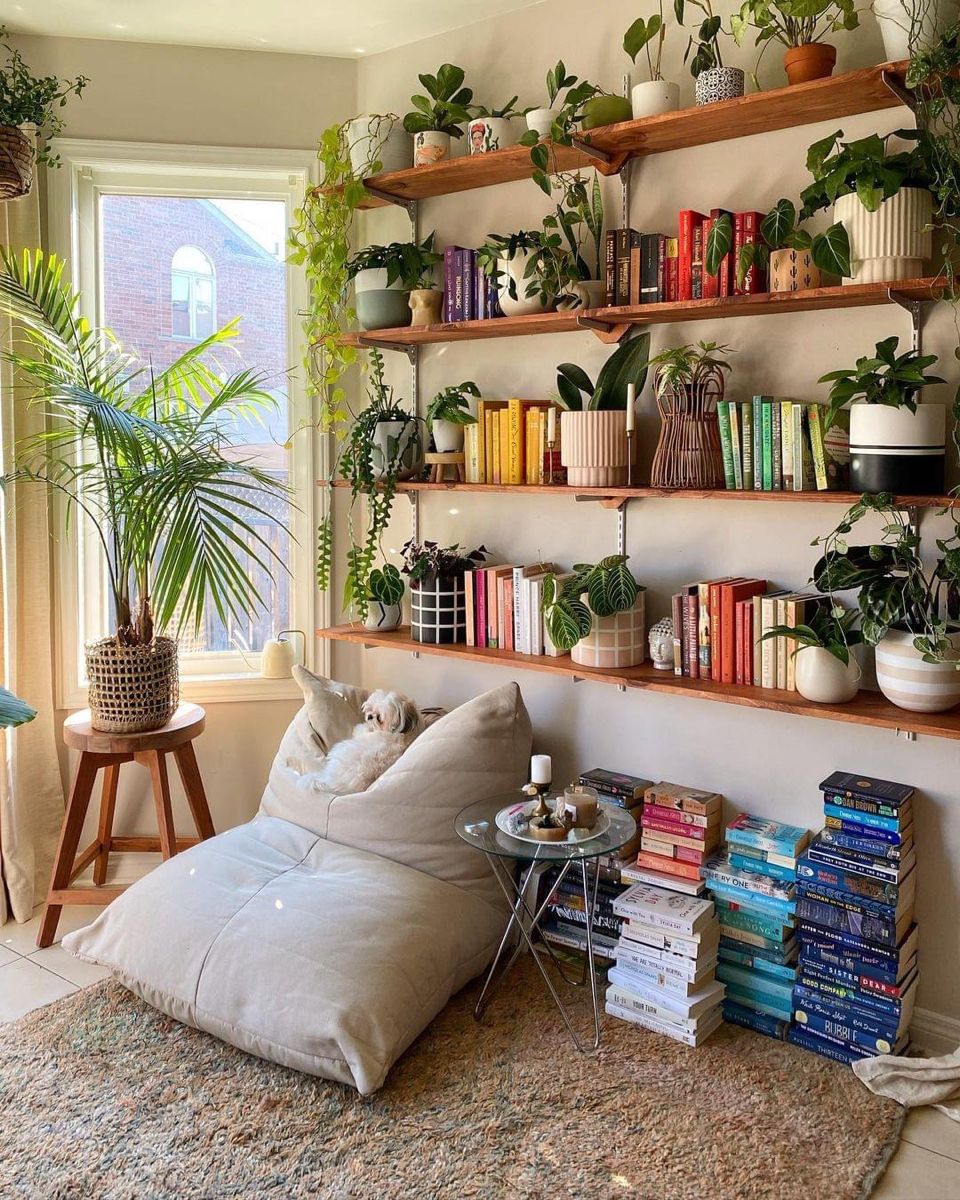
14. Keep Furniture Elevated for More Floor Space
Furniture that is elevated on legs can make a small room feel more expansive by allowing more floor space to be visible. Small bedroom decor ideas such as a bed with a raised frame or a coffee table with open space beneath create a light and airy feel. Additionally, it’s easier to clean the floor beneath, keeping your space looking tidy.
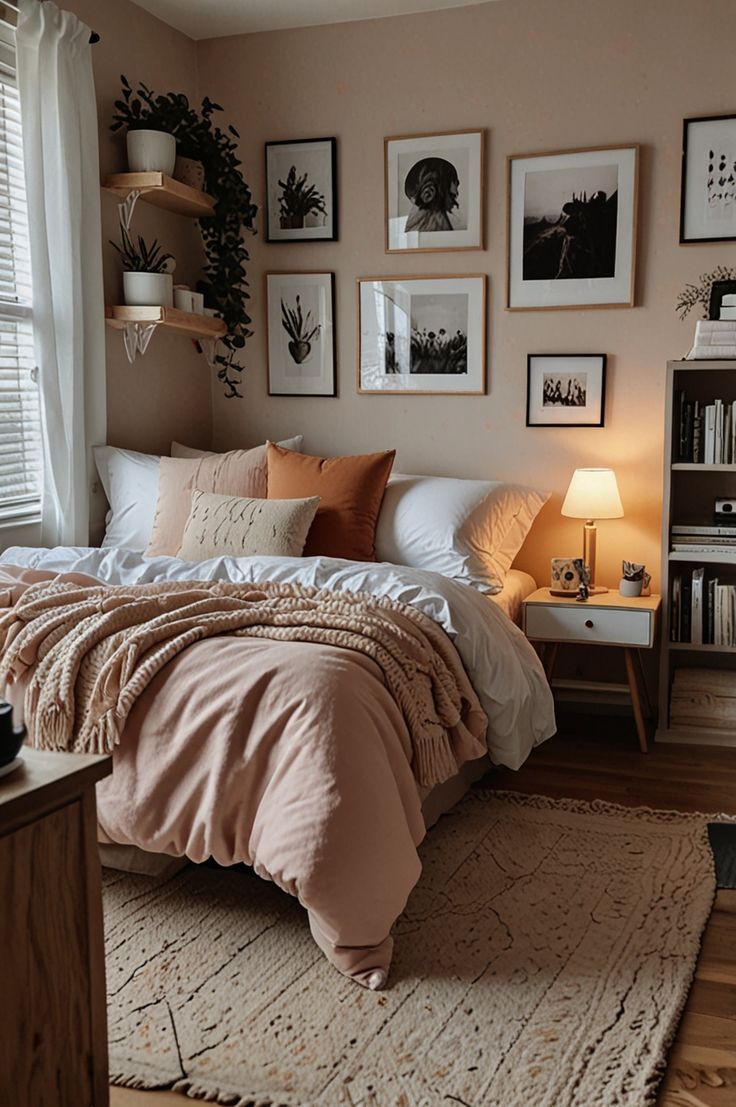
15. Create a Small-Scale Home Office
With more people working from home, creating an efficient yet cozy home office decor is essential for small spaces. Look for desks that fit comfortably into corners, or choose wall-mounted desks that can be folded away when not in use. Keep your home office clean and organized with storage solutions such as wall-mounted shelves or compact filing cabinets to ensure your workspace remains functional and stylish.
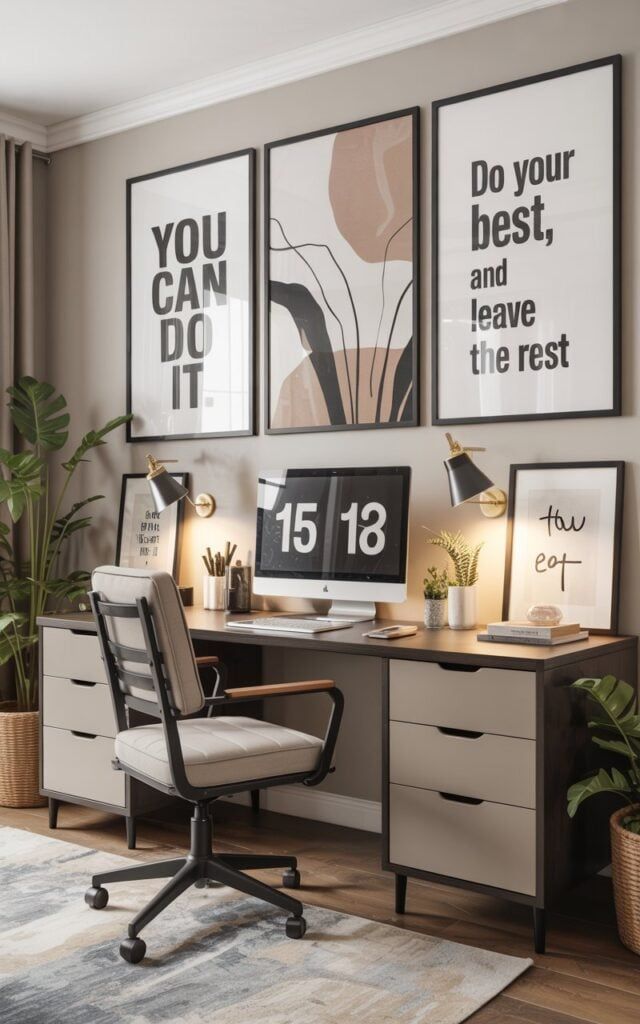
Conclusion
Maximizing space in your home doesn’t mean sacrificing style. With these small space home decor ideas, you can transform your compact living area into a functional, stylish, and comfortable haven. From clever furniture choices to creative storage solutions and minimalist designs, there are endless ways to make your small space feel bigger and more inviting. Whether you’re embracing modern home decor or incorporating DIY home decor ideas, these 15 tips will help you create a small home that feels spacious and personalized.