Choosing a sofa set is one of the biggest living room decisions you can make. It affects how much seating you have, how people move through the room, where the coffee table sits, and even how spacious the room feels. In 2026, the most useful sofa trends are not simply about choosing the newest shape or color. They are about finding a sofa that fits your room, supports the way you live, and looks intentional with the rest of your furniture.
Modern living rooms are moving toward softer silhouettes, flexible seating, warm neutrals, earthy colors, tactile upholstery, and furniture that can adapt to everyday life. Modular sofas are especially useful when a room needs to serve more than one purpose, while classic sofa-and-chair arrangements can provide better flexibility for entertaining. Architectural Digest likewise notes that modular sofas can be reconfigured for different needs and room layouts. See the current modular sofa guidance from Architectural Digest.
This guide focuses on the decisions that matter most: sofa style, proportion, color, upholstery, room size, layout, and finishing details. If you are replacing an old sofa or furnishing a room from scratch, these ideas can help you create a living room that feels modern without looking temporary.

Choose the Sofa Style Around Your Room
The sofa should fit the architecture of the room before you worry about decorative details. A deep sectional can be comfortable in a large family room but overpower a narrow apartment. A compact three-seater can look elegant in a smaller space but may not provide enough seating for a large household. Start by measuring the wall where the sofa will sit, then measure doorways, stairways, elevators, and turns that the furniture must pass through.
For a balanced modern look, consider low-profile sofas with clean arms, softly rounded corners, or simple straight silhouettes. A curved sofa can soften a boxy room, while a structured sofa works well with strong architectural lines. Modular designs add flexibility when your needs change.
Homedecorio’s modern sofa guide covers a wider range of contemporary sofa silhouettes, so use it for additional style inspiration. For this article, the focus is on matching the sofa set to the room rather than simply collecting different sofa styles.

Use Sofa Proportion to Make the Layout Feel Balanced
A beautiful sofa can still make a living room feel awkward when its proportions are wrong. Before buying, measure the available wall width and leave enough space for doors, windows, curtains, side tables, and walking paths. Do not judge the sofa only by the showroom around it. A piece that looks appropriately sized in a large store may feel enormous once it is inside your home.
For a small living room, an apartment-sized two-seater or compact three-seater is often easier to work with than an oversized sectional. For a larger room, a three-seater combined with one or two accent chairs can create a more flexible conversation area. In an open-plan room, a sectional can help visually define the living zone without requiring a wall.
Try marking the sofa footprint on the floor with painter’s tape before ordering. This simple step lets you check whether the coffee table, rug, chairs, and walking paths will still fit. It is also worth measuring the sofa depth, not just its width. A deep sofa can consume more usable floor space than its width suggests.
Try Warm Neutral Sofa Colors for a Timeless Base
Warm neutrals remain a practical choice when you want a sofa that can survive changing decor trends. Cream, oatmeal, beige, taupe, warm gray, and soft brown can work with wood, stone, black metal, brass, and a wide range of accent colors. They also make it easier to change pillows, rugs, artwork, and curtains without replacing the main furniture.
Avoid making every surface the same shade. A cream sofa can look flat with cream walls, rugs, and cushions. Try a warm white wall with a beige sofa, medium oak, textured ivory, and darker brown or charcoal accents.
If children or pets use the living room heavily, consider performance upholstery or removable covers rather than choosing a delicate fabric simply because it looks luxurious. The most attractive sofa is the one that continues to look good after normal daily use.
Bring in Olive Green for an Earthy Modern Look
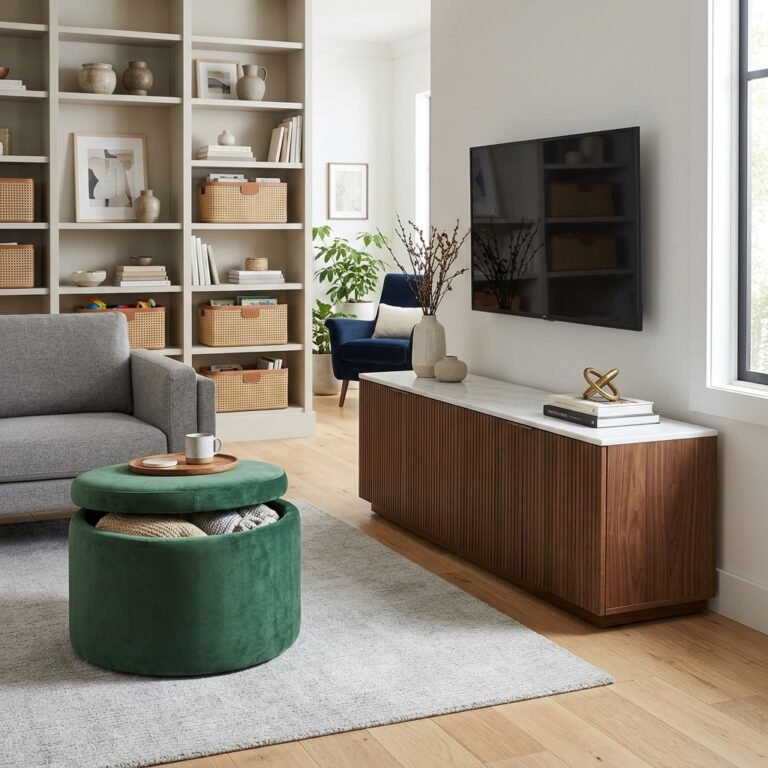
Olive green can give a living room more personality without becoming as visually demanding as a very bright color. It works particularly well with natural wood, cream, beige, stone, warm white, and matte black. The result can feel contemporary while still having an organic quality.
For a calm composition, let the olive sofa remain the strongest color in the room. Use a neutral rug, a wooden coffee table, and cushions in cream, oatmeal, or muted brown. A few plants can reinforce the natural palette without making the room feel overly themed.
Lighting matters with green upholstery. Warm evening light can bring out the earthy side of olive, while cooler light can make it appear flatter or more blue-green. Test fabric samples in both daylight and evening light before committing to a large sofa.

Use Navy Blue When You Want Depth and Contrast
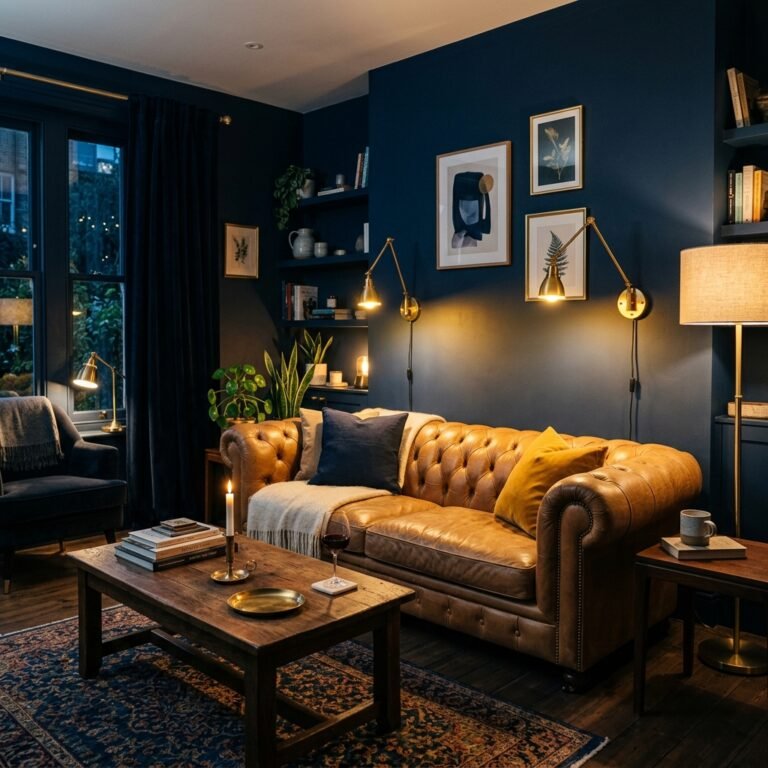
A navy sofa creates a stronger visual anchor than a pale neutral sofa, but it can still feel timeless. It works particularly well against warm white, light beige, pale gray, and natural wood. If the room receives plenty of daylight, navy can give the seating area a rich, grounded appearance without making the entire room feel dark.
Keep the surrounding palette controlled. Two or three supporting colors are usually enough. Cream cushions, a light rug, walnut furniture, and brushed metal accents can create a polished combination. If you want more color, introduce it through one or two cushions or a piece of artwork rather than adding several unrelated shades.
Navy is also useful when the sofa receives heavy use because its deeper color can be more forgiving of everyday marks than very pale upholstery. Fabric performance and cleaning requirements still matter, so check the manufacturer’s care instructions before purchasing.

Consider Burnt Orange or Terracotta for Warmth
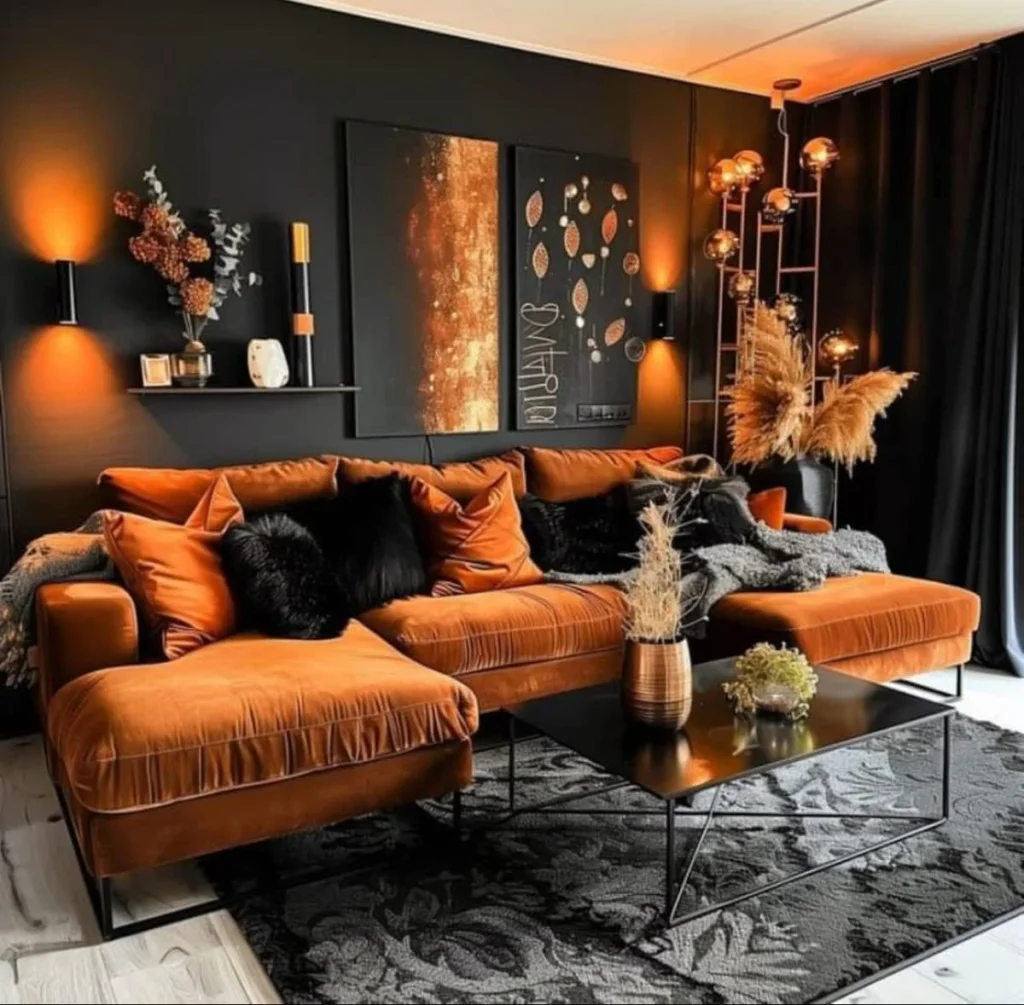
If your living room needs more warmth, burnt orange and terracotta can work beautifully as statement sofa colors. These shades are easier to live with than extremely bright orange because their earthy undertones pair naturally with wood, cream, brown, beige, and muted green.
Let the sofa carry most of the color. A neutral wall, simple rug, and restrained accessories give the upholstery room to stand out. You can repeat a small amount of the sofa color in artwork or cushions, but there is no need to match every accessory exactly.
Velvet can make a burnt orange sofa feel more dramatic, while a woven or textured fabric gives it a relaxed contemporary appearance. Choose according to how the room is used rather than selecting a fabric purely for its visual effect.

Keep Light Gray Sofas Fresh and Flexible
Light gray remains one of the easiest sofa colors to style because it sits between warm and cool palettes. It can work with white walls, greige walls, dark green accents, blue artwork, natural wood, black details, and soft beige textiles.
The key is texture. A completely smooth gray sofa surrounded by smooth gray surfaces can make a room feel flat. Add a textured rug, woven cushions, a timber coffee table, linen curtains, or a tactile throw to create depth.
Light upholstery needs a realistic maintenance plan. If the sofa will be used every day, look for stain-resistant performance fabric or removable, washable covers where available. Ask for a sample and test it against the room’s lighting before ordering.

Choose a Sofa Layout That Matches How You Live
For an open-plan home, use the sofa to establish a boundary between the living and dining areas. A sectional can create a natural visual edge, while a sofa placed with its back toward the dining area can define the living zone without blocking the entire space.
Try not to push every piece against the walls simply because the room is small. A little breathing room around furniture can make the arrangement feel more deliberate. Architectural Digest’s recent guidance on visual clutter also highlights the value of floating furniture, simplifying palettes, and allowing pieces to breathe. Read the Architectural Digest guide to reducing visual clutter.

Use Modular Seating When Flexibility Matters
Modular sofa sets are particularly useful for homes where the living room has to change with daily life. You can create a longer sofa for movie nights, separate pieces for entertaining, or a compact arrangement when you need more open floor space.
Before choosing a modular design, check how the individual pieces connect. Some systems are designed to stay together, while others make frequent rearrangement easier. Measure each component separately and consider where the pieces will go when they are not being used in the main configuration.
Modular seating can also work well in small apartments when the configuration is carefully planned. Avoid buying the largest possible combination just because it can be rearranged. Flexibility is useful only when the individual pieces still fit the room comfortably.

Match the Sofa With the Right Rug and Coffee Table
A sofa rarely looks finished on its own. The rug and coffee table help establish the scale of the entire seating area. A rug that is too small can make a large sofa arrangement look disconnected, while an oversized rug can swallow the room’s proportions.
Whenever possible, place at least the front legs of the main seating pieces on the rug. In a larger room, placing the entire sofa and chairs on the rug can create a more unified zone. For the coffee table, leave enough clearance for people to sit comfortably and move around it without bumping their knees.
Choose the table according to the sofa’s visual weight. A heavy dark sofa may work well with a lighter wood or glass table, while a pale sofa can support a stronger sculptural table. Mixing materials prevents the room from looking like a matching furniture showroom.
Layer Pillows and Throws Without Overcrowding the Sofa
Pillows and throws are an easy way to update a sofa without replacing it. The most polished arrangements usually combine different sizes and textures instead of using identical cushions across the entire sofa.
For a three-seat sofa, start with two larger cushions at the outer ends, then add one or two smaller cushions toward the center. A folded throw can sit over one arm or one corner rather than covering the entire sofa. This keeps the furniture looking usable instead of overly staged.
Use accessories to repeat colors already present in the room. If your sofa is navy, for example, cream, muted mustard, warm brown, or soft blue can create a cohesive palette. If the sofa is olive green, try oatmeal, ivory, tan, and small amounts of black.

Pay Attention to Fabric, Comfort, and Everyday Use
A sofa is furniture you interact with every day, so appearance should not be the only deciding factor. Sit on the sofa before buying whenever possible. Check whether your feet reach the floor comfortably, whether the seat depth supports your normal sitting position, and whether the back provides enough support.
Think about who will use the sofa. A household with children may need durable, easy-clean upholstery. A formal sitting room may allow more delicate materials. Leather can provide a polished appearance and is relatively easy to wipe clean, while textured woven fabrics can create a softer, more relaxed look.
Finish the Sofa Area With Layered Lighting
Good lighting can change how a sofa color and fabric look throughout the day. Do not depend on a single ceiling fixture. Combine general lighting with a floor lamp, table lamp, wall light, or other lower-level source near the seating area.
Warm light is especially useful for evening living because it can make neutral upholstery feel richer and create a more comfortable atmosphere. Test bulbs in the actual room before deciding on the final lighting setup.
Make Small Living Rooms Work With the Right Sofa
Small rooms require more attention to scale, but they do not require boring furniture. A compact sofa with raised legs can leave more visible floor underneath, which can make the room feel lighter. A chaise sectional can also work when its orientation matches the room’s circulation pattern.
Avoid measuring only the wall. Check the distance from the sofa to the coffee table, the route to the doorway, the opening of nearby cabinets, and the space required for curtains or windows. A sofa that technically fits can still make the room uncomfortable if it interrupts everyday movement.
For more detailed small-space furniture and storage strategies, small living room design guide covers compact furniture, lighting, storage, and layout planning in greater depth.

Common Sofa Shopping Mistakes to Avoid
The most common mistake is buying for appearance before checking function. A very deep sofa may look luxurious but become uncomfortable if you prefer upright seating. A large sectional may look impressive but leave no space for an accent chair or clear walking path.
Another mistake is choosing the sofa color in isolation. Take a fabric sample home and compare it with your walls, flooring, curtains, rug, and natural light. Colors can shift dramatically between a showroom and your living room.
FAQs
What sofa colors are popular for living rooms in 2026?
Warm neutrals, light gray, olive green, navy, earthy brown, and muted terracotta are versatile choices for modern living rooms. The best color depends on your existing walls, flooring, natural light, and how much visual contrast you want.
What sofa is best for a small living room?
A compact two-seater, apartment-sized three-seater, or carefully scaled modular sofa can work well. Measure the entire circulation area rather than choosing a sofa based only on wall width.
Are modular sofas good for small apartments?
They can be useful when the individual modules are appropriately sized. Their flexibility allows you to change the arrangement, but a modular sofa should not be oversized simply because it can be rearranged.
How do I make a sofa look more luxurious?
Focus on proportion, quality-looking texture, coordinated colors, good lighting, and a properly sized rug. A simple sofa can look refined when the surrounding furniture and accessories are carefully balanced.
Should a living room sofa match the chairs?
No. Matching every piece can make the room feel overly coordinated. A sofa and chairs can share a color family, material, or design detail while still having different silhouettes.
How much space should I leave around a sofa?
The exact amount depends on the room, furniture, and circulation pattern. Instead of following one universal measurement, create a clear walking route and make sure the coffee table and seating can be used without people squeezing past each other.
Final Thoughts
The best sofa set for your living room in 2026 is not necessarily the most fashionable or the largest one. It is the one that fits the room, supports your daily routines, and works naturally with the furniture already around it.
Start with measurements and layout. Then choose the silhouette, upholstery, and color. Warm neutrals can provide a flexible foundation, while olive, navy, burnt orange, and other richer shades can become a focal point. Finish the arrangement with a correctly scaled rug, practical coffee table, layered lighting, and a restrained selection of cushions and throws.
When every part of the seating area works together, the room feels more comfortable and more intentional. That is what makes a modern sofa set feel current in 2026 while still being useful for years to come.