
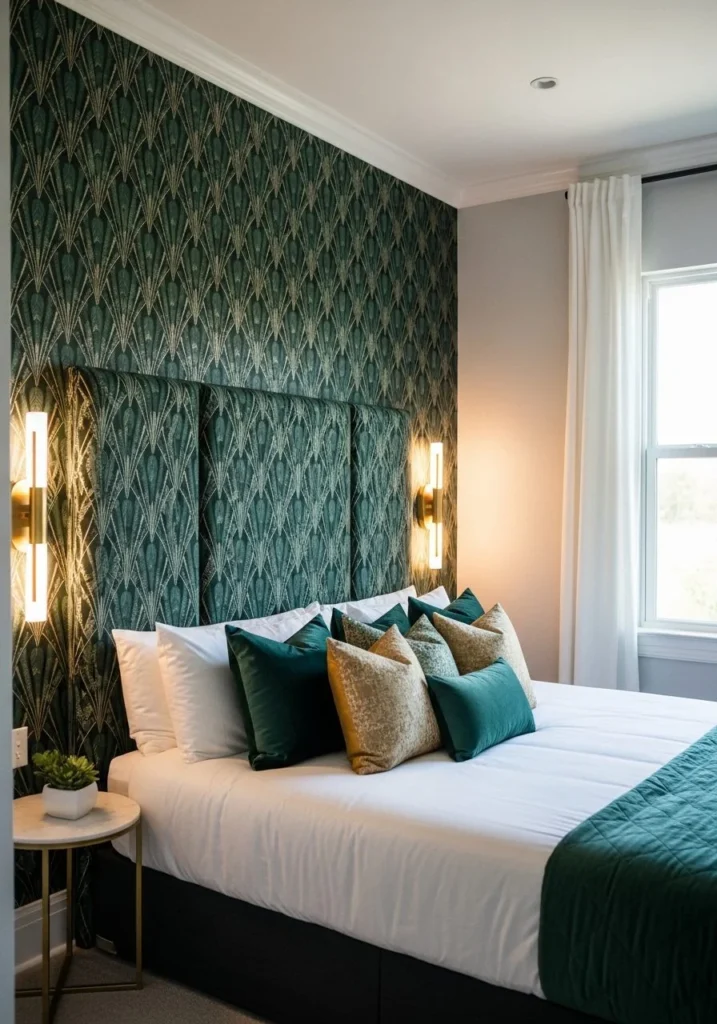
A well-chosen headboard can change the entire visual balance of a bedroom. It can soften hard furniture, frame the bed, introduce texture, or create a strong architectural focal point. The best headboard ideas also solve practical problems. They can add reading comfort, support a cohesive color palette, or make a compact room feel more deliberate.
This guide focuses on modern and luxury headboard styles that work across different bedroom sizes and decorating directions. The collection includes upholstered, wood, woven, metal, built-in, wall-based, and no-headboard solutions. Each option explains where the style works best and how to keep the surrounding room balanced.

How to Choose the Right Headboard
Headboard selection works best when scale, material, comfort, and room style are considered together. A dramatic piece can suit a generous bedroom, while a lighter silhouette often works better in a compact layout. The headboard should support the bed rather than compete with every other focal point.
Material also changes the character of the room. Upholstery introduces softness, wood adds warmth, metal creates structure, and woven materials bring texture without the visual density of a solid panel. A wall treatment can deliver similar impact when floor space or flexibility matters.
- Match the headboard’s visual weight to the room size.
- Repeat at least one headboard color or material elsewhere.
- Choose upholstery when leaning comfort is part of the bedroom routine.
- Use open or wall-based designs when floor space feels limited.
- Let one strong headboard feature lead the room’s visual hierarchy.
Upholstered Headboard for Timeless Elegance
An upholstered headboard remains one of the easiest ways to create a polished bedroom. Linen, cotton blends, velvet, and bouclé can all soften the harder surfaces of nightstands, case goods, and flooring. A simple rectangular profile suits quiet modern rooms, while a taller silhouette creates a more formal luxury effect.
Neutral upholstery keeps the bed versatile and allows artwork or bedding to carry seasonal changes. A richer fabric can become the room’s main accent. The surrounding palette should stay controlled when the upholstery already has strong texture or color.

Wooden Panel Headboard for Natural Warmth
Wooden panels bring warmth and structure without relying on fabric. Light oak can keep a modern bedroom feeling airy, while walnut creates a deeper and more intimate mood. A simple panel works well with minimalist bedding because the wood supplies enough texture without additional pattern.
Responsible sourcing can also shape the material choice. The Forest Stewardship Council explains that FSC-certified wood supports responsible forest management and is available across indoor furniture categories. FSC-certified furniture guidance can help when wood sourcing matters.

Statement Wall Headboard with Paint or Wallpaper
A painted or wallpapered wall can act as a headboard without adding furniture bulk. This solution suits renters, small bedrooms, and minimalist interiors where a solid frame may feel heavy. An arched block of color can soften a rectangular bed, while patterned wallpaper can establish a more decorative focal point.
The strongest results come from clear visual boundaries. The treatment should relate to the bed width and repeat at least one nearby color. Removable wallpaper can also provide flexibility when permanent changes are not practical.

Tufted Headboard for Hotel-Inspired Luxury
Tufting creates depth through repeated folds, buttons, or channels. It works particularly well when a bedroom needs a sense of softness and formality. Diamond tufting leans traditional, while vertical channels feel cleaner and more contemporary.
Because the surface already carries visual detail, the rest of the bed can remain relatively restrained. Crisp bedding, simple bedside lighting, and a limited accent palette keep the headboard from becoming visually crowded.

Minimalist Floating Headboard
A floating headboard attaches visually to the wall rather than reading as a bulky floor-standing piece. The open area below preserves sightlines and supports a lighter composition. This approach works well with low-profile beds, compact rooms, and contemporary furniture.
Some designs incorporate ledges or lighting, but the cleanest versions stay visually quiet. The wall finish becomes part of the composition, so subtle contrast often works better than several competing materials.

Rattan or Cane Headboard for Organic Style
Rattan and cane introduce an airy woven texture that works naturally with relaxed bedrooms. Their open pattern lets the wall remain visible, which can make the headboard feel lighter than a solid panel. The look pairs easily with linen bedding, natural wood, warm whites, and earthy accents.
These materials can move between coastal, boho, and contemporary interiors. A restrained frame keeps the look modern, while a more sculptural woven pattern creates a stronger decorative statement.

Oversized Headboard for Dramatic Impact
An oversized headboard can turn the bed into an architectural feature. It works best when the room has enough surrounding space to balance its visual weight. Wide upholstered panels can unify the bed and bedside tables, while a tall design can emphasize ceiling height.
Scale needs careful control in compact rooms. Homedecorio’s guide to the headboard mistake that makes small bedrooms feel cramped covers the proportion problem in greater depth. In smaller rooms, a lighter or narrower design usually creates a calmer result.

DIY Headboard for Affordable Home Decor
A DIY headboard allows the shape, fabric, and finish to respond to the room instead of the other way around. Fabric-wrapped panels can create an upholstered effect, while painted wood can provide a clean architectural backdrop. A simple silhouette often looks more sophisticated than an overly complicated build.
Material selection matters. The frame should feel stable, the finish should suit the room’s cleaning routine, and the design should leave enough access around the bed. DIY projects work best when the finished piece looks intentional rather than simply inexpensive.

Metal Frame Headboard for Modern Edge
A metal frame creates a crisp outline while keeping the wall visible through the open structure. Black metal suits industrial and contemporary rooms, while brass can introduce a warmer luxury note. Brushed finishes generally feel quieter than highly reflective surfaces.
The open frame also works well when the bedroom already has strong wall color or wallpaper. Instead of covering that backdrop, the metal frame outlines it and gives the bed a clear visual boundary.

Built-In Headboard with Storage
A built-in headboard can combine the visual role of a feature wall with practical bedside storage. Shelves, niches, and ledges can hold books and small decorative objects while reducing the need for separate furniture. This approach suits rooms where floor space is limited.
Storage should remain edited. Too many open compartments can turn a strong architectural feature into visual clutter. A mix of concealed storage and a few deliberately styled niches usually creates a calmer result.

Arch-Shaped Headboard for Soft Modern Style
An arch-shaped headboard softens the strong horizontal and vertical lines common in bedrooms. The curved top introduces a gentle architectural rhythm and can make the bed feel more sculptural. Upholstery creates a soft version, while wood or painted panels create a more graphic interpretation.
The shape pairs especially well with rounded bedside tables, curved lamps, and soft textiles. A restrained palette keeps the arch from feeling overly decorative.
Leather Headboard for Luxe Masculine Style
Leather brings depth and a tailored character to the bedroom. Cognac, camel, espresso, and black can all work, depending on the surrounding palette. The material pairs naturally with wood, metal, linen, and simple bedding.
Because leather already has a strong visual identity, restrained accessories help it remain the focal point. The effect can feel sophisticated without requiring ornate furniture or excessive decoration.

Slatted Wood Headboard for Mid-Century Character
Slatted wood adds rhythm without relying on a solid surface. Vertical slats can emphasize height, while horizontal lines can reinforce a wider visual direction. The repeated pattern provides texture while keeping the overall material simple.
This style suits mid-century, Scandinavian, Japandi, and contemporary bedrooms. A calm bedding palette lets the wood pattern lead, while soft textiles prevent the room from feeling too rigid.

Wall-Mounted Cushion Headboard
Wall-mounted cushions provide the softness of upholstery without the visual mass of a large floor-standing frame. Separate cushions can create a modular appearance, while a continuous rail can produce a more tailored finish.
This option works well for reading-focused bedrooms because the padded surface creates a comfortable backrest. Neutral fabrics support minimal rooms, while richer textures can strengthen a luxury scheme.

Headboard with Integrated Lighting
Integrated lighting turns the headboard into both a backdrop and a functional lighting zone. Concealed strips can create a soft glow, while dedicated reading lights can provide more focused illumination. The best designs separate ambient light from task lighting instead of relying on one source.
Warm light can support a relaxed evening atmosphere, while adjustable reading fixtures keep the setup practical. Wiring and installation should follow the requirements of the specific lighting product and local electrical rules.

Woven Fabric or Textile Headboard
Woven textiles add tactile depth without requiring a complex silhouette. Bouclé, woven cotton, jacquard, and other textured fabrics can make a modern bedroom feel warmer. A monochrome textile keeps the effect quiet, while a patterned textile can become the main decorative statement.
The weave should suit the room’s maintenance needs. Bedrooms with frequent dust exposure benefit from fabrics that can be vacuumed gently and cleaned according to the manufacturer’s care instructions.

Marble or Stone-Inspired Headboard
A stone-inspired headboard creates a strong architectural effect. Natural stone, porcelain, or decorative panels can produce different versions of the look, but material weight and installation requirements vary. A visual stone finish can therefore deliver the style without assuming that a heavy slab belongs in every bedroom.
Cool stone tones pair well with warm wood and soft textiles. Veined surfaces can act like artwork, so the surrounding decor should remain restrained enough to let the material read clearly.

Upholstered Headboard with Nailhead Trim
Nailhead trim gives upholstered furniture a tailored edge. Brass, black, or silver-toned details can shift the style from traditional to transitional or modern. The trim works best when its finish relates to other small metal details in the room.
The fabric remains the dominant material, while the trim supplies definition. This balance makes the style useful when a classic headboard feels too plain but an ornate design feels excessive.

Full Wall Headboard Feature
A full-wall treatment turns the bed wall into one continuous composition. Wood slats, upholstered panels, painted surfaces, and other materials can create this effect. The approach is especially effective when the bed needs a strong visual anchor in a large bedroom.
Repetition helps the wall feel intentional. Matching the headboard material with bedside ledges or lighting can make separate elements appear connected. The treatment should still leave enough visual breathing room around doors, windows, and other architectural features.

No Headboard with a Styled Wall Alternative
A bedroom does not require a physical headboard to look finished. Large artwork, a painted shape, wallpaper, textile panels, or a carefully composed gallery wall can establish the bed as the focal point. This approach reduces furniture bulk and leaves more freedom to change the room later.
Lighting becomes especially important when the bed lacks a strong physical frame. Wall sconces or pendants can provide vertical emphasis and help define the sleeping zone without adding a large solid object.

Room Size and Placement
Headboard scale should respond to the room, not only the mattress. A generous bedroom can absorb a wider or taller design because more surrounding wall remains visible. A compact bedroom usually benefits from open frames, lower profiles, wall treatments, or narrower silhouettes.
Placement also affects how the room feels. The bed should remain centered within its intended composition when the architecture allows it. Door swings, windows, wardrobes, bedside tables, and walking paths should be considered before a large headboard is installed.
For a small room, visual weight matters as much as physical depth. Slatted wood, cane, metal, and lighter upholstery can preserve more visible wall area. Built-in storage can also replace separate bedside furniture when the layout permits it.
Material and Budget Guide
Material choice should reflect both the desired look and the room’s maintenance routine. Upholstery usually emphasizes comfort and softness. Wood creates warmth and can support a more architectural profile. Metal offers a lighter visual footprint, while woven materials bring texture with an open appearance.
Budget planning should start with the structural role of the headboard. A simple wall treatment can create a focal point without buying a large furniture piece. A custom upholstered or built-in design generally involves more fabrication and installation. DIY construction can lower labor costs, but material quality and finish still determine the final appearance.
For wood-based designs, responsible sourcing can be part of the specification. FSC notes that certified wood is available for indoor furniture and supports responsible forest management. The choice can therefore connect visual warmth with a clearer sourcing standard.
Style Variations
Modern bedrooms often benefit from clean upholstery, slim metal, floating forms, or restrained wood. Japandi rooms suit pale timber and simple woven textures. Boho rooms can carry rattan, cane, patterned textiles, or sculptural shapes. Traditional spaces can use tufting and nailhead trim without looking dated when the surrounding palette stays controlled.
Luxury does not require one specific material. The expensive-looking result usually comes from proportion, consistency, texture, and restraint. A modest headboard can feel elevated when bedding, lighting, wall color, and bedside furniture work as one composition.
Common Mistakes and Practical Fixes
Choosing by style alone: A beautiful headboard can still overwhelm the room. The fix is to test its height and width against the wall before purchase.
Mixing too many focal points: A dramatic headboard, patterned wall, oversized art, and statement lighting can compete. The fix is to let one element lead while the others support it.
Ignoring fabric care: High-texture upholstery can require more attention than smooth surfaces. The fix is to check the manufacturer’s cleaning instructions before selecting the final fabric.
Using storage as decoration: Open shelves can quickly become crowded. The fix is to keep visible compartments edited and use concealed storage where possible.
Making a small room imitate a hotel suite: Oversized furniture can remove visual breathing room. The fix is to prioritize lighter profiles and appropriate scale.
Questions Readers Ask
Which headboard material suits a modern luxury bedroom?
Upholstered fabric, refined wood, leather, metal, and stone-inspired finishes can all suit modern luxury bedrooms. The strongest choice depends on the room’s existing materials and visual weight. A restrained palette often makes a simple material feel more sophisticated, while excessive mixing can make even premium finishes appear disconnected.
Can a wood headboard work with upholstered bedroom furniture?
Yes, a wood headboard can balance upholstered furniture effectively. Wood adds structure while fabric introduces softness. The combination works best when the wood tone relates to another finish in the room and the upholstery repeats a nearby neutral, creating a deliberate material relationship rather than a collection of unrelated pieces.
Is a DIY headboard suitable for a polished bedroom?
Yes, a DIY headboard can look polished when the silhouette, fabric, and finish are carefully controlled. Simple geometry usually creates a more refined result than complicated construction. Clean edges, consistent upholstery, and a finish that relates to the rest of the bedroom can make a handmade piece feel intentional.
How should an upholstered headboard be cared for?
Upholstered headboards should follow the fabric manufacturer’s cleaning instructions. Gentle vacuuming can help control surface dust when the fabric allows it. Spills should be treated according to the specified care method rather than an improvised cleaner. Regular light maintenance generally protects the appearance better than aggressive occasional cleaning.
Does a bedroom need a headboard to look finished?
No, a bedroom can look complete without a physical headboard. A painted wall, wallpaper, large artwork, textile, or layered lighting can define the bed area instead. The key is establishing a clear focal point behind the bed so the composition feels intentional rather than unfinished.
A More Intentional Bedroom Focal Point
The best headboard is not necessarily the largest or most expensive option. It is the piece that fits the room’s scale, supports the desired mood, and works with the materials already present. Upholstery can soften a modern space, wood can add warmth, and a wall treatment can preserve flexibility.
For a polished bedroom, the headboard should lead a coordinated composition rather than stand alone. Careful scale, restrained color, practical material selection, and thoughtful lighting can turn the bed wall into a defining feature of the entire room.
1 comment