Picture your living room on an ordinary Tuesday night. The overhead light is on because it’s the only switch by the door. The sofa sits flush against the wall, facing a TV and not much else. You’ve added a throw pillow here, a candle there, but the room still looks like nobody quite finished it. If that sounds familiar, you’re not alone, and you don’t need a renovation to fix it.
For a long time, my own living room felt exactly like that: functional, but flat. I assumed only a full remodel or a professional designer could give it that “wow” factor I kept seeing in other people’s homes. What actually fixed it was one shift in how I approached the space, not a single new piece of furniture.
The Real Reason Your Living Room Feels Unfinished
When a living room feels off, it’s rarely because there isn’t enough in it. It’s because the pieces already there aren’t working together. In my case, the furniture felt disconnected, as if each item had been placed on its own rather than as part of one layout. There was no clear focal point, so my eye had nowhere natural to land. A single overhead fixture threw flat, harsh light across the whole room instead of any kind of warm glow. And the decor, while fine individually, didn’t tell one consistent story. Together, those four things made the room feel uncomfortable rather than inviting, even though nothing in it was actually wrong.
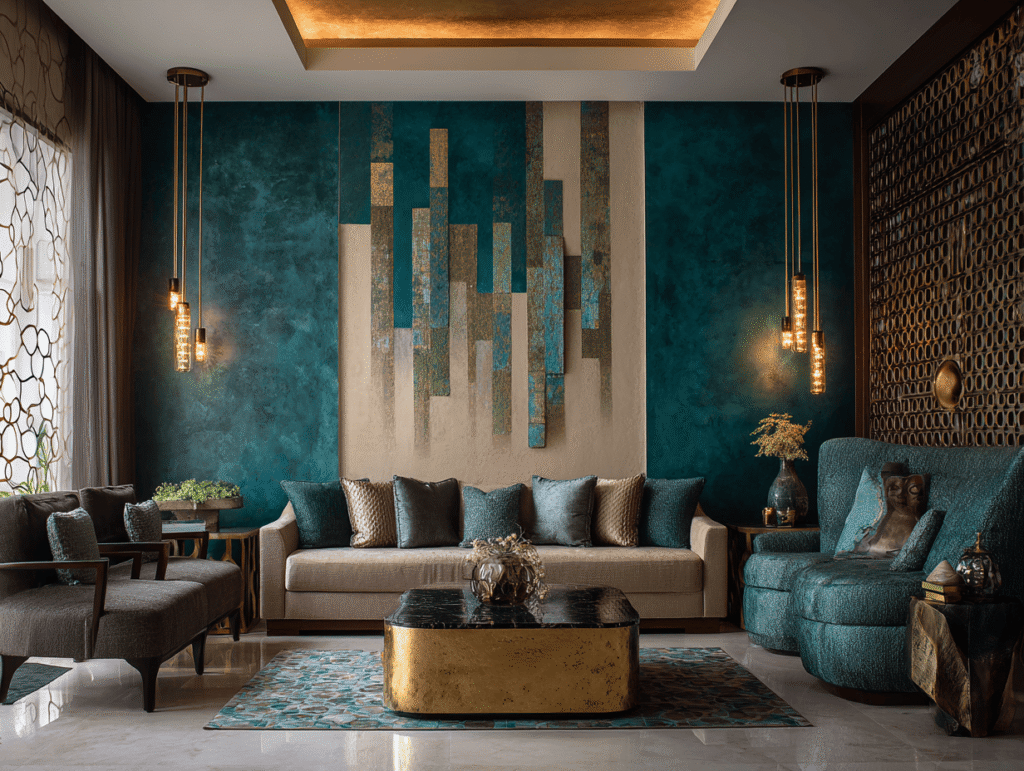
Why This Happens in Almost Every Living Room
This pattern shows up in most homes, and it happens gradually. Furniture gets added one piece at a time over years, usually to fill an empty spot rather than to follow a plan. The overhead fixture that came with the house or apartment never gets replaced, because it works, even if it isn’t flattering. Decor gets bought item by item, in the moment, without asking whether a new vase or frame actually belongs with what’s already there. Each individual decision is reasonable. None of them is wrong on its own. But without a unifying intention behind them, the room ends up feeling like a collection of separate choices instead of one finished space.
The Fix Isn’t More Furniture, It’s Styling With Purpose
The most impactful change in my living room didn’t come from buying anything new. It came from styling with purpose: aligning the furniture, lighting, texture, and decor I already owned so every piece had a reason to be there. This is the core idea behind contemporary living room design, where clean lines and intentional choices matter more than the sheer amount of stuff in a room. When every item earns its place, the space naturally feels calmer and more balanced, even before you change a single thing about how it looks.
Before moving anything, walk through your living room and ask what each piece is actually doing there. If you can’t answer that for something, it’s probably part of the problem, not the solution.
Rearrange What You Already Own Before You Buy Anything New
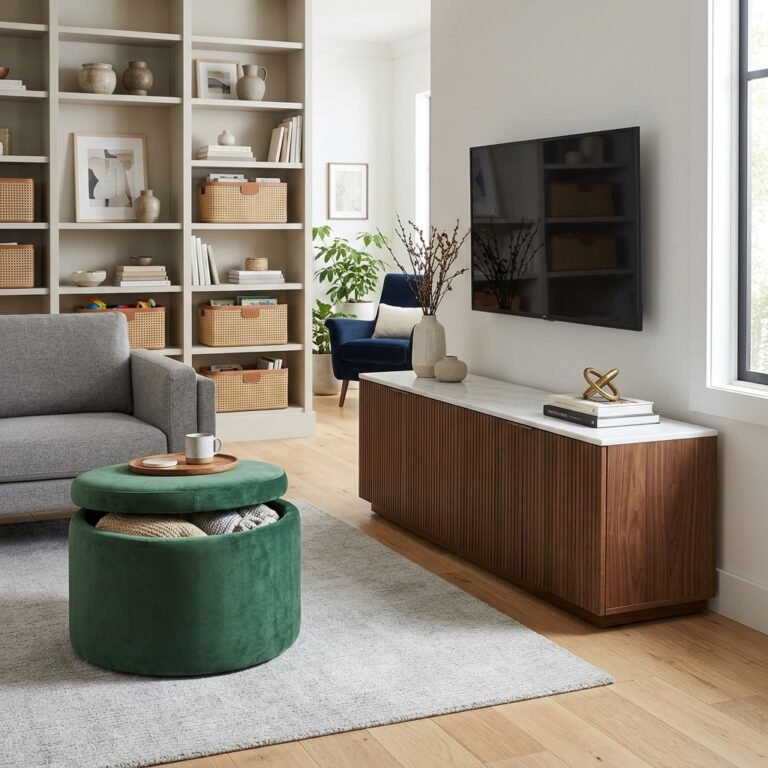
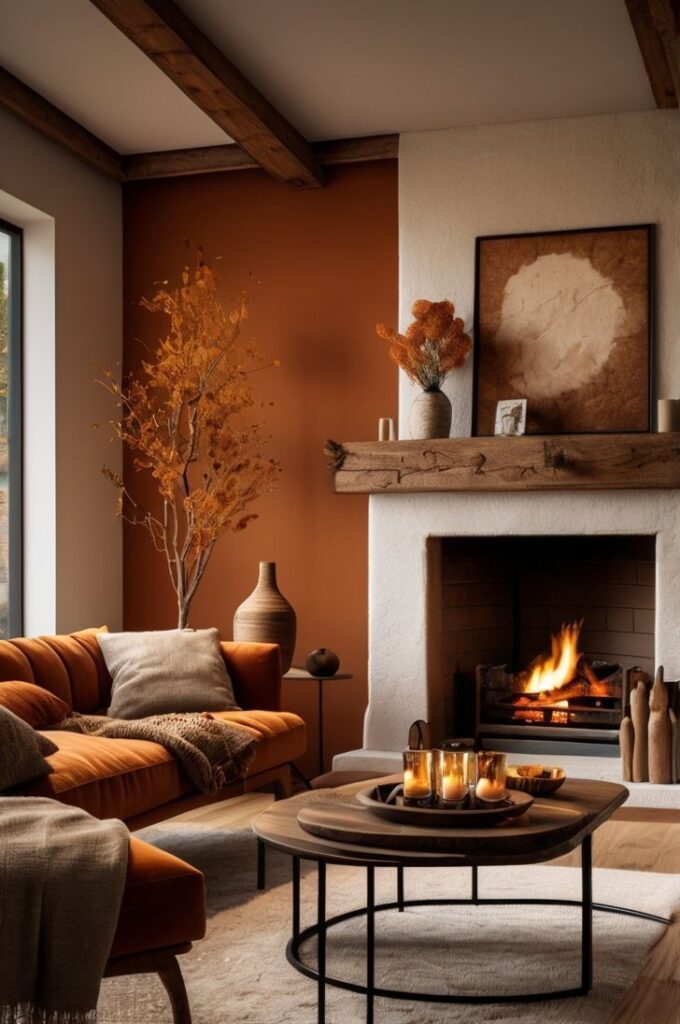
Furniture placement made the single biggest difference, and it cost nothing. Repositioning the sofa so it properly anchored the room instantly made the layout feel intentional instead of accidental. Pulling the chairs a few inches closer together created a conversational setup instead of a scattered one. A useful rule of thumb: keep seating pieces within about eight feet of each other so people can talk without raising their voices.
The habit I had to unlearn was pushing every piece flush against the wall. Pulling furniture even four to six inches inward defines the seating area and adds warmth that flat-against-the-wall arrangements never achieve. From there, pick one statement piece, a sofa, a media console, or even a well-styled coffee table, and let it act as the room’s visual anchor. Everything else should support that one focal point rather than compete with it.
Choose a Neutral Base, Then Add Warmth With Texture
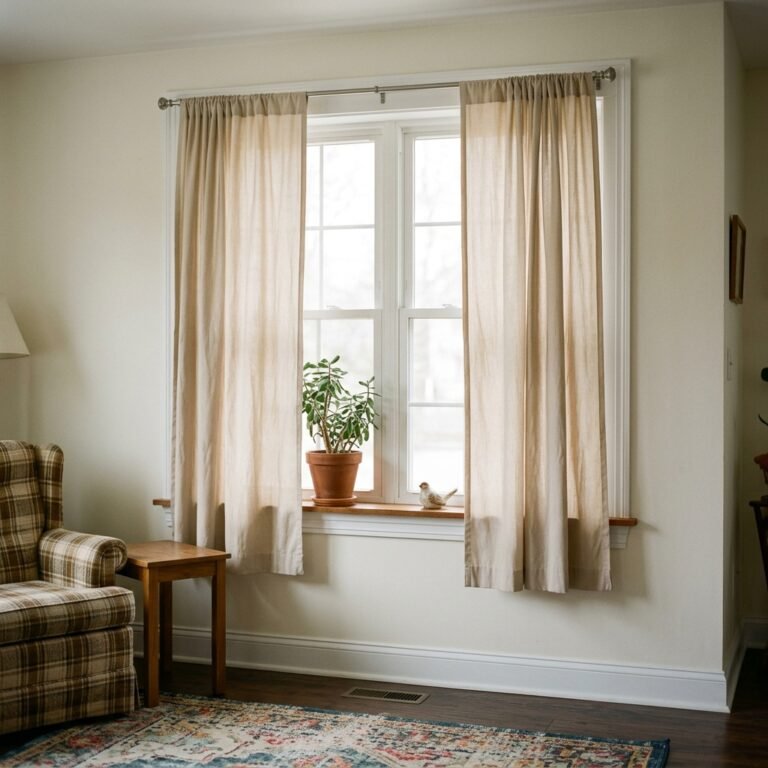
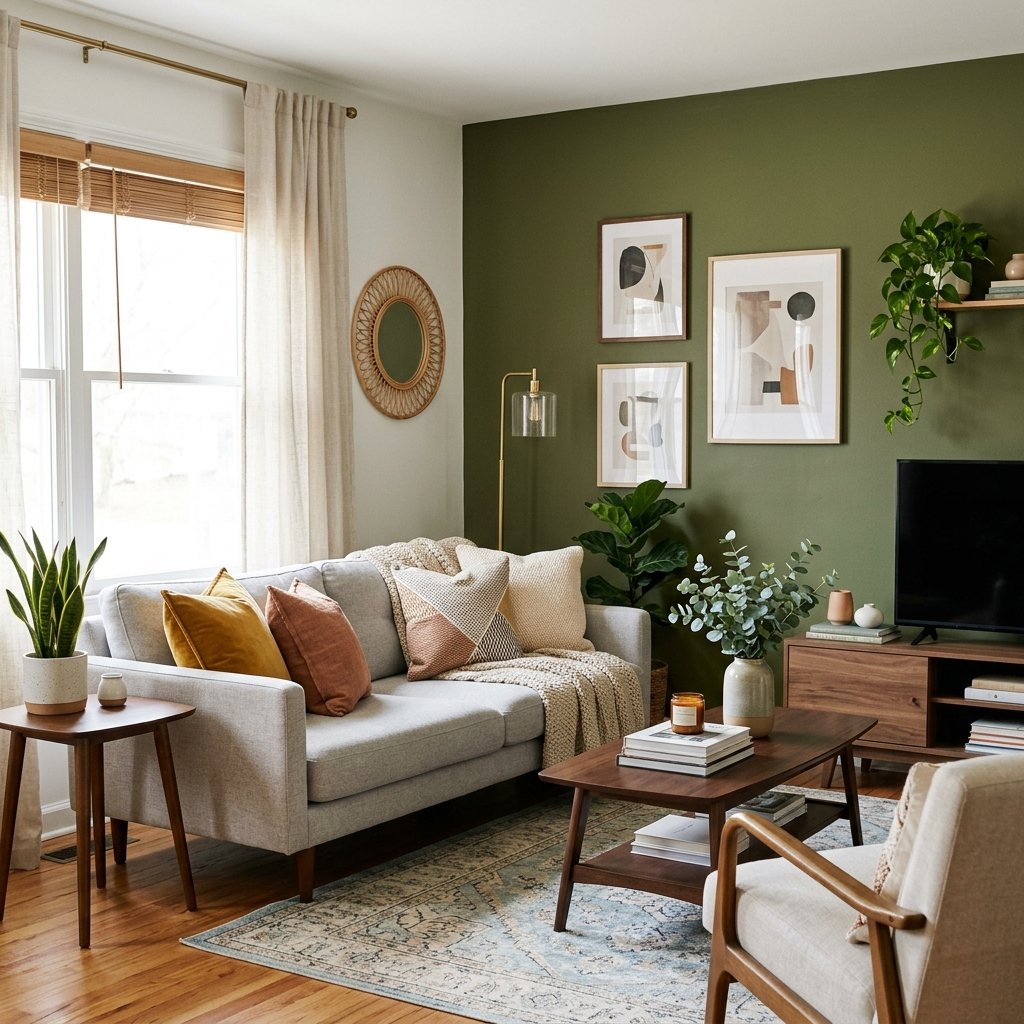
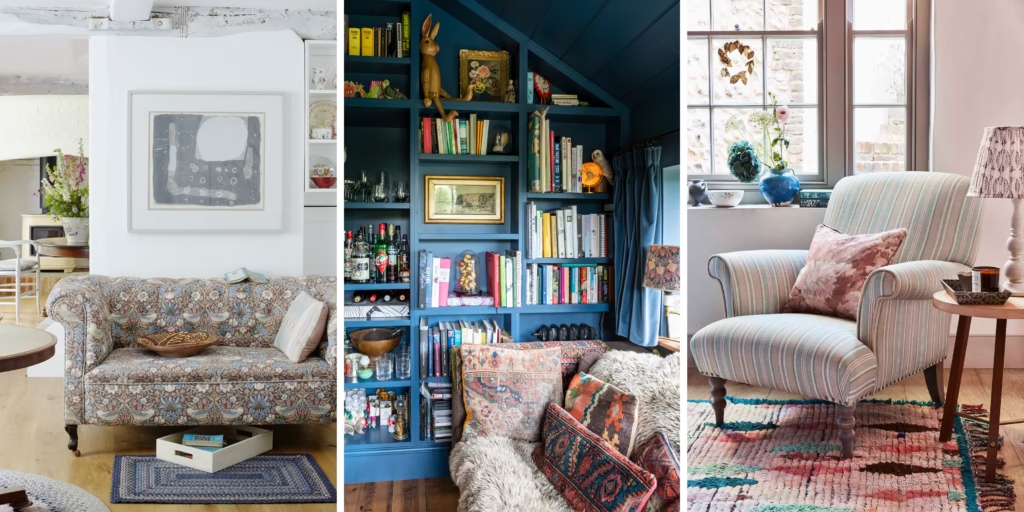
Once the layout was fixed, color was next. I built the palette around neutrals: whites, creams, and soft grays as the foundation, since they keep a room feeling open rather than closed in. Warm accents, like beige, natural wood, and small touches of soft gold, layered on top without overwhelming the base. A simple ratio makes this easy to replicate: let your neutral tone cover roughly 60 percent of the room through walls and large furniture, a secondary tone cover about 30 percent through rugs or curtains, and a true accent color show up in the remaining 10 percent, usually pillows or art.
Texture does the work that color alone can’t. A bouclé throw, a jute or wool rug, and linen cushions add depth without adding visual clutter, because they read as tonal rather than busy. Rather than filling every shelf with accessories, choose a smaller number of pieces you’d actually miss if they were gone. That restraint is what keeps a neutral room from feeling sterile.
Make It Feel Expensive With Two or Three Intentional Swaps
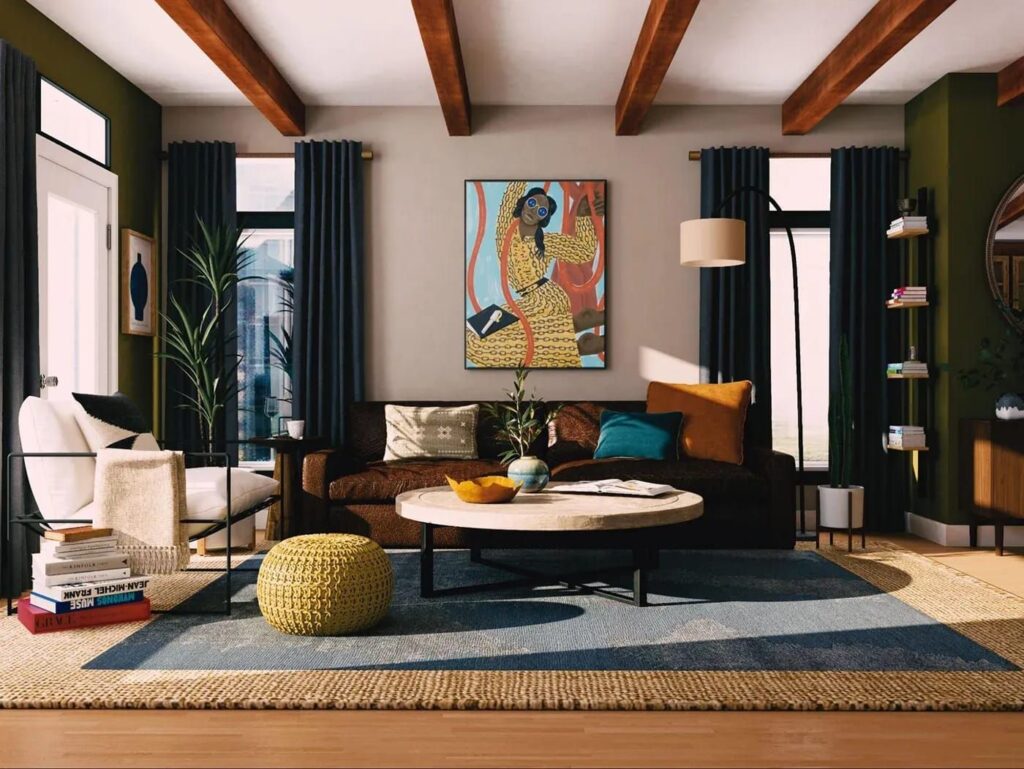
You don’t need a luxury budget to get a luxury look. The fastest way to raise a room’s perceived value is a plush, textured area rug sized properly for the seating area, paired with two or three mixed-fabric cushions rather than a matching set. Brushed brass or polished chrome in one or two spots, a lamp base, a tray, a set of drawer pulls, adds a reflective quality that reads as intentional rather than expensive. The mistake to avoid is spreading a small decor budget across many cheap items instead of concentrating it on a few good ones. Refinement comes from a handful of quality choices, not from filling every surface.
If you want a fuller breakdown of affordable ways to get a designer look, our guide to luxury living room ideas on a realistic budget covers more swaps in detail.
Layer Your Lighting Instead of Relying on One Overhead Fixture
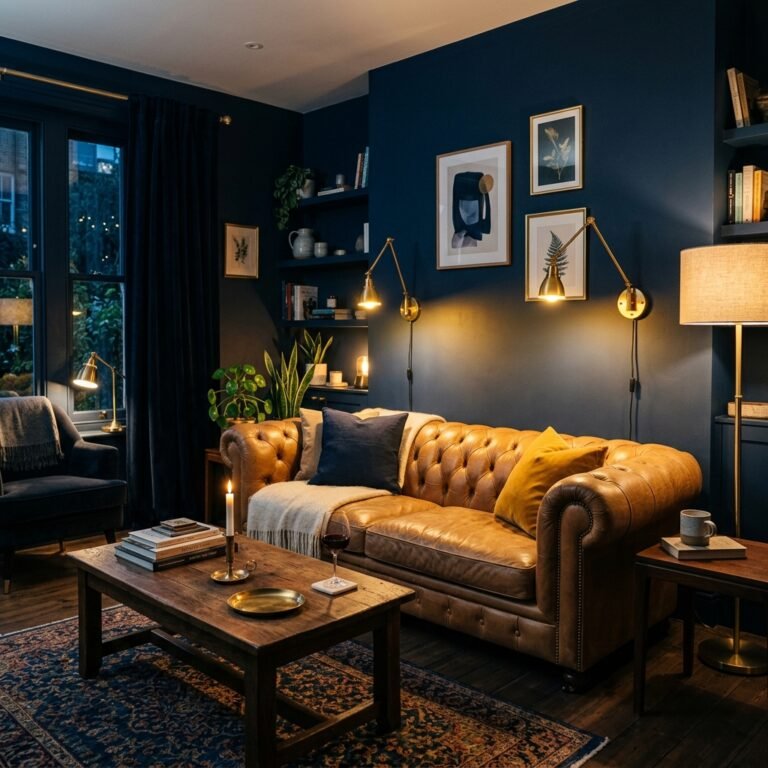
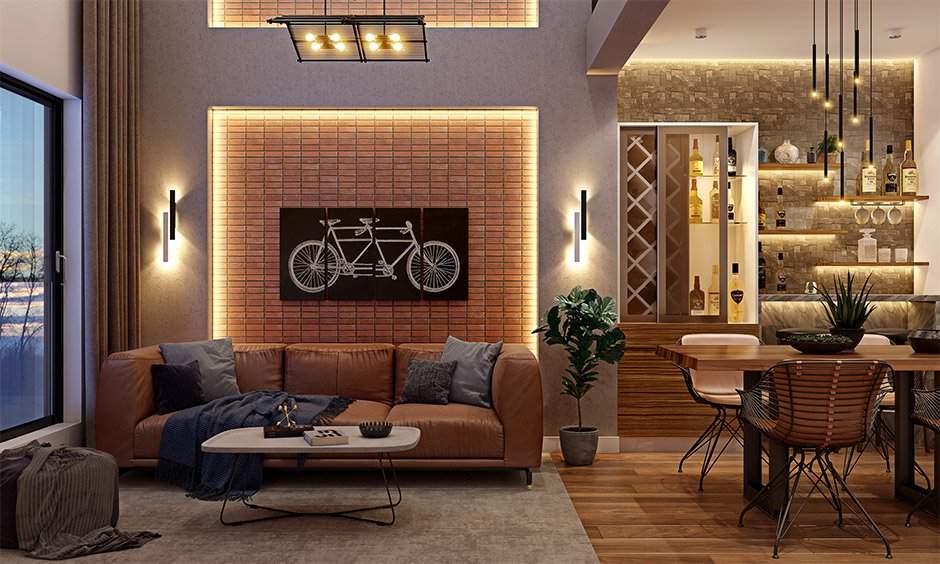
Lighting was the single biggest reason my living room felt cold, and it was the easiest thing to fix. A lone overhead fixture throws flat, even light across a room and flattens everything under it, including the furniture and decor you’ve just spent time arranging. The fix is layering three types of light instead: ambient light for overall brightness, task light for reading or focused activity, and accent light to highlight art or architectural details.
Bulb color matters as much as placement. According to ENERGY STAR’s lighting guidance, warmer bulbs in the 2200 to 3000 Kelvin range match the yellowish glow of incandescent light, while anything above roughly 3500 Kelvin starts to read as white or cool. For a living room, staying in that warm 2200 to 3000 Kelvin range across every fixture, lamps included, keeps the space feeling relaxed instead of clinical. Mixing warm and cool bulbs in the same room is one of the most common lighting mistakes, and it’s an easy one to avoid once you know to check the packaging.
In practice, that means adding a floor lamp behind or beside a seating piece for ambient wash, a table lamp near a reading chair for task light, and one small accent light, a picture light or a plug-in sconce, aimed at whatever you want the eye to land on. Three light sources at different heights will do more for a room’s mood than any single overhead fixture ever will.

Add the Personal Layer Last, Not First
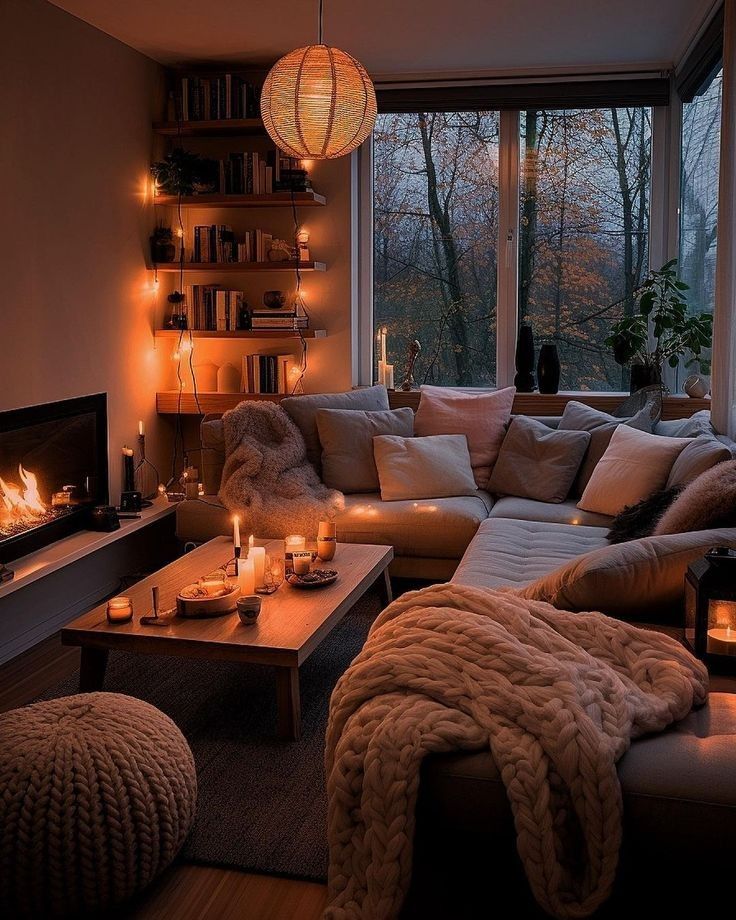
Personality is the layer that turns a well-arranged room into an actual home, but it has to come after the layout, color, and lighting are settled, not before. Indoor plants add an organic, living element that no decor object can replicate. Wall art in soft, tonal colors lets you express your own taste without breaking the palette you’ve already built. The detail that made the biggest difference for me was small-scale curation: a decorative tray on the coffee table, a stack of books with one object resting on top, arranged with intention instead of scattered by accident.
For more ways to style that central surface specifically, see our coffee table styling ideas designers love.
What Changes When You Do This
None of this required a contractor, a sledgehammer, or a big budget. A better layout improved how the room actually flows, without touching a single wall. Thoughtful decor, chosen for quality over quantity, replaced clutter with a curated feel. Layered lighting replaced one harsh overhead fixture with a warm, adjustable glow. None of these changes happened in a single afternoon, but all of them were finished within a weekend, working with furniture and decor already in the house.

Final Thoughts: Small Changes, Big Impact
This simple decor upgrade completely transformed my living room, without a renovation, without stress, and without overspending. Layout, lighting, texture, and intentional decor did more than any new furniture purchase could have. If your living room feels unfinished, start there before you start shopping. The fix is almost always in how you use what you already have, not in what you still need to buy.