
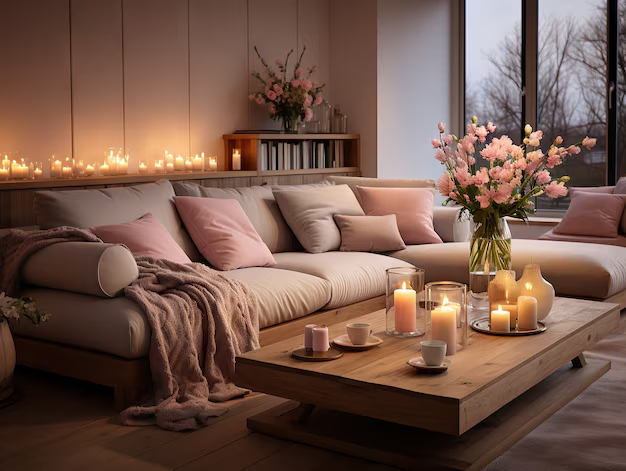
You’re standing in the middle of your living room, phone in hand, scrolling through decor inspiration that all looks a little too perfect for a house someone actually lives in. Some of it works in a 1,200-square-foot rental. None of it seems to translate to the three-bedroom house you’re furnishing instead, or vice versa. That gap between inspiration and real square footage is exactly what 2026’s best interior design ideas are built to close.
This year’s trends lean into warm minimalism, natural materials, smart-but-invisible technology, and furniture that earns its keep in tight spaces. None of them ask you to gut a room to get started. Here’s a closer look at twelve ideas actually worth trying, whether you’re decorating a studio apartment or a five-bedroom house.
Warm Minimalism With Grounded Neutrals
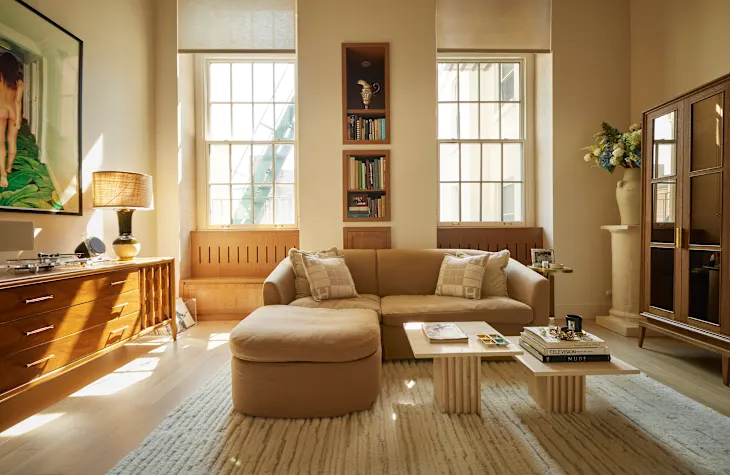
Walk into a 2026 living room and the first thing you’ll notice probably isn’t a bold accent wall. It’s the quiet, warm neutral wrapping the whole space. Sherwin-Williams named Universal Khaki (SW 6150) its 2026 Color of the Year, and the shade sums up where interior color is headed. Unlike the cooler greiges that dominated the last decade, Universal Khaki leans yellow and earthy, which makes it read as inviting rather than clinical. Try it on kitchen cabinets paired with a dark walnut stain for contrast, or wash an entire small bedroom in it so the walls feel like they’re receding instead of closing in. In a larger home, use it as the base tone across an open-plan living and dining area, then layer in deeper terracotta or olive accents through pillows and rugs. Warm minimalism isn’t about stripping a room bare. It’s about choosing fewer colors and making each one work harder.
Space-Saving Furniture for Smaller Footprints
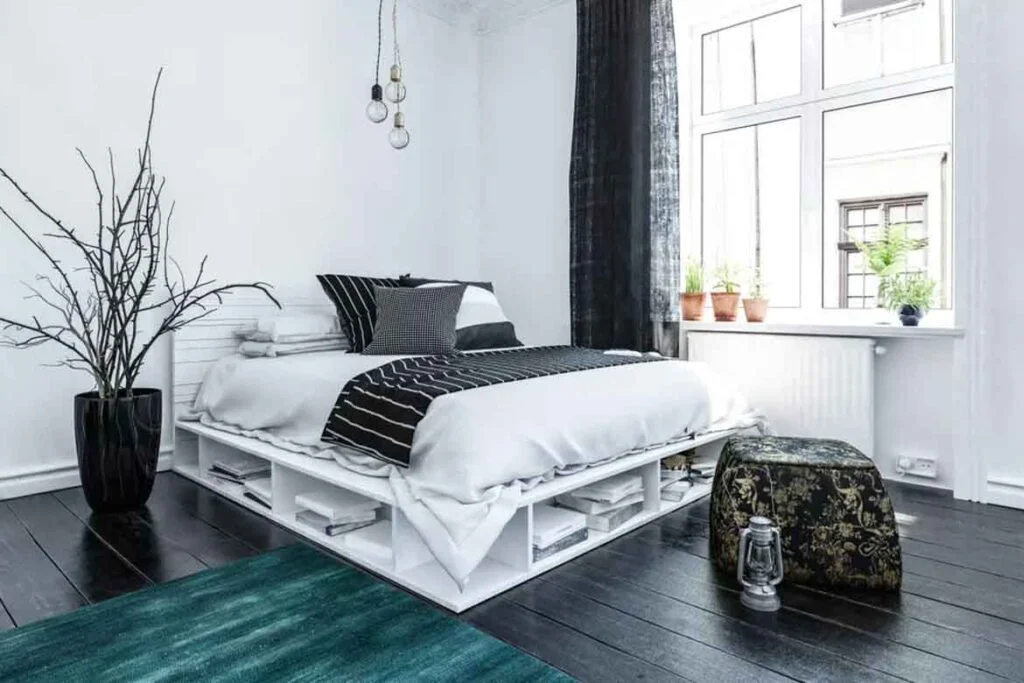
The average new home isn’t getting bigger. NAHB’s own tracking put the median size of new single-family homes at 2,211 square feet in early 2026, essentially flat after a long decline in home size. That reality is why multifunctional furniture keeps climbing the list of 2026 home decor ideas. A sofa bed with a hidden storage compartment turns a living room into an occasional guest room without a permanent bed frame eating floor space. Foldable or extendable dining tables let a four-person kitchen nook double for entertaining eight without a weekend of furniture shopping. Wall-mounted desks and floating TV consoles free up square footage that would otherwise disappear under bulky legs and drawers. Modular shelving is worth the slightly higher price tag, since it can be reconfigured room to room instead of replaced outright as your needs change. If you’re working with a studio or one-bedroom apartment, our guide to affordable small space ideas has more specific layouts worth trying before you buy anything new.
Biophilic and Nature-Inspired Decor
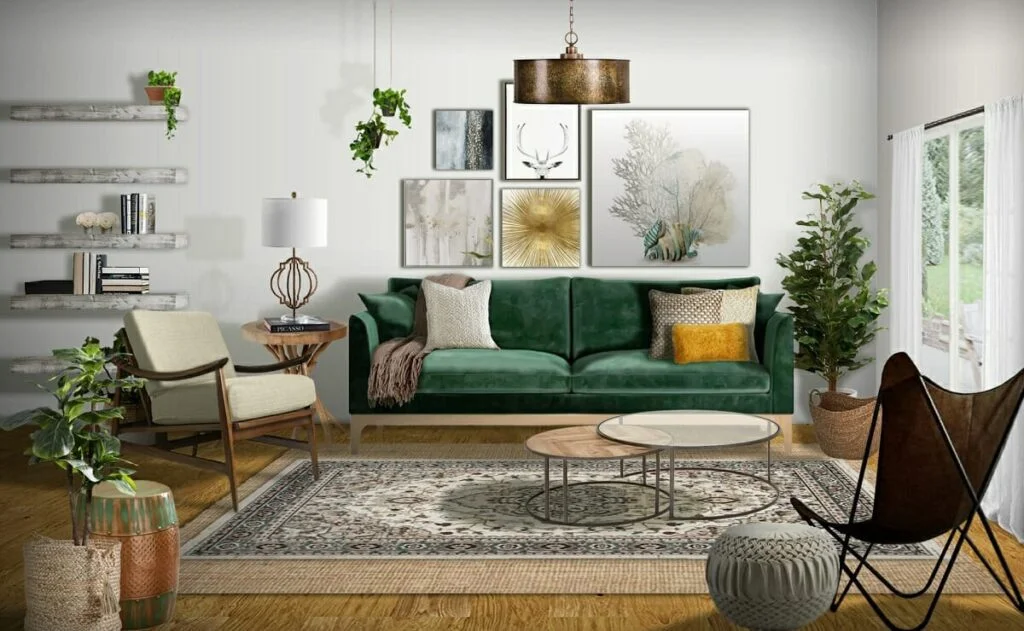
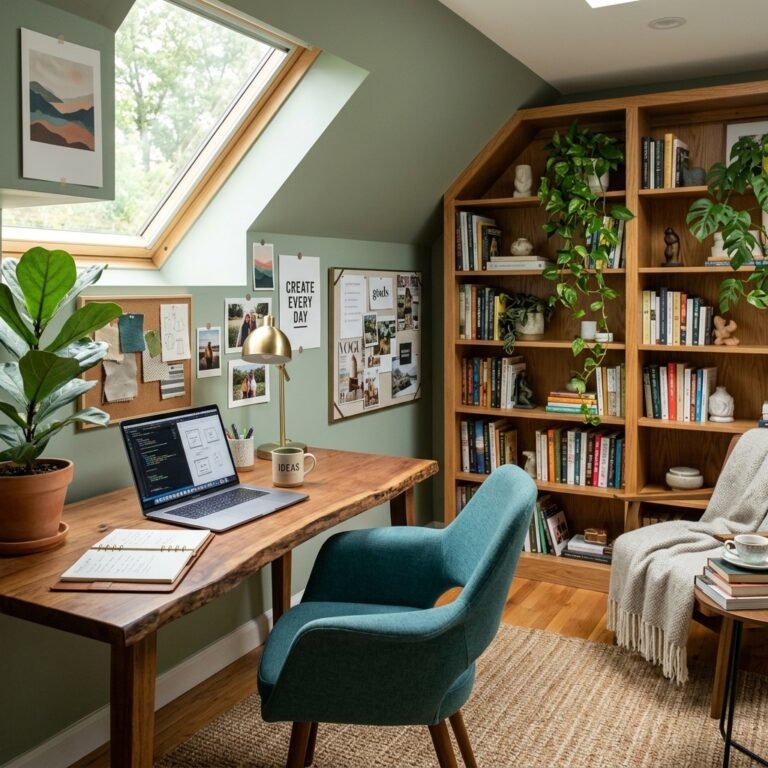
Biophilic design keeps showing up on 2026 trend lists for a simple reason: it works in almost any home, at almost any budget. Snake plants and pothos tolerate low light and irregular watering, which makes them realistic starter plants rather than aspirational ones. Fiddle leaf figs need brighter, indirect light and steady humidity, so keep them a few feet back from a south-facing window rather than directly in it. In apartments without much floor space, a vertical garden of wall-mounted planters adds greenery without stealing walking room. Pair the plants with natural materials: wide-plank wood flooring, a stone side table, a woven rattan chair. Earthy color palettes—sage, warm clay, sand, muted brown—tie the greenery back into the wall color instead of letting it sit like an afterthought. The payoff isn’t just visual. Homes with more daylight and greenery tend to feel calmer to the people living in them, which is worth more than any single design trend.
Textured Accent Walls and Limewash Finishes
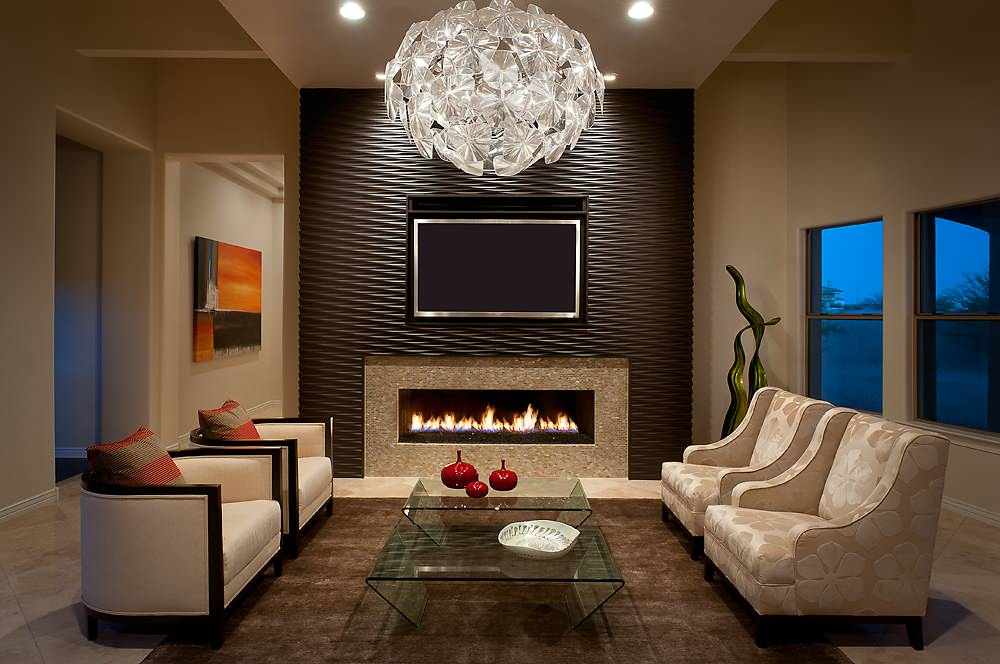
Flat, solid-color accent walls are giving way to texture in 2026. Limewash is getting the most attention, and for good reason: it’s a mineral-based paint that dries with visible brush strokes and soft variation, so no two walls look quite the same. Expect to pay more per gallon than standard paint, and expect a longer, more forgiving application process, since limewash can be reworked while it’s still wet. Wooden slat panels are the higher-commitment option, best suited to a bedroom headboard wall or a living room feature wall behind a media console. Natural stone veneer panels bring similar texture with less maintenance than real stone. For renters, or anyone testing the look before committing, geometric or minimalist wallpaper in a muted tone delivers texture without the labor. Whichever option you choose, keep it to one wall per room. Texture reads as intentional in small doses and busy in large ones.
Curved and Sculptural Furniture Silhouettes
Straight lines are softening across almost every room category in 2026. Curved sofas, rounded coffee tables, and arched doorway trim are showing up in both budget and high-end furniture lines. The shift isn’t only aesthetic. Rounded furniture edges make small rooms feel less boxed-in, since there are fewer hard corners competing for visual attention. In a living room, a single curved accent chair can soften an otherwise rectangular arrangement of a straight sofa and rectangular coffee table. In a bedroom, an arched headboard or a rounded nightstand does the same work at a smaller scale. If reupholstering or replacing furniture isn’t in the budget this year, a round mirror or an arched floor lamp introduces the same soft geometry for a fraction of the cost.
Layered Ambient and Task Lighting
A single overhead fixture is the fastest way to make a room feel flat, no matter how well everything else is decorated. The layered lighting trend for 2026 solves that with three light sources working together: ambient light from a ceiling fixture or recessed cans, task light from a desk or reading lamp, and accent light from something smaller, like a picture light or an LED strip. Aim for warm white bulbs in the 2700K to 3000K range for most living spaces, since anything cooler starts to feel closer to office lighting than home lighting. In a large open-plan space, put a dimmer on the ambient layer so the room can shift from bright and functional during the day to soft and low in the evening without changing a single bulb. Sculptural pendant lighting over a dining table or kitchen island does double duty as both a light source and a statement piece.
Curated Maximalism: Collected, Not Cluttered
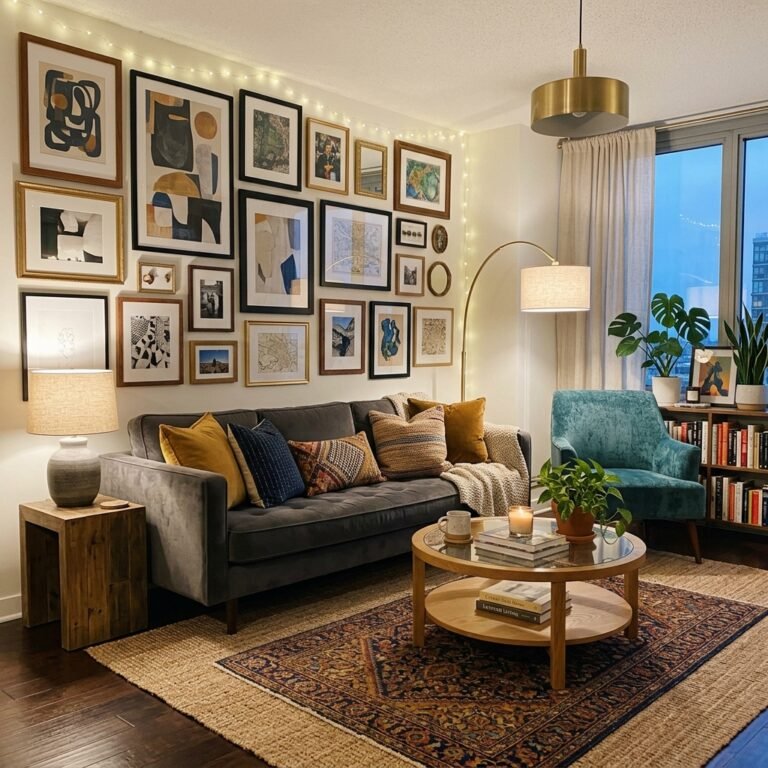
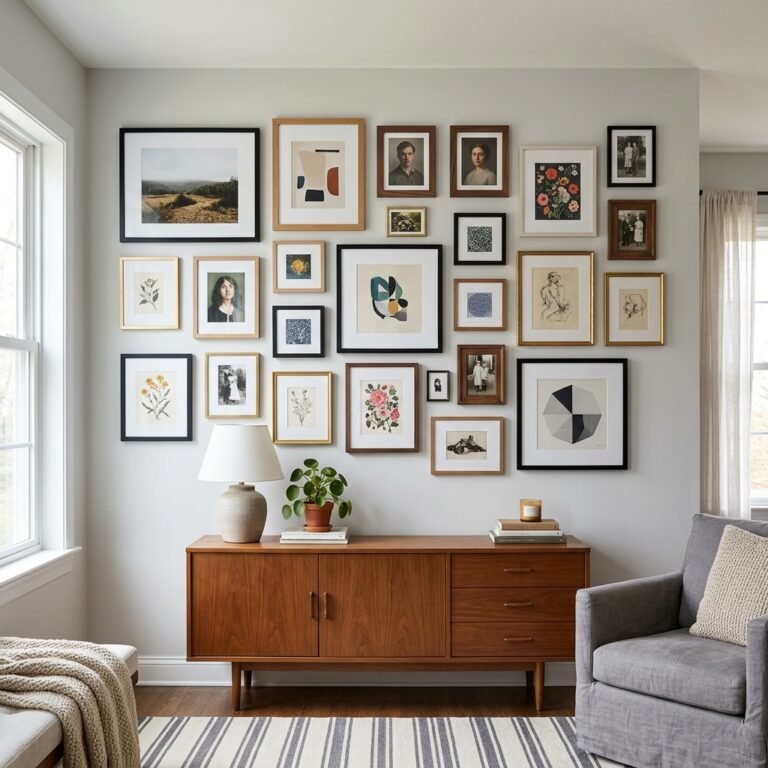
Not every 2026 trend is about paring back. Curated maximalism is the counterpoint to warm minimalism, and it’s built around personal objects rather than matched sets. A gallery wall mixing inherited art, travel photos, and a few inexpensive prints reads as intentional when the frames share a similar color or finish, even if the art itself varies. Open shelving filled with books, travel finds, and a few plants tells a more personal story than a shelf styled entirely with decor-store objects. The trick to keeping curated maximalism from tipping into clutter is proportion: leave breathing room around each grouped display, and repeat one or two colors throughout the room so the eye has somewhere to land. This approach works especially well in a dorm room or a first apartment, where budget often means mixing hand-me-downs with a few new pieces anyway.
Luxury Natural Materials for Large-Home Statement Rooms
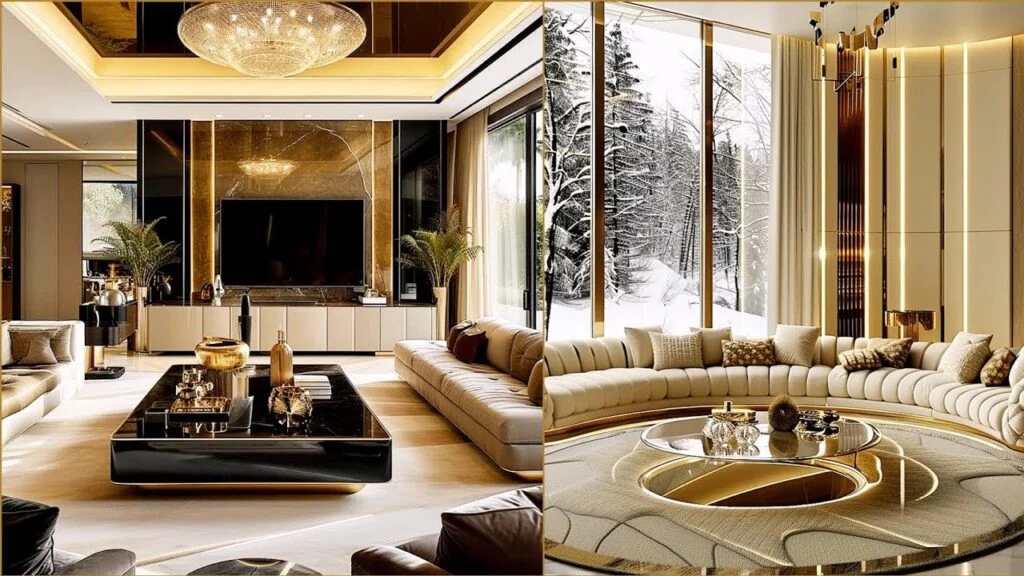
Larger homes have the square footage to support materials that would overwhelm a smaller room, and 2026’s luxury trends lean into that. Honed marble or quartz countertops in a kitchen or primary bathroom read as timeless rather than trendy, especially in a warm white or soft gray veined pattern. Rich wood tones—walnut, white oak, dark cherry—work as flooring, cabinetry, or a single statement piece like a live-edge dining table. Layered lighting matters even more at this scale: a sculptural chandelier over a staircase or great room, paired with wall sconces and recessed accent lighting, keeps a large space from feeling like it needs to be lit like a showroom. Custom or made-to-order furniture is worth the wait and the cost difference in a large home, since off-the-shelf pieces often can’t fill a bigger room’s proportions the way a custom sectional or dining set can. For more ways to bring this look into a living room specifically, this roundup of luxury home decor ideas breaks the details down room by room.
Smart Home Features That Disappear Into the Decor
The most useful smart home upgrades in 2026 are the ones you stop noticing. Matter-compatible smart bulbs and switches let you set lighting scenes—bright for cooking, dim for movie night—without any visible hardware changes. Smart thermostats pay for themselves over a few seasons and don’t require any redecorating at all. Motorized blinds are the upgrade with the biggest visual payoff relative to cost, since they let you control natural light without a cord or wand cluttering the window. In a small apartment, a single smart speaker tucked on a shelf can control lighting, temperature, and music, which cuts down on visible gadgets more than adding several single-purpose devices would. The goal for 2026 isn’t a home that looks like a tech showroom. It’s one where the technology quietly does its job.
Sustainable and Low-VOC Materials
Sustainability in 2026 shows up as a material choice more often than a slogan. Reclaimed wood flooring and furniture reduce demand for new lumber while adding the kind of wear and character new wood can’t fake. FSC-certified wood is worth looking for on labels if reclaimed isn’t available, since the certification confirms the timber came from a responsibly managed forest. Low-VOC and zero-VOC paints matter most in bedrooms and nurseries, where people spend the most consecutive hours breathing indoor air; most major paint brands now offer a low-VOC line at a price similar to standard paint. Bamboo and cork are worth considering for flooring in a kitchen or bathroom, since both hold up well against moisture and regrow far faster than hardwood trees. None of these swaps require a full renovation. Replacing one high-VOC product, like an old paint or a pressed-wood shelf, at a time still adds up.
Color-Drenched Small Rooms
Color drenching—painting walls, trim, and ceiling the same shade—sounds like it would shrink a small room. In practice, it often does the opposite. Removing the contrast between wall and trim eliminates the visual stopping points that make a room feel chopped up, so the eye reads the space as one continuous volume instead of several small ones. A powder room or a small home office is the lowest-risk place to try it, since the commitment is smaller than a full living room. Choose a mid-tone color rather than the darkest or lightest option in a paint deck; true black or white tends to either swallow a small room or wash it out under artificial light. A satin or eggshell finish on the walls, with a slightly glossier finish on trim, adds enough sheen variation to keep a monochrome room from feeling flat.
Flexible, Multi-Zone Layouts for Growing Households
Open floor plans aren’t disappearing in 2026, but they are getting more structure. Instead of one undivided great room, homeowners are using furniture placement, area rugs, and lighting to define separate zones for cooking, dining, and relaxing within the same open footprint. A console table or a low bookshelf can mark the edge of a living area without a permanent wall. In a multi-generational household, or a home that doubles as a workspace, a single flexible room—furnished with a daybed instead of a permanent guest bed, or a fold-away desk instead of a dedicated office—gets more daily use than a room reserved for one purpose. This kind of flexible zoning matters in both small and large homes, just at different scales: a studio apartment might use a bookshelf to separate a sleeping nook from the living area, while a large home might use the same idea to break up a cavernous open-plan main floor.
Conclusion
The best home decor ideas for 2026 share one thing in common: they’re built to be lived in, not just photographed. Warm neutrals like Universal Khaki, space-saving furniture backed by real housing data, and layered lighting all solve everyday problems rather than chasing a single aesthetic moment. Small apartments benefit most from multifunctional furniture, vertical greenery, and color-drenched rooms that make limited square footage feel intentional rather than cramped. Larger homes have the room to support statement materials, custom furniture, and zoned layouts that keep an open floor plan from feeling like one oversized room. Whichever category your home falls into, start with one or two ideas rather than all twelve at once. A single accent wall, a round of low-VOC paint, or one piece of multifunctional furniture is enough to see whether a trend actually fits how you live before you commit a whole room to it.
1 comment