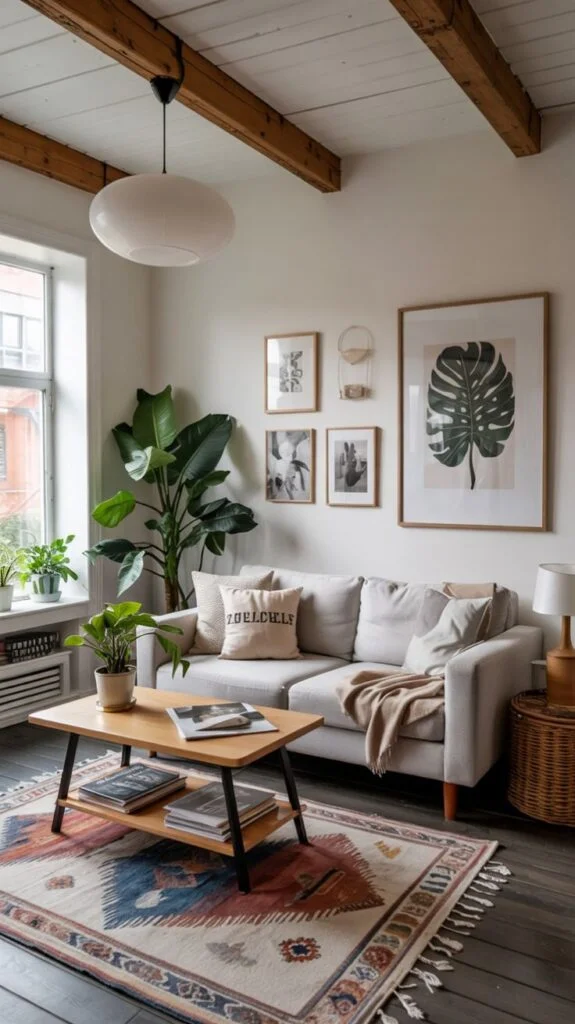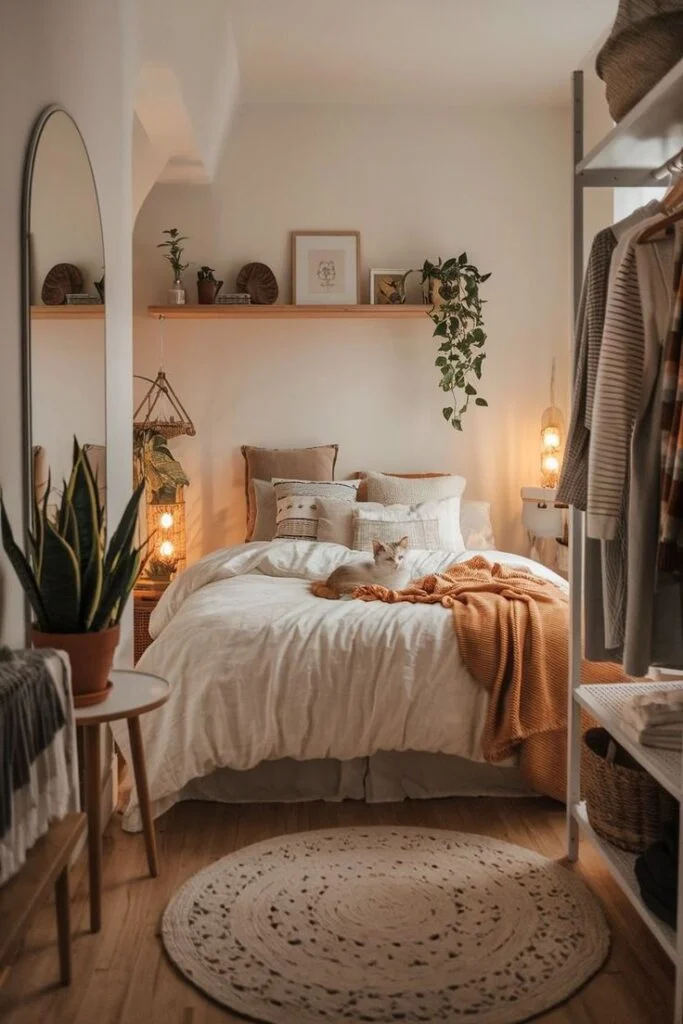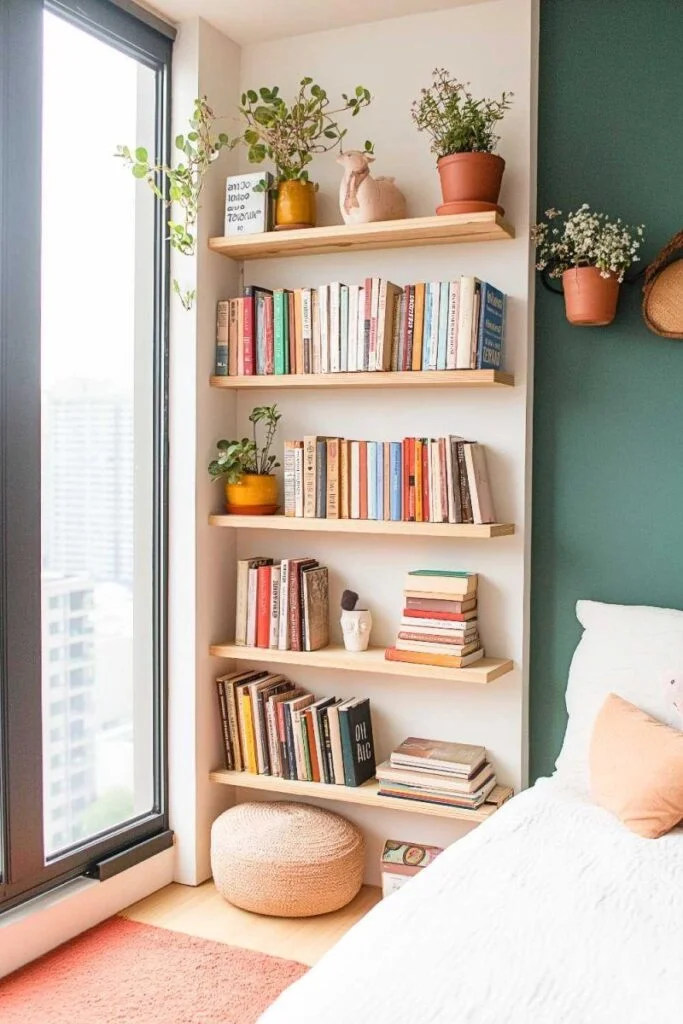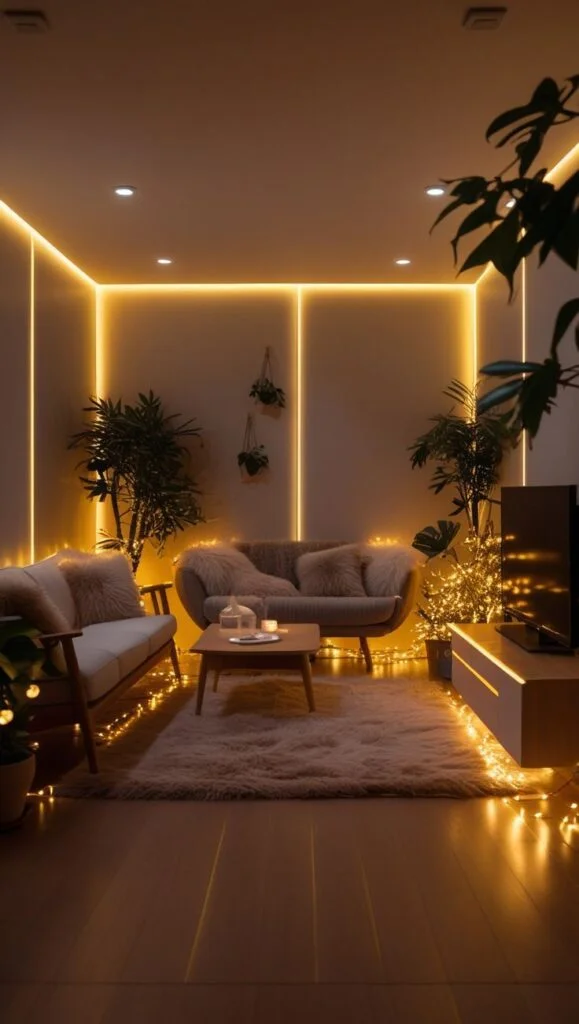
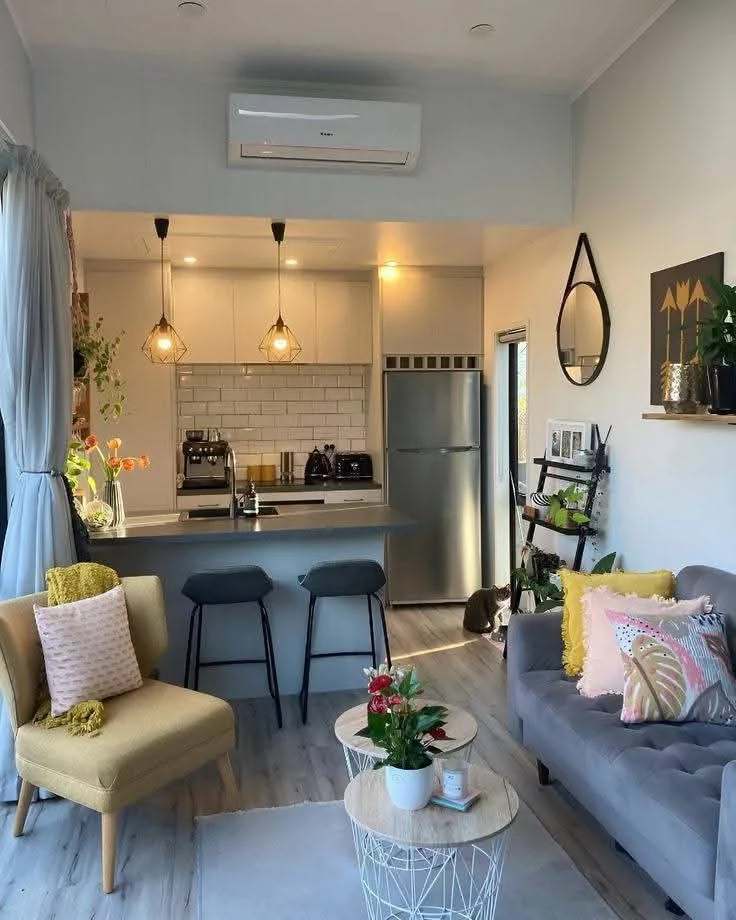
When it comes to decorating a small space, maximizing every inch of your home is essential. With the right small space home decor strategies, your tiny home can feel open, airy, and stylish. Whether you’re living in a compact apartment or a cozy studio, these small home decor ideas will help you create a modern, functional, and visually appealing space.
In this article, we will share interior design ideas and aesthetic home decor tips specifically for small homes. From clever furniture choices to innovative design techniques, here are 25 smart small space ideas that will make your tiny home feel significantly bigger and more comfortable.
1. Utilize Vertical Space with Tall Furniture
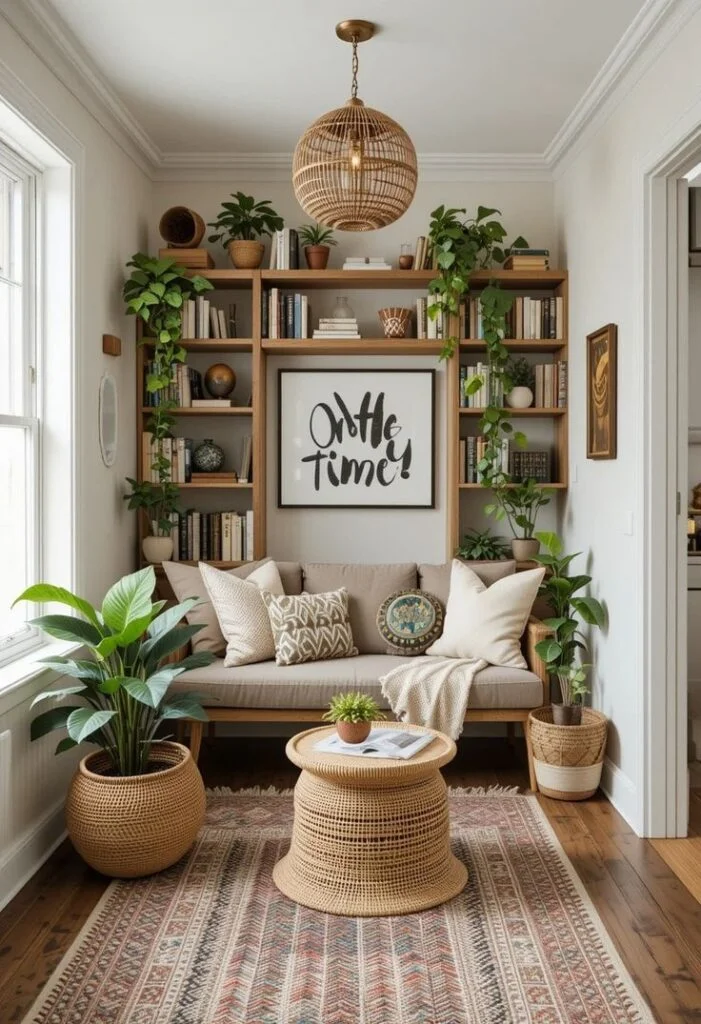
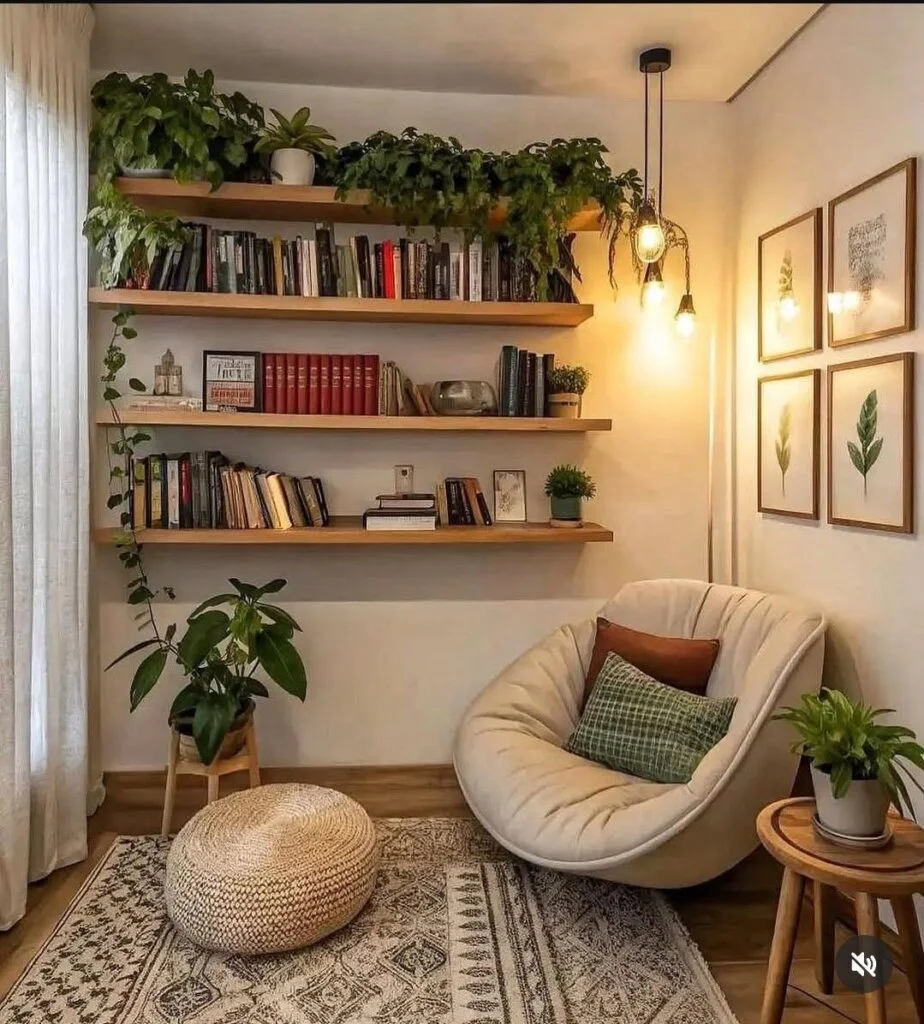
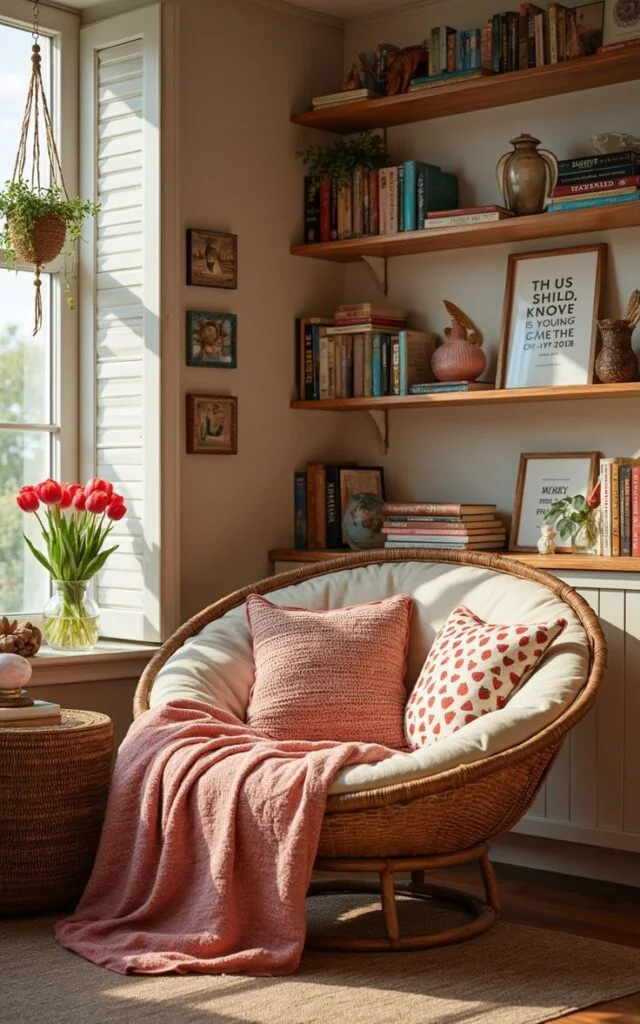
To maximize a smaller floor plan, you must strategically utilize vertical space using tall, slender furniture that draws the eye upward and creates a sophisticated illusion of height. Incorporating floor-to-ceiling bookshelves or elegant ladder-style units effectively shifts the visual focus away from limited floor square footage, making the entire room feel significantly more expansive and airy. In 2026, the trend favors “sky-high” storage, where verticality is used to display curated decor and literature without crowding the living area. Modern solutions like minimalist floating shelves or high-mounted cabinetry provide essential storage while maintaining a clean, architectural look. By prioritizing height over width, you eliminate the cramped feeling of bulky furniture, allowing for a better flow of light and movement. This vertical approach not only organizes your belongings but also adds a layer of refined, rhythmic design, transforming even the most compact room into a spacious-feeling, stylish retreat.
2. Choose Neutral Colors to Expand Your Space
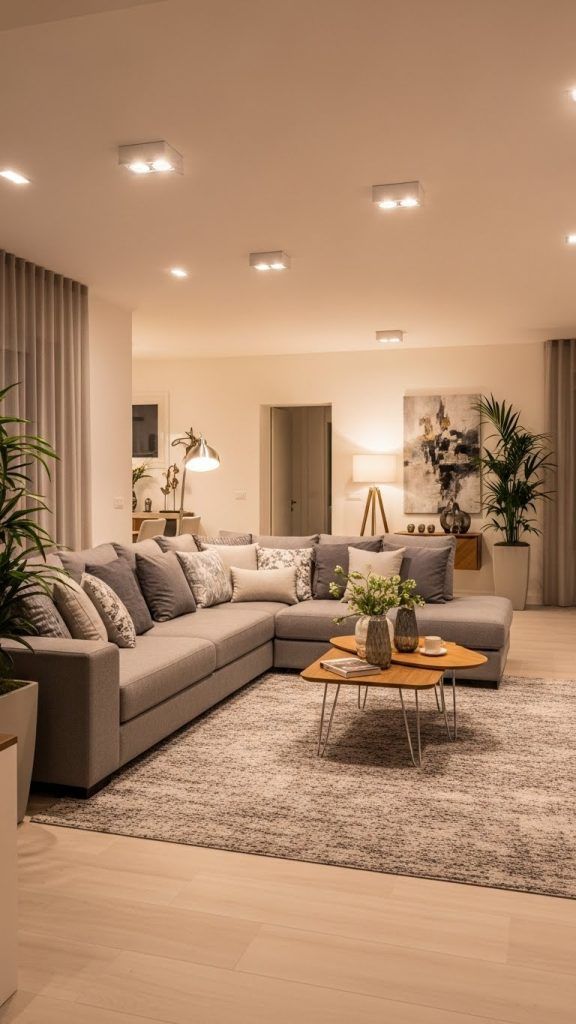
Choosing a palette of neutral colors is one of the most effective strategies for visually expanding a small home and creating a serene, cohesive atmosphere. Soft, muted tones like off-white, warm beige, and light gray serve as a canvas for natural light, reflecting it across the room to eliminate dark corners and make walls appear to recede. In 2026, the “warm neutral” trend favors these airy hues over stark, cold whites to ensure the space remains cozy rather than clinical. By matching your furniture to the wall color, you reduce visual interruptions, allowing the eye to move seamlessly across the room. This minimalist approach not only enhances the timeless elegance of your decor but also provides a versatile foundation that accommodates any accent style. Ultimately, prioritizing light-reflecting neutrals transforms a compact living area into a bright, open, and tranquil sanctuary that feels significantly larger than its actual square footage.
3. Implement Multi-Functional Furniture
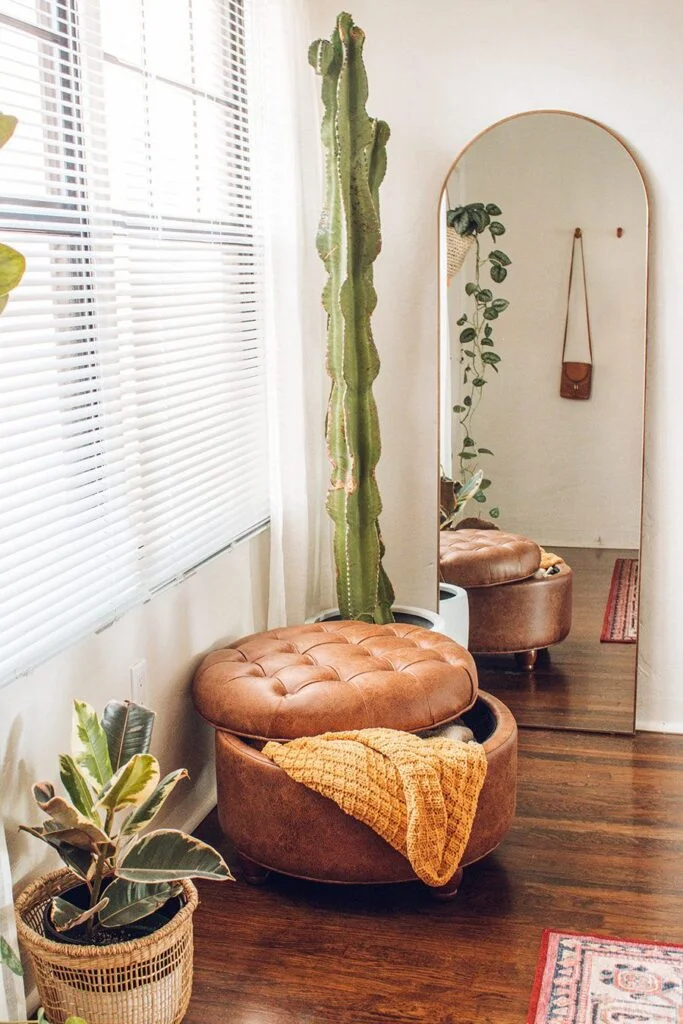
To maximize utility in compact living environments, you must implement multi-functional furniture that adapts to the diverse demands of your daily life. In 2026, high-end “transformer” pieces—such as expandable dining tables, modular sofas, and sleek fold-out beds—are essential for maintaining a stylish aesthetic without sacrificing functionality. These space-saving solutions allow you to pivot your layout instantly, transitioning a quiet home office into a vibrant entertaining space or a cozy guest suite. Choosing furniture with built-in versatility, like a modular sectional that can be rearranged to fit any corner or an ottoman that conceals hidden storage, ensures your home remains uncluttered and fluid. By investing in these dynamic, adaptable pieces, you overcome the constraints of small-scale living, creating a home that feels both highly efficient and sophisticated. This strategic approach ensures your living area is a smart, high-performance sanctuary tailored perfectly to your evolving needs.
4. Use Mirrors to Reflect Light and Create Depth
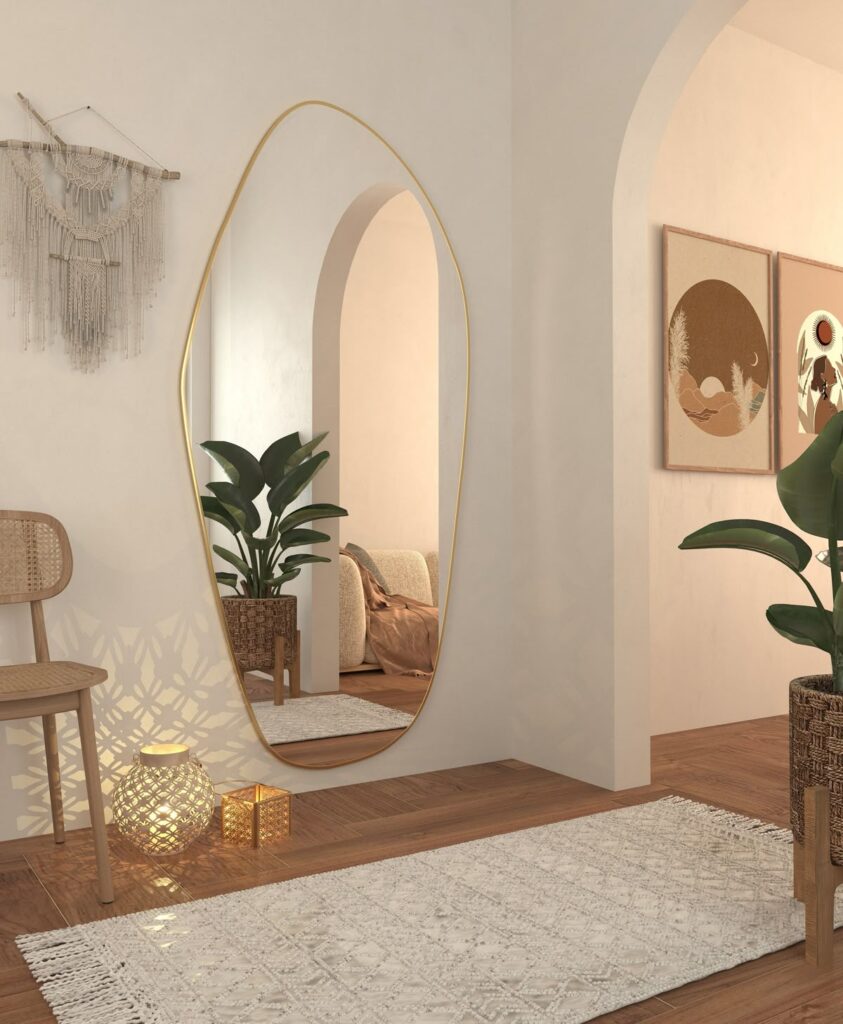
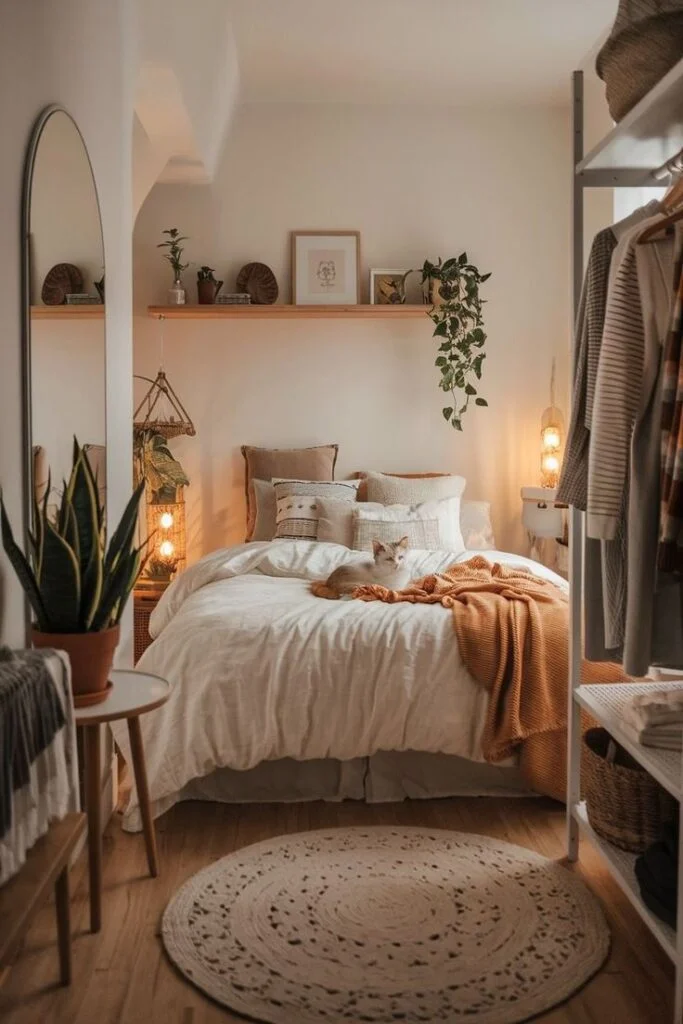
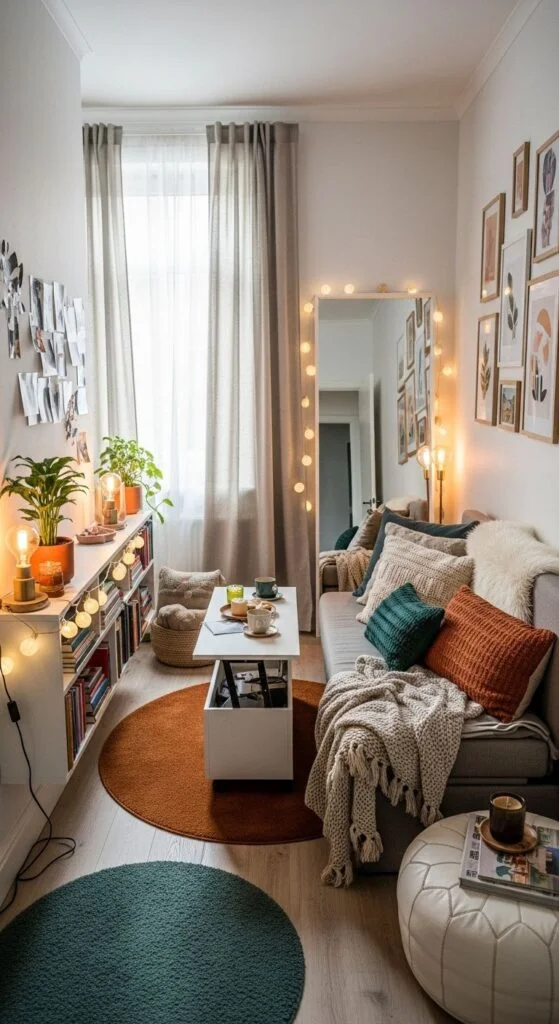
Strategically using mirrors is a transformative design technique that leverages reflection to instantly expand the perceived boundaries of a small room. By placing a large mirror directly opposite a window, you effectively “double” your light source, bouncing natural sunshine into dim corners and making the entire space feel significantly brighter. In 2026, designers are using oversized floor-length mirrors and sleek wall-mounted panes to create a dramatic sense of depth, making solid walls feel like open portals. This optical illusion tricks the eye into seeing more square footage, which is essential for preventing a compact living area from feeling claustrophobic. Whether you opt for a minimalist frameless look or a bold, ornate statement piece, mirrors serve as functional art that enhances both luminous clarity and architectural interest. Ultimately, this simple DIY decor strategy converts a closed-off room into a light-filled, expansive sanctuary that feels twice as large.
5. Embrace Minimalism with Sleek Design
To achieve a truly tranquil environment, you must embrace minimalism with sleek design, focusing on the intentional selection of high-quality essentials over sheer quantity. In 2026, the “warm minimalist” aesthetic prioritizes clean-lined furniture and a restrained color palette to foster a sense of visual calm and physical openness. By ruthlessly decluttering and removing non-essential items, you eliminate the “visual noise” that often makes small rooms feel cramped and chaotic. Opting for smooth surfaces, handle-less cabinetry, and modern accessories allows the eye to travel through the space without interruption. Furthermore, avoiding busy, excessive patterns prevents the room from feeling visually heavy, allowing the architectural simplicity of your home to shine. This disciplined approach doesn’t mean sacrificing comfort; rather, it creates a sophisticated, airy sanctuary where every piece of decor serves a purpose, resulting in a living area that feels both modern and profoundly peaceful.
6. Create Separate Zones with Rugs and Furniture
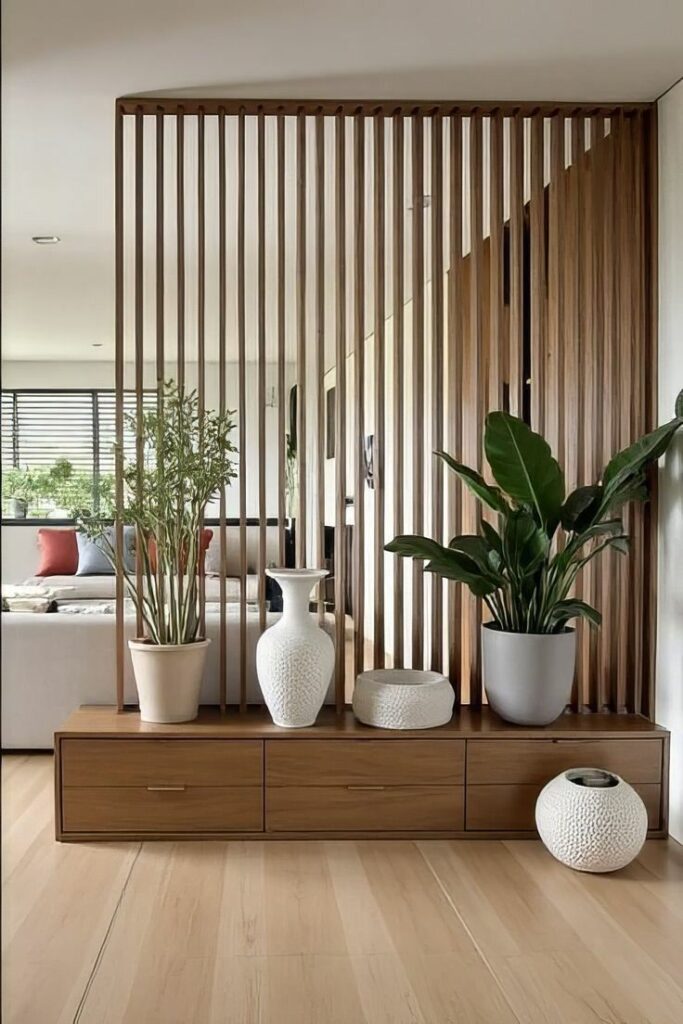
In open-plan layouts or compact apartments, you can effectively create separate zones by using area rugs and strategic furniture placement to define the function of each area. By grounding a seating group with a large rug or placing a smaller, plush rug under a velvet armchair, you create a visual “boundary” for a living room zone or a dedicated reading nook without the need for restrictive walls. In 2026, the trend is to use varied textures and colors in rugs to signal transitions between spaces, such as a high-pile rug for relaxation areas and a flat-weave for a home office zone. Positioning the back of a sofa toward a dining area or using a console table as a divider further reinforces these distinct “rooms” within a room. This organized approach prevents your home from feeling like a cluttered storage space, instead transforming it into a structured, multifunctional sanctuary that feels both expansive and intentionally designed.
7. Optimize Storage with Built-In Solutions
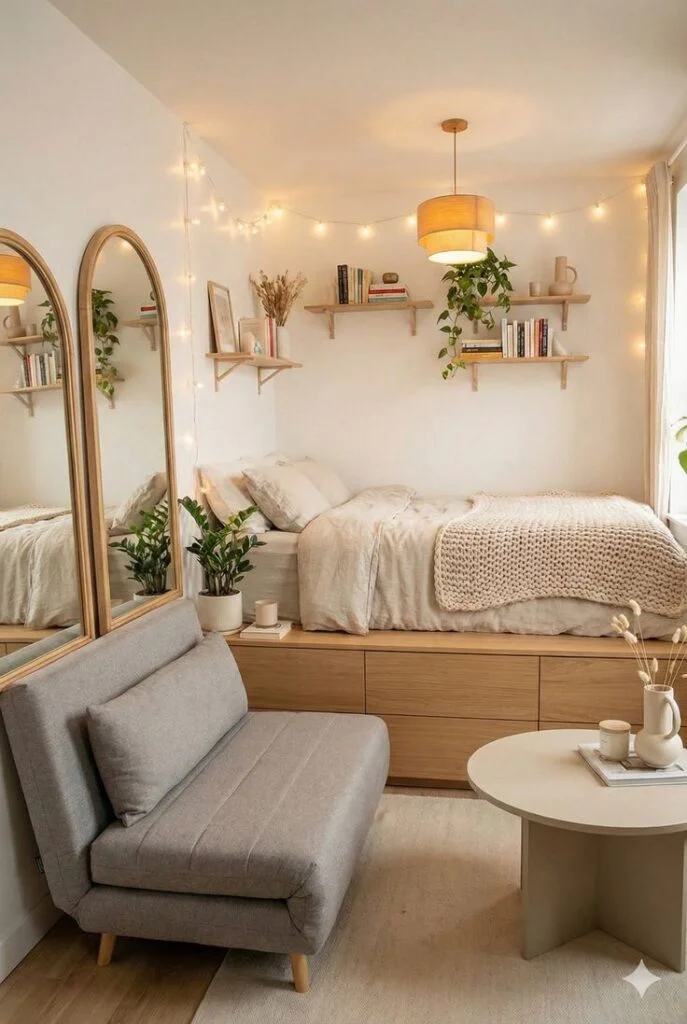
To truly master a compact layout, you must optimize storage with built-in solutions that seamlessly integrate with your home’s architecture. Unlike standalone furniture that can interrupt the flow of a room, built-ins like under-bed storage drawers and floor-to-ceiling shelving utilize every available inch without consuming precious floor space. In 2026, the trend has evolved toward “invisible storage,” where cabinetry is designed to blend into the walls, creating a clean, expansive look. This approach is particularly effective for home office decor, where wall-mounted cabinets and built-in desks keep surfaces clear of administrative clutter. By customizing your storage to fit the specific contours of your room, you eliminate wasted gaps and awkward corners. This strategic organization not only keeps your belongings accessible but also enhances the room’s aesthetic harmony, transforming a potentially cramped environment into a highly efficient, sleek, and tranquil sanctuary.
8. Add Vertical Gardens to Bring Nature Inside
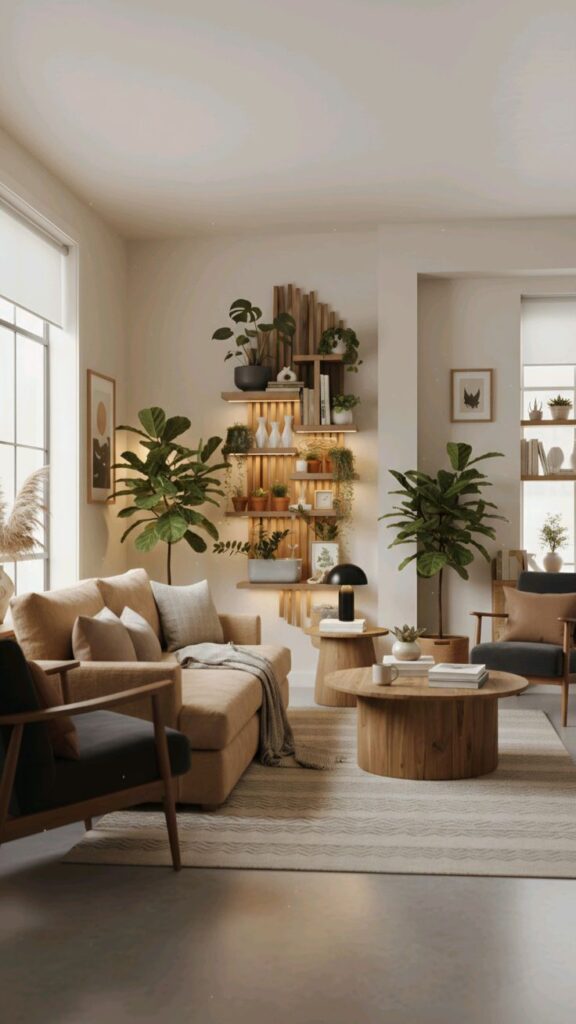
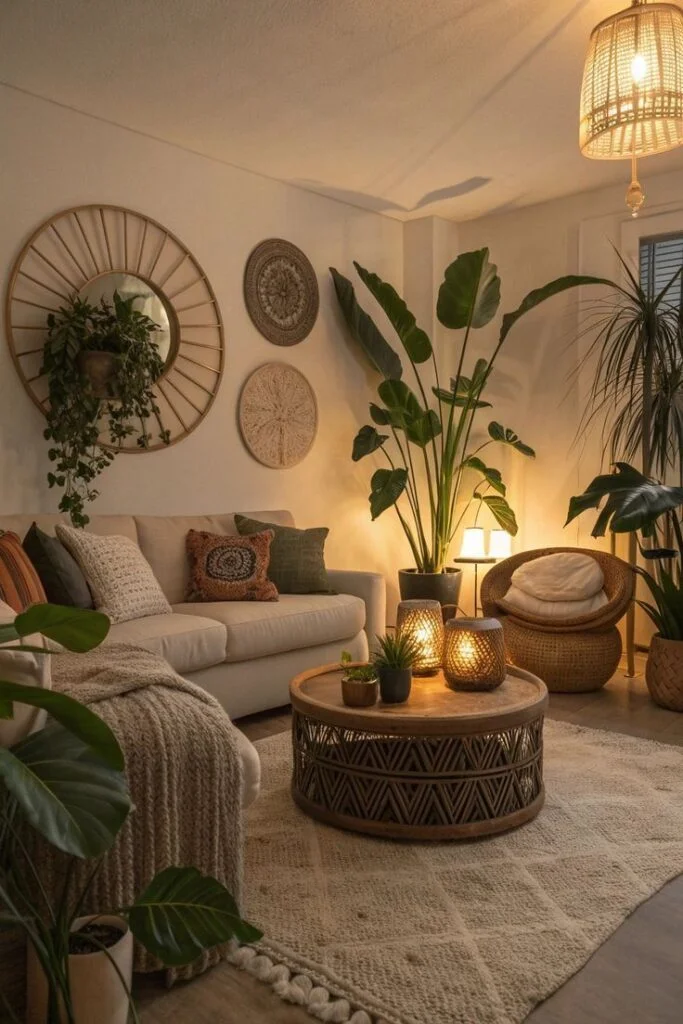
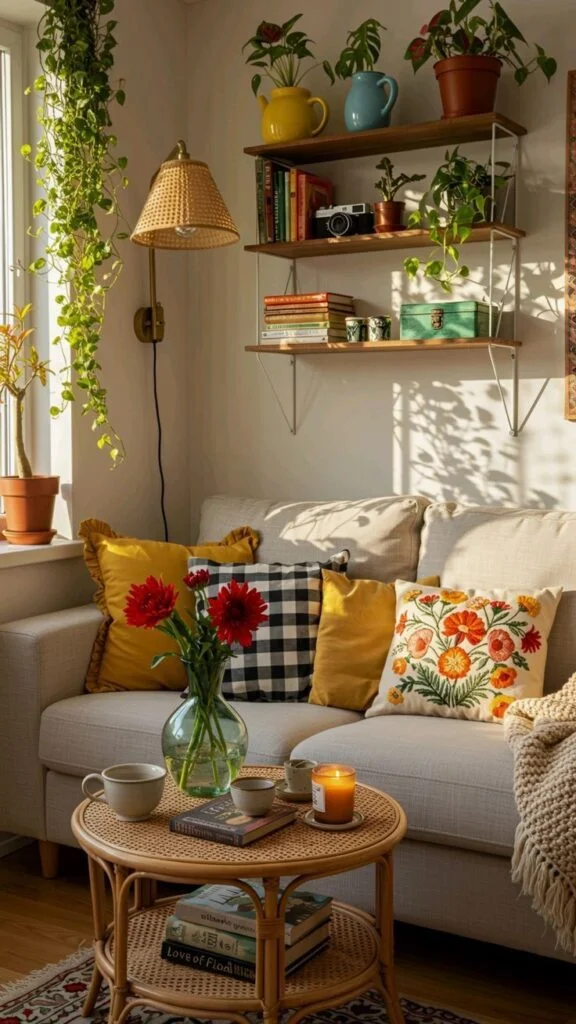
To maximize your home’s vitality without sacrificing precious square footage, you should add vertical gardens to bring the refreshing essence of nature inside. By utilizing hanging planters, wall-mounted plant shelves, or modular “living walls,” you introduce an organic, calming element that significantly improves indoor air quality. In 2026, this approach is a cornerstone of biophilic design, particularly for tiny homes and compact apartments where floor space is at a premium. These elevated green displays draw the eye upward, creating a vibrant focal point that adds texture and life to otherwise static walls. Whether you choose low-maintenance trailing vines like pothos or a curated grid of succulents, vertical greenery softens the architectural lines of your home. This intentional integration of plants creates a lush, restorative sanctuary, proving that you don’t need a backyard to enjoy a thriving, aesthetic garden that enhances your well-being and home aesthetic.
9. Use Foldable Furniture for Easy Storage
To maximize the versatility of a compact home, you should use foldable or collapsible furniture as a high-performance strategy for maintaining an open, airy environment. In 2026, modern engineering has transformed these pieces from mere temporary fixes into sophisticated design elements that ensure functionality without compromising on style. For instance, a sleek fold-out Murphy bed can transform a small bedroom into a spacious daytime lounge, while a collapsible desk provides a dedicated home office that disappears once the workday ends. These pieces allow you to reclaim valuable floor space instantly, preventing your living area from feeling crowded by unused furniture. By prioritizing items that can be tucked away—such as nesting chairs or wall-mounted drop-leaf tables—you gain the freedom to adjust your layout for exercise, entertaining, or relaxation. This adaptable approach turns a static room into a dynamic, multi-use sanctuary that feels intelligently organized and consistently spacious.
10. Create Open Shelving for Easy Access
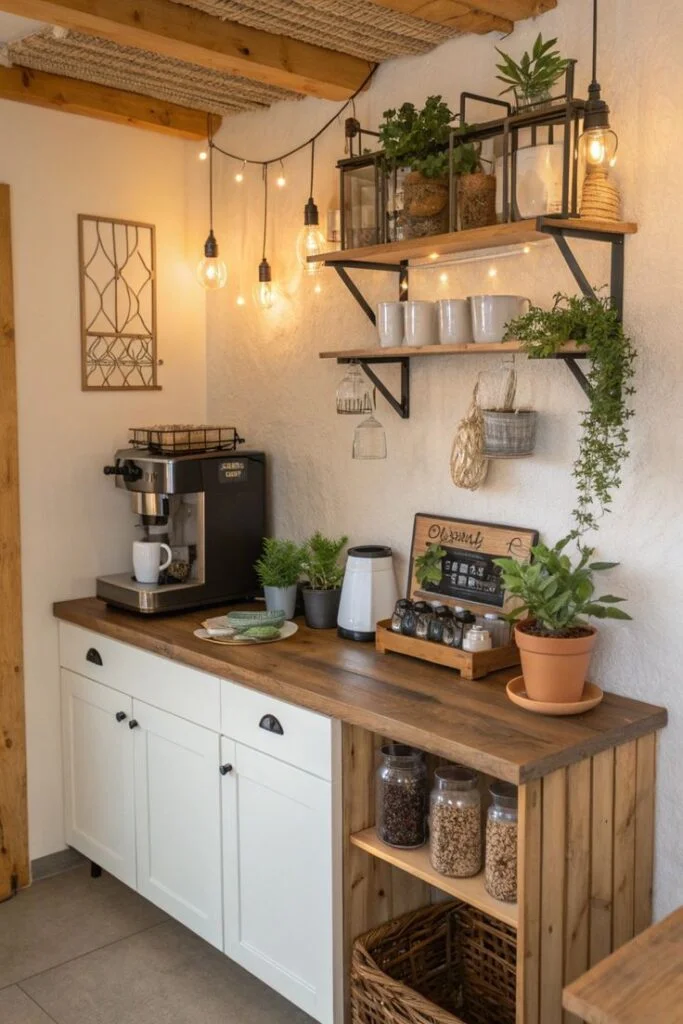
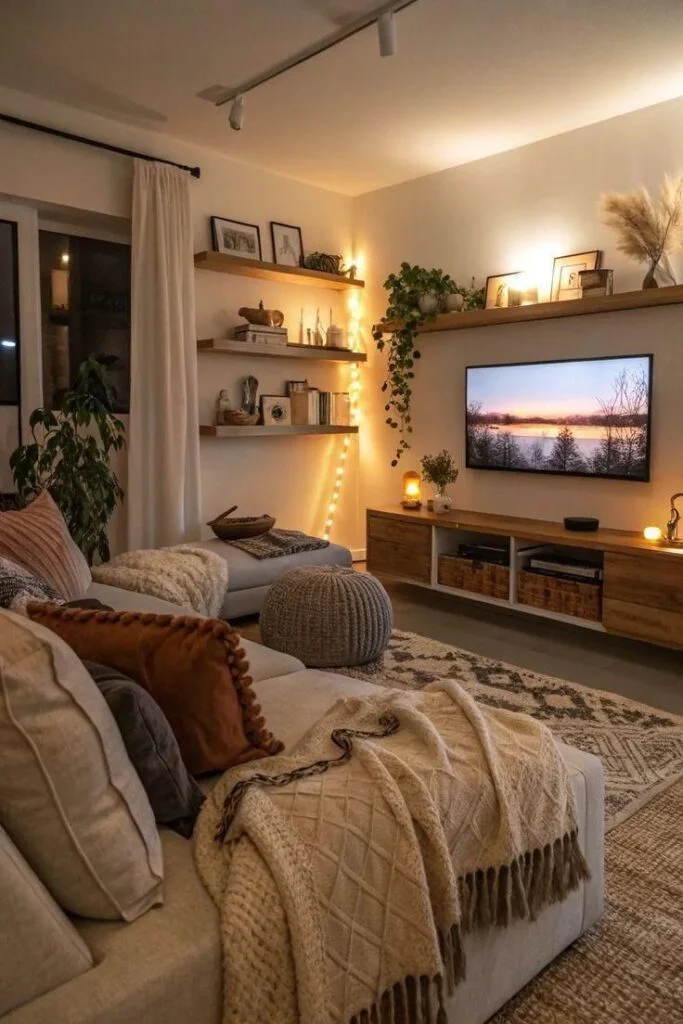
To maintain an organized yet stylish home, create open shelving to provide effortless access to your essentials while showcasing your personal aesthetic. In 2026, the trend of “curated utility” encourages using open shelves in kitchens, bathrooms, and living rooms to display a blend of functional items and decorative accents. By opting for floating shelves, you maintain a streamlined, modern silhouette that avoids the visual bulk of traditional cabinetry, making it an ideal strategy for smaller square footage. This approach allows you to keep daily-use items like artisanal dinnerware or skincare within reach, while also providing a platform for greenery and art. When styled thoughtfully—using a mix of textures and varying heights—open shelving prevents a room from feeling closed-off, instead adding depth and character to your walls. Ultimately, this design choice transforms your storage into a dynamic gallery, resulting in a living space that feels both highly efficient and deeply personal.
11. Incorporate Smart Lighting
To maximize the potential of a compact living area, you should incorporate smart lighting to create a multi-dimensional environment that feels significantly more expansive and inviting. By moving away from a single overhead source and integrating sleek wall sconces, modern pendant lights, and adjustable track lighting, you establish a layered effect that draws the eye to specific architectural details or functional zones. In 2026, the integration of smart bulbs allows you to customize color temperature and brightness via your smartphone, enabling you to transition from a crisp, “space-expanding” daylight to a warm, intimate evening glow instantly. These modern fixtures not only serve as stylish decor accents but also eliminate dark corners that can make a room feel enclosed. By strategically positioning light to wash over walls or highlight vertical space, you enhance the visual depth and luminous clarity of your home, transforming a small apartment into a sophisticated, high-tech sanctuary that feels open and airy.
12. Use Sliding Doors to Save Space
To maximize every square inch of your home, you should use sliding doors as a sophisticated alternative to traditional swinging doors, which often consume valuable floor space for their opening radius. In 2026, the trend has shifted toward sleek barn doors, pocket doors, and frosted glass sliders that provide essential privacy without the structural intrusion of a standard hinge. These space-saving solutions are particularly effective for bathrooms, closets, or as flexible room dividers in open-plan living room designs. By sliding parallel to the wall or disappearing into it entirely, they allow for furniture placement in areas that would otherwise remain empty to accommodate a door’s swing. Beyond their high functionality, sliding doors serve as a modern architectural statement, adding clean lines and a sense of effortless flow to your interior. This strategic upgrade effectively reclaims “dead space,” transforming a cramped layout into a streamlined, high-performance sanctuary that feels both open and intelligently organized.
13. Focus on Customization with DIY Projects
To truly distinguish your living environment, you should focus on customization with DIY projects, which allow you to tailor every square inch to your specific functional needs and personal style. In 2026, the “curated home” movement emphasizes that a small space feels more expansive when it reflects the inhabitant’s personality rather than a showroom floor. By repurposing vintage furniture or building custom-dimensioned storage, you solve the unique spatial puzzles that mass-produced items often ignore. Whether you are crafting bespoke wall art to serve as a vibrant focal point or installing hand-painted shelving, these personal touches infuse your home with an authentic, artisanal character. This hands-on approach ensures that your decor remains both highly functional and deeply meaningful. Ultimately, investing your creativity into DIY solutions transforms a generic layout into a one-of-a-kind sanctuary, proving that thoughtful customization is the ultimate luxury for modern, small-scale living.
14. Use Color Blocking to Create Illusion of Space
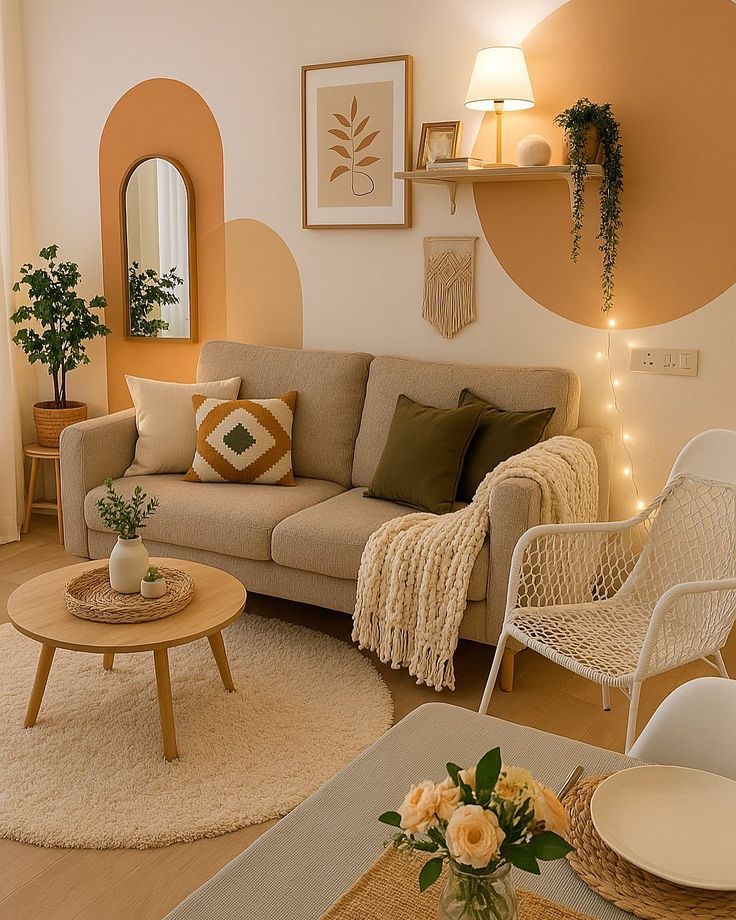
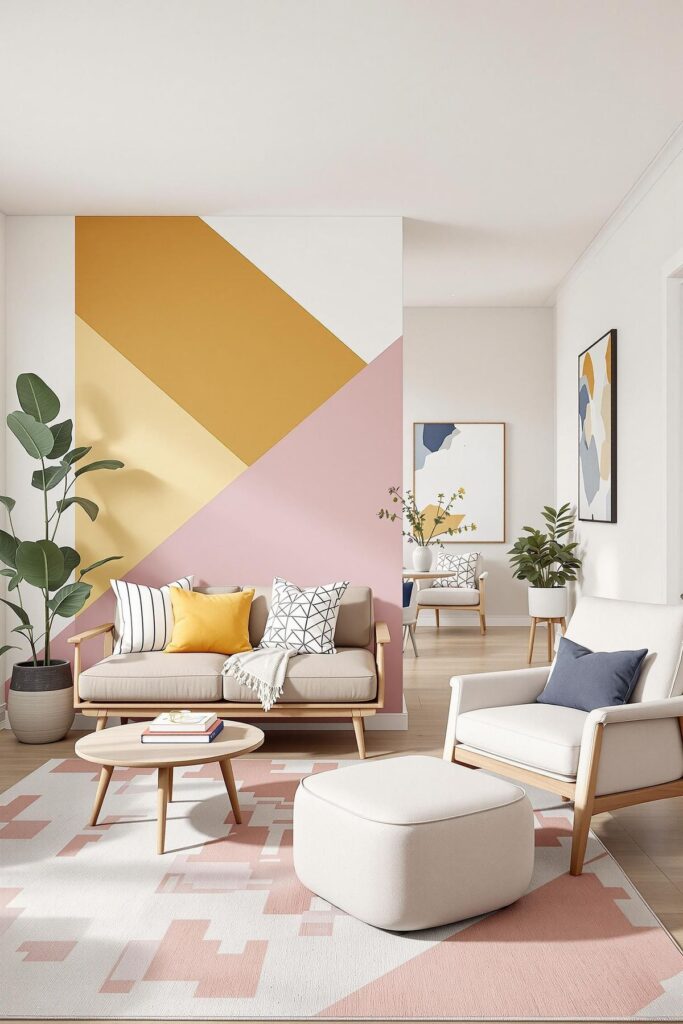
To visually expand a compact environment, you can use color blocking as a powerful architectural tool to define boundaries and create a sophisticated illusion of space. By applying bold, contrasting colors or varying shades of the same hue to specific walls or recessed nooks, you effectively segment a room into distinct functional zones without the need for physical partitions. In 2026, designers are using “vertical color blocking” to draw the eye toward the ceiling, making low-profile rooms feel significantly taller. For example, painting a deep terracotta rectangle behind a desk area or a soft sage arch in a reading corner adds a sense of visual depth and intentionality that a single flat color cannot achieve. This technique tricks the brain into perceiving multiple “layers” within a single room, effectively breaking up the monotony of a small floor plan. Ultimately, color blocking transforms a standard boxy room into a dynamic, multi-dimensional sanctuary that feels both curated and unexpectedly spacious.
15. Go Vertical with Your Decor
To maximize the perceived volume of a compact room, you should go vertical with your decor, utilizing the often-overlooked space between your furniture and the ceiling. Incorporating tall, narrow elements like oversized vertical artwork or slender floor lamps forces the eye to travel upward, effectively breaking the horizontal “clutter line” and making the ceiling feel higher. In 2026, a favorite designer secret is installing floor-to-ceiling curtains; by mounting the rod just below the ceiling rather than at the window frame, you create an uninterrupted vertical sweep that adds a sense of grand architectural scale. This strategy is essential for preventing a small home from feeling “weighted down” by low-profile furniture. By prioritizing height over width in your accessories, you introduce a rhythmic, lofty energy that expands the room’s boundaries. Ultimately, this vertical focus transforms a constrained layout into a statuesque, airy sanctuary that feels significantly more expansive and elegantly proportioned.
16. Utilize Hidden Storage in Furniture
To maintain a pristine and organized environment, you should utilize hidden storage in furniture, turning every functional piece into a secret organizational tool. In 2026, the trend of “invisible utility” prioritizes high-design items that mask their storage capabilities, such as beds with deep integrated drawers or sleek coffee tables featuring lift-top compartments. These pieces are transformative for small living rooms and bedrooms, allowing you to stow away seasonal linens, electronics, or extra pillows without occupying additional floor space. By choosing storage ottomans or benches with hollow centers, you eliminate visual clutter while keeping essentials within easy reach. This strategic approach ensures that your home remains a restorative, tidy sanctuary where the focus stays on your aesthetic rather than your belongings. Ultimately, investing in furniture that works double-duty provides a high-performance solution for modern living, keeping your space feeling both sophisticated and effortlessly organized.
17. Keep Clutter to a Minimum
To preserve the tranquility of a compact living area, you must keep clutter to a minimum, as visual noise can quickly make a small room feel cramped and overwhelming. Adopting a streamlined approach to your decor ensures that every object serves a purpose, allowing the architectural lines of your home to breathe. In 2026, the “curated sanctuary” aesthetic relies on high-quality storage baskets, sleek bins, and concealed organizers to manage daily essentials while maintaining a polished look. By categorizing items and tucking them away into uniform containers, you transform potential chaos into a rhythmic, aesthetically pleasing design element. This disciplined editing of your surroundings reduces mental stress and enhances the overall flow of the space. Ultimately, by prioritizing open surfaces and intentional placement, you create a serene, expansive sanctuary that feels significantly more sophisticated and welcoming, proving that a tidy home is the foundation of modern, small-scale luxury.
18. Incorporate Folding Walls for Flexibility
To achieve ultimate spatial adaptability, you should incorporate folding walls for flexibility, allowing your home to physically transform based on your immediate needs. In 2026, the rise of the “dynamic floor plan” has popularized sophisticated solutions like accordion-style partitions, bifold panels, and modular acoustic dividers that offer privacy without the permanence of a structural wall. These installations are perfect for creating a temporary home office zone during the day and then retracting to restore an open-plan feel for evening relaxation. When guests arrive, a sliding or folding divider can instantly carve out a private suite within your living room interior design. This high-performance approach ensures that your square footage is never static, providing a bespoke, versatile sanctuary that shifts seamlessly between work, rest, and social play. By embracing these movable boundaries, you gain the luxury of multiple rooms within a single footprint, maximizing both functionality and modern architectural style.
19. Choose Light Furniture with Thin Legs
To enhance the airy feel of a compact interior, you should choose light furniture with thin legs, a design strategy that prioritizes “visual floor space” to prevent a room from feeling weighed down. In 2026, the mid-century modern and minimalist aesthetics remain popular specifically because their slender, tapered legs allow the eye to travel underneath the furniture, creating an uninterrupted view of the floor. This optical trick makes a small bedroom or living area feel significantly less cramped by reducing the “visual footprint” of bulky items. Whether you are selecting a slim-profile bed frame, a delicate accent chair, or a legged sideboard, elevating these pieces off the ground adds a sense of lightness and architectural grace. By maximizing the amount of visible flooring, you foster a luminous, open sanctuary that feels much larger than its actual dimensions. This intentional choice results in a sophisticated, high-performance layout that balances comfort with an expansive, breathable atmosphere.
20. Make Use of Every Corner
To maximize your home’s potential, you must make use of every corner, transforming often-neglected “dead zones” into highly functional hubs of activity. In 2026, the key to a high-performance floor plan is identifying these angular voids and filling them with bespoke corner shelves, triangular desks, or a cozy, recessed reading nook. By utilizing vertical corner space, you can introduce essential storage or a compact workspace without encroaching on the central “flow” of the room, effectively preventing an overcrowded feel. Designers now favor custom-fitted L-shaped shelving and floating corner units that draw the eye into the edges of the room, which visually expands the room’s boundaries. This strategic approach ensures that every square inch of your interior works harder for you, resulting in a structured, efficient sanctuary where no space is wasted. Ultimately, reclaiming these niches adds depth, character, and utility to your home, proving that even the smallest corner can offer significant value.
21. Open Concept Layouts for Seamless Flow
To maximize the perceived scale of your home, you should adopt open concept layouts for seamless flow, effectively erasing the physical and visual barriers that make small apartments feel restrictive. By merging the kitchen, dining, and living areas into one cohesive “great room,” you allow natural light and air to circulate freely, creating a sense of volume that far exceeds the actual square footage. In 2026, this architectural strategy is essential for living room interior design, as it replaces cramped hallways with high-performance, multi-use zones. This lack of partitions encourages a social, connected atmosphere where the eye can travel uninterrupted across the entire floor plan. By using consistent flooring and a unified color palette throughout the open space, you further reinforce the illusion of expansiveness. Ultimately, this layout transforms a series of small, dark rooms into a luminous, interconnected sanctuary that feels modern, breathable, and intelligently designed for contemporary living.
22. Choose Compact Appliances
To optimize a high-performance kitchen or laundry area, you should choose compact appliances that offer full functionality within a significantly reduced footprint. In 2026, “apartment-sized” engineering has perfected sleek, high-efficiency models such as slimline dishwashers, under-counter refrigerators, and combination washer-dryer units that eliminate the need for bulky, separate machines. These space-saving essentials allow you to reclaim valuable counter and floor space, preventing your utility zones from feeling cramped or industrial. By integrating “panel-ready” compact appliances that blend seamlessly with your cabinetry, you maintain a cohesive, high-end aesthetic while maximizing every square inch of your layout. This strategic selection is a cornerstone of modern small-home decor, ensuring your home remains a highly functional, streamlined sanctuary. Ultimately, downsizing your tech allows for a more breathable environment without sacrificing the modern conveniences necessary for a sophisticated, efficient lifestyle.
23. Use Custom-Built Furniture to Fit Your Space
To achieve a perfectly tailored interior, you should use custom-built furniture to fit your space, ensuring that every unique architectural quirk of your home is utilized to its full potential. In 2026, bespoke design is the ultimate “game-changer” for small-scale living, as it eliminates the awkward gaps and wasted inches often left by mass-produced pieces. By commissioning custom-fitted shelves, floor-to-ceiling cabinets, or tables designed for specific alcoves, you maximize functionality while maintaining a sleek, modern look that feels intentional rather than cluttered. This level of customization allows you to build around windows, radiators, or sloped ceilings, transforming potential obstacles into high-performance storage or workspace hubs. Ultimately, investing in furniture crafted for your exact dimensions creates a seamless, high-end sanctuary where the decor feels integrated into the architecture itself. This strategic approach ensures you get the most out of every inch, resulting in a home that is as efficiently organized as it is beautiful.
24. Create Visual Interest with Bold Accents
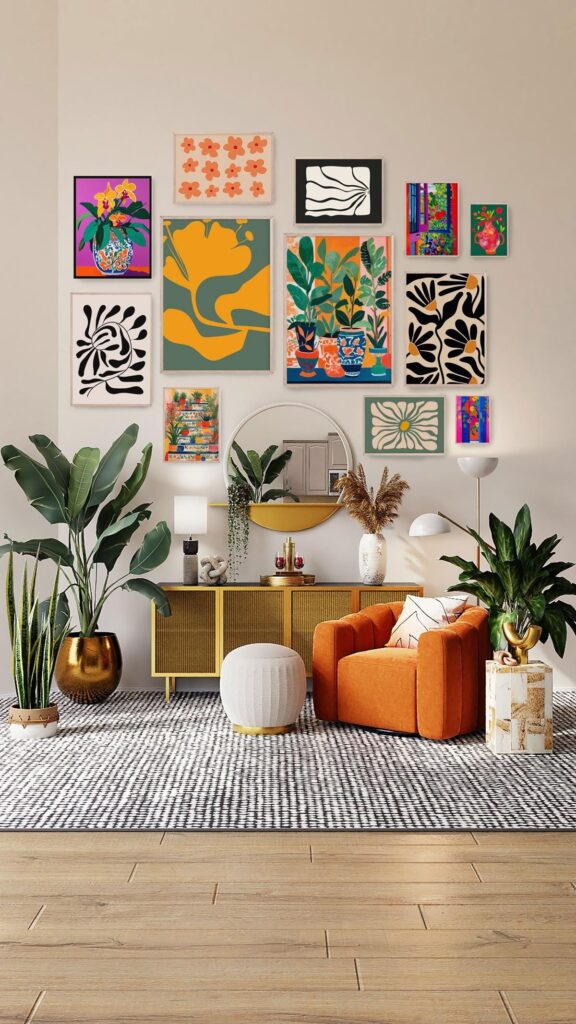
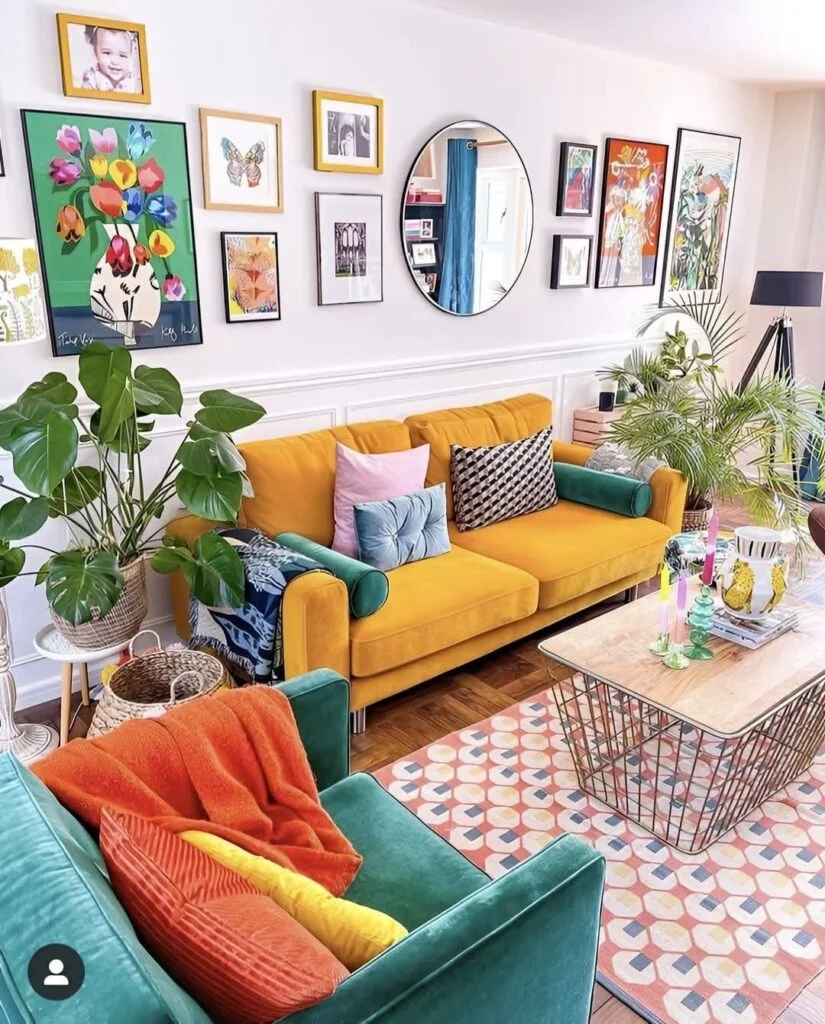
To infuse personality into a compact environment, you should create visual interest with bold accents, using vibrant colors and textures to provide a sense of depth without overwhelming the room’s proportions. In 2026, the secret to a “curated sanctuary” lies in the strategic placement of eye-catching art, patterned rugs, or saturated throw pillows that act as focal points, drawing the eye away from the limited square footage. By choosing a few high-impact pieces rather than many small trinkets, you avoid the “visual clutter” that can make small spaces feel chaotic. These bold elements serve as anchors in your design, injecting a sense of deliberate character and energy into a neutral palette. Whether it’s a striking geometric rug that defines the seating area or a large-scale painting that adds a window-like perspective, bold accents transform a standard room into a sophisticated, high-definition sanctuary. Ultimately, this approach ensures your home feels intentionally designed and vibrantly personal, proving that small scale never has to mean small style.
25. Keep a Consistent Design Theme
To achieve a sense of harmony in a compact environment, you must keep a consistent design theme throughout your home, ensuring that every room feels like a deliberate continuation of the last. In 2026, the “unified sanctuary” approach is essential for small-scale living; by maintaining a cohesive color palette, similar furniture silhouettes, and matching hardware, you eliminate the visual “stutter” that occurs when moving between disjointed styles. Whether you lean toward minimalist neutral decor or a curated eclectic aesthetic, this consistency allows the eye to travel smoothly across the entire floor plan, which effectively makes the space feel larger and more inviting. When materials and textures—such as light oak or brushed brass—are repeated thoughtfully, they create a rhythmic flow that fosters a balanced and organized atmosphere. Ultimately, a unified theme transforms a series of small rooms into a sophisticated, expansive sanctuary, proving that aesthetic discipline is the key to a home that feels both professionally designed and deeply restorative.
Conclusion
Incorporating these 25 smart small space ideas into your home can drastically transform its appearance and functionality. Whether you’re looking to redesign your small apartment or create a cozy, modern home decor atmosphere, these tips will help you make the most of your space without sacrificing style. By utilizing vertical space, optimizing storage, and embracing minimalist design, you can create a home that feels much bigger than its actual square footage.