The New Year is a natural reset point for your home, especially right after the holidays, when decorations have come down and rooms often feel a little bare by comparison. You don’t need a renovation budget to make the most of that reset. Small, intentional changes a new lamp, a repainted dresser, a well-placed mirror can do more for how a room feels than a single expensive purchase ever could. The ten ideas below are ordered roughly the way you’d tackle them in a real refresh: start by clearing out what isn’t working, then layer in color, light, and a few well-chosen pieces.

Start With a Post-Holiday Declutter
Before adding anything new, clear out what the holidays left behind leftover wrapping paper, decorations that didn’t get put away, and gifts that don’t have a home yet. A quick 15-minute pass through each room to sort items into keep, donate, and toss piles makes a noticeable difference before you’ve spent a single dollar on decor. This step matters more than it sounds like it should: a room with excess left out visually competes with any refresh you do next, so an accent wall or a new lamp reads as more impactful in a room that’s already been edited down. If you’re not sure what to let go of, a simple rule helps: if you didn’t use, wear, or display it in the last year, it’s a reasonable candidate to donate.
It’s worth doing this room by room rather than trying to tackle the whole house in one sitting a bedroom or entryway usually takes 15–20 minutes, while a kitchen or living room with more surfaces can take closer to 45. Set a timer if you tend to get distracted reorganizing drawers instead of clearing surfaces; the goal at this stage is removal, not reorganization, and you can always come back to sort drawers once the visible surfaces are clear. Donated items in good condition can typically go to a local thrift store or shelter the same week, which also means the decluttering step doesn’t have to sit half-finished in bags by the door for a month.
Refresh Your Home With Neutral and Warm Color Palettes
Color is one of the least expensive ways to change how a room feels, and warm neutrals soft white, greige, light taupe tend to make the biggest visual difference for the smallest investment. These shades typically fall in the 60–80 LRV (light reflectance value) range, which means they bounce back a large share of the light that hits them, so rooms with limited natural light read as brighter without adding a single new fixture. A single accent wall, painted in a warm neutral or a slightly deeper tone like clay or warm greige, is usually enough a gallon of quality eggshell paint runs $35–$55 and covers roughly 350–400 square feet, so most bedroom or living room walls need just one can. Repainting an old dresser or side table in the same family of tones is a similarly low-cost way to make mismatched furniture feel intentional instead of thrifted-and-forgotten.
If you’re painting furniture rather than walls, a bonding primer matters more than the paint itself cherry, oak, and other dense hardwoods can resist paint adhesion without one, leading to chipping within a few months. A light hand-sanding with 220-grit sandpaper before priming also helps the paint grip, especially on any furniture with a glossy factory finish. For walls, testing a sample on a piece of poster board (rather than directly on the wall) lets you move the color around the room and check it against your existing furniture before committing to a full can.

Improve Lighting to Instantly Elevate Your Space
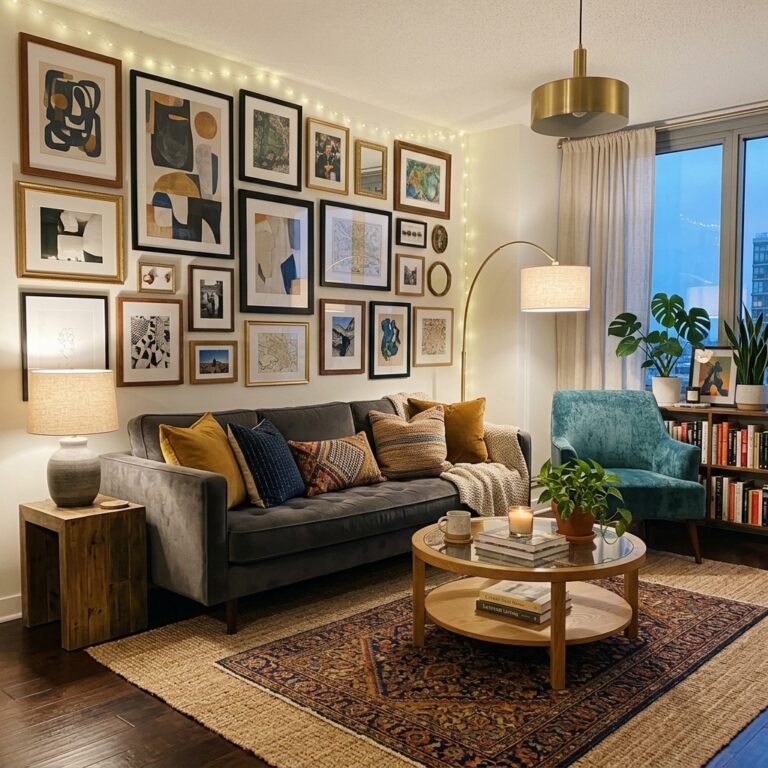
Lighting temperature changes a room’s mood more than most people expect. Bulbs in the 2700K–3000K range read as warm and cozy, while anything above 4000K starts to feel closer to office lighting a detail worth checking before you assume a room’s paint color is the problem. ENERGY STAR-certified LED bulbs use up to 90% less energy than incandescent bulbs and last significantly longer, so switching out your most-used fixtures is one of the few home updates that pays for itself over time rather than just costing money upfront. Beyond the bulbs themselves, adding a $20–$40 table lamp to a dark corner, or running battery-powered LED strip lights under a shelf or cabinet, brings in a second light source so the room isn’t relying on one overhead fixture to do all the work. Layering two or three light sources at different heights a floor lamp, a table lamp, and a wall sconce, for example is what separates a flat-lit room from one that feels finished.
Dimmer switches are one of the more overlooked upgrades in this category. A basic in-wall dimmer costs $15–$25 and takes most people under 30 minutes to install on an existing fixture, and it lets a single overhead light do double duty bright for cleaning or getting ready, dim for evenings instead of needing two separate fixtures to cover both. Just confirm your bulbs are labeled dimmable before installing one, since not all LEDs are compatible and a non-dimmable bulb can flicker or buzz on a dimmer circuit.

Bring Life Into Your Home With Low-Maintenance Indoor Plants
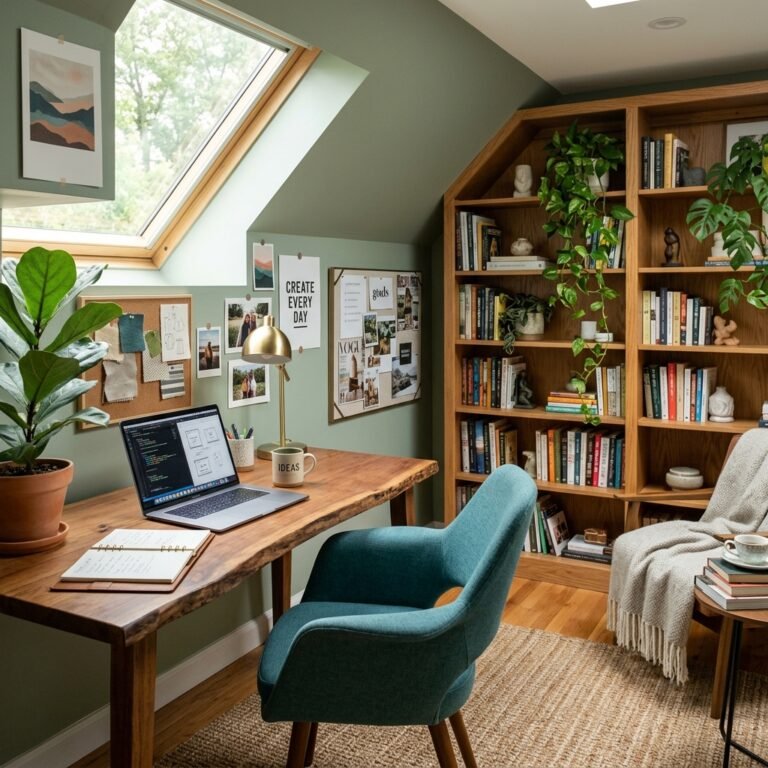
Plants add texture and color that decor alone can’t, but the difference between a plant that thrives and one that dies within a month usually comes down to matching the plant to the light you actually have, not the light you wish you had. Snake plants and ZZ plants tolerate low light and irregular watering both can go two to three weeks between waterings and still hold up which makes them a better starting point than a fiddle leaf fig for anyone who’s killed a plant before. Pothos does well on a shelf or in a hanging planter where its vines can trail, and it tells you clearly when it needs water: the leaves droop slightly, then perk back up within hours of a good soak. One or two larger plants generally read as more intentional than five or six small ones scattered around a room, and using a pedestal planter or wall-mounted pot keeps floor space clear in smaller rooms.
Pot size matters as much as plant choice for keeping these low-maintenance. A pot that’s too large for the root ball holds excess moisture longer than the plant can use, which is one of the most common reasons snake plants and ZZ plants develop root rot despite being marketed as nearly impossible to kill. As a rule of thumb, size up by no more than 2 inches in diameter when repotting, and choose a pot with a drainage hole over a fully sealed decorative one you can always slip a plain nursery pot inside a decorative sleeve if you prefer the look of a solid container.

Use Mirrors to Make Small Spaces Look Bigger
A mirror placed directly across from a window is one of the most reliable small-space tricks because it reflects natural light back into the room instead of letting it stop at the first wall it hits. In a dark hallway or entryway, even a modestly sized mirror 24×36 inches or so can make the space feel noticeably less closed-in, especially if there’s no window nearby to bring in daylight otherwise. For a slightly more decorative approach, an arched or asymmetrical floor mirror leaning against a wall does the same light-bouncing job while doubling as a statement piece, which is useful in a room that doesn’t have a lot of open wall space for framed art. Avoid placing a large mirror directly across from something visually busy, like an overstuffed bookshelf it will double the clutter along with the light.

Refresh Walls With Affordable Art and DIY Decor
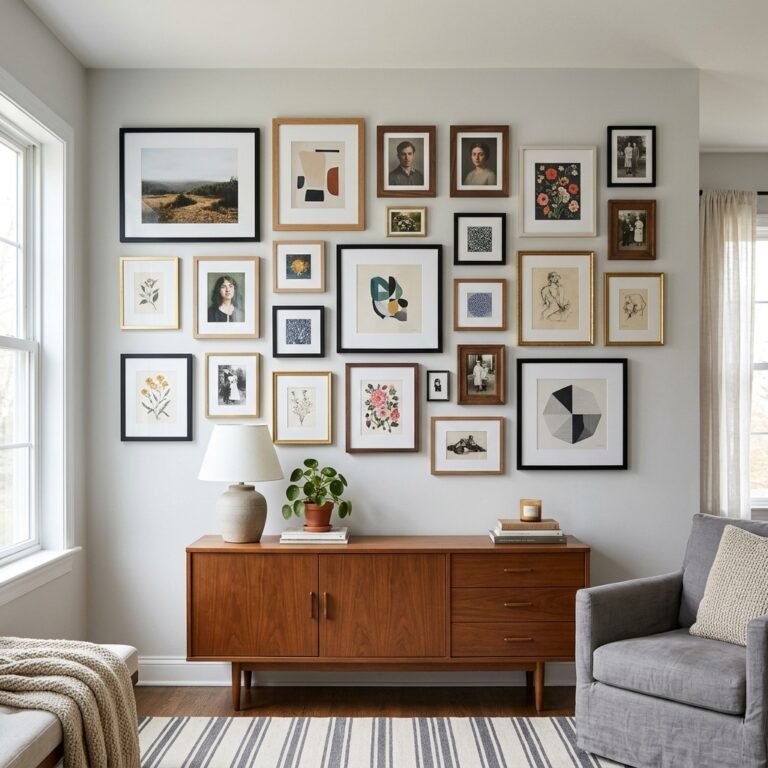
Printable digital art, paired with a simple thin-profile frame, is one of the least expensive ways to add color and personality to a bare wall a set of three prints and frames typically costs less than a single piece of original artwork. If you’d rather build a gallery wall gradually, keep the frame colors consistent (all black, or all light wood) even if the sizes vary, since a mismatched frame palette is usually what makes a gallery wall look cluttered rather than curated. For a textured, DIY option, a thin layer of joint compound applied with a trowel in loose, organic strokes and left to dry adds dimension to a plain wall for the cost of a small tub of compound. If you’re renting and can’t paint or drill into walls, our guide to rental-friendly decor ideas that won’t damage your walls covers removable options like adhesive strips and tension rods that work well for hanging art without losing a deposit.

Create a Cozier Bedroom With Layered Bedding
Layering different textures a linen duvet cover under a heavier knit or waffle-weave throw does more to make a bed feel put-together than buying an entirely new bedding set. Two oversized pillows in a contrasting texture, like velvet or bouclé, read as more finished than five smaller mismatched cushions, and they’re easier to keep looking neat day to day. A small bedside lamp with a warm, dimmable bulb does more for the room’s evening mood than overhead lighting ever will, since it puts a soft pool of light right where you’re actually sitting or reading. Finishing the nightstand with one or two objects you already own a favorite book, a small dish for jewelry keeps the space feeling lived-in rather than staged.

Style Shelves Using Items You Already Own
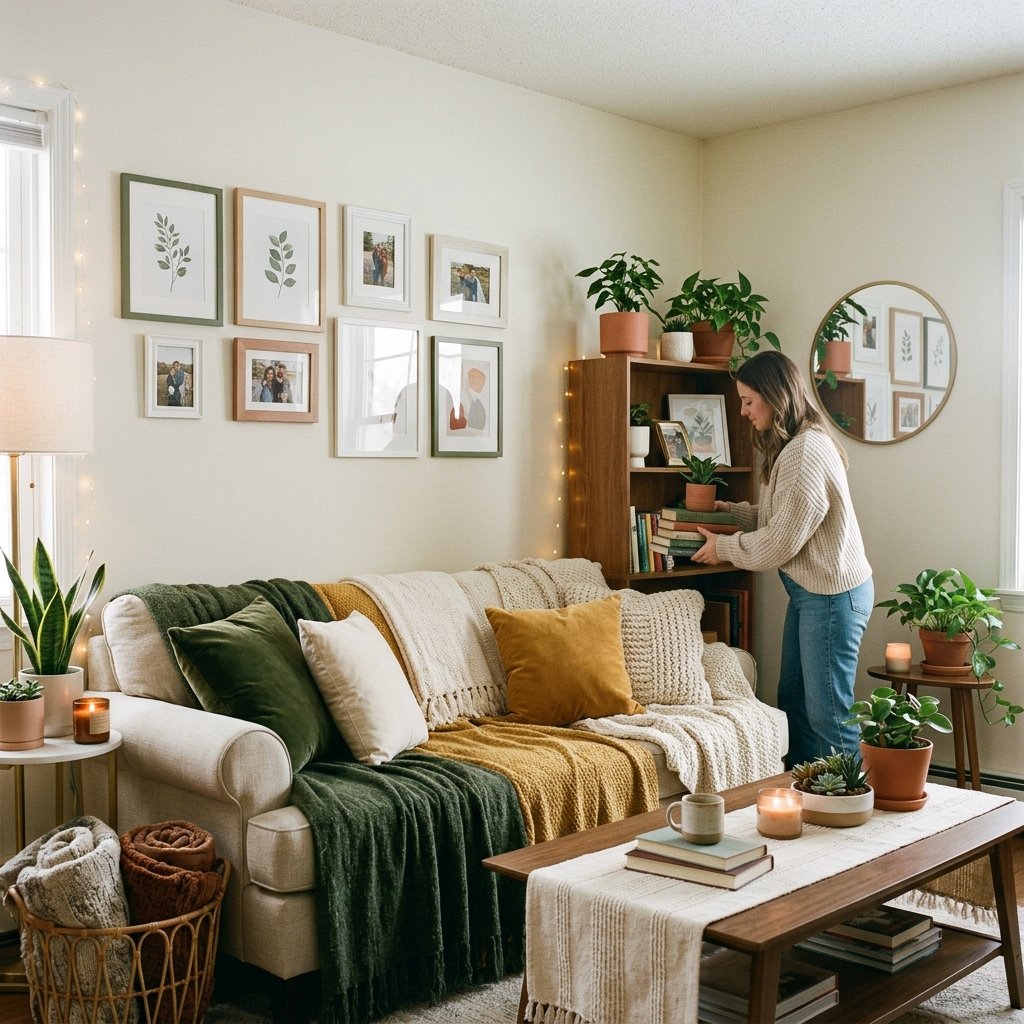
Before buying anything new for open shelving, take stock of what you already have books, small bowls, a candle, a plant cutting and group them in threes rather than spreading everything evenly across the shelf. A simple styling formula works well here: one taller item (a vase or stack of books), one lower item (a small bowl or box), and one organic item (a plant or a piece of natural stone) per grouping. Turning some book spines inward, so only the pages show, is a quick way to unify a mismatched book collection into a calmer, more neutral block of color. Leaving roughly a third of the shelf empty keeps the whole thing from feeling crowded for more on this kind of restrained, less-is-more styling, our minimalist home decor tips guide goes deeper into which items earn a spot and which don’t.

Upgrade Your Entryway for a Fresh Start
The entryway sets the tone for the rest of the home, and it’s one of the easiest spots to overhaul on a small budget because it’s usually a small footprint to work with. Start with the functional basics a slim console table or a set of wall-mounted hooks then spend a little more on one piece that stands out, like a textured vase or a single framed print, rather than spreading a small budget evenly across several forgettable items. A tray on the console for keys and mail keeps the surface from becoming a catch-all, which matters more in an entryway than almost anywhere else in the house since it’s the first thing you and any guest sees. If your home doesn’t have a dedicated entry space, a slim table pushed against the wall nearest the front door can do the same job in a few square feet.
Vertical storage is worth prioritizing in a tight entryway, since floor space is usually the first thing to run out. A row of wall-mounted hooks at two different heights one row for adults, one lower for kids keeps coats and bags off the floor without needing a full closet. If you have even 6 inches of depth to spare, a slim shoe bench with storage underneath solves the shoe-pile problem that tends to accumulate by most front doors, especially right after the holidays when boots and outdoor gear see heavier use.

Mix Budget Decor With One or Two Statement Pieces
A room built entirely from budget finds can look and feel exactly like what it is, while a room built entirely from expensive pieces can feel stiff and showroom-like. The middle ground mostly affordable basics, anchored by one or two pieces you spent a little more on tends to read as the most put-together of the three. A simple neutral rug and basic shelving can carry a room as long as one object, like a sculptural lamp or a large piece of wall art, gives the eye somewhere to land first. When deciding where to spend more, prioritize whatever you’ll actually look at or use most often a reading lamp you’ll turn on every night is a better investment than a decorative object you’ll stop noticing within a week.

Final Thoughts
None of these ten changes require a renovation, and most of them can be done over a weekend for less than the cost of a single piece of new furniture. Starting with a declutter, then layering in color, light, and one or two pieces that actually earn their spot, tends to produce a more finished-feeling home than buying a cart’s worth of new decor all at once. Pick two or three ideas from this list that fit your space and budget right now, and treat the rest as a running list for later in the year a home refresh doesn’t have to happen all in January to count as a New Year update.