For a long time, my living room felt incomplete. It was functional, yes—but it lacked warmth, personality, and that “wow” factor you notice in beautifully designed homes. I often searched online for living room interior design inspiration, assuming that only expensive renovations or professional designers could achieve such results. What I discovered instead was surprising: one simple decor-focused upgrade, done thoughtfully, can completely transform a space.
In this detailed guide, I’ll walk you through exactly how my living room makeover happened, using practical home interior design ideas that anyone can apply—whether you live in a small apartment or a spacious house.
Understanding the Foundation of Living Room Interior Design
Understanding the foundation of living room interior design begins with realizing that a well-designed space is not defined by how much furniture or décor it contains, but by how thoughtfully each element works together. A successful living room feels balanced, comfortable, and visually calm, guiding the eye naturally from one area to another. When design is done right, the space supports everyday living while also reflecting personal style. Before introducing new pieces or making drastic changes, it is essential to step back and evaluate the room as a whole. Often, the problem is not a lack of items, but a lack of intention behind their placement and interaction.
In analyzing the living room, several key issues became clear. The furniture felt disconnected, as if each piece existed on its own rather than contributing to a unified layout. There was no strong focal point to anchor the room, making the space feel directionless and unfinished. Lighting added to the problem, as harsh illumination created an unwelcoming atmosphere instead of a warm, layered glow. Decorative elements, though individually appealing, lacked cohesion and failed to tell a consistent design story. Together, these issues made the room feel uncomfortable and visually fragmented rather than inviting.
The Simple Decor Upgrade: Styling with Purpose
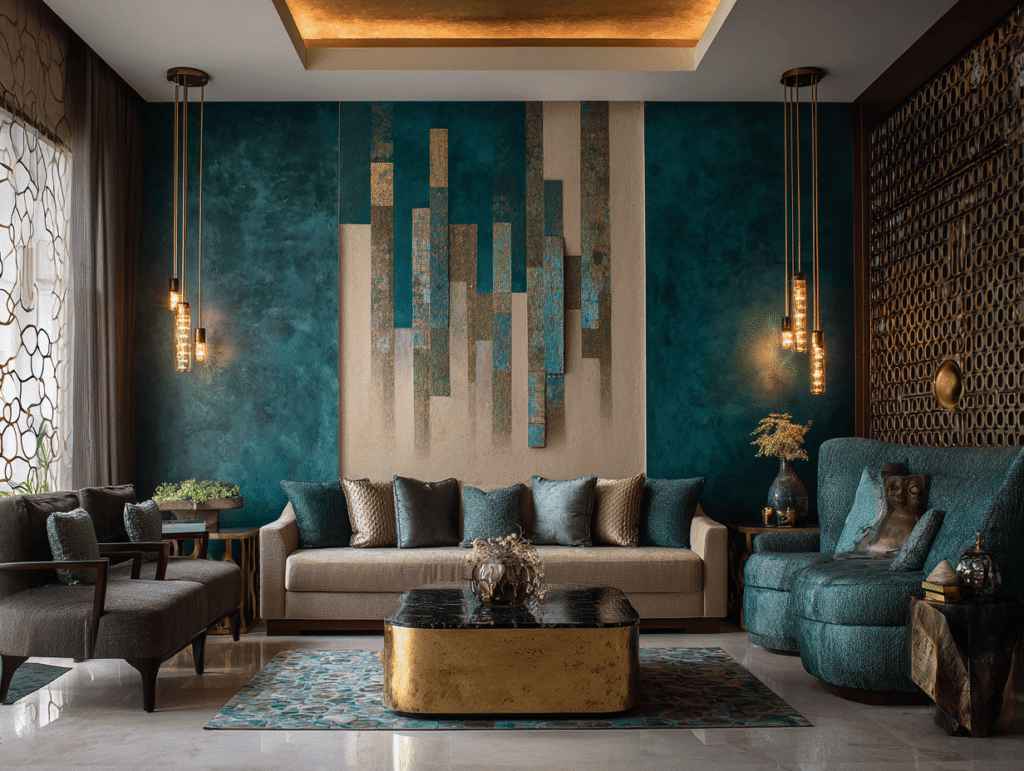
The most impactful change in this living room came from a simple yet often overlooked idea: styling with purpose. Rather than adding more pieces or chasing trends, the focus was on creating a unified look by thoughtfully aligning furniture, décor, lighting, and textures. This approach sits at the heart of contemporary living room design, where clean lines, open flow, and intentional choices create a space that feels both elegant and lived-in. When every element has a reason to be there, the room naturally feels calmer, more balanced, and visually appealing.
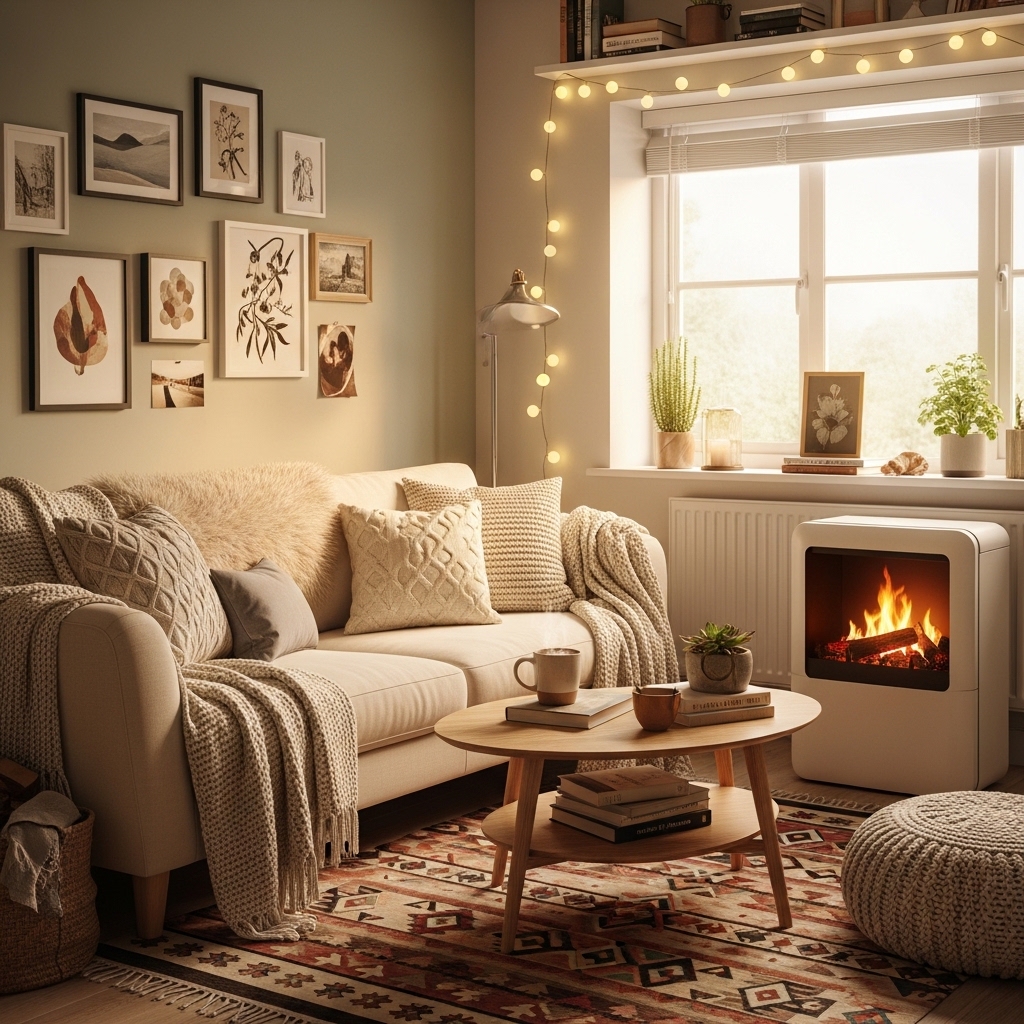
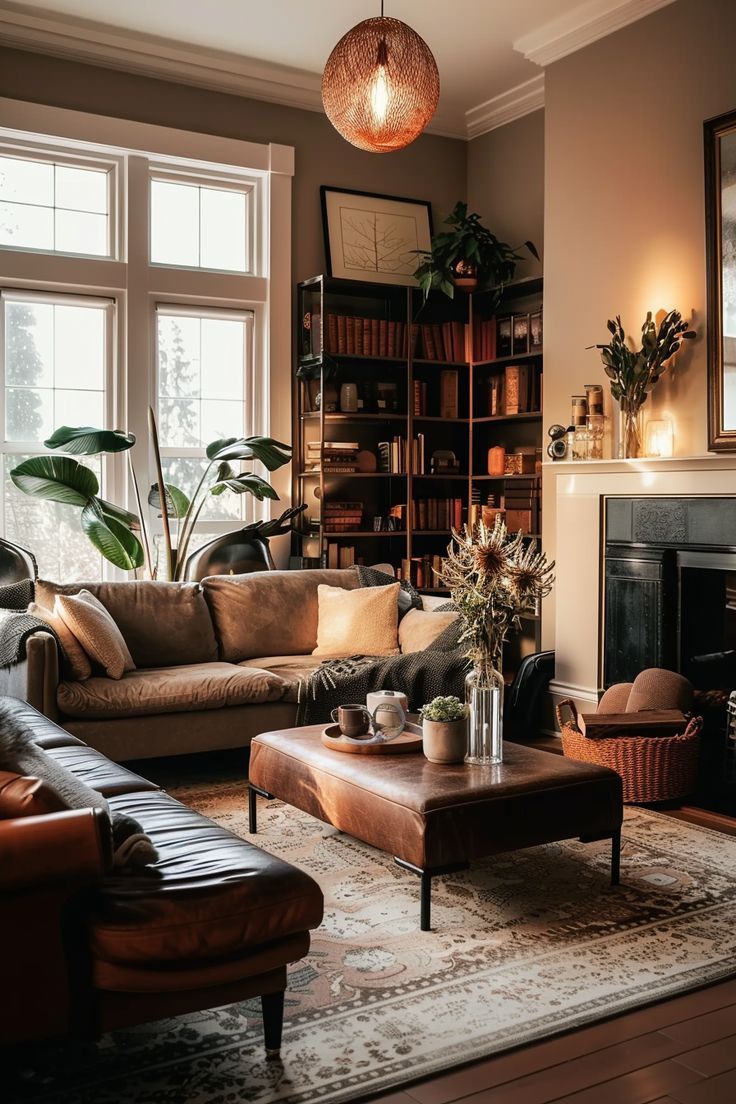
Instead of investing in new furniture, the attention shifted to rearranging what was already available. Adjusting the layout improved movement through the space and helped the room feel more open and connected. Layered textures were introduced through soft furnishings like cushions, throws, and rugs, adding warmth and depth without clutter. Lighting was also refined by combining ambient, task, and accent lighting, replacing harsh brightness with a softer, more inviting glow. Each decorative piece was carefully chosen to support the overall theme, ensuring colors, materials, and shapes worked together rather than competing for attention.
Smart Living Room Furniture Ideas That Make a Big Difference
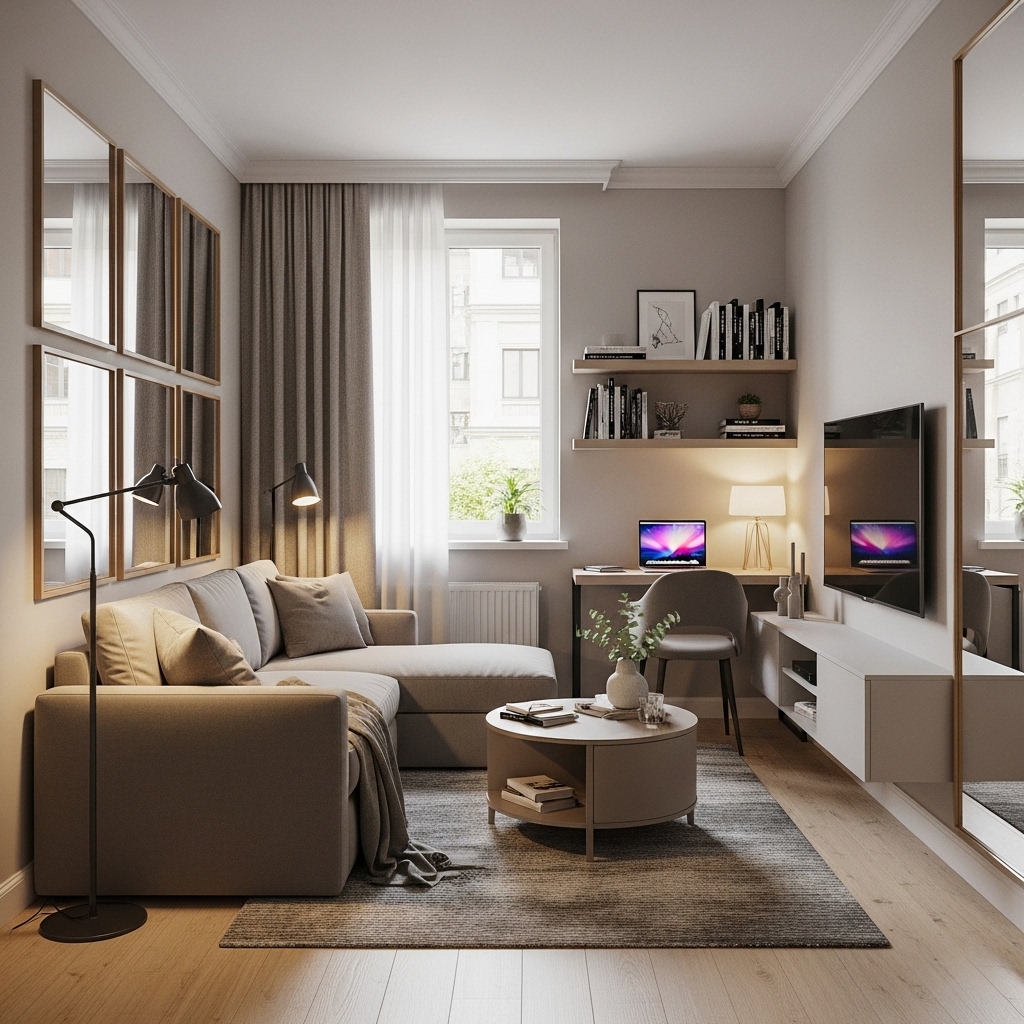
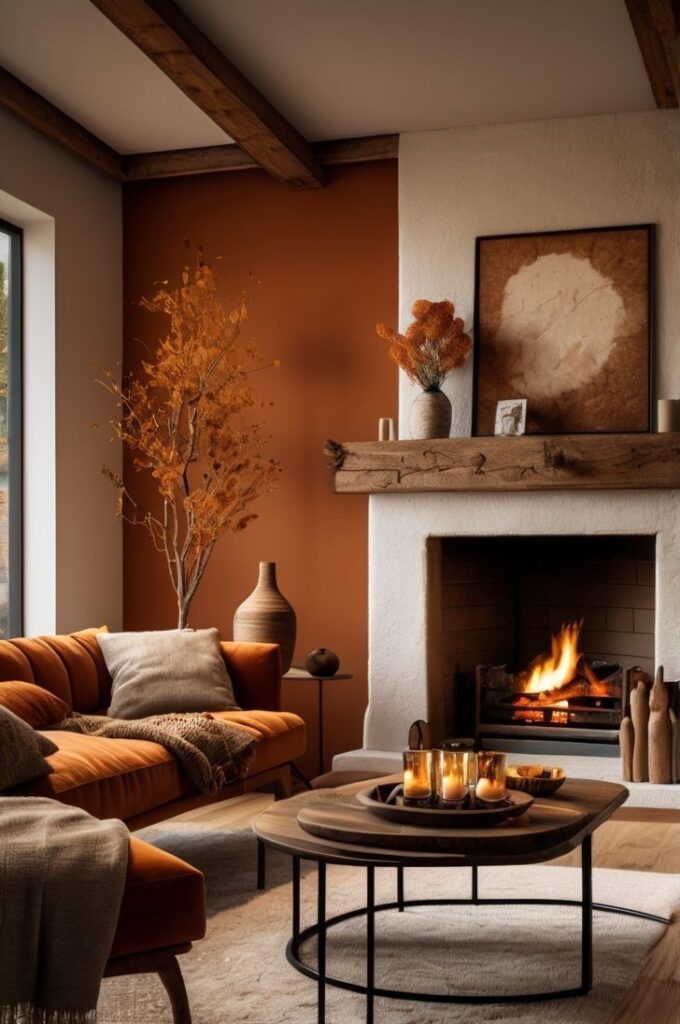
Smart living room furniture ideas can completely change the way a space feels, even without buying anything new. Simply rethinking furniture placement made a noticeable difference in comfort and flow. By repositioning the sofa to properly anchor the room, the layout instantly felt more intentional and balanced. Bringing chairs closer together helped create a welcoming, conversational setup rather than a scattered arrangement. This small shift encouraged interaction and made the living room feel more inviting and usable for everyday life. One important lesson was avoiding the habit of pushing all furniture against the walls. Pulling pieces slightly inward helped define the seating area and added warmth to the space. Using one statement piece, such as a sofa or coffee table, as a focal point gave the room a clear visual anchor. Choosing functional furniture with clean lines supported a modern living room design while keeping the space uncluttered and practical.
Modern Living Room Decor: Clean, Calm, and Stylish
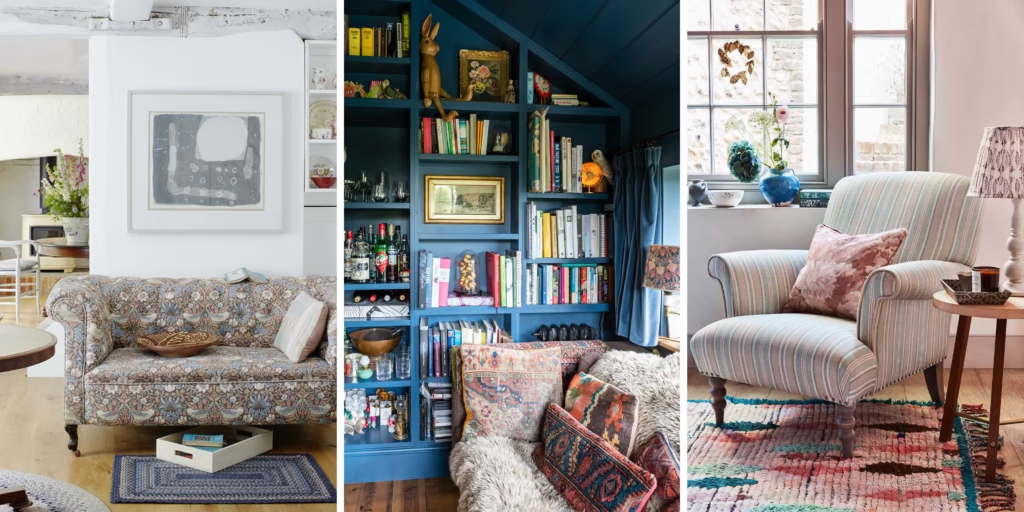
Modern living room decor is all about creating a space that feels clean, calm, and effortlessly stylish. When updating the décor, I focused on using neutral colors as the foundation, allowing the room to feel open and balanced. Shades of white, cream, and soft gray helped create a peaceful backdrop, while warm accent tones like beige, natural wood, and subtle touches of soft gold added depth and character without overpowering the space. This balance between neutral and warm elements is key to achieving a modern yet inviting living room design. Rather than filling shelves and walls with too many accessories, I chose minimal but meaningful décor pieces. Each item was selected for its texture, shape, or emotional value, ensuring it contributed to the overall theme. By reducing visual clutter, the room instantly felt more organized and relaxing. The result is a living room that feels stylish but not staged, calm yet full of personality. This approach proves that modern living room décor doesn’t require excess—it thrives on thoughtful choices that support everyday comfort and timeless style.
Creating a Luxury Living Room Design Without a Luxury Budget
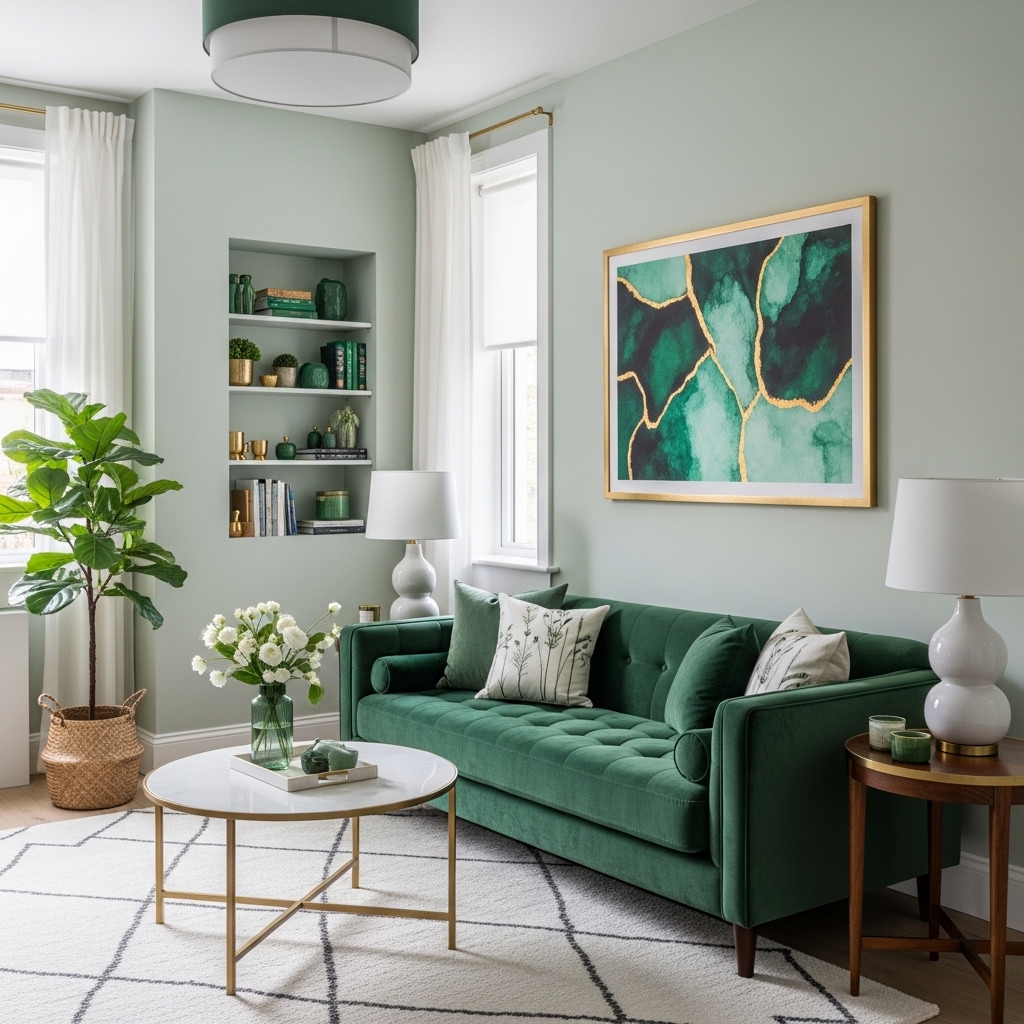
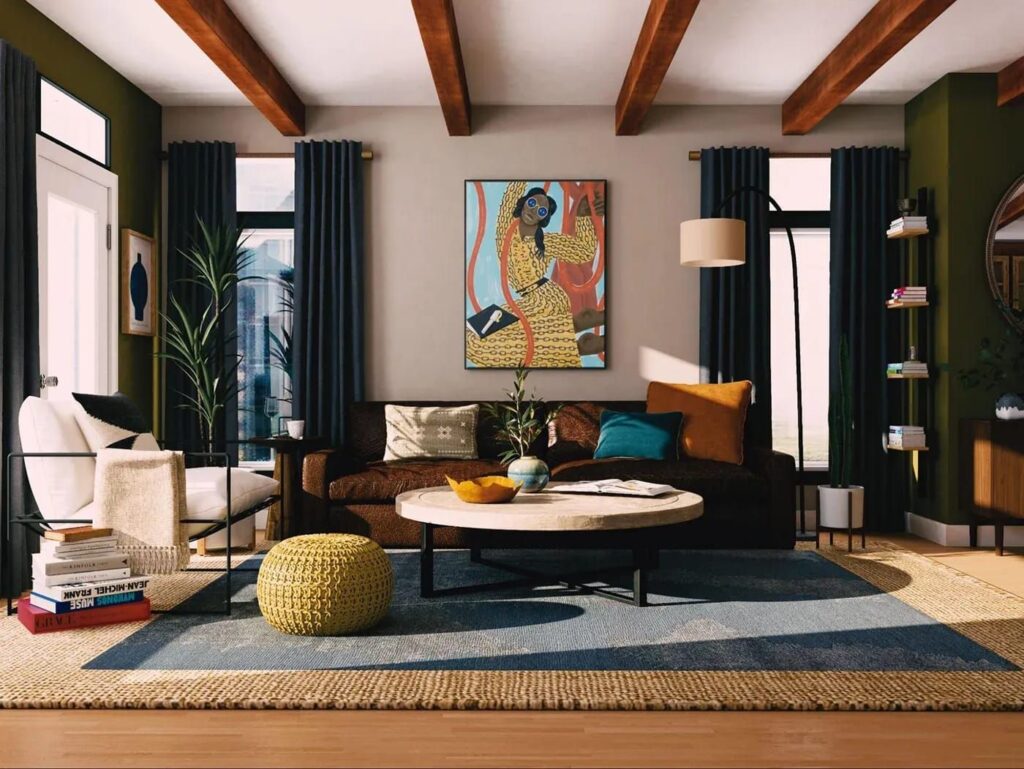
Achieving a luxury living room design on a budget is about prioritizing tactile elegance over high price tags. By focusing on a curated selection of finishes—such as a plush, textured area rug and mixed-fabric cushions—you can mimic the sophisticated “layered” look found in high-end boutique hotels. Introducing subtle metallic accents, like brushed brass or polished chrome, adds a reflective quality that instantly elevates the room’s perceived value. This strategic approach emphasizes depth and intentionality, proving that refinement comes from the thoughtful harmony of quality materials rather than sheer expense. Ultimately, these small, deliberate upgrades transform a standard space into a prestigious, designer-level sanctuary.
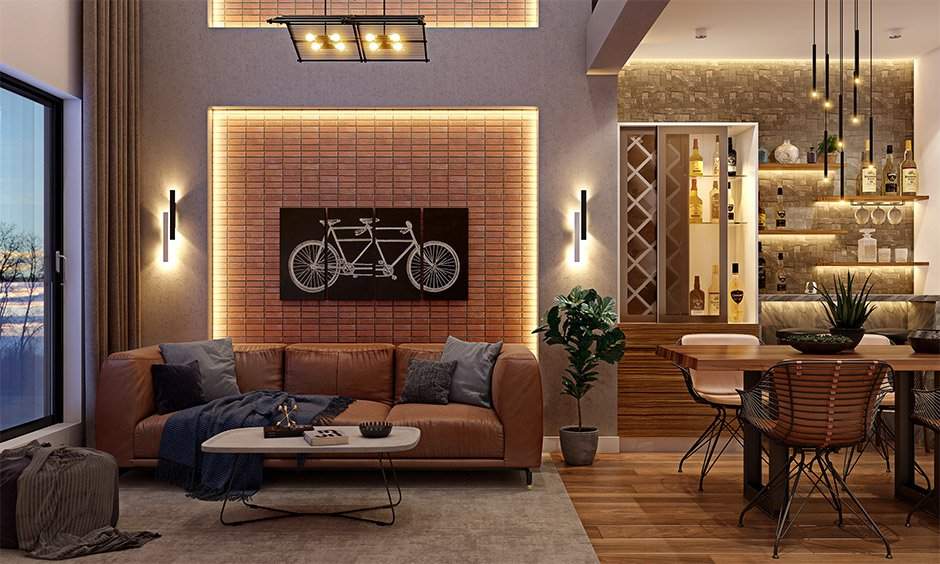
Lighting: The Secret Ingredient in Interior Decoration for Home
Lighting serves as the invisible architecture of a room, acting as the most transformative tool in interior decoration for the home. By moving away from clinical overhead fixtures and embracing a layered approach, you can manipulate the perceived scale and mood of your space with the flick of a switch. Integrating floor lamps provides a soft, ambient wash that fills the room, while table lamps offer localized warmth that creates intimate “zones” for relaxation. Adding strategic accent lighting—such as picture lights or uplights—draws the eye to curated decor, giving your home a professional, gallery-like finish. Ultimately, these varied light sources work in harmony to soften harsh edges, enrich color palettes, and ensure your sanctuary feels consistently welcoming from dawn until dusk.
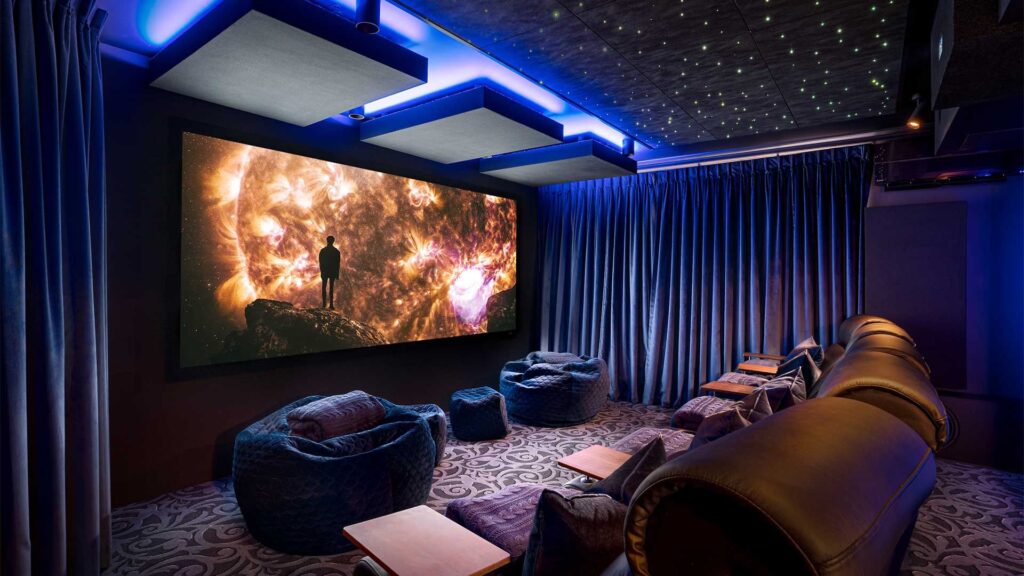
Home Decor Ideas Living Room: Styling with Personality
Styling with personality is the final layer that transforms a house into a home, injecting soul into a living room’s design. By integrating vibrant indoor plants, you introduce an organic “living” element that provides both freshness and visual movement. Complementing this with wall art in soft, tonal palettes allows you to express your aesthetic taste without disrupting the room’s overarching harmony. The true magic, however, lies in the “small-scale curation”—using decorative trays and artfully stacked books to create intentional vignettes that feel both organized and deeply personal. These home decor ideas for the living room prove that character is built through meaningful details, resulting in a cohesive space that tells your unique story while remaining a stylish, high-functioning environment for relaxation.
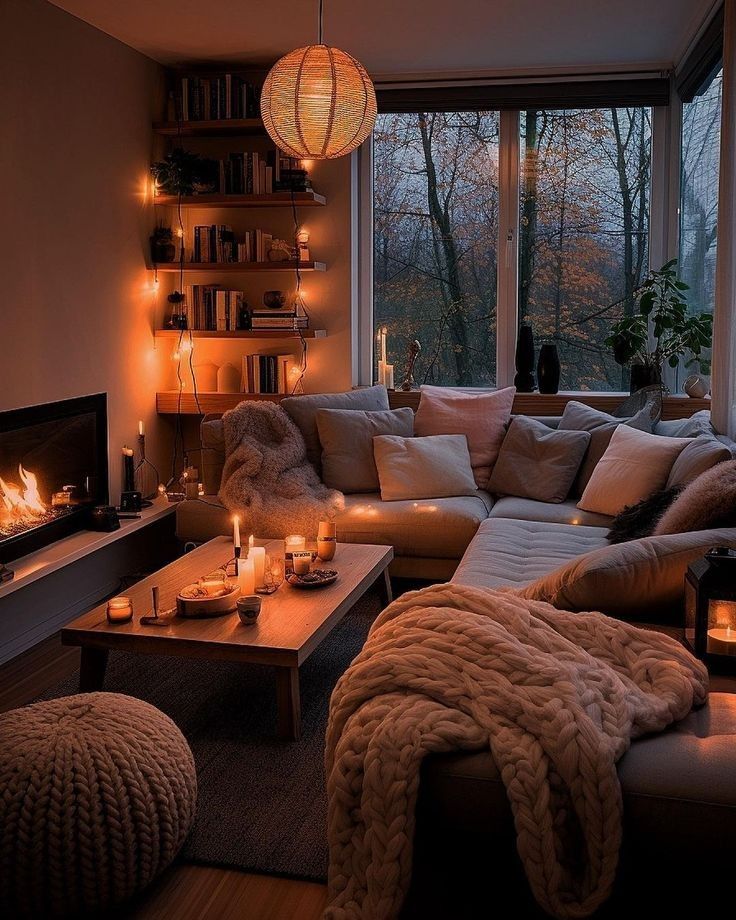
Living Room Makeover Ideas That Actually Work
A successful living room makeover proves that you don’t need a sledgehammer to achieve a total transformation; real impact lies in the art of the “soft renovation.” By prioritizing a better spatial layout, you can instantly improve the room’s flow and functionality without touching a single wall. Coupling this with a thoughtful decor selection—focusing on quality over quantity—allows for a curated aesthetic that feels intentional rather than cluttered. The final, most crucial piece is comfort-driven design, ensuring that the space isn’t just a visual masterpiece but a tactile sanctuary for daily life. Ultimately, these manageable changes create a high-impact makeover, resulting in a stylish, livable environment that feels entirely new while remaining deeply functional for the long haul.
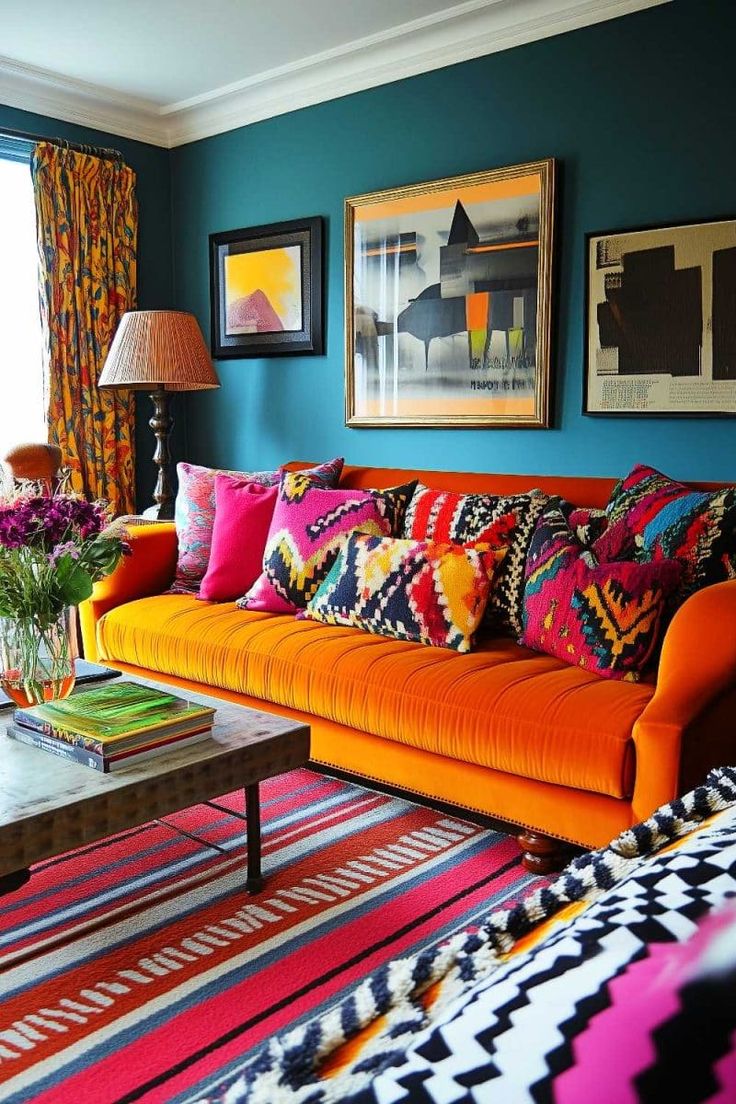
Contemporary Living Room Design: A Perfect Balance
Contemporary living room design finds its soul in the delicate equilibrium between sleek modernity and inviting warmth, avoiding the cold sterility often associated with minimalist styles. By pairing clean architectural lines and a neutral foundation with organic textures and soft, layered textiles, you create a space that feels relevant today yet remains immune to fleeting fads. This balanced approach relies on high-quality materials and a “less but better” philosophy, ensuring every piece serves both a functional and aesthetic purpose. The result is a sophisticated environment that manages to feel both curated and lived-in, providing a timeless backdrop for daily life. Ultimately, this design strategy ensures your living room ages gracefully, maintaining its stylish edge and effortless comfort for years to come.
Final Thoughts: Small Changes, Big Impact
This simple decor upgrade completely transformed my living room—without renovation, without stress, and without overspending. By focusing on layout, lighting, textures, and intentional decor, I achieved a space that feels elegant, comfortable, and welcoming. If you’re looking to refresh your home, start with your living room. With smart home interior design ideas and thoughtful styling, even small changes can create a dramatic transformation.