
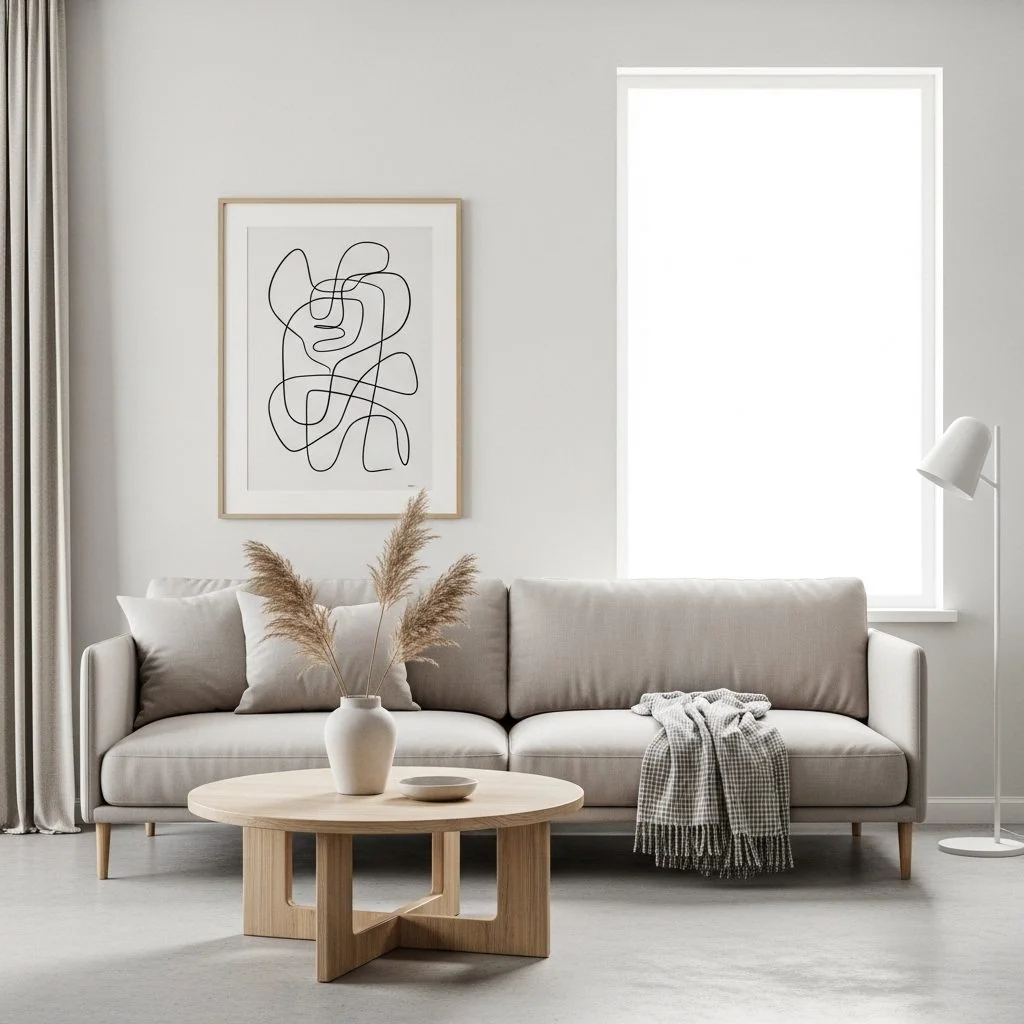
Minimalist home decor is all about simplicity, balance, and creating a space that promotes calm and serenity. In a world full of distractions, a thoughtfully designed minimalist home offers a peaceful retreat where clarity, functionality, and aesthetic harmony coexist. By using neutral tones, natural materials, and clutter-free arrangements, minimalist decor encourages a relaxed, mindful lifestyle. Every piece and every space serves a purpose, while thoughtful accents add personality and warmth without overwhelming the senses. This approach not only elevates the visual appeal of your home but also nurtures mental and emotional well-being. These 22 minimalist home decor ideas focus on simplicity, calmness, and modern elegance, offering practical solutions for creating serene living spaces that are visually stunning, Pinterest-worthy, and deeply inviting. Each idea is easy to implement, budget-conscious, and designed to inspire a sense of peaceful luxury in your home.
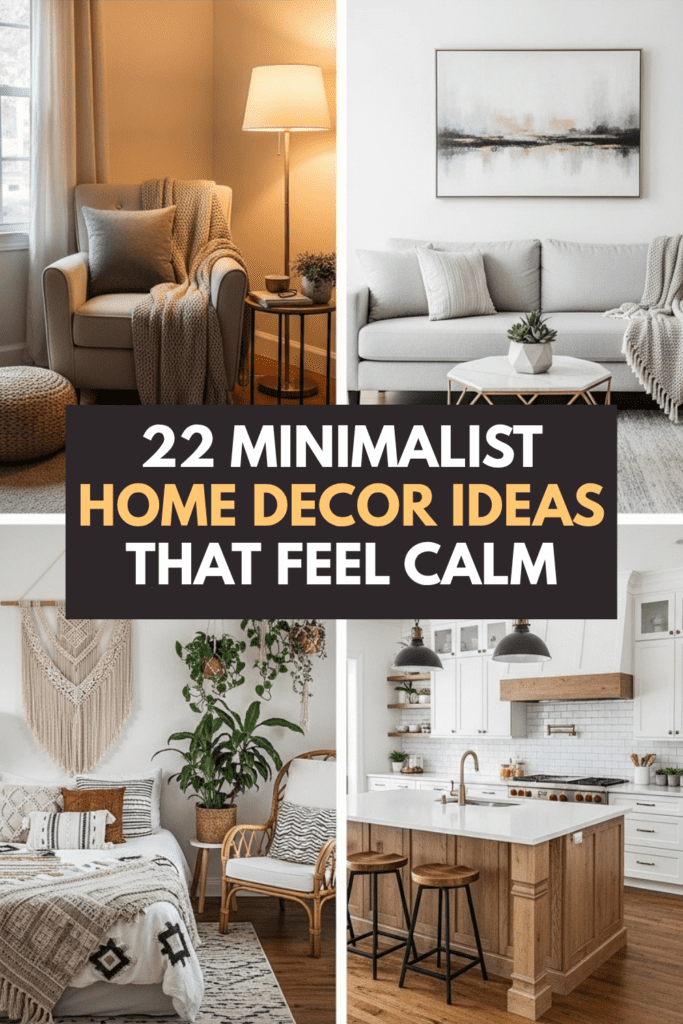
1. Neutral Color Palette
A neutral color palette is the cornerstone of calming minimalist decor. Shades of white, beige, soft gray, and muted pastels instantly create a serene and spacious feel. Painting walls, choosing furniture, and even selecting decor accessories in neutral tones helps unify the space and reduces visual clutter. Using different textures, such as linen, cotton, and wood, adds depth and warmth without introducing distraction. Layering subtle shades provides dimension while maintaining a sense of calm. Neutral colors also reflect natural light, making rooms feel brighter and more open. Minimalist spaces thrive when tones are soothing and cohesive, allowing your mind to relax and focus on the essentials. Whether it’s your living room, bedroom, or workspace, a neutral palette sets the foundation for a peaceful, stylish home.
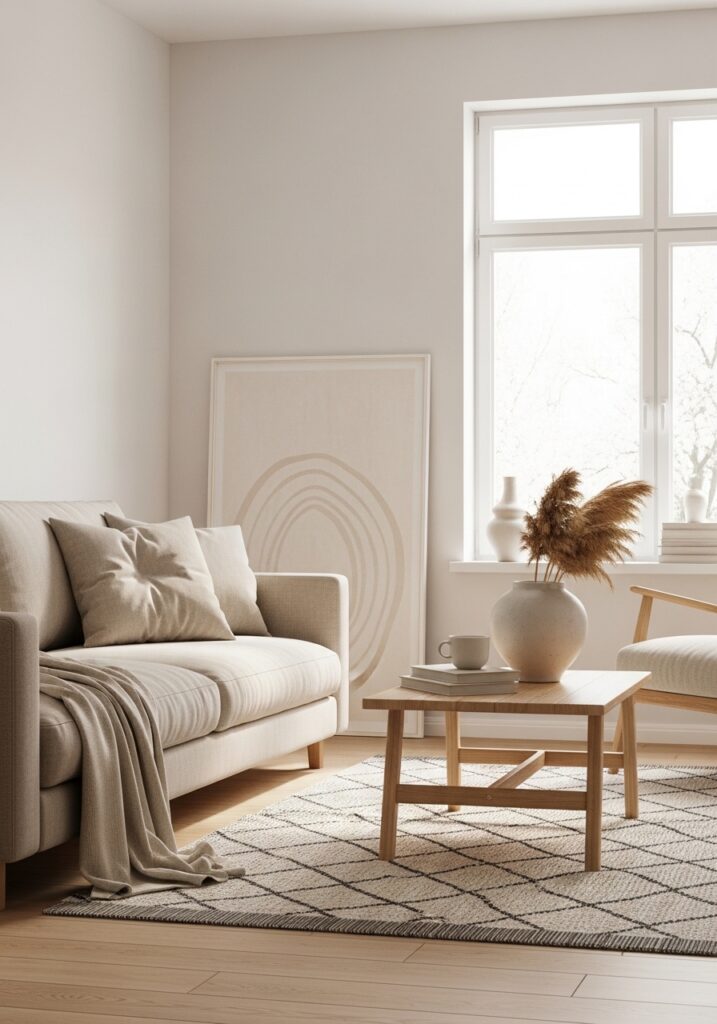
2. Open Floor Layout
An open floor layout is essential for a calm minimalist home. Removing unnecessary partitions and keeping furniture arrangements simple creates a sense of flow and spaciousness. Open layouts allow natural light to travel across rooms and make movement effortless, promoting a serene atmosphere. Use minimal furniture that serves multiple purposes to maintain functionality without clutter. Keep pathways clear and avoid overcrowding surfaces with decorative items. Strategic placement of plants, lighting, and key furniture pieces adds balance without overwhelming the space. An open layout not only enhances visual appeal but also reduces stress by giving your home a breathable, uncluttered environment. This simple DIY approach helps every room feel calm, organized, and intentionally designed.
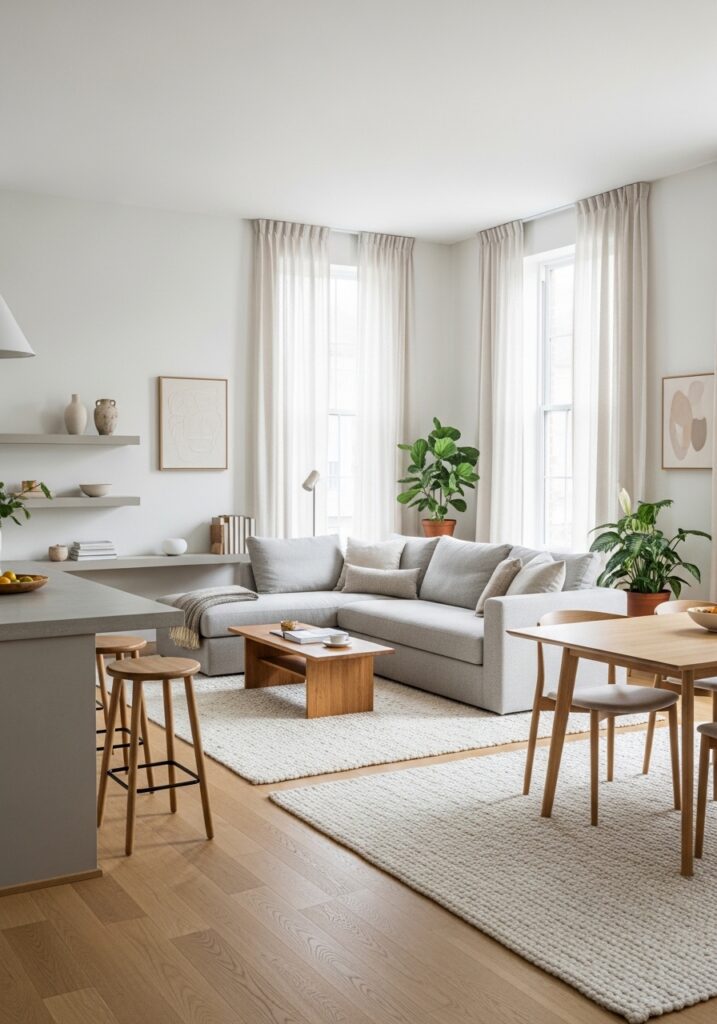
3. Natural Light Maximization
Natural light is a vital element in minimalist decor. Maximizing daylight through large windows, sheer curtains, or strategically placed mirrors brightens rooms and promotes a calm, uplifting environment. Light neutral window treatments allow sunlight to filter softly while maintaining privacy. Using mirrors opposite windows amplifies light, creating a sense of spaciousness. Exposure to natural light also enhances mood, reduces eye strain, and highlights textures in furniture and decor. Even in small rooms, a bright, sunlit space feels more open and peaceful. Simple adjustments like clearing window sills, avoiding bulky curtains, and using reflective surfaces can significantly elevate your home’s calm, minimalist vibe while keeping it functional and inviting.
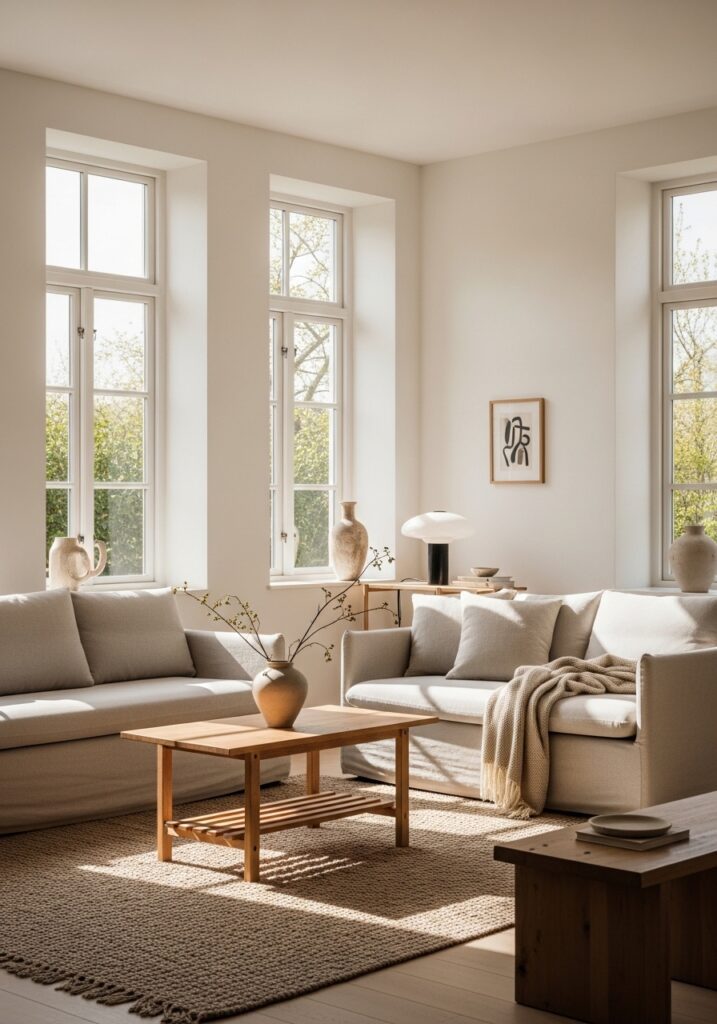
4. Indoor Plants for Calmness
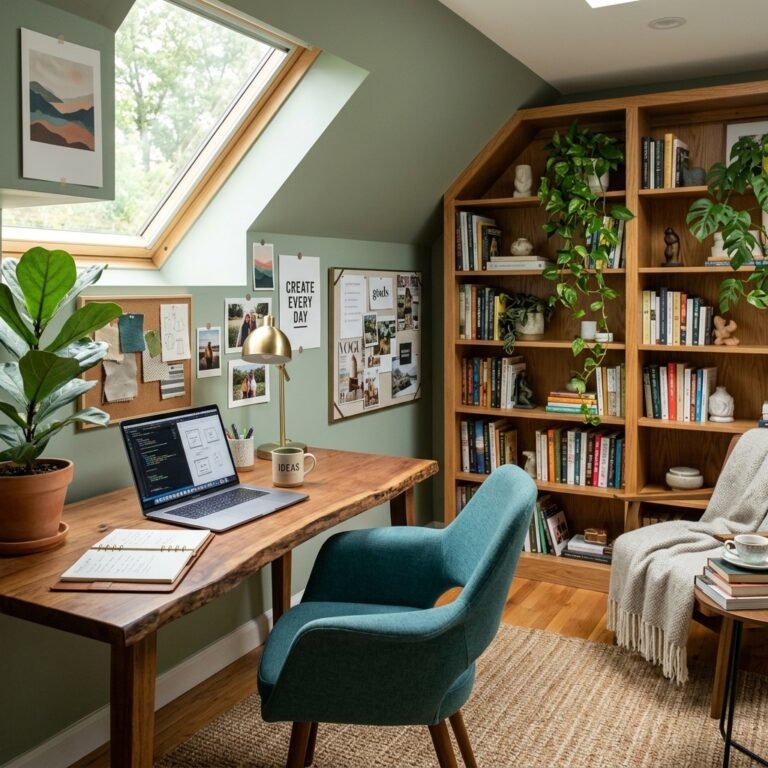
Incorporating indoor plants is a simple DIY method to infuse calmness and natural energy into minimalist homes. Plants improve air quality, add organic texture, and create a visual connection to nature. Choose low-maintenance greenery such as pothos, snake plants, or succulents for effortless upkeep. Group plants in neutral pots or sleek containers to maintain a minimalist aesthetic. Strategically placing plants near windows, corners, or shelves softens sharp lines and adds life without clutter. Plants also introduce calming colors, subtle fragrance, and tactile interest, making rooms feel serene and balanced. This natural element complements minimalist design perfectly, blending functionality with beauty.
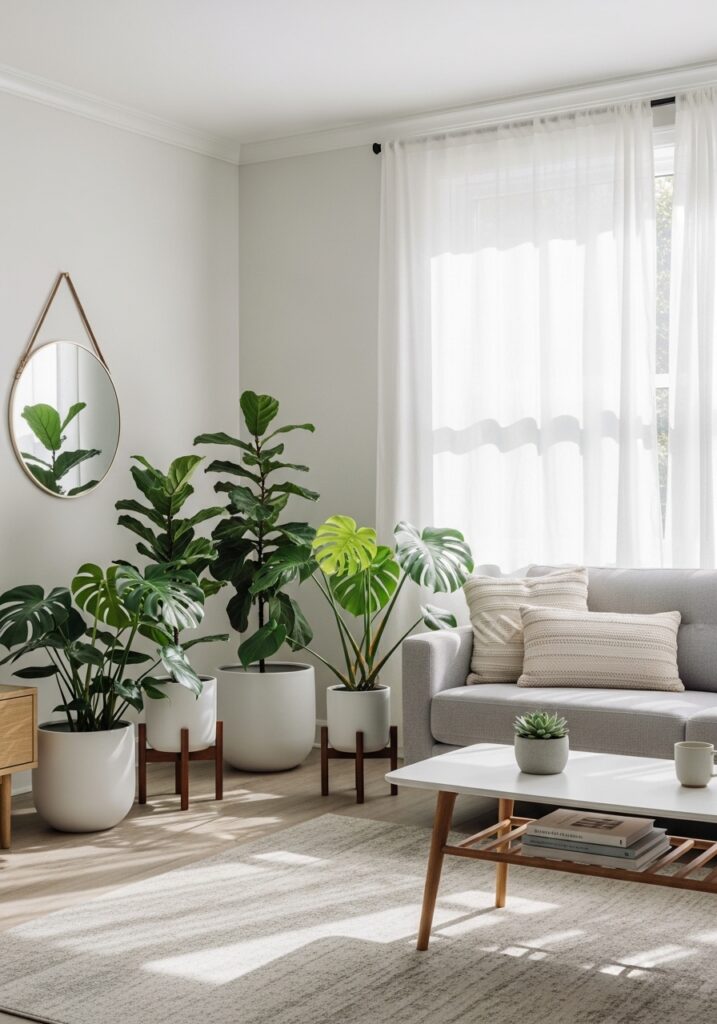
5. Clutter-Free Surfaces
Maintaining clutter-free surfaces is crucial for creating a calm minimalist home. Remove unnecessary items from countertops, shelves, and tables, keeping only essential or decorative elements. Use hidden storage solutions like drawers, cabinets, and baskets to maintain organization. Minimalism emphasizes quality over quantity, so each displayed object should serve a purpose or provide visual pleasure. Clear surfaces promote mental clarity and reduce stress, contributing to a peaceful environment. A tidy space feels more expansive and intentional, allowing your home to breathe. Regularly decluttering ensures that your minimalist aesthetic remains intact while enhancing the calm, serene energy of your home.
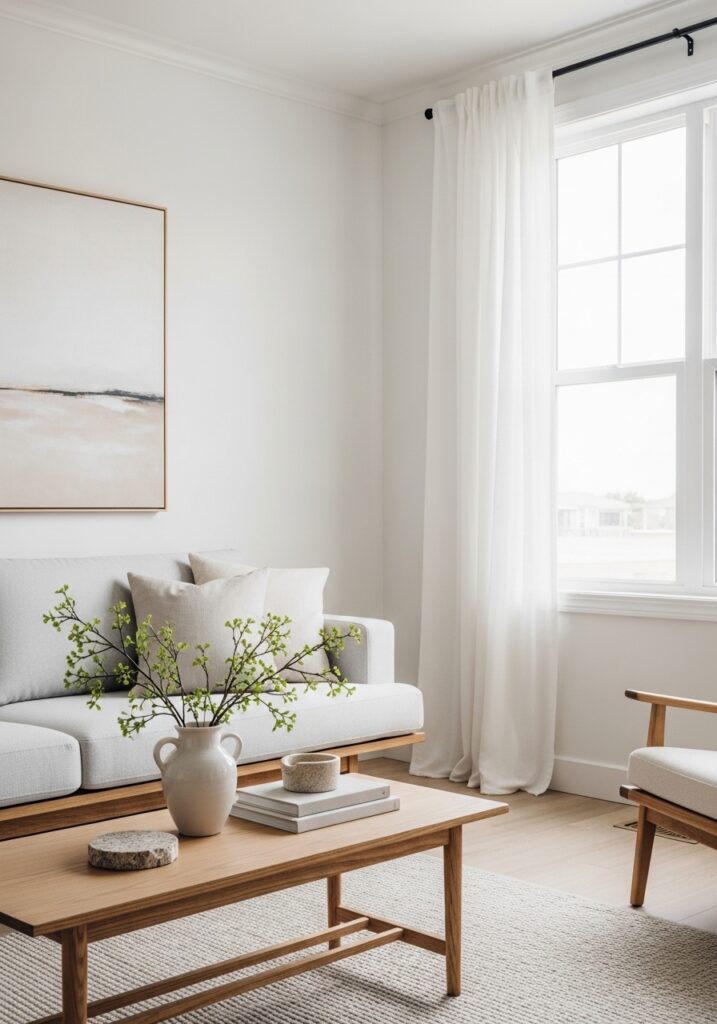
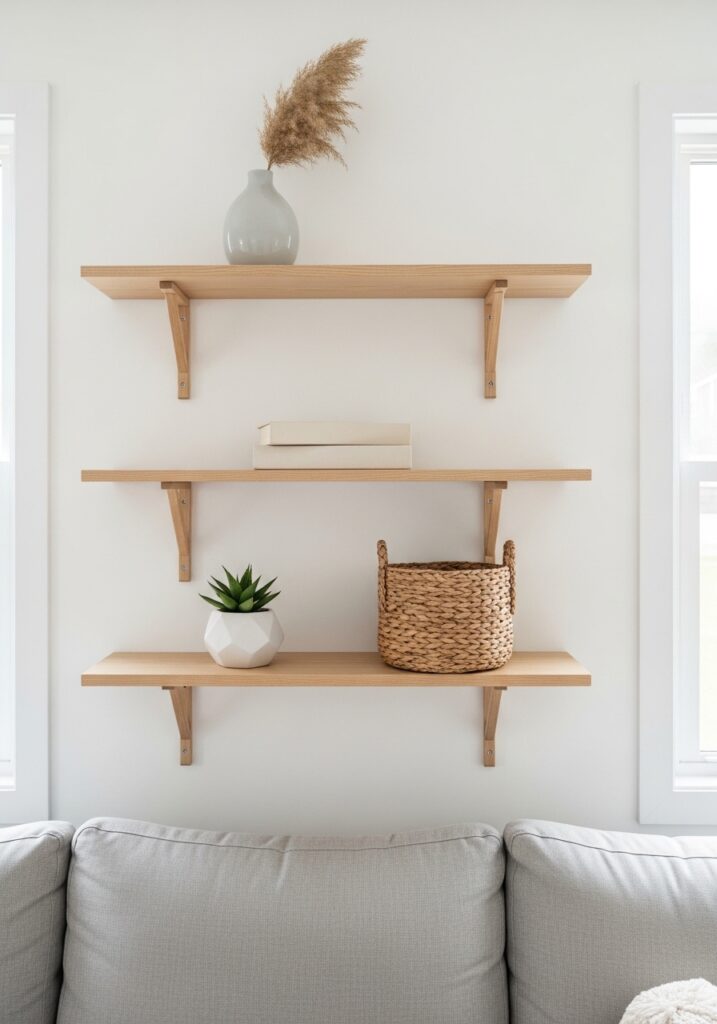
6. Floating Shelves
Floating shelves are a sleek minimalist solution for both storage and display. By keeping shelves off the floor, rooms feel more open and organized. Use them to showcase select decor items, books, or small plants, keeping arrangements minimal for visual balance. Neutral-toned shelves maintain harmony with walls, while subtle lighting can enhance depth. Floating shelves also maximize vertical space without crowding surfaces, perfect for small or open-plan homes. This DIY-friendly idea blends functionality with aesthetic simplicity, creating clean lines and a sense of calm throughout your living space.
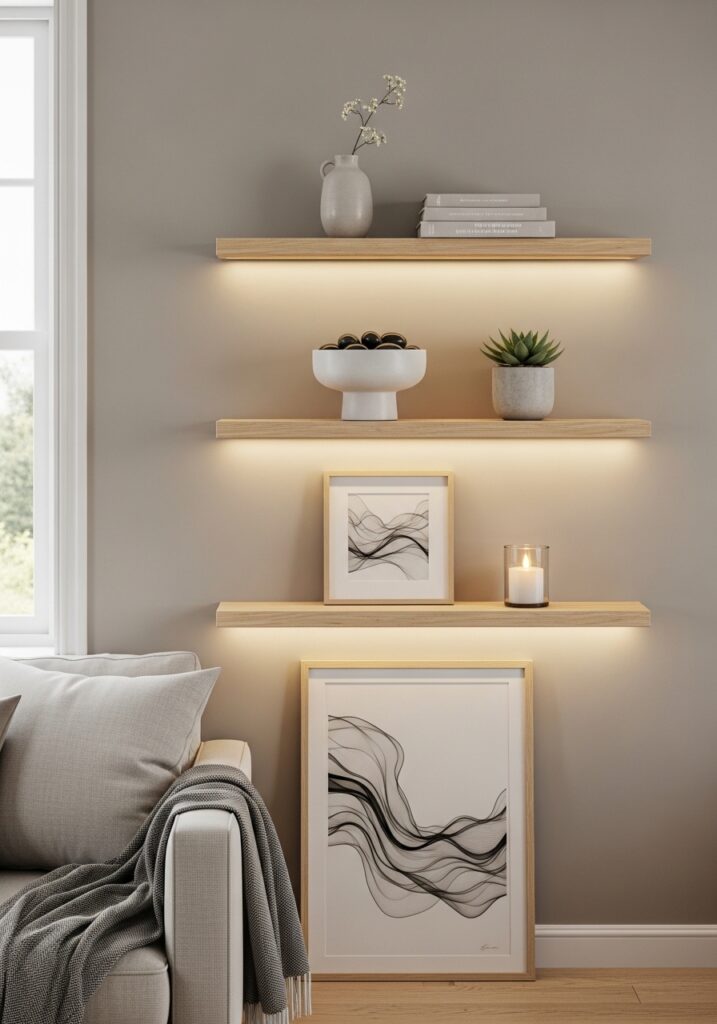
7. Minimalist Wall Art
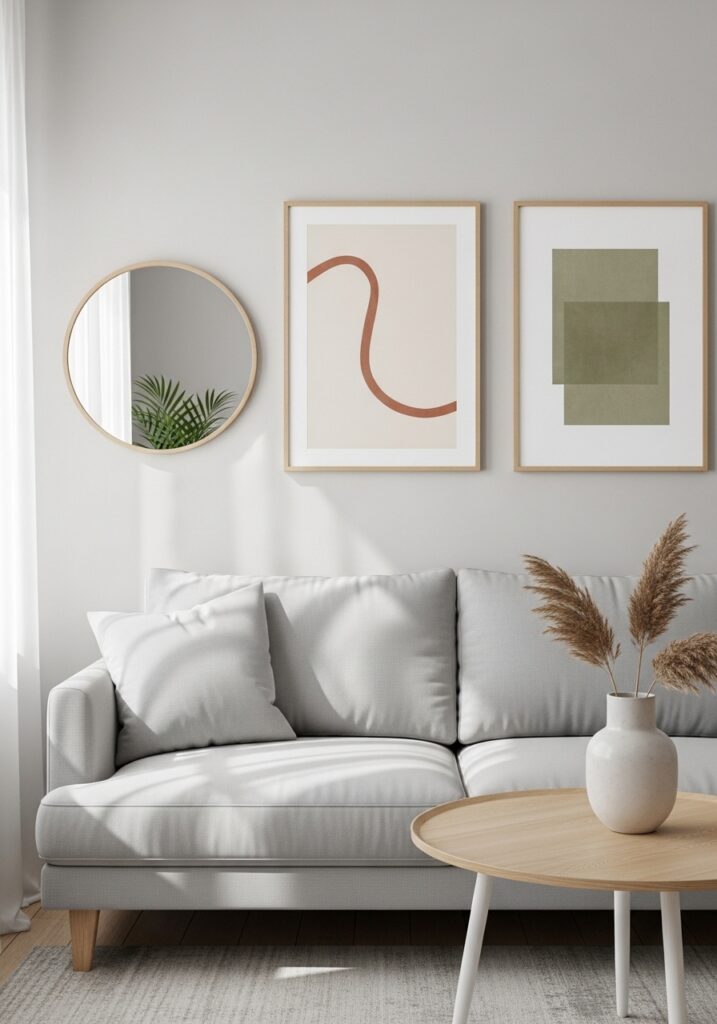
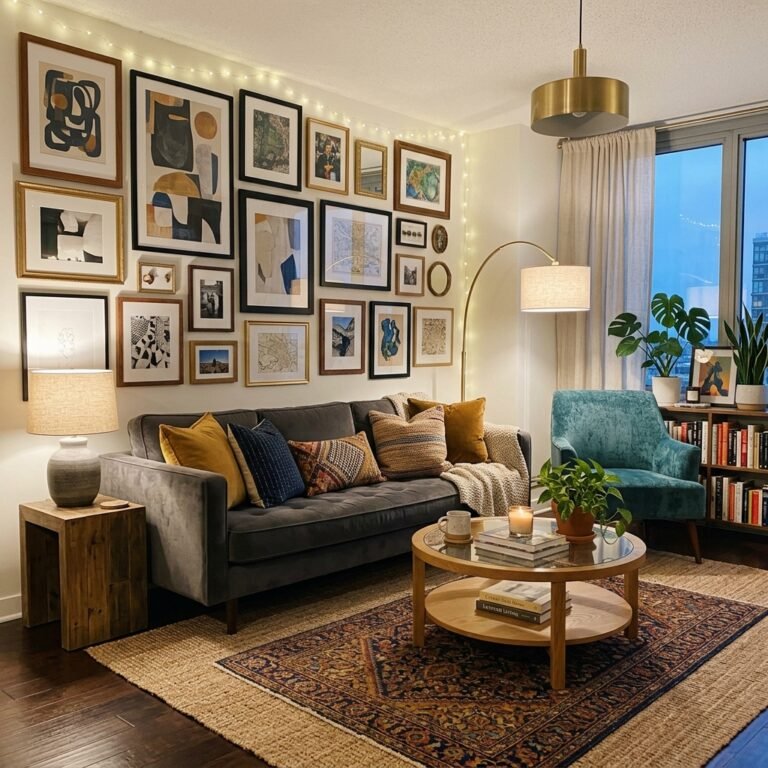
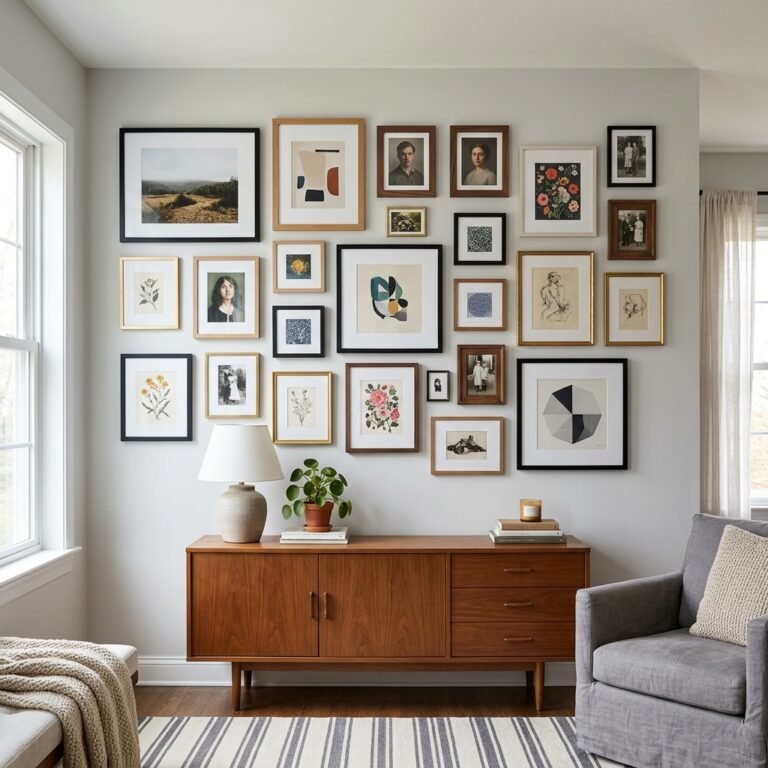
Minimalist wall art adds personality while keeping walls uncluttered. Choose simple line drawings, abstract pieces, or monochromatic prints for a refined look. Limit the number of artworks per wall to maintain balance and avoid visual overload. Using neutral frames or frameless designs enhances simplicity and elegance. Proper spacing and symmetry create a sense of order and calm. Minimalist art complements neutral tones and natural textures, giving the home a curated, peaceful atmosphere. This subtle approach to wall decor emphasizes intentionality and sophistication, making the space feel thoughtfully designed without distraction.
8. Textured Rugs
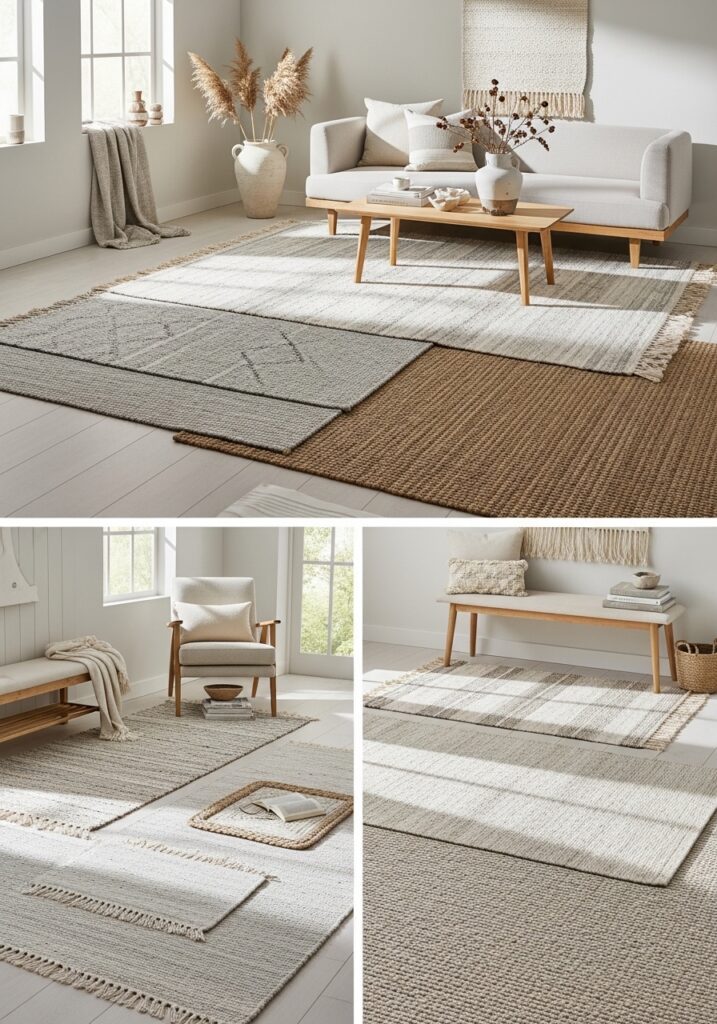
Textured rugs are an excellent way to add warmth and comfort in a minimalist home. Neutral-toned rugs with subtle patterns, natural fibers, or soft textures enhance the calm feeling while grounding furniture. Layering textures rather than colors keeps the aesthetic simple yet inviting. Place rugs under seating areas, beds, or dining tables to define zones while maintaining openness. Soft textures promote coziness and tactile comfort without cluttering visual space. This simple decor element contributes to a serene, balanced atmosphere and makes minimalist interiors feel welcoming and elegant.
9. Simple Window Treatments
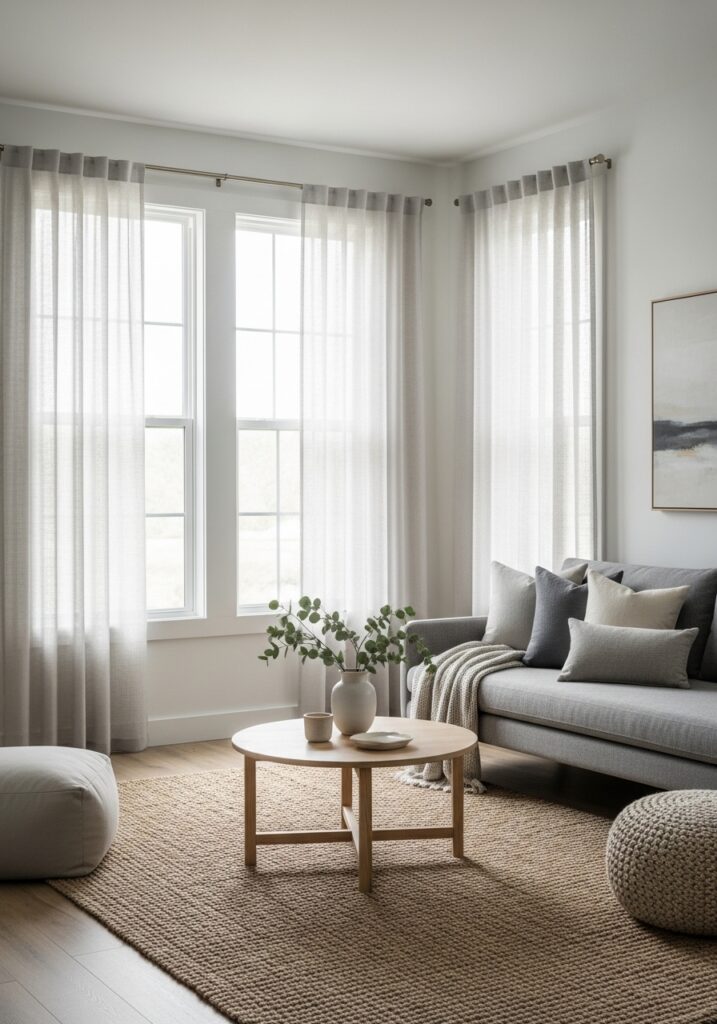
Minimalist window treatments are key for maintaining a calm, airy home. Sheer curtains, simple roller blinds, or light linen drapes let in natural light while keeping privacy. Avoid heavy fabrics or elaborate patterns that distract from the serene aesthetic. Neutral colors blend seamlessly with walls, contributing to a cohesive, peaceful vibe. Clean lines and subtle textures enhance calmness and openness. Minimalist window decor balances functionality with style, ensuring your home feels bright, relaxed, and inviting.
10. Multi-Functional Furniture
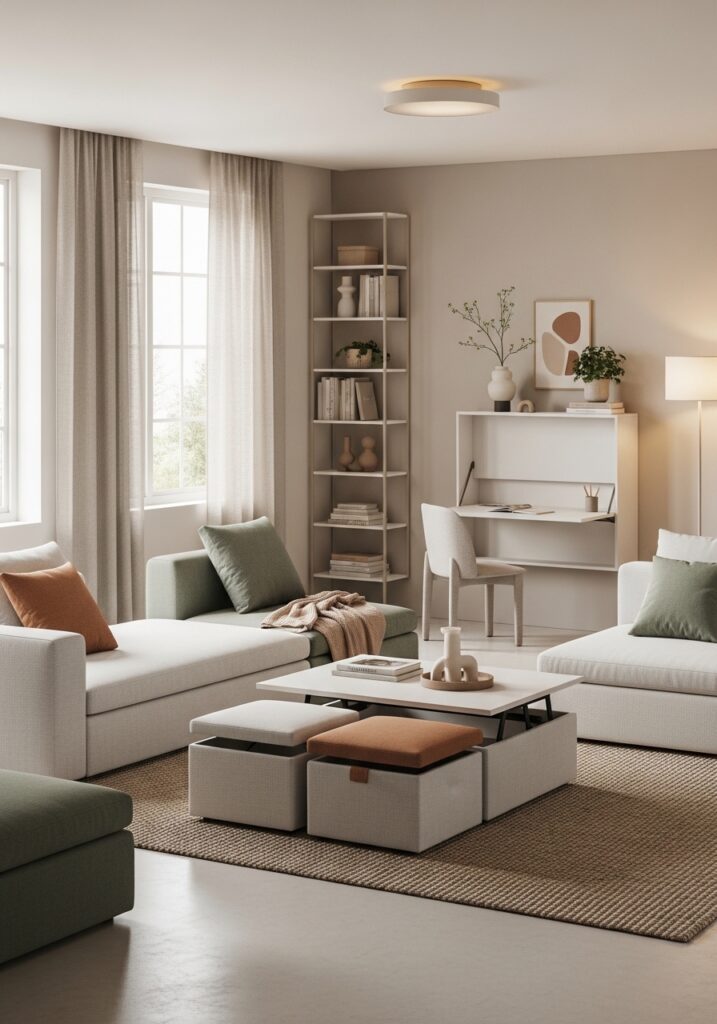
Multi-functional furniture is a cornerstone of calm minimalist living. Pieces that serve dual purposes, like storage benches, foldable tables, or sofa beds, reduce clutter and maximize space efficiency. Choose clean lines and neutral tones to blend seamlessly into your decor. Multi-functional furniture promotes organization, simplicity, and ease of use, creating a calm environment where every item has purpose. This thoughtful approach to furniture selection ensures both comfort and visual serenity.
11. Soft Lighting
Soft, ambient lighting is essential for creating a calm minimalist home. Use warm-toned bulbs, floor lamps, or table lamps with diffused shades to produce gentle illumination. Avoid harsh overhead lighting or excessive fixtures. Soft lighting highlights textures, materials, and architectural details while promoting relaxation. Strategically placed lighting enhances depth and warmth without overwhelming the senses. This simple DIY approach creates a serene, cozy atmosphere, perfectly complementing minimalist interiors.
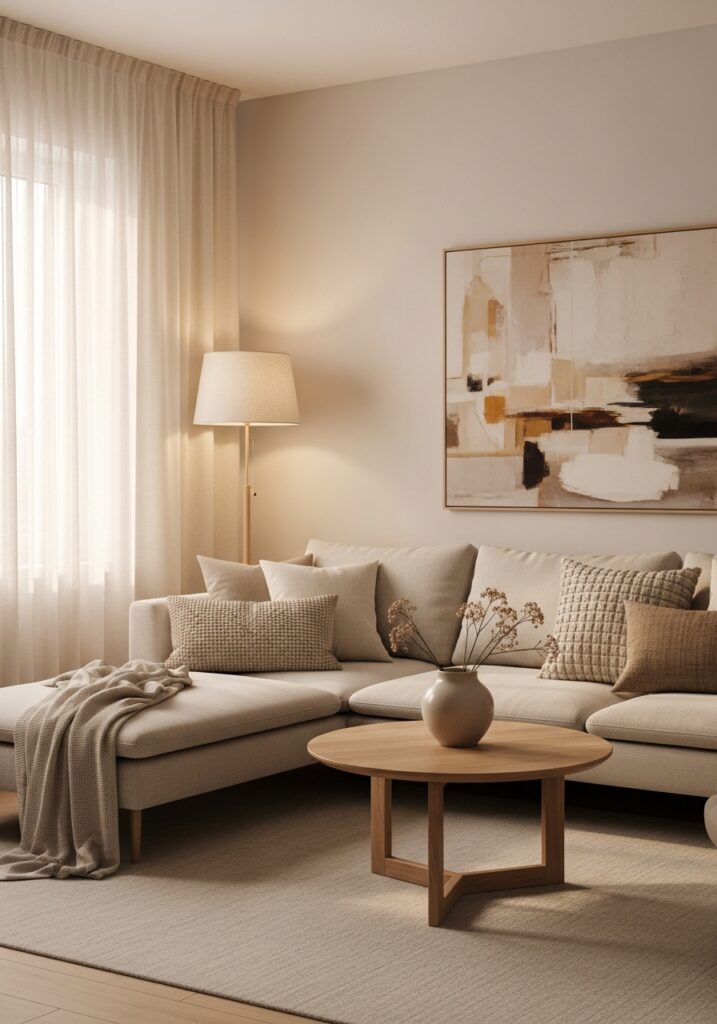
12. Neutral Furniture
Neutral furniture reinforces a calm minimalist aesthetic. Sofas, chairs, and tables in beige, gray, or muted tones provide a foundation for serene living spaces. Choose simple designs without excessive ornamentation to maintain clean lines. Incorporate natural materials like wood or linen for warmth and texture. Neutral furniture allows accessories, rugs, and lighting to stand out subtly, maintaining visual harmony. This strategy ensures your home feels cohesive, balanced, and calming.
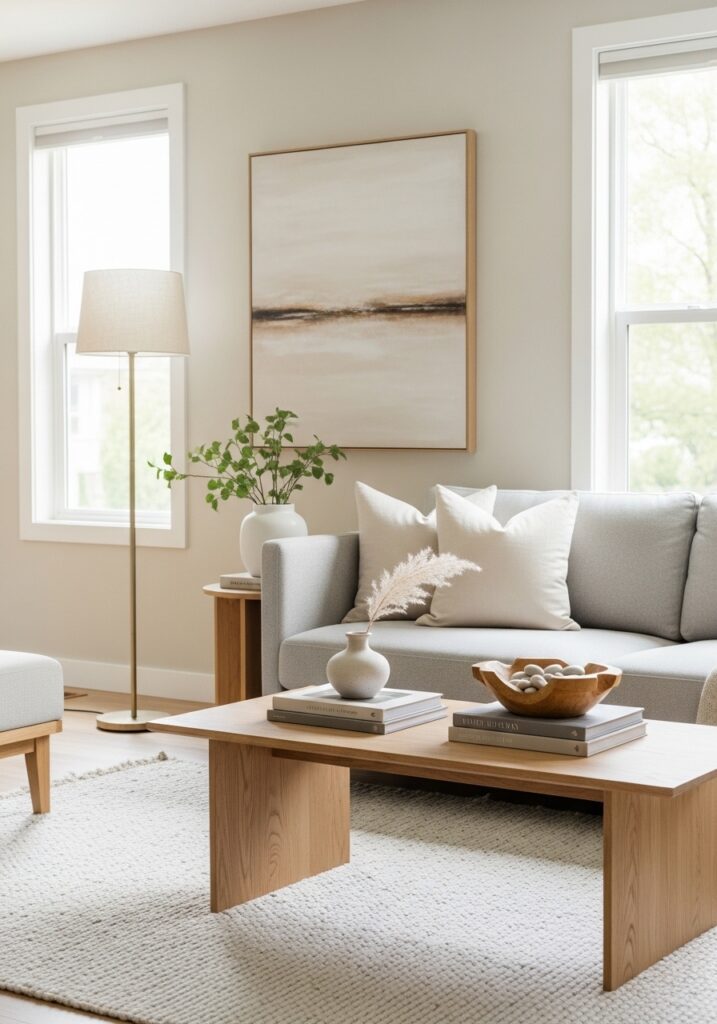
13. Natural Materials
Incorporating natural materials like wood, stone, and bamboo enhances the calm, minimalist vibe. These materials introduce warmth, texture, and organic beauty without overpowering the space. Use wooden furniture, stone countertops, or bamboo accents to create a serene, tactile environment. Natural elements provide a grounding effect, connecting your interior with nature. Minimalist design benefits from these materials by adding sophistication while remaining understated.
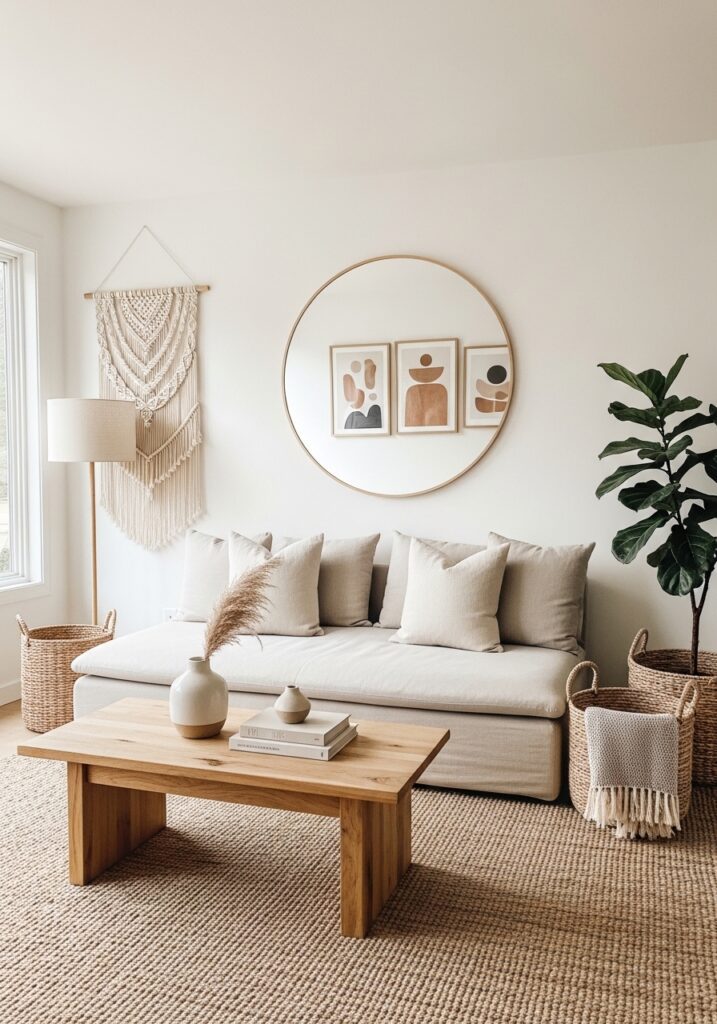
14. Open Shelving
Open shelving promotes organization while enhancing a minimalist aesthetic. Keep shelves simple, with limited decor items arranged thoughtfully. Use matching containers or baskets for storage, maintaining a clean look. Open shelving maximizes space and prevents overcrowding, making rooms feel airy and calm. This approach creates functional, visually appealing storage that supports a serene environment.
15. Minimalist Bedding
Minimalist bedding emphasizes comfort and simplicity. Choose neutral sheets, duvet covers, and pillowcases in natural fabrics like cotton or linen. Layer textures instead of patterns for a cozy yet sophisticated look. Avoid excessive pillows or blankets to maintain clean lines. This subtle bedding approach promotes restful sleep while reinforcing a calm, clutter-free bedroom aesthetic.
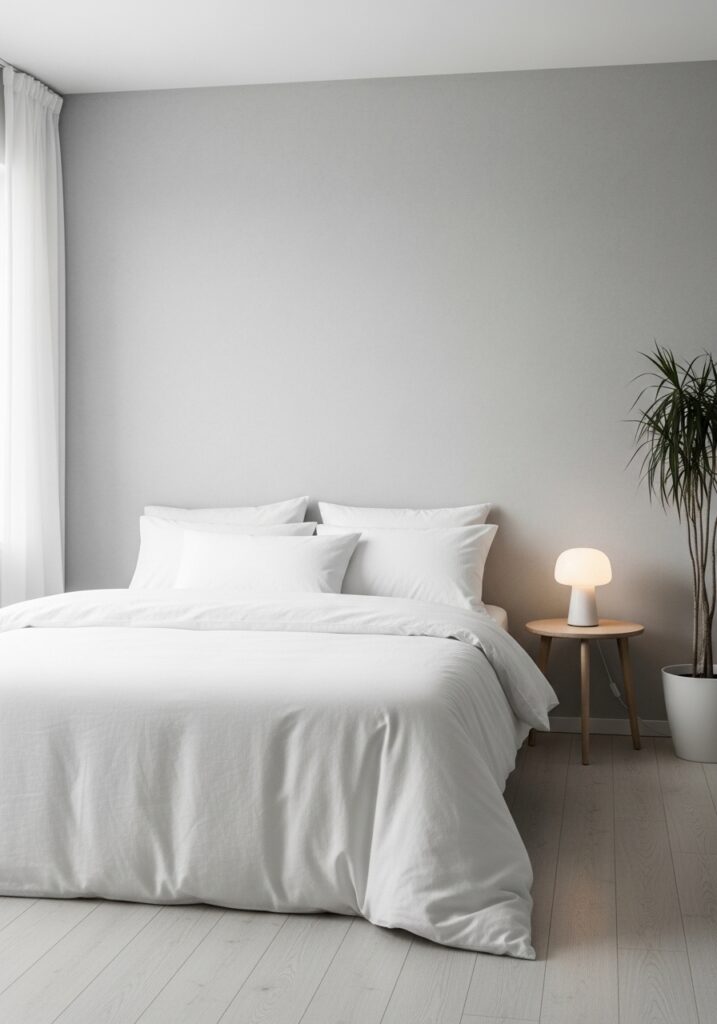
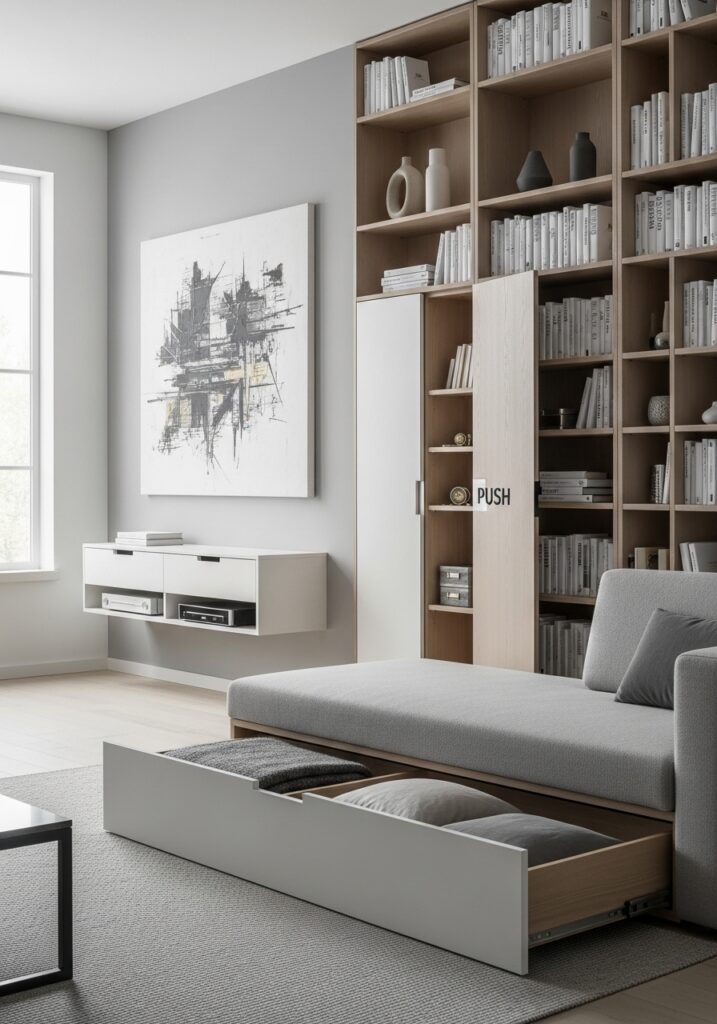
16. Hidden Storage Solutions
Hidden storage is essential for calm minimalist living. Use storage beds, benches with compartments, or cabinets with clean fronts to reduce clutter. By keeping items out of sight, spaces feel orderly, open, and serene. Hidden storage maintains the aesthetic simplicity while maximizing functionality, making your home both peaceful and practical.
17. Subtle Decorative Accents
In minimalist decor, subtle accents like small vases, candles, or trays add personality without overwhelming space. Stick to neutral tones, muted metals, or natural materials. Thoughtfully placed accessories enhance visual interest while preserving calmness. This approach ensures your home remains serene, elegant, and balanced.
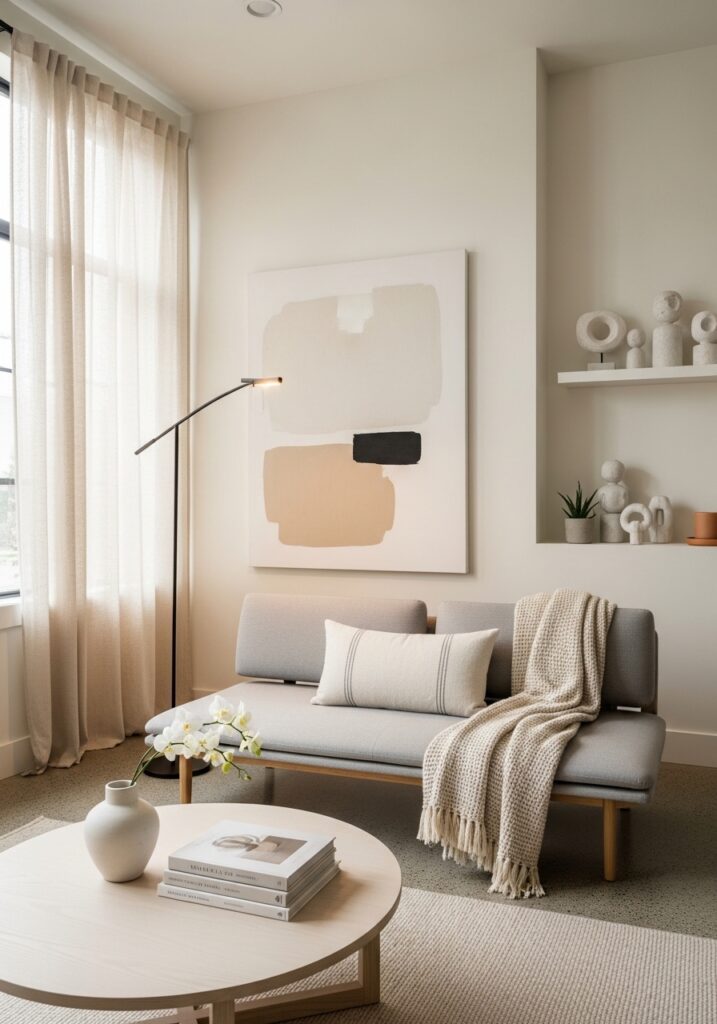
18. Monochromatic Rooms
Monochromatic rooms create visual harmony and a calming atmosphere. Using shades of a single color throughout walls, furniture, and decor ensures cohesion and reduces sensory clutter. Layer textures and finishes to add depth and prevent monotony. Monochromatic design is a powerful minimalist technique that makes spaces feel serene, unified, and sophisticated.
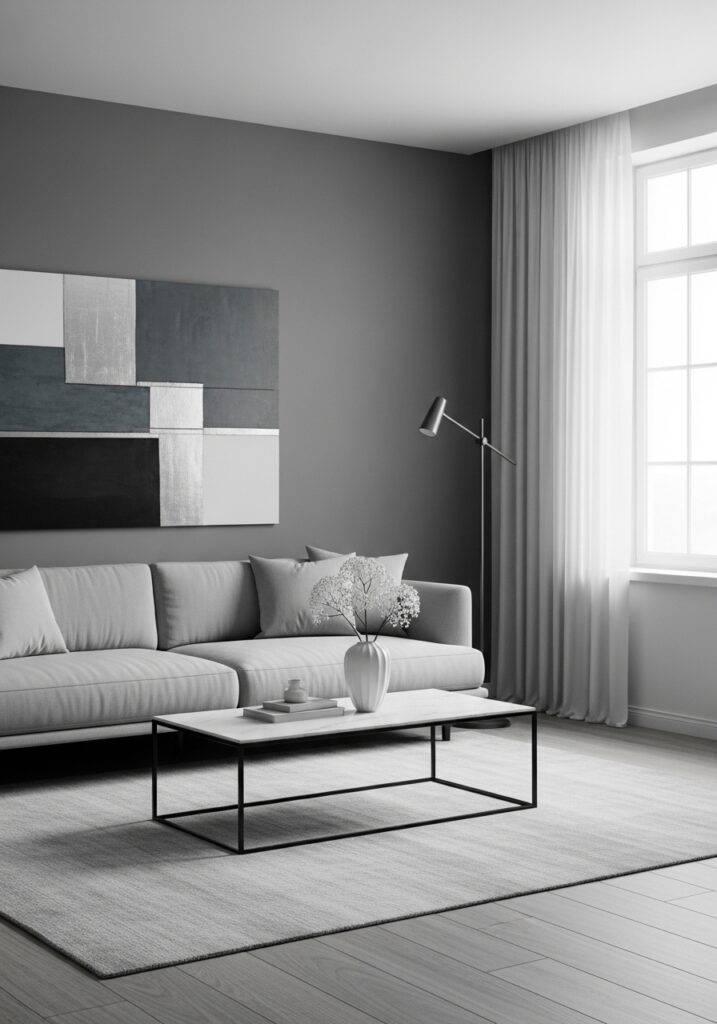
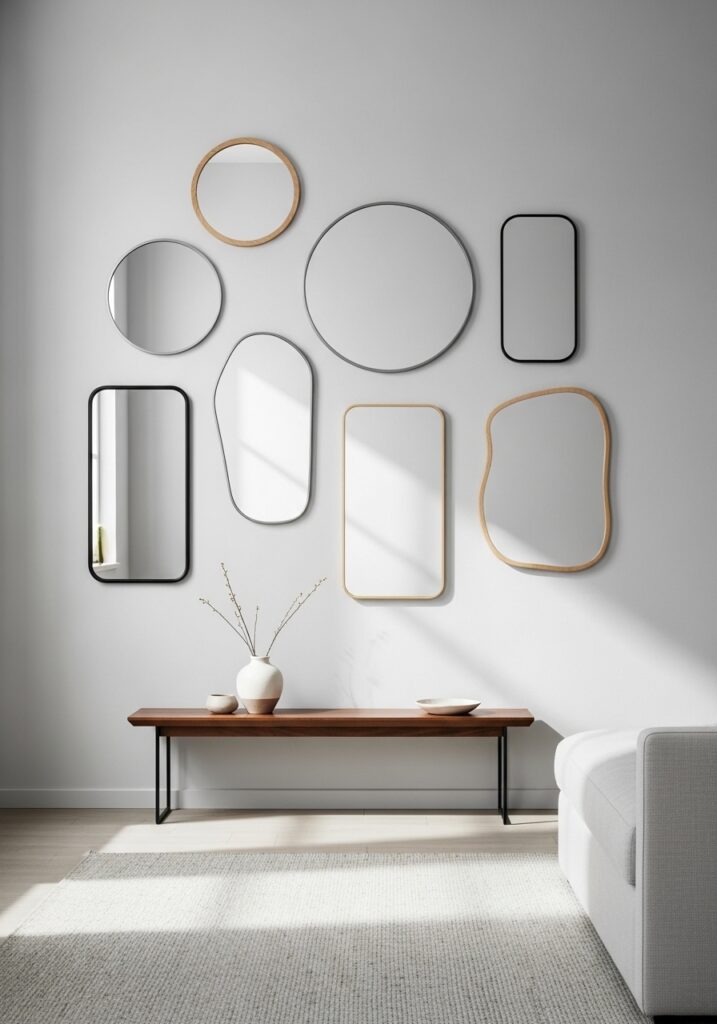
19. Minimalist Wall Mirrors
Wall mirrors amplify light and make spaces feel larger and calmer. Choose simple frames or frameless designs to maintain clean lines. Position mirrors strategically opposite windows to maximize daylight and visual openness. Mirrors reflect surroundings, enhancing the serene aesthetic and adding subtle elegance to any room.
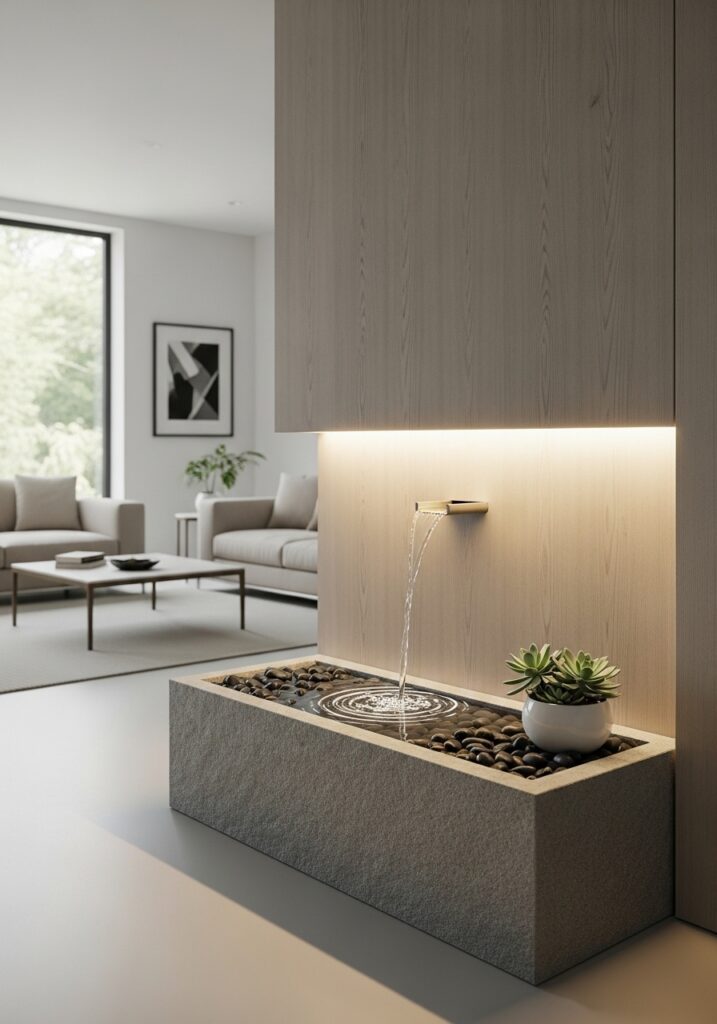
20. Simple Indoor Water Features
A small indoor water fountain introduces soothing sound and visual interest. Choose minimal designs with natural materials like stone or ceramic. The gentle flow of water promotes calm and mindfulness, complementing minimalist decor. Indoor water features add a tranquil focal point without cluttering space, creating a serene, spa-like ambiance in your home.
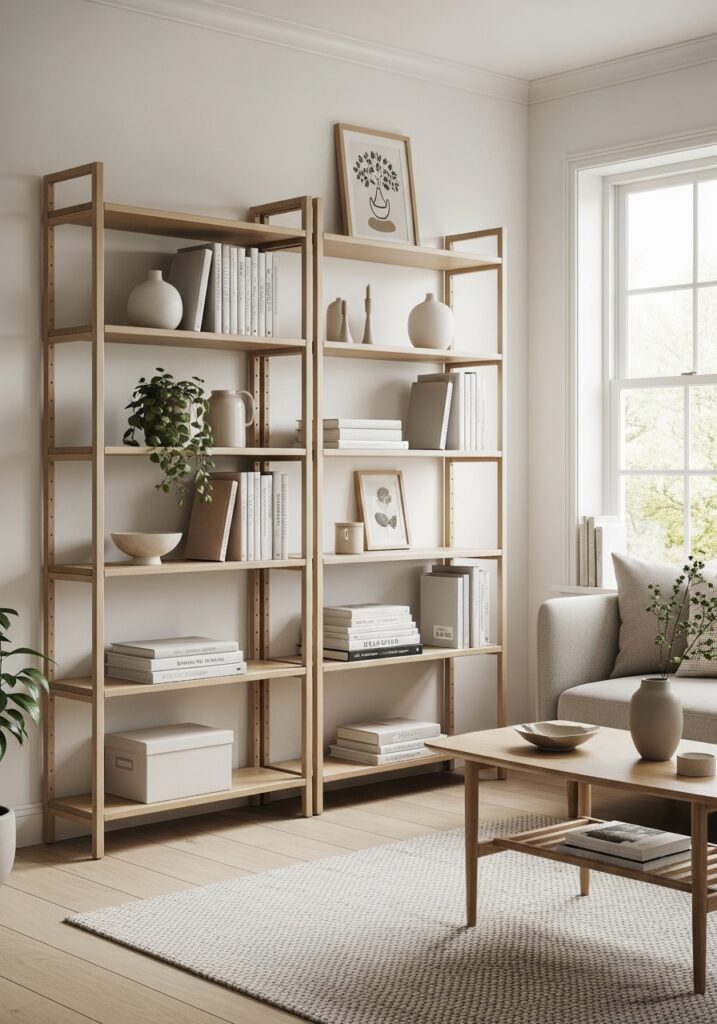
21. Minimalist Bookshelves
Bookshelves can remain functional yet visually calming with minimalist styling. Limit items per shelf, using books, plants, or decor sparingly. Opt for neutral-toned shelves with clean lines. This approach balances practicality and serenity, preventing clutter while maintaining aesthetic harmony.
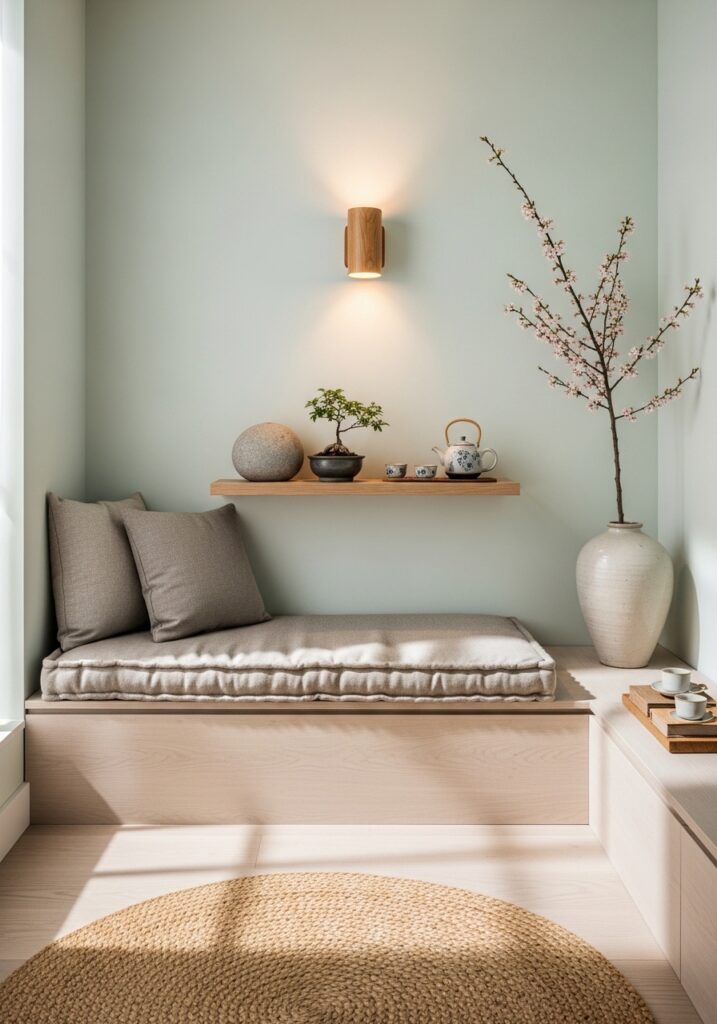
22. Zen-Inspired Corner Nooks
Create a serene corner nook with a comfortable chair, small table, soft lighting, and minimal accessories. Add a plant or textured rug to enhance calmness. These dedicated spaces encourage mindfulness, reading, or relaxation. Zen-inspired nooks provide a peaceful retreat, enhancing the overall calm of your home while remaining stylish and minimalist.
Conclusion
Minimalist home decor is about more than style—it’s about creating calm, intentional, and serene spaces that nurture your mind and body. By focusing on neutral tones, natural materials, open layouts, and thoughtful accents, you can transform any home into a peaceful retreat. Each of these 22 ideas emphasizes simplicity, functionality, and visual harmony, demonstrating that minimalism enhances both aesthetics and well-being. Whether you implement soft lighting, clutter-free surfaces, natural textures, or zen-inspired corners, your home can feel spacious, balanced, and inviting. Minimalist decor proves that thoughtful design, rather than excessive furnishings, creates beauty and calm. Implementing even a few of these techniques will result in a harmonious, serene, and Pinterest-worthy home where simplicity meets sophistication, offering both visual pleasure and emotional comfort.
1 comment