22 Bathroom Ideas for Small Spaces Layout That Work
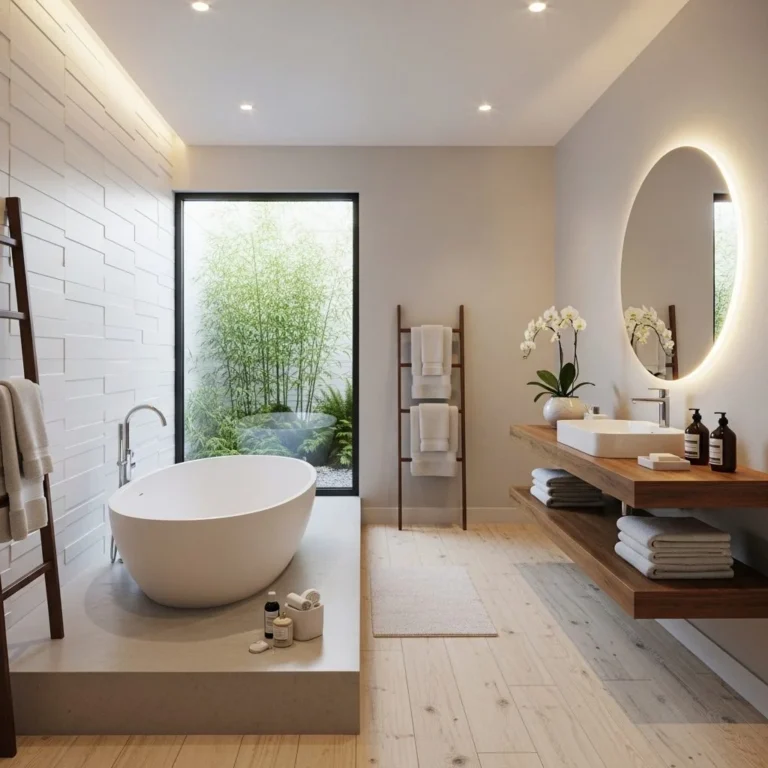
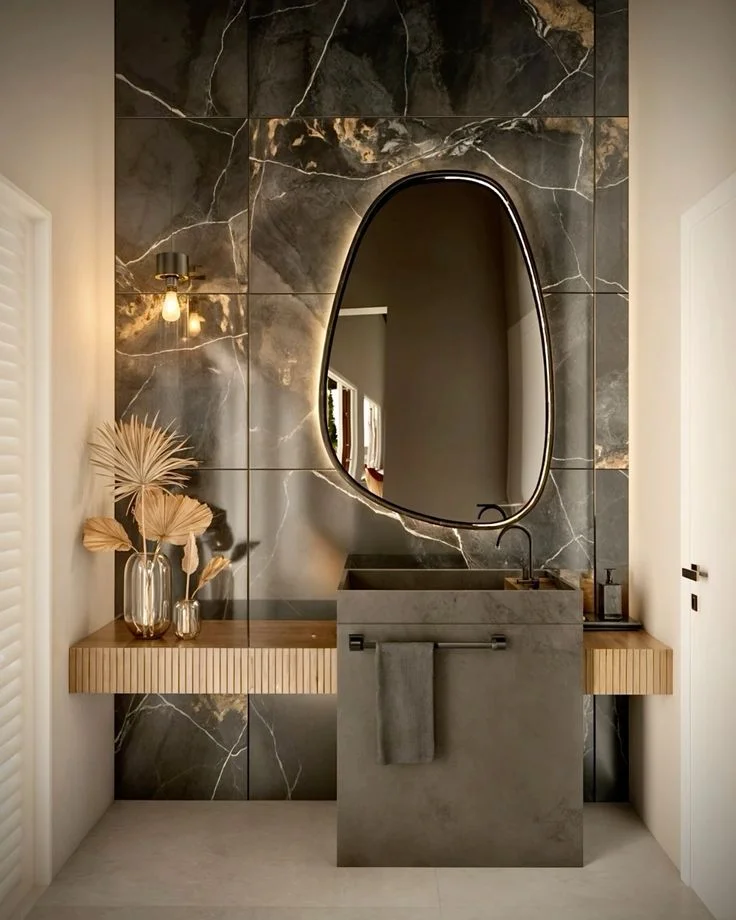
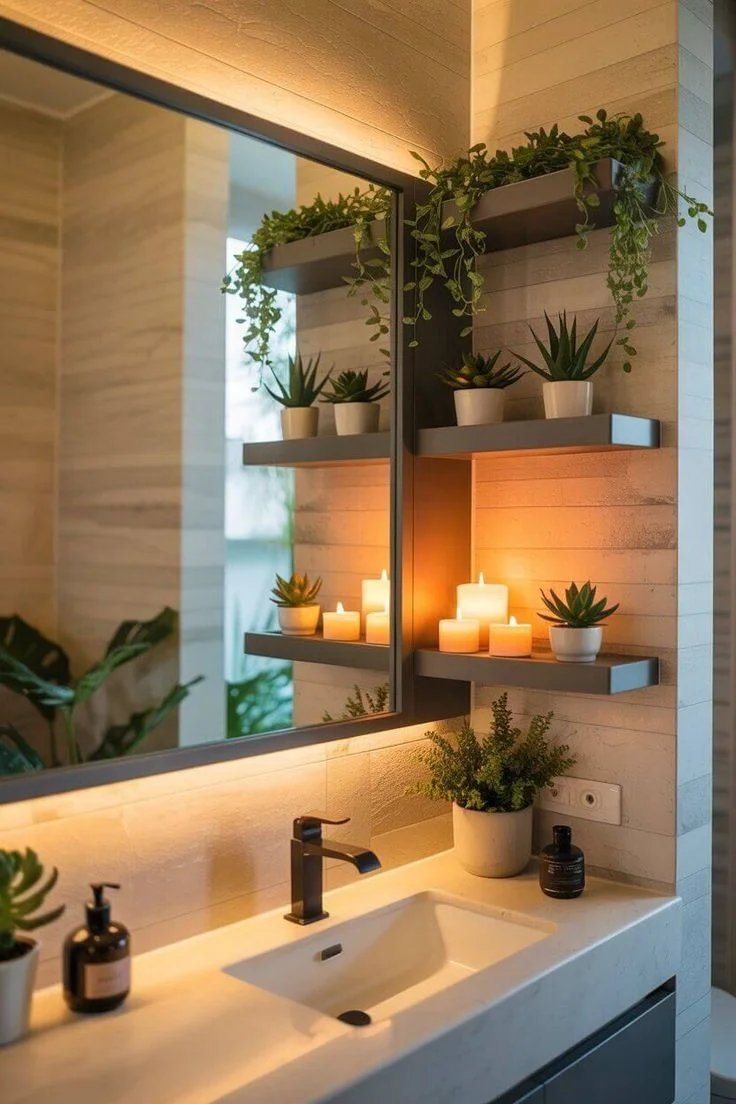
Designing a bathroom in a small space requires thoughtful planning, but the right layout can completely transform how the room looks and functions. Even a compact bathroom can feel comfortable, stylish, and efficient when the layout is designed to maximize every inch. Smart placement of fixtures, clever storage solutions, and light-enhancing design tricks can create a space that feels open rather than cramped. These 22 bathroom ideas for small spaces layout focus on practical design strategies that truly work in real homes. Whether you’re designing a tiny apartment bathroom or updating a small guest bath, these layout ideas will help you create a space that feels organized, visually larger, and beautifully designed.
1. Use a Single-Wall Layout
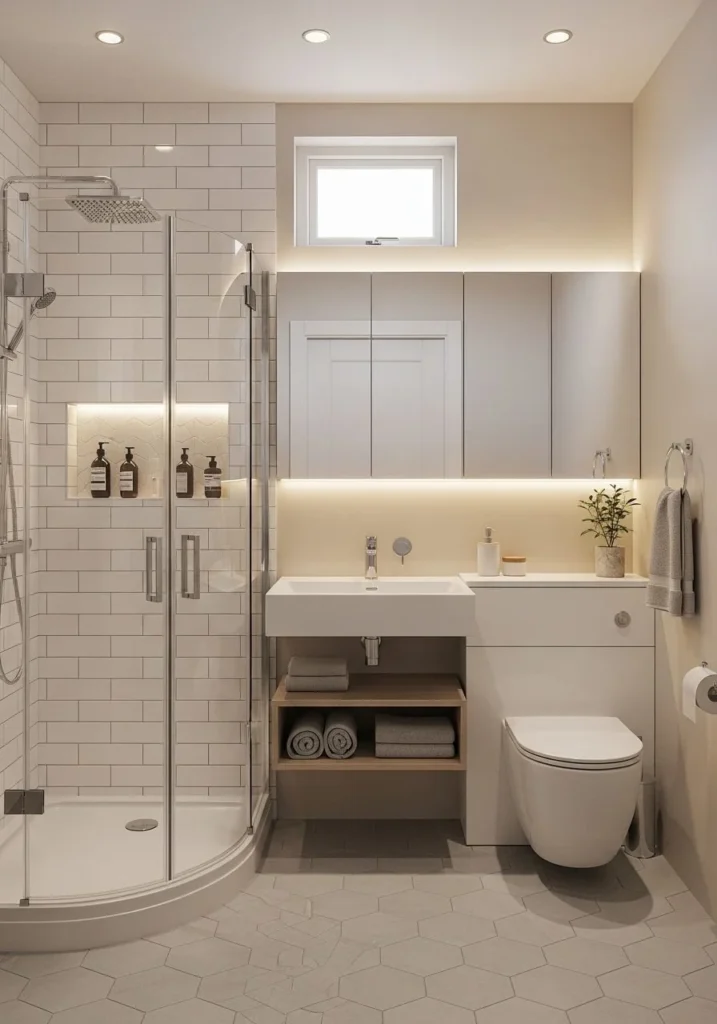
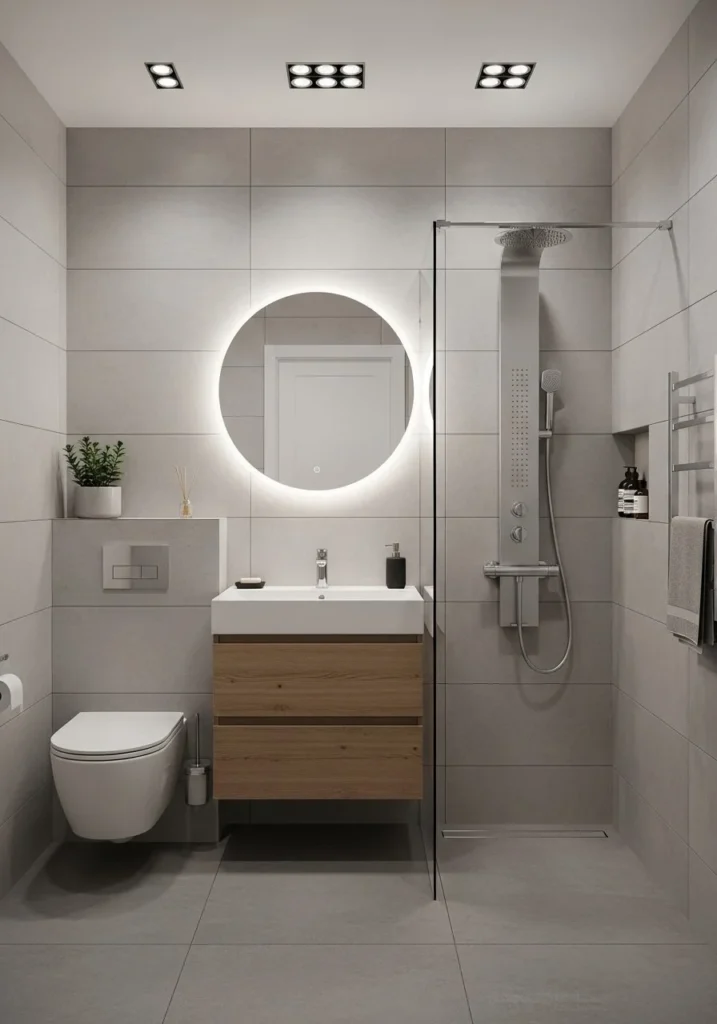
A single-wall layout is one of the most efficient ways to design a small bathroom. In this layout, the sink, toilet, and shower are placed along the same wall, creating a streamlined and organized design. This arrangement minimizes plumbing complexity and keeps the remaining floor area open, which helps the bathroom feel less crowded. By aligning fixtures along one wall, you also create better walking space, making the room easier to navigate. Pair this layout with light colors, floating fixtures, and large mirrors to maximize brightness and visual openness while maintaining functionality.
2. Choose a Corner Shower Layout
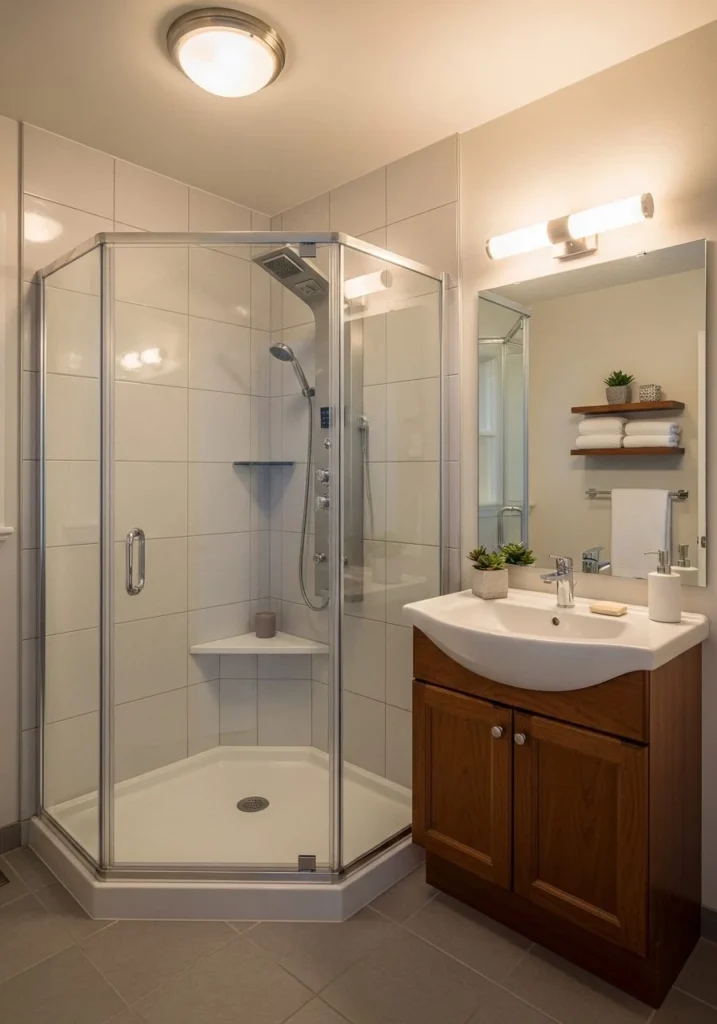
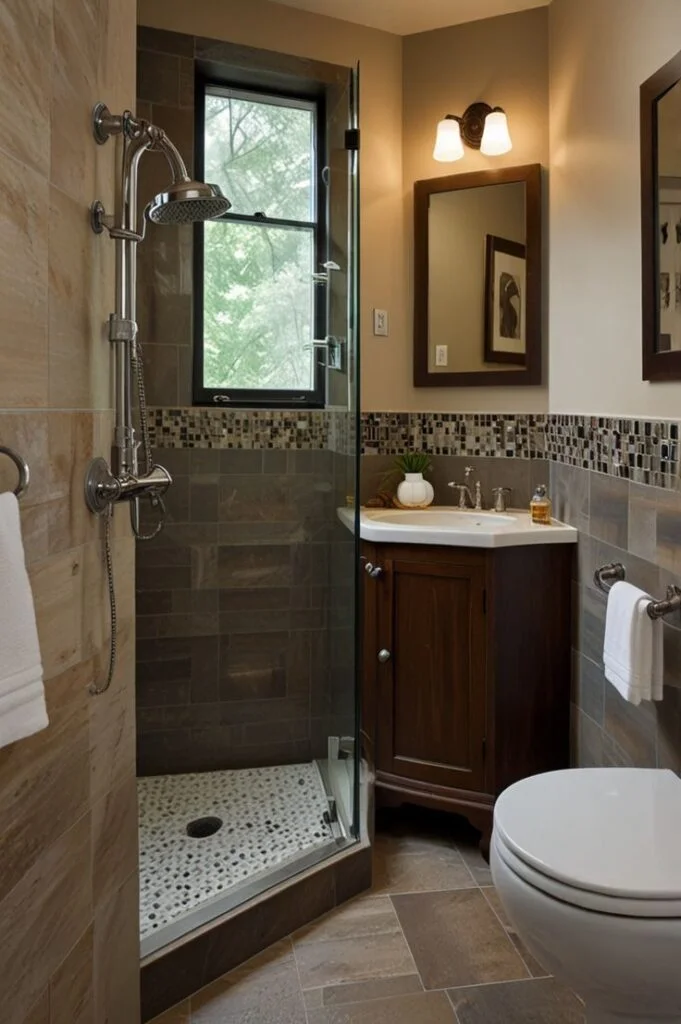
Corner showers are ideal for compact bathrooms because they utilize space that might otherwise go unused. Installing a triangular or curved glass shower enclosure in the corner leaves more room for the vanity and toilet. This layout opens up the center of the room and improves movement throughout the bathroom. Clear glass panels keep the design visually light and prevent the space from feeling boxed in. With the right tile choices and lighting, a corner shower can look elegant while maximizing every square inch of your bathroom.
3. Install a Floating Vanity Layout
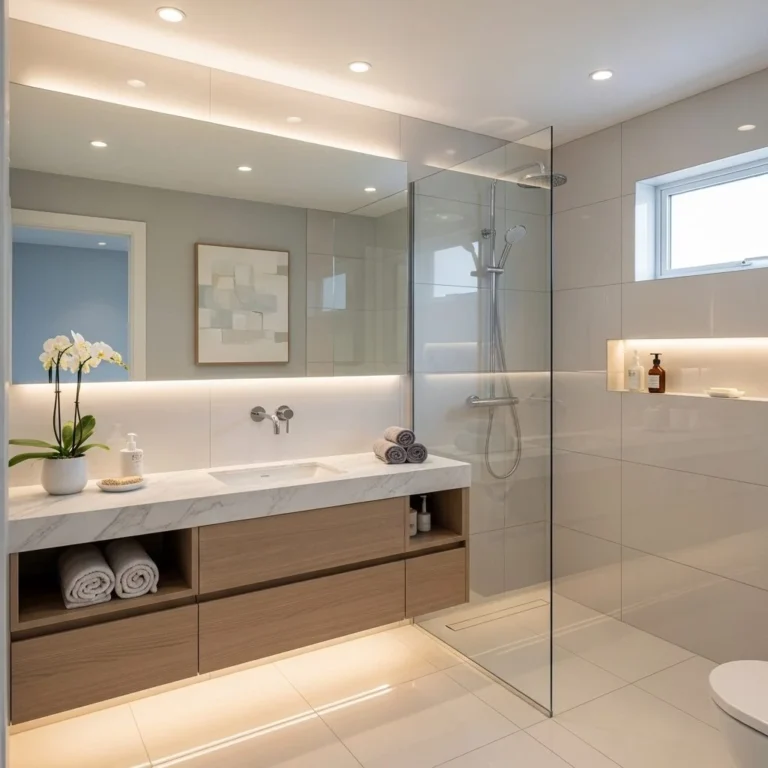
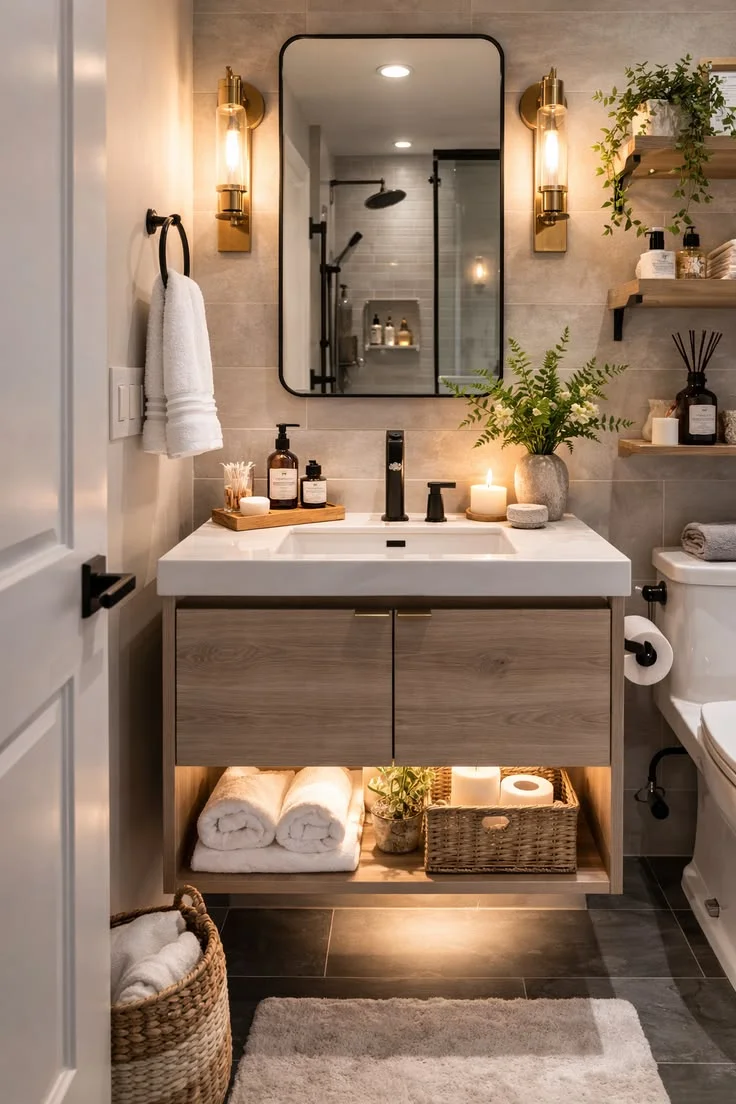
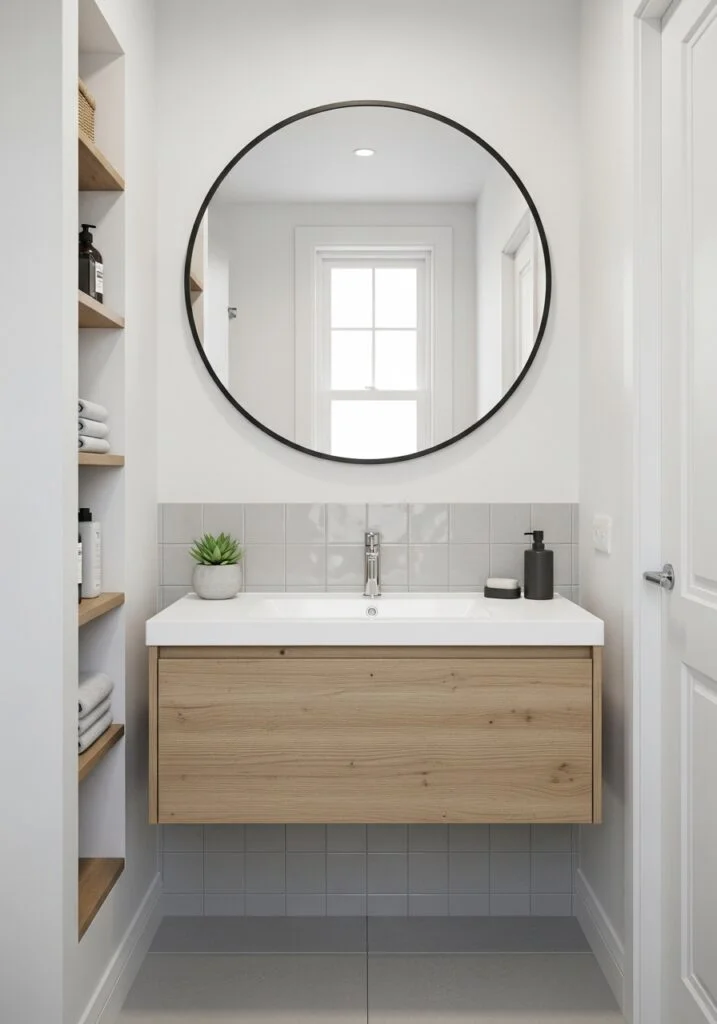
Floating vanities create a smart layout solution by freeing up visible floor space beneath the cabinet. This makes the bathroom appear larger while providing practical storage. The open area underneath also allows for easier cleaning and adds a modern aesthetic to the space. When placed along a narrow wall, a floating vanity helps maintain smooth traffic flow. Pair it with a large mirror and wall-mounted faucet to enhance the minimalist design and improve the feeling of openness in a small bathroom.
4. Try a Narrow Galley Layout
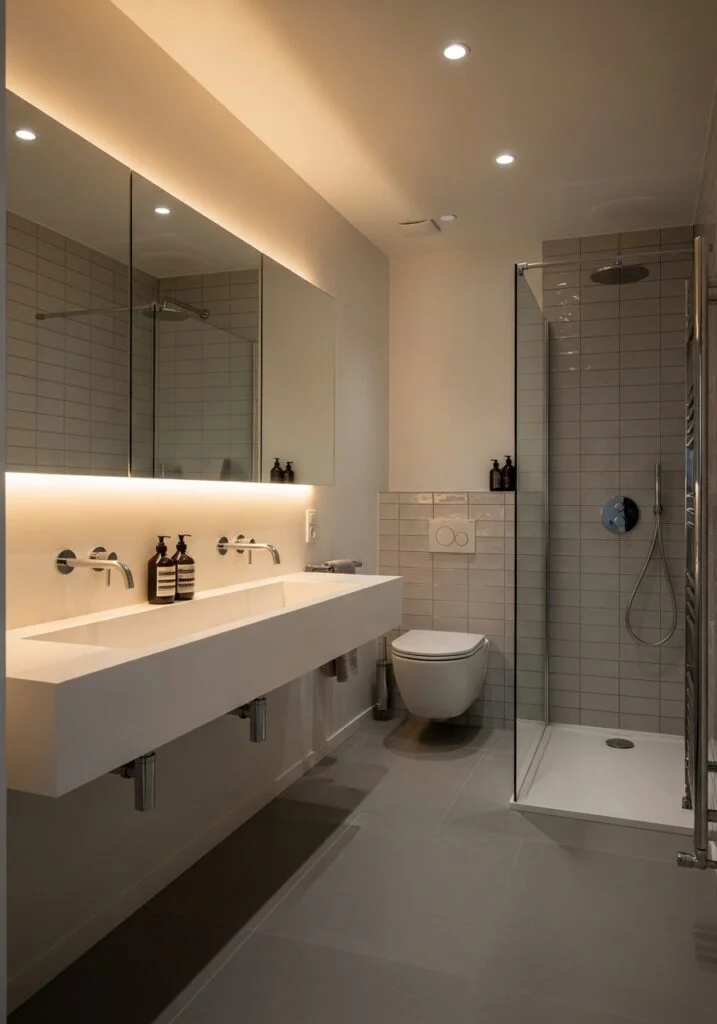
A galley layout works well in long and narrow bathrooms where space is limited. In this arrangement, fixtures are placed along two parallel walls, creating a functional corridor-like design. For example, a vanity may sit on one wall while the toilet and shower are placed opposite it. This layout maximizes efficiency while keeping all elements easily accessible. Light colors, vertical tiles, and good lighting can help prevent the space from feeling tight while maintaining a balanced design.
5. Place the Sink Near the Door
Placing the sink close to the bathroom entrance is a smart layout trick for small spaces. It allows the most frequently used fixture to be easily accessible while leaving deeper areas of the bathroom for the shower and toilet. This layout keeps traffic flowing smoothly and prevents congestion near the doorway. A compact vanity or wall-mounted sink works best for maintaining openness while still offering practical functionality.
6. Use a Wet Room Layout
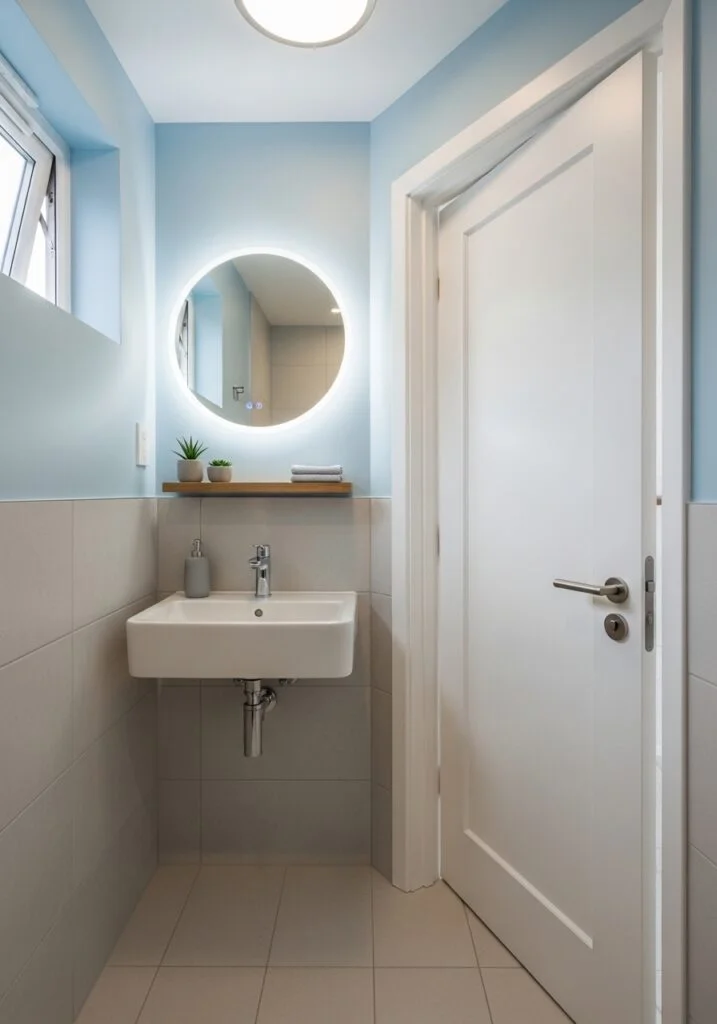
A wet room layout eliminates traditional shower enclosures and creates a fully waterproof bathroom space. The shower area blends seamlessly with the rest of the floor, separated only by subtle floor slopes or glass panels. This design reduces visual barriers and makes the room feel larger. Wet rooms are popular in modern small bathrooms because they simplify layouts while creating a sleek and contemporary aesthetic.
7. Install a Corner Sink Layout
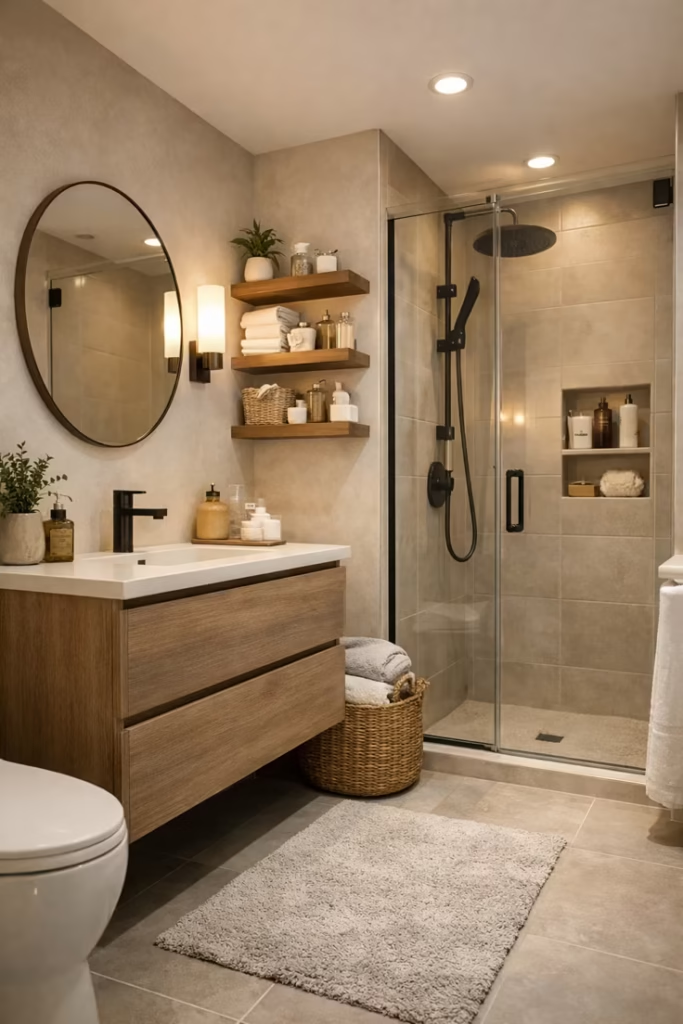
Corner sinks are excellent solutions for tiny bathrooms because they occupy underused space. Instead of placing a vanity along the wall, a corner sink allows more room for movement in the center of the bathroom. This layout is particularly helpful in powder rooms where space is extremely limited. A small round or triangular sink design works best for maintaining comfort and accessibility.
8. Use Pocket Doors to Save Space
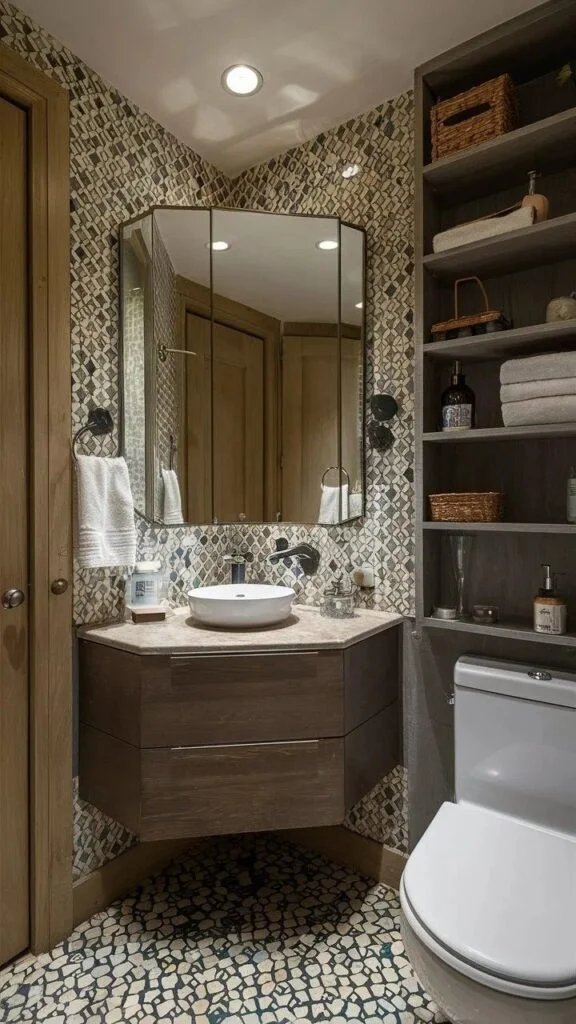
Traditional doors can consume valuable floor space when opened. Pocket doors slide inside the wall, freeing up room that can be used for fixtures or storage. This layout improvement allows more flexibility when positioning the toilet, sink, or shower. Pocket doors are especially useful in narrow bathrooms where every inch matters.
9. Add Built-In Shower Niches
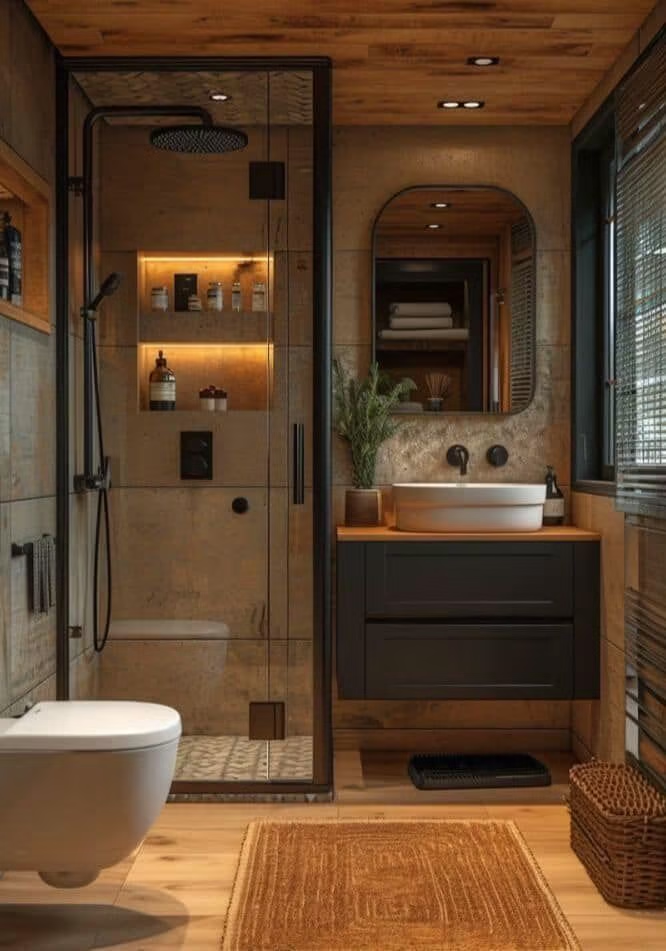
Built-in shower niches improve layout efficiency by eliminating bulky storage racks. These recessed shelves provide space for toiletries without protruding into the shower area. Because they are integrated into the wall, they maintain a smooth and open design. Niches can also be styled with accent tiles for visual interest.
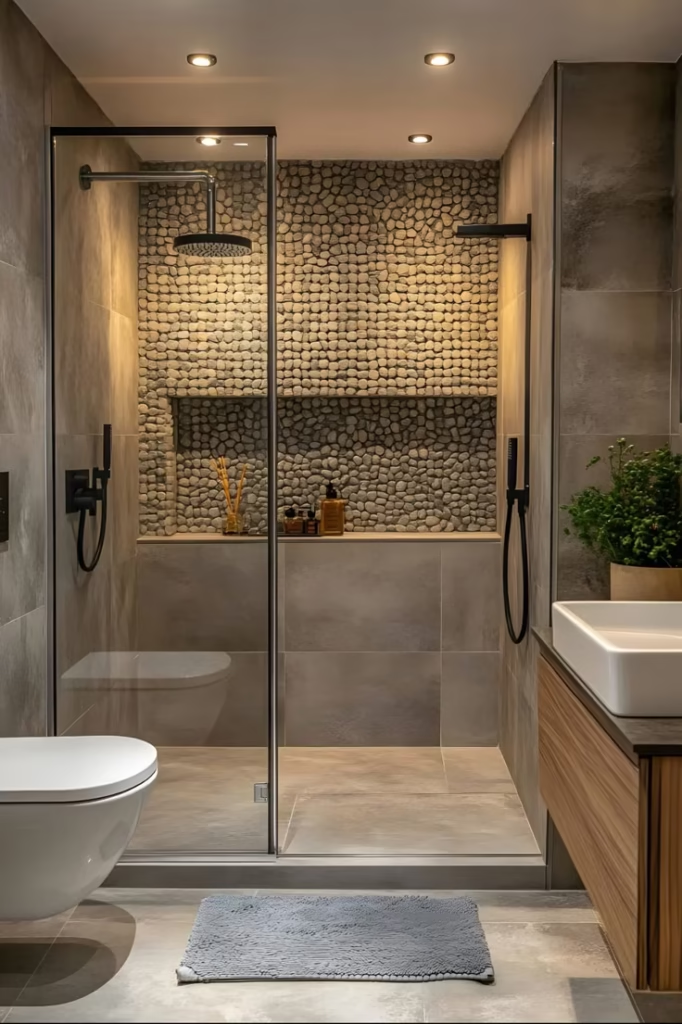
10. Place the Toilet Between Fixtures
Positioning the toilet between the sink and shower helps balance the layout in small bathrooms. This arrangement keeps plumbing lines efficient while ensuring each fixture has adequate space. When combined with floating fixtures and light colors, this layout can make the room feel structured and organized.
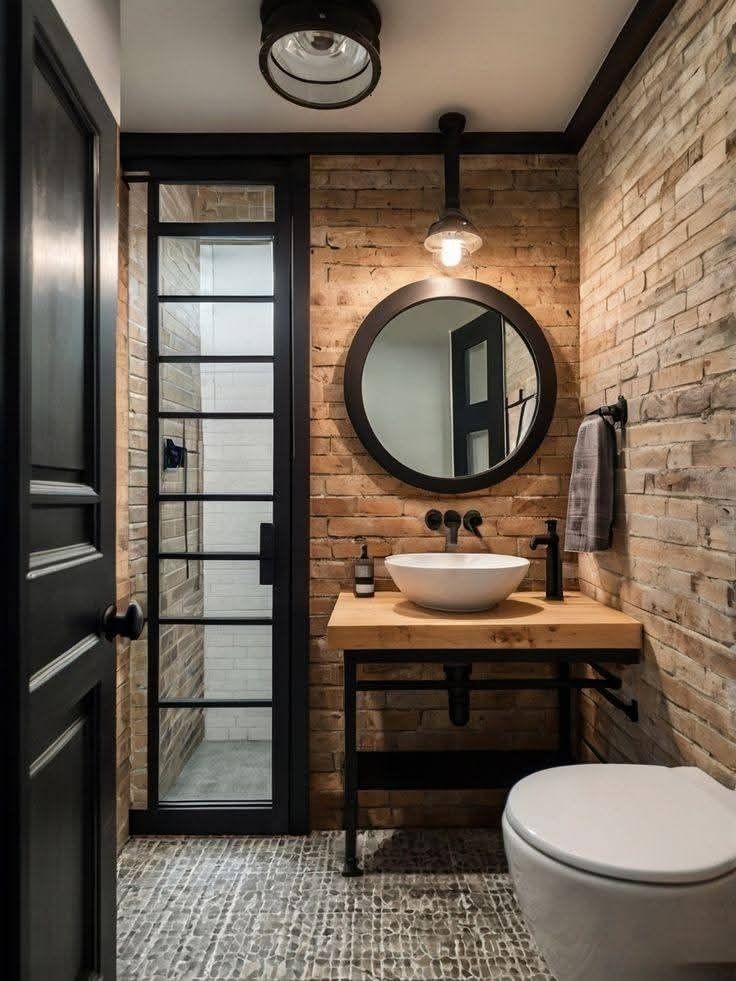
11. Use Wall-Mounted Toilets
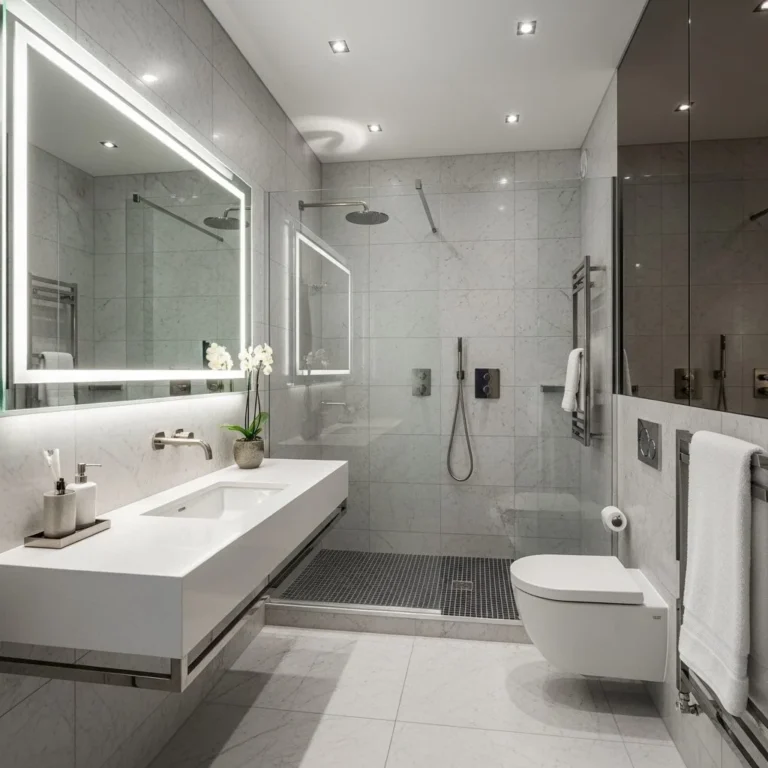
Wall-mounted toilets improve layout efficiency by freeing up floor space and creating a clean, modern appearance. Because the tank is hidden inside the wall, the toilet occupies less visual space, making the bathroom feel larger and less cluttered. This design also simplifies cleaning since there are fewer areas where dust and moisture can accumulate. In small bathrooms, wall-mounted toilets allow better positioning of other fixtures while maintaining comfortable movement throughout the room. Pairing this fixture with floating vanities and minimalist decor can further enhance the feeling of openness while maintaining functionality and elegance in a compact layout.
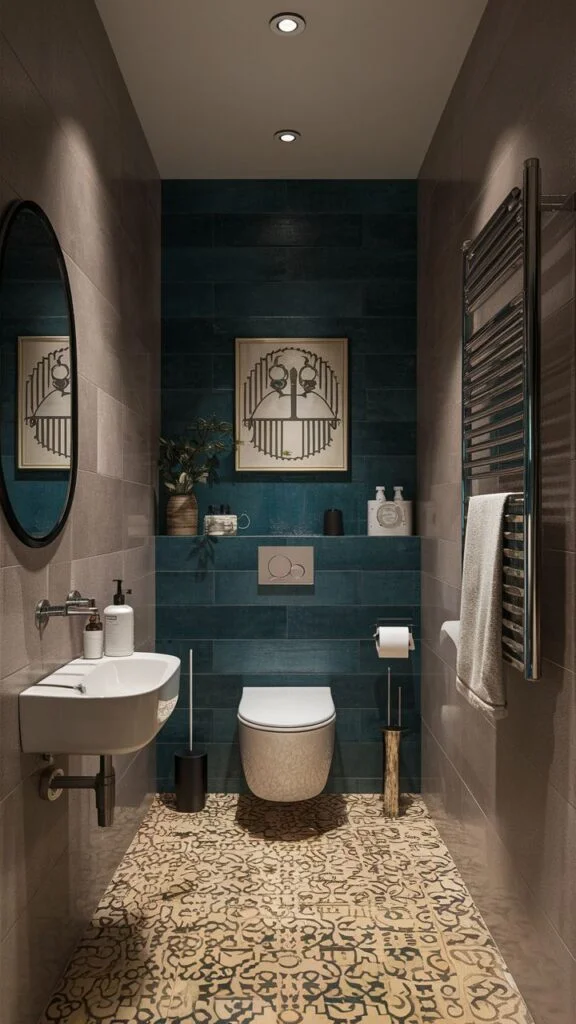
12. Create a Shower-at-the-End Layout
Placing the shower at the far end of a narrow bathroom helps maximize visual depth. When you enter the room, the clear sightline toward the shower makes the bathroom appear longer and more spacious. Using glass shower panels instead of opaque walls further enhances this effect by allowing light to travel freely throughout the space. This layout works especially well in small apartment bathrooms or narrow guest baths where maximizing visual length is important. Simple tile patterns and bright lighting can make this layout feel open, balanced, and stylish.
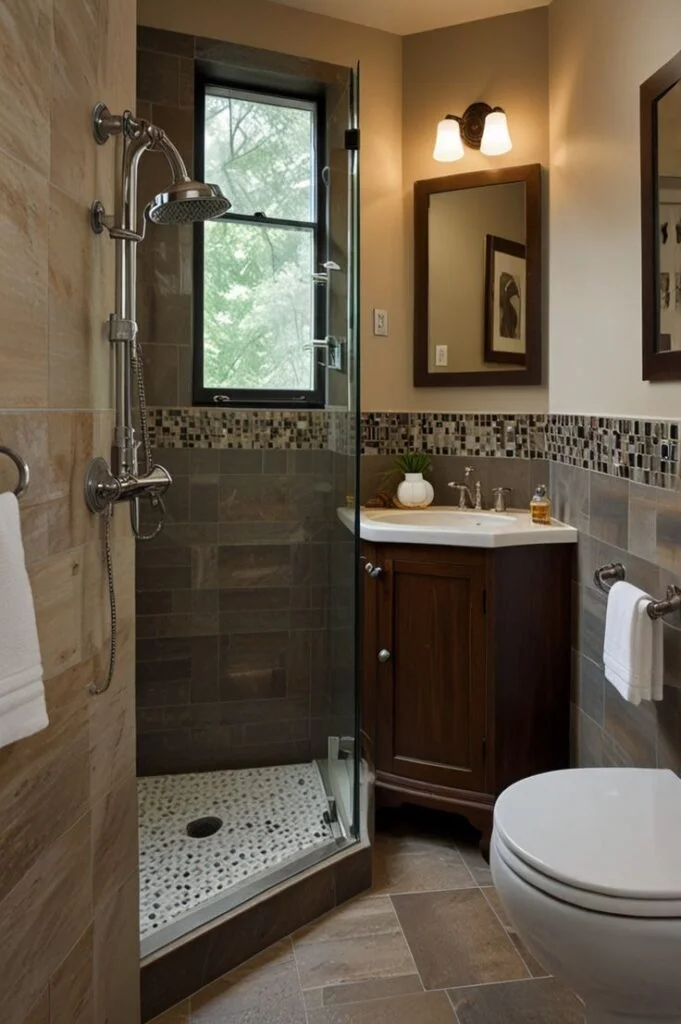
13. Combine Vanity and Storage in One Wall
In small bathrooms, combining the vanity with built-in storage along one wall creates a practical and organized layout. Instead of placing separate cabinets around the room, integrate drawers, shelves, and a mirror cabinet above the sink. This keeps everything within reach while maintaining a clean and balanced design. A single functional wall helps reduce visual clutter and improves the flow of the space. Using light-colored cabinetry and slim hardware can further enhance the open feeling. This layout works especially well in narrow bathrooms where maximizing vertical storage without crowding the room is essential.
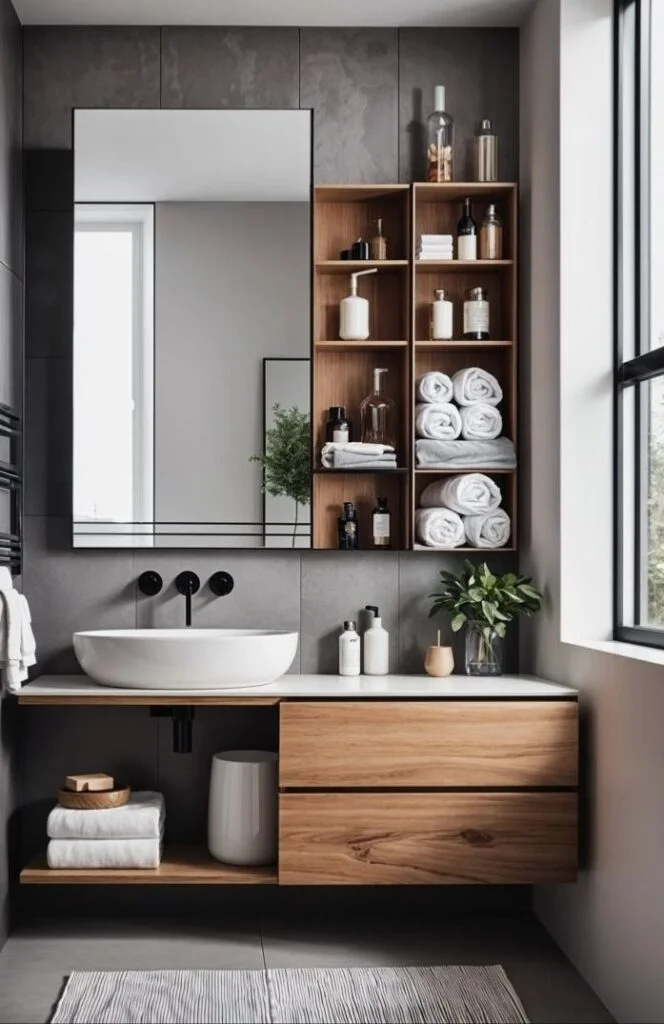
14. Place the Shower Behind a Glass Divider
Using a glass divider instead of a full shower enclosure can help small bathrooms feel more spacious. A half-glass partition separates the wet area while maintaining visual openness. Because light can travel freely across the room, the bathroom appears brighter and less confined. This layout works especially well in modern minimalist bathrooms where simplicity and functionality are priorities. Positioning the shower along one wall with a clear divider also keeps the floor layout flexible for other fixtures such as the sink and toilet.
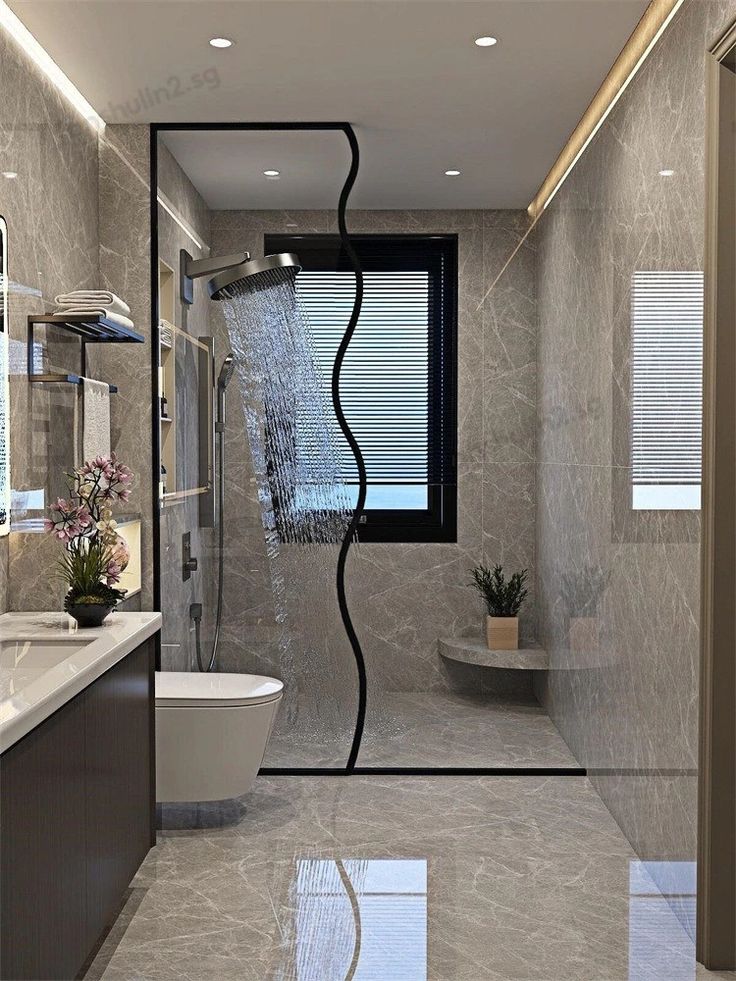
15. Install a Linear Layout with Walkway Space
A linear layout places fixtures in a straight line while leaving a clear walkway in front of them. This design is especially helpful in narrow bathrooms because it creates a natural path through the space. A vanity can be positioned first, followed by the toilet, with the shower at the far end. Keeping the pathway clear makes the room feel less crowded and improves everyday functionality. Light tiles and simple decor can enhance the sense of openness while maintaining a modern aesthetic.
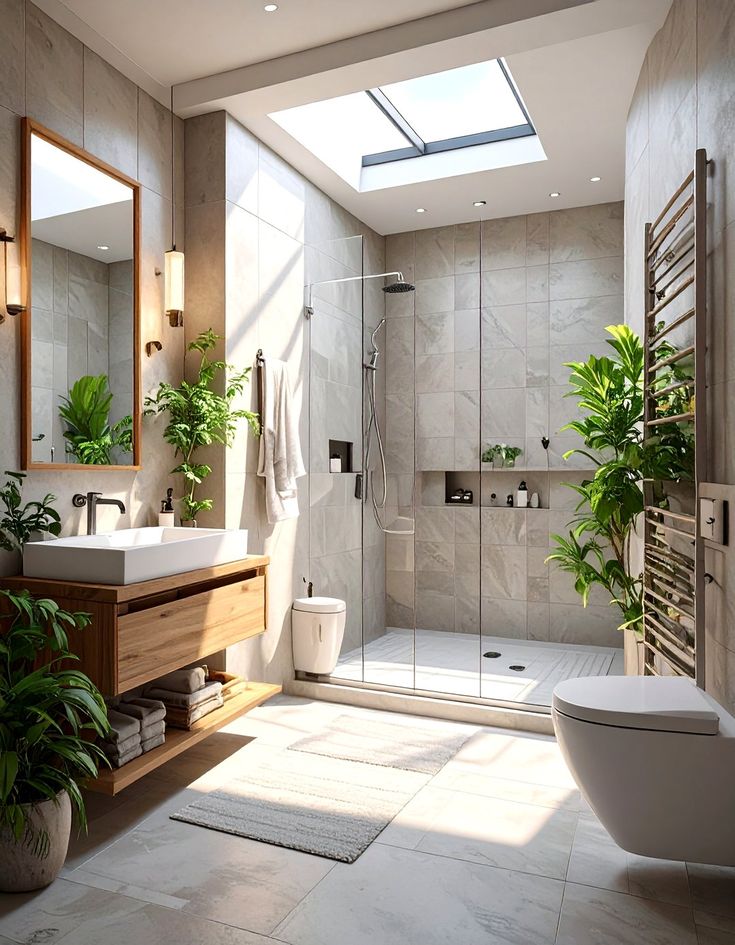
16. Create a Floating Fixture Layout
Using multiple floating fixtures—such as a floating vanity and wall-mounted toilet—can dramatically improve a small bathroom layout. By exposing more floor space, floating elements create a lighter and more open visual effect. This layout also simplifies cleaning and allows light to reflect across the floor. When combined with large mirrors and bright lighting, floating fixtures help the room feel modern and spacious. This design approach works particularly well in contemporary homes where minimalism and efficiency are key.
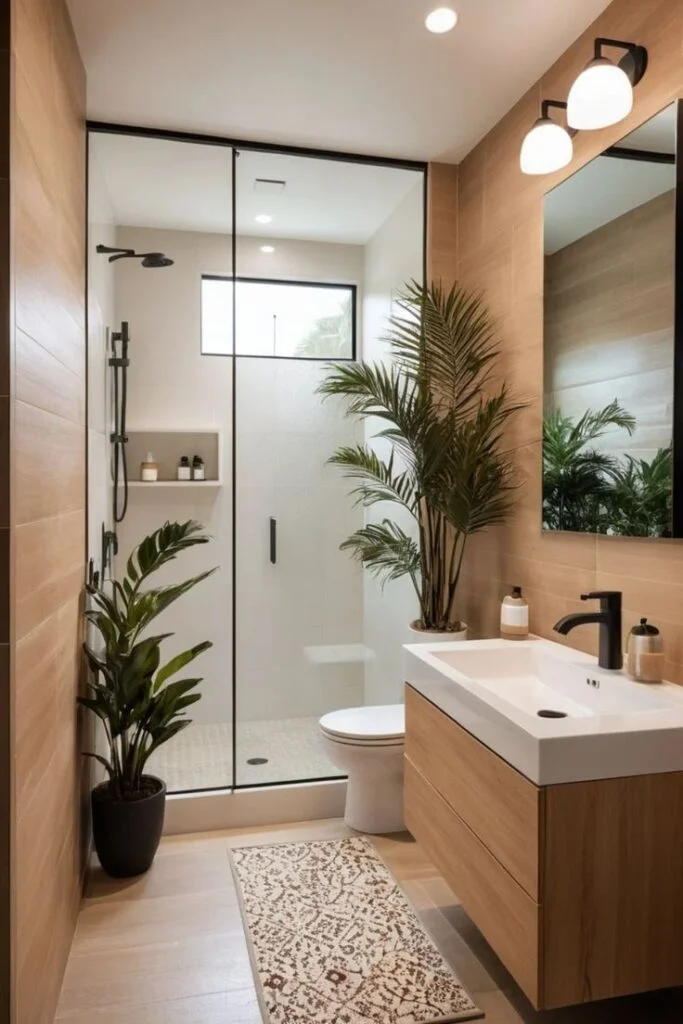
17. Place the Shower in a Corner with Curved Glass
Curved glass corner showers are excellent space-saving solutions for small bathrooms. Unlike square enclosures, curved glass softens the layout and allows more walking space around the fixture. This design makes movement easier while keeping the room visually open. Curved shower doors also reduce sharp edges and create a smoother flow in the overall layout. When paired with light-colored tiles and minimal fixtures, this design can make even the smallest bathroom feel comfortable and stylish.
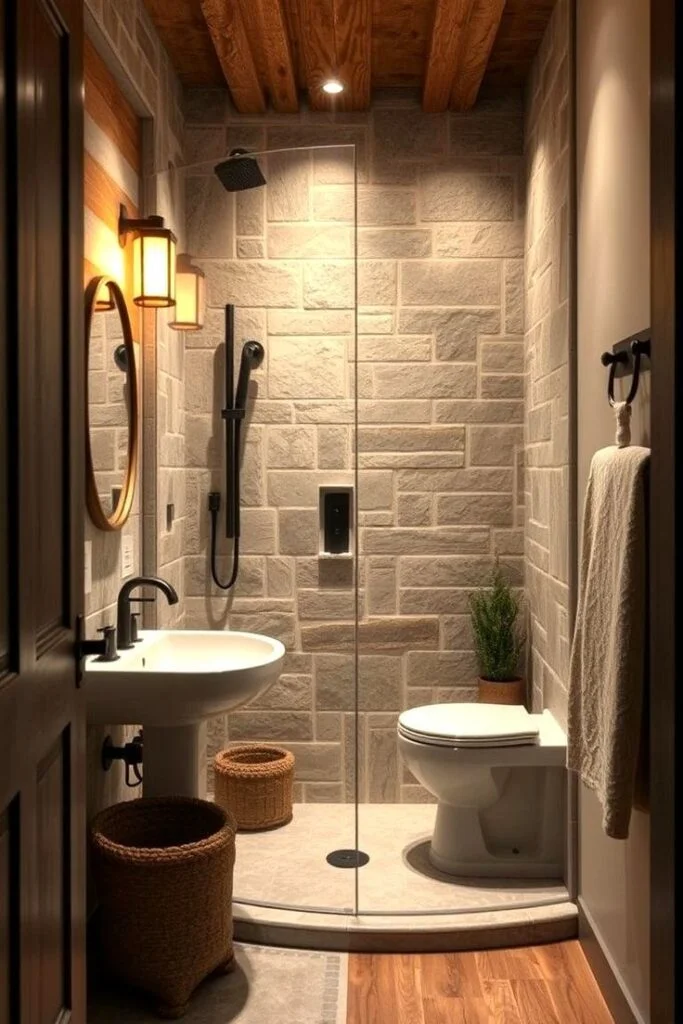
18. Use a Split Layout for Functionality
A split layout divides the bathroom into two functional zones, usually separating the sink area from the shower and toilet. This arrangement improves usability when more than one person needs access to the space. For example, the vanity may sit near the entrance while the shower and toilet remain at the back. This layout works well in slightly longer bathrooms where zoning can create a more organized and practical design. Clear glass partitions can maintain openness while defining each area.
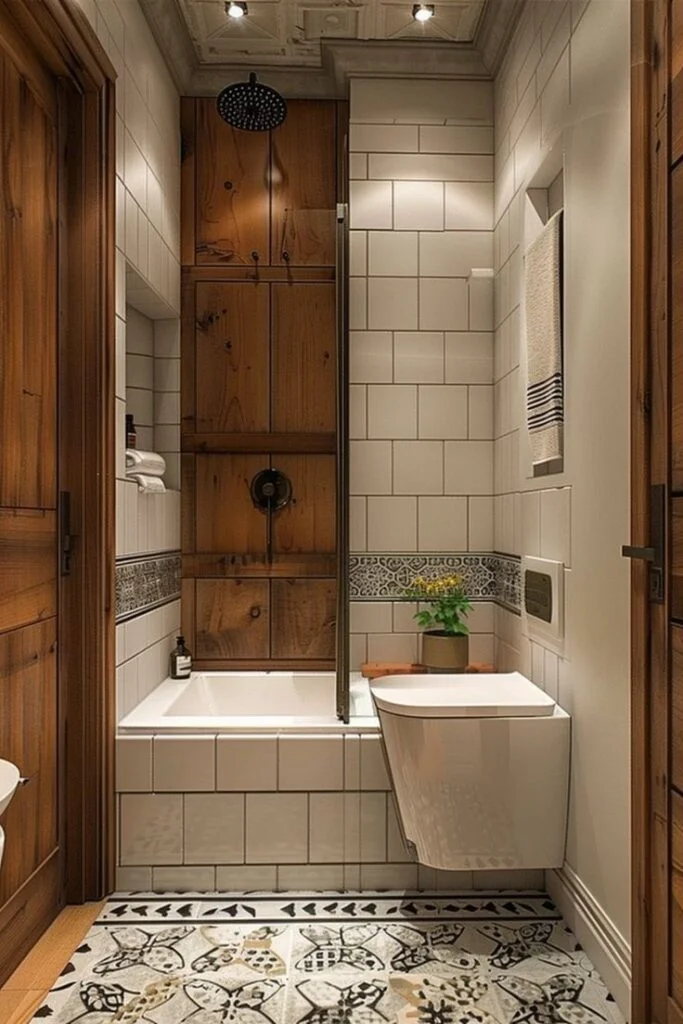
19. Install a Compact Shower and Tub Combo
In homes where a bathtub is necessary but space is limited, a shower-tub combination is a practical layout solution. A compact tub placed along the wall with a shower above allows you to enjoy both features without sacrificing too much space. Using clear shower glass instead of curtains helps maintain an open look. Neutral tiles and vertical wall patterns can further enhance the perception of height and spaciousness.
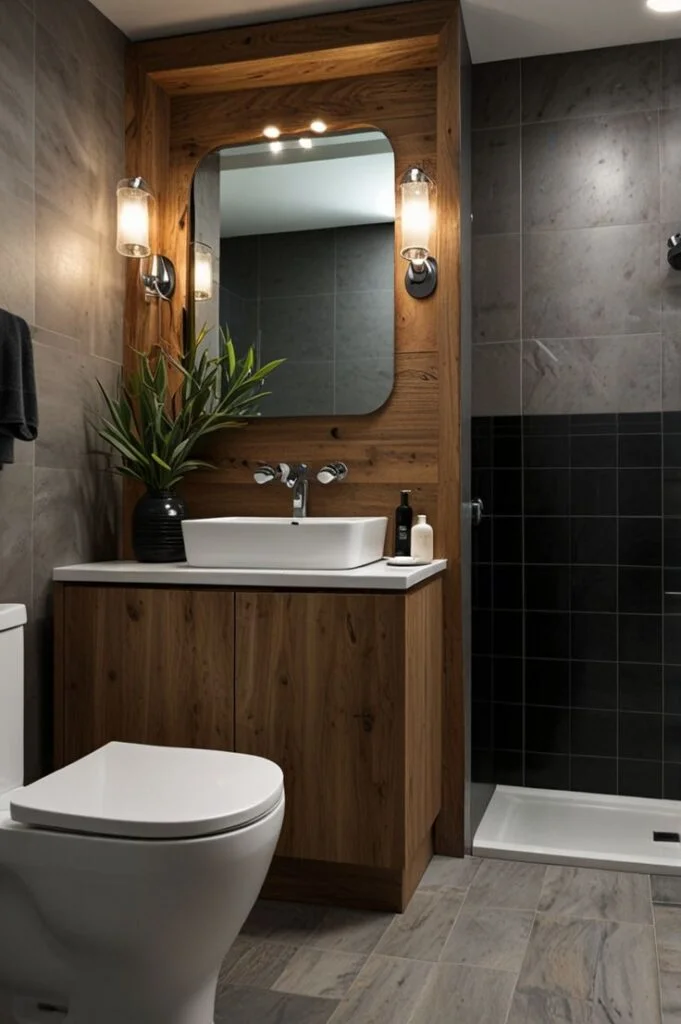
20. Add Built-In Shelves Along the Wall
Built-in shelves integrated into the wall can significantly improve layout efficiency in small bathrooms. Instead of bulky cabinets, recessed shelves provide storage while maintaining a flat wall surface. This keeps the bathroom feeling uncluttered and spacious. Shelves can hold towels, toiletries, or decorative items without interfering with movement. When styled neatly with baskets or folded towels, built-in shelves become both functional and visually appealing.
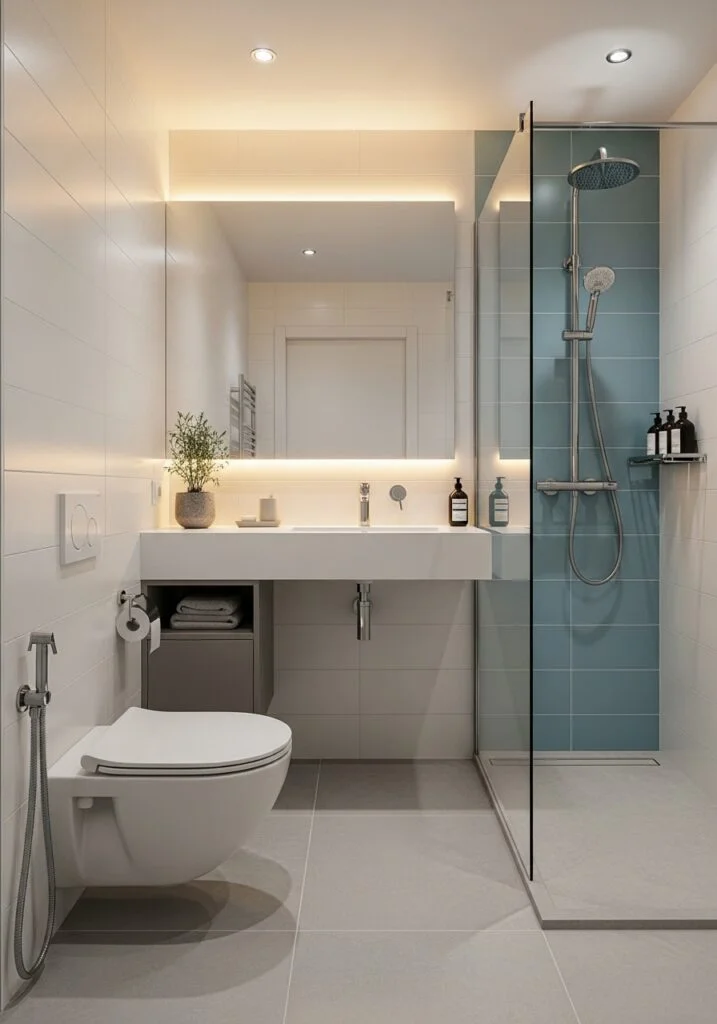
21. Use a Diagonal Tile Layout to Expand Space
Diagonal tile layouts can subtly influence how a bathroom space is perceived. When tiles are placed diagonally instead of straight, they create visual movement that makes the room appear larger. This technique works particularly well on floors in compact bathrooms. Combined with light colors and reflective surfaces, diagonal tiles guide the eye across the room and add a sense of depth that expands the visual boundaries of the space.
22. Design a Minimalist Open Layout
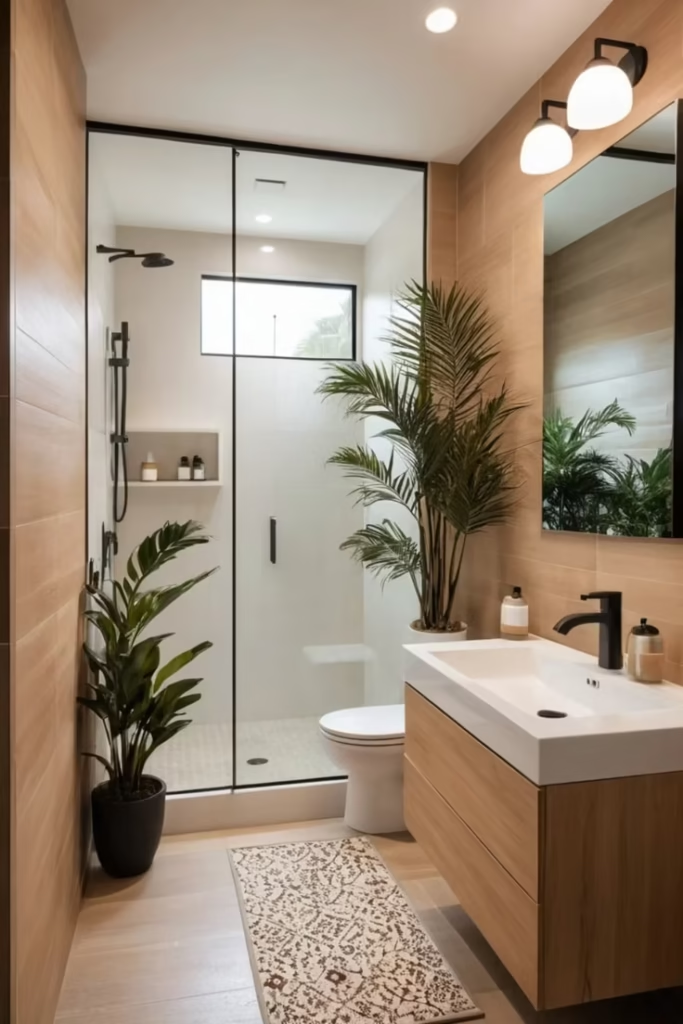
A minimalist open layout focuses on simplicity and functionality. By limiting decorative elements and keeping only essential fixtures, the bathroom remains uncluttered and visually spacious. A floating vanity, frameless glass shower, and wall-mounted toilet can create a sleek design with clean lines. Neutral colors and soft lighting further enhance the sense of openness. This layout works well in modern homes where a calm and organized atmosphere is desired.
Conclusion
Designing a small bathroom layout requires creativity, smart planning, and a focus on maximizing every inch of space. By choosing efficient layouts like corner showers, floating vanities, wet rooms, and single-wall designs, you can create a bathroom that feels open and comfortable even in tight spaces. The right layout not only improves functionality but also enhances the visual flow of the room. With thoughtful placement of fixtures, smart storage solutions, and light-enhancing design elements, even the smallest bathroom can feel modern, stylish, and spacious. These 22 small bathroom layout ideas prove that limited space can still deliver beautiful and practical results.