20 Neo-Deco Makeovers That Instantly Make Your Home Look Expensive
Achieving a high-end aesthetic without the luxury price tag is entirely possible through the Neo-Deco movement, which focuses on elevating visual weight through intentional, affordable swaps rather than structural renovations. By integrating fluted textures, brushed metallic accents, and symmetrical layouts into living rooms or compact bedrooms, you effectively solve the “cheap” look by introducing the geometric elegance and sophisticated materials typical of modern luxury. This design strategy serves as a stylistic bridge for renters and budget-conscious decorators, utilizing high-impact elements like statement lighting and rich, tonal palettes to ground a space in a way that feels both expansive and profoundly curated. Ultimately, these 20 makeovers prove that a polished, Pinterest-worthy sanctuary is defined by the harmony of its finishes and the clever use of architectural-inspired details, ensuring any small space feels exceptionally chic and modern.

Why Neo-Deco Is the Anti-“Cheap Home” Cure
If you’ve ever stood in your living room and thought, “Why does this still feel… unfinished?”—you’re not alone. The fear that your home looks cheap isn’t about money. It’s about proportion, polish, and presence. That’s where Neo-Deco comes in. Neo-Deco (or Modern Art Deco Revival) is a fresh, modern interpretation of classic Art Deco glamour—think clean lines, luxe materials, sculptural furniture, and rich textures, all grounded in modern minimalism. It’s dramatic without being dated, luxurious without being loud, and—best of all—achievable on a realistic budget. In this guide, you’ll discover 20 Neo-Deco makeovers that interior designers use to instantly elevate a space. These ideas work whether you’re styling a small apartment, upgrading a builder-grade home, or refreshing one tired room at a time. Let’s erase that “cheap home” fear—room by room.

What Makes a Home Look “Cheap” (And How Neo-Deco Fixes It)
The “cheap” aesthetic in home decor is rarely a result of a low budget; instead, it typically stems from a lack of visual weight and intentional composition. When a room is filled with mismatched, small-scale items and lit only by harsh overhead fixtures, the space feels fragmented and “flat,” lacking the depth required for a high-end atmosphere. Neo-Deco effectively solves these common pitfalls by replacing cluttered surfaces with bold silhouettes and replacing generic wall art with intentional symmetry, which instantly provides the architectural structure often missing in standard rentals or builder-grade homes. By introducing high-contrast finishes—such as pairing matte black accents with polished brass or deep jewel tones with soft creams—you create a sense of expensive, curated luxury regardless of the actual price point. This design strategy bridges the gap between affordable materials and premium aesthetics, using “statement” textures like fluted wood or faux marble to ground the room. Ultimately, moving away from lightweight, “temporary-looking” furniture toward pieces with substantial presence transforms any small space into a luminous, modern sanctuary that feels both expansive and profoundly chic.
20 Neo-Deco Makeovers That Instantly Elevate Any Home
1. Sculptural Statement Sofa in a Luxe Fabric
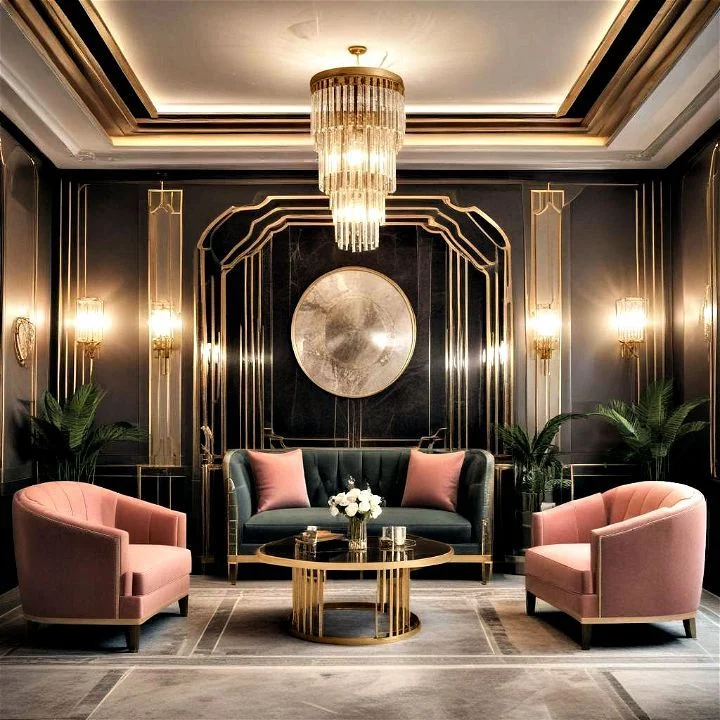
A lightweight, boxy sofa often fails to ground a room, causing a living room to lose its visual impact and feel “temporary” or unanchored. Neo-Deco effectively solves this common pitfall by prioritizing sculptural statement sofas characterized by curved silhouettes and high-end, tactile fabrics like velvet, bouclé, or chenille. These bold, organic shapes introduce a sense of architectural permanence and “visual weight,” which instantly elevates a standard space into a curated, luxury sanctuary. By replacing thin, angular frames with substantial, rounded forms, you create a luminous focal point that feels both expansive and profoundly chic. This design strategy is a staple of 2026 Pinterest-worthy interiors because it bridges the gap between affordable furniture and premium, bespoke aesthetics through the use of “statement” materials. Ultimately, a sculptural sofa acts as the anchor for your entire design, proving that a single, well-chosen piece of furniture can transform a room’s energy from “cheap” to exceptionally sophisticated without a full renovation.
Neo-Deco Upgrade:
Selecting a curved or channel-tufted sofa is a definitive Neo-Deco upgrade that instantly corrects the visual “flatness” often found in budget-friendly living rooms. By prioritizing a sculptural silhouette over a standard boxy frame, you introduce architectural interest that serves as a high-end focal point, effectively solving the problem of a space looking generic or “cheap.” Even in neutral tones like cream, sand, or charcoal, the deliberate use of luxury fabrics—such as velvet, bouclé, or heavily textured linen—adds a layer of tactile depth that feels both expensive and profoundly curated.

2. Oversized Wall Art (One Is Better Than Five)
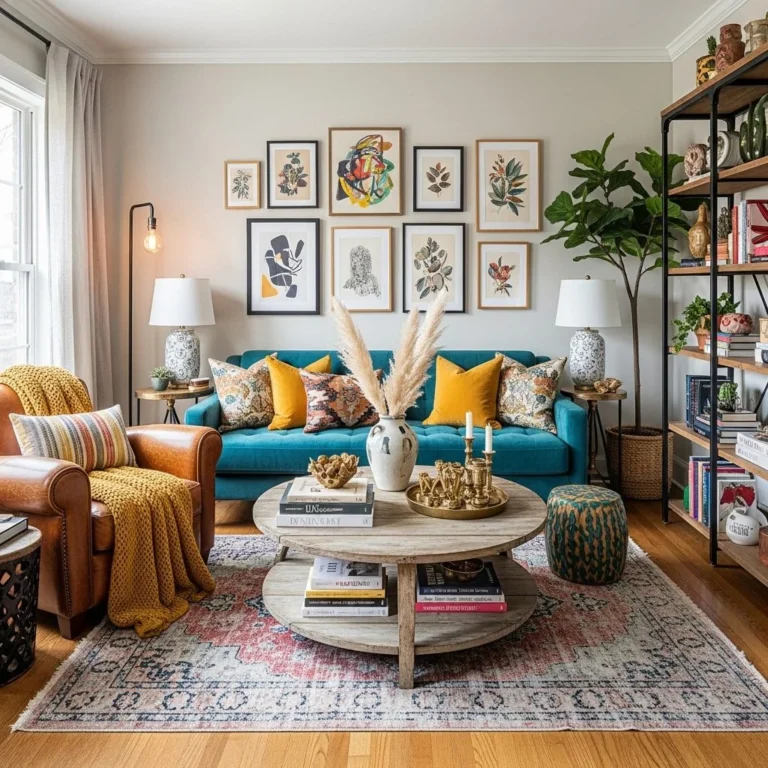
Small, mismatched art pieces scattered across a wall often create visual “noise” that signals indecision, causing a room to feel cluttered rather than curated. Oversized wall art effectively solves this common pitfall by providing a singular, commanding focal point that instantly anchors a room and establishes its architectural scale. In the context of 2026 Neo-Deco trends, opting for one large-scale canvas or a framed textile over a gallery of tiny prints introduces a sense of “visual weight” and confidence typical of high-end galleries. This “one-is-better-than-five” strategy is a staple of Pinterest-worthy minimalism because it bridges the gap between affordable decor and premium, bespoke aesthetics. By prioritizing bold silhouettes and expansive compositions, you create a luminous atmosphere that feels both expansive and profoundly chic, even in a compact living room or bedroom. Ultimately, a large-scale piece acts as the definitive anchor for your vertical space, proving that a sophisticated sanctuary is defined by the impact of its focal points rather than the quantity of its accents.
Neo-Deco Fix:
Replacing a cluster of small, mismatched frames with one oversized abstract or geometric art piece is a definitive Neo-Deco fix that instantly provides a room with architectural “visual weight.” Tiny frames scattered across a large surface often create a sense of visual clutter and indecision, whereas a singular, large-scale canvas acts as a confident anchor for the entire space. By prioritizing a bold silhouette or a high-contrast geometric composition, you establish a sophisticated focal point that mimics the curated feel of a luxury gallery, effectively solving the “cheap” look of fragmented wall decor. In the context of 2026 interior trends, this “one-is-better-than-five” strategy is a staple for Pinterest-worthy minimalism because it bridges the gap between affordable prints and premium, bespoke aesthetics. Whether it is a textured plaster piece or a high-contrast monochromatic print, the expansive scale draws the eye upward and makes a small room feel significantly more open and expensive. Ultimately, a well-chosen oversized piece serves as the definitive anchor for your vertical plane, proving that a high-end sanctuary is defined by the impact of its singular choices rather than the quantity of its accents.

3. Layered Lighting That Feels Intentional
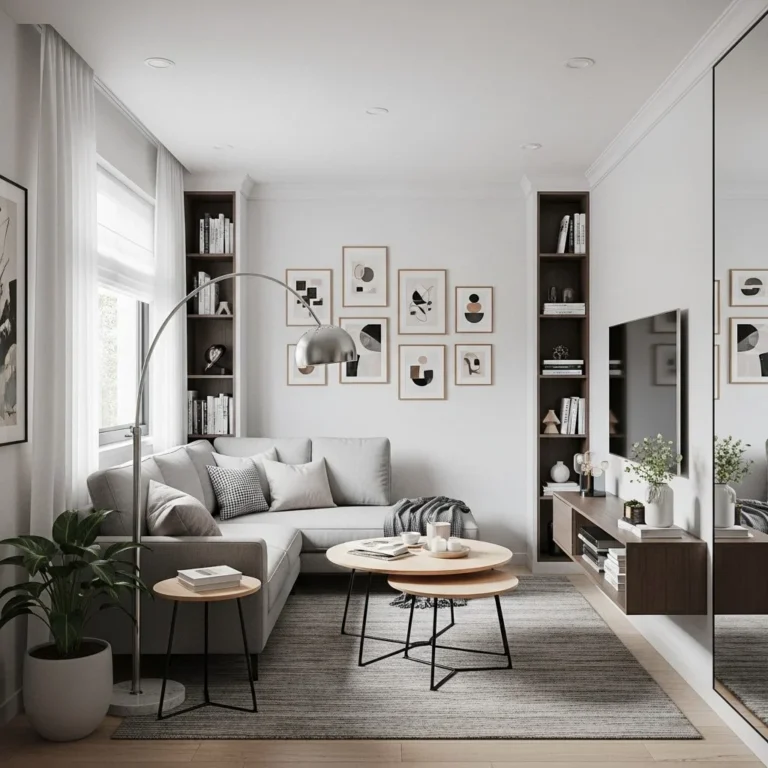
Relying on a single overhead light is a definitive architectural “downgrade” that leaves a room feeling flat, utilitarian, and visually “cheap.” This common pitfall creates harsh shadows and fails to define the different functional zones within a home, making even a well-furnished space feel uninviting. Neo-Deco effectively solves this by prioritizing layered lighting, which uses multiple light sources at varying heights to create depth, warmth, and a sense of luxury typical of high-end hotel suites or curated galleries. By integrating a mix of floor lamps, sculptural table lamps, and soft LED accents, you introduce a luminous complexity that instantly elevates the “visual weight” of your living room or bedroom. This design strategy is a staple for 2026 Pinterest-worthy interiors because it bridges the gap between basic utility and premium, bespoke aesthetics through the power of “glow.” A tall arc lamp provides a bold silhouette, while a pair of symmetrical bedside lamps adds the intentionality and balance required for a sophisticated sanctuary. Ultimately, a well-lit home acts as a vibrant, multi-dimensional retreat, proving that a high-end atmosphere is defined by the quality of its light rather than just the objects it illuminates.
Neo-Deco Lighting Formula:
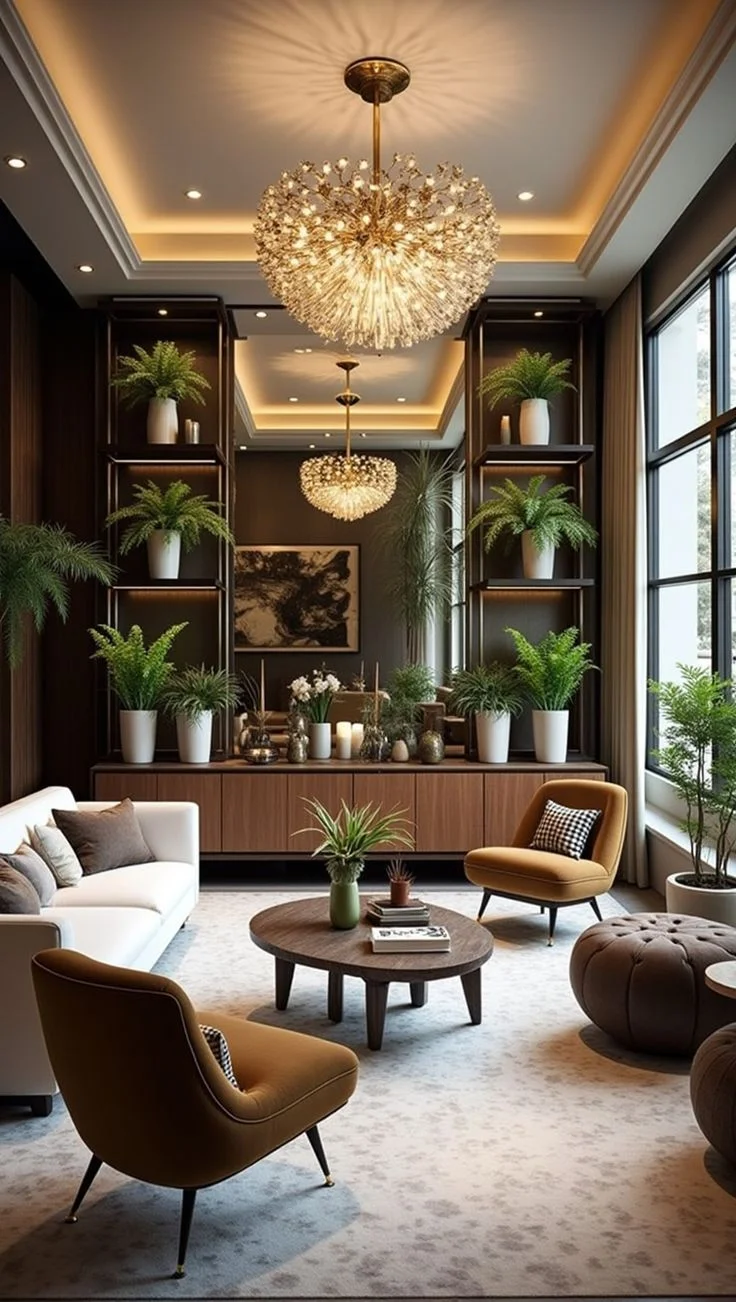
The Neo-Deco Lighting Formula is a definitive three-tier strategy designed to eliminate flat, “cheap” overhead glare and replace it with the atmospheric depth found in luxury hotels. By layering a statement ceiling fixture with a table or floor lamp and accent lighting, you create a “luminous hierarchy” that instantly provides architectural structure to a living room or bedroom. This approach effectively solves the problem of a room feeling utilitarian by using light to define specific zones and highlight the “visual weight” of your furniture and decor. Implementing this formula is a staple of 2026 Pinterest-worthy interiors because it bridges the gap between basic apartment lighting and premium, bespoke aesthetics through the power of a “warm glow.” A sculptural brass chandelier acts as the bold silhouette for the vertical plane, while symmetrical table lamps provide the intentionality and balance required for a sophisticated sanctuary. Adding accent lighting, such as wireless wall sconces or hidden LED strips behind a headboard or under shelving, introduces a layer of high-contrast “pop” that makes a small room feel significantly more expansive and curated. Ultimately, this triple-threat lighting strategy serves as the definitive anchor for your home’s mood, proving that a high-end atmosphere is defined by the quality of its shadows as much as its highlights.

4. High-Contrast Color Palette
A monochromatic, all-beige environment often reads as flat and uninspired, failing to provide the visual “pop” required for a refined, high-end look. In contrast, a high-contrast color palette is the definitive Neo-Deco strategy for introducing architectural depth, which inherently signals luxury. By pairing deep, moody tones with crisp, light foundations—such as Black + Cream + Brass or Emerald + Charcoal + Gold—you create a sophisticated “luminous hierarchy” that instantly anchors a living room or bedroom. This design strategy effectively solves the “cheap” look of builder-grade neutrals by using color to define the “visual weight” of your furniture and decor. A navy-and-ivory base paired with warm wood accents introduces a sense of intentionality and balance, a staple of 2026 Pinterest-worthy interiors. The high-contrast approach bridges the gap between affordable paint or textiles and premium, bespoke aesthetics through the power of “tonal drama.” Ultimately, a well-executed palette acts as the vibrant, multi-dimensional retreat your home deserves, proving that a sophisticated sanctuary is defined by the impact of its shadows as much as its highlights.

5. Furniture With Visual Weight
Lightweight, spindly furniture often creates a “floating” effect that makes a room feel unanchored and temporary, signaling a lack of architectural permanence. To correct this, the Neo-Deco swap prioritizes furniture with visual weight, which instantly provides the grounding necessary for a high-end, luxury atmosphere. By choosing pieces with thick legs, rounded edges, and solid silhouettes, you introduce a sense of “heft” that mimics bespoke, custom-made furniture. This design strategy effectively solves the problem of a space looking “cheap” by ensuring that even affordable MDF or flat-pack pieces appear expensive through the power of right proportions. In the context of 2026 Pinterest-worthy interiors, focusing on substantial forms is a staple for creating a sophisticated sanctuary that feels both expansive and profoundly curated. A solid, plinth-style coffee table or a sideboard with oversized, rounded hardware acts as a confident anchor for the living room, bridging the gap between budget-friendly finds and premium, architectural aesthetics. The “visual weight” of these pieces draws the eye and establishes a clear sense of intentionality and balance. Ultimately, prioritizing bold silhouettes over thin, fragile frames transforms your home into a vibrant, multi-dimensional retreat, proving that a sophisticated sanctuary is defined by the impact of its shapes as much as its finishes.

6. Symmetry That Calms the Eye
Symmetry is a definitive design principle that instantly signals intentionality, making a home feel expensive and curated rather than haphazard. In Neo-Deco styling, visual balance acts as an architectural “reset,” effectively solving the problem of a room feeling cluttered or “cheap” by calming the eye and providing a clear sense of order. By incorporating matching table lamps, twin accent chairs, or balanced wall decor, you introduce a rhythmic stability that is a staple of high-end hotel suites and 2026 Pinterest-worthy sanctuaries. This approach works because symmetry provides “visual weight” that grounds a space, bridging the gap between affordable furniture and premium, bespoke aesthetics. You don’t need mathematical perfection; simply mirroring the placement of a few key pieces—like two identical vases on a sideboard or a pair of sconces flanking a mirror—creates the high-contrast “pop” and structural depth required for a sophisticated retreat. Ultimately, a balanced layout serves as the definitive anchor for your living room or bedroom, proving that a luxurious atmosphere is defined by the harmony of its proportions as much as its finishes.

7. Metallic Accents (Used Sparingly)
While the allure of high-shine finishes is a hallmark of traditional Art Deco, the modern Neo-Deco approach dictates that metallic accents are most effective when used sparingly. Over-saturating a room with glossy gold or chrome often “cheapens” the aesthetic, creating a visual noise that feels dated rather than luxurious. By prioritizing brushed brass, antique gold, or matte black, you introduce a sophisticated “luminous hierarchy” that catches the light without overwhelming the senses. This design strategy effectively solves the problem of a space looking “flat” or “utility-grade” by adding targeted points of high-contrast interest. Integrating these metals into frames, lighting, trays, or furniture legs provides the architectural “pop” required for a 2026 Pinterest-worthy sanctuary. These materials act as a stylistic bridge between affordable, neutral furniture and premium, bespoke aesthetics, providing the “visual weight” that anchors a room’s composition. For instance, a coffee table with slim, antique gold legs or a matte black floor lamp provides a bold silhouette that draws the eye without disrupting the calm of a minimalist layout. Ultimately, a disciplined use of metallics serves as the definitive anchor for your home’s luxury feel, proving that a sophisticated retreat is defined by the quality of its finishes rather than the quantity of its shine.

8. Luxe Window Treatments That Touch the Floor
Short, “high-water” curtains that hover several inches above the baseboard are a primary culprit in making a room feel visually shrunken and “cheap.” To correct this, the Neo-Deco upgrade focuses on luxe window treatments that draw the eye upward and create a sense of architectural height. By hanging your curtain rod 4–6 inches higher than the actual window frame—or even up to the ceiling—and ensuring the fabric “kisses” or slightly puddles on the floor, you introduce a verticality that makes any living room or bedroom feel significantly more expansive and high-end. Choosing heavier fabrics such as velvet, thick linen, or blackout-lined cotton adds the necessary “visual weight” to anchor the room’s perimeter. This design strategy effectively solves the problem of “flat” or flimsy-looking windows by providing the structural depth and soft light-filtering typical of a premium, bespoke sanctuary. In the context of 2026 Pinterest-worthy interiors, this single change acts as a stylistic bridge, transforming a basic rental or builder-grade space into a luminous, curated retreat. Ultimately, well-proportioned drapery serves as the definitive anchor for your home’s vertical plane, proving that a sophisticated atmosphere is defined by the impact of its proportions as much as its finishes.

9. Statement Coffee Table Styling
An empty or cluttered coffee table acts as a visual “dead zone” that disrupts the flow of a room, causing even a high-end space to feel unfinished or disorganized. To correct this, the Neo-Deco Styling Formula provides a definitive three-part structure that instantly introduces “visual weight” and intentionality. By combining one large book, one sculptural object, and one organic element (such as stone, wood, or greenery), you create a sophisticated “luminous hierarchy” on the horizontal plane that serves as a high-contrast focal point for the entire living room. This formula effectively solves the problem of “flat” surfaces by layering different heights, textures, and silhouettes. In the context of 2026 Pinterest-worthy interiors, this approach bridges the gap between affordable furniture and premium, bespoke aesthetics through the power of curated composition. A bold art book provides a sturdy base, a metallic or ceramic sculptural piece adds an architectural “pop,” and a touch of nature—like a moss bowl or a piece of driftwood—introduces the soft, grounding warmth required for a sophisticated sanctuary. Ultimately, a well-styled coffee table acts as the definitive anchor for your seating area, proving that a high-end retreat is defined by the impact of its smallest details as much as its largest finishes.
10. Moody Bedrooms With Hotel Energy
Bright, stark bedrooms often lack the atmospheric depth required for a restful sanctuary, sometimes feeling juvenile or unanchored rather than sophisticated. To correct this, the Neo-Deco bedroom upgrade focuses on creating moody spaces with “hotel energy” through high-contrast textures and deliberate “visual weight.” By introducing a dark accent wall in charcoal, navy, or forest green, you provide an architectural backdrop that instantly grounds the room, effectively solving the “flat” look of standard builder-grade neutrals. An upholstered headboard in a rich fabric like velvet or bouclé serves as the room’s bold silhouette, acting as a stylistic bridge between affordable furniture and premium, boutique-hotel aesthetics. Layering this with bedding in rich tones—think forest green linens paired with matte black accents—creates a luminous hierarchy of textures that feels both expansive and profoundly curated. This design strategy is a staple for 2026 Pinterest-worthy interiors because it transforms a utilitarian sleeping area into a vibrant, multi-dimensional retreat. Ultimately, a moody palette acts as the definitive anchor for your bedroom’s mood, proving that a high-end atmosphere is defined by the quality of its shadows and the harmony of its finishes.
11. Headboards That Anchor the Room
A basic metal bed frame often lacks the “visual weight” required to anchor a bedroom, leaving the space feeling temporary or unrefined. To correct this, the Neo-Deco headboard upgrade focuses on substantial, architectural forms that serve as the room’s definitive focal point. By prioritizing tall upholstered headboards with channel tufting or curved and arched shapes, you introduce a bold silhouette that instantly elevates a standard sleeping area into a luxury sanctuary.
This design strategy effectively solves the problem of a “flat” or juvenile bedroom by providing a soft, vertical anchor that draws the eye upward and mimics the curated feel of a high-end boutique hotel. In the context of 2026 Pinterest-worthy interiors, these sculptural headboards act as a stylistic bridge between affordable foundations and premium, bespoke aesthetics. Whether in a moody jewel tone or a textured neutral like bouclé, a well-chosen headboard provides the structural depth and intentionality required for a sophisticated retreat. Ultimately, a substantial headboard serves as the definitive anchor for your vertical plane, proving that a high-end atmosphere is defined by the impact of its proportions and the quality of its finishes.

12. Decorative Mirrors With Architectural Impact
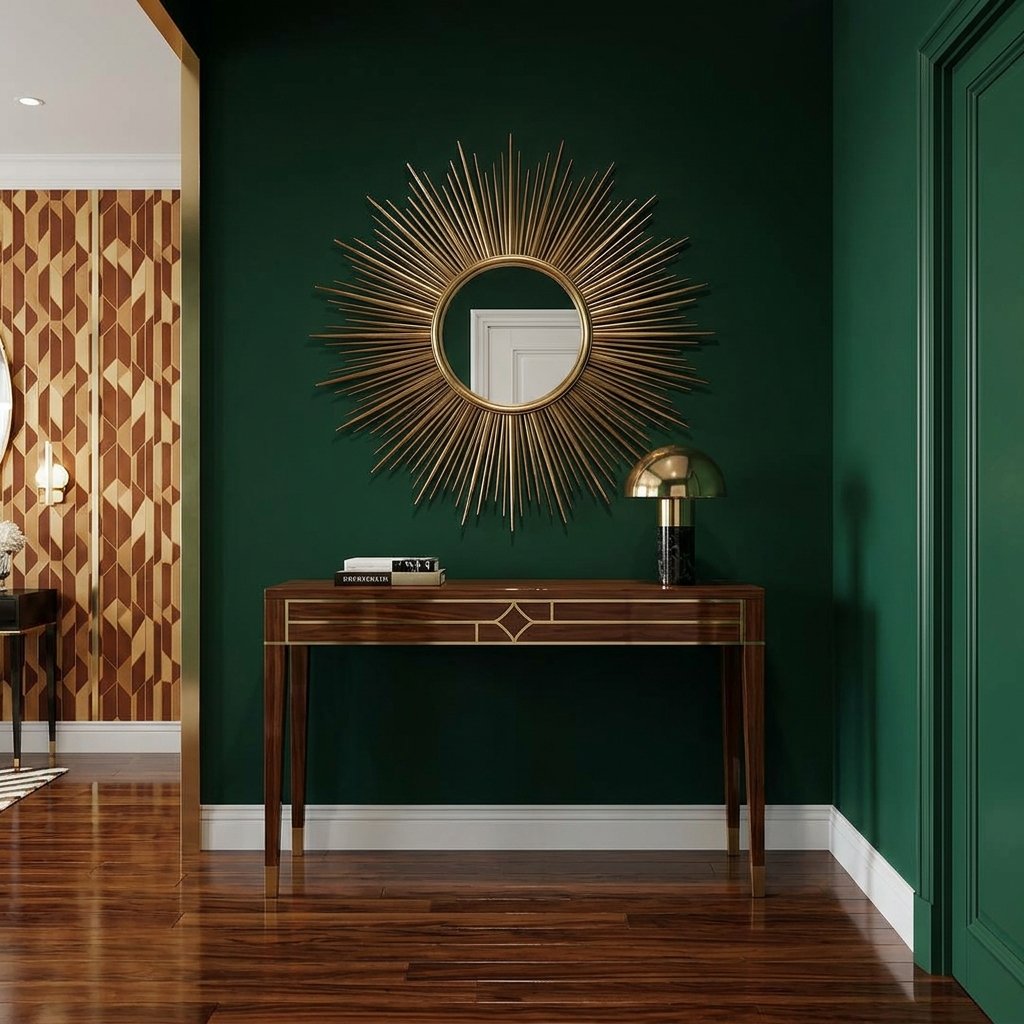
In the Neo-Deco framework, mirrors are treated as architectural power tools rather than mere functional objects. A basic, frameless mirror often feels utilitarian and “flat,” whereas a decorative mirror with architectural impact provides the necessary “visual weight” to anchor a wall. By prioritizing arched silhouettes, geometric frames, and antique gold finishes, you introduce a bold focal point that mimics the look of a custom structural element, effectively solving the problem of a room looking generic or “cheap.” These styles are a staple of 2026 Pinterest-worthy interiors because they serve a dual purpose: they reflect light to create a luminous, expansive atmosphere while simultaneously providing the high-contrast “pop” required for a sophisticated sanctuary. An oversized arched mirror leaning against a wall or a pair of symmetrical geometric mirrors flanking a doorway bridges the gap between affordable decor and premium, bespoke aesthetics. Ultimately, a well-placed decorative mirror acts as the definitive anchor for your vertical plane, proving that a high-end retreat is defined by the impact of its reflections as much as its finishes.

13. Entryway Styling That Sets the Tone
The entryway is the architectural “handshake” of a home, yet it is often the most overlooked or cluttered space. A haphazard entry with mismatched hooks and shoe piles signals a lack of intentionality, making even a large home feel “cheap” and unanchored. The Neo-Deco Entry Setup effectively solves this by creating a streamlined, high-contrast focal point that instantly provides “visual weight” and a sense of luxury. By prioritizing a slim console table with a statement mirror and a sculptural bowl or lamp, you introduce a luminous hierarchy that defines the tone for the rest of your sanctuary.

14. Texture, Texture, Texture
A “flat” room is often the result of using too many smooth, synthetic, or uniform surfaces, which strips a space of its depth and makes it feel utilitarian rather than curated. In Neo-Deco design, texture is the primary tool for creating “visual richness,” providing the tactile complexity that signals a high-end, bespoke environment. By layering contrasting materials—such as the soft pile of velvet, the looped grain of bouclé, and the organic warmth of wood and stone—you introduce a luminous hierarchy that instantly provides “visual weight” to even the simplest room. This strategy effectively solves the problem of a “cheap” or generic aesthetic by replacing visual boredom with sensory interest. Pairing a crisp linen sofa with a heavy bouclé throw and a fluted wood side table creates a sophisticated sanctuary that feels both expansive and profoundly anchored. In the context of 2026 Pinterest-worthy interiors, this layering of “statement” textures bridges the gap between affordable furniture and premium, architectural aesthetics. Ultimately, a multi-textured room acts as a vibrant, multi-dimensional retreat, proving that a sophisticated sanctuary is defined by the harmony of its surfaces as much as its silhouettes.

15. Elevated Small Space Styling
To transform a home from “cheap” to curated, the Neo-Deco approach replaces fragmented, lightweight decor with intentional elements that provide significant visual weight and architectural depth. By swapping mismatched small frames for a single oversized geometric art piece and trading boxy, thin-legged furniture for sculptural, channel-tufted silhouettes in rich textures like velvet or bouclé, you instantly ground the room and eliminate a “temporary” aesthetic. This high-end transformation is further solidified by a three-tier lighting formula—combining statement ceiling fixtures with task lamps and accent LEDs—and a high-contrast color palette like black, cream, and brass, which creates the luminous hierarchy found in boutique hotels. Ultimately, through the disciplined use of symmetry, heavy window treatments that kiss the floor, and a “less but better” styling philosophy for surfaces like the coffee table or entryway, even a small space becomes a sophisticated, multi-dimensional sanctuary that feels profoundly expensive and permanent.

16. Dining Areas With Sculptural Chairs
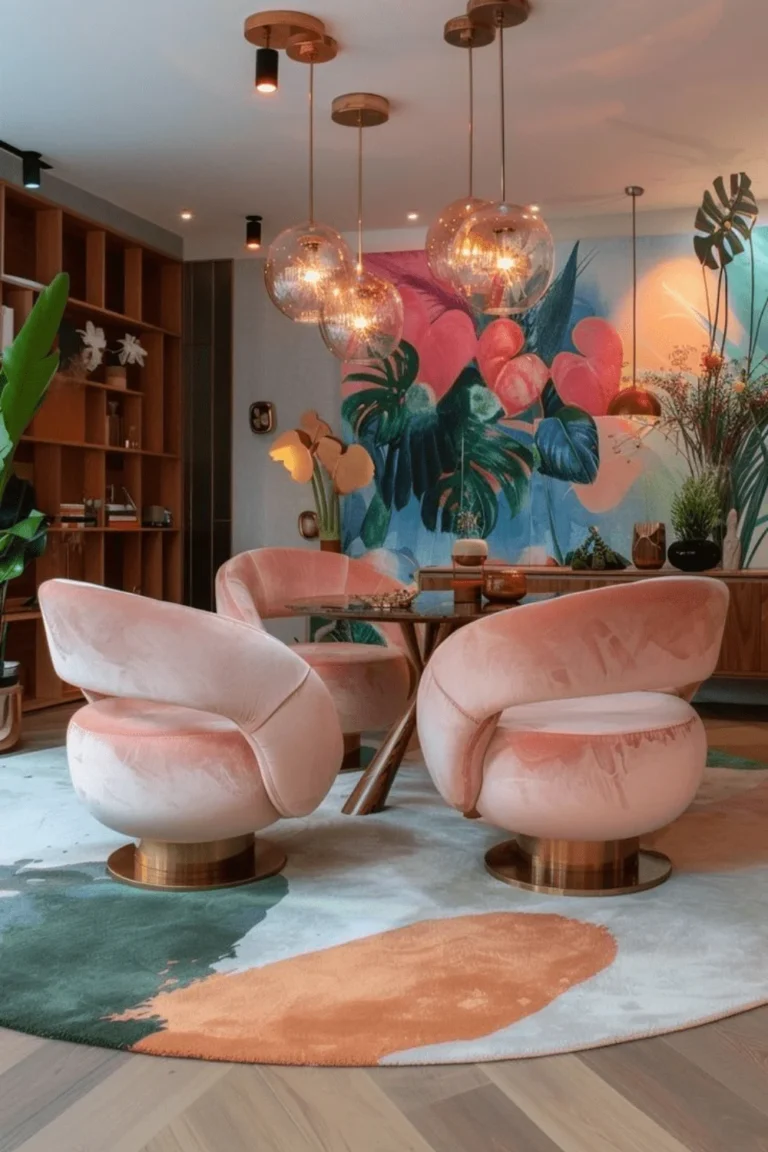
The common mistake in dining area design is opting for “basic,” thin-legged chairs that offer no visual support, causing the entire setup to feel temporary and utilitarian. To correct this, the Neo-Deco dining upgrade focuses on sculptural chairs—incorporating curved silhouettes, upholstered velvet or bouclé, and mixed materials like brushed brass or dark wood—to provide the necessary “visual weight” that anchors the room. This shift from utility to artistry effectively solves the problem of a “cheap” dining space by introducing a bold silhouette that mimics the bespoke, high-end atmosphere of a luxury restaurant.

17. Thoughtful Negative Space
Overdecorating is the primary enemy of a high-end aesthetic, as a cluttered environment lacks the architectural “breathing room” required for a sophisticated sanctuary. Adopting a “less but better” designer rule allows for thoughtful negative space, which signals a sense of confidence and intentionality that defines luxury. By leaving select surfaces or walls intentionally empty, you introduce a powerful contrast that allows your most substantial, bold silhouettes—such as a curved bouclé sofa or a statement arched mirror—to truly anchor the room. This strategic restraint effectively solves the problem of “flat” or chaotic interiors, creating a luminous hierarchy where every object has room to be appreciated. Ultimately, embracing the void bridges the gap between affordable decor and premium, bespoke aesthetics, proving that a 2026 Pinterest-worthy home is defined by its balance as much as its beauty.

18. Cohesive Color Flow Between Rooms
When rooms are treated as isolated color experiments, the lack of visual harmony creates a disjointed experience that feels “cheap” and visually shrinking. The Neo-Deco fix for this is cohesive color flow, a strategy where key tones—such as a specific brushed brass, charcoal, or cream—are repeated across different spaces to create a seamless architectural narrative. By pulling a secondary color from your living room (like an emerald velvet) and using it as a primary accent in your dining area or bedroom, you introduce a “luminous hierarchy” that signals intentionality and luxury. This approach effectively solves the problem of “flat” transitions by providing a consistent “visual weight” that anchors the entire home, rather than just one corner. In the context of 2026 Pinterest-worthy interiors, maintaining this tonal thread bridges the gap between basic apartment living and a premium, bespoke sanctuary. Ultimately, a unified palette acts as a vibrant, multi-dimensional retreat, proving that a sophisticated home is defined by the quality of its transitions as much as its individual finishes.

19. Affordable “Luxury Look” Materials
Achieving a high-end, luxury aesthetic does not require a quarry-direct budget; instead, it relies on selecting high-impact alternatives that mimic the “visual weight” and luminous properties of premium materials. By prioritizing faux marble (such as high-quality quartz or porcelain), ceramic stone finishes, and MDF with high-gloss lacquer, you introduce a sophisticated “luminous hierarchy” that effectively solves the problem of a “cheap” or flat-looking interior. These materials act as an architectural bridge, providing the bold silhouettes and reflective depth typical of bespoke, 2026 sanctuaries without the artisanal price tag.

20. One Bold “Wow” Moment Per Room
Luxury homes are defined by a singular, commanding focal point that provides the necessary visual weight to anchor the entire room. To achieve this, the Neo-Deco strategy dictates choosing one bold “wow” moment—such as statement lighting, an oversized art piece, or a unique sculptural furniture item—and allowing every other element to act as a quiet supporting cast. This “luminous hierarchy” effectively solves the problem of a “flat” or cluttered aesthetic by creating a clear destination for the eye, signaling a level of intentionality found in premium, bespoke sanctuaries. In the context of 2026 Pinterest-worthy interiors, this “less but better” approach bridges the gap between affordable foundations and high-end architectural depth. Ultimately, a single bold silhouette serves as the definitive anchor for your space, proving that a sophisticated retreat is defined by the impact of its strongest feature rather than a collection of competing accents.

Final Thoughts:
The fear that your home looks cheap usually isn’t about money—it’s about confidence in your design choices. Neo-Deco teaches us that when every piece has purpose, balance, and presence, your home naturally feels elevated. You don’t need to redo everything. Start with one room, one statement, one upgrade—and let the confidence build. Want more modern home decor ideas like this?
Explore related guides, subscribe for weekly inspiration, and don’t forget to save this post to Pinterest for your next makeover moment.