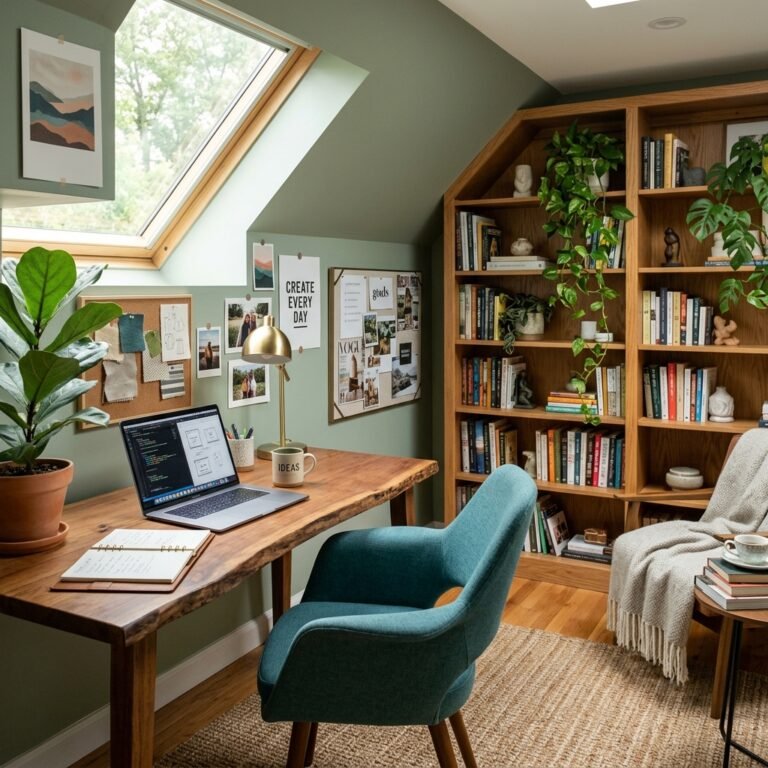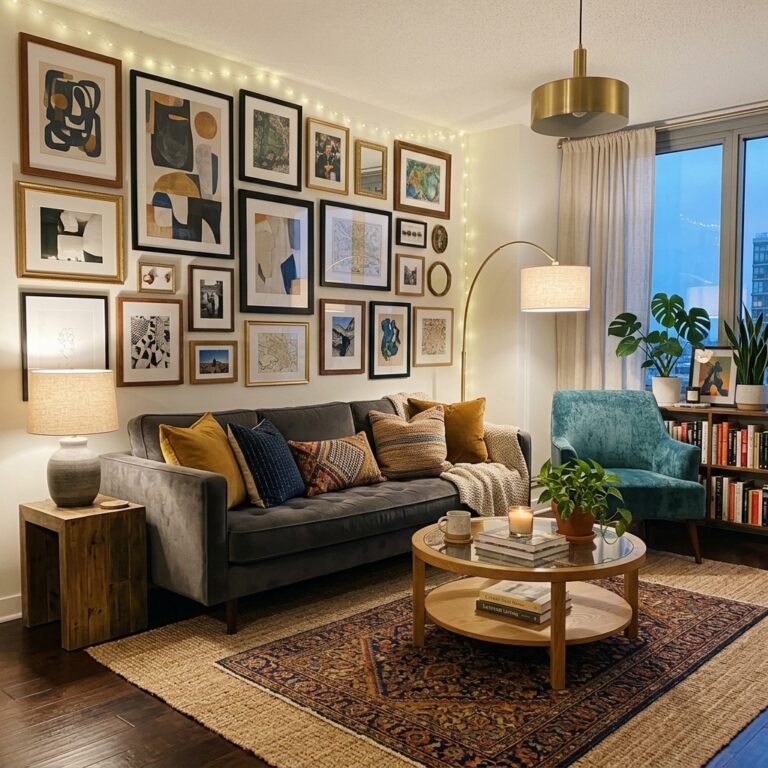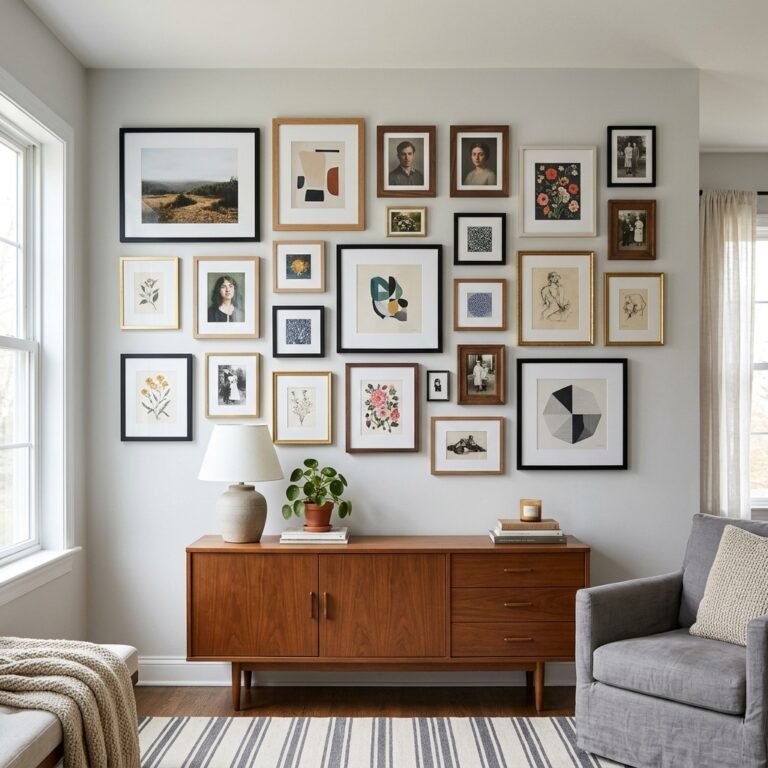
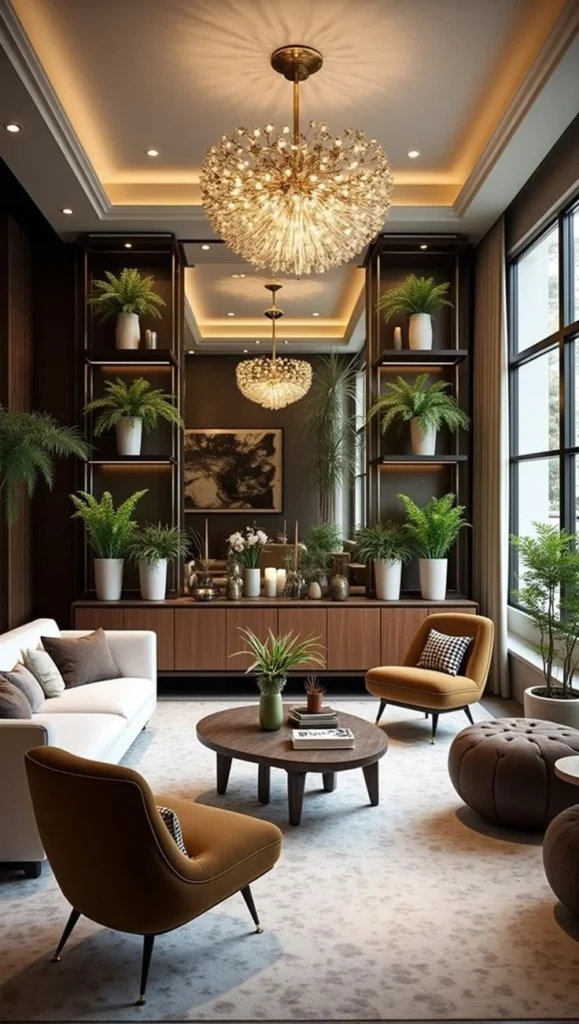
You walk into a friend’s living room and think, “This feels expensive.” Nothing in it is obviously pricey. There is no gold leaf and no giant chandelier. So what is she doing that you aren’t?
Usually it comes down to restraint and proportion, not budget. A $900 sofa in a calm room beats a $4,000 sofa surrounded by clutter. Luxury is a set of small decisions: how high you hang a pendant, how long your curtains run, how many objects sit on the coffee table.
Below are 20 of those decisions, with measurements and materials you can act on this weekend. Some cost nothing. A few are worth saving for. Pick three, not twenty, and start there.

Build a Warm Neutral Palette With Three Shades
Pick three neutrals and stick to them: one light (warm white), one mid (greige or oatmeal), and one deep (charcoal or espresso). Use roughly 60 percent light, 30 percent mid and 10 percent deep. That ratio gives the room depth without color doing the work.
Check undertones in daylight and again at 8 p.m. under lamps. A cool gray wall beside a cream sofa looks muddy, not chic. Paint a two-foot sample square and live with it for two days before you commit.

Layer Statement Lighting at Three Heights
Overhead light alone flattens a room. Layer three heights: a ceiling or pendant fixture, lamps at table level, and sconces or a picture light at eye level. Hang a dining pendant 30 to 36 inches above the tabletop.
Choose bulbs around 2700K for a warm glow, and put every fixture on a dimmer. A basic dimmer switch is one of the cheapest upgrades on this list. One sculptural piece, such as an oversized pendant or an arc floor lamp, is plenty. Two competing statements fight each other.

Spend on One Hero Piece With Clean Lines
In a furniture store, the sofas blur together. The ones that look expensive share a few traits: a straight or gently curved back, tight seams, and legs that show floor. Put most of your budget into the piece you touch daily, usually the sofa or the bed.
Test it. Sit for five minutes, lift one corner to feel for a solid hardwood frame, and press the cushions to check for firm foam. Then fill in around it with simpler secondhand or mid-range pieces. One excellent sofa beside an average side table looks deliberate.

Layer Textures Instead of Adding More Stuff
A neutral room can feel flat or feel rich. The difference is texture. Aim for four materials in your sight line: something nubby (boucle or linen), something smooth (velvet or leather), something hard (stone or glass) and something warm (wood or wool).
Try a linen curtain, a velvet pillow and a wool rug together. Keep the color tight so the surfaces do the talking. In a small apartment, choose finer textures, like a herringbone throw, so the room doesn’t feel busy. Add one texture at a time and step back before the next.

Hang One Oversized Piece at Eye Level
Three tiny frames scattered across a big wall is the fastest way to look temporary. Go bigger. Choose a single piece that fills two-thirds to three-quarters of the width of the furniture beneath it. Hang it so the center sits 57 to 60 inches from the floor.
Abstract canvases and black-and-white photography both work. If a large original is out of budget, a big print with a deep mat and a solid wood frame reads far pricier than a small original. Add a picture light for evening drama.

Use Marble and Stone in Small, Honest Doses
A marble coffee table can cost thousands. A marble tray under your soap dispenser costs far less and gives the same cool, heavy feel. Start with things you touch: a tray, bookends, a lamp base.
Know the trade-off. Polished marble etches when lemon juice or wine lands on it. Honed finishes hide the dull rings better, and a sealer helps. Near the stove or sink, consider quartzite or a good marble-look porcelain. Stick to one stone type per room so the veining doesn’t compete.

Use Symmetry to Anchor the Room
Symmetry tells your eye where to rest. Start with one focal point, such as a fireplace, a window or the bed. Mirror things around it: matching lamps, matching chairs, identical shelves.
You don’t need every item to match. Keep the big pieces identical and let small ones vary slightly. Bookends on either side of a console can hold different objects of equal weight. Break the pattern once on purpose, with a single plant or a stack of books, so the room feels lived in.

Edit Down to Luxe Minimalism
Luxury minimalism isn’t an empty room. It’s fewer things, each one better. Try this: clear a shelf, then return only half of what was there. Leave about one-third of any wall or surface empty so pieces can breathe.
Choose honed stone, solid oak and plaster-look walls over lots of small accents. Hide cords, remotes and chargers in lidded boxes. If your household collects things, give clutter one closed home, like a cabinet, so open surfaces stay calm.

Style the Bed Like a Five-Star Hotel
The bed is the biggest visual element in your bedroom, so style it first. Start with white or ivory percale or sateen sheets, a slightly loose duvet and a folded throw at the foot.
On a queen bed, use five pillows: two for sleeping, two standard shams and one lumbar or Euro. Vary sizes and textures, but keep the palette tight. An upholstered headboard wider than the mattress adds weight. Place matching lamps at the same height on each side, and smooth the duvet every morning.

Warm Up Stone and Metal With Natural Wood
Too much marble and chrome feels like a showroom. Wood fixes that. Choose one species and one tone for the room, such as white oak, walnut or ash. Then repeat it two or three times: a coffee table, a shelf, a picture frame.
Visible grain looks pricier than heavy stain or gloss. Slat wall panels add texture and soften echo, which helps in rooms with hard floors. If you rent, try peel-and-stick slat panels or a freestanding wood room divider. Keep tones in one warm or cool family so they don’t clash.

Curate Surfaces Using the Rule of Three
Look at your coffee table right now. If it holds seven small things, it reads as clutter. Group items in threes at different heights: a short stack of books, a bowl and a vase. The eye reads that triangle as finished.
Use odd numbers on mantels and consoles. Leave a hand’s width of bare surface around each group. Rotate objects seasonally and store the rest. A restrained tabletop signals you can afford to leave space empty, and that restraint is part of the look.

Soften Straight Lines With Curved Furniture
A room made only of boxes feels stiff. Add one or two curves: a round coffee table, an arched mirror, a curved sofa or a boucle accent chair. Curves also solve practical problems. A round table has no corners to bump in a tight walkway.
Keep the rest of the furniture plainly shaped so the curve stands out. More than three curved statement pieces in one room starts to feel like a theme, and themes date quickly.

Use Mirrors to Borrow Light
Put the mirror where it reflects something worth doubling: a window, a lamp or a piece of art. A mirror facing a blank wall or the back of a sofa wastes its job. Hang one 4 to 8 inches above a console so the two read as a unit.
A leaning floor mirror at least 60 inches tall gives a relaxed, gallery feel. Choose thick frames in brass, blackened steel or wood. Vintage mirrors with slight aging add character that new ones can’t fake. Skip thin, flimsy frames.

Anchor the Room With a Properly Sized Rug
Most rugs look cheap because they’re too small. In a living room, at least the front legs of every seat should sit on the rug. That usually means an 8-by-10 or 9-by-12 feet. Leave 8 to 18 inches of bare floor to the walls.
Wool and wool blends wear better and feel richer than polyester. With kids or pets, choose a low pile and a muted vintage pattern, which hides stains. In an open plan, use a second rug in the dining area from the same color family.

Make the Dining Table the Centerpiece
Plan 24 inches of table width per person, and leave at least 36 inches between the table edge and the wall so chairs slide out. A table that squeezes the room never looks luxurious, however nice it is.
Choose a substantial base in brass, blackened steel or solid wood, and pair it with simple upholstered chairs. A marble top is beautiful but demanding, so use coasters and wipe spills quickly. Keep centerpieces under 12 inches tall so guests can see each other.

Use Metallic Finishes Sparingly
Metal works like jewelry. One or two pieces look polished; ten look costume. Pick one dominant finish for the room, such as unlacquered brass or brushed nickel, and repeat it three times at different scales: a pendant, a cabinet pull and a picture frame.
Add a second metal only in small accents, like a blackened-steel lamp base. Unlacquered brass develops a patina with age, which many people love. Lacquered brass stays bright. Decide which you want before you buy.

Hang Curtains High, Wide and Floor Length
Cheap curtains hang at the window frame and stop above the floor. Expensive ones hang 4 to 6 inches above the frame, or near the ceiling, and just kiss the floor. Extend the rod 8 to 12 inches past each side of the window.
Buy panels at least twice the window width so they look full when closed. Choose heavy linen or lined velvet in a tone close to the wall. There is a practical bonus. The U.S. Department of Energy reports that closing drapes at night can reduce winter heat loss by about 10 percent. Snug-fitting drapes with a cornice can reach up to 25 percent.

Turn the Bathroom Into a Spa
Think of the last hotel bathroom you loved. It was probably warm in tone, softly lit and nearly clutter-free. Copy that. Mount dimmable sconces at eye level on either side of the mirror, roughly 60 to 66 inches from the floor, with 2700K bulbs.
A floating vanity shows the floor, which makes a small room feel larger. Swap plastic bottles for one glass or ceramic set. Add thick white towels rolled in a basket and a single stone tray. Choose finishes that tolerate steam and water.

Add One Large Plant in a Quality Pot
One big plant beats six small ones. Choose a single sculptural plant, 4 to 6 feet tall, such as an olive tree, a fiddle leaf fig or a rubber plant. Match it to your light. Olive trees need several hours of bright sun, while a rubber plant tolerates less.
Set it in a matte ceramic or stone pot at least 2 inches wider than the nursery pot, and hide the plastic liner. A dying plant looks worse than none, so be honest about your light. If you travel often, try a preserved olive branch in a tall vase instead.

Add Personal Details That Tell Your Story
A staged room looks beautiful and feels like nobody lives there. Add things with history: a framed print from a trip, your grandmother’s bowl, a stack of books you have actually read. Mix them into your neutral base so they glow instead of clutter.
Limit yourself to one personal object per surface. Frame it well. A $12 print with a wide mat and a good frame looks like a gallery piece. Stack books horizontally with a small object on top. The goal is a room that looks expensive and unmistakably yours.

Common Luxury Decor Mistakes to Avoid
Even a good plan goes sideways on a few predictable errors. Check your room against these before you buy anything.
Buying the Whole Matching Set
A sofa, loveseat and chair in one fabric looks like a showroom. Mix two or three related tones and materials instead.
Choosing a Rug or Art Piece That Is Too Small
Undersized pieces are the most common reason an expensive room looks unfinished. Measure first, then buy bigger than feels comfortable.
Relying on One Ceiling Light
A single overhead fixture and cool white bulbs make any room look clinical. Add lamps, use warm 2700K bulbs and install dimmers.
Stacking Several Trends at Once
Boucle, curves, fluted wood and a statement chandelier in one room will date it fast. Choose one trend piece and keep the rest classic.
Ignoring Circulation
Plan for 30 to 36 inches of clear walkway around furniture. A gorgeous table that forces you to squeeze past it never feels luxurious.
Luxury Home Decor FAQs
How do I make my home look luxurious on a budget?
Start with changes that cost little: raise your curtain rods, add dimmers and warm bulbs, clear half your surfaces and size your rug correctly. Save your budget for one daily-use piece, like the sofa or bed.
What colors look the most expensive?
Warm neutrals with one deep accent, such as charcoal or espresso, read as expensive because they look calm and cohesive. Keep the palette to three shades and add interest through texture.
How can I get a luxury look in a small apartment?
Choose one hero piece, hang curtains near the ceiling, place a mirror opposite a window and edit your shelves. Our guide to luxury small apartment design on a budget goes further.
Is real marble worth the upkeep?
For a tray, lamp base or coffee table, yes. It etches when it meets acids like lemon juice or wine, so choose a honed finish and use a sealer. For kitchen counters, quartzite or marble-look porcelain is more forgiving.
How many metal finishes should one room have?
Pick one dominant finish and repeat it three times. A second metal in a small accent is fine. Three or more usually looks accidental.
Make It Feel Like Yours
Luxury isn’t something you buy in one trip. It’s a handful of decisions made well: a properly sized rug, curtains hung high, one good lamp, a tabletop with room to breathe.
Start with the free changes. Clear a surface, move a mirror, rehang a picture. Then save for the one piece you’ll touch every day. For room-specific ideas, see our luxury living room decor inspiration.