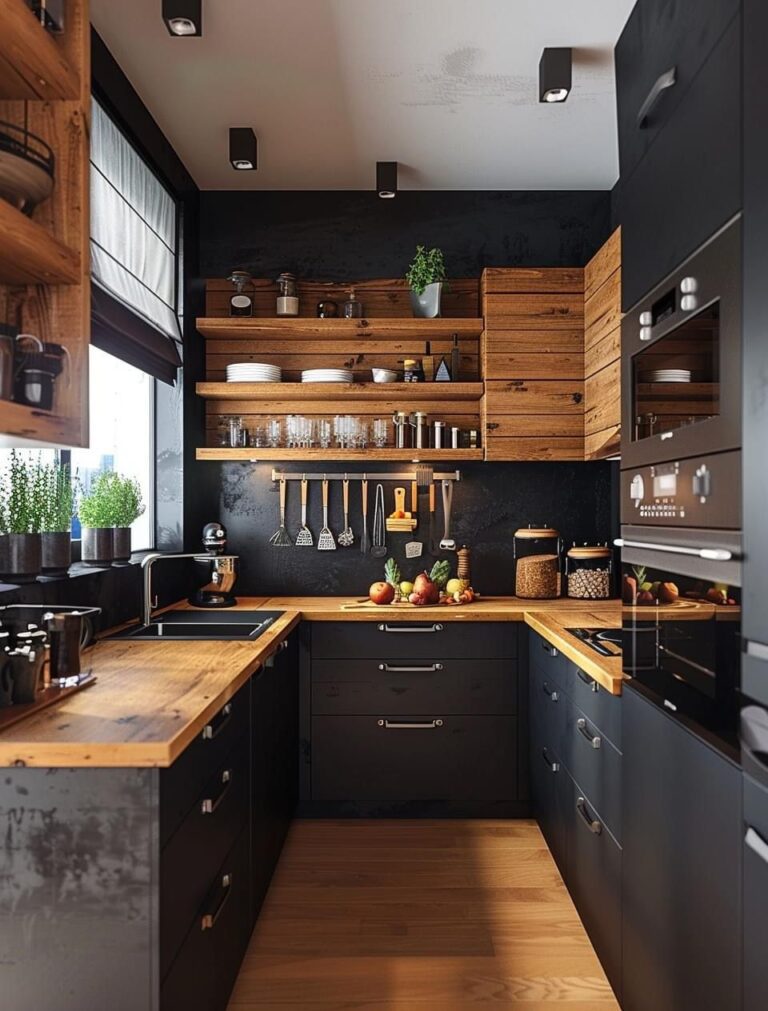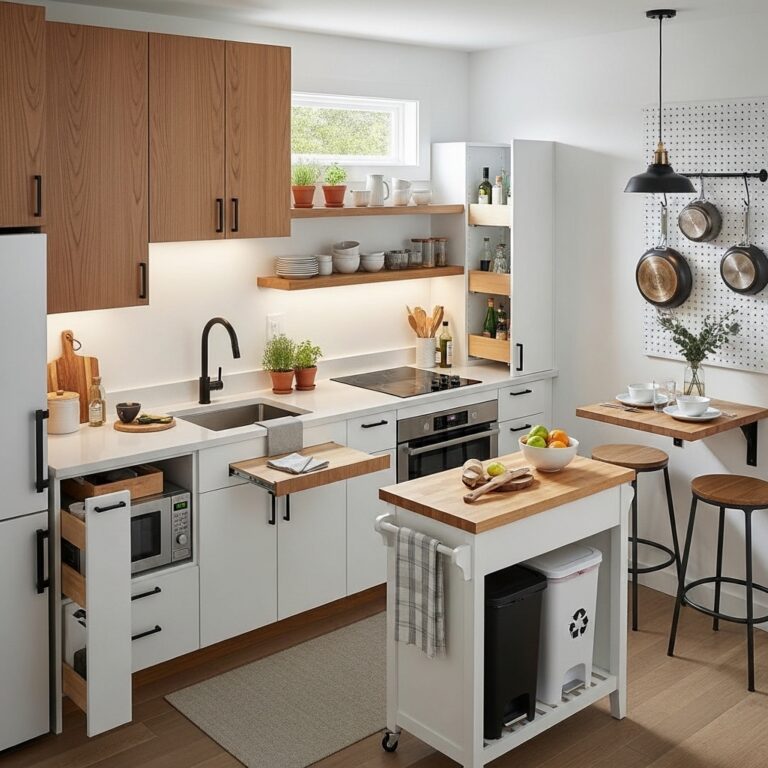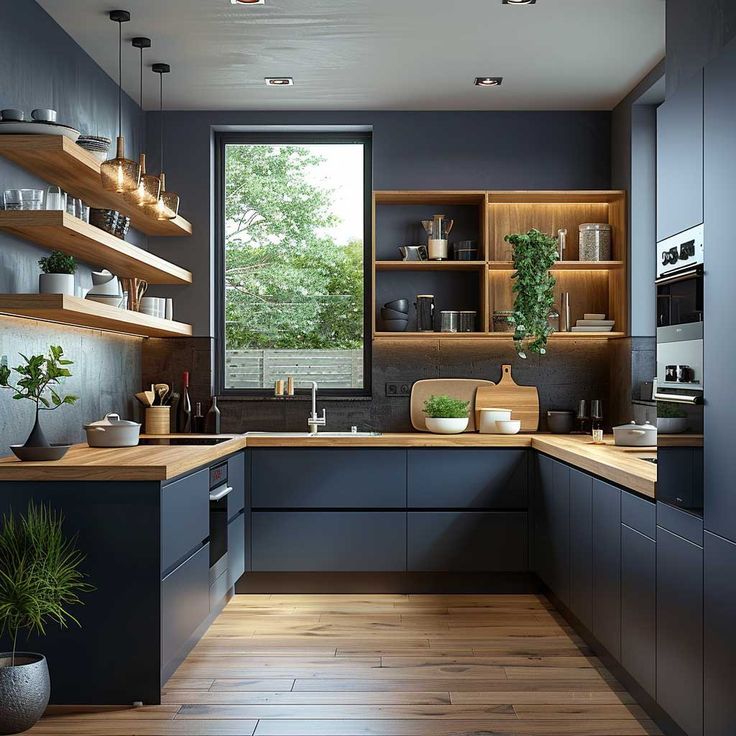
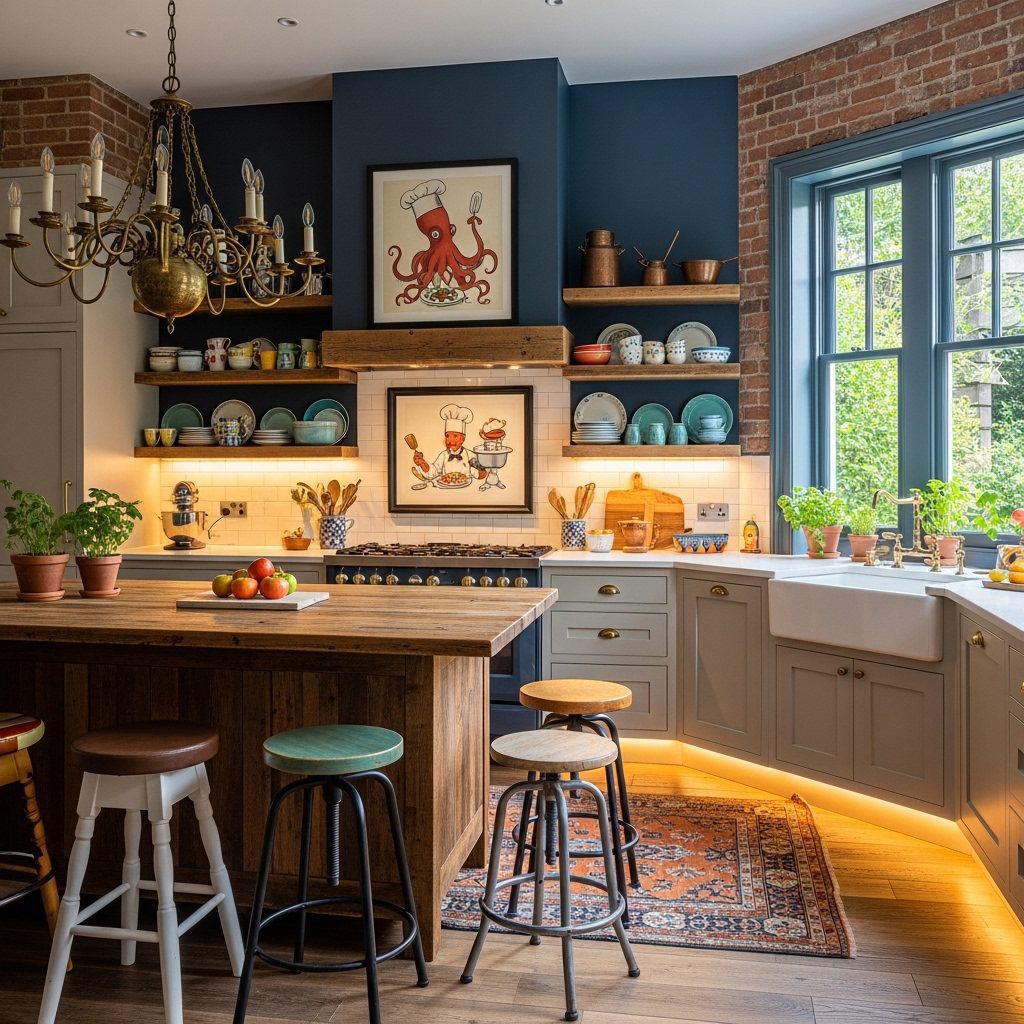
A kitchen that truly resonates transcends fleeting trends, focusing instead on a layered, personal, and intentional atmosphere. The magic lies in the intersection of thoughtful details and tactile textures, creating a space that feels simultaneously luxe and inviting. These 25 curated ideas move beyond conventional advice to infuse your kitchen with authentic personality and warmth. By prioritizing aesthetic appeal alongside realistic functionality, you can cultivate a sophisticated environment that feels fresh and uniquely yours. Whether focusing on organic elements or streamlined organization, these small design choices ensure the heart of your home remains a functional, high-impact sanctuary.
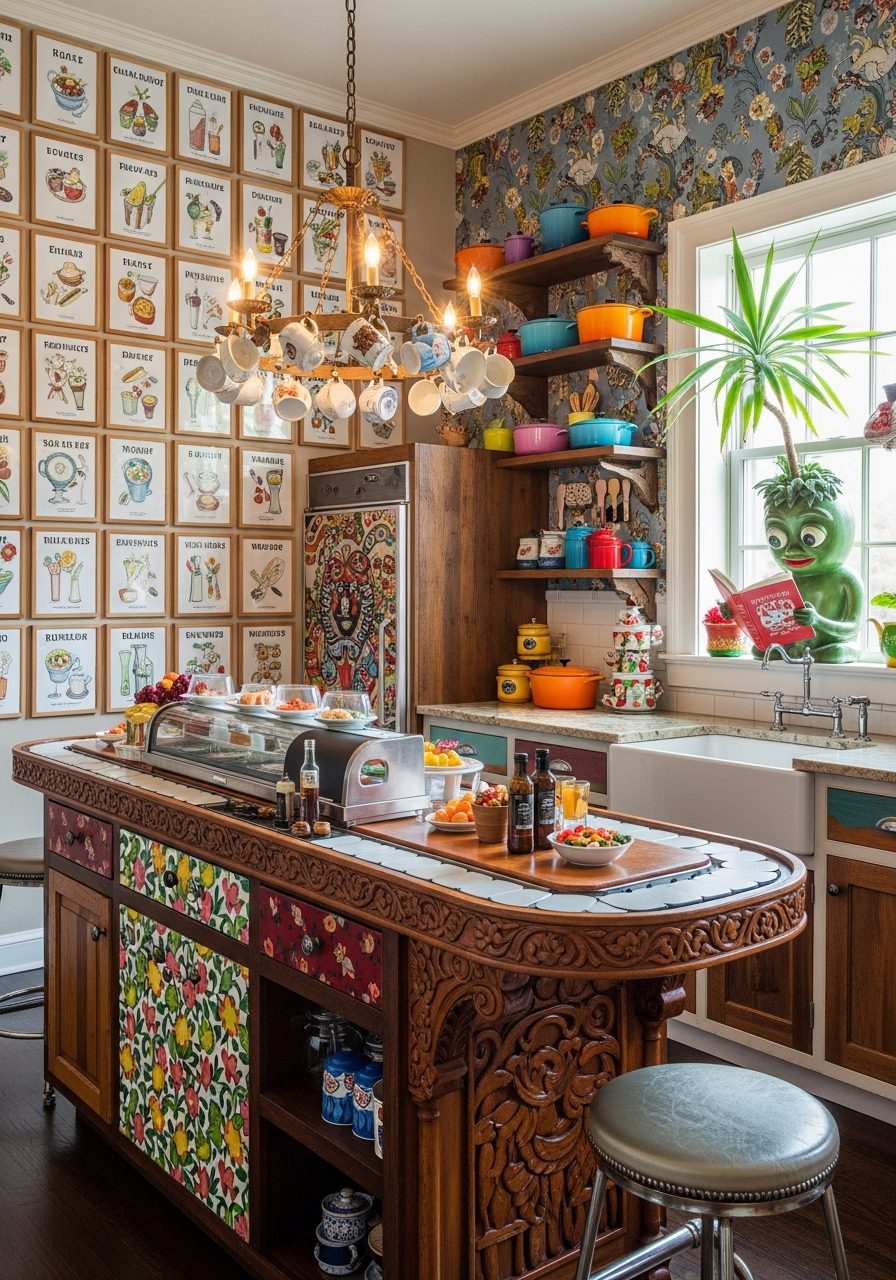
1. Soft Glow Layered Lighting
Layered lighting is one of the easiest ways to make a kitchen feel luxe and inviting. By combining pendant lights, overhead fixtures, under-cabinet strips, and even subtle accent lamps, you create depth and flexibility. Each type of lighting serves a purpose: pendant lights provide focused illumination, under-cabinet LEDs highlight workspaces, and soft accent lights enhance ambiance in the evenings. Using warm tones adds a cozy, welcoming feel, while cooler tones can feel modern and sleek. Layered lighting also draws attention to textures and finishes like marble countertops, wooden cabinets, and backsplash tiles. Instead of relying on one harsh overhead light, layering illuminates the kitchen in multiple directions, making it look brighter, more spacious, and professionally designed. This approach creates a dynamic atmosphere that feels both functional and cozy, giving your kitchen an effortlessly elevated vibe that’s perfect for both cooking and entertaining.
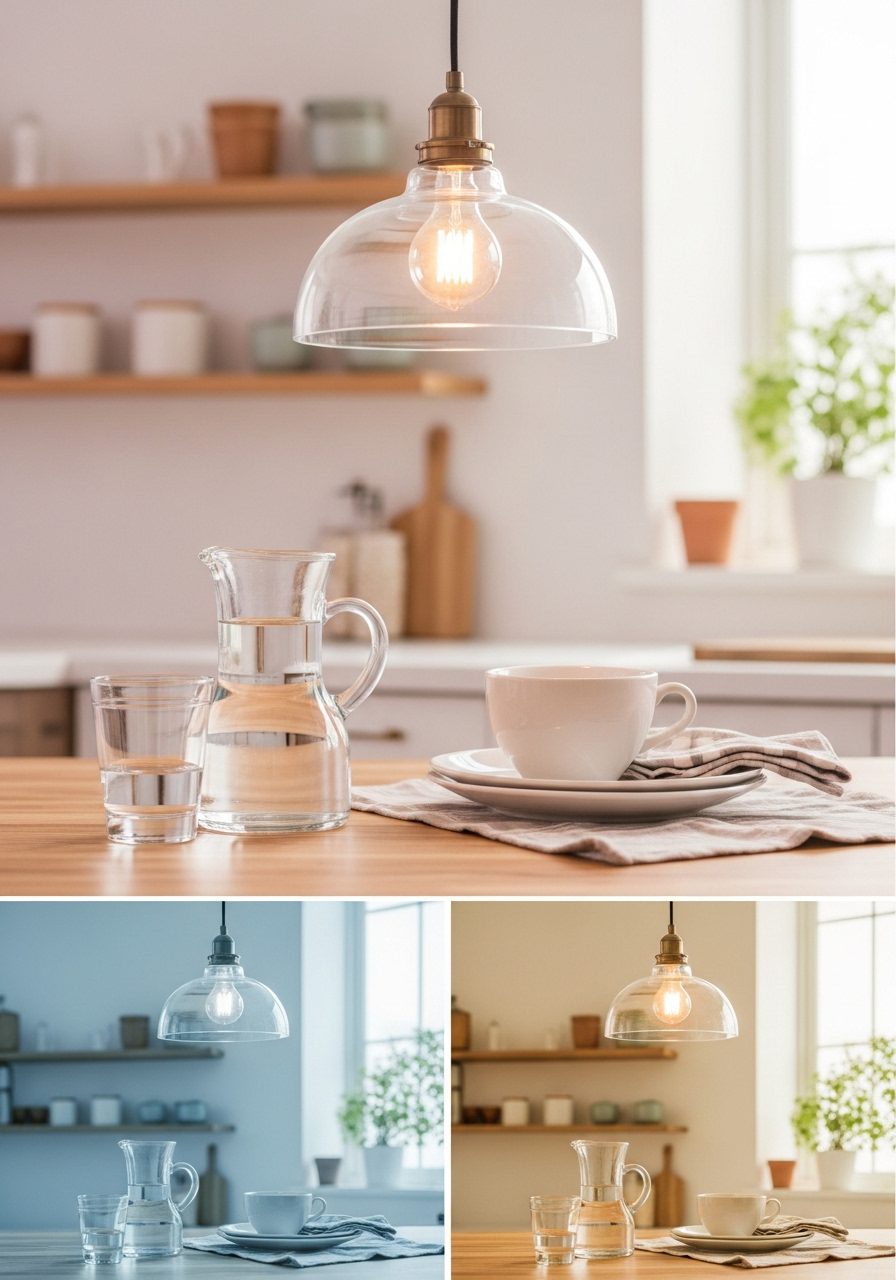
2. Earthy Neutral Color Story
Choosing an earthy, neutral color palette brings calm, sophistication, and timeless appeal to your kitchen. Warm whites, soft beiges, muted greens, and natural wood tones create a grounded atmosphere that feels welcoming without being overwhelming. Neutral colors act as a flexible backdrop, allowing decorative pieces, cookware, and personal accents to shine. Layering different shades of the same neutral palette prevents the space from feeling flat, adding dimension and richness that highlight architectural details, like trim, cabinet doors, or shelves. Earthy tones also reflect light naturally, making smaller kitchens feel larger and more airy. The palette fosters a connection to nature, balancing modern materials like steel and stone with organic warmth. It’s a versatile strategy that works with contemporary, classic, or farmhouse-inspired kitchens and ensures your space remains elegant, cohesive, and effortlessly inviting for years to come.
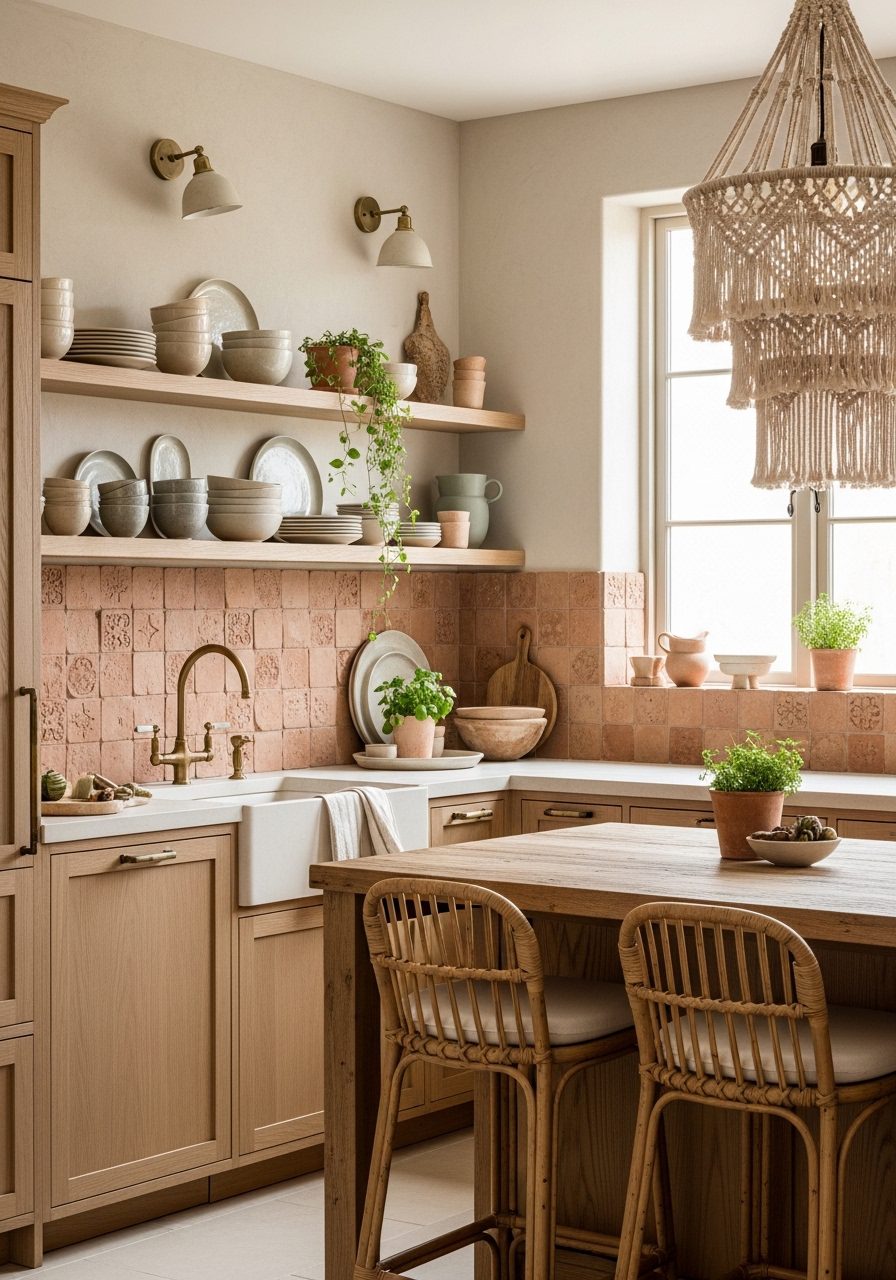
3. Statement Backsplash Texture
A textured backsplash transforms your kitchen from ordinary to visually captivating. Tiles like fluted ceramics, zellige, or subtle geometric patterns catch light and create depth, making walls feel dynamic and engaging. Unlike plain flat tiles, textures provide a tactile element that adds personality without overwhelming the space. Neutral shades allow the backsplash to harmonize with countertops and cabinetry while subtly drawing attention as a focal point. A statement backsplash also complements other layered design elements like lighting, hardware, and accessories. It gives the kitchen a high-end, custom feel without requiring major structural changes. Whether installed behind the range, sink, or across the entire kitchen wall, textured backsplashes bring a sense of craftsmanship, dimension, and interest. This approach is both practical and stylish, making your kitchen feel thoughtfully curated and ready for Pinterest-worthy photos.
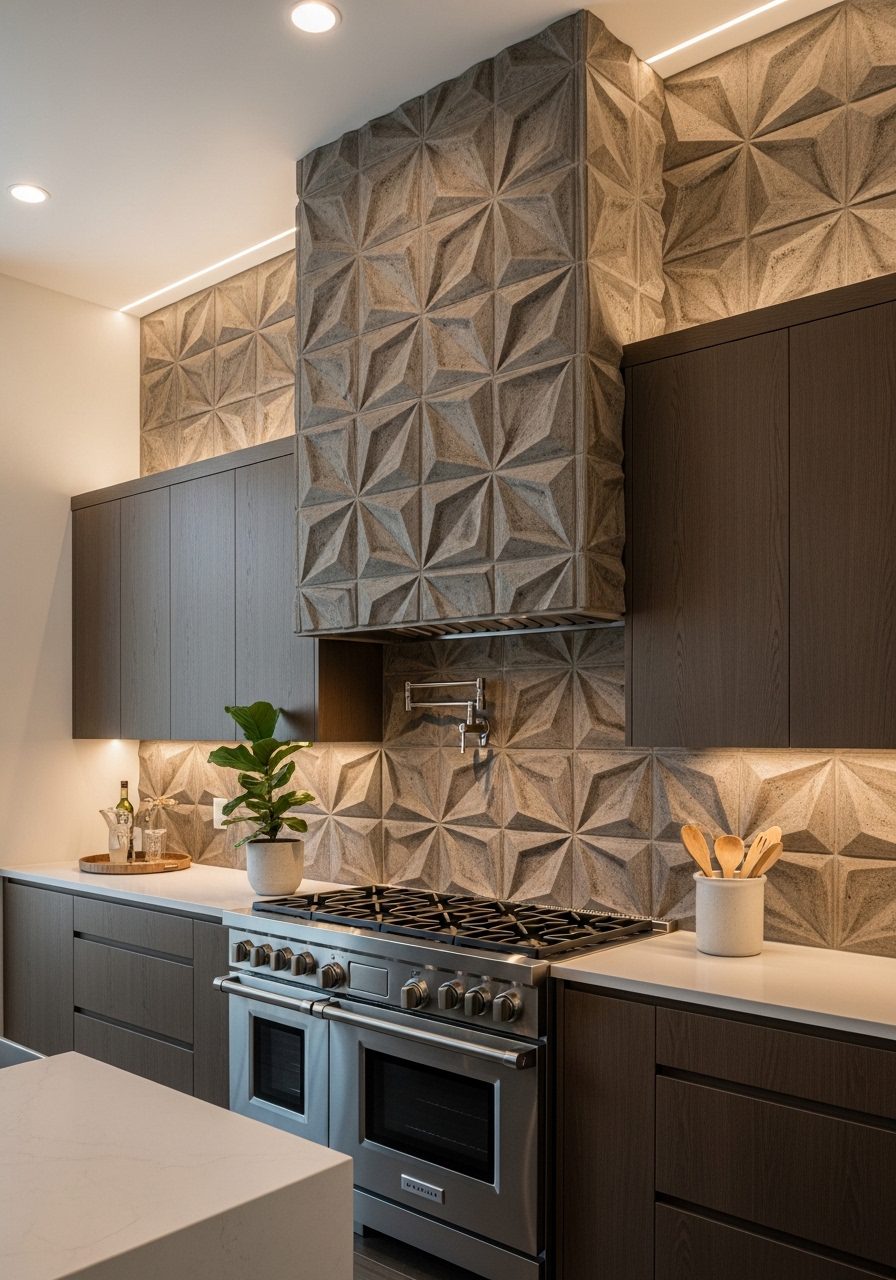
4. Mixed Material Counter Styling
Countertop styling is both functional and decorative when using mixed materials. Combining wood cutting boards, marble trays, ceramic containers, and glass jars adds contrast, texture, and visual interest. This method avoids a sterile, uniform appearance while keeping essentials accessible. Carefully curating the arrangement ensures the counter feels intentional, balancing practical tools with aesthetic appeal. Mixed materials create layers that catch light differently, highlighting the textures of natural wood, polished stone, and ceramics. The arrangement also introduces warmth and softness to otherwise hard surfaces, making the kitchen feel lived-in yet polished. Layering materials is perfect for small touches, like placing herbs or utensils on a tray with a decorative vase, elevating everyday items into subtle décor. This styling approach combines beauty and functionality, giving your kitchen a curated, cohesive, and engaging look that feels luxurious but natural.
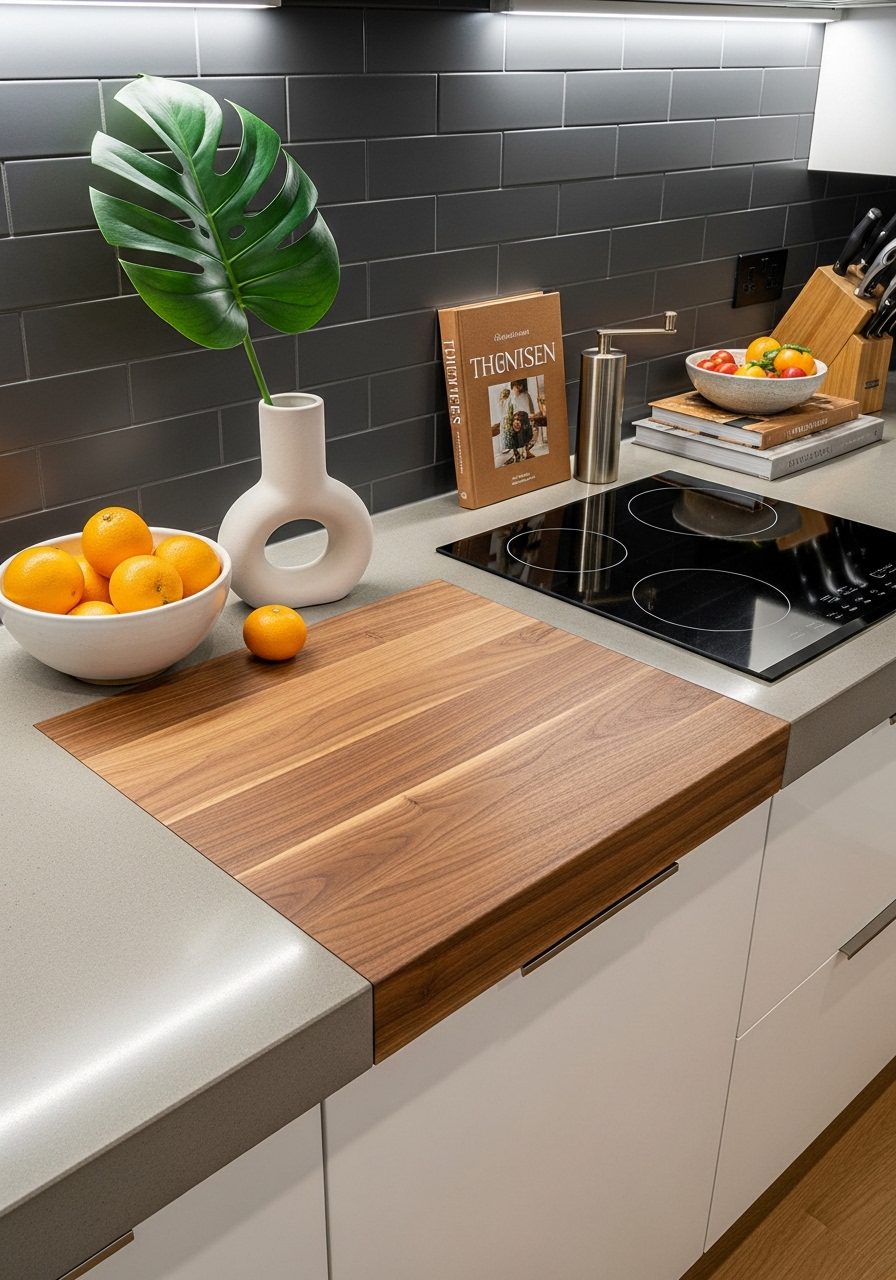
5. Hidden Luxe Storage
Hidden storage solutions create a clutter-free kitchen that feels calm and high-end. Pull-out drawers, concealed cabinets, and appliance garages allow you to store utensils, gadgets, and small appliances out of sight. By maintaining clean lines and a minimal countertop, the kitchen looks polished, organized, and visually spacious. Hidden storage also improves workflow by keeping items accessible yet unobtrusive, allowing for seamless meal prep. For example, pull-out spice racks, hidden trash bins, or under-counter drawers for cutting boards can all be incorporated without disrupting the design. This approach focuses on efficiency, convenience, and aesthetics. By minimizing visible clutter, hidden storage emphasizes other design elements such as lighting, backsplashes, and hardware finishes. A kitchen with concealed storage feels intentional, luxurious, and thoughtfully designed, transforming it into a functional, serene, and inspiring heart of the home.
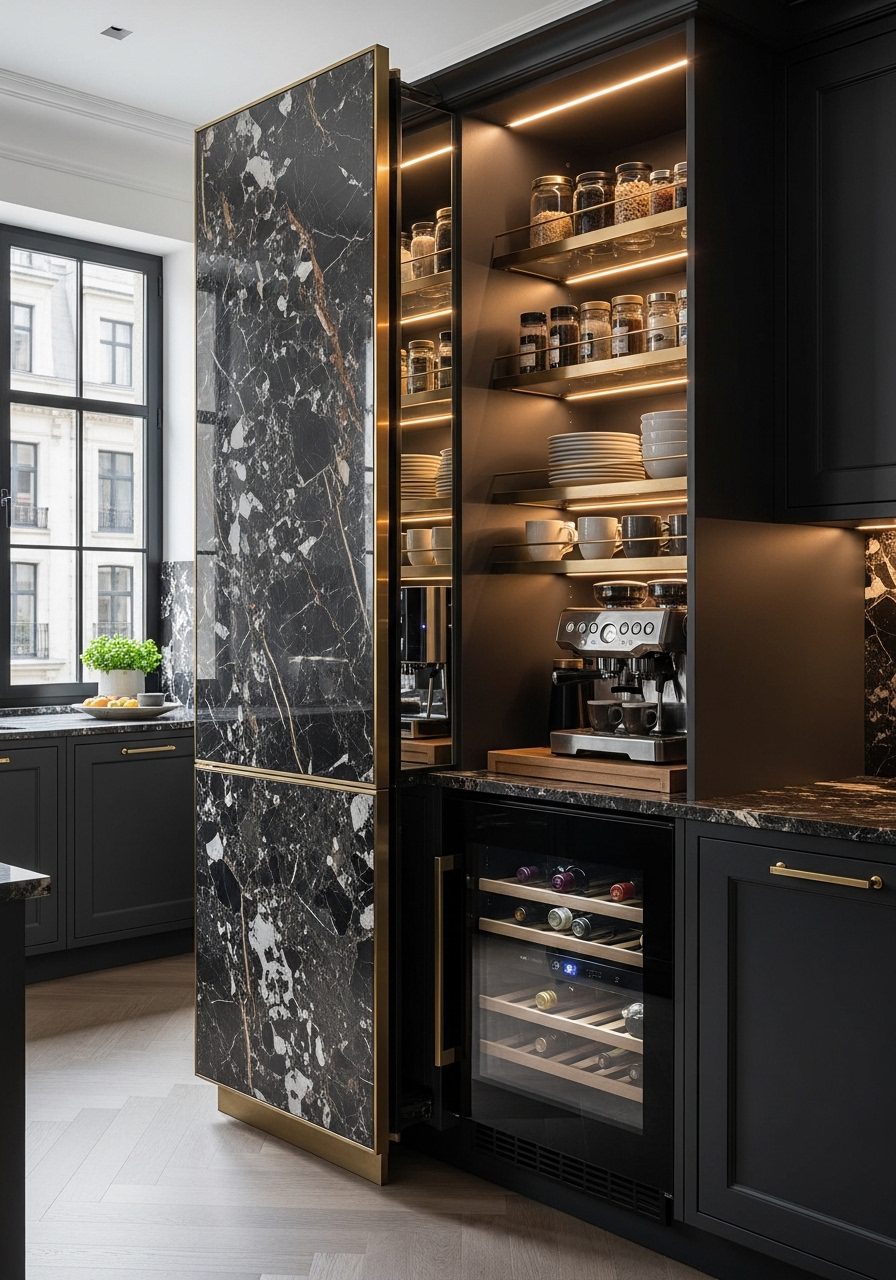
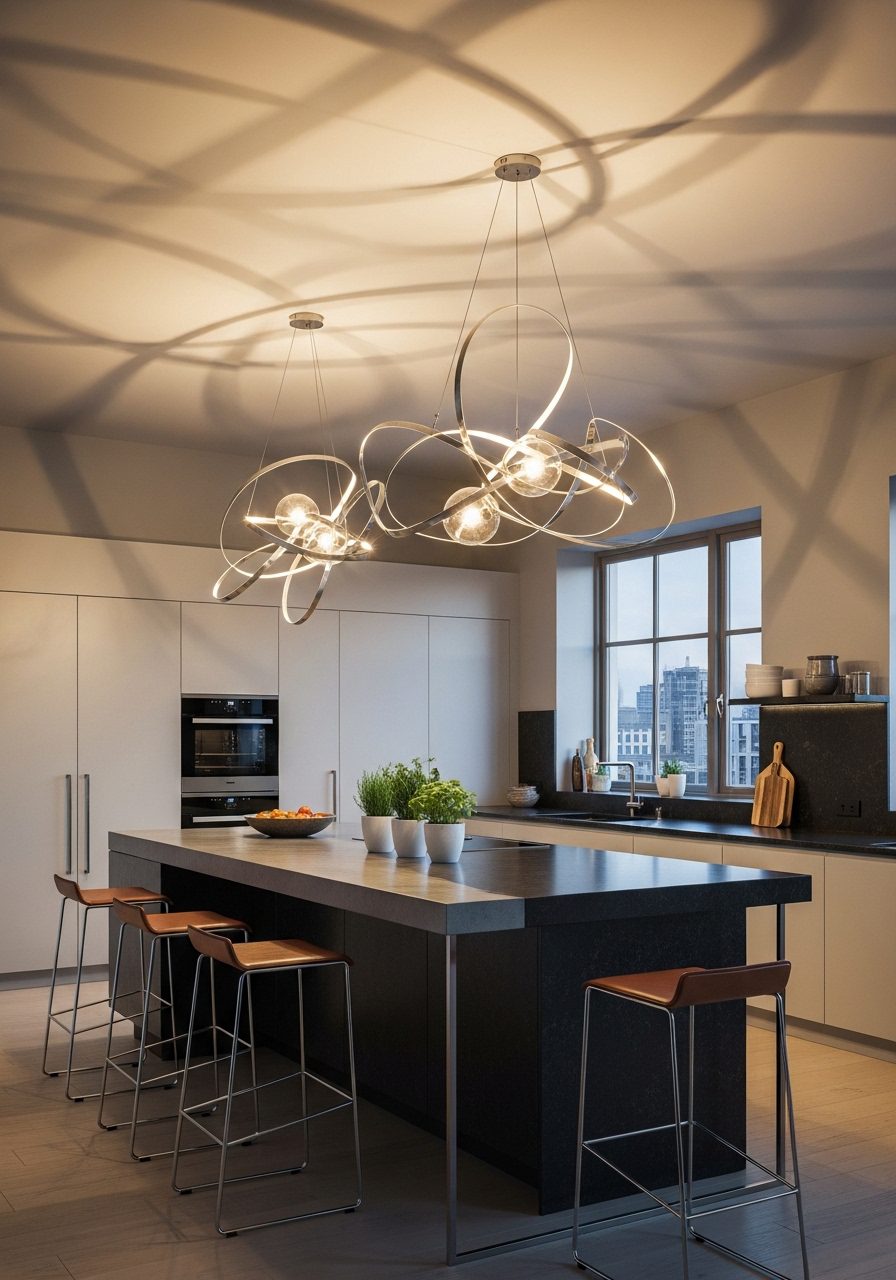
6. Sculptural Lighting Fixtures
Lighting fixtures can serve as both functional tools and statement decor pieces. Sculptural pendants or artistically shaped chandeliers above an island or dining area immediately draw attention and elevate the entire space. They combine elegance with practicality, illuminating work surfaces while creating a visual focal point. Choosing unique shapes, finishes, or textures adds personality and sophistication, making the lighting itself an artful feature. When paired with layered lighting, sculptural fixtures help balance ambiance and task lighting, while reinforcing your design theme—be it modern, industrial, or farmhouse. These pieces also interact with other materials like marble, wood, or steel, enhancing depth and dimension. Incorporating sculptural lighting requires minimal effort but maximizes aesthetic impact, making your kitchen feel curated, stylish, and visually stunning without compromising function.
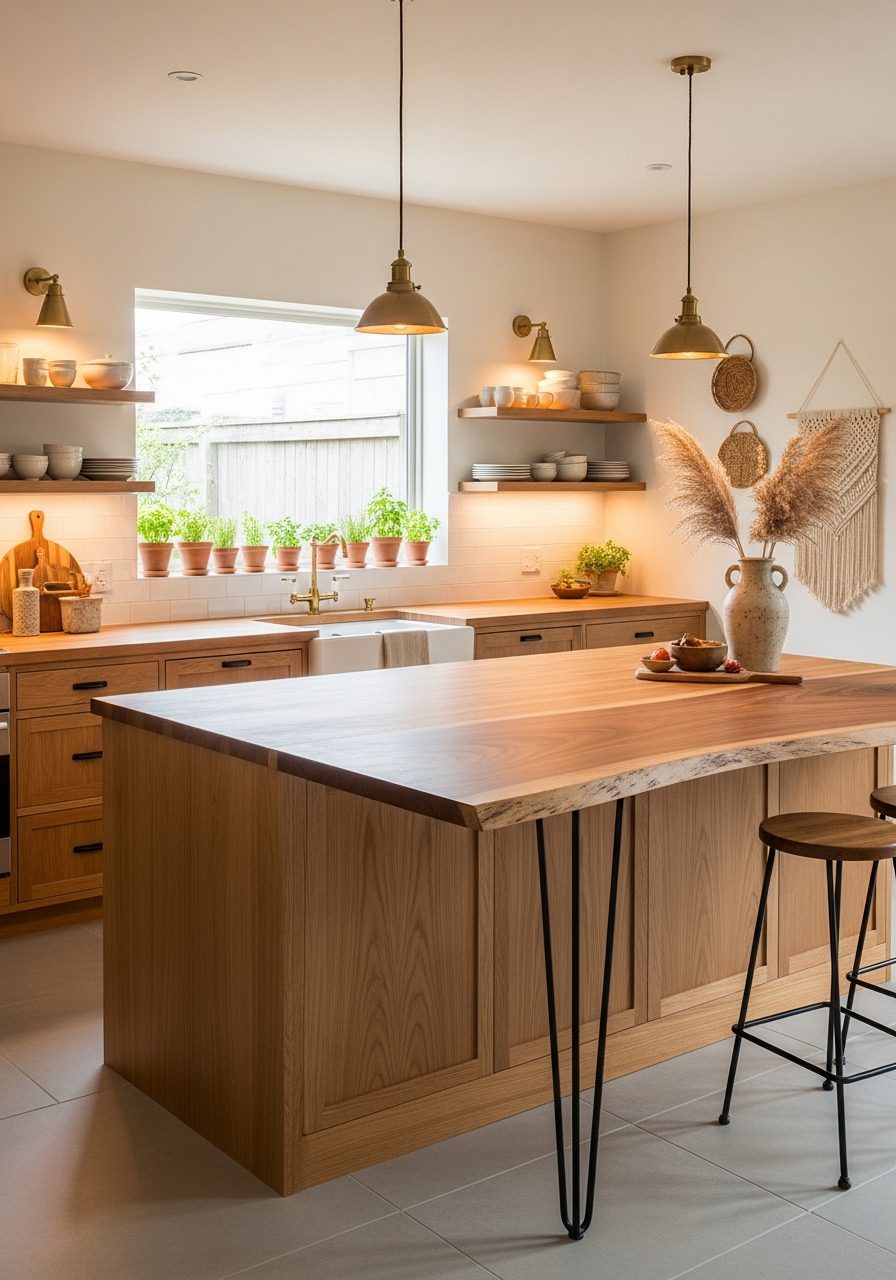
7. Warm Wood Balance
Wood accents introduce natural warmth and texture to a kitchen, softening cold surfaces such as stone countertops, metal fixtures, and tile. Wood elements—be it open shelving, bar stools, cabinetry, or cutting boards—add an organic touch that feels grounded and inviting. The contrast between warm wood and sleek modern finishes creates balance, depth, and visual interest. Even small accents, like wooden utensil holders or tray displays, enhance the sense of cohesion and polish. Wood tones also pair well with neutral color palettes, reflecting light in a soft, pleasing manner. Incorporating natural textures makes a kitchen feel approachable, cozy, and comfortable, while maintaining sophistication. Thoughtful integration of wood achieves an elevated, designer-quality look, giving your space timeless appeal and warmth that feels both luxurious and livable.
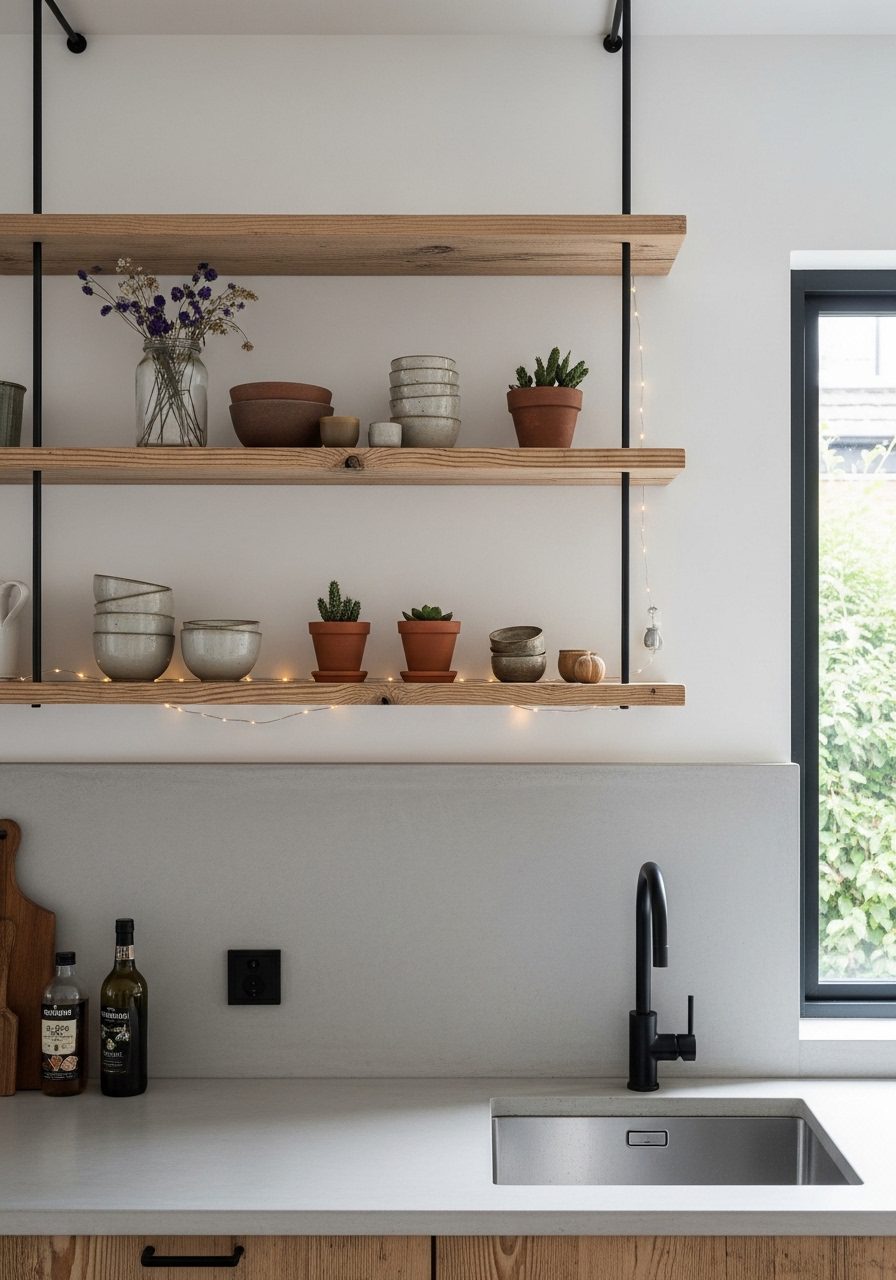
8. Minimal Open Shelving
Open shelving allows you to display curated items like ceramics, glassware, and cookbooks while keeping the space airy and organized. Minimal styling prevents clutter and creates a clean, sophisticated look that feels intentional. Neutral tones or cohesive color schemes ensure shelves complement rather than overwhelm the kitchen. Open shelving highlights decorative pieces and everyday items, making them part of the overall design narrative. Carefully balancing open and closed storage maintains functionality while achieving aesthetic appeal. By mixing textures, heights, and materials, you add visual depth. This approach works well in kitchens of all sizes, giving small spaces an open feel and larger kitchens a curated charm. Minimal open shelving adds character, encourages thoughtful styling, and creates a visually inviting kitchen that feels approachable yet polished.
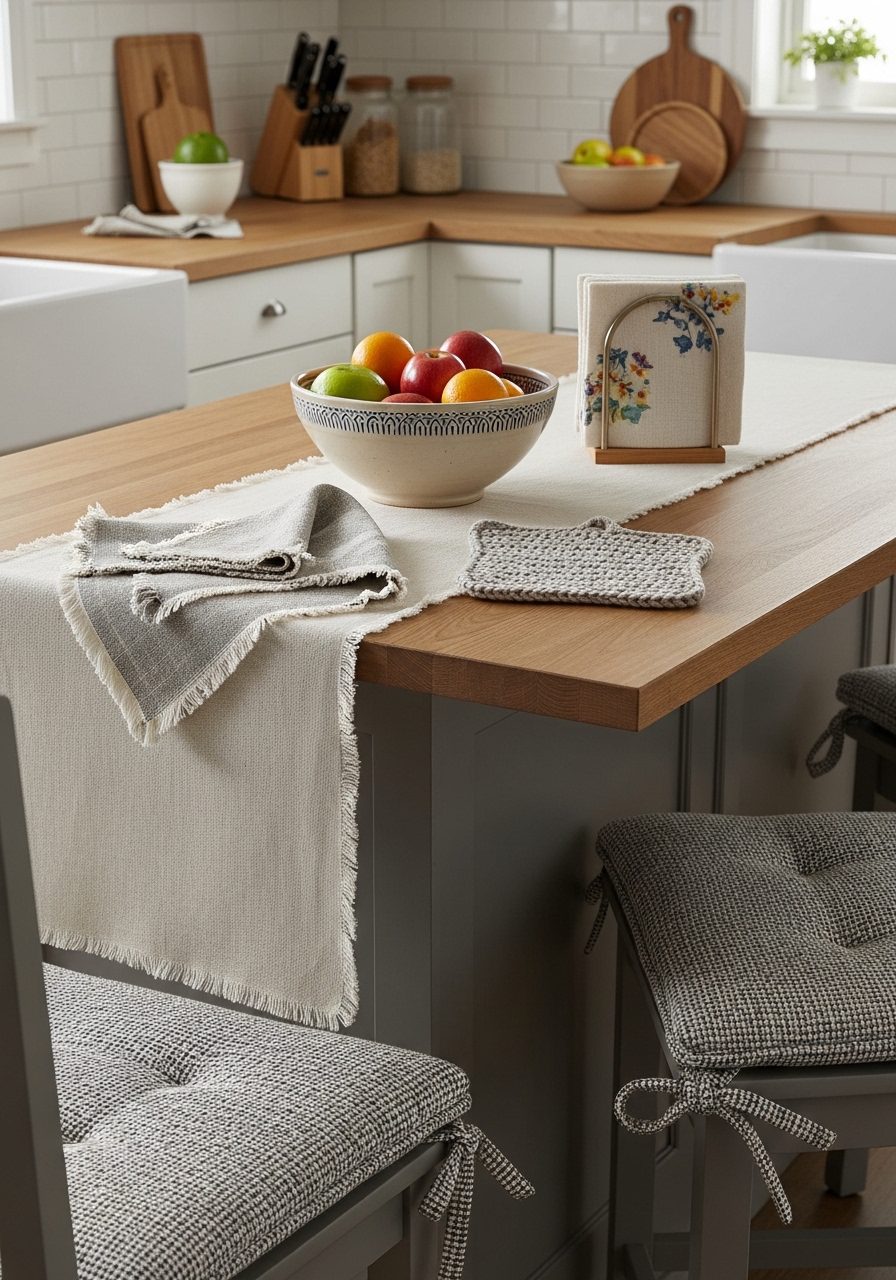
9. Soft Textile Layers
Incorporating soft textiles like rugs, curtains, or cushioned seating adds warmth and comfort to your kitchen, balancing hard surfaces like stone, metal, and tile. A well-chosen runner or small area rug can define a workspace or pathway while introducing texture and pattern. Curtains or blinds soften natural light, creating a gentle, inviting atmosphere. Cushions on chairs or stools provide practical comfort while enhancing the aesthetic appeal. Layering textiles in neutral shades or subtle patterns ensures cohesion with other design elements. These textures also prevent the space from feeling sterile or overly minimalist, making the kitchen feel lived-in and approachable. Even small additions like linen hand towels or decorative cloths contribute to this layered, cozy effect. Incorporating textiles thoughtfully transforms the kitchen from a purely functional room into a warm, inviting space that feels luxurious and stylish yet entirely practical.
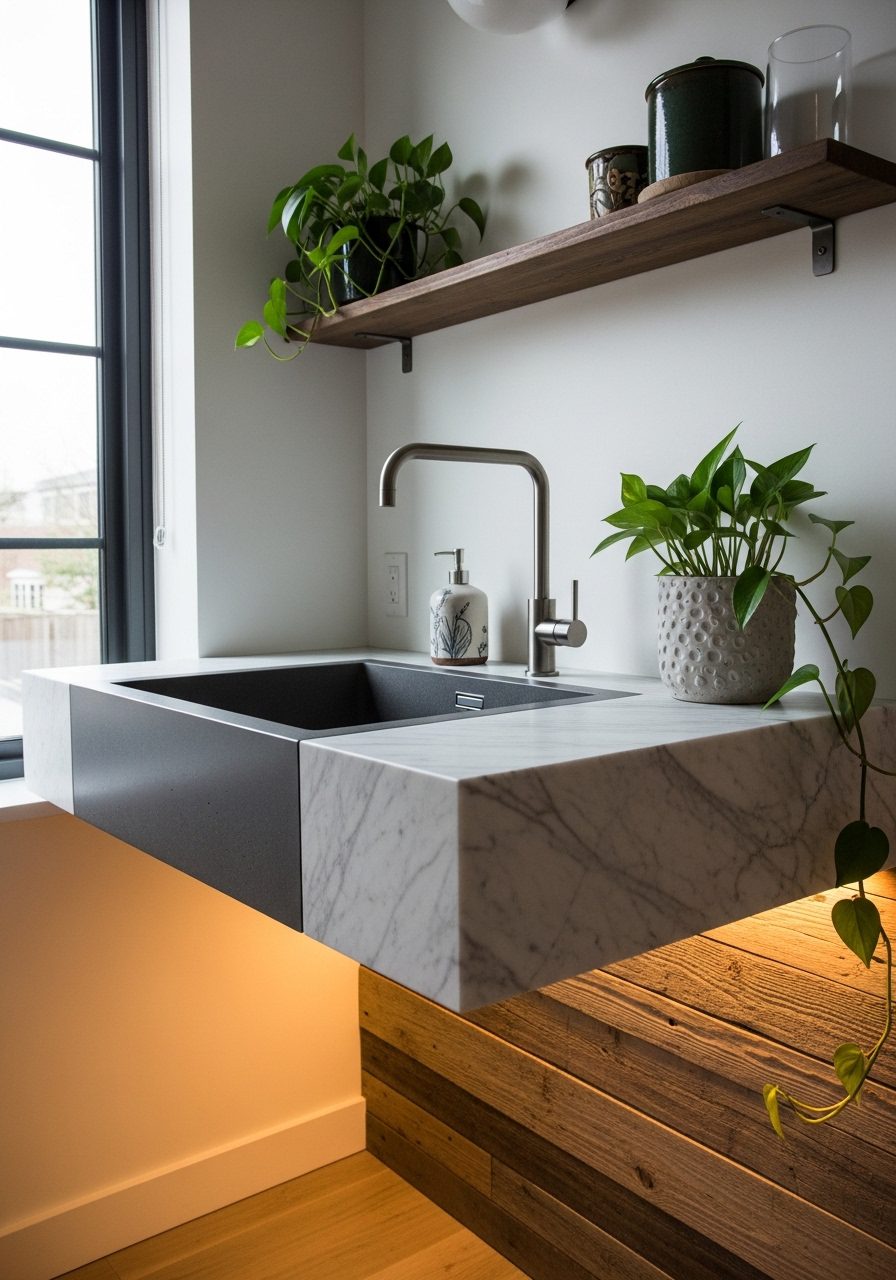
10. Elevated Sink Styling
The sink area can be transformed into a stylish focal point with thoughtful styling. Coordinating soap dispensers, trays, and dish essentials in ceramic, glass, or matte finishes creates a cohesive and polished look. Adding a small vase with fresh herbs or flowers introduces life and color without clutter. Organized storage for sponges, brushes, and towels keeps the area functional while maintaining visual appeal. This styling makes the sink feel intentional, elevating a space often overlooked in design. High-quality finishes, matching hardware, and curated accessories instantly make the area feel more luxurious. The result is a clean, inviting, and practical workspace where everyday tasks feel enjoyable. Thoughtful sink styling demonstrates attention to detail, blending functionality with aesthetics and subtly enhancing the overall kitchen design.
11. Bold Accent Contrast
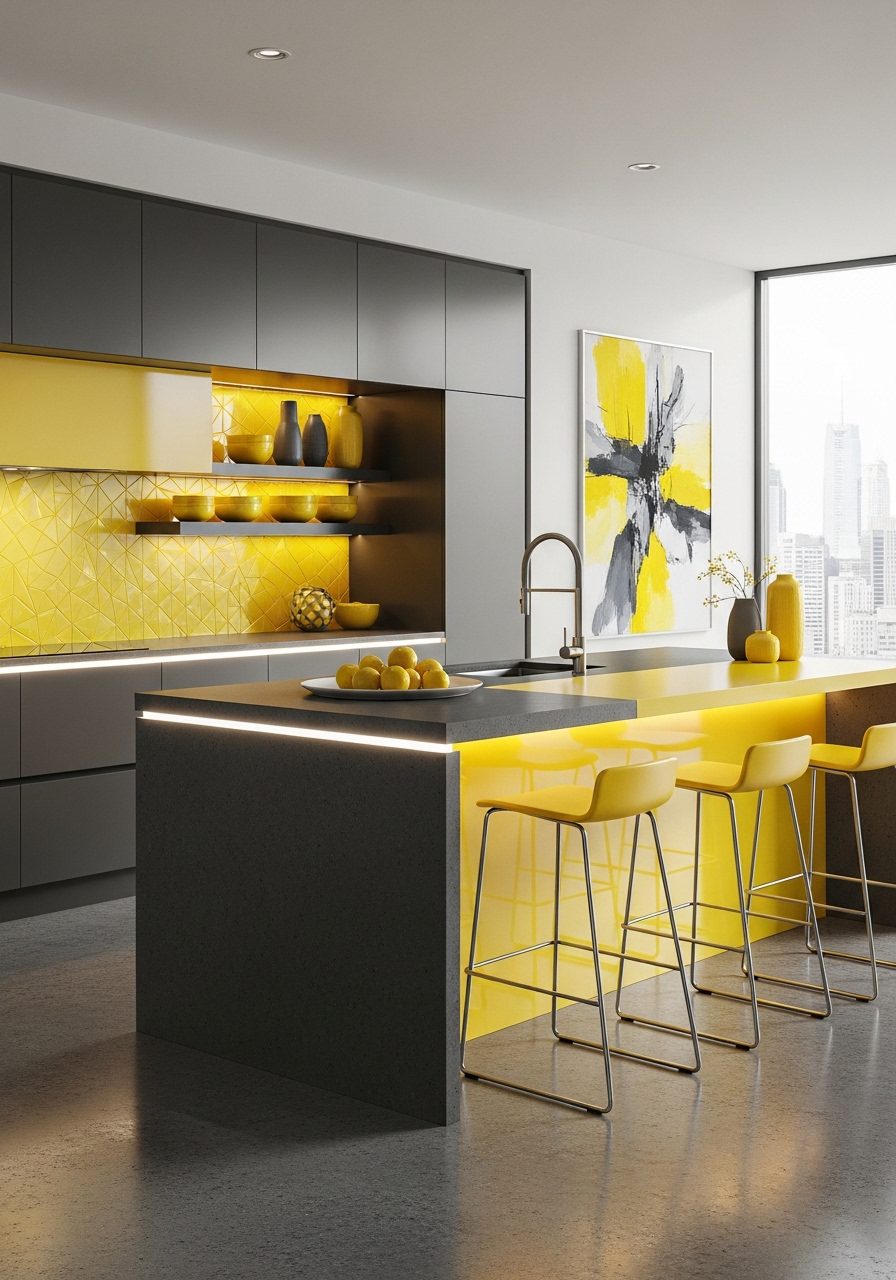
Introducing a bold accent in your kitchen—like a dark-colored island, range hood, or feature wall—adds dramatic contrast that enhances depth and visual interest. This approach breaks up neutral palettes, drawing attention to key areas while maintaining balance. Contrasting elements highlight other materials like marble, wood, and metal finishes, creating a layered and dynamic aesthetic. A dark island, for instance, grounds the space, becoming a central focal point for both cooking and entertaining. Accent contrasts allow for creativity without overwhelming the room. By pairing bold elements with soft neutrals, the space remains cohesive and approachable while still visually striking. This simple technique makes your kitchen feel modern, energetic, and sophisticated, demonstrating intentional design choices that elevate the overall style.
12. Integrated Appliances Look
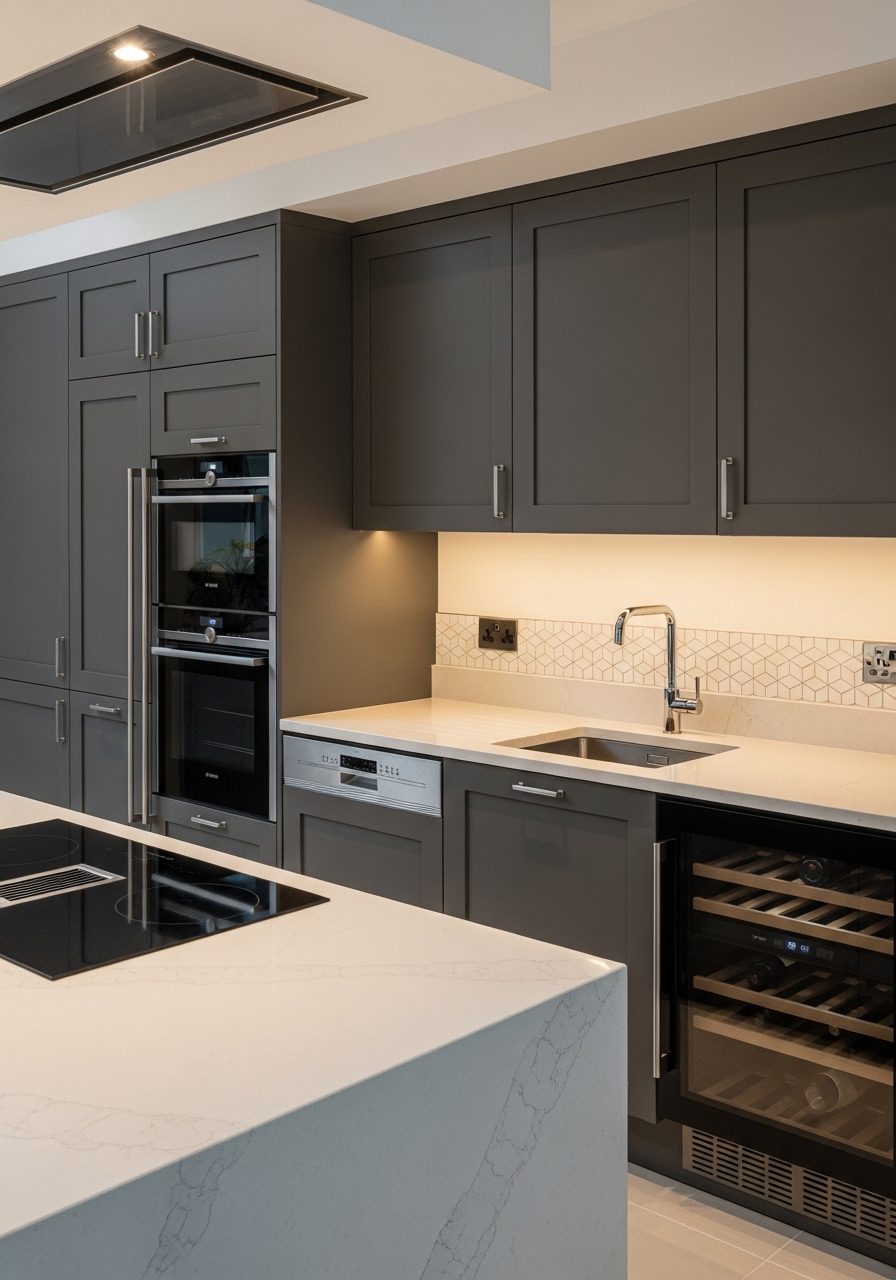
Blending appliances into cabinetry creates a seamless, sophisticated aesthetic that instantly elevates a kitchen. Integrated refrigerators, dishwashers, and microwaves hide functional elements behind matching panels, maintaining clean lines and visual consistency. This approach reduces clutter, making the space appear more spacious and organized. Integrated appliances complement modern minimalist designs while maintaining practicality and ease of use. Even in smaller kitchens, this technique allows for a sleek and cohesive appearance, balancing form and function. It enhances the perception of a high-end kitchen while remaining approachable and functional for everyday use. Choosing handles, finishes, and panel materials that match your overall palette ensures a refined, professional look.
13. Decorative Tray Moments
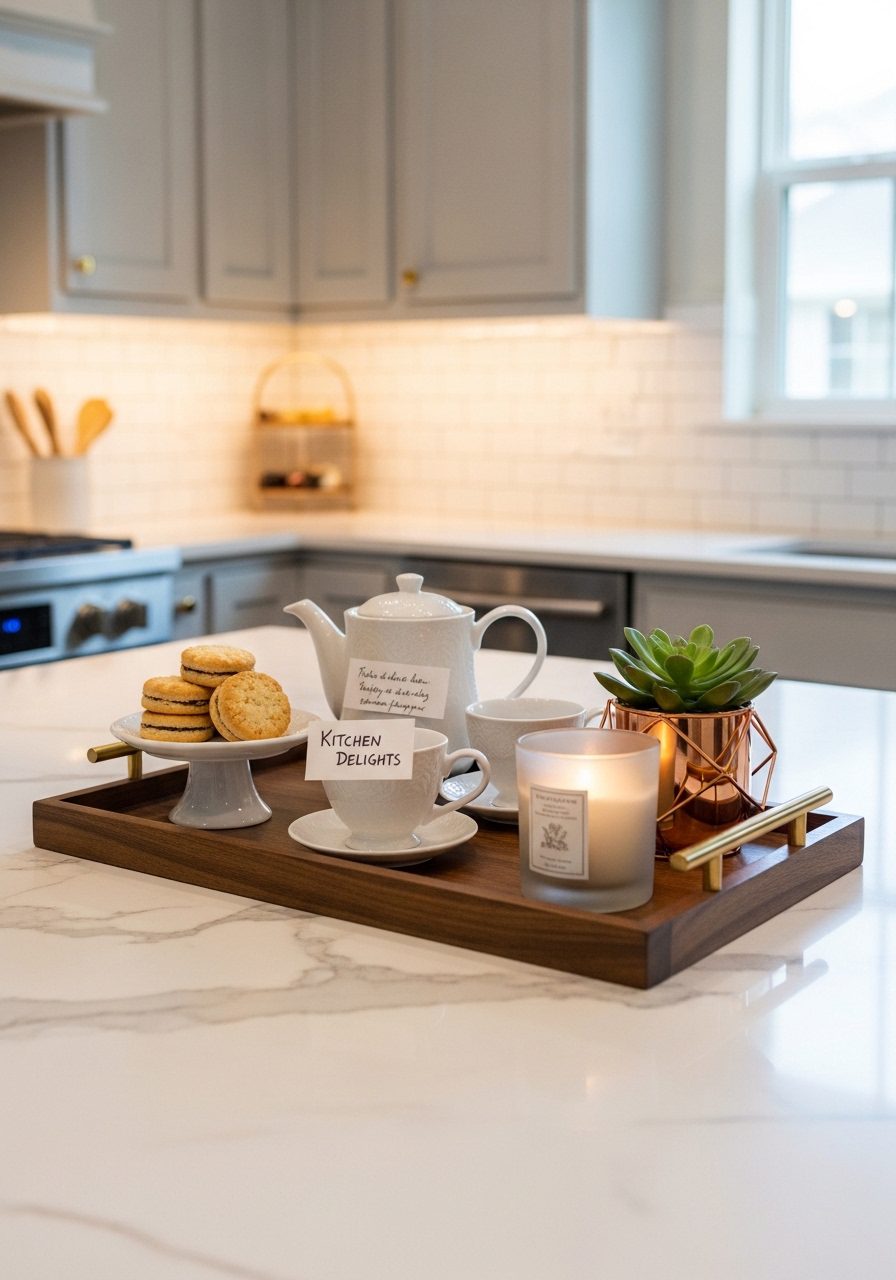
Grouping items on a decorative tray organizes your countertop while adding a visually appealing styling element. Trays can hold oils, spices, coffee essentials, or small decor items, making daily use effortless and intentional. Using trays prevents clutter by containing items in a defined area, creating a sense of order while also adding texture and color. Choosing materials like marble, wood, or metal enhances the aesthetic appeal and complements other design elements. This technique allows small accents to become part of the decor, subtly elevating the kitchen’s style. Decorative tray styling balances function and beauty, transforming ordinary items into curated moments that enhance the room’s overall visual interest.
14. Subtle Metallic Touches
Incorporating metallic accents adds sophistication and a hint of luxury to your kitchen without overwhelming the design. Elements like brass handles, gold faucets, or stainless steel accessories catch the light and create dimension. Subtle metallic touches can be paired with neutral palettes for a cohesive look or layered with contrasting textures like wood or marble for depth. Metallics also tie together other elements like lighting, hardware, and decor pieces, creating a unified aesthetic. Even small details like metallic utensil holders or decorative bowls contribute to an elevated feel. When applied thoughtfully, these accents enhance the visual richness and professionalism of the kitchen, giving it a polished, stylish, and modern atmosphere.
15. Personalized Decor Details
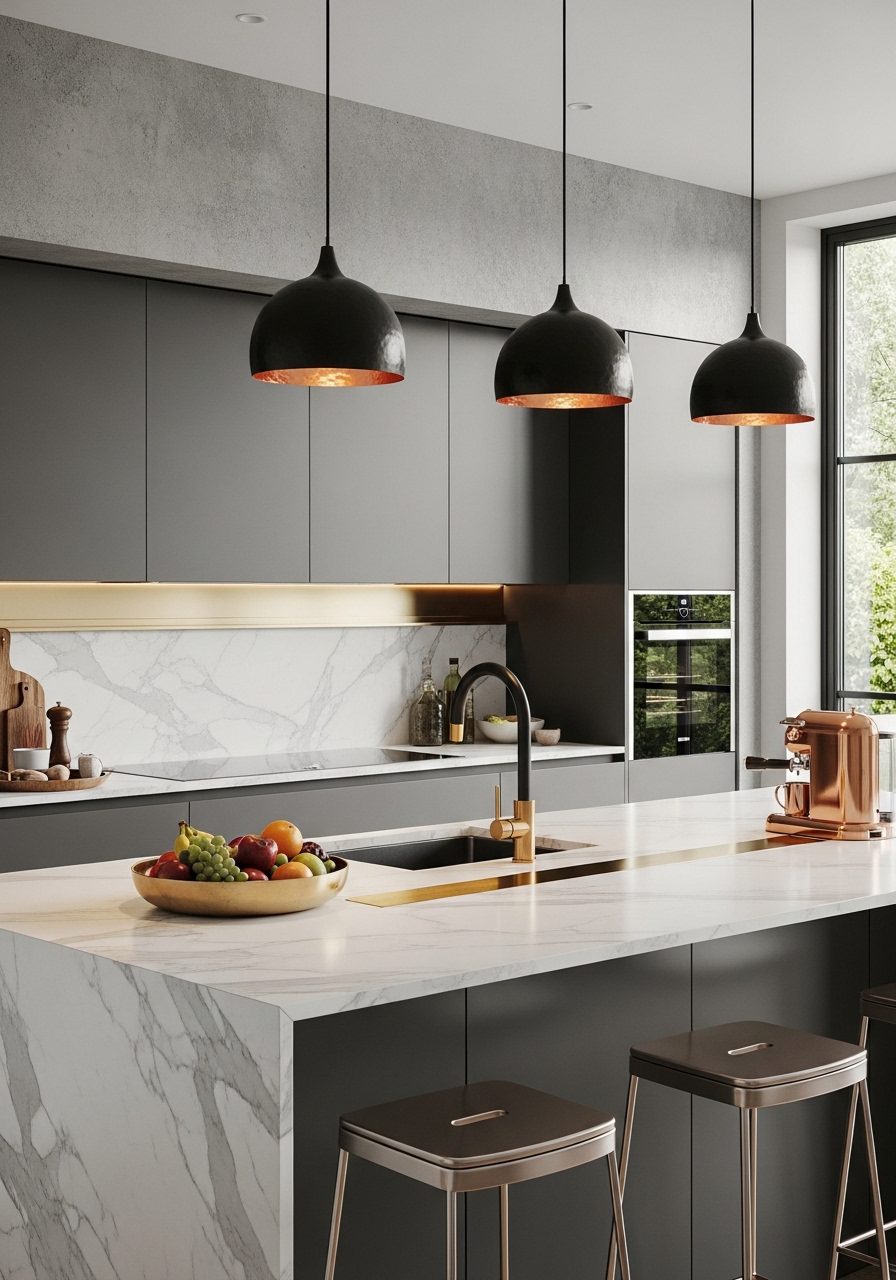
Adding personal touches like framed art, family photos, or meaningful objects transforms your kitchen into a warm, authentic space. Personalized elements inject character and emotional connection, making the kitchen feel uniquely yours. These details can be layered subtly on shelves, countertops, or walls, blending seamlessly with the overall design. Personal decor also encourages creativity and seasonal variation, allowing you to rotate items throughout the year. Thoughtfully curated personal touches make a kitchen feel inviting, lived-in, and expressive while still maintaining style and balance. Incorporating these elements emphasizes that the kitchen is not only functional but also a reflection of your personality and lifestyle.
16. Statement Range Area
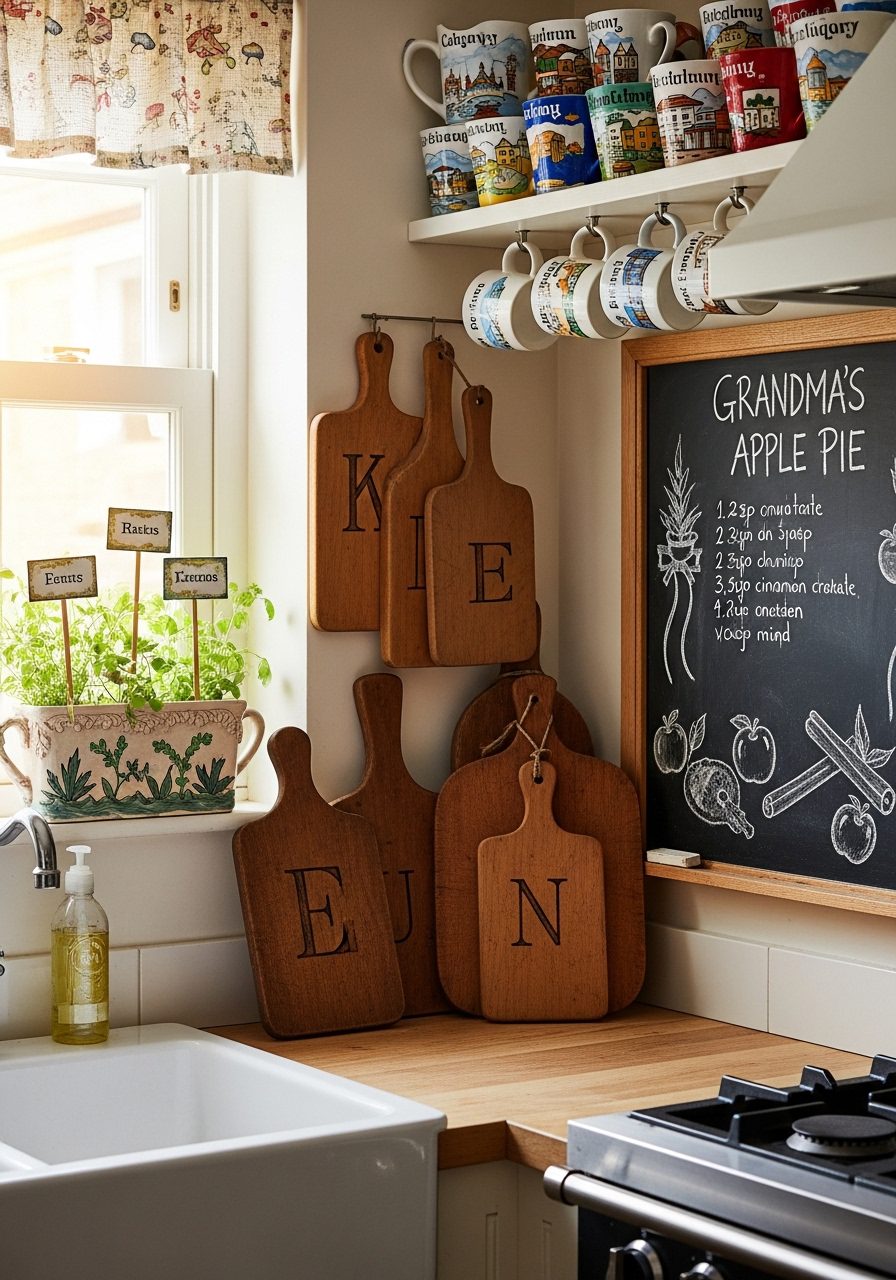
Turning your cooking zone into a statement area can elevate the kitchen’s visual appeal. Bold range hoods, patterned backsplash tiles, or dramatic lighting above the stove draw attention and create a focal point. A well-styled range area anchors the design, making the space feel balanced and intentional. High-quality finishes and thoughtful layout enhance both aesthetics and practicality. The statement area highlights culinary activity while integrating with the overall design. By focusing on materials, textures, and proportion, the range area becomes a central design feature that is visually striking and functional.
17. Clean Line Minimalism
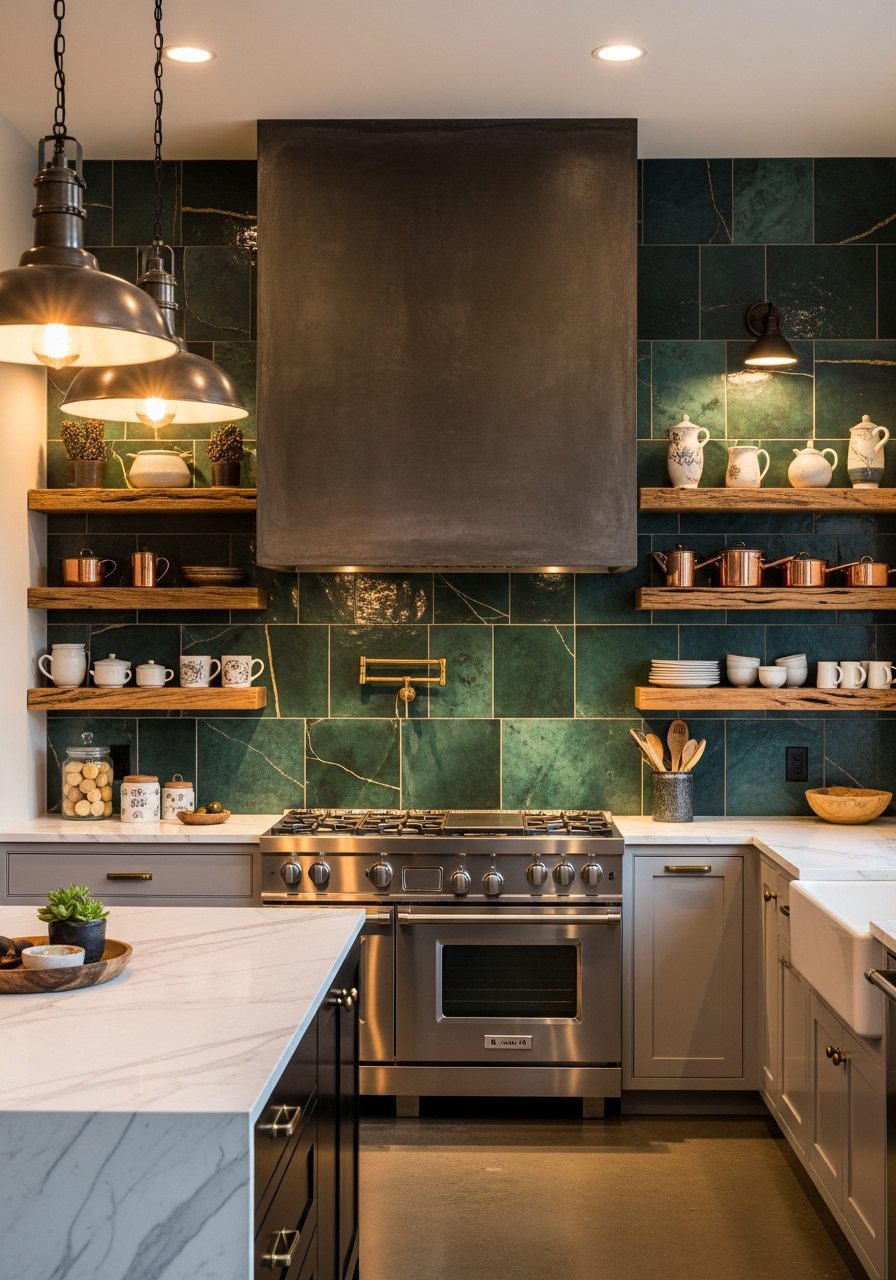
Maintaining clean lines and a minimalist approach emphasizes simplicity, elegance, and functionality. By keeping countertops clear, cabinetry uniform, and decor restrained, the kitchen feels open, modern, and uncluttered. Minimalism allows design details like textures, lighting, and materials to stand out without distraction. This approach also supports workflow efficiency, making meal prep easier and more enjoyable. Neutral palettes, hidden storage, and streamlined hardware complement this aesthetic. Minimalism doesn’t mean lacking warmth—layered textures, textiles, and natural finishes can coexist within a clean, minimal framework. A kitchen designed this way feels sophisticated, airy, and timeless, providing both beauty and practicality.
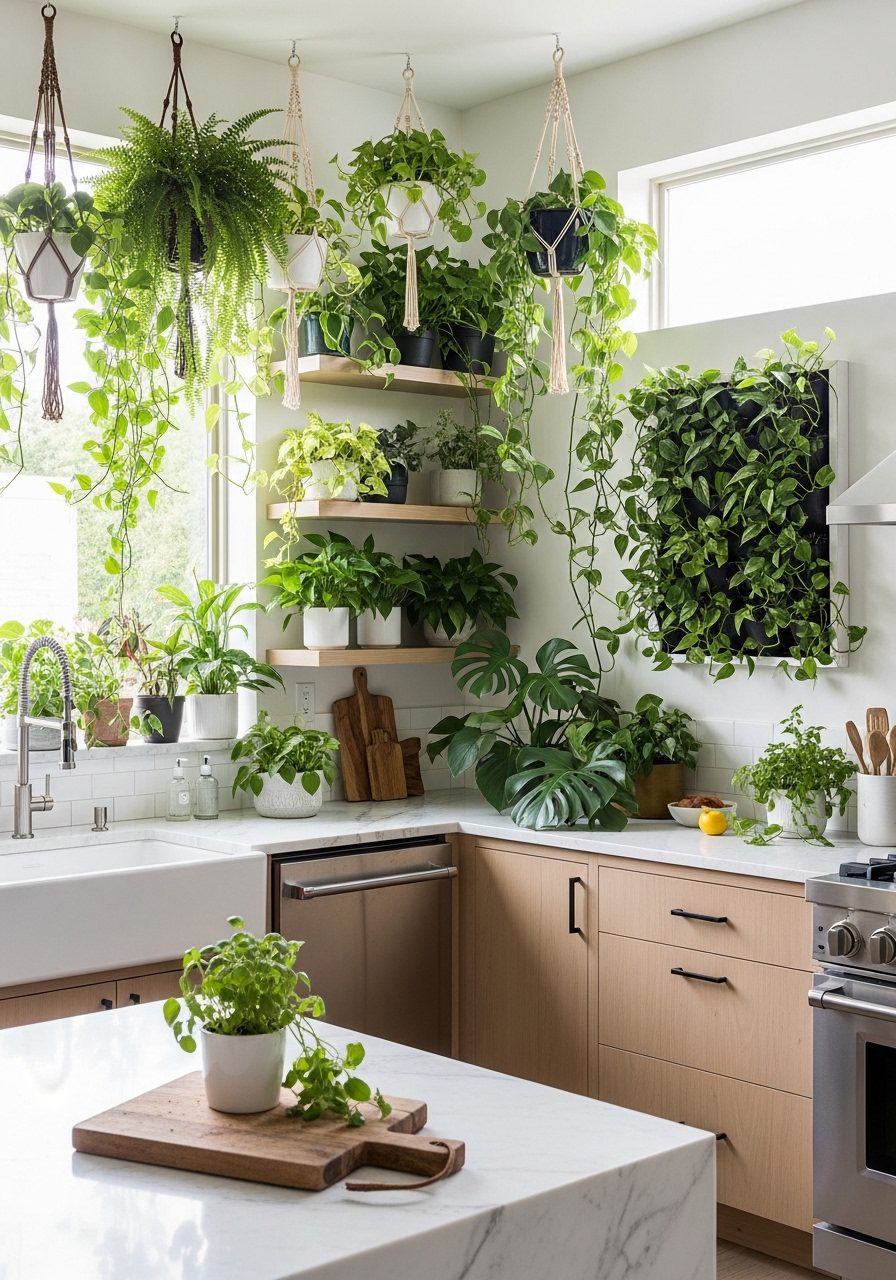
18. Layered Greenery
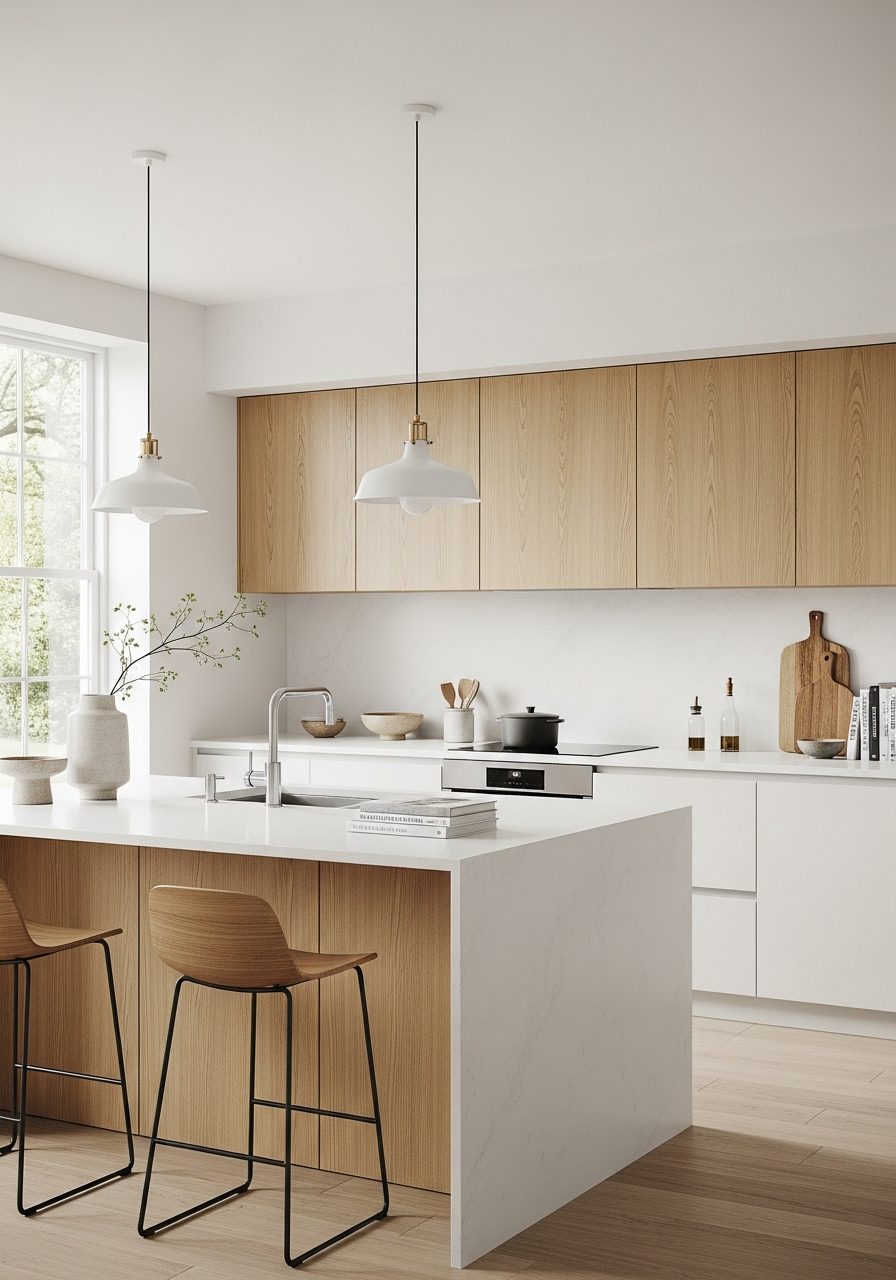
Adding greenery in various heights and placements creates a lively, natural atmosphere in the kitchen. Small potted herbs on windowsills, larger plants in corners, or hanging greenery over shelves introduce freshness and color. Layered greenery softens hard surfaces and adds a sense of vibrancy without overpowering the space. Plants also improve air quality and contribute to a calming, inviting environment. Choosing pots and planters that complement the kitchen palette ensures cohesion. Layered greenery connects the indoors with nature, making the kitchen feel brighter, more energetic, and aesthetically balanced. This simple addition adds a natural luxury that enhances both mood and style.
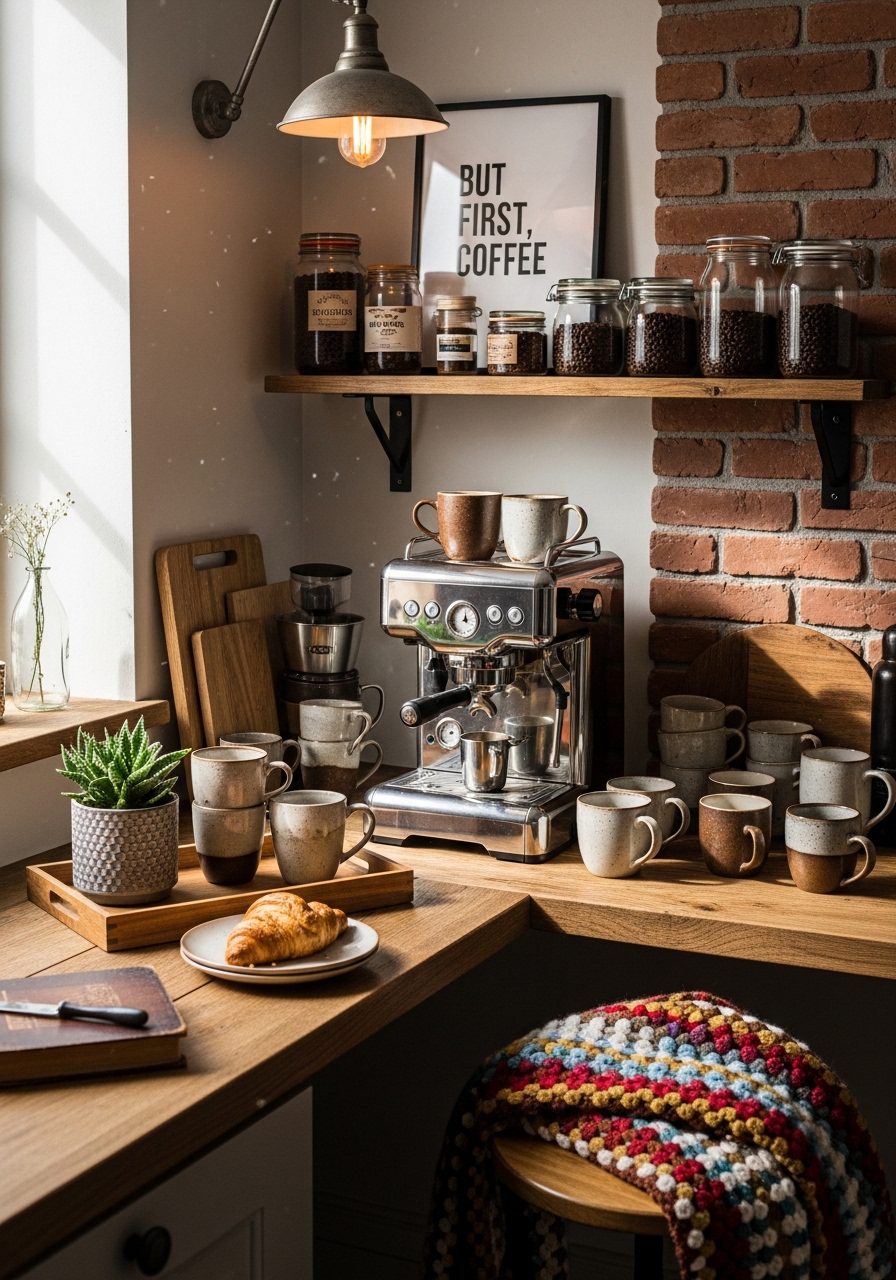
19. Cozy Coffee Corner
Designing a dedicated coffee station adds both function and charm to the kitchen. A corner or small counter section can feature a coffee machine, mugs, and accessories arranged neatly on trays. Styling the space with small plants, decorative jars, or artwork adds warmth and personality. A coffee corner encourages organization and elevates daily routines into a thoughtful, enjoyable ritual. Even in small kitchens, this concept adds a purposeful and cozy area that feels inviting to guests. By dedicating space to ritual and enjoyment, you enhance the kitchen’s personality and create a visually appealing focal point.
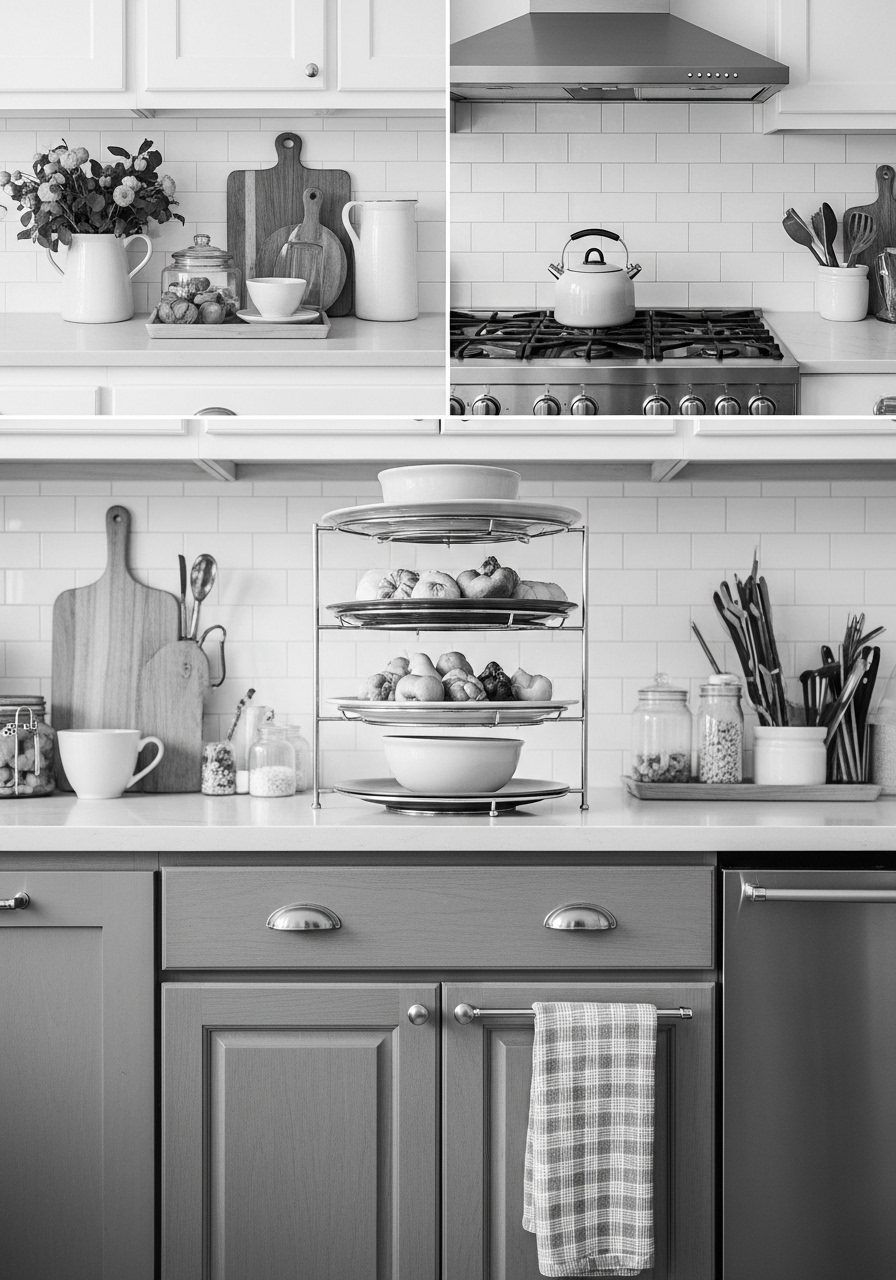
20. Monochrome Layering
Layering different shades of a single color creates cohesion while adding depth and sophistication. Monochromatic kitchens can mix textures, finishes, and materials to maintain visual interest without overwhelming the senses. For example, combining soft whites, cream cabinets, and beige tiles adds subtle contrast, keeping the space dynamic yet harmonious. Monochrome layering works well with accent materials like wood, metal, or stone to enhance dimension. This approach feels modern, elegant, and visually calming, allowing accessories and decor to pop without clashing. Thoughtful monochromatic design achieves a high-end, curated look while maintaining balance and simplicity.
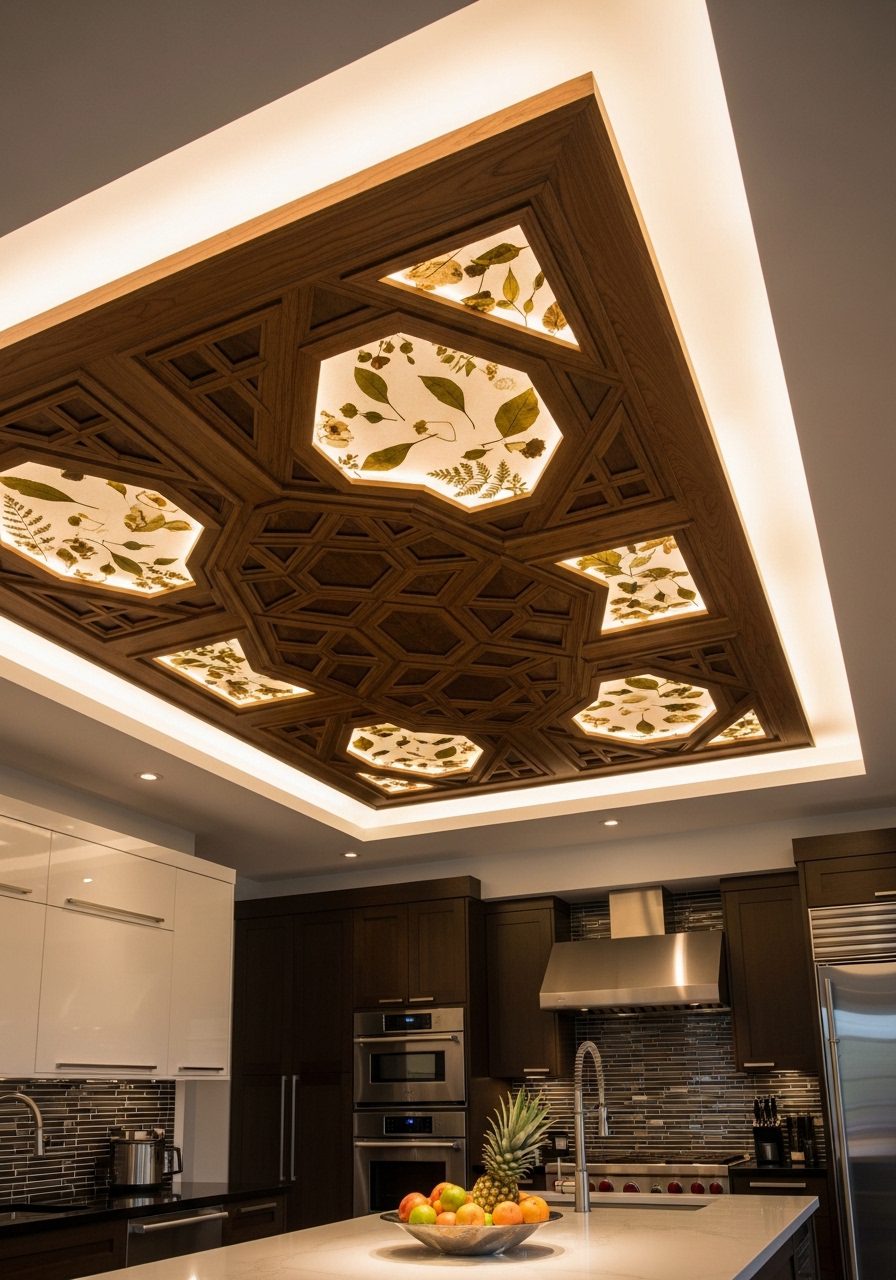
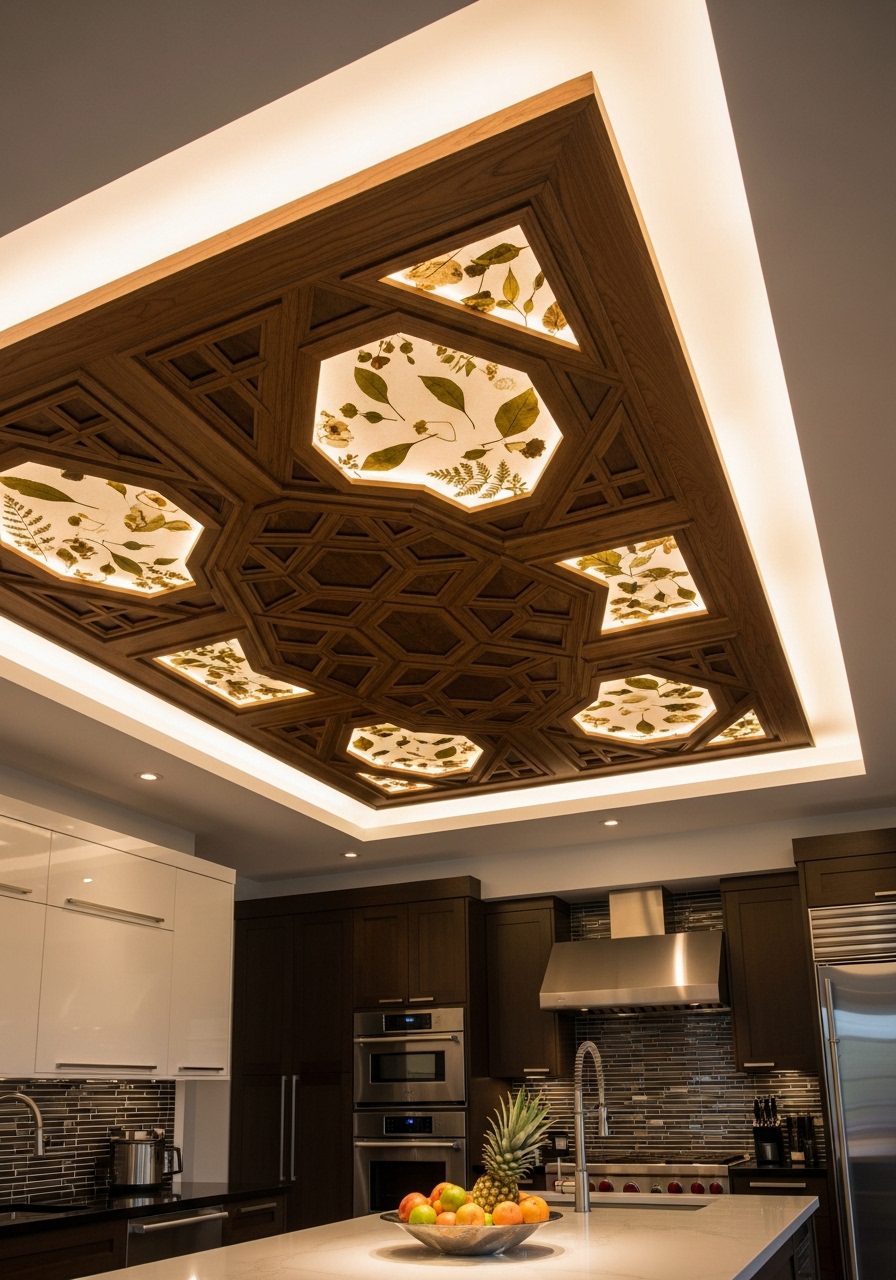
21. Ceiling Design Detail
Adding architectural detail to the ceiling enhances depth and character in your kitchen. Exposed beams, decorative moldings, or textured paint draws the eye upward and creates a layered, polished effect. Ceiling details add sophistication without occupying functional space. This subtle upgrade complements lighting, cabinetry, and other finishes, giving the room an intentional, elevated design. Even in minimal kitchens, a ceiling feature adds interest and elegance. Properly integrated ceiling details make a kitchen feel thoughtfully designed, refined, and visually dynamic, creating a unique sense of style that sets it apart.
22. Stylish Storage Displays
Organizing storage items in a visually pleasing way turns everyday essentials into decor. Clear jars, matching containers, or neatly stacked baskets create cohesion while keeping items accessible. Stylish storage displays add texture and color without cluttering surfaces. This approach allows frequently used items to be functional and decorative simultaneously. Thoughtfully curated storage elevates countertops and open shelves, enhancing the kitchen’s overall aesthetic while improving workflow. It’s a small change with a big impact, making the kitchen feel organized, polished, and visually appealing.
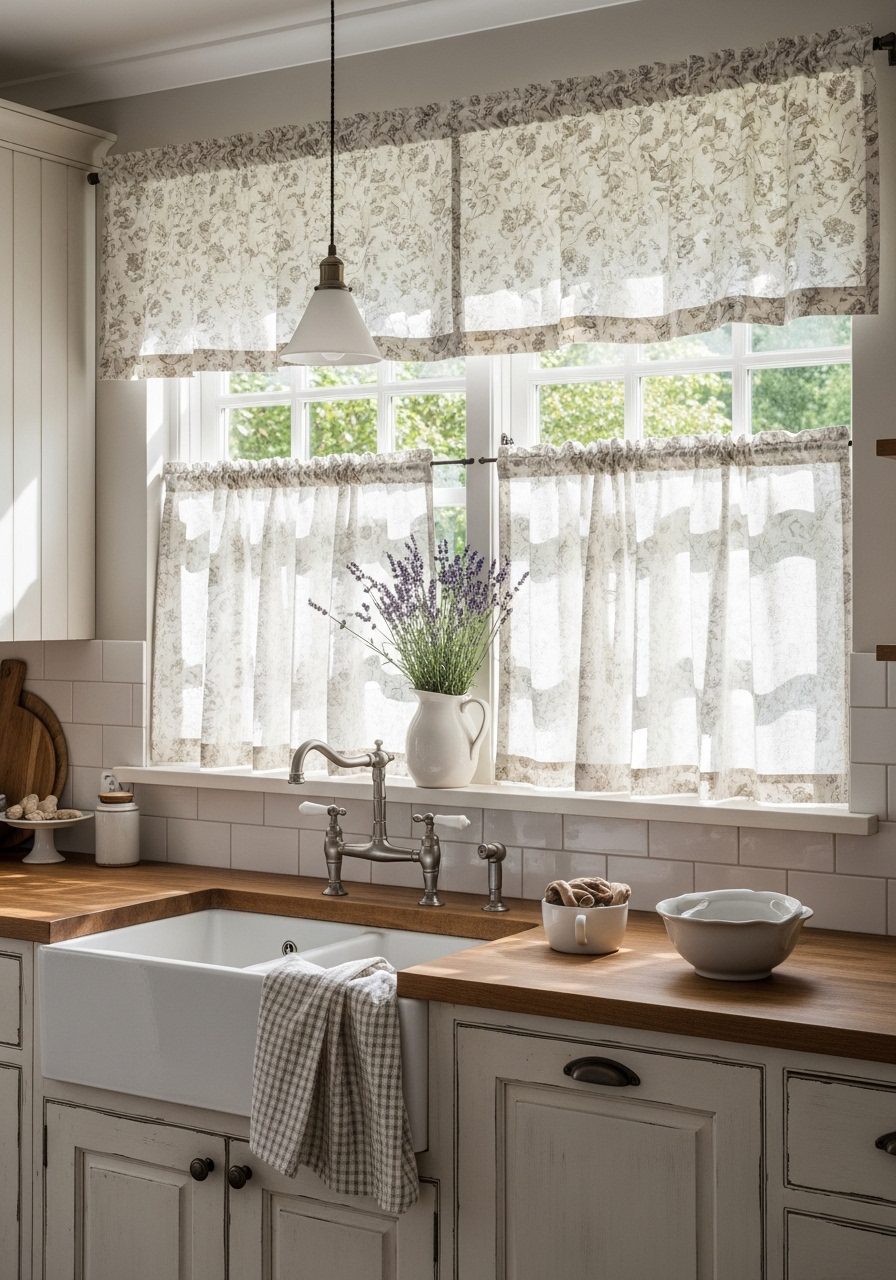
23. Soft Window Treatments
Light, airy curtains or shades soften sunlight and bring warmth into the kitchen. Window treatments provide texture, pattern, and a sense of completion to the room. They can also help control light and privacy, adding both function and style. Choosing subtle colors ensures cohesion with cabinetry and countertops. Soft fabrics and flowing designs introduce movement, preventing the space from feeling sterile or rigid. Well-styled windows enhance natural light, framing views and creating an inviting atmosphere. Thoughtful window treatments add personality, softness, and a finished look, making your kitchen feel balanced, warm, and stylish.
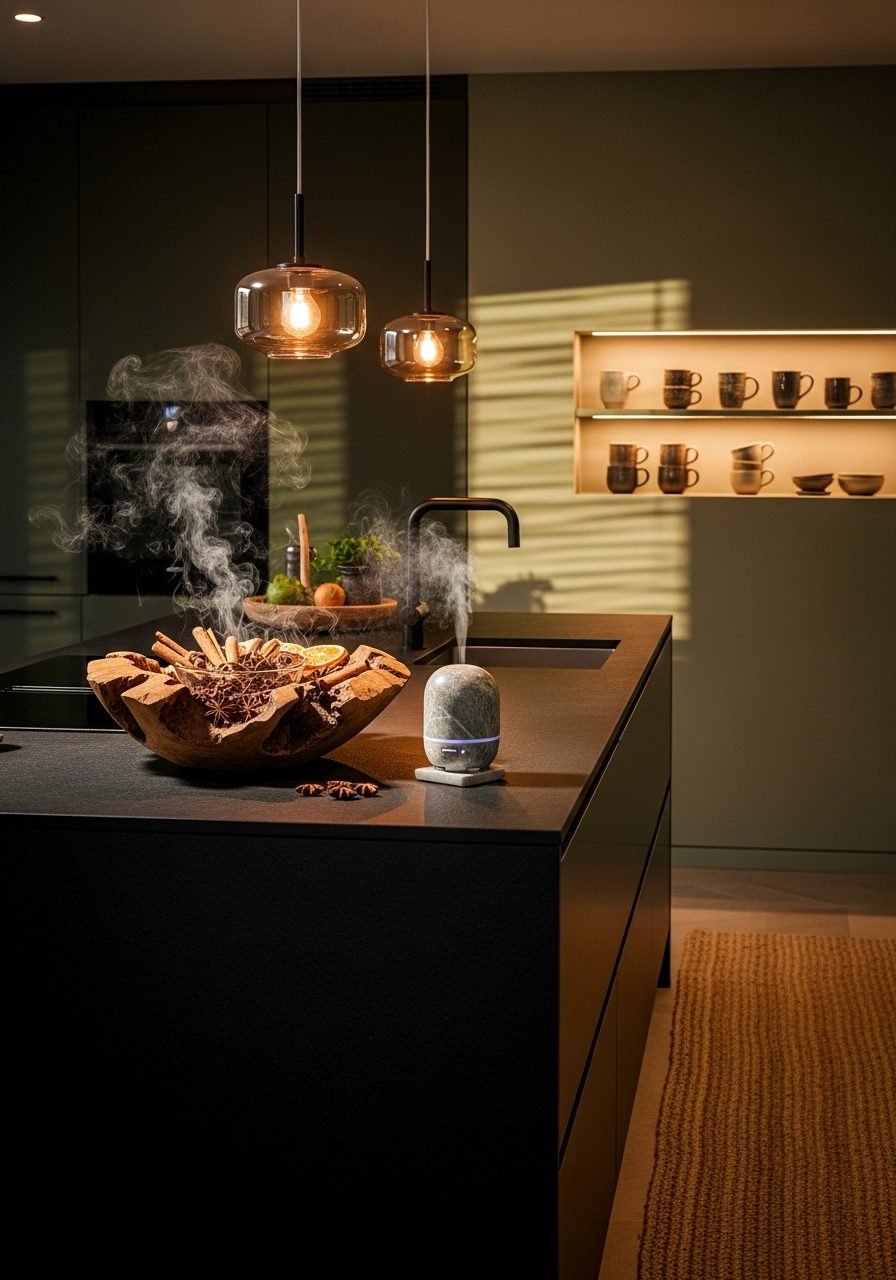
24. Sensory Styling Touches
Incorporating sensory elements like scent, texture, and lighting enhances the overall kitchen experience. Candles, diffusers, or fresh herbs create a pleasant aroma, while layered textiles and natural materials add tactile richness. Soft lighting adjusts mood and emphasizes textures, creating a multisensory environment that feels cozy and inviting. Sensory styling contributes to emotional impact, making the kitchen more than just a functional space. These details encourage relaxation, comfort, and enjoyment, enhancing your connection to the room. Thoughtfully integrating sensory elements elevates the kitchen from practical to emotionally engaging, providing a refined, luxurious, and personalized atmosphere that feels intentional and welcoming.
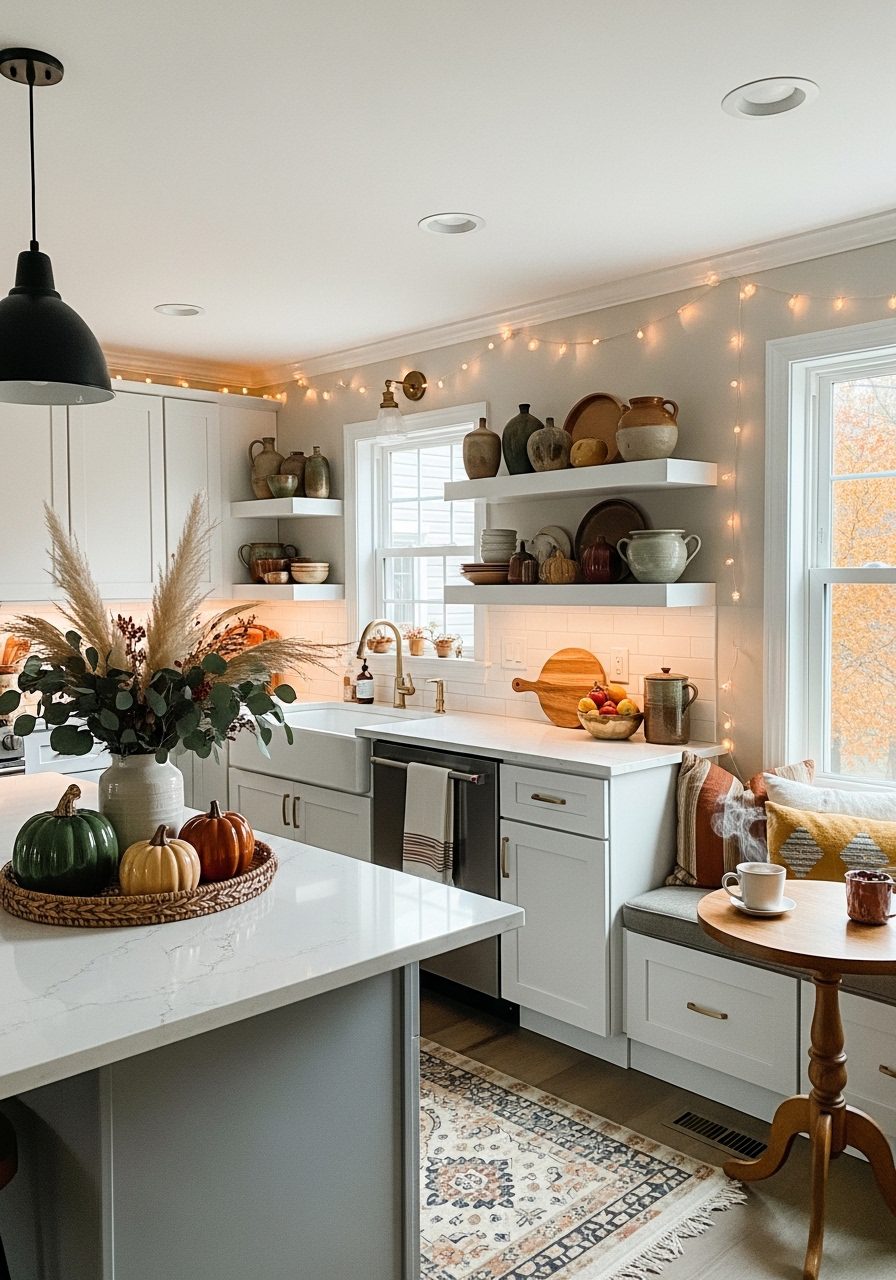
25. Seasonal Refresh Styling
Rotating small decor with the seasons keeps your kitchen fresh, lively, and visually engaging year-round. Simple changes like fresh flowers, citrus bowls, seasonal textiles, or holiday-inspired accents transform the atmosphere. Seasonal styling allows experimentation with colors, textures, and arrangements without committing to permanent changes. It encourages creativity while maintaining cohesion with your overall design palette. This strategy ensures your kitchen always feels updated and dynamic, reflecting the passage of time and personal taste. Seasonal decor adds energy and warmth, creating a space that’s both practical and emotionally inviting, keeping your kitchen constantly inspiring and visually compelling for yourself and guests alike.
Conclusion
The secret to a kitchen that truly resonates lies in moving beyond fleeting trends to embrace a layered, personal, and highly intentional atmosphere. By focusing on the intersection of thoughtful textures and curated details, you can cultivate a sanctuary that feels simultaneously luxe and inviting. These design strategies empower you to create a space that doesn’t just look beautiful in passing but deeply reflects your unique aesthetic and lifestyle. Whether optimizing a compact layout or a spacious open plan, prioritizing these intentional choices ensures the heart of your home remains a functional, fresh, and authentically inspiring environment every day.