Your living room can have beautiful furniture, a fresh paint color, and a few Pinterest-worthy accessories and still feel unfinished. You know the feeling: you move the sofa, add another cushion, stand back, and wonder why the room still does not look as polished as the inspiration photo.
A successful living room makeover is rarely about adding more. It is about making the major pieces relate to one another. The layout needs to support conversation. The rug needs to connect the seating. Lighting needs to work after sunset. Wall decor needs enough scale to hold its place without overwhelming the room.
For 2026, the most useful living room decor ideas are less about copying one trend and more about creating a room that feels intentional. Warm neutrals, natural materials, curved silhouettes, layered lighting, expressive art, and flexible furniture can all work together when they are chosen with a clear plan.
These ten ideas focus on the changes that can make the biggest visual difference during a makeover. You do not need to use all ten. Pick the few that solve what currently feels wrong in your room, then build from there.
Build the Room Around a Clear Seating Layout
Before buying another decorative piece, decide what the living room needs to do. If the room is mainly for conversation, the sofa and chairs should face one another enough to make talking natural. If movie nights are central, the television can influence the layout, but it should not automatically dictate every seat.
Start by measuring the main furniture and marking a simple floor plan. Leave comfortable walking paths rather than filling every open area. For practical ways to keep everyday items organized without making storage dominate the room, see our living room storage furniture ideas. A sofa that is pushed tightly against a wall can sometimes make a room feel less connected, while pulling seating slightly inward can create a more intentional conversation zone.
A useful makeover often comes from removing one oversized piece rather than adding three smaller ones. If a sectional blocks a doorway or forces everyone to walk around the coffee table, the room will feel awkward no matter how attractive the accessories are.
For a polished look, choose a focal point first. It might be a fireplace, a large window, an artwork grouping, or the seating arrangement itself. Then position the remaining pieces so the eye has somewhere to land. A successful living room makeover is rarely about adding more. It is about making the major pieces relate to one another. This approach also aligns with Architectural Digest’s guidance on starting with the room’s layout and function.
Use a Warm, Restrained Color Palette
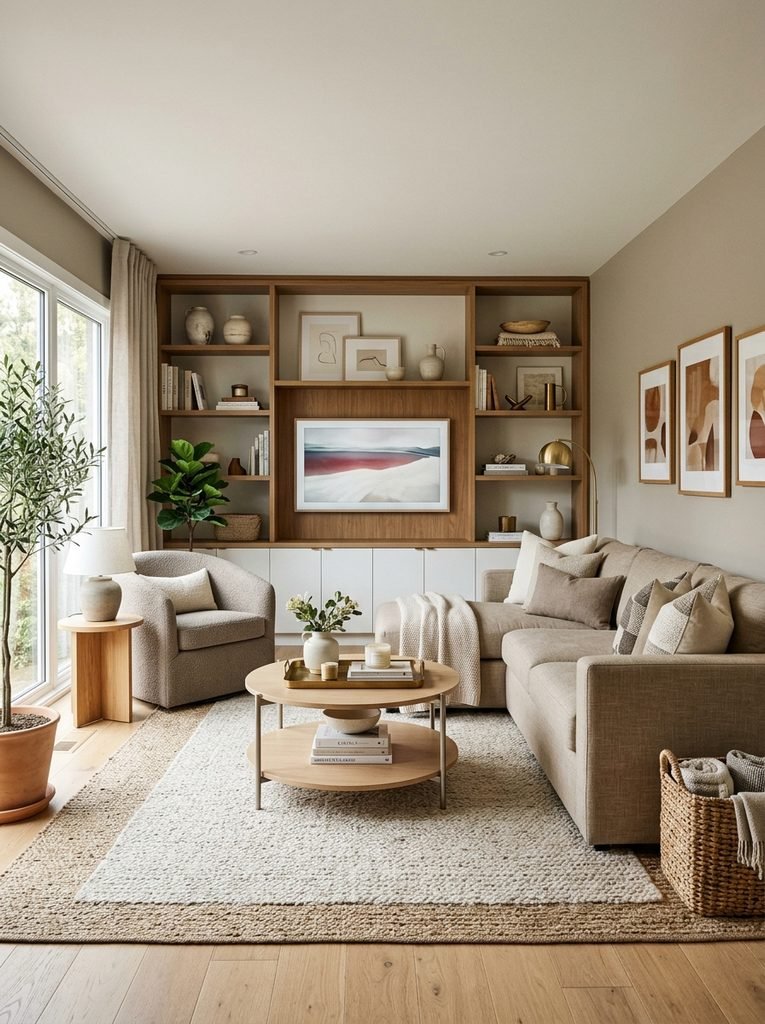
A room can feel modern without being stark. One of the easiest ways to make a living room look more considered is to limit the main palette and repeat the same tones in different materials.
Start with one dominant neutral such as warm white, oatmeal, beige, taupe, or soft greige. Add one supporting color through upholstery, curtains, artwork, or a rug. A third accent can be used sparingly on smaller objects.
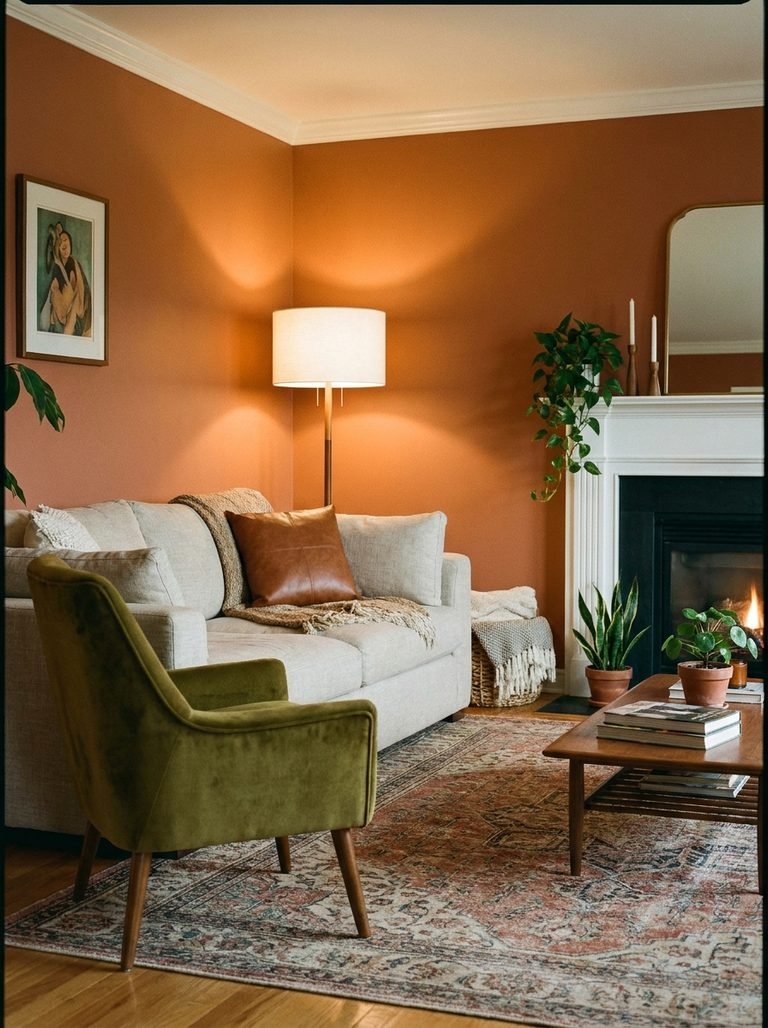
The important part is repetition. If a muted green appears in a cushion, repeat a related green in artwork or a plant. If you are testing colors for different times of day, our guide to living room color combinations in daylight and lamplight goes deeper into undertones and evening lighting.If warm wood is used on the coffee table, bring another wood tone into shelving or an accent chair. These repeated notes make separate purchases feel like one design rather than a collection of random items.
For a makeover, test paint and fabric colors in the actual room before committing. Natural daylight and evening bulbs can change how a color reads. This is especially important when choosing warm neutrals, which can look noticeably different as the light changes.
Choose a Rug That Connects the Seating Area
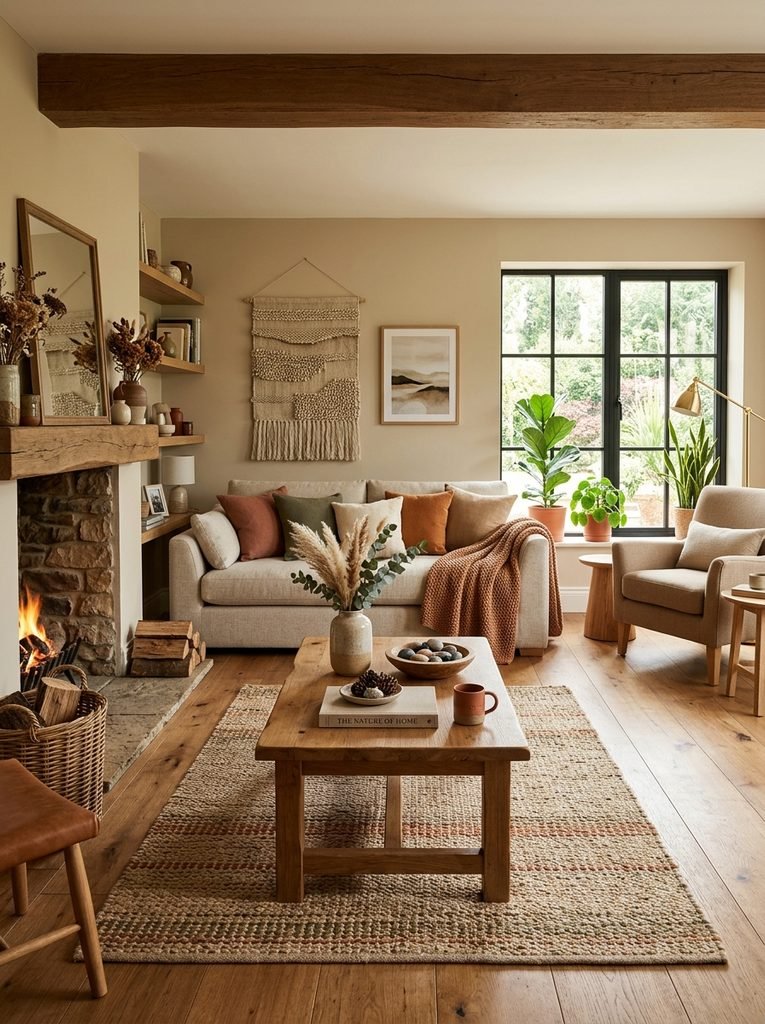
A rug can make a living room feel finished because it visually joins furniture that might otherwise look disconnected. The common mistake is choosing a rug based only on the empty floor area rather than the furniture arrangement.
Whenever the room allows, let at least the front legs of the main seating pieces sit on the rug. This creates a stronger visual zone and helps the sofa, chairs, and coffee table read as one group.
If you already own a smaller rug that you love, layering it over a larger natural-fiber rug can be an effective makeover solution. The larger base defines the seating area while the smaller rug adds pattern or personality.
Keep the pattern in conversation with the rest of the room. If the sofa and curtains are already visually busy, a quieter rug can create balance. If the furniture is simple, the rug can carry more of the room’s pattern.
Layer Lighting Instead of Relying on One Fixture
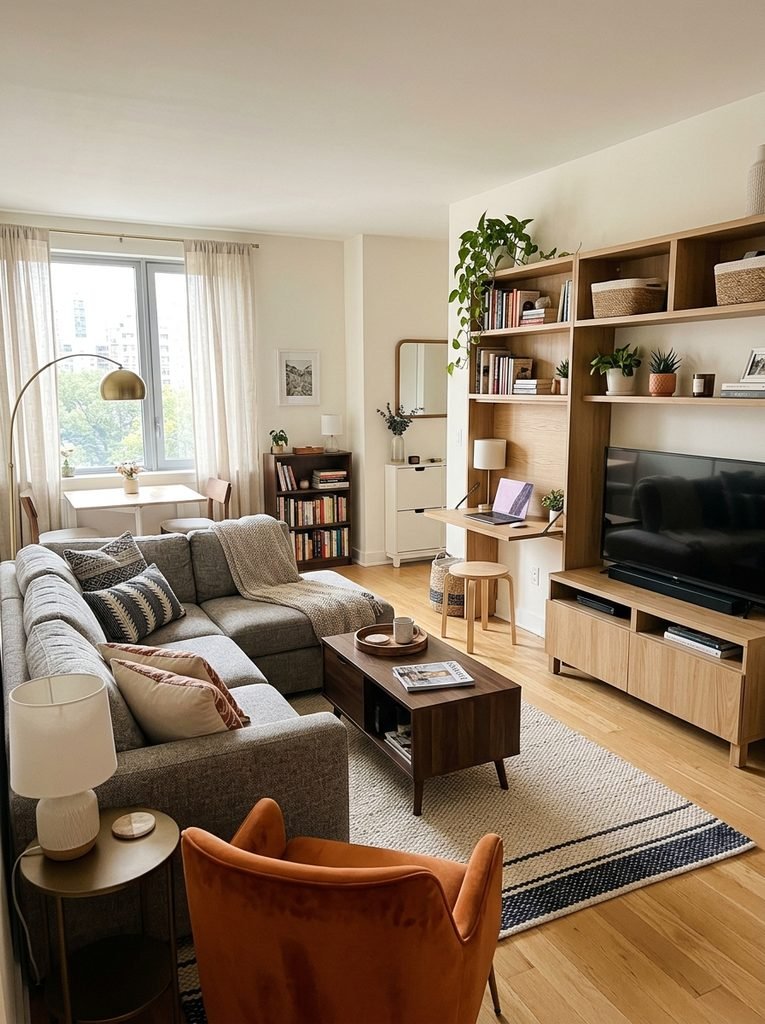
A beautiful living room can lose its atmosphere at night if the only light comes from a central ceiling fixture. Layered lighting gives you more control over how the room feels and how different areas are used.
Think in three levels. Ambient lighting provides general illumination. Task lighting supports activities such as reading. Accent lighting draws attention to artwork, shelving, architectural details, or a darker corner.
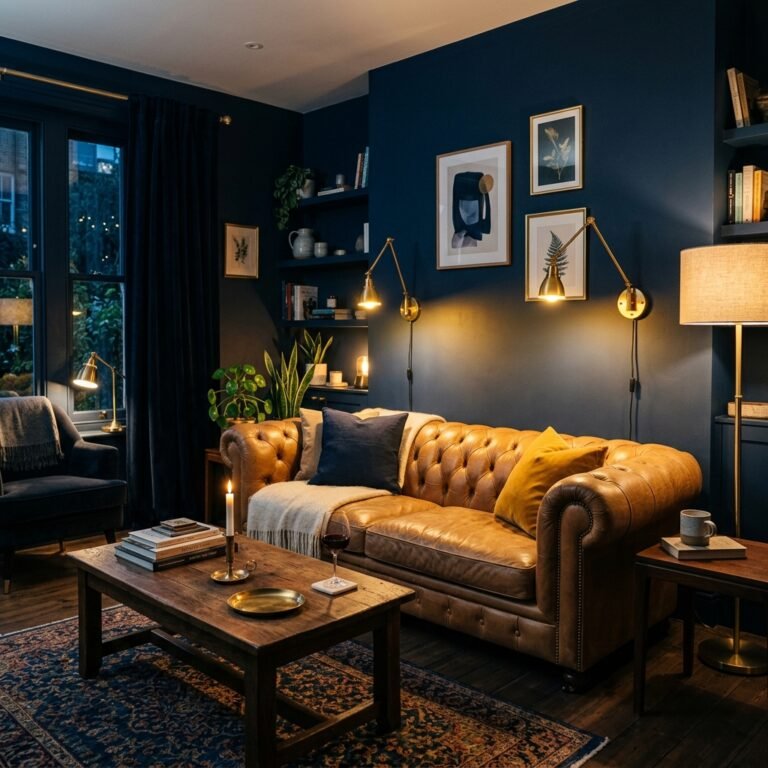
A floor lamp beside a sofa can create a useful reading zone. Houzz’s living room lighting guide also explains how multiple lighting levels can support different activities and moods. A table lamp on a console can add a lower point of light. Wall sconces can frame artwork or architectural features. Dimmable fixtures make the arrangement more flexible because the room can shift from bright daytime use to a softer evening setting.
Architectural Digest’s design guidance also emphasizes multiple light sources at different heights rather than relying on one ceiling light. ENERGY STAR notes that LED products can offer substantially greater efficiency than incandescent lighting, while compatibility between bulbs and dimmers should be checked before installation.
Add Texture Through Materials, Not Clutter
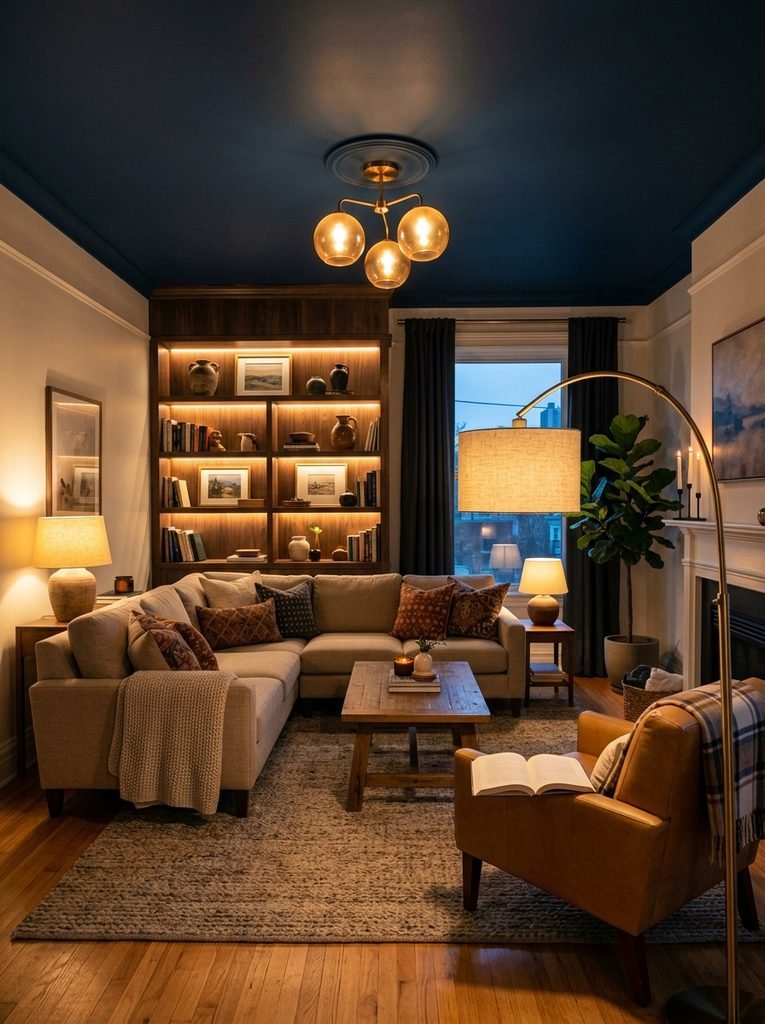
If a neutral living room feels flat, adding more objects is not always the answer. Texture can create depth without making the room visually busy.
Combine a few noticeably different surfaces. A smooth sofa can sit beside a woven basket. A wool or jute rug can contrast with a polished coffee table. Linen curtains can soften a room with hard architectural lines. Wood, stone, ceramic, boucle, cotton, and woven materials each catch light differently.
Use texture at different heights too. A throw across the sofa, a ceramic object on the coffee table, a woven basket near a chair, and textured curtains can create layers without requiring a large number of accessories.
The goal is contrast with restraint. Five materials that clearly differ can look richer than fifteen decorative objects that all have the same visual weight.
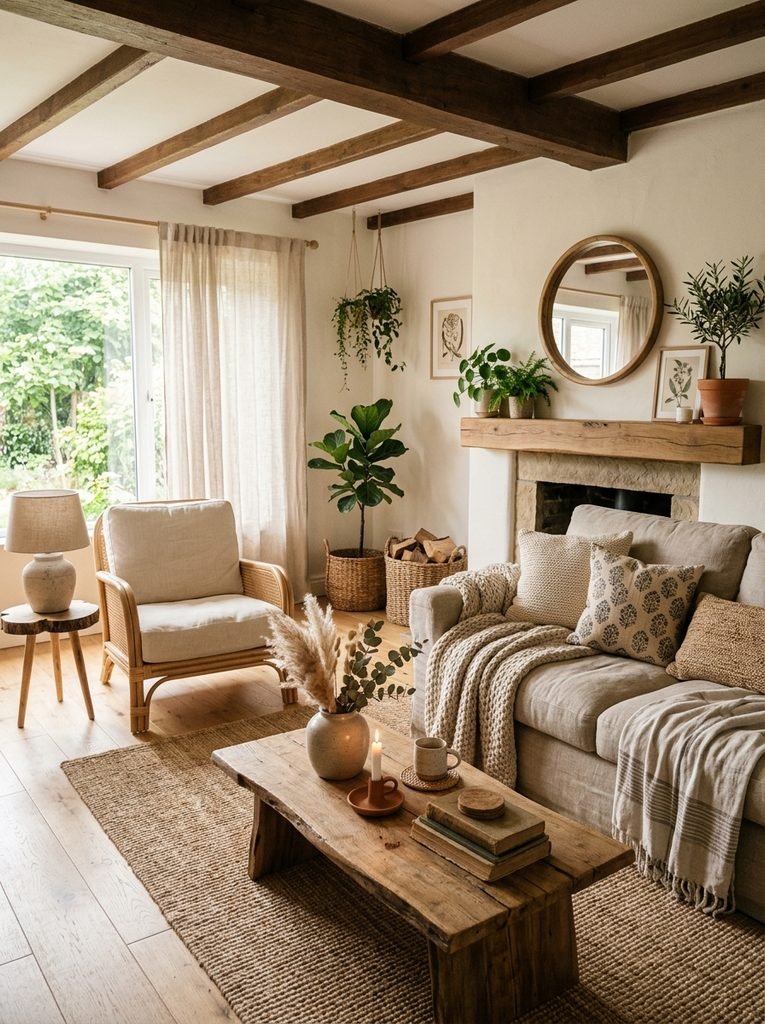
Bring in Curves Where the Room Needs Softness
If your living room is filled with rectangular furniture, a few curved pieces can immediately change the visual rhythm. A round coffee table, curved accent chair, arched floor lamp, or softly rounded sofa can break up a grid of straight lines.
You do not need to replace every piece. In fact, one or two curved elements usually have more impact than turning the entire room into a collection of rounded shapes.
Look at the strongest lines already in the room. If the sofa, media cabinet, rug, and windows are all rectangular, consider a circular coffee table or rounded side table. If the room already has several curves, use a straighter piece to keep the composition balanced.
Curves work particularly well when paired with warm wood, soft upholstery, and simple neutral colors. The result can feel contemporary without becoming overly futuristic.
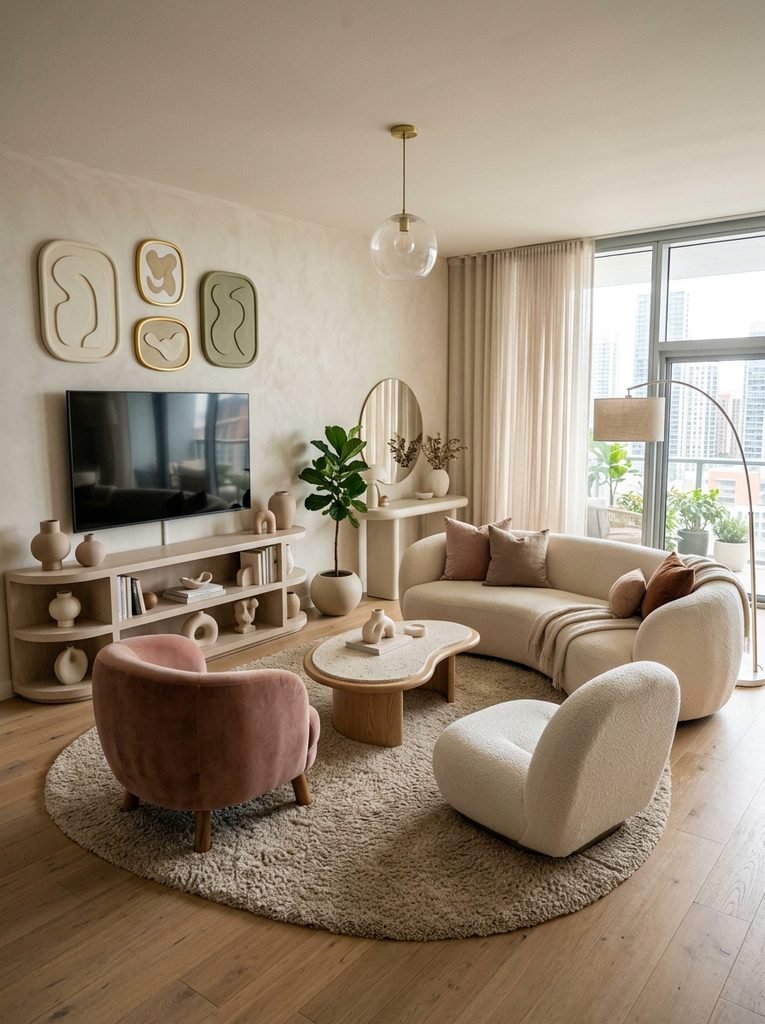
Give One Wall a Strong Visual Job
A blank wall does not always need a gallery wall. During a makeover, decide what the wall should accomplish before choosing the decor.
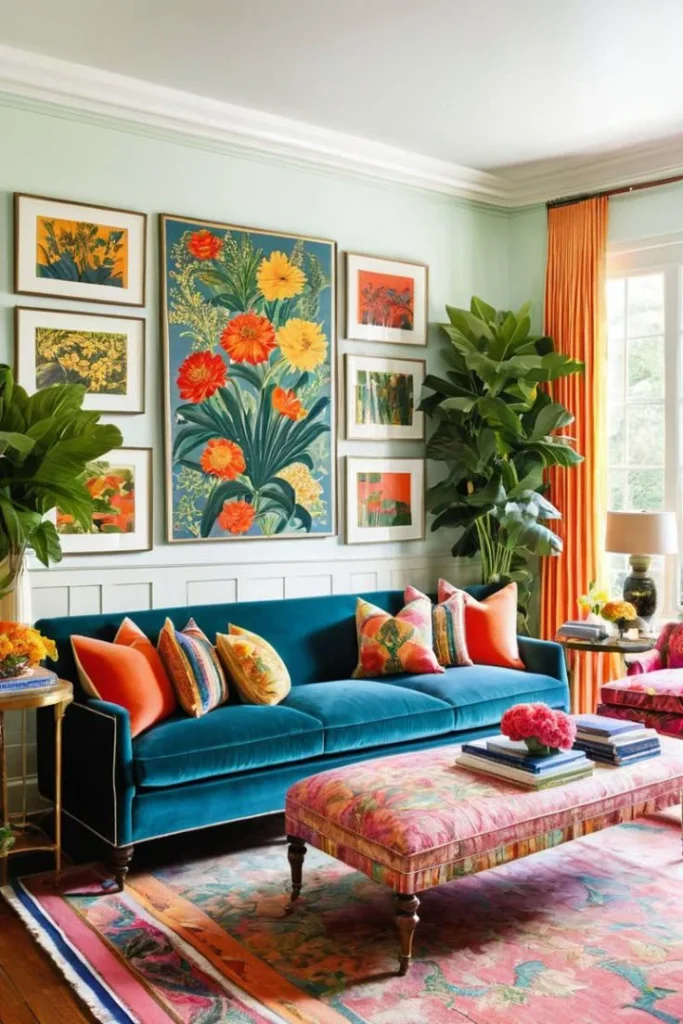
A large artwork can become the focal point above a sofa. A pair of sconces can frame a fireplace or console. A collection of smaller pieces can create a gallery effect when spacing and alignment are consistent. Even a simple painted feature wall can provide enough contrast to define a seating zone.
Scale matters more than the number of pieces. A tiny artwork above a large sofa can look lost, while one oversized piece can give the wall a confident focal point.
If you are using several frames, lay them on the floor first and test the arrangement. Keep the overall grouping connected rather than scattering small pieces across the wall. This creates a more deliberate composition and avoids the cluttered effect that can happen when every empty section receives a decoration.
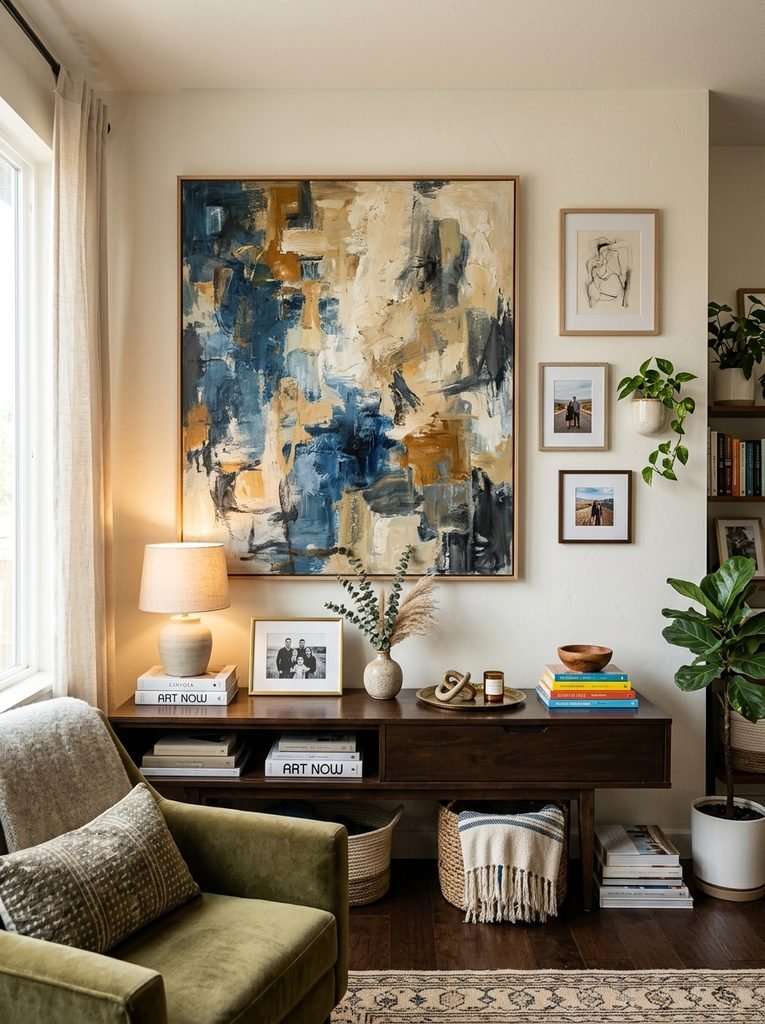
Use Plants and Natural Elements as Living Decor
Plants can make a living room feel more finished because they add height, color, and movement without requiring another hard furnishing.
Choose the plant for the actual light conditions rather than choosing it only because it looks good in a photo. A bright window can support different choices from a darker corner. If maintenance is a concern, start with one or two plants that suit the available light and your routine.
Natural elements do not have to mean a room full of greenery. A branch in a tall vase, a wood side table, woven storage, stone accessories, or botanical artwork can provide a similar connection to natural materials.
Keep the placement intentional. A tall plant can soften an empty corner. A smaller plant can add life to a shelf. Avoid putting plants everywhere simply because the room feels bare; use them to balance areas that need height or organic shape.
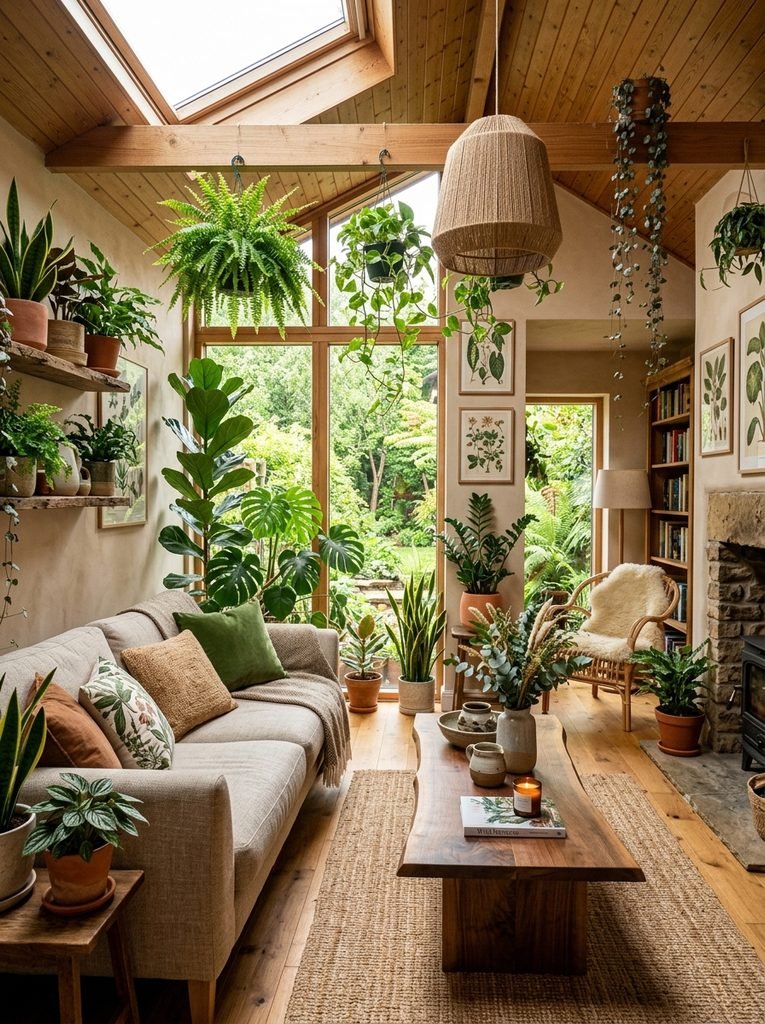
Make Technology Blend Into the Room
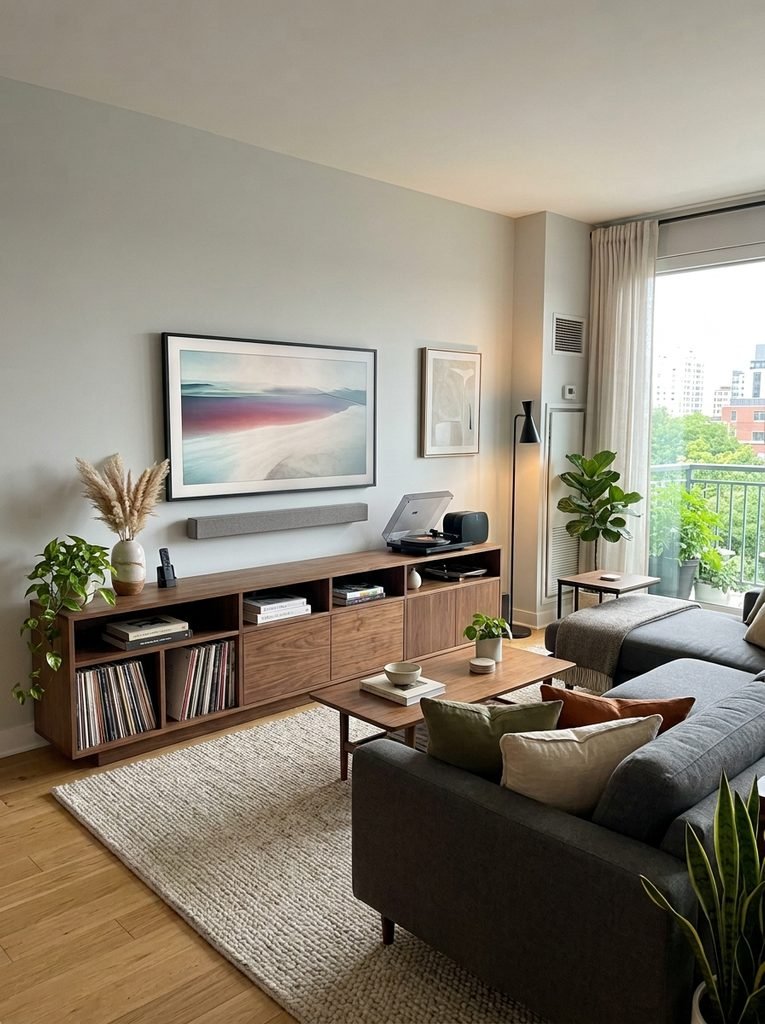
A living room still needs to function for modern life, but technology does not have to become the visual focus. The makeover goal is to make screens, chargers, speakers, and cables feel integrated rather than scattered.
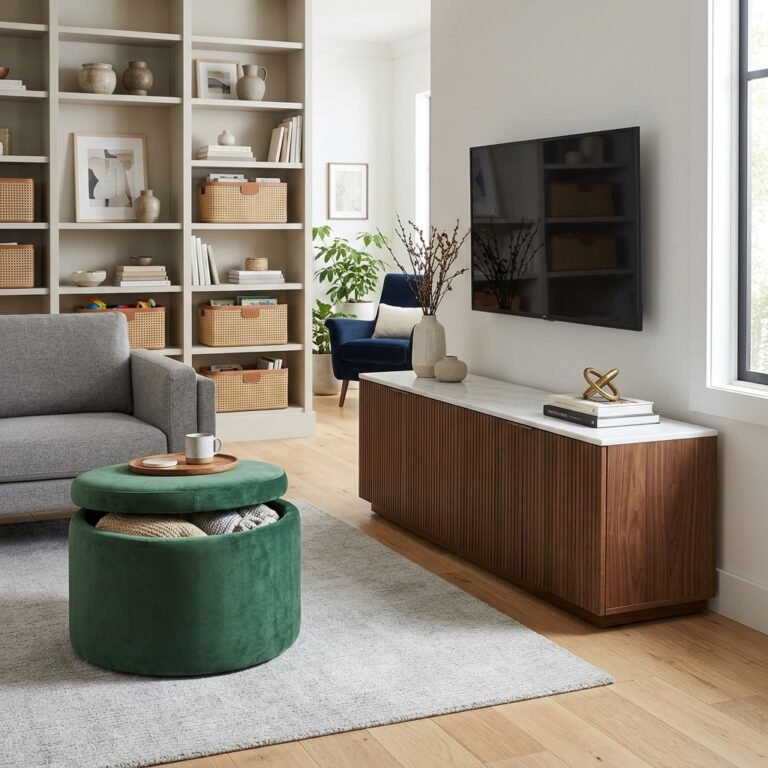
Start with cable management. Route visible cords behind furniture or through purpose-built channels where appropriate. Use a media console with enough closed storage for devices, remotes, and accessories. If the television dominates a wall, balance it with surrounding storage, artwork, or architectural detail rather than leaving a large black rectangle floating alone.
Think about charging too. A side table with built-in charging or a discreet charging station can prevent phones and cables from taking over the coffee table.
The same principle applies to speakers and smart lighting. Choose locations that support how the room is actually used, then make the equipment visually quiet whenever possible.
Mix Old and New for a Collected Finish
The fastest way to make a living room look overly matched is to buy every major piece from the same style family. A more personal room usually has some contrast.
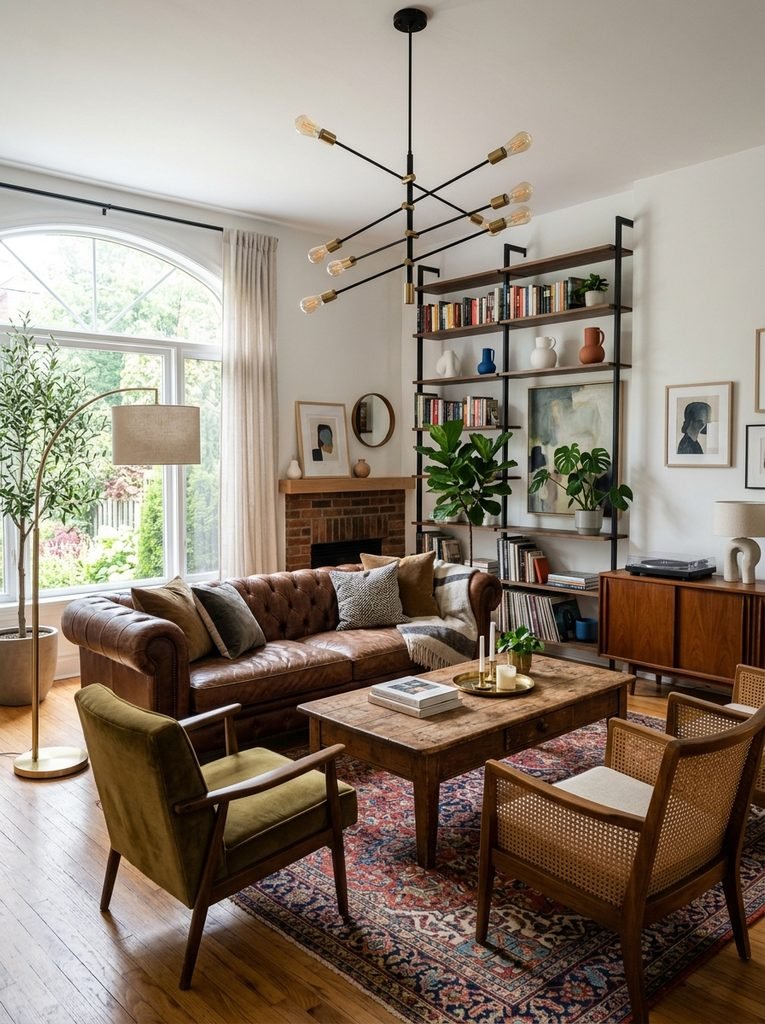
Try combining one older-looking or vintage-inspired element with cleaner contemporary pieces. A traditional wooden cabinet can work with a modern sofa. A vintage-style lamp can soften a streamlined console. An antique-looking mirror can add character to a room with simple furniture.
The key is to repeat one or two connecting details. Similar wood tones, repeated metal finishes, or a shared color can make different eras feel related.
This approach also makes future decorating easier. You can replace a lamp, chair, or side table without rebuilding the entire room because the design is not dependent on a perfectly matched set.
Put the Makeover Together Before You Buy More Decor
Once the main pieces are chosen, step back and look at the room as a whole. The goal is not to make every corner interesting. The goal is to create a visual path through the room, with a few strong focal points and enough quiet space around them.
Check the sofa, rug, coffee table, curtains, lighting, wall decor, and storage as one composition. If everything is beige, introduce contrast through wood, black accents, greenery, or artwork. If the room already has strong patterns, simplify the accessories. If the furniture feels heavy, add lighter visual elements such as open shelving, reflective surfaces, or lighter textiles.
For a practical makeover, change the highest-impact problems first. Fix a cramped layout before buying accessories. Improve poor lighting before adding more wall decor. Replace an undersized rug before styling the coffee table. These changes usually create a stronger transformation because they improve the structure of the room rather than simply adding decoration.
FAQs
What living room decor ideas are most useful for a 2026 makeover?
Focus on choices that improve the whole room: a clear seating layout, a restrained color palette, correctly scaled rugs and furniture, layered lighting, natural textures, expressive wall decor, and a few contrasting shapes.
How can I make my living room look more expensive without replacing everything?
Start with layout, lighting, and scale. A properly sized rug, coordinated curtains, balanced wall art, and multiple light sources can make existing furniture look more intentional.
What colors work well for a modern living room?
Warm whites, beige, taupe, soft greige, muted greens, terracotta, and deeper charcoal accents can create a contemporary palette. Test colors in your own room because daylight and artificial light change how they appear.
How do I avoid making a living room look cluttered?
Give every large item a purpose, keep walking paths open, group decor instead of scattering it, and leave some surfaces visually quiet. Storage that looks like furniture can also reduce visible clutter.
Should every living room follow the latest trend?
No. Use current trends as inspiration rather than a checklist. The strongest makeover usually combines a few current details with furniture, colors, and materials that suit the home’s architecture and the way you live.