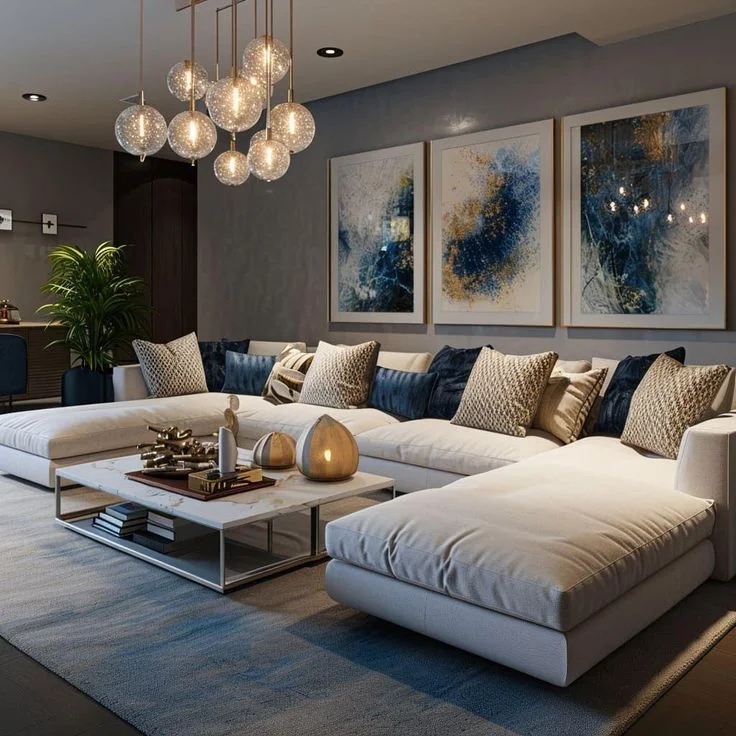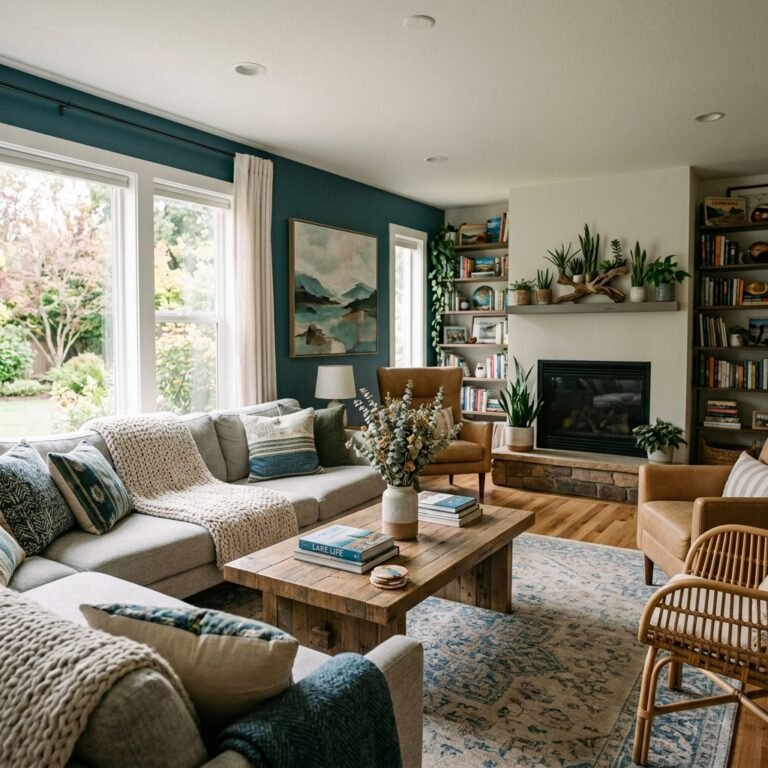
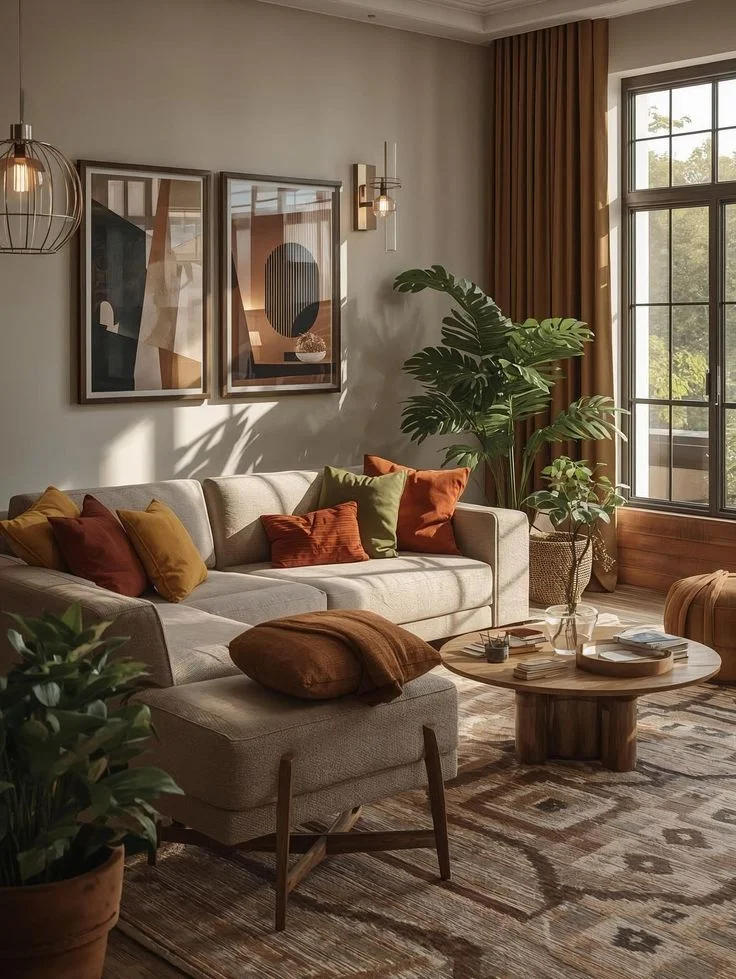
15 Small Living Room Ideas That Make Any Space Feel Bigger
You’ve stared at your small living room and wondered: is this it? You scroll Pinterest, bookmark a hundred gorgeous spaces, and then look back at your own four walls feeling defeated. Here’s the truth most designers won’t tell you upfront it’s never really about square footage. The most stunning small living rooms in the world aren’t beautiful because they’re big. They’re beautiful because every single design decision was intentional. Light, scale, color, texture, and layout when these elements work together, a 200-square-foot room can feel like a sanctuary. These 15 small living room ideas are your starting point. Whether you rent or own, decorate on a shoestring or a splurge, there’s something here that will transform the way you see and live in your space.
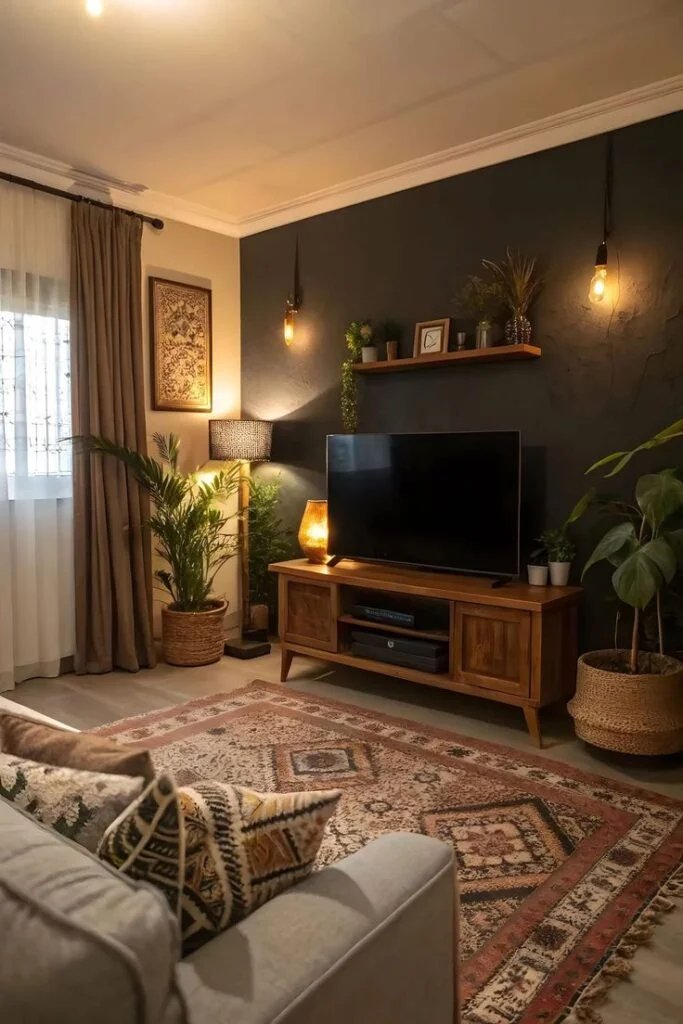
Go Light on the Walls But Not Boring
One of the most powerful (and affordable) small living room ideas is choosing the right wall color. Light, warm whites like Benjamin Moore’s “White Dove” or Sherwin-Williams’ “Alabaster” bounce natural light across the room, instantly tricking the eye into perceiving more space. But light doesn’t mean sterile. Pair off-white walls with rich wood tones, textured throw pillows in terracotta or sage, and a statement art piece. The walls become a canvas rather than a limitation. Avoid cool stark whites, which can make a small room feel clinical. Instead, lean into warm undertones — creamy, peachy, or linen-toned hues that make the room feel cozy yet open. This one change alone can make a cramped small living room feel like it exhaled.
Choose Furniture with Legs Let the Floor Breathe
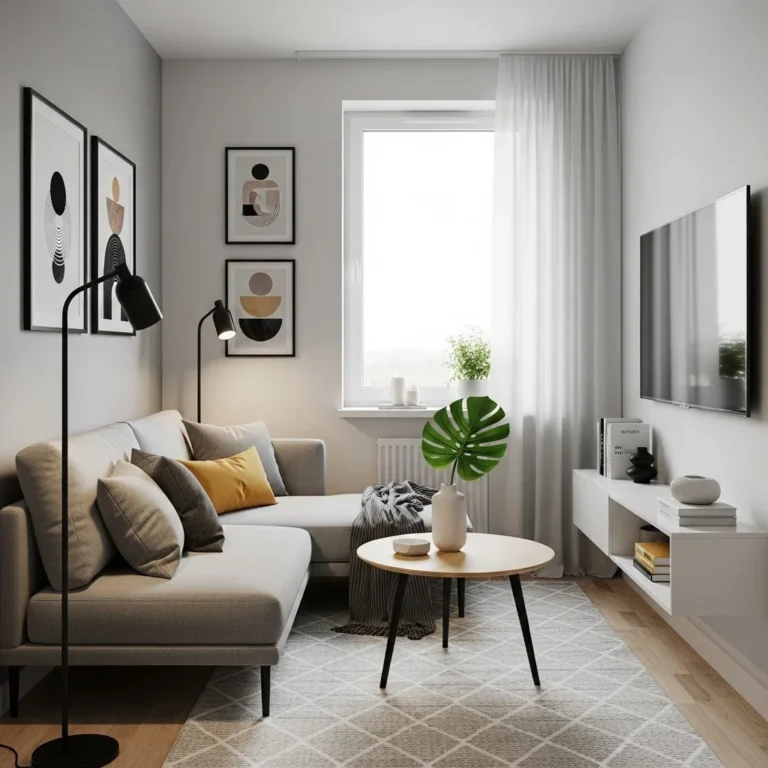
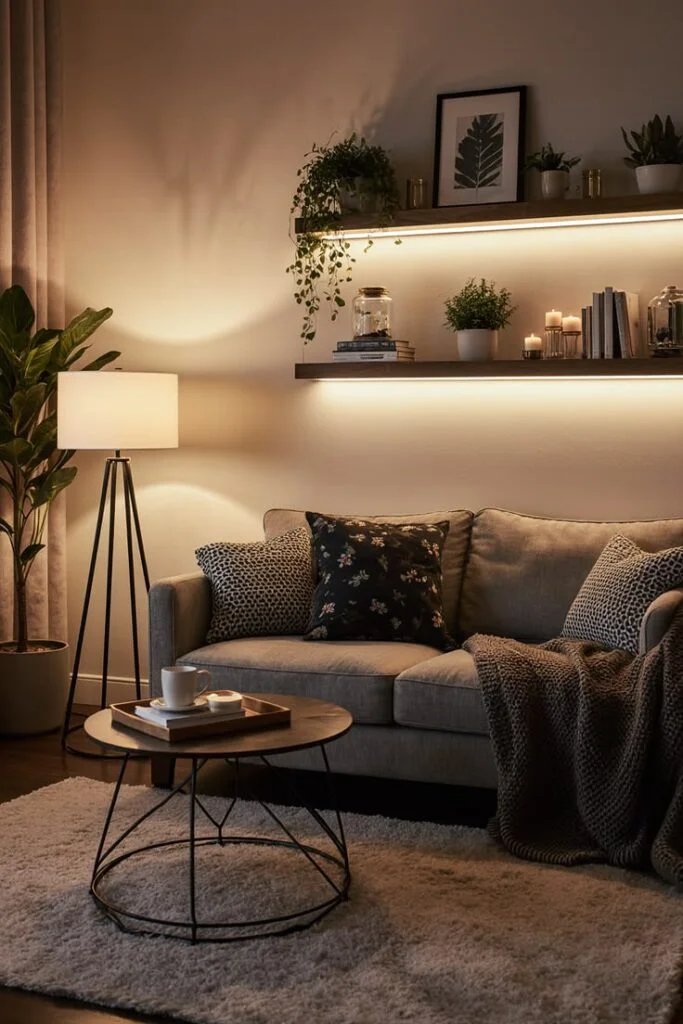
Furniture that floats off the floor is a game-changer for small living rooms. When sofas, accent chairs, and coffee tables sit on visible legs, your eye travels beneath them, perceiving the room as more open. A chunky sectional that hugs the floor like a fortress will visually fill every inch of your space; a sleek sofa on tapered mid-century legs does the opposite — it creates breathing room. Look for sofas with 5–7 inch leg clearance and coffee tables in lucite, glass, or slim brass-legged wood. The floor becomes part of the visual landscape, expanding the perceived footprint. This is one of those small living room design tricks that interior designers use in even the most modest apartments to great dramatic effect.
Use Mirrors Like a Secret Design Weapon
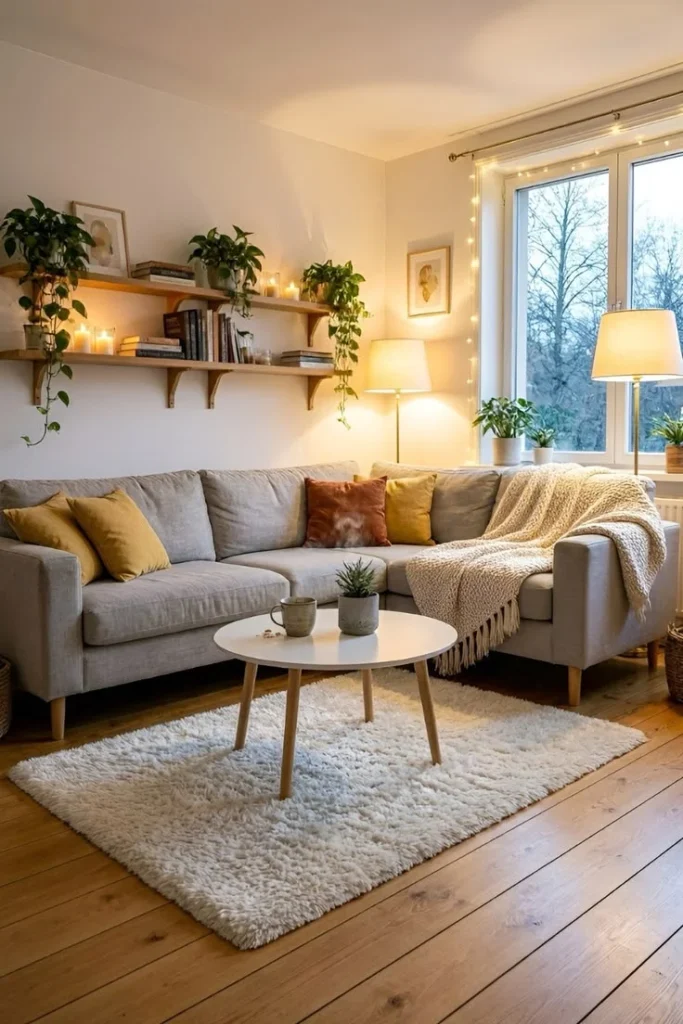
Mirrors are the oldest trick in the interior design playbook — and for good reason. A well-placed large mirror in a small living room does double duty: it reflects light and creates the convincing illusion of depth and extra square footage. The key word here is “well-placed.” Position a large mirror — think at least 36 by 48 inches — directly across from your main window. It will reflect the outdoor view and flood the room with natural light. For an even bolder move, lean an oversized floor mirror against a wall rather than hanging it. This creates a casual, editorial feel while making the room look twice as deep. Even a gallery wall of mismatched vintage mirrors can amplify light beautifully without looking like a hotel lobby.
Go Vertical Claim Your Wall Real Estate
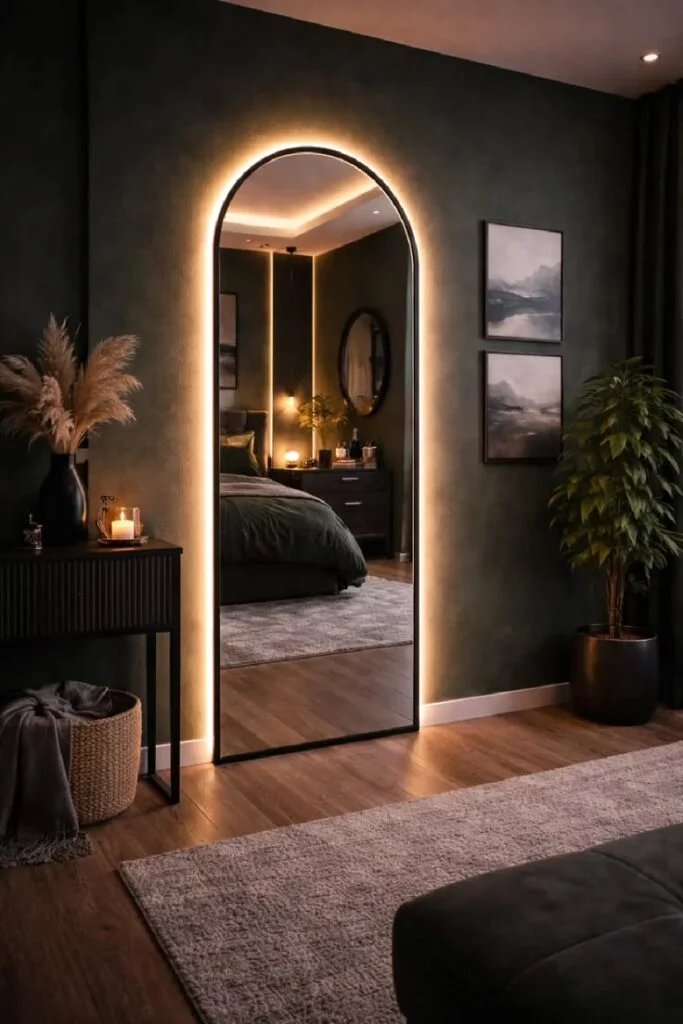
In a small living room, the walls are your most underused asset. Think vertically: floor-to-ceiling bookshelves draw the eye upward, making ceilings feel taller and the room feel grander. Built-in shelving around a fireplace or TV wall is the ultimate space-maximizer — it adds both storage and architectural interest without eating up a single square foot of floor space. If built-ins aren’t an option, freestanding bookshelves that nearly reach the ceiling work beautifully. Style them with a mix of books, plants, and objects — not just crammed with stuff, but curated like a boutique. Wall-mounted floating shelves are another option: they add storage and visual texture while keeping the floor clear. In small living room design, a high eye line is always your friend.
Invest in a Sofa That Fits Not One That Impresses
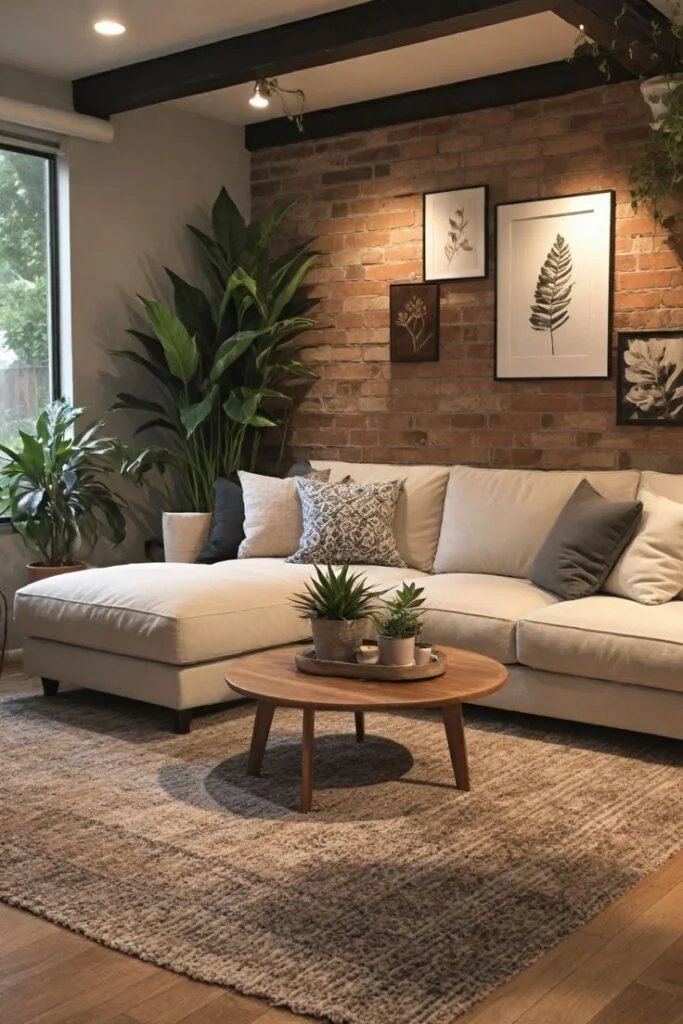
The single most common small living room mistake? Buying a sofa that’s too big because it looks great in the store. A sofa that’s even 12 inches too wide can make an entire room feel impossible to navigate. For a small living room, measure twice and buy once. Aim for a two-seater or a compact three-seater — look for “apartment-sized” sofas that typically run 72 to 84 inches wide instead of the standard 96 inches. Consider a loveseat paired with two stylish accent chairs instead of a traditional three-seater; this creates a more dynamic, conversational layout. Modular sectionals designed for small spaces are also worth exploring — they let you configure the layout to your room’s specific quirks. The right-sized sofa makes the whole room click.
Don’t Size Down the Rug Go Bigger Than You Think
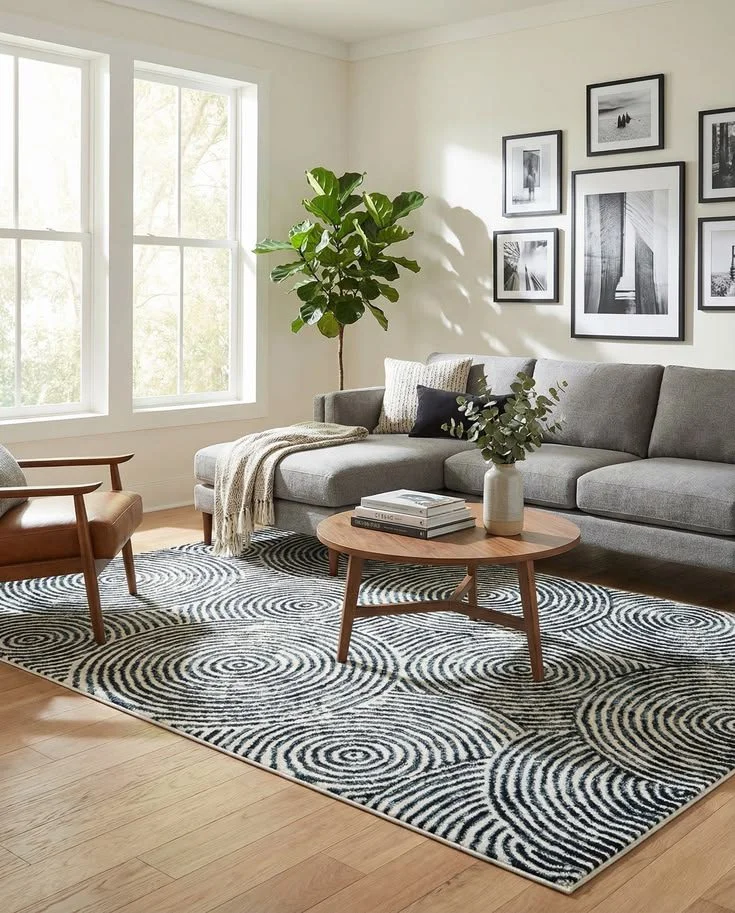
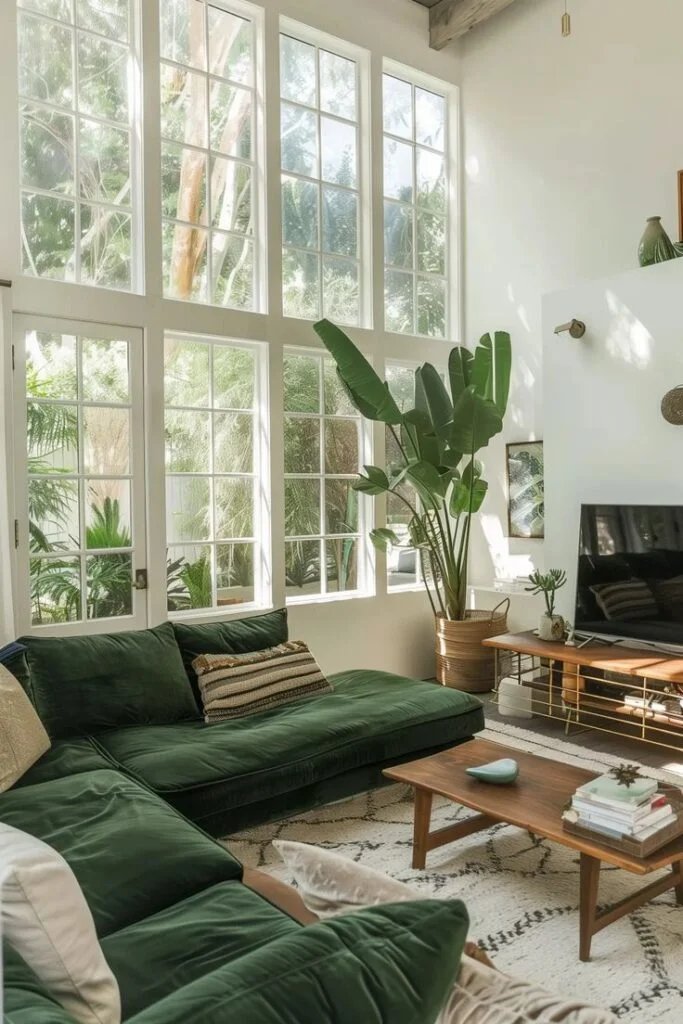
Here’s a counterintuitive small living room idea: the biggest rug-sizing mistake people make is going too small. A tiny rug that only fits under the coffee table makes a room feel fragmented and smaller. Instead, choose a rug large enough for all front legs — or ideally all four legs — of every key furniture piece to sit on it. This creates a unified “room within a room” effect that anchors the space beautifully. For most small living rooms, a 8×10 foot rug is the sweet spot. In terms of color, light-toned rugs in ivory, warm beige, or soft terracotta will extend the visual floor space. Geometric patterns can add personality without visually shrinking the room, especially when the lines run lengthwise or diagonally.
Lay your rug at a slight angle to the walls if the room is very boxy — it creates a dynamic tension that makes the space feel deliberately designed.
The Golden Rule of Small Spaces
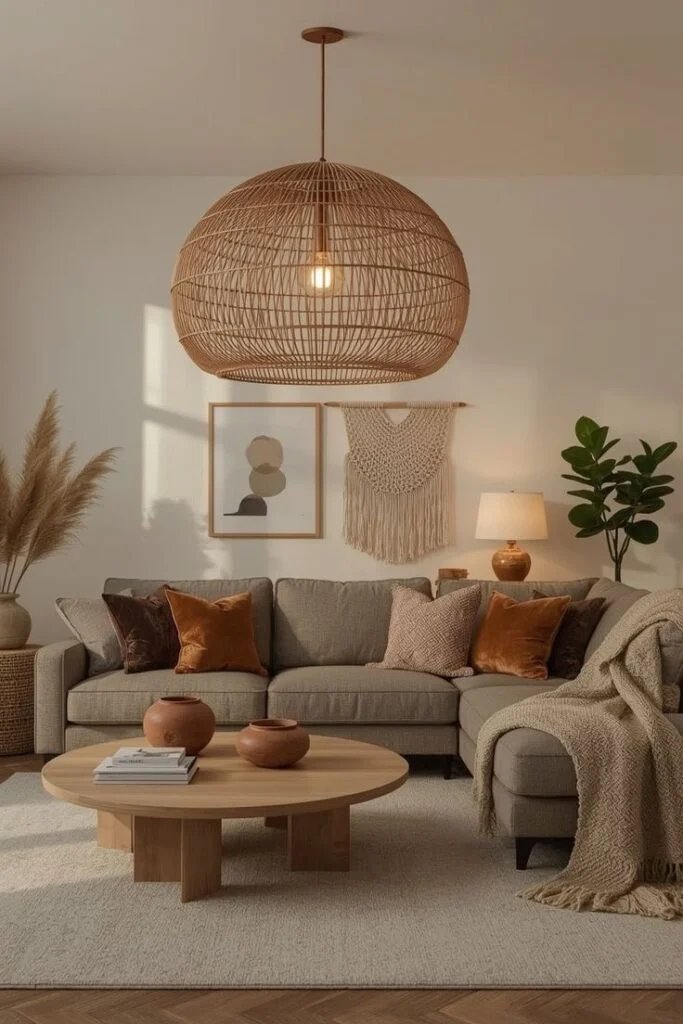
Every piece of furniture and every decor item should earn its place. If it doesn’t add function, beauty, or both it’s stealing space from something that could.
Layer Your Lighting Ditch the Single Overhead Fixture
Nothing flattens a small living room faster than relying on one harsh overhead ceiling light. Layered lighting combining ambient, task, and accent sources creates depth, warmth, and the illusion of a much larger space. Think: a statement floor lamp in a corner, table lamps on side tables, a string of warm Edison lights along a shelf, and candles or LED votives on the coffee table. This creates zones within the room, making it feel more expansive and intentional. For overhead lighting, swap a flat flush-mount for a pendant light or chandelier, even in low-ceiling rooms. Choosing a fixture with upward-facing light washes the ceiling in warm glow, visually pushing it higher. Warm bulbs (2700–3000K) are essential cool bulbs shrink a space psychologically.
Try a Monochromatic Color Scheme for Seamless Flow
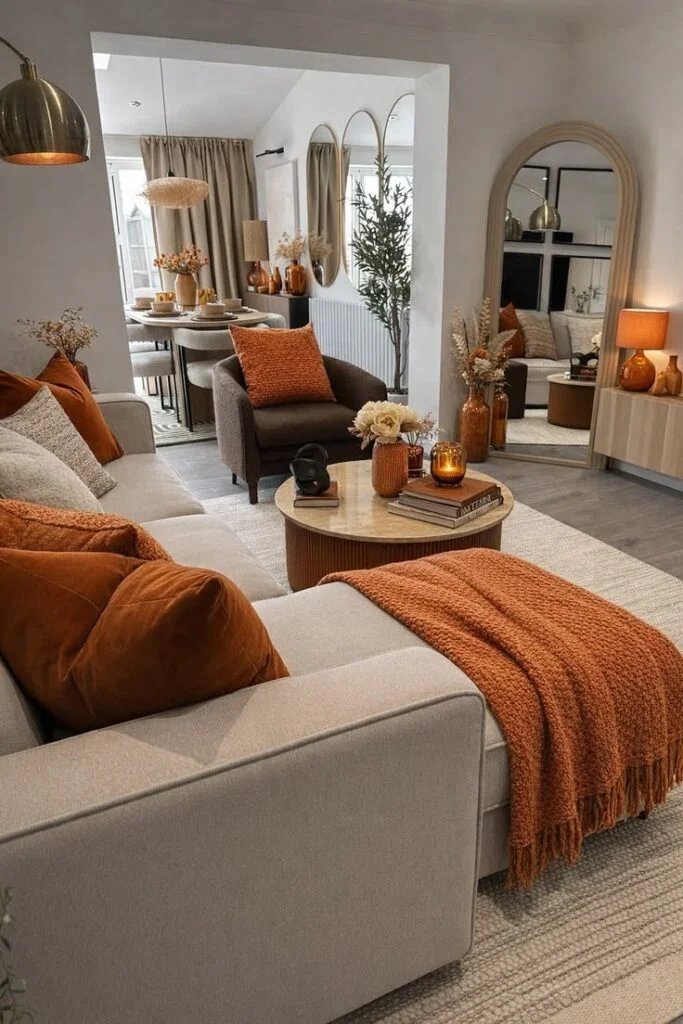
A tonal, monochromatic color palette is one of the most underrated small living room design ideas. When your walls, sofa, curtains, and rugs all live within the same color family think varying shades of warm greige, or a range of dusty blues the room reads as one continuous, unbroken space. Your eye doesn’t stop and start at each color change; it flows through the room like water. This doesn’t mean everything must match exactly. Texture is your best friend here: a cream linen sofa, a wool throw in ivory, a jute rug in warm oat all different textures, all singing the same tonal song. The result feels incredibly curated and sophisticated, and your small living room will look far larger and more intentional than rooms relying on contrast for interest.
Hang Curtains High and Wide Frame the Room, Not the Window
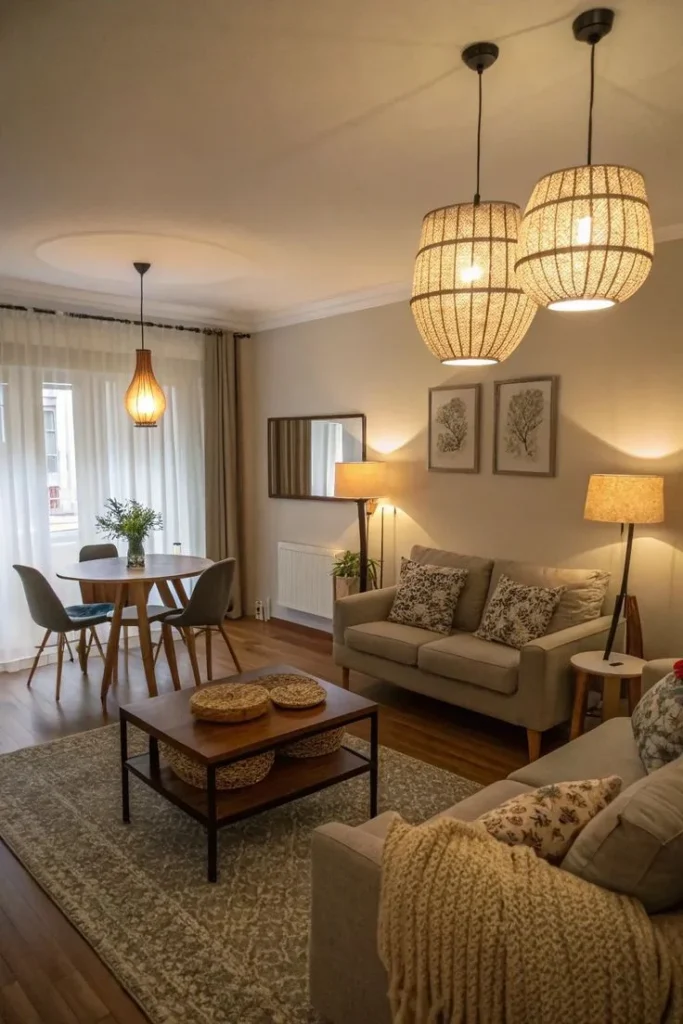
Window treatments are one of the most transformative and affordable small living room tricks available to you. The rule is simple but powerful: hang curtains as close to the ceiling as possible (or on the ceiling itself), and extend the curtain rod 12 to 18 inches beyond each side of the window frame. The result? Your window looks dramatically larger, the ceiling feels higher, and natural light floods in from a bigger perceived opening. Use lightweight, sheer fabrics in linen, cotton, or voile in light tones — these let light diffuse through beautifully while still providing privacy. Avoid heavy, patterned drapes in a small living room; they eat light and close in the walls. Floor-length curtains that pool slightly at the base add a luxurious, tailored quality to even the simplest space.
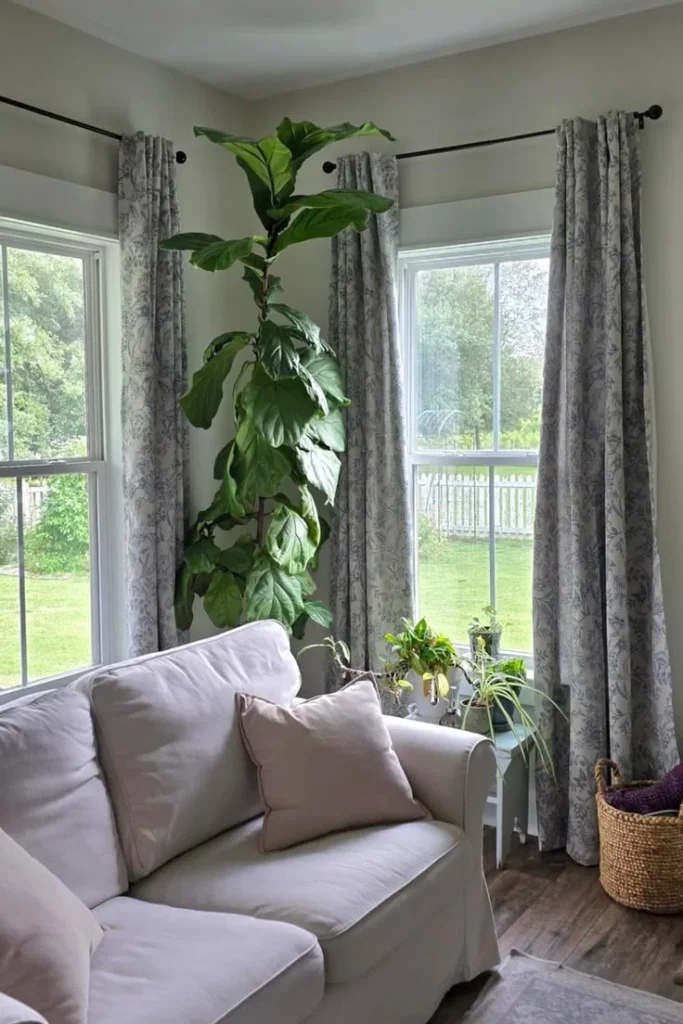
Choose Multi-Functional Furniture Like Your Space Depends on It
In a small living room, every piece of furniture should be working overtime. An ottoman that opens to store blankets, a coffee table with hidden drawers, a console table that doubles as a desk, a sofa with a pull-out bed for guests — these are not just practical choices; they’re essential design strategy. The goal is to reduce clutter without sacrificing comfort or style. Look for nesting tables instead of a single large coffee table — they can be spread out when needed and tucked away the rest of the time. A storage bench at the foot of a sofa or under a window adds seating, storage, and architectural charm. When each piece has a clear function, your small living room stays looking intentionally curated rather than cluttered.
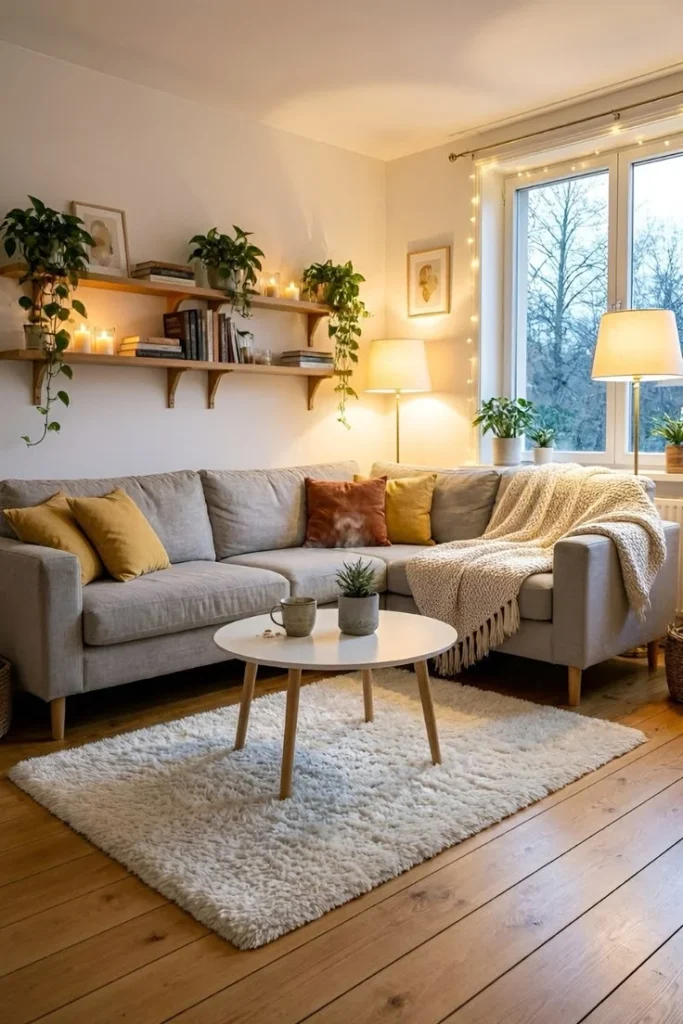
Bring in Plants to Add Depth Without Bulk
Plants are one of the most transformative and often overlooked small living room ideas. The right greenery adds depth, movement, color, and life to a space without taking up meaningful square footage. A tall, slender fiddle leaf fig or a sculptural snake plant in a corner draws the eye upward and adds vertical presence. Trailing plants like pothos or string of pearls hanging from a wall bracket or shelf add layers of texture without cluttering surfaces. A cluster of small plants on a windowsill creates a living tableau that brings the outdoors in, making your small living room feel connected to something larger. Plants also soften hard architectural lines the organic, asymmetric shapes of leaves are naturally calming and make sterile, boxy rooms feel alive and personal.
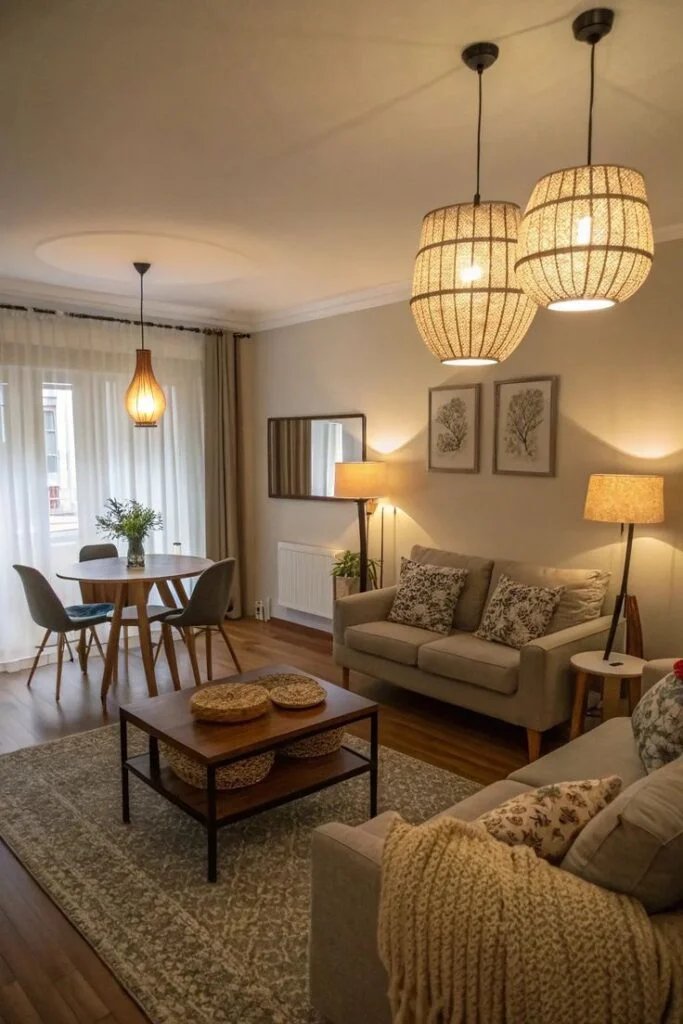
Float Furniture Away from Walls Yes, Really
Most people push all their furniture up against the walls in a small living room, thinking it will free up space in the middle. Counterintuitively, this often makes the room feel smaller and more awkward, not larger. Floating furniture pulling your sofa and chairs 6 to 12 inches away from the walls creates breathing room all around each piece and makes the room feel more intentional and generous. It also creates natural traffic flow pathways that make the space easier to move through. When furniture is grouped in the center of the room rather than plastered to the perimeter, the room instantly looks more like a magazine spread and less like a waiting room. The small amount of visible wall behind and around the furniture actually makes those walls recede visually.
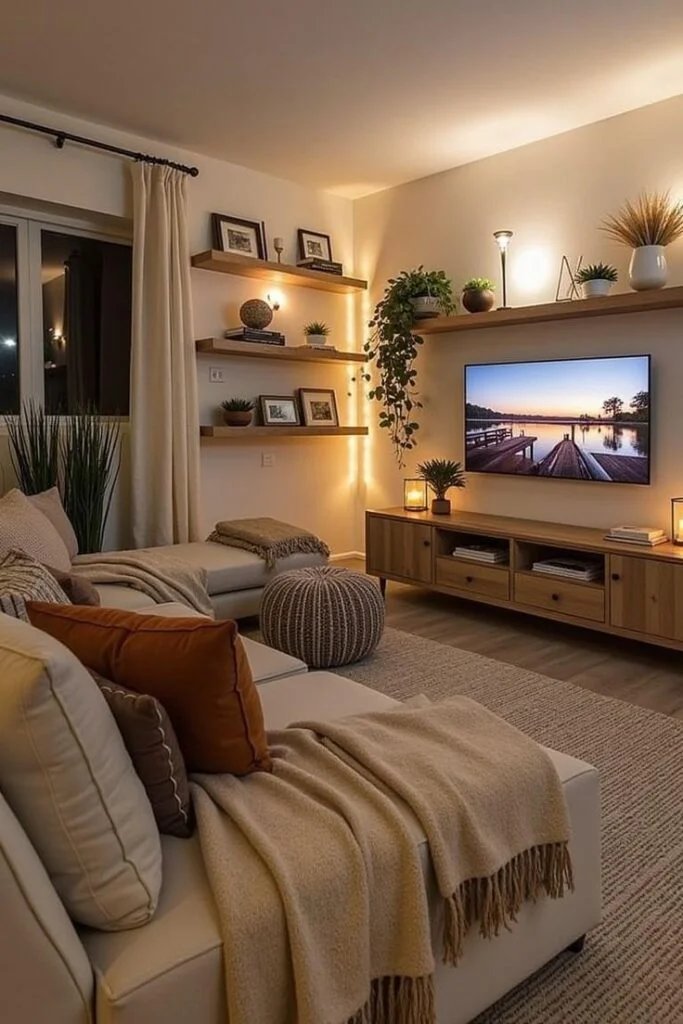
Edit Ruthlessly Negative Space Is a Design Choice
This might be the most powerful small living room idea on this entire list: empty space is not wasted space. In interior design, negative space — the areas around and between objects is just as important as the objects themselves. A living room where every surface is covered and every corner is filled feels chaotic and confining. Editing down your belongings to only what you truly love and use transforms the entire energy of the room. Keep your coffee table to one small tray of curated objects. Let a shelf have breathing room between books and decor. Give your sofa one or two statement pillows rather than seven. The discipline of editing makes every piece you keep look more valuable and intentional. Negative space is not emptiness it’s confidence.
Add Architectural Interest with Vertical Stripes or Paneling
One of the most elegant small living room design ideas is using architectural details to draw the eye upward. Vertical shiplap paneling, beadboard, or even a simple painted stripe treatment on one wall creates the illusion of higher ceilings and a more spacious room. Vertical lines are the optical equivalent of standing up straighter they lengthen everything they touch. You can achieve this affordably with peel-and-stick paneling, paint, or thin wooden strips. A limewashed or textured plaster finish on an accent wall also adds depth and tactile richness that makes a room feel layered and considered. If you can’t modify the walls, use tall, narrow art prints or a gallery of vertically oriented frames on a feature wall to achieve the same visual elongation effect.
Invest in One Wow-Worthy Statement Piece
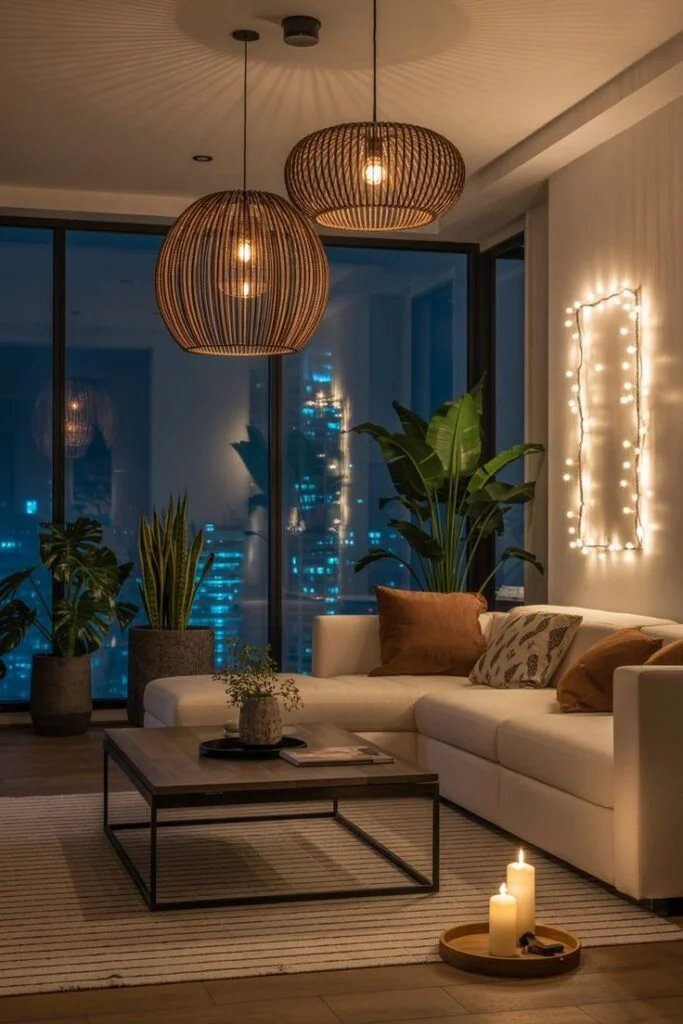
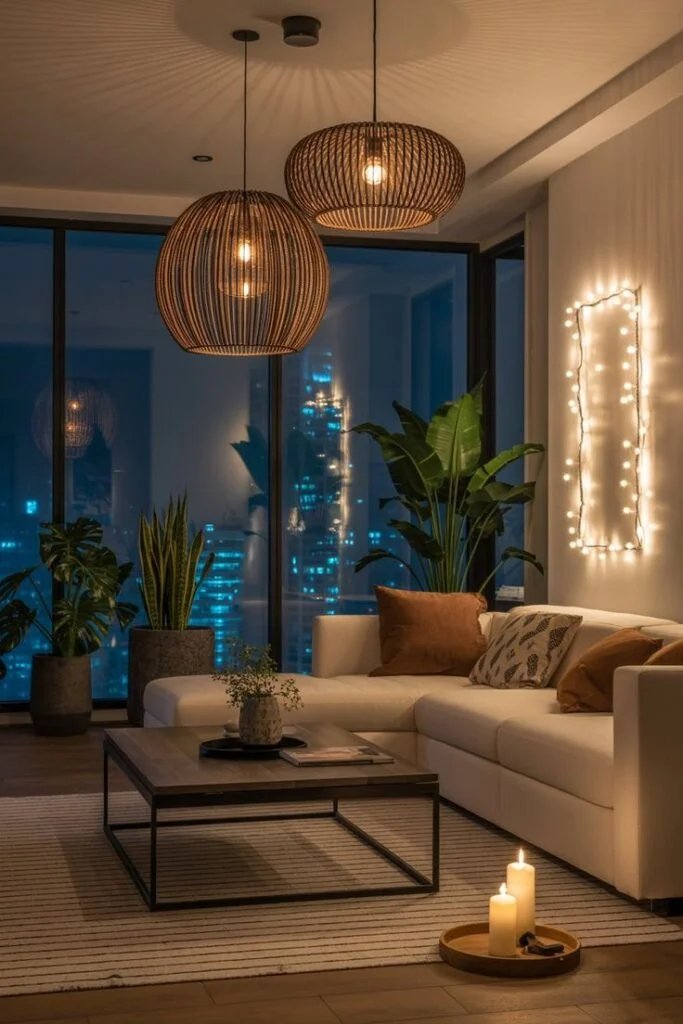
The final small living room idea is perhaps the most joyful: give yourself permission to include one bold, beautiful, statement piece that you absolutely love. A stunning oversized piece of art above the sofa. A sculptural pendant light. A vintage midcentury armchair in a jewel-toned velvet. A dramatic woven wall hanging. One statement piece does something remarkable for a small space it gives the room a personality and a focal point, drawing the eye to that one intentional moment rather than letting it scan around and tally up the square footage. The rest of the room can be quiet and restrained, but that one piece says: this space belongs to someone with taste and intention. In a small living room, one right statement is always more powerful than a dozen mediocre ones.
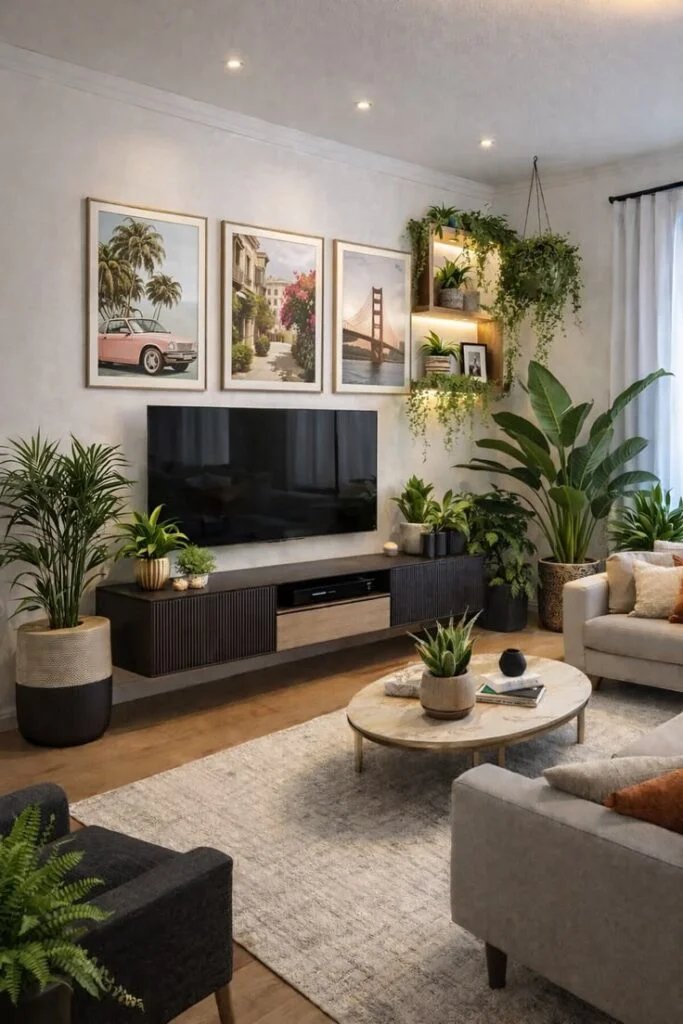
Here’s the thing about small spaces: they force you to be intentional, and intentionality is the foundation of every beautiful home. You don’t need more square footage. You need more clarity about what you love, how you live, and what kind of space makes you feel most like yourself. Start with just one or two ideas from this list. Move the furniture. Hang those curtains higher. Buy that one plant you’ve been eyeing. Small changes, made with purpose, add up to a living room that feels genuinely, wonderfully yours.