How to Make Your Home Look Expensive on a Budget (Pro Tips)
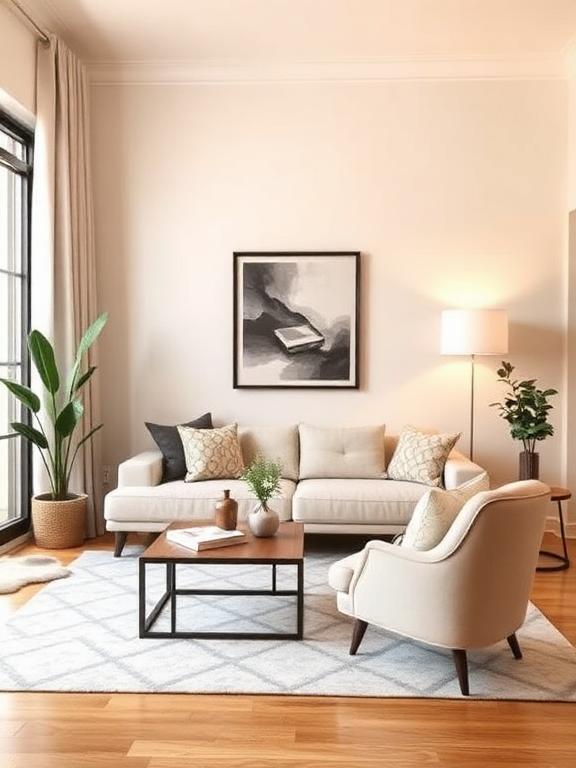
A neutral color palette is the ultimate secret behind expensive-looking interiors. When you walk into luxury homes, you rarely see loud or overwhelming colors dominating the space—instead, you notice soft whites, warm beiges, creamy ivories, gentle taupes, and calming greys working together in harmony. This creates an instantly peaceful and elevated atmosphere. Neutral tones act as a timeless canvas that allows your furniture, lighting, and decor pieces to shine without competing for attention. They also make your home feel brighter, more spacious, and more thoughtfully designed. The beauty of neutrals is that they never go out of style, which means your space will always feel fresh and modern. Even budget furniture looks more premium when placed against a soft, cohesive color backdrop. This is the foundation that interior designers rely on to build that “quiet luxury” aesthetic.
Styling Tips:
- Use warm neutrals (beige, cream, ivory) instead of harsh pure white
- Layer 2–3 shades of the same color family for depth and richness
- Add black or deep brown accents for contrast and structure
- Mix textures like linen, wood, and matte finishes to avoid flatness
Why it works:
Neutral tones create instant visual harmony, reduce cluttered color noise, and make spaces feel larger, cleaner, and more expensive without adding any extra cost.
2. Upgrade Lighting for Instant Luxury
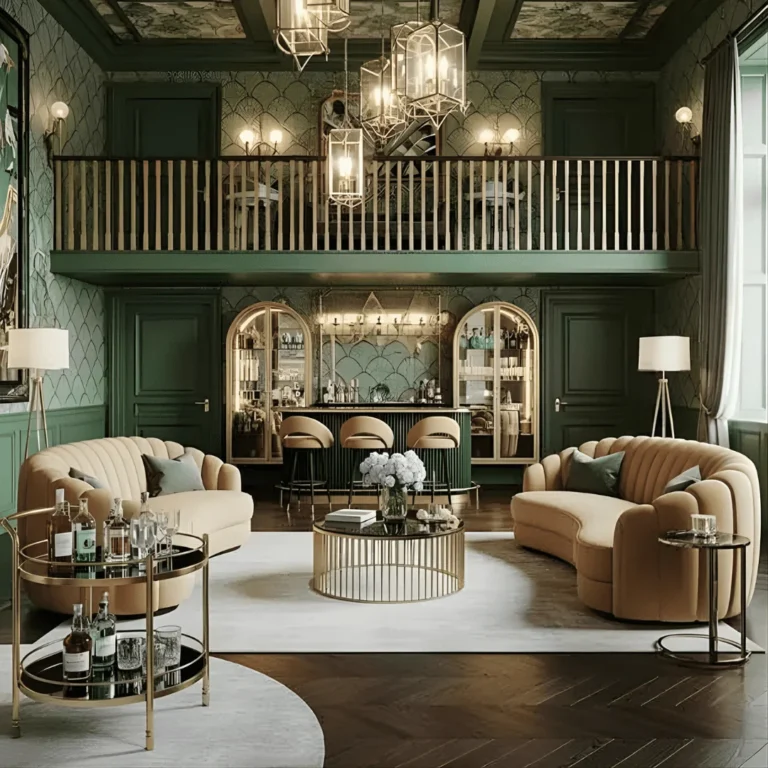
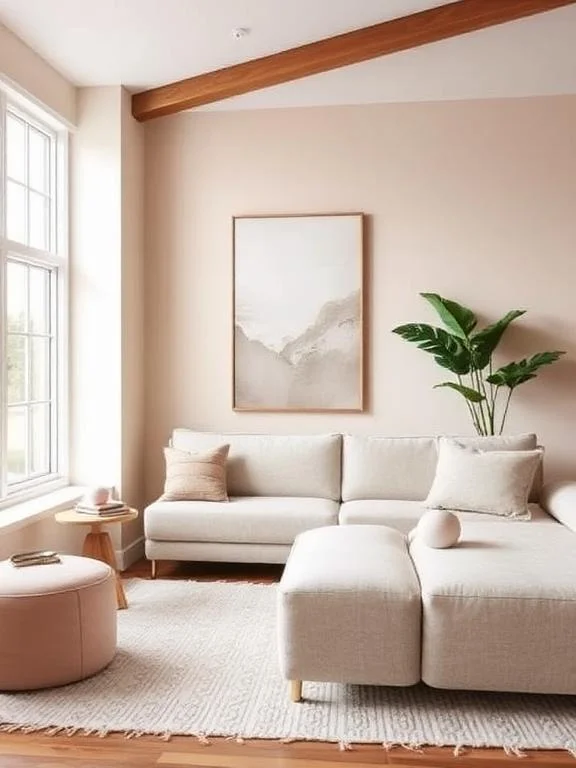
Lighting can completely transform how your home feels—often more than furniture or decor itself. In luxury interiors, lighting is never an afterthought; it’s a core design element that sets the entire mood of the space. Harsh, cool-toned white lights can make even beautiful rooms feel flat and uninviting, while warm, layered lighting instantly creates depth, comfort, and elegance. Think of high-end hotels and designer homes—they always use soft, glowing light that wraps the room in warmth. By combining different light sources such as table lamps, floor lamps, ceiling lights, and wall sconces, you create layers of brightness that feel intentional and expensive. Statement lighting fixtures like chandeliers or sculptural pendant lights also double as decor, adding a focal point that elevates the entire room. Even on a budget, switching your lighting style can make your home feel curated, cozy, and significantly more luxurious.
Styling Tips:
- Use warm LED bulbs (2700K–3000K) for a soft golden glow
- Place table lamps in corners to eliminate dark, empty spaces
- Add floor lamps next to sofas for layered ambiance
- Install statement ceiling lights or pendants as focal points
- Use dimmers to control mood and softness
Why it works:
Good lighting enhances textures, smooths harsh shadows, and creates depth in every corner. It instantly changes the emotional feel of a space, making it look more refined, cozy, and high-end without requiring expensive decor upgrades.
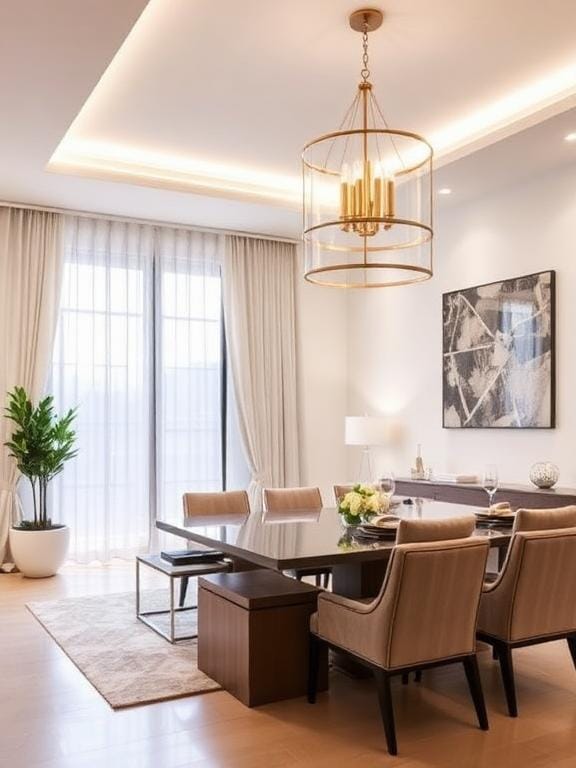
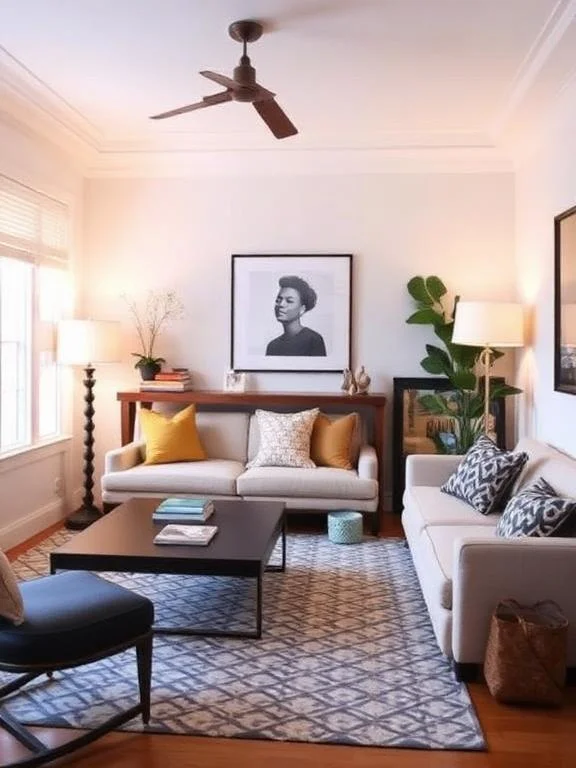
3. Declutter Like a Designer
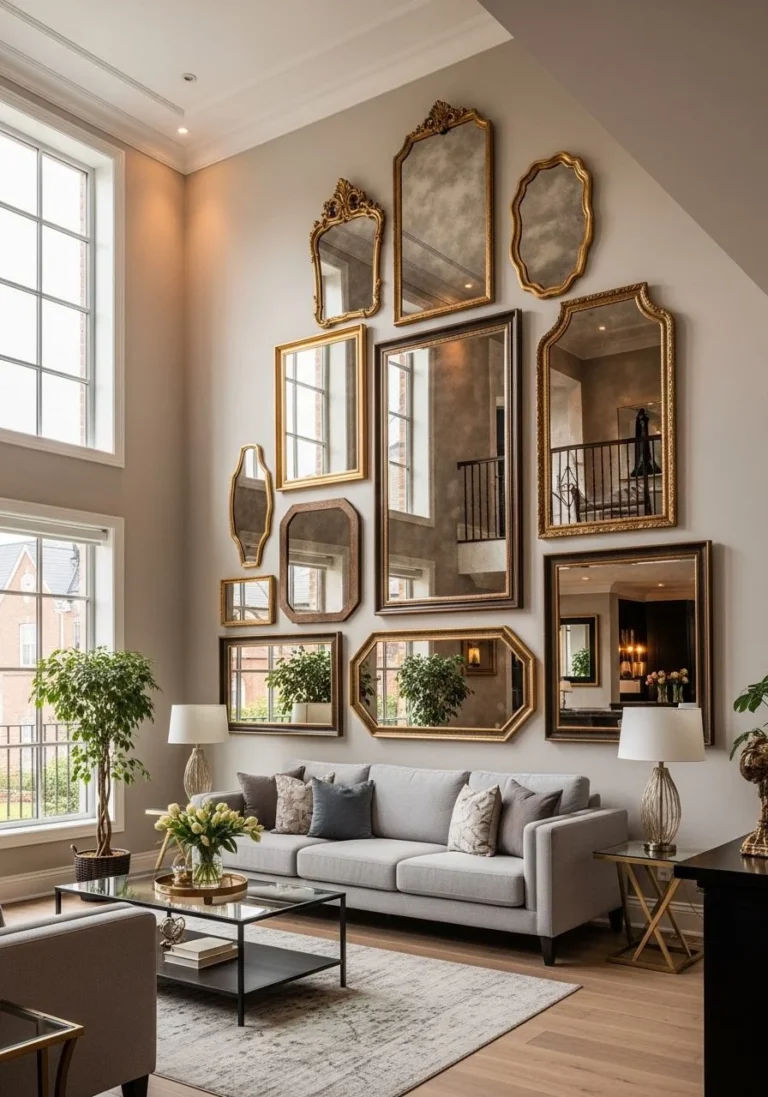
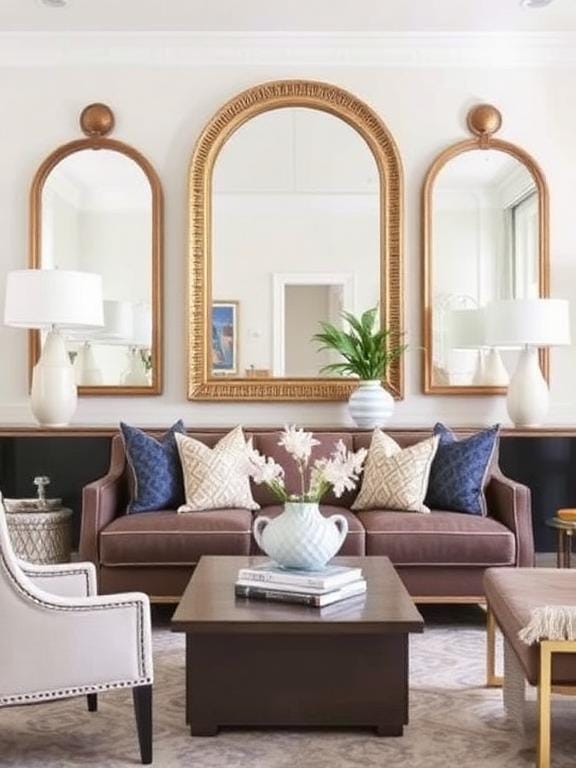
If there’s one design trick that instantly upgrades a space from simple to luxurious, it’s a large statement mirror. Interior designers use mirrors as a powerful visual tool to manipulate light, space, and proportion. A well-placed oversized mirror doesn’t just reflect your room—it multiplies it, making even small or budget interiors feel open, airy, and high-end. This is why you often see grand mirrors in luxury hotels, designer homes, and modern minimalist spaces. They create the illusion of depth and add a refined architectural presence without requiring any renovation. Whether you choose a sleek leaner mirror placed against a wall or a dramatic wall-mounted piece, the effect is immediate. When positioned correctly, mirrors bounce natural light across the room, making everything feel brighter, softer, and more inviting. The result is a polished, curated space that feels intentionally designed rather than simply decorated.
Styling Tips:
- Use oversized mirrors in living rooms, bedrooms, or entryways for maximum impact
- Place mirrors directly opposite windows to reflect natural light
- Choose thin black, gold, or brass frames for a modern luxury look
- Lean full-length mirrors casually against walls for a relaxed designer feel
- Avoid cluttered reflections—keep mirror-facing areas visually clean
Why it works:
Mirrors amplify both light and space, creating depth and openness that instantly elevates a room. This architectural illusion makes interiors feel larger, brighter, and more expensive without changing the actual structure or layout.
5. Invest in High-End Looking Curtains
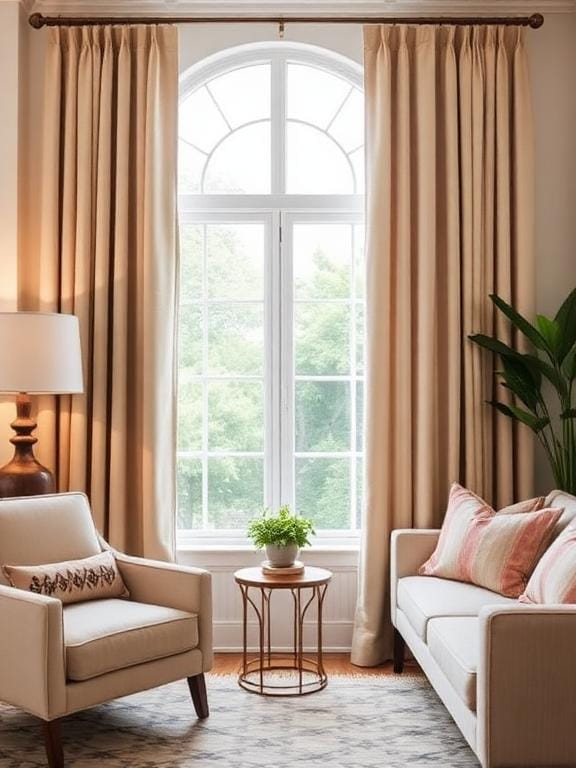
Curtains are one of those details that quietly define whether a room feels basic or beautifully expensive. In luxury interiors, windows are never left bare or poorly dressed—they are styled with intention. Floor-to-ceiling curtains instantly add drama, softness, and structure to a space, creating that polished “designer home” look you often see in high-end hotels and curated interiors. The fabric choice matters just as much as the length. Linen gives a soft, airy elegance, velvet adds richness and depth, and thick cotton creates a clean, tailored finish. When curtains are short or made from thin, cheap-looking material, they visually cut the wall and make the ceiling feel lower, which reduces the sense of luxury. But when they flow from ceiling to floor, they elongate the entire room and create a graceful vertical line that feels expensive and intentional.
Styling Tips:
- Hang curtains higher than the window frame (close to the ceiling)
- Choose full floor-length curtains that lightly touch or “puddle” on the floor
- Use neutral, earthy tones like beige, ivory, taupe, or soft grey
- Opt for heavier fabrics like linen blends or velvet for a rich look
- Use wide curtain rods so curtains fully frame the window when open
Why it works:
Long, well-styled curtains visually increase ceiling height, add softness, and create elegant vertical flow. This makes the room feel taller, more balanced, and professionally designed—instantly elevating the overall luxury appeal.
6. Layer Textures for Depth
One of the most overlooked secrets in high-end interior design is texture layering. Luxury spaces are never defined by color alone—they are defined by how they feel visually. When you mix different materials such as soft linen, raw wood, smooth ceramics, woven baskets, plush wool, and brushed metal, you create a rich, multi-dimensional space that feels thoughtfully designed. This contrast between soft and hard, matte and glossy, rough and smooth is what gives interiors that “designer-curated” depth. Even a simple room can look expensive when textures are intentionally combined instead of everything matching too perfectly. For example, a linen sofa becomes more luxurious when paired with velvet cushions, a wooden coffee table feels richer with a ceramic vase, and a wool throw instantly adds warmth and sophistication. This layering effect prevents the space from feeling flat or overly staged—it makes it feel lived-in, warm, and professionally styled at the same time.
Styling Tips:
- Mix soft textures (linen, wool, cotton) with hard materials (wood, metal, ceramic)
- Add knitted throws or textured cushions on sofas and beds
- Use natural materials like rattan, stone, jute, and unfinished wood
- Combine matte and glossy finishes for visual contrast
- Keep a balanced mix—avoid using too many similar textures in one space
Why it works:
Texture layering adds depth, dimension, and visual interest, making interiors feel richer and more intentional. This thoughtful mix of materials creates a designer-level aesthetic that looks expensive, even when the items themselves are budget-friendly.
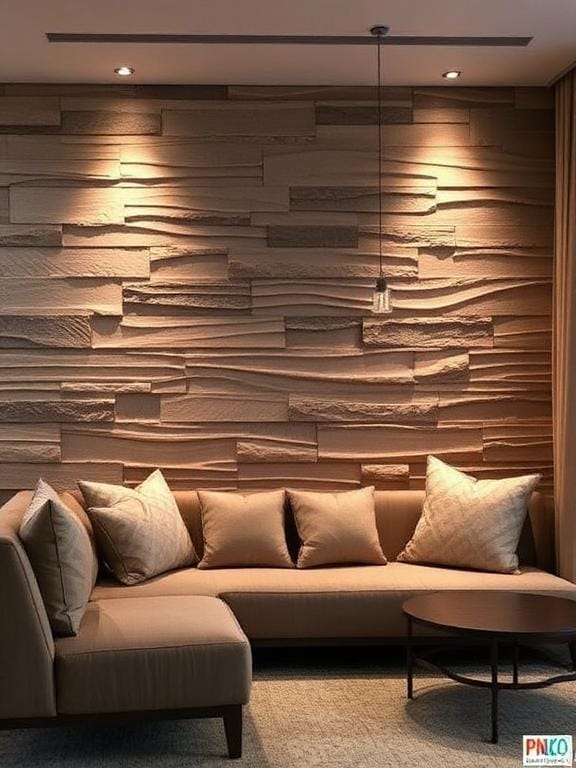
7. Use Oversized Art Pieces
When it comes to making a home feel expensive, wall decor plays a major role—and nothing looks more high-end than oversized artwork. Instead of filling your walls with multiple small frames that can feel busy or mismatched, a single large art piece creates a bold, intentional statement. This is a signature technique used in luxury interiors and modern designer homes. Oversized art instantly gives your space a gallery-like atmosphere, where every detail feels curated rather than randomly decorated. It also helps anchor a room, especially in living areas or above sofas, by creating a strong visual focal point. Whether it’s abstract art, minimal line work, or soft textured prints, large-scale pieces bring balance and sophistication. Even budget-friendly prints look premium when scaled properly and framed well. The key is not complexity, but impact—one strong piece often says more than ten small ones.
Styling Tips:
- Choose abstract, minimal, or nature-inspired artwork for a timeless luxury feel
- Stick to neutral or muted color palettes to maintain elegance
- Hang artwork at eye level or slightly above furniture for proper proportion
- Use large frames with thin black, gold, or natural wood borders
- Center the artwork above sofas, beds, or consoles for a balanced look
Why it works:
Large artwork reduces visual clutter and creates a strong focal point that anchors the room. It adds structure, balance, and a curated gallery-style aesthetic that instantly makes interiors feel more expensive and professionally designed.
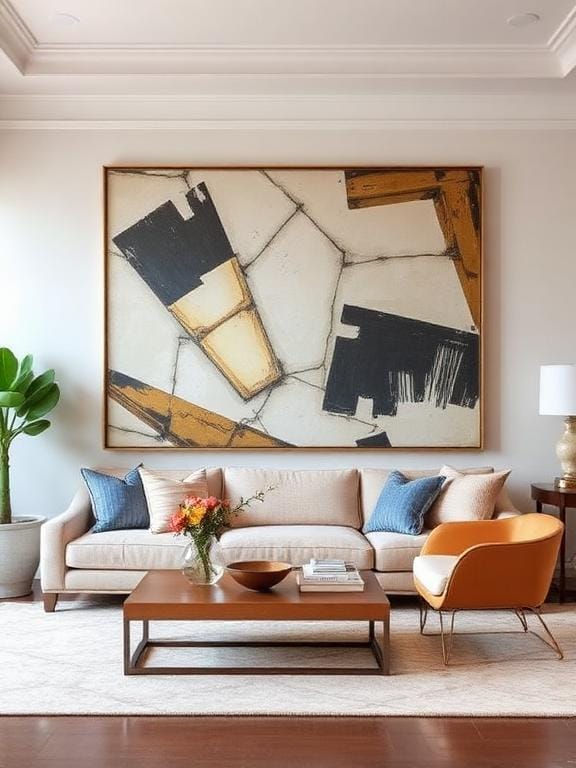
8. Upgrade Hardware Details
In luxury interior design, it’s often the smallest details that create the biggest transformation. Hardware—like cabinet handles, drawer pulls, knobs, and fixtures—acts as the finishing touch that ties a room together. Outdated or plastic fittings can make even a well-decorated space feel cheap, while modern, well-chosen hardware instantly elevates the entire look. Think of it as the “jewelry” of your home—it adds polish, personality, and refinement without overwhelming the design. Swapping basic hardware for matte black, brushed brass, or soft gold finishes can completely change the mood of kitchens, wardrobes, bathrooms, and furniture pieces. These finishes are widely used in high-end interiors because they feel timeless, subtle, and sophisticated. Even if your furniture is budget-friendly, upgrading the hardware creates a custom, designer feel that looks intentional and expensive.
Styling Tips:
- Replace old cabinet handles and drawer knobs with modern finishes
- Choose brushed brass for warmth or matte black for a bold, modern look
- Keep all hardware finishes consistent across rooms for a cohesive design
- Opt for minimal, sleek shapes instead of overly decorative styles
- Match hardware tones with lighting fixtures for visual harmony
Why it works:
Hardware acts like jewelry for your home, adding subtle elegance and cohesion. These small upgrades refine the overall design, making furniture and interiors feel more polished, intentional, and high-end without major renovation costs.
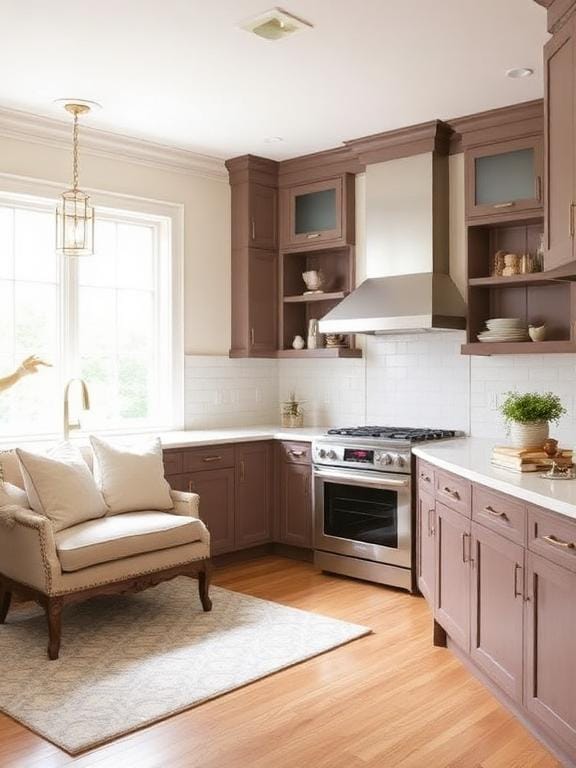
9. Add Indoor Greenery Strategically
Indoor greenery is one of the simplest ways to make a home feel instantly more expensive, fresh, and alive. Luxury interiors almost always include carefully placed plants because they soften hard edges, add natural movement, and bring a calming, organic balance into the space. Instead of filling every corner with plants, high-end design focuses on strategic placement—a single tall plant in the right spot can transform an entire room. Large leafy plants like fiddle leaf figs or rubber plants create a bold, sculptural presence that feels intentional and architectural rather than decorative clutter. Smaller potted plants, when styled on shelves or consoles, add subtle layers of freshness without overwhelming the design. The key is restraint and placement—greenery should feel like part of the architecture, not an afterthought. Combined with neutral interiors and natural light, plants enhance the feeling of a curated, luxury-inspired home.
Styling Tips:
- Use tall statement plants like fiddle leaf fig, rubber plant, or monstera in empty corners
- Choose ceramic, stone, or matte-finish pots for a premium look
- Place smaller plants on shelves, coffee tables, or consoles in minimal arrangements
- Avoid overcrowding—focus on fewer, well-placed plants instead of many small ones
- Match pot colors with your interior palette for a cohesive design
Why it works:
Greenery adds organic texture, softness, and balance to interiors. It breaks up rigid structures, improves visual flow, and brings a natural luxury feel that makes any space look more curated, peaceful, and expensive.
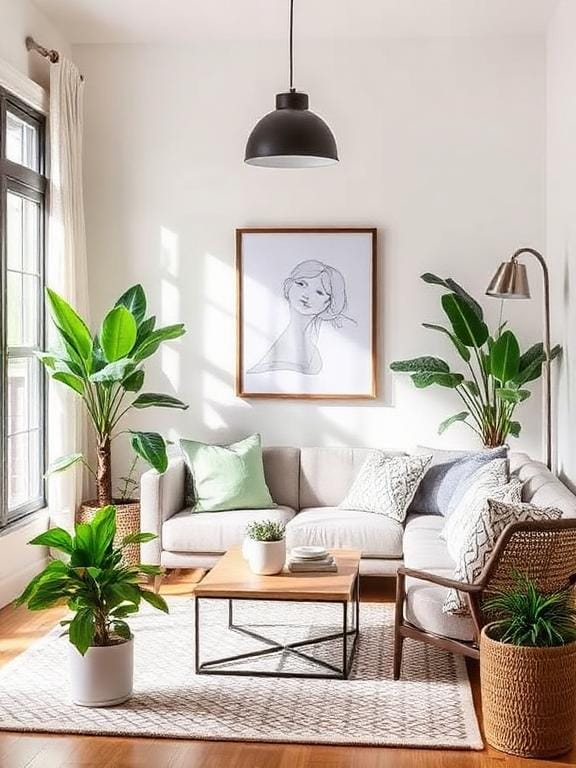
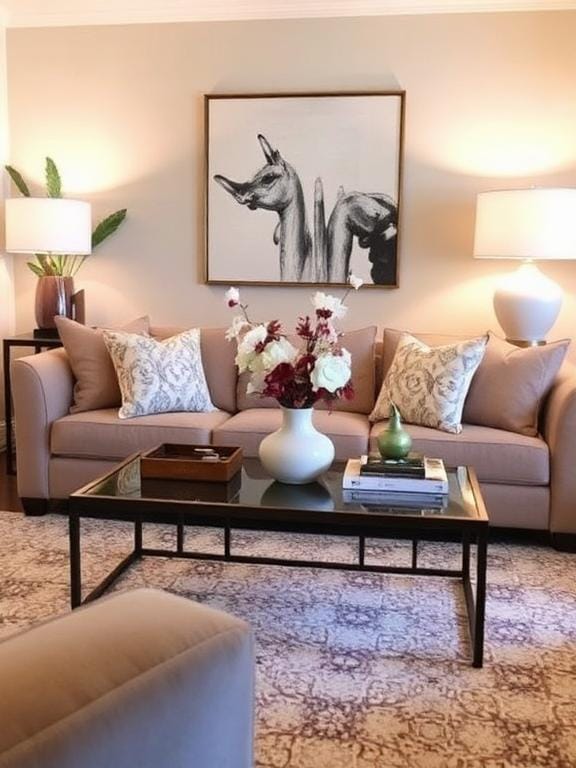
10. Create Coffee Table Styling Moments
A coffee table is more than just a functional surface—it’s a visual centerpiece that can completely define the style of your living room. In luxury interiors, coffee tables are always styled with intention, almost like a magazine shoot. The goal is to create a balanced, curated arrangement that feels effortless yet thoughtfully designed. Instead of leaving the table empty or cluttered with random items, designers use a combination of layered objects such as books, candles, trays, and small sculptural decor pieces. This creates depth, structure, and personality in the space. A decorative tray acts as an anchor that organizes items visually, while stacked books add height and sophistication. A scented candle introduces warmth, mood, and a sensory luxury element. Even on a budget, these simple styling choices can transform a basic coffee table into a high-end focal point that feels polished, intentional, and aesthetically elevated.
Styling Tips:
- Use a decorative tray to group items and create visual structure
- Stack 2–3 coffee table books with beautiful covers for height and elegance
- Add a scented candle or diffuser for warmth and ambiance
- Include one small sculptural object like a vase or bowl for balance
- Keep negative space so the arrangement doesn’t feel overcrowded
Why it works:
This styling method creates intentional visual balance and layered depth, making the coffee table look like a designer-curated focal point. It enhances the overall sophistication of the room and gives a luxury, magazine-inspired feel with minimal effort.
11. Stick to a Consistent Color Theme
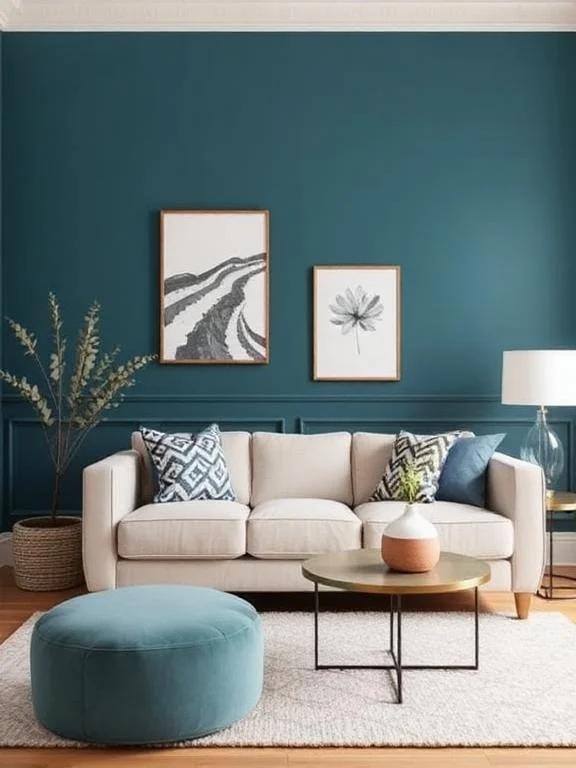
One of the strongest signs of a luxury interior is not how many colors are used, but how controlled the palette feels. Consistency in color creates a sense of flow from room to room, making the entire home feel thoughtfully designed rather than randomly decorated. High-end spaces often rely on a limited color story—usually 2 to 3 main tones with subtle variations—so everything feels connected and visually calm. When colors repeat across walls, furniture, textiles, and decor, the home naturally develops a cohesive identity. This is what gives designer homes their polished, magazine-worthy appearance. On the other hand, mixing too many unrelated colors can make even expensive pieces look chaotic and less refined. A consistent palette allows the eye to move smoothly through the space, highlighting textures and shapes instead of distractions. It’s a quiet but powerful strategy that instantly elevates the overall atmosphere.
Styling Tips:
- Choose 2–3 main colors (for example: beige, white, and black or sage, cream, and wood tones)
- Repeat these tones across furniture, cushions, rugs, and decor accents
- Keep metal finishes consistent (all brass, all black, or all chrome)
- Avoid introducing random accent colors in every room
- Use shades and tints of the same color family for subtle variety
Why it works:
A consistent color theme creates visual harmony and flow, making the entire home feel unified, intentional, and professionally designed. This cohesion is what gives interiors that expensive, curated, and high-end aesthetic.
12. Use Scent as a Design Element
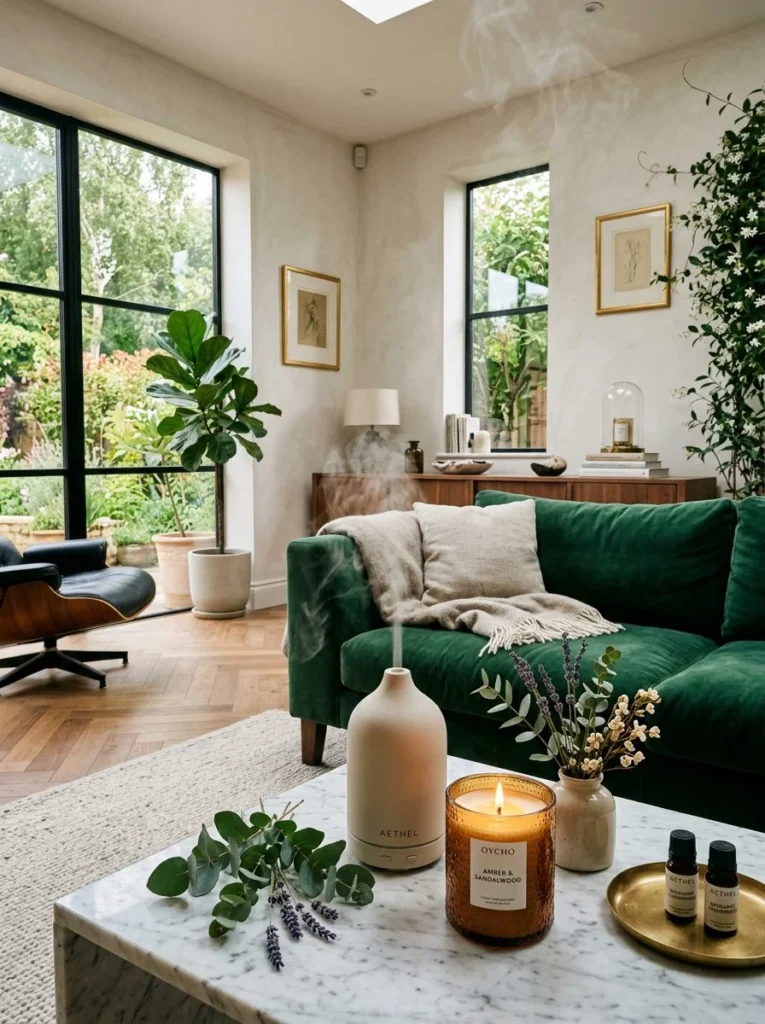
In truly luxurious homes, design doesn’t stop at what you see—it extends to what you feel and even what you smell. Scent is a powerful but often overlooked element that can instantly elevate the atmosphere of any space. A carefully chosen fragrance creates an emotional response, making your home feel more welcoming, calming, and high-end. Think of how luxury hotels instantly feel special the moment you walk in—that signature scent is no accident. You can recreate this same experience at home using diffusers, scented candles, or essential oils. The key is subtlety and consistency. Instead of overpowering fragrances, choose soft, elegant notes like sandalwood, vanilla, amber, or white musk. When used strategically, scent becomes part of your home’s identity, blending seamlessly with your interior design and reinforcing the feeling of comfort and sophistication.
Styling Tips:
- Choose warm, elegant scents like sandalwood, vanilla, amber, or cedarwood
- Place reed diffusers in entryways, living rooms, and bathrooms for a welcoming effect
- Use scented candles on coffee tables or side tables for both aroma and ambiance
- Keep fragrance levels subtle—luxury scents should be noticeable but never overpowering
- Stick to one signature scent across your home for a cohesive experience
Why it works:
Scent enhances emotional luxury by influencing mood and memory. A consistent, subtle fragrance makes your home feel more refined, inviting, and high-end, creating a full sensory design experience beyond visuals alone.
13. Upgrade Your Bedding
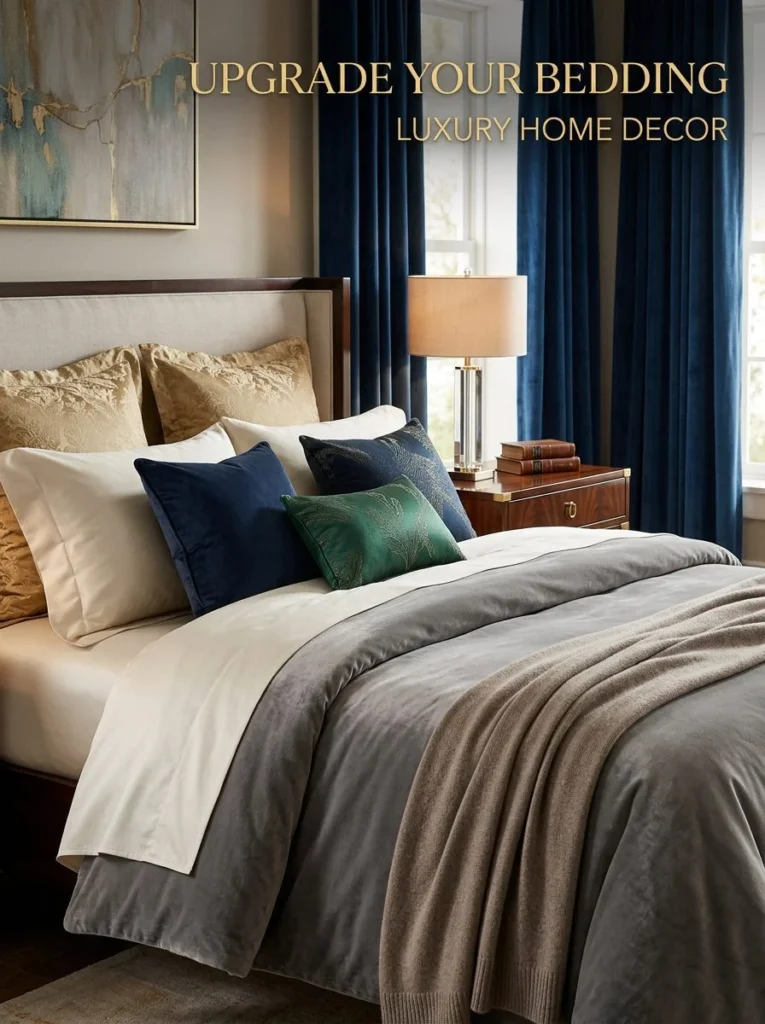
Your bedroom can either feel basic or like a five-star hotel—and bedding is the defining factor. Luxury bedrooms are built around the idea of comfort meeting elegance, and nothing achieves that faster than hotel-style bedding. Crisp, high-quality sheets in neutral tones instantly create a clean and calming foundation. When paired with layered pillows and a soft throw blanket, the bed becomes a visual centerpiece that looks styled, not just made. The secret is in layering—luxury beds are never flat or minimal in a boring way; they are structured, plush, and inviting. High-thread-count sheets add a smooth, premium feel, while multiple pillows create depth and softness. Even budget bedrooms can feel high-end when the bed is styled intentionally. This simple upgrade transforms your space into something that feels restful, elegant, and carefully curated.
Styling Tips:
- Use high-thread-count sheets in white, ivory, or soft neutral tones
- Layer pillows in odd numbers (3, 5, or 7) for a natural designer balance
- Add a textured throw blanket at the foot of the bed for warmth and style
- Mix pillow sizes (standard, euro, and decorative cushions) for depth
- Keep bedding neatly tucked and wrinkle-free for a polished look
Why it works:
Hotel-style bedding creates a sense of structure, comfort, and visual luxury. The layered textures and clean styling instantly transform the bedroom into a calm, five-star retreat that feels expensive and professionally designed.
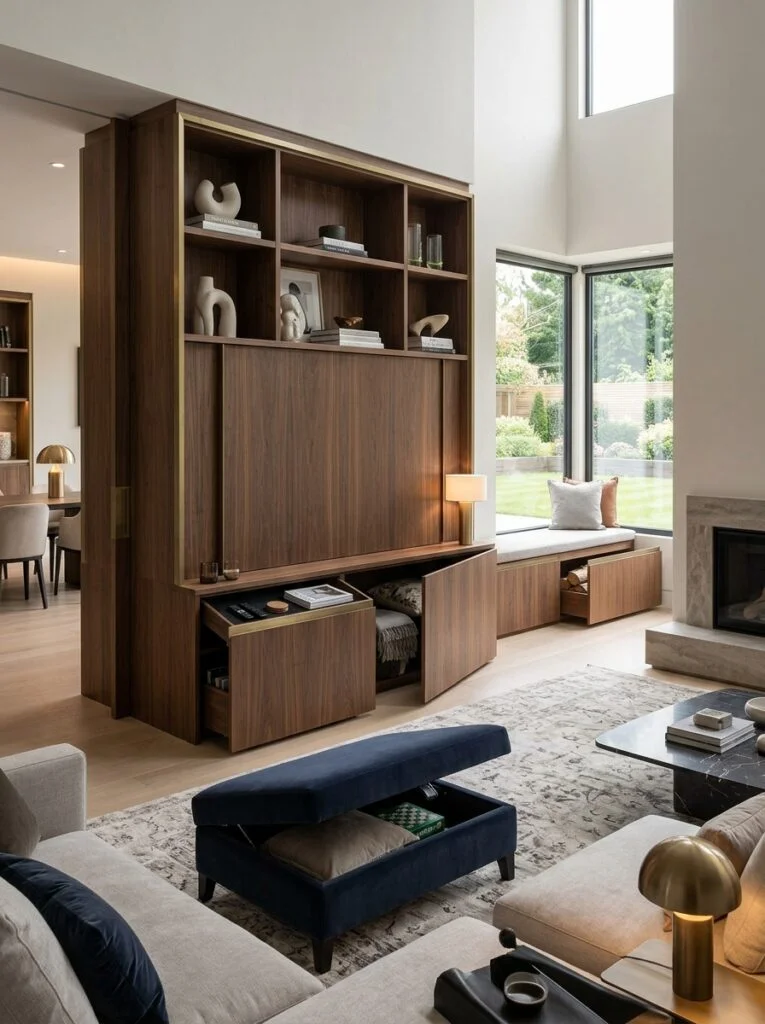
14. Add Hidden Storage Solutions
One of the fastest ways to make a home feel less expensive is visible clutter—and the easiest way to fix it is through hidden storage. Luxury interiors always prioritize clean, uninterrupted visual lines, which means everyday items are carefully tucked away out of sight. When objects like chargers, remotes, blankets, and random essentials are exposed, they create visual noise that instantly reduces the premium feel of a space. Hidden storage helps maintain that calm, curated look where everything appears intentional and organized. From storage ottomans in living rooms to built-in cabinets in bedrooms and hallways, smart storage solutions allow you to keep functionality without sacrificing style. Even small upgrades, like cable management or decorative boxes, can dramatically improve the overall aesthetic. The goal is simple: your home should look effortlessly clean, as if nothing unnecessary exists in the space.
Styling Tips:
- Use storage ottomans that double as seating and hidden compartments
- Invest in built-in or closed cabinets instead of open cluttered shelving
- Hide cables and wires using organizers or cable boxes
- Use decorative baskets and boxes to conceal everyday items stylishly
- Keep surfaces minimal by assigning “hidden homes” for small objects
Why it works:
Hidden storage eliminates visual clutter, creating clean and uninterrupted spaces. This simplicity is what makes interiors feel more expensive, organized, and professionally designed, even when the furniture itself is budget-friendly.
15. Incorporate Metallic Accents
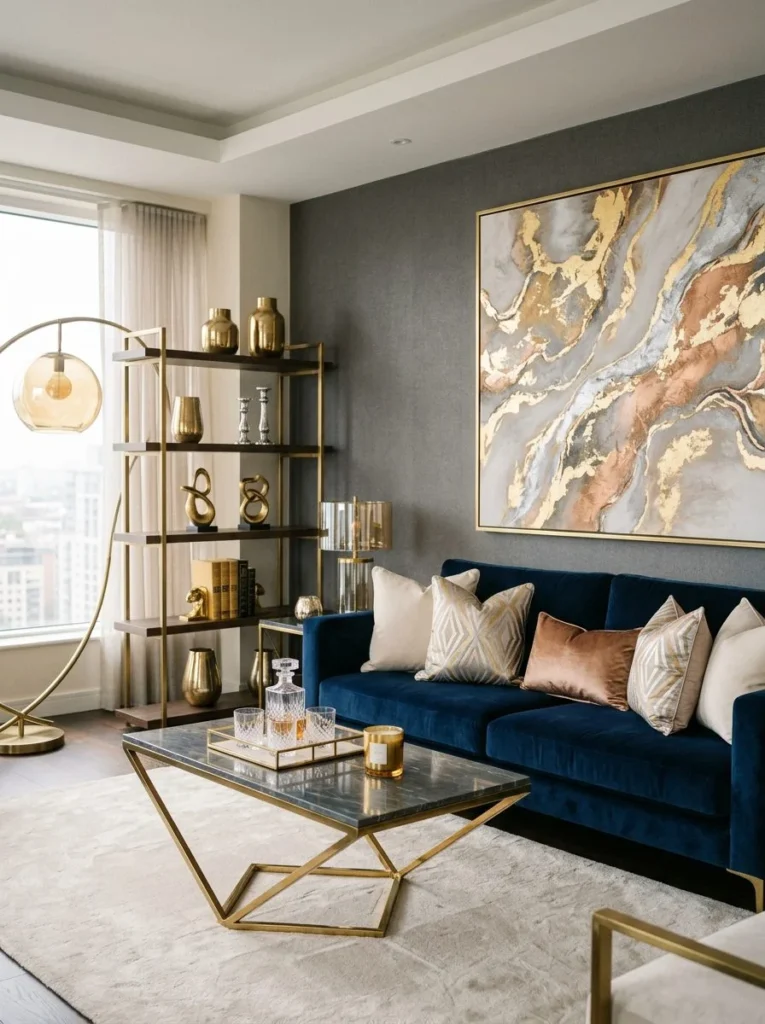
Metallic accents are one of the easiest ways to introduce a touch of luxury into any space without overwhelming the design. In high-end interiors, metals like brushed brass, matte black, champagne gold, and soft chrome are used carefully to add warmth, contrast, and subtle shine. These finishes catch light in a refined way, creating visual interest without feeling flashy or overdone. The key is restraint—luxury design never relies on too much shine, but instead uses metallic details like highlights in a painting. A brass table lamp, a gold-framed mirror, or black metal decor pieces can instantly elevate even the simplest room. When used thoughtfully, metallic accents act as connecting elements that tie together lighting, furniture, and decor. Even budget spaces feel more curated and expensive when these small reflective details are added consistently throughout the home.
Styling Tips:
- Use metallic table lamps, mirror frames, or candle holders as accent pieces
- Stick to one dominant metal finish (brass, black, or gold) for consistency
- Mix metals only when done subtly and intentionally
- Add small metallic decor items instead of large overpowering pieces
- Balance shine with matte textures like wood, linen, or ceramic
Why it works:
Metallic accents introduce controlled shine and elegance, enhancing light and depth in a space. This subtle contrast creates a refined, high-end look that feels polished and intentionally designed.
16. Style Open Shelving Carefully
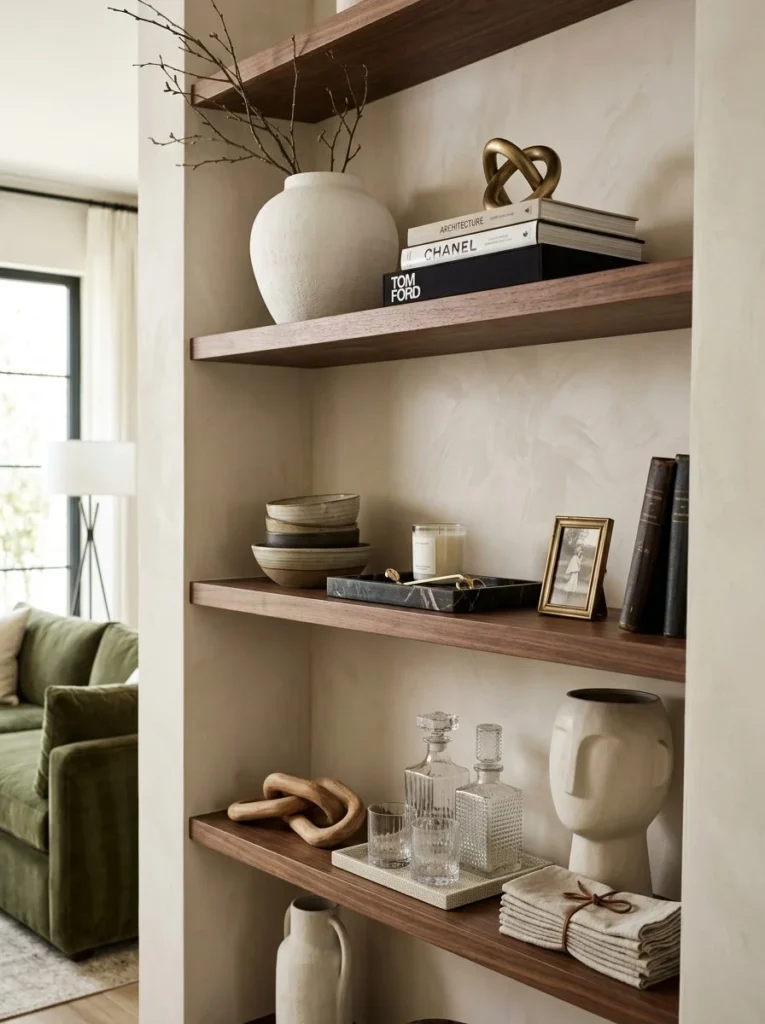
Open shelving can either look like a high-end designer display or a cluttered storage area—and the difference is all in the styling. In luxury interiors, open shelves are treated like curated vignettes, not dumping grounds. Every item is chosen with intention, balanced with space, and arranged to create a sense of calm visual rhythm. The goal is to make the shelves feel light, airy, and editorial—almost like something you would see in a styled magazine shoot. Instead of filling every inch, designers carefully mix functional and decorative pieces such as stacked books, ceramic vases, framed art, and sculptural objects. The secret is restraint: empty space is just as important as the objects themselves. When shelves are overcrowded, the eye gets overwhelmed, but when they are thoughtfully balanced, they feel expensive, modern, and effortlessly stylish.
Styling Tips:
- Mix books with minimal decor pieces like vases, candles, or sculptures
- Leave intentional empty space between items for a clean, breathable look
- Stick to neutral-colored objects for a cohesive and elegant palette
- Group items in odd numbers for natural visual balance
- Vary heights and shapes to create subtle dimension and flow
Why it works:
Carefully styled open shelving creates intentional visual balance and structure. By combining simplicity, spacing, and curated objects, it transforms storage into a sophisticated design feature that feels polished, modern, and high-end.
17. Add Rugs for Layered Luxury
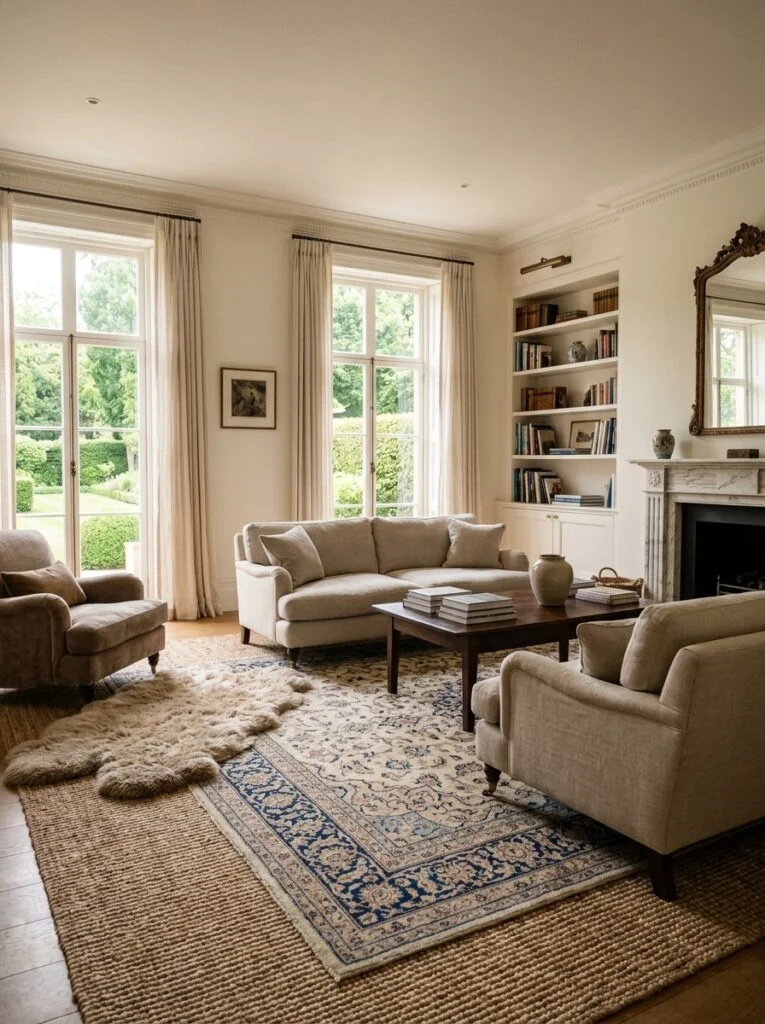
Rugs are one of the most powerful yet underrated elements in luxury interior design. They do much more than cover the floor—they define zones, add warmth, and bring the entire room together in a cohesive way. In high-end homes, rugs are used to anchor furniture and create structure, making even open spaces feel intentional and well-designed. A properly sized rug can instantly make a room feel more expensive because it visually grounds the furniture and prevents the space from feeling disconnected or floating. Oversized rugs are especially important because small rugs can make a room feel fragmented and cheap, while larger ones create a seamless, designer-level flow. Layering rugs is another advanced styling trick that adds depth and texture, making the space feel cozy yet sophisticated. Whether soft wool, woven jute, or plush textures, rugs bring comfort and visual richness that elevate the entire atmosphere of a room.
Styling Tips:
- Choose neutral tones like beige, ivory, grey, or soft earthy shades
- Use oversized rugs that extend under key furniture pieces like sofas and beds
- Layer different textures (e.g., jute under wool or cotton) for depth
- Keep rug patterns minimal to maintain a luxury, clean aesthetic
- Ensure furniture legs partially sit on the rug for a grounded look
Why it works:
Rugs add structure, warmth, and visual grounding to a space. They define layout zones and introduce layered texture, making interiors feel more intentional, comfortable, and professionally designed.
18. Upgrade Door Handles & Switches
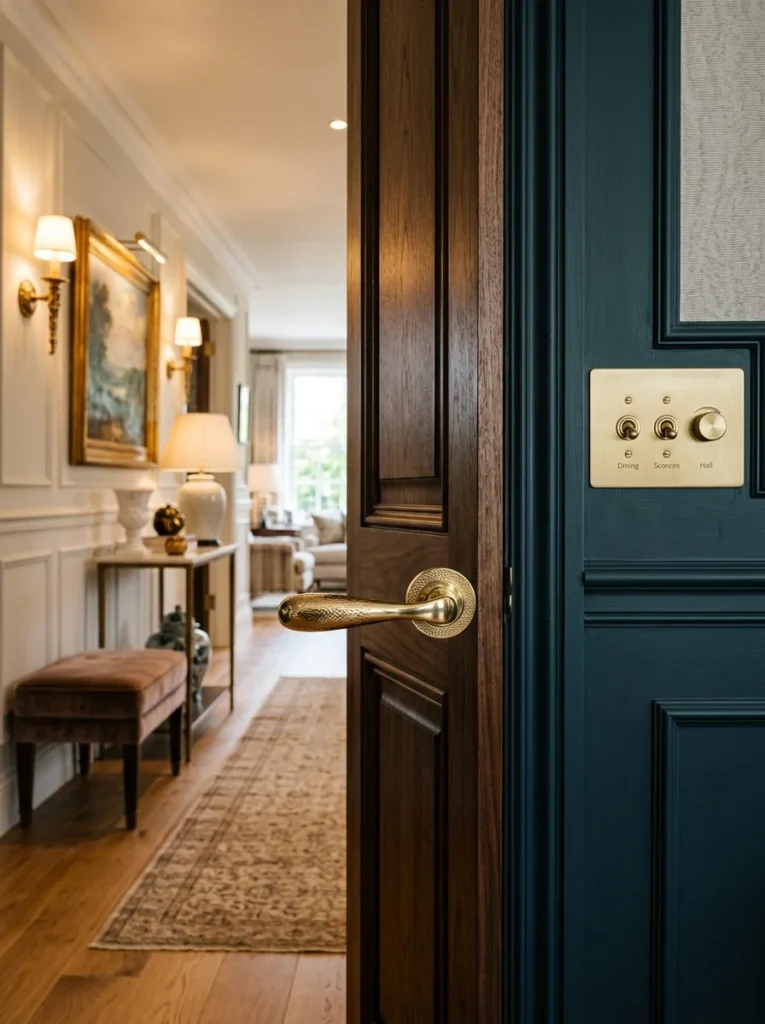
In luxury interior design, it’s often the smallest, most overlooked details that make the biggest difference. Door handles, light switches, socket plates, and hardware fittings may seem minor, but they significantly influence how “finished” and expensive a home feels. Outdated plastic switches or worn handles can instantly reduce the overall aesthetic, even in a beautifully decorated room. On the other hand, modern, well-designed fittings create a sense of refinement and intentional design. Think of these elements as the quiet background details that complete the story of your space. When you upgrade them to sleek, minimal, and coordinated finishes, the entire home feels more polished and cohesive. This is a trick often used in high-end renovations because it delivers a noticeable visual upgrade without changing furniture or layout. Even small changes like matte black switch plates or brushed brass handles can transform everyday touchpoints into elegant design features.
Styling Tips:
- Replace old or yellowed switches with modern, slim designs
- Choose consistent finishes like matte black, brushed brass, or soft gold
- Upgrade door handles to minimalist, clean-lined styles
- Match switch plates and hardware finishes across all rooms
- Keep designs simple to maintain a modern luxury feel
Why it works:
These subtle details create a sense of completion and quality. When hardware is consistent and modern, it reinforces a cohesive, high-end aesthetic—proving that in luxury interiors, every small detail contributes to the overall premium feel.
19. Create Symmetry in Design
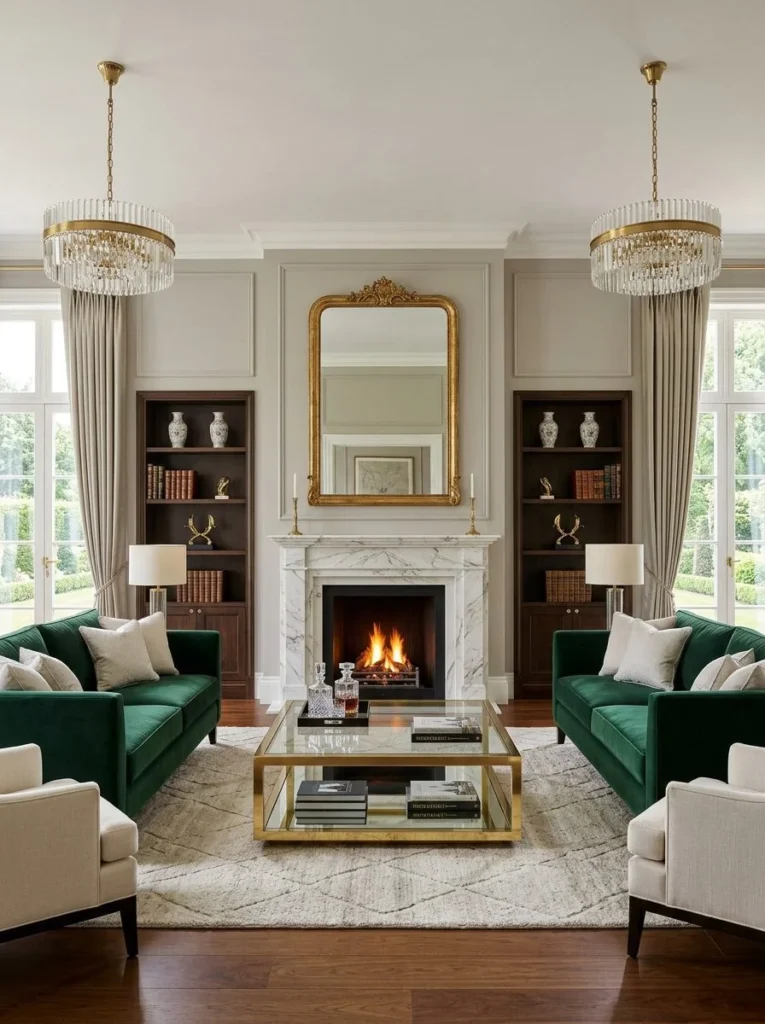
Symmetry is one of the oldest and most powerful principles in luxury interior design. It instantly creates a sense of order, balance, and calm that feels naturally elegant to the eye. When a space is symmetrical, it becomes easier to understand visually—nothing feels chaotic or out of place. This is why high-end hotels, designer living rooms, and luxury bedrooms often use paired elements and balanced layouts. Symmetry doesn’t mean everything must be identical, but rather that both sides of a focal point feel equally weighted. For example, placing matching lamps on either side of a sofa or bed creates instant refinement. Similarly, balanced furniture placement and mirrored decor arrangements help the room feel intentional and professionally styled. This technique subtly guides the eye and creates a polished atmosphere where everything feels harmonious and well-composed.
Styling Tips:
- Place matching lamps, vases, or decor items on both sides of key furniture
- Balance furniture layout so one side doesn’t feel heavier than the other
- Mirror decor placement on shelves, consoles, or bedside tables
- Use identical or similar-height objects to maintain visual consistency
- Keep a central focal point (like a bed, sofa, or artwork) to build symmetry around
Why it works:
Symmetry creates visual harmony and structure, making spaces feel calm, organized, and intentionally designed. This balance is a hallmark of luxury interiors and instantly elevates the perceived elegance of any room.
20. Use Glass and Reflective Surfaces
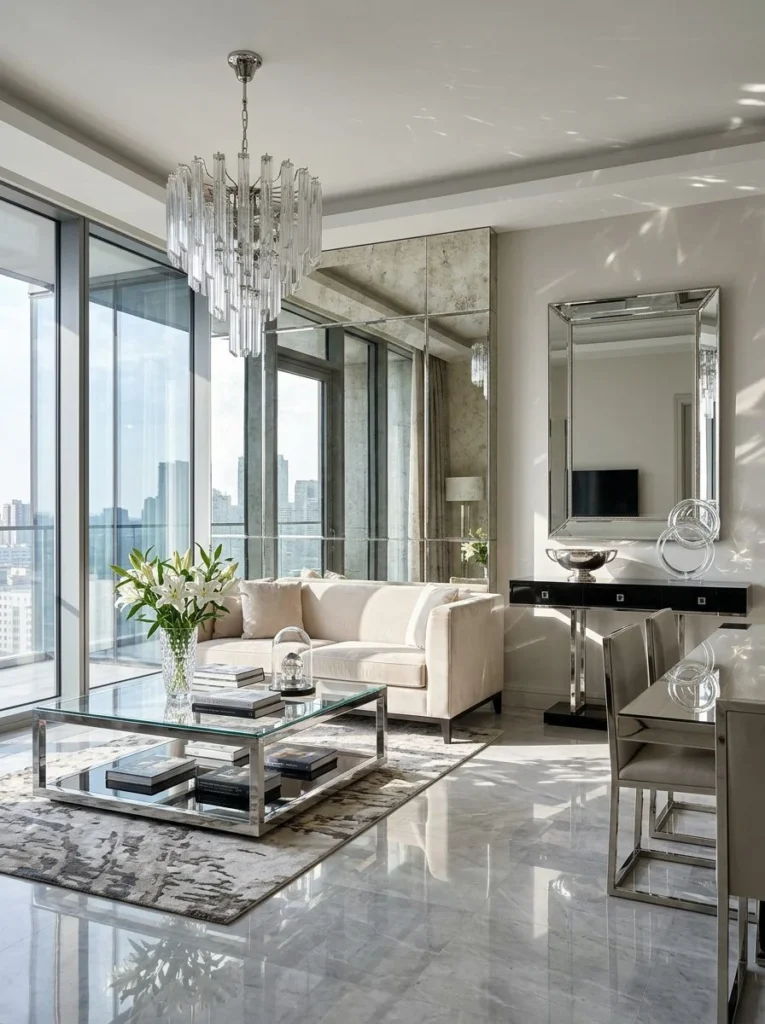
Glass and reflective surfaces are a quiet luxury secret that instantly makes any home feel more open, airy, and expensive. These materials don’t visually weigh down a space, which is why they are widely used in modern high-end interiors. Instead of blocking light or adding bulk, glass and reflective finishes allow light to move freely through the room, creating a brighter and more expansive atmosphere. A glass coffee table, for example, keeps the living room feeling spacious while still adding functionality and elegance. Similarly, mirrored decor, glossy ceramics, or metallic reflective accents help bounce light around the room, making even small spaces feel larger and more refined. The beauty of these elements is their subtlety—they don’t overpower the design but enhance everything around them. When combined with neutral tones and minimal styling, glass surfaces contribute to a clean, sophisticated aesthetic that feels curated and intentional.
Styling Tips:
- Use glass coffee tables or side tables for a light, open look
- Add mirrors strategically to reflect natural light and expand space
- Incorporate reflective decor pieces like glossy vases or metallic trays
- Keep glass surfaces clean and clutter-free for a polished finish
- Pair with soft textures (linen, wool, wood) to balance the sleekness
Why it works:
Glass and reflective surfaces enhance light distribution and spatial perception. This creates an illusion of openness, making interiors feel brighter, larger, and more elegant—hallmarks of a luxury-inspired home design.
Conclusion:
Making your home look expensive on a budget is absolutely achievable when you focus on intention, balance, and thoughtful styling rather than cost. True luxury is not defined by how much you spend, but by how well every element in your space works together. When lighting is layered correctly, textures are thoughtfully combined, and colors are kept cohesive, even simple interiors begin to feel elevated and designer-inspired. Small but strategic changes—like decluttering surfaces, upgrading lighting, or refining details—can completely transform the atmosphere of your home without any major renovation. The real secret behind expensive-looking interiors is simplicity with purpose: every object should have meaning, every corner should feel intentional, and every detail should contribute to harmony. When your space feels calm, organized, and visually balanced, it naturally reflects a high-end aesthetic.