Top 10 Neo-Deco Décor Upgrades for Homes That Look Too Basic
Neo-Deco is where classic Art Deco glamour meets modern minimalism. Think bold geometry, rich materials, dramatic contrasts, and a confident sense of luxury—but without feeling heavy or old-fashioned. If your home feels flat, neutral, or “nice but forgettable,” Neo-Deco is the glow-up it’s craving. It adds personality without chaos, structure without stiffness, and elegance without feeling museum-like.
Why It Works for Modern Homes
Most modern homes lean safe—white walls, simple furniture, neutral tones. Neo-Deco works perfectly here because it layers visual interest on top of clean foundations. You’re not ripping everything out; you’re upgrading the mood. A few bold shapes, reflective surfaces, and curated drama can turn basic into breathtaking.
1. Sculptural Lighting That Commands Attention
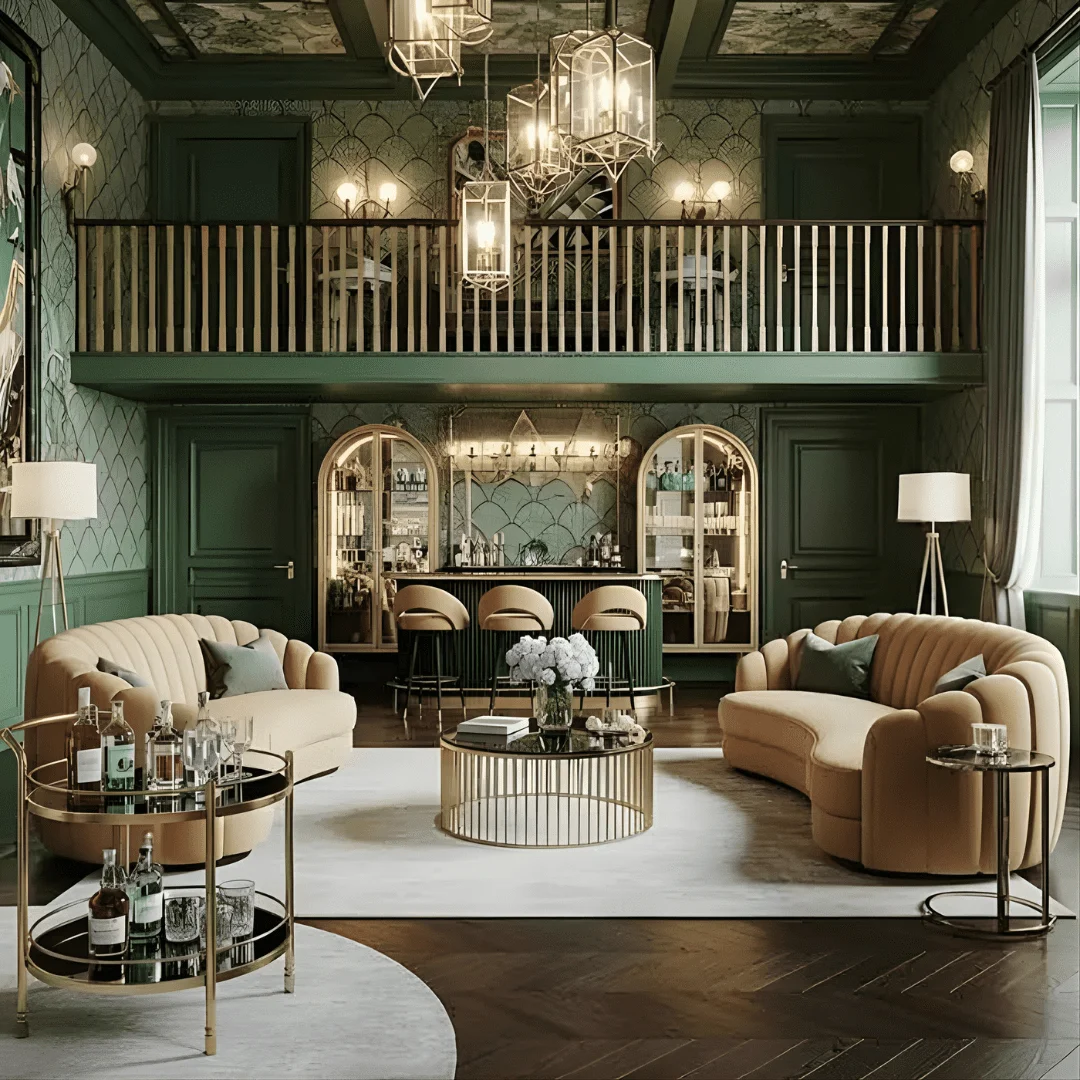
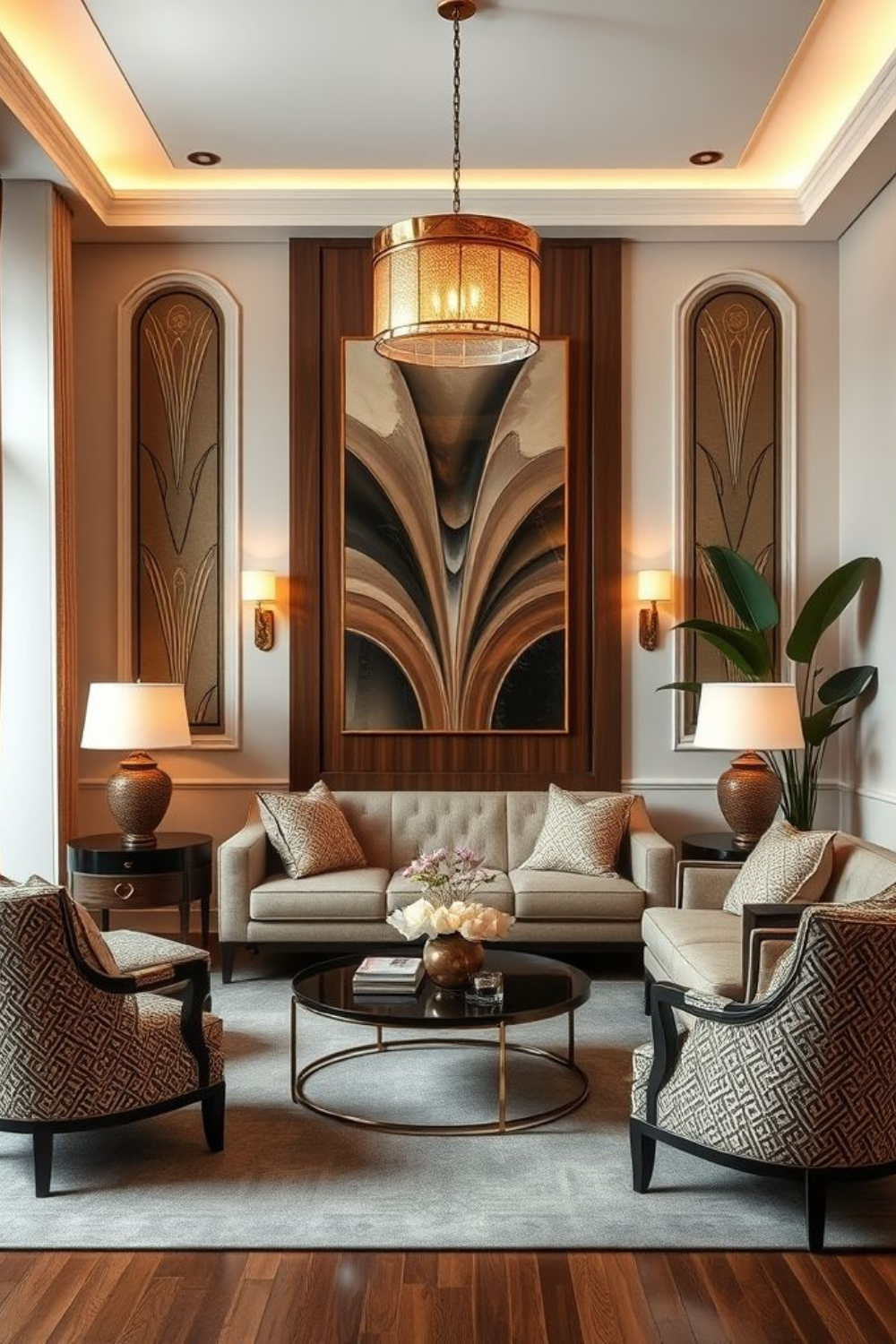
Lighting in a basic home often plays it too safe—simple bulbs, plain shades, nothing memorable. Neo-Deco lighting flips that script completely. Sculptural chandeliers, geometric pendants, or tiered glass fixtures instantly elevate a space and create a focal point that feels intentional and luxurious. These pieces don’t just light a room; they define it. When someone walks in, their eyes naturally travel upward, making ceilings feel higher and spaces more dramatic.
The beauty of Neo-Deco lighting lies in its balance. You can go bold without overwhelming the room by choosing clean lines, metallic finishes, or frosted glass. Even in small spaces, a compact but artistic fixture can add personality without clutter. Think of lighting as jewelry for your home—one strong piece can replace ten boring ones and make the entire space feel styled rather than accidental.
2. Bold Geometric Wall Panels
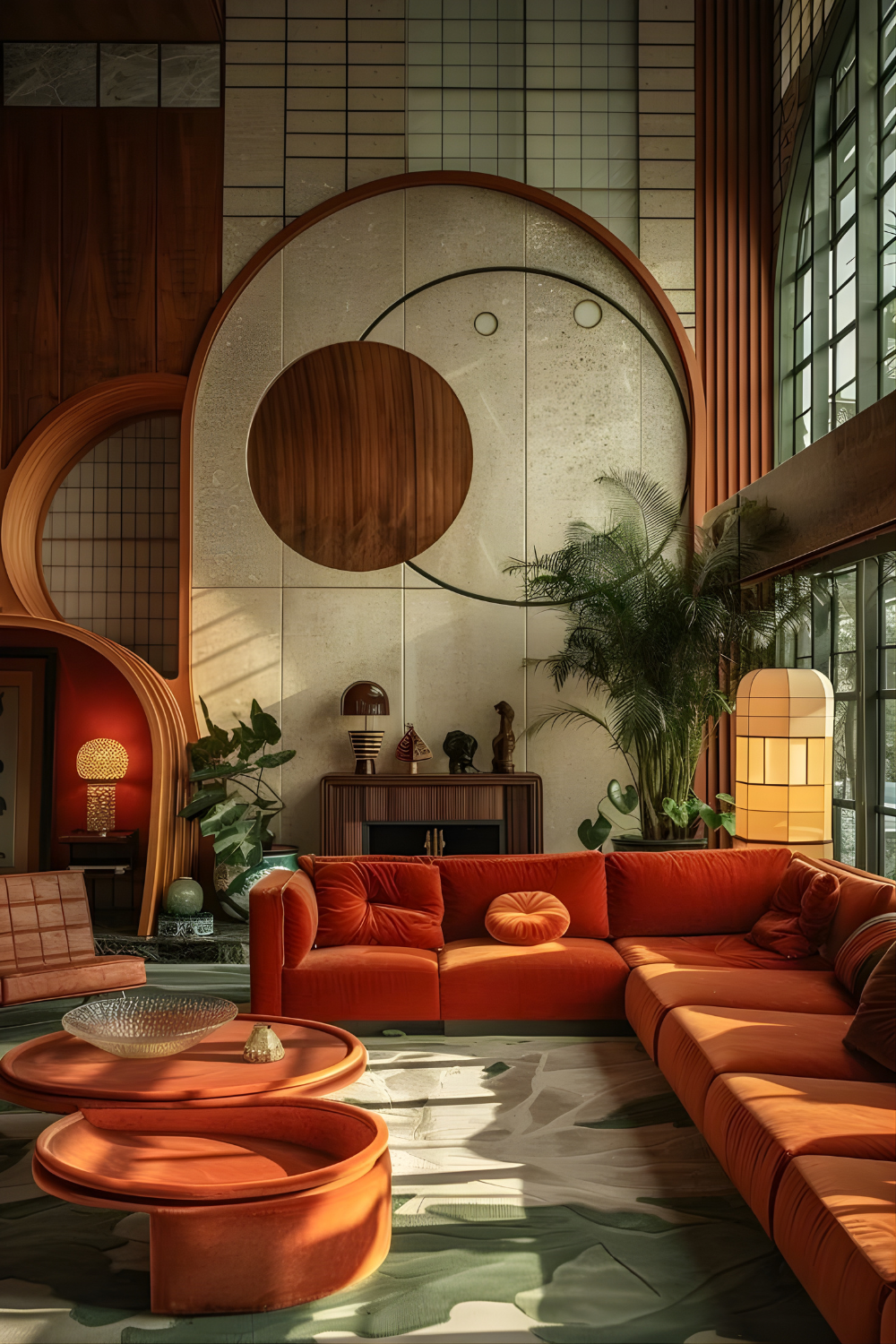
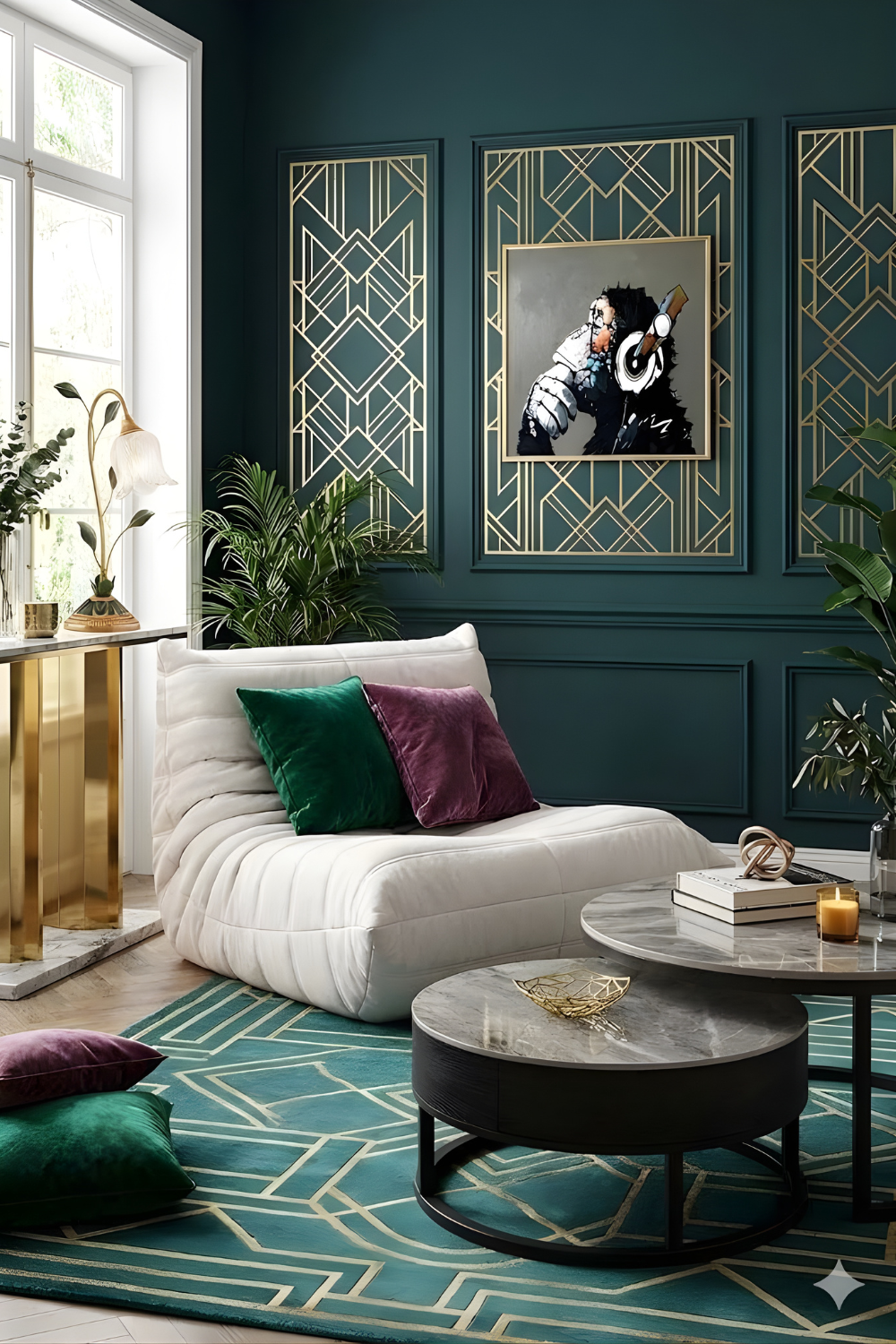
Flat walls are one of the biggest reasons a home looks unfinished. Neo-Deco wall panels introduce depth, rhythm, and architectural interest without requiring major renovations. Geometric patterns—arched lines, symmetrical shapes, or linear grooves—add a subtle sense of luxury that feels built-in rather than decorative. It’s the difference between a room that looks rented and one that looks designed.
What makes this upgrade so effective is its versatility. Panels can be painted in soft neutrals for a calm look or in deep, moody tones for drama. Even a single accent wall can completely transform a space, making furniture look more intentional and the room more cohesive. When walls stop being background noise and start contributing to the story, the entire home levels up.
3. Curved Furniture with Strong Silhouettes
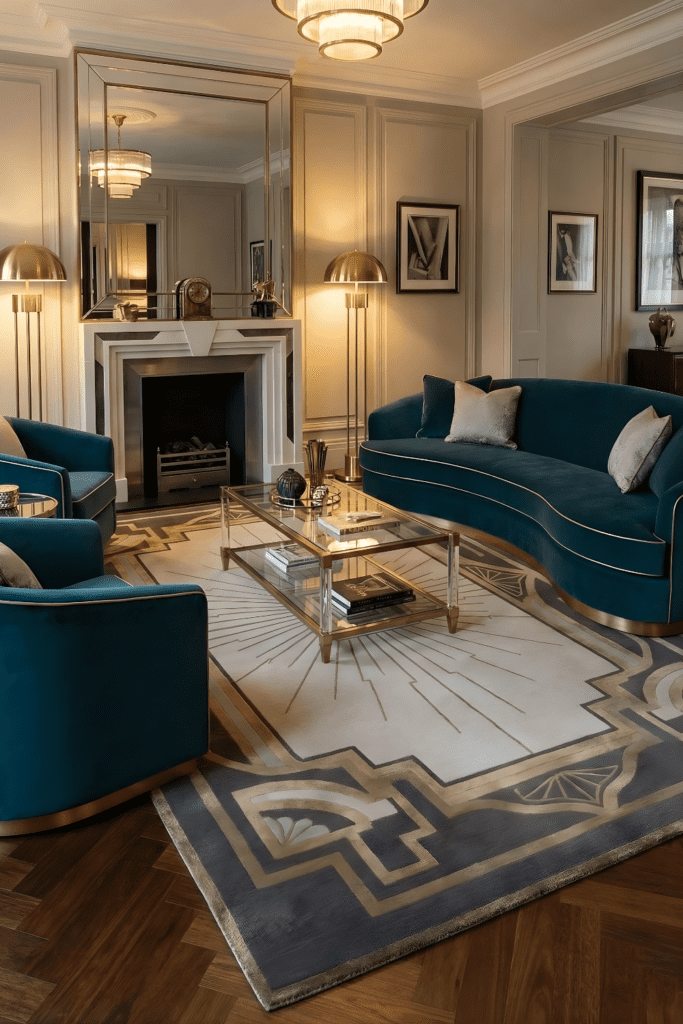
Straight lines everywhere can make a home feel rigid and uninspired. Neo-Deco softens that stiffness by introducing curved furniture—rounded sofas, arched headboards, crescent-shaped chairs. These curves add movement and flow, making rooms feel more inviting and visually dynamic. It’s a subtle shift that delivers a big emotional impact.
Curved pieces also create contrast, which is essential in Neo-Deco design. When paired with structured elements like metal frames or geometric rugs, the result feels balanced and intentional. Even one curved statement piece can break monotony and add a sense of luxury. It’s like adding a graceful melody to an otherwise flat song—the room suddenly has rhythm.
4. High-Contrast Color Pairings
Safe color palettes are comfortable, but they rarely excite. Neo-Deco thrives on contrast—light against dark, matte against shine, soft against bold. Introducing high-contrast color pairings instantly adds drama and sophistication to a basic interior. Deep greens with brass, black with ivory, navy with gold—these combinations feel timeless yet fresh.
The key is control. You don’t need to repaint everything. A contrasting accent wall, bold upholstery, or statement décor pieces can do the job. Contrast creates visual hierarchy, guiding the eye and making spaces feel curated rather than accidental. When done right, it turns simplicity into elegance instead of chaos.
5. Statement Mirrors with Artful Frames
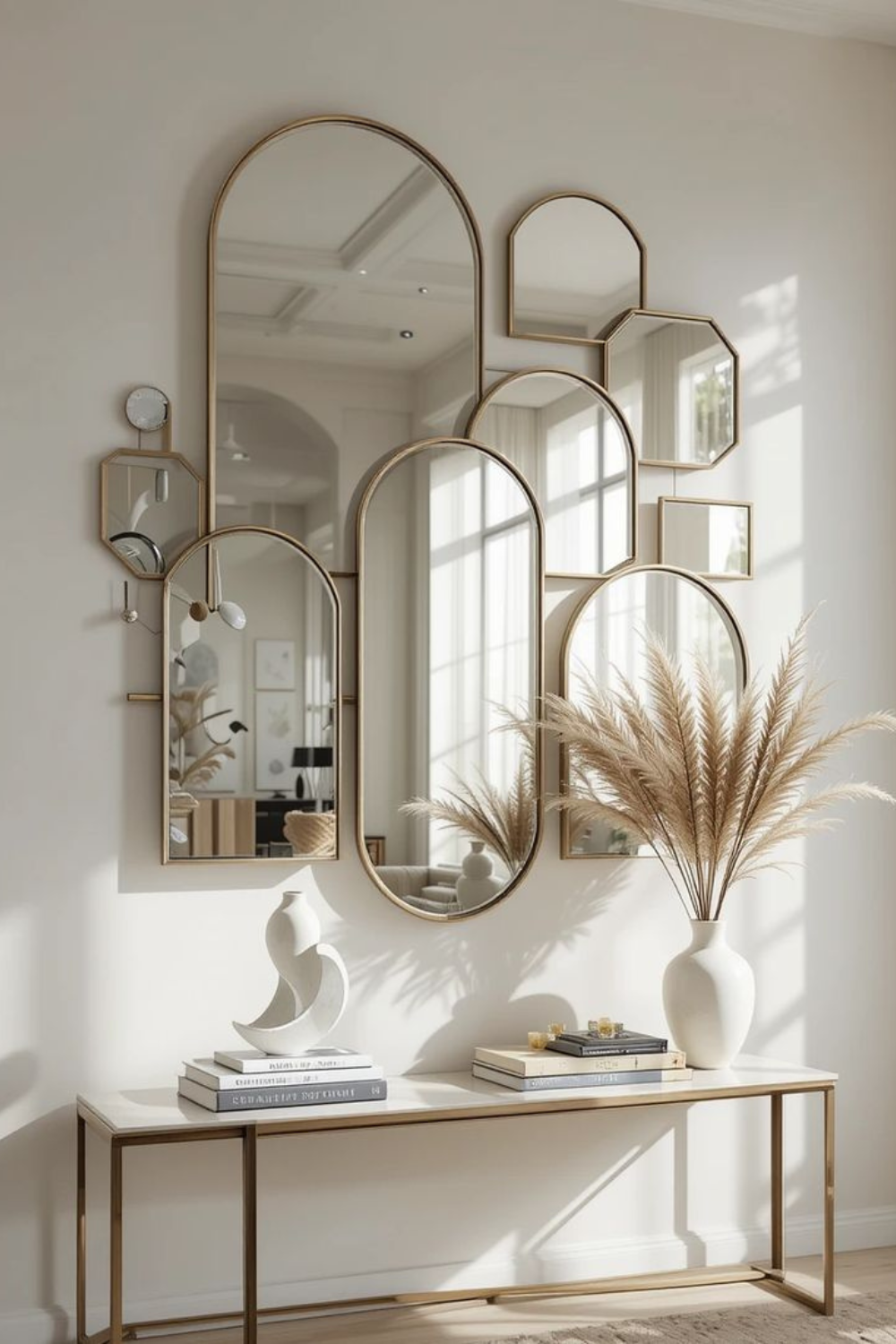
Mirrors are often treated as purely functional, but Neo-Deco turns them into art. Oversized mirrors with geometric, arched, or metallic frames reflect light while adding sculptural beauty. They make rooms feel larger, brighter, and more intentional—all at once. A well-placed mirror can double the impact of your décor without adding clutter.
Beyond function, statement mirrors introduce symmetry and balance, both hallmarks of Neo-Deco style. Whether placed above a console, in an entryway, or as a bedroom focal point, they anchor the space visually. It’s one of the easiest upgrades that delivers instant “designer home” energy.
6. Luxe Materials That Feel Rich
In Neo-Deco design, luxe materials serve as the definitive sensory foundation, replacing flat, lifeless textures with a rhythmic interplay of velvet, marble, lacquered wood, and metallic accents. This intentional layering introduces architectural depth and “organized luxury” to any floor plan, shifting the narrative from a “decorated” space to an “elevated” sanctuary. By prioritizing the high-impact quality of a marble vanity, a plush jewel-toned velvet sofa, or a high-gloss lacquered sideboard, you create a cinematic drama that catches and reflects light differently throughout the day. Even in compact apartments, small-scale integrations—such as a brass lamp base or a marble tray—act as luminous anchors that provide a sophisticated, durable richness. The result is a curated environment where the mathematical precision of the materials ensures the layout feels expansive, multi-dimensional, and impeccably polished, transforming a basic home into a masterclass in timeless, high-end glamour.
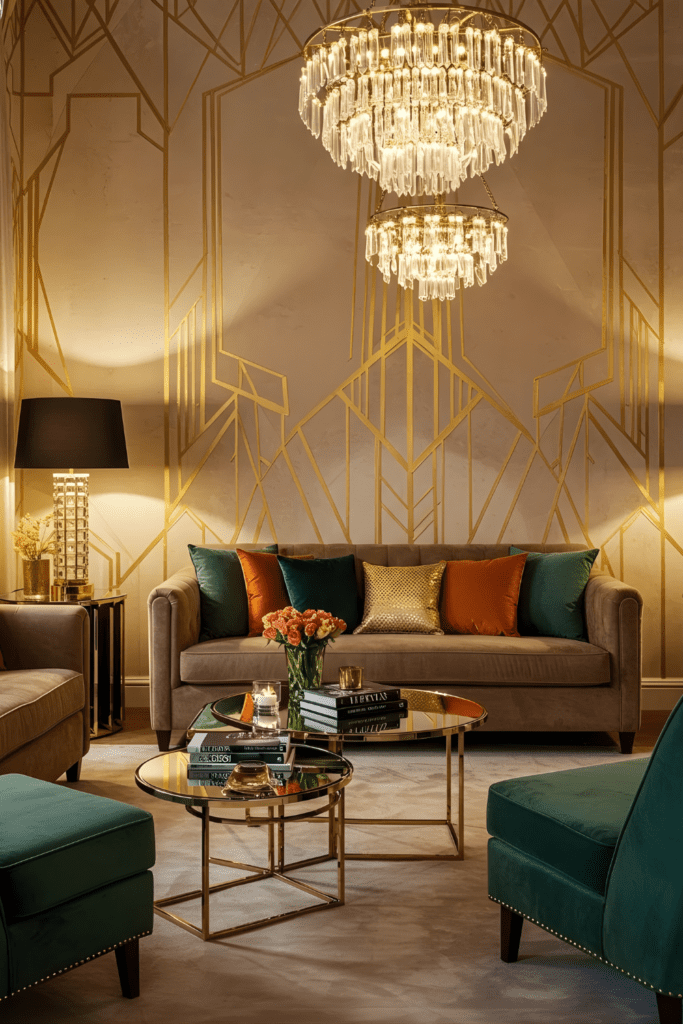
7. Symmetrical Furniture Layouts
In Neo-Deco design, symmetrical furniture layouts function as the primary architectural tool for instilling “organized luxury” and a sense of structural calm within a floor plan. By arranging furniture in mirrored configurations—such as a pair of matching velvet armchairs flanking a marble fireplace or twin brass lamps positioned on identical bedside tables—you create a rhythmic, sophisticated balance that basic spaces often lack. This intentional symmetry acts as a luminous anchor, making even an open-plan apartment feel expansive, purposeful, and impeccably polished.
To achieve a professional, editorial finish, use these balanced arrangements to let your statement pieces shine without competing for attention. The mathematical precision of a symmetrical layout provides a “confident design” foundation, allowing a bold geometric rug or a multi-tiered chandelier to serve as a high-impact focal point. In bedrooms, a tall upholstered headboard centered between two identical metallic nightstands creates a cinematic, hotel-like sanctuary that feels historically grounded yet strikingly modern. The result is a curated, durable environment where the discipline of symmetry transforms a standard room into a masterclass in harmonious, high-end glamour.
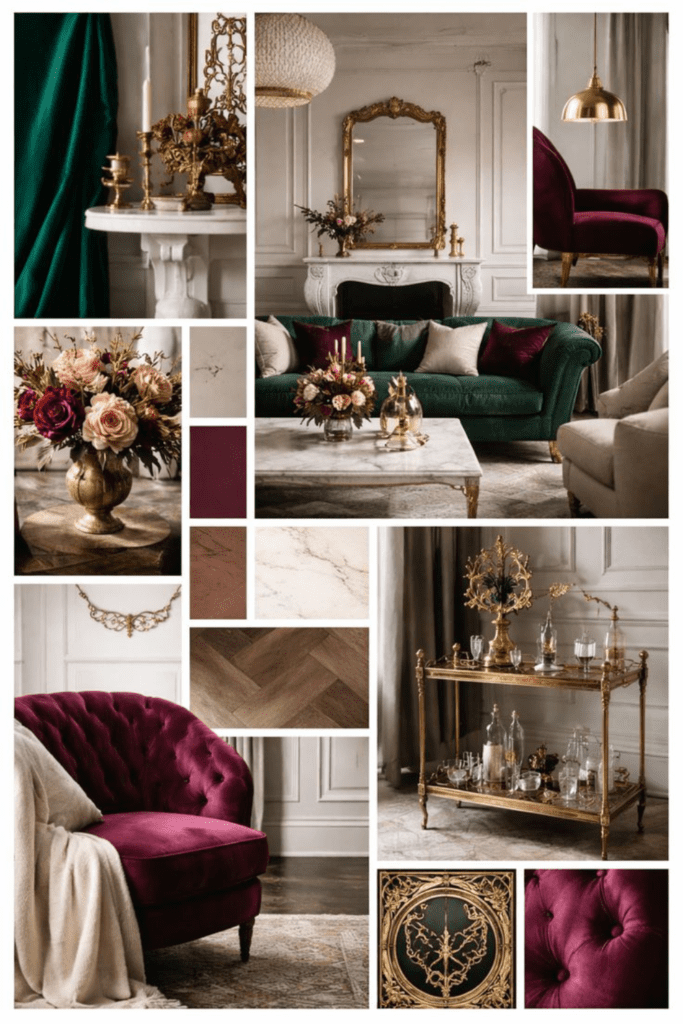
8. Art with Graphic Impact
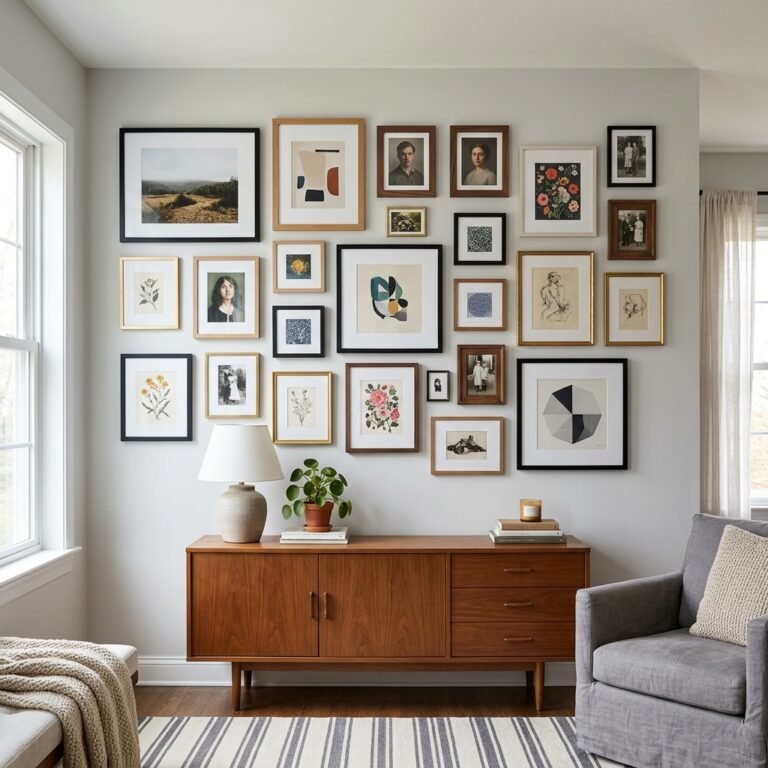
In Neo-Deco design, artwork with graphic impact serves as the definitive visual anchor, utilizing bold shapes and strong lines to command attention within a curated floor plan. By prioritizing large-scale graphic prints, abstract forms, or stylized portraits, you introduce a sophisticated, rhythmic energy that prevents walls from fading into the background. This “organized luxury” approach ensures that a single, powerful piece functions as a luminous anchor, making the entire room feel intentionally curated rather than a collection of random, forgettable prints.
To achieve a professional, editorial finish, select artwork that mirrors the movement’s characteristic geometric precision—such as sunburst motifs or tiered architectural silhouettes. Framing these confident compositions in polished brass or high-gloss black lacquer reinforces the room’s cinematic drama and structural symmetry. In compact apartments, a singular, oversized art piece creates a high-impact focal point that emphasizes vertical scale and spatial depth, transforming a standard wall into a private gallery. The result is a high-end, durable sanctuary where the mathematical beauty of the art establishes a cohesive narrative of modern glamour and historical intrigue.
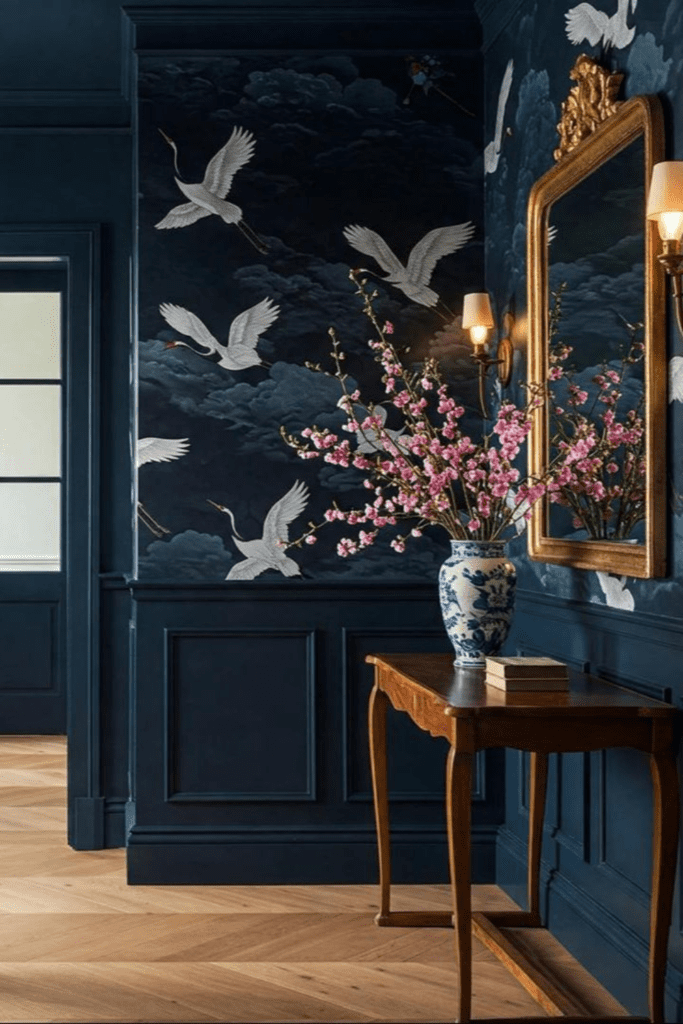
9. Metallic Accents with Restraint
In Neo-Deco design, metallic accents with restraint are the secret to achieving sophisticated “organized luxury” without descending into flashiness. While gold, brass, and chrome are signature elements of the style, the magic lies in their strategic, rhythmic application rather than an overwhelming abundance. By utilizing these finishes sparingly on lamp bases, cabinet handles, or décor trays, you create a series of luminous anchors that reflect light subtly, adding warmth and vertical scale to any floor plan.
To achieve a professional, editorial finish, treat metallics as “architectural punctuation marks”—small, intentional details that complete the room’s design narrative. In a compact apartment, a slim-line brass floor lamp or a mirror with a delicate gold geometric frame elevates the space without cluttering the visual field. This high-contrast interplay between reflective metal and softer textures, like velvet or matte paint, ensures the environment feels curated and impeccably polished. The result is a high-end, durable sanctuary where the mathematical precision of the metallic accents transforms a standard room into a masterclass in modern glamour.
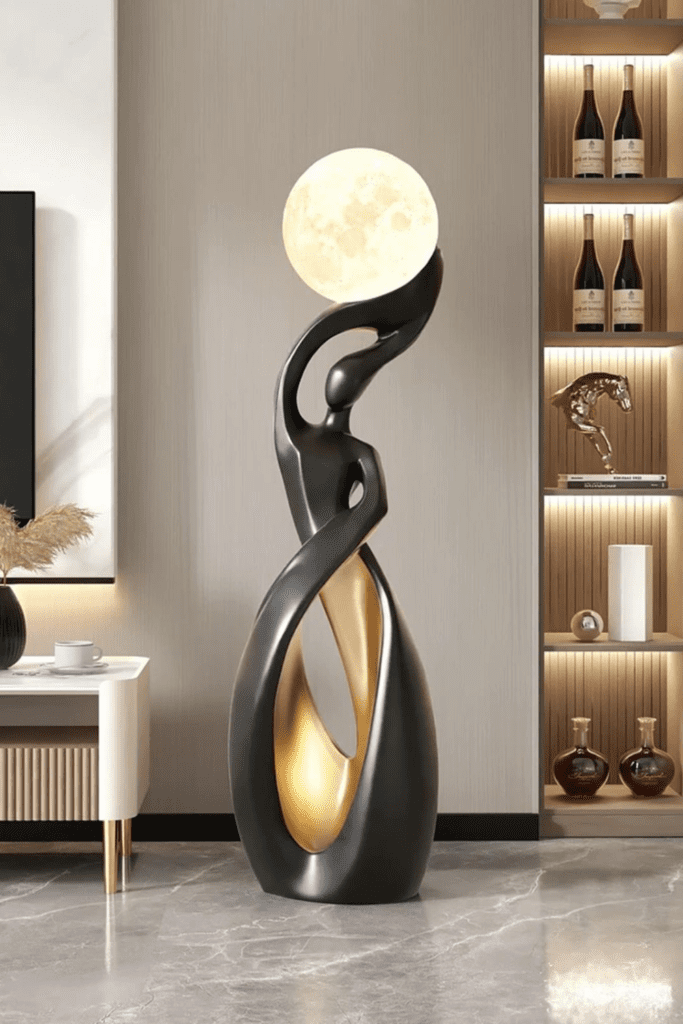
10. Layered Lighting for Mood
In Neo-Deco design, layered lighting serves as the essential “architectural atmosphere” that shapes mood and depth within a floor plan, transcending the limitations of a single overhead fixture. By integrating a rhythmic combination of ambient, task, and accent lighting, you introduce a sophisticated, “organized luxury” that feels both lived-in and impeccably polished. To achieve a professional, editorial finish, utilize luminous anchors—such as symmetrical fluted wall sconces, a tiered geometric floor lamp, or a brass-based table lamp—to create warmth and visual interest. This intentional layering allows you to shift the room’s vibe from functional to cozy with cinematic drama, ensuring the space feels expansive and curated rather than accidental.
When these light sources work together, they reflect off metallic accents and marble surfaces, adding a subtle sparkle that emphasizes the room’s structural symmetry. In compact apartments, a well-placed floor light can draw the eye upward, highlighting vertical scale and spatial depth. The result is a high-impact, durable sanctuary where the mathematical precision of the lighting design creates a cohesive narrative of modern glamour and historical intrigue.
11. Bold Area Rugs with Geometry
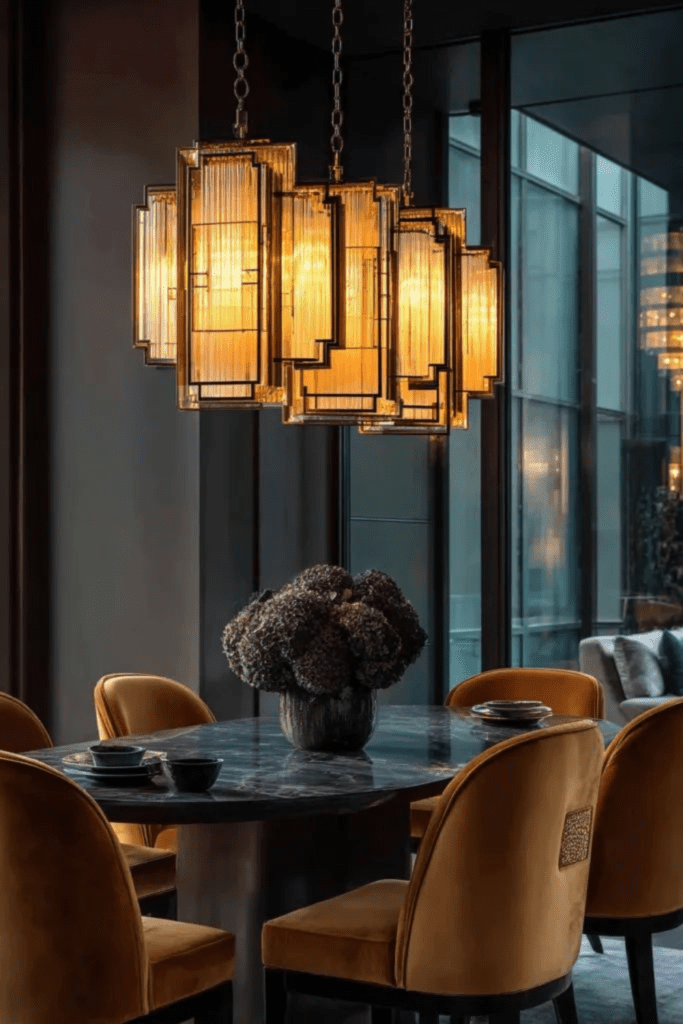
In Neo-Deco design, bold area rugs with geometry serve as the essential “architectural anchor,” utilizing high-contrast patterns and structured motifs to ground a floor plan visually. By transitioning away from plain, nondescript rugs and introducing rhythmic chevrons, stepped fans, or interlocking linear designs, you create a sophisticated foundation that guides furniture placement and prevents the room from feeling unmoored. This “organized luxury” approach ensures that the rug acts as a luminous anchor, connecting disparate elements like velvet sofas and marble coffee tables into a singular, cohesive narrative of cinematic drama.
12. Decorative Panels on Furniture
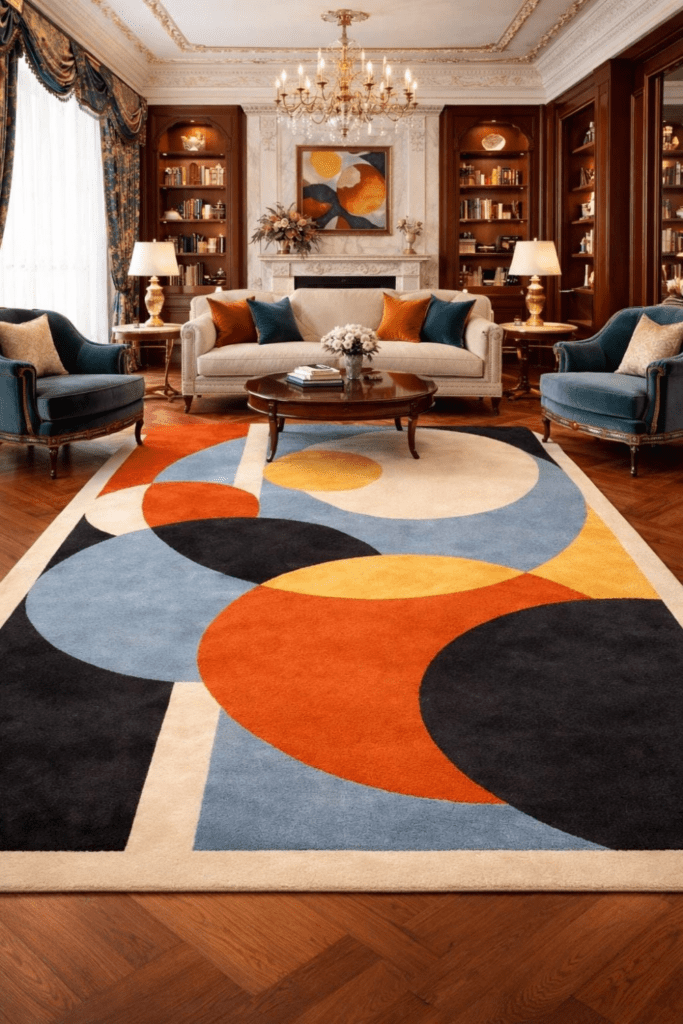
In Neo-Deco design, decorative panels on furniture function as essential “architectural jewelry,” transforming flat, uninspired surfaces into sophisticated focal points within a floor plan. By integrating precise paneling, rhythmic fluting, or intricate textured finishes on cabinets, dressers, and sideboards, you introduce a high-impact dimension of “organized luxury” that catches and refracts light. This tactile layering ensures that furniture transcends its functional role and becomes a cohesive part of the room’s architecture rather than simply filling spatial voids. To achieve a professional, editorial finish, prioritize pieces with rhythmic, geometric symmetry—such as a reeded black lacquer vanity or a fluted brass-inlay dresser. In compact apartments, even a single upgraded sideboard with striking decorative panels serves as a luminous anchor, immediately elevating the vertical scale and spatial depth of the entire layout. The result is a high-end, durable sanctuary where the mathematical precision of the furniture’s surface details establishes a cohesive narrative of curated modern glamour and historical intrigue.
13. Rich, Moody Accent Walls
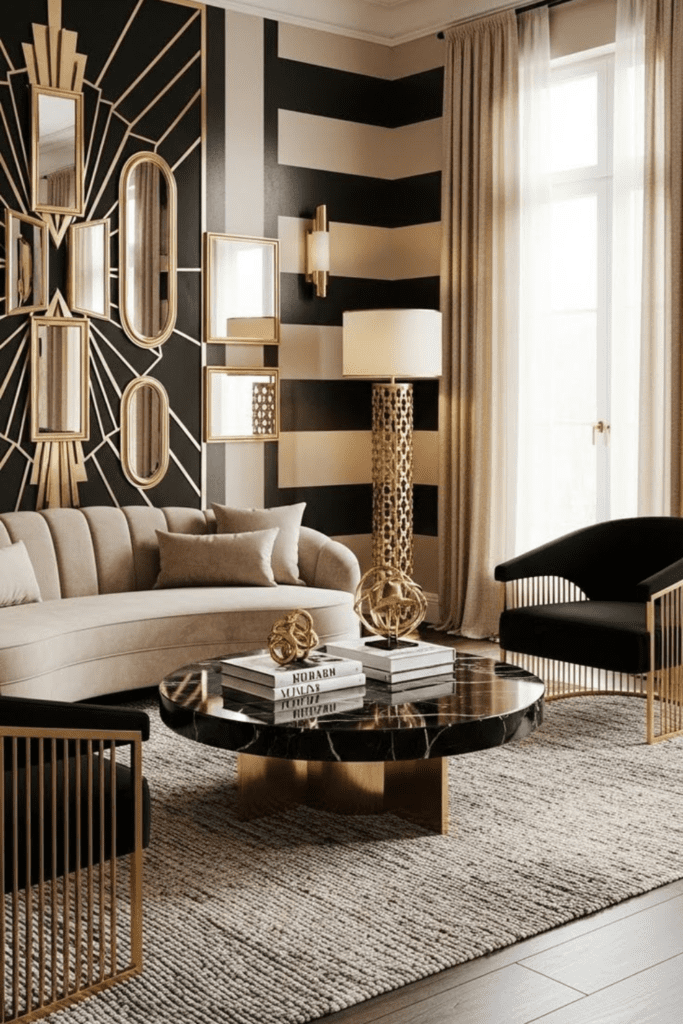
In Neo-Deco design, rich, moody accent walls serve as the definitive “architectural depth-charger,” utilizing high-contrast tones to eliminate the lifelessness of an all-neutral floor plan. By integrating a singular, bold surface in deep emerald, charcoal, or navy, you introduce a sophisticated, “organized luxury” that provides a cinematic backdrop for your furniture and décor. This intentional contrast acts as a luminous anchor, highlighting structural symmetry and making polished brass sconces or marble consoles pop with effortless intensity.
To achieve a professional, editorial finish, use the moody accent wall to ground a specific functional zone, such as the head of a bed or the wall behind a statement sideboard. In compact apartments, these rich colors—when paired with clean lines and mirrored surfaces—actually enhance the perceived spatial depth rather than overwhelming the layout, making the sanctuary feel both expansive and impeccably polished. The result is a high-impact, durable environment where the mathematical precision of the room’s silhouette is elevated by a curated narrative of historical intrigue and striking modern glamour.
14. Curated Decorative Objects
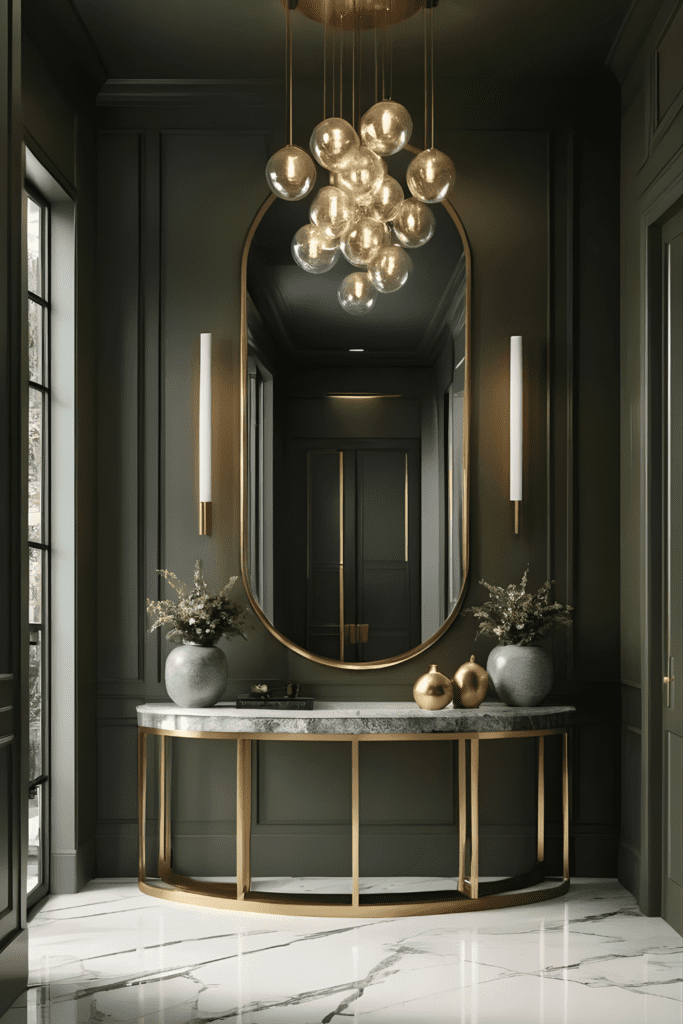
In Neo-Deco design, curated decorative objects function as the “sculptural punctuation” of a floor plan, where the mantra of “organized luxury” dictates that fewer, more intentional pieces create a higher architectural impact than a collection of minor trinkets. By prioritizing statement vases, abstract geometric sculptures, or tiered metallic trays, you introduce a sophisticated, rhythmic energy that provides visual calm while still delivering a bold narrative of modern glamour. Each object must earn its place as a luminous anchor, utilizing high-contrast materials like polished marble, smoked glass, or brass to catch the light and add multi-dimensional depth to surfaces.
To achieve a professional, editorial finish, focus on the high-impact interplay between structural symmetry and artistic form. Placing a singular, oversized abstract sculpture on a black lacquered sideboard or a pair of mirrored geometric bookends on a library shelf ensures the layout feels expansive and impeccably polished rather than cluttered. In compact apartments, this “quality over quantity” approach is particularly effective; it emphasizes vertical scale and spatial depth by allowing each piece’s silhouette to breathe. The result is a high-end, durable sanctuary where the mathematical precision of the décor establishes a cohesive, curated narrative of historical intrigue and striking contemporary style.
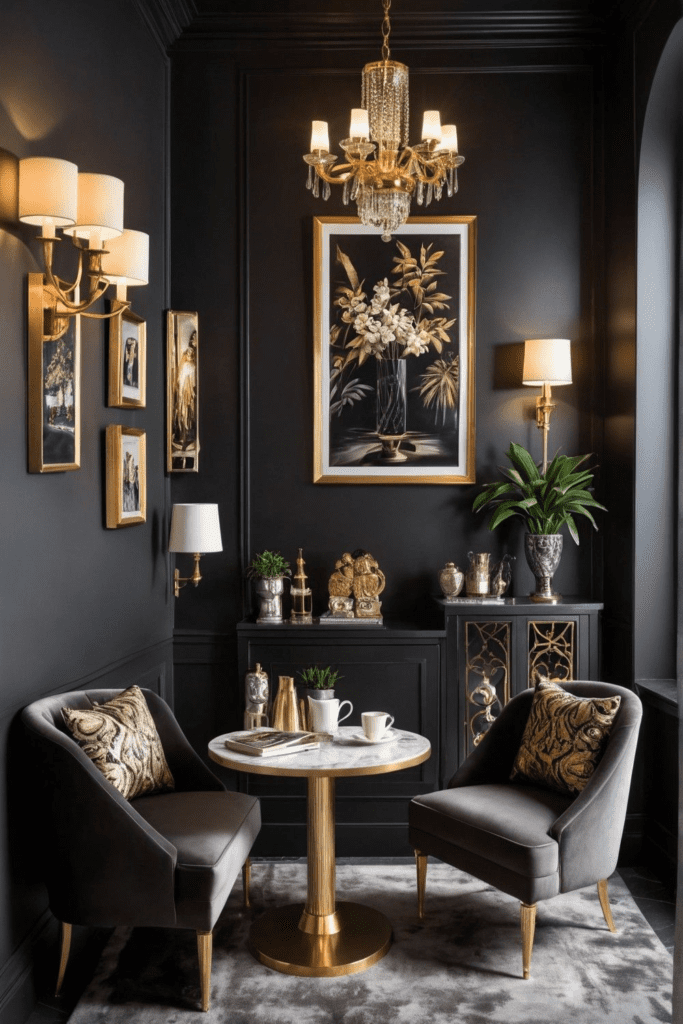
15. Architectural Arches
In Neo-Deco design, architectural arches serve as the definitive “structural softener,” utilizing rhythmic, curved silhouettes to break the rigidity of high-contrast linear layouts. By integrating arches into doorways, mirrors, and furniture silhouettes, you introduce a sophisticated sense of “organized luxury” that directs the eye upward and creates a fluid, expansive flow throughout the floor plan. This intentional departure from harsh, right-angled geometry adds a cinematic drama and timeless appeal that feels historically grounded yet strikingly modern.
To achieve a professional, editorial finish, utilize the arch as a luminous anchor to frame specific functional zones, such as an arched inset for a bar cabinet or a large-scale arched floor mirror that doubles the perceived spatial depth. Even in compact apartments, faux arches created through wall paint or arched decorative panels can transform the vibe of a sanctuary without the need for structural renovation. The high-impact interplay between the curve’s organic grace and the movement’s characteristic metallic accents and marble surfaces ensures the layout feels impeccably polished and multi-dimensional. The result is a high-end, durable environment where the mathematical precision of the arch establishes a cohesive narrative of curated, high-end glamour.
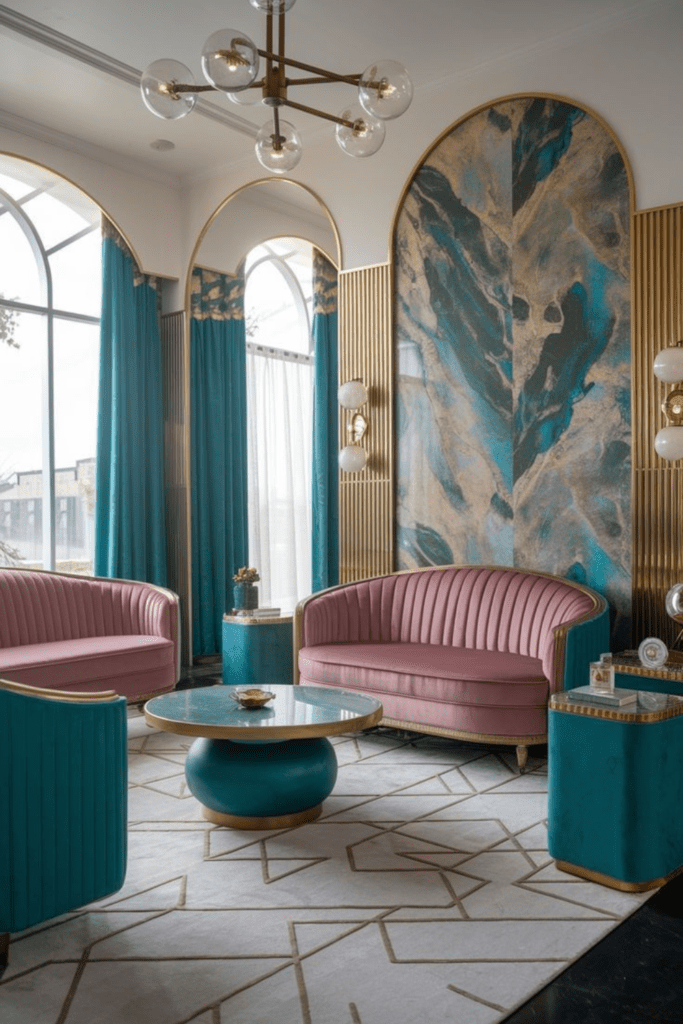
16. Statement Headboards
In Neo-Deco design, a statement headboard serves as the definitive “architectural crown” of the bedroom, transforming a basic sleeping area into a high-impact, hotel-like sanctuary. By utilizing oversized, arched, or channel-tufted silhouettes in indulgent materials like velvet or leather, you introduce a sophisticated sense of “organized luxury” that establishes the bed as the room’s primary luminous anchor. This intentional verticality emphasizes the floor plan’s scale, making even compact apartments feel expansive and impeccably polished.
To achieve a professional, editorial finish, focus on the rhythmic interplay between the headboard’s geometry and the surrounding symmetry. A tall, paneled headboard with metallic brass inlays or a dramatic scalloped arch provides a cinematic drama that feels historically grounded yet strikingly modern. When paired with mirrored bedside tables and layered lighting, the headboard acts as the structural foundation for the entire room’s aesthetic narrative. The result is a curated, durable environment where a single, bold piece creates a cohesive sense of timeless glamour, ensuring the space feels “designed” rather than merely “furnished.”
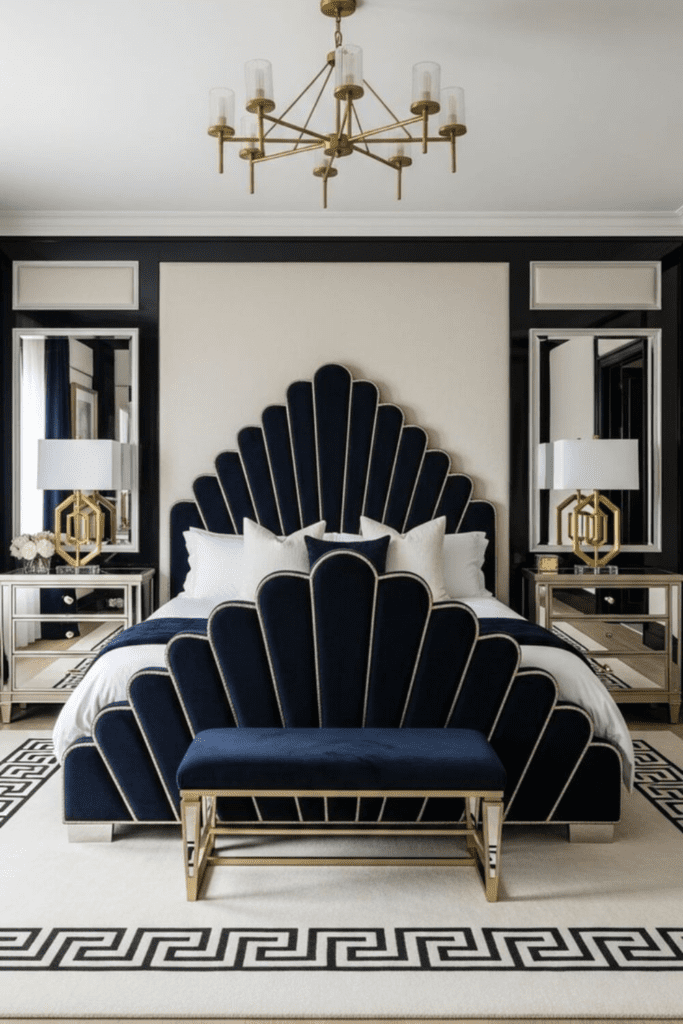
17. Elegant Console Tables
In Neo-Deco design, an elegant console table serves as the definitive “architectural prologue,” utilizing high-contrast materials and a slim, rhythmic silhouette to establish a cinematic tone for the entire floor plan. By integrating a sleek console—ideally in black lacquer, white marble, or polished brass—you create a luminous anchor that defines the transition from the outside world into a curated sanctuary. This intentional first impression speaks to a sense of “organized luxury,” making even a compact entryway feel expansive, purposeful, and impeccably polished.
To achieve a professional, editorial finish, focus on the high-impact interplay between the console’s geometric precision and the surrounding décor. Styling the table simply with a pair of symmetrical metallic lamps or a singular large-scale geometric mirror above it reinforces the movement’s characteristic structural symmetry. In compact apartments, a console with an open, airy frame or a floating wall-mounted design adds sensory richness without cluttering the visual field. The result is a high-end, durable aesthetic where the mathematical beauty of the furniture establishes a confident narrative of modern glamour and historical intrigue.
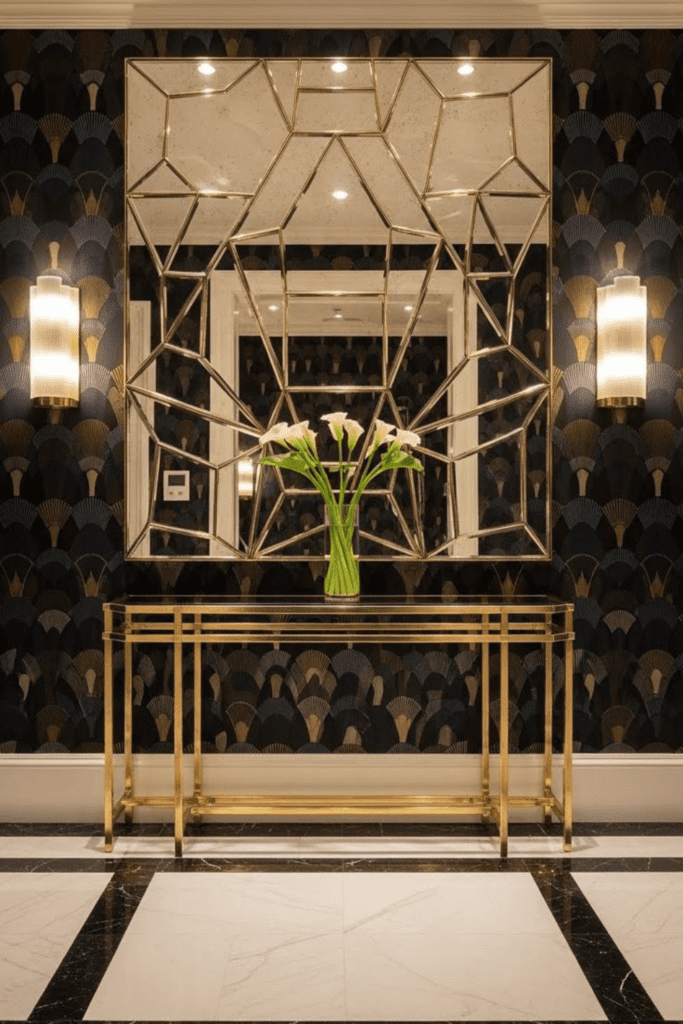
18. Refined Window Treatments
In Neo-Deco design, refined window treatments serve as the definitive “architectural drapery,” utilizing vertical scale and high-contrast textures to eliminate the flat, uninspired look of standard curtains. By integrating floor-to-ceiling drapes in indulgent materials like heavy velvet, slubbed silk, or structured linen, you introduce a sophisticated sense of “organized luxury” that elongates the walls and emphasizes the floor plan’s height. This intentional layering ensures that windows function as a rhythmic, cinematic feature rather than a functional afterthought, framing natural light to enhance the sanctuary’s overall mood.
To achieve a professional, editorial finish, focus on the high-impact interplay between the fabric’s weight and the movement’s characteristic metallic accents. Utilizing polished brass or matte black hardware with geometric finials provides a luminous anchor that grounds the softness of the textile. In compact apartments, hanging the rod higher and wider than the actual window frame creates a multi-dimensional illusion of expansive spatial depth, making the layout feel impeccably polished. The result is a high-end, durable aesthetic where the mathematical precision of the drapery’s pleats and the richness of the material establish a cohesive narrative of curated modern glamour and historical intrigue.
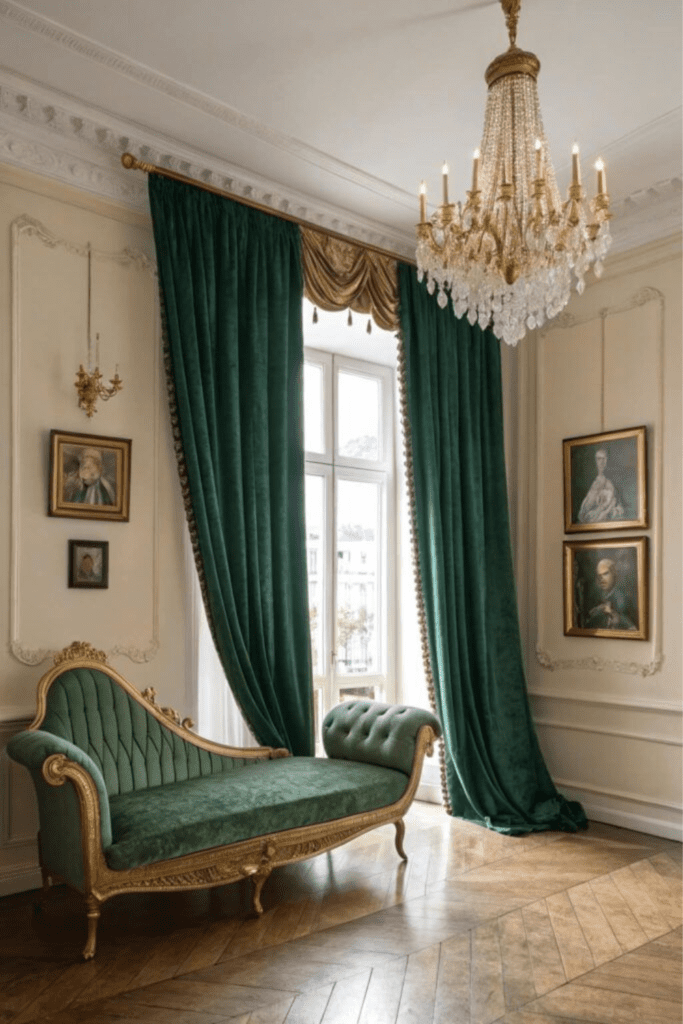
19. Statement Seating Pieces
In Neo-Deco design, statement seating pieces function as “functional art,” utilizing sculptural forms and high-contrast textures to serve as dynamic focal points within a floor plan. By integrating a singular, bold chair or bench—ideally featuring the movement’s characteristic geometric symmetry or fluid, arced silhouettes—you introduce a sophisticated sense of “organized luxury” that stands out effortlessly against more subdued elements. This intentional placement acts as a luminous anchor, immediately injecting character and architectural interest without cluttering the visual field or overwhelming the sanctuary’s cohesive narrative.
To achieve a professional, editorial finish, prioritize seating with rich textures like deep channel-tufted velvet, slubbed silk, or polished leather, paired with metallic brass or black lacquered frames. Positioned strategically, a pair of matched fluted armchairs can reinforce the layout’s structural symmetry, while a single, dramatically curved settee functions as a cinematic, multi-dimensional sculpture that doubles the perceived spatial depth. In compact apartments, a bold accent chair creates a high-impact zone that emphasizes vertical scale and makes the entire layout feel expansive and impeccably polished. The result is a high-end, durable sanctuary where the mathematical beauty of the furniture establishes a cohesive, curated narrative of modern glamour and historical intrigue.
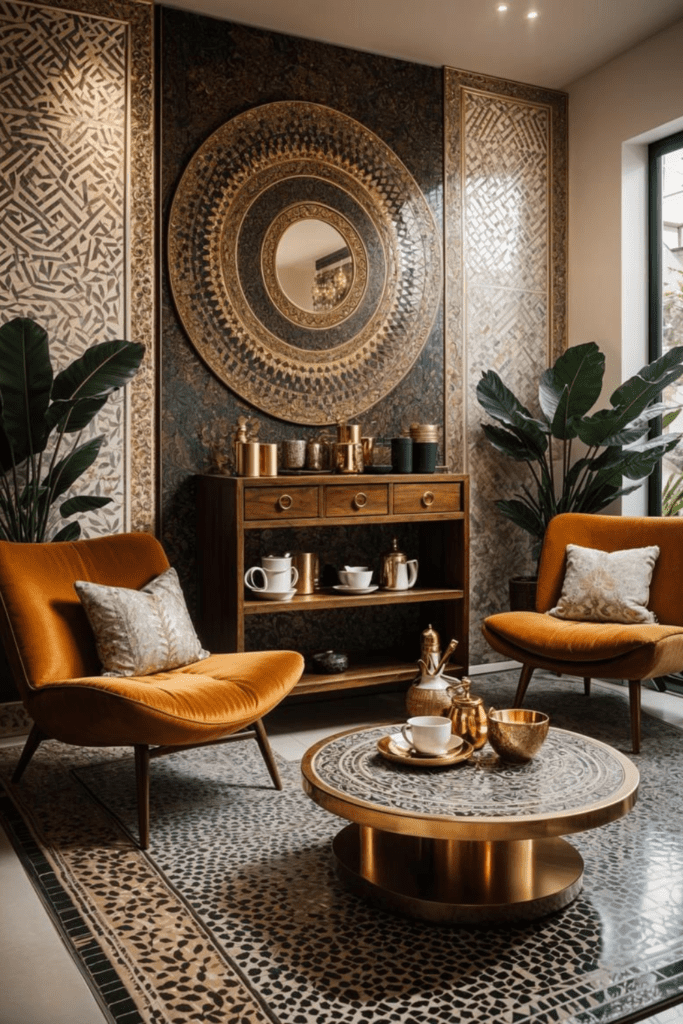
20. Intentional Negative Space
In Neo-Deco design, intentional negative space functions as the “silent architecture” of a floor plan, utilizing restraint to create a sophisticated sense of balance and visual breathing room. By leaving strategic voids around luxe materials and sculptural forms, you allow each high-impact piece to function as a clear luminous anchor without the sensory clutter that basic spaces often suffer from. This “organized luxury” approach ensures that the layout feels expansive and purposefully curated, shifting the narrative from a room that is “full” to one that is “composed.”
To achieve a professional, editorial finish, prioritize mathematical precision and structural symmetry in your placement. In compact apartments, resisting the urge to fill every corner actually emphasizes vertical scale and spatial depth, making the sanctuary feel impeccably polished and multi-dimensional. The high-contrast interplay between a singular marble console and a clean, unadorned wall creates a cinematic drama that highlights the movement’s characteristic clean lines. The result is a high-end, durable environment where what you don’t add establishes a cohesive narrative of modern glamour and historical intrigue.
Conclusion
Neo-Deco décor upgrades aren’t about excess; they’re about intention. By introducing structure, contrast, and a touch of glamour, even the most basic home can feel confident, elevated, and unforgettable. Each upgrade works like a brushstroke in a larger masterpiece—subtle alone, powerful together. When design choices feel deliberate, your home stops blending in and starts standing out.