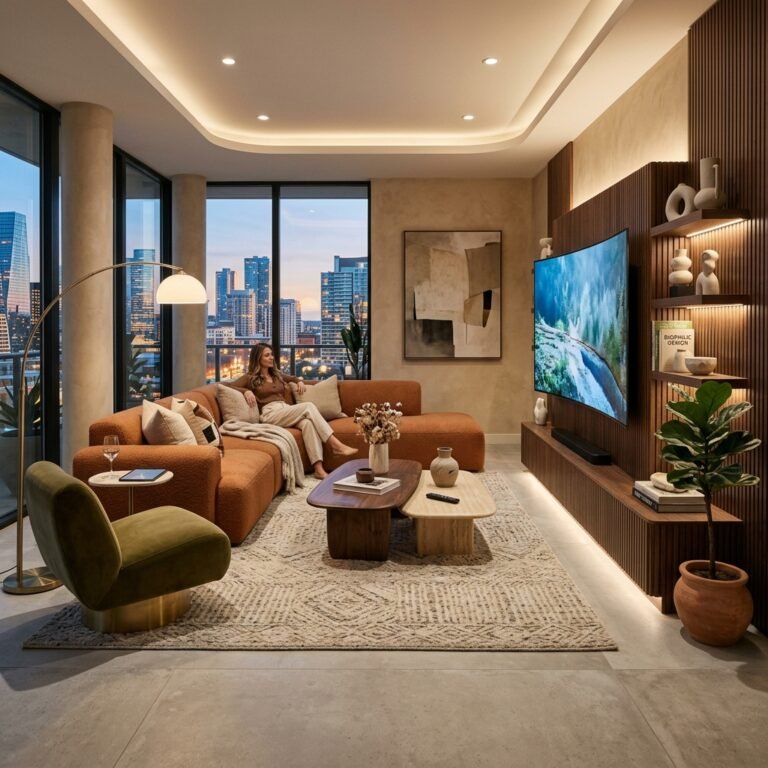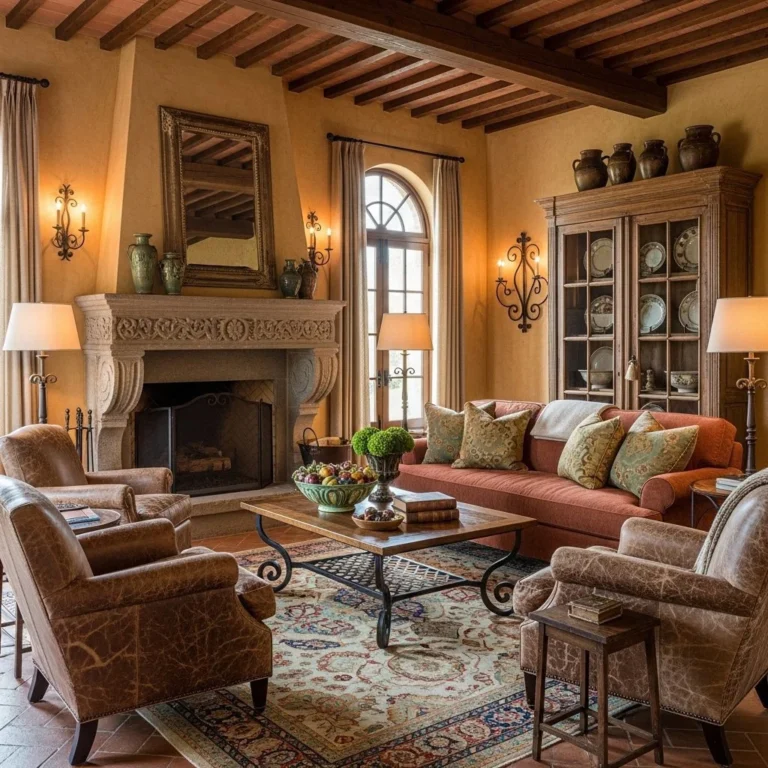
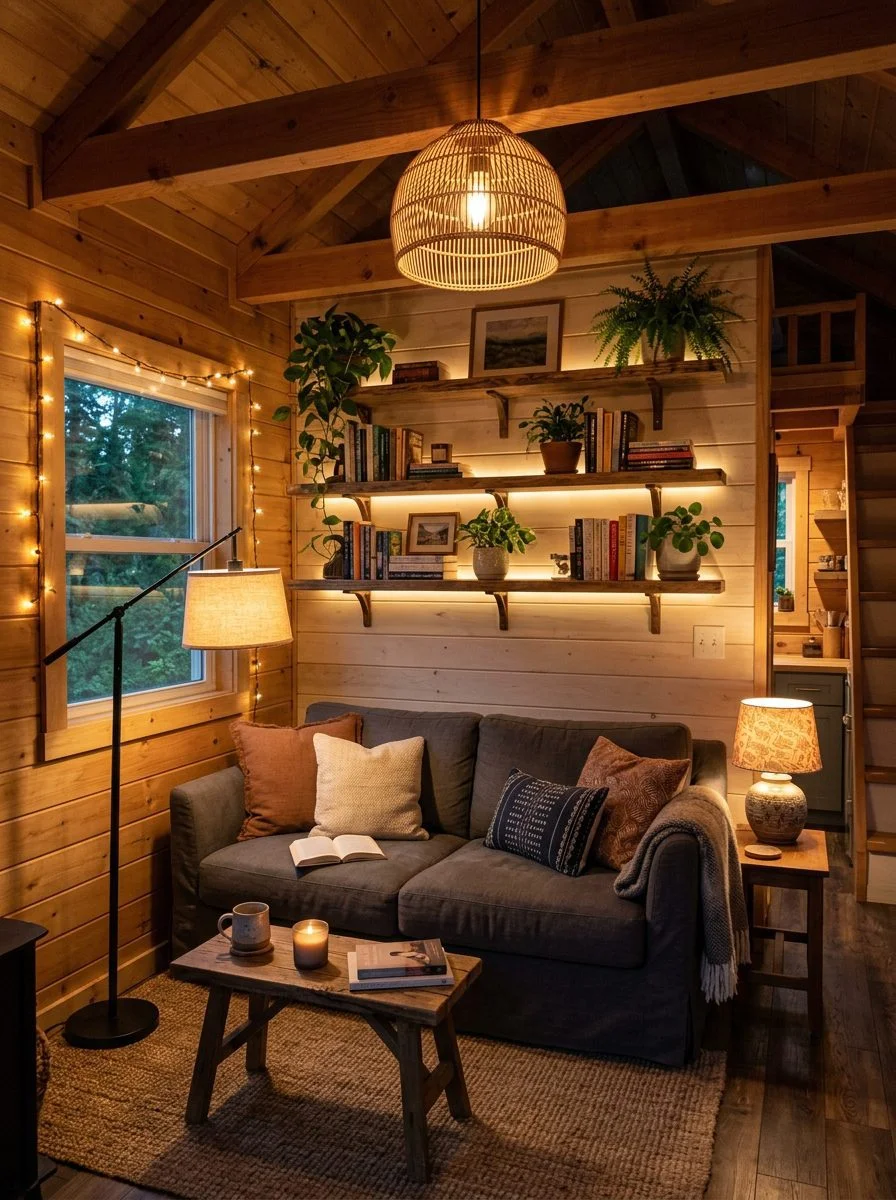
20 Tiny Living Room Ideas That Look Bigger Instantly
A tiny living room doesn’t have to feel cramped, cluttered, or limiting. In fact, small spaces often have the most potential when approached with smart, intentional design. In luxury home decor, the goal isn’t to make a room bigger—it’s to make it feel bigger through visual balance, light, and proportion. With the right styling choices, even the smallest living room can feel open, airy, and surprisingly spacious.
The secret lies in using modern home decor principles such as reflective surfaces, light-enhancing color palettes, scaled furniture, and layouts that improve flow instead of blocking it. Strategic use of mirrors, layered lighting, and multi-functional furniture can instantly transform how the space feels. Soft neutral tones and minimal clutter also help create a calm, breathable environment that feels more expensive and thoughtfully designed.
If your living room feels too small, don’t focus on what to add—focus on what to refine. Small changes like improving lighting, choosing lighter fabrics, and adjusting furniture placement can dramatically shift the entire atmosphere. These tiny living room ideas are practical, Pinterest-inspired, and designed to help you create a space that feels brighter, larger, and more luxurious—without renovation or high cost.
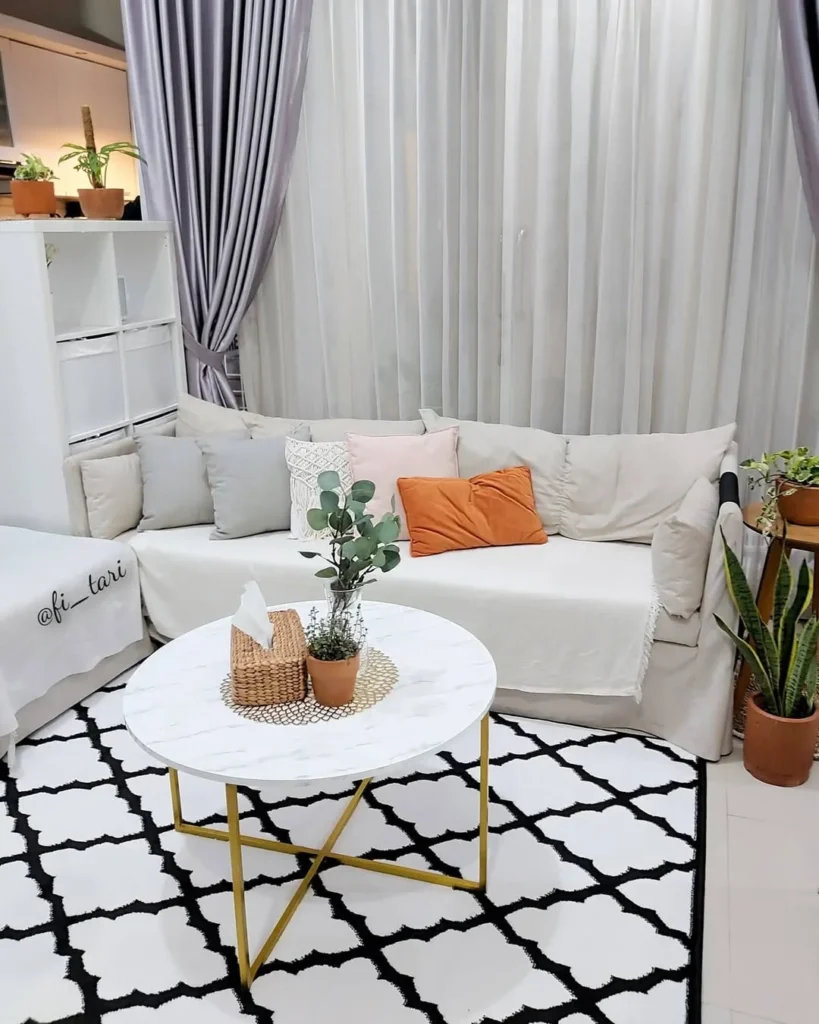
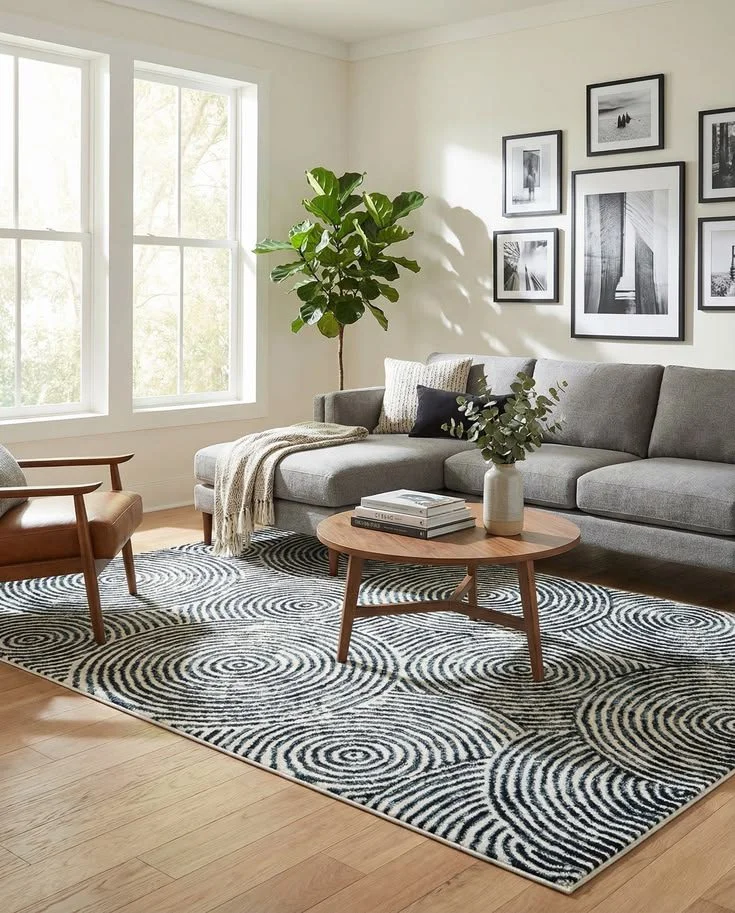
1. Light Color Palettes That Open Up Space
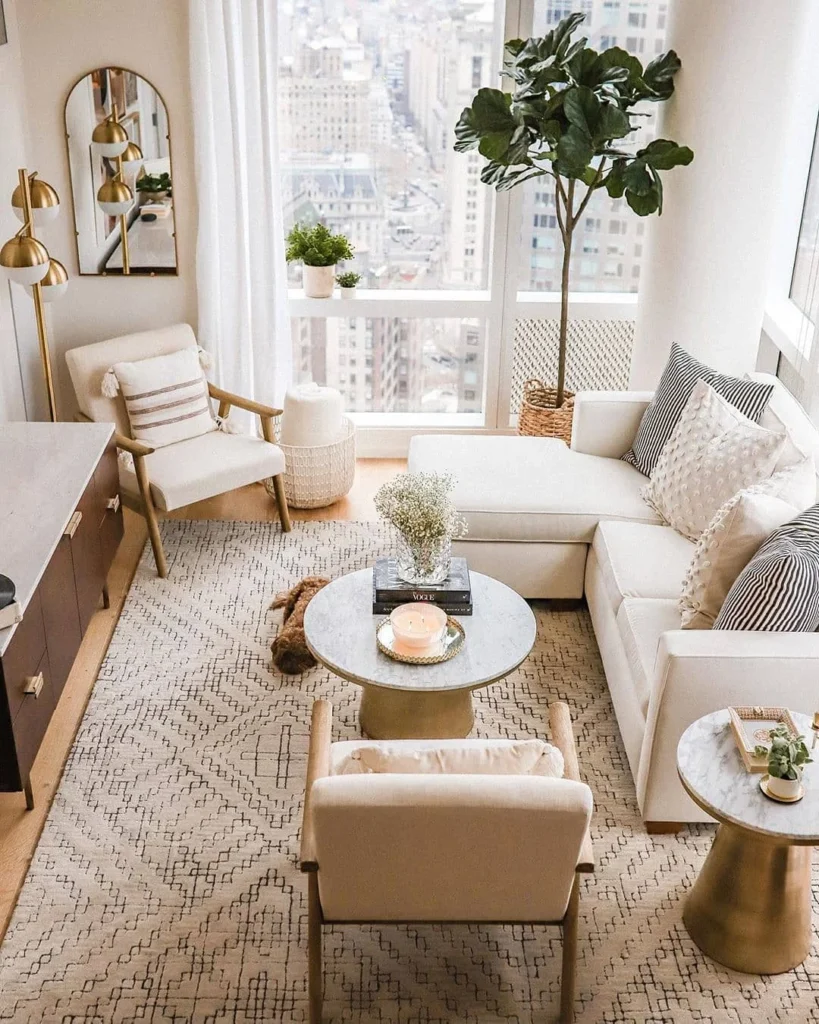
Large mirrors are one of the most powerful tiny living room ideas for instantly creating the illusion of double space. In luxury home decor, mirrors are used strategically to reflect both natural light and surrounding interiors, which adds depth, brightness, and openness to compact rooms. When placed correctly—especially opposite a window or light source—a large mirror can visually expand the entire space and make it feel significantly larger than it is. This simple design trick enhances both light distribution and spatial perception, making the room feel airy and balanced. In modern home decor, oversized mirrors are also used as statement pieces that combine function with elegant styling.
Styling Tips:
Place mirrors opposite windows to maximize natural light reflection.
Use full-length or oversized mirrors to create stronger visual impact.
Choose slim-framed or frameless designs for a clean, minimal aesthetic.
Lean floor mirrors against walls for a relaxed, modern look.
Why It Works:
Mirrors reflect light and surroundings, creating depth, brightness, and an instant illusion of expanded space.
3. Multi-Functional Furniture That Saves Space
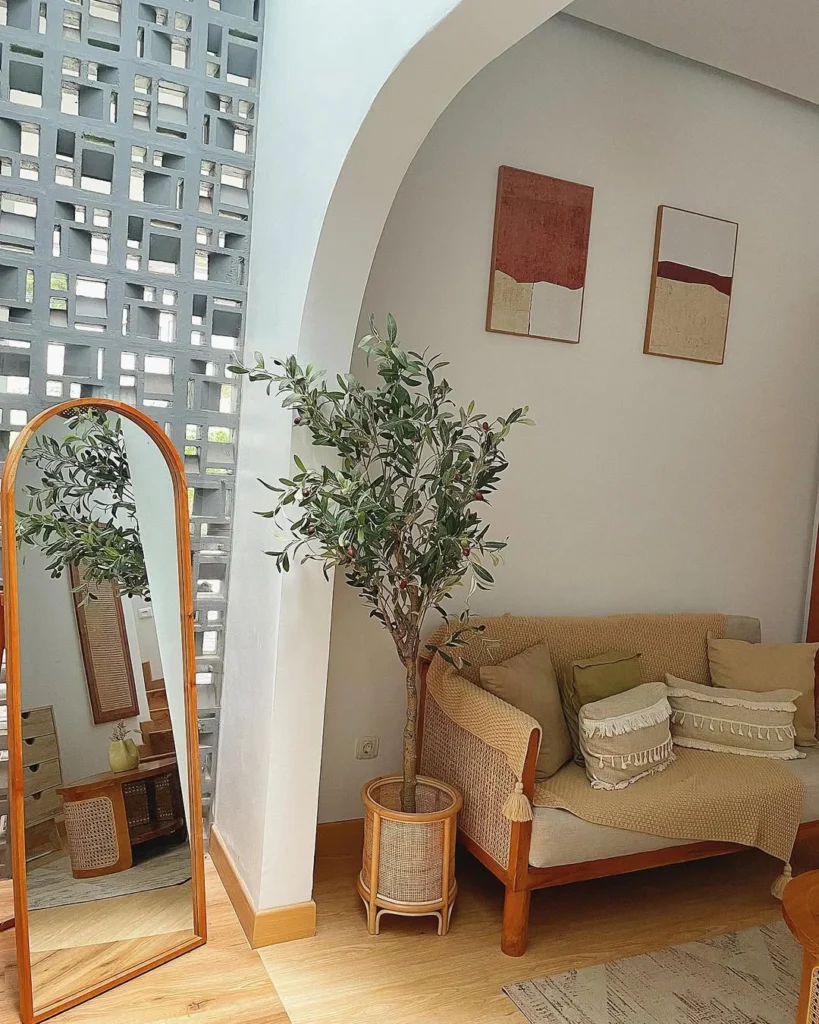
Multi-functional furniture is a game-changing tiny living room idea that helps maximize space while keeping the room clean, practical, and visually open. In luxury home decor, smart furniture design is essential because every piece is expected to offer both style and function without adding unnecessary clutter. Instead of filling a small living room with separate items, multi-purpose pieces like storage ottomans, sofa beds, nesting tables, and coffee tables with hidden compartments help streamline the layout and improve usability. This approach supports a more intentional and organized environment, which is key in modern home decor where simplicity and efficiency define elegance.
Styling Tips:
Use storage ottomans instead of extra chairs to reduce bulk.
Choose nesting tables that can be stacked or tucked away when not needed.
Opt for sofas with built-in storage for blankets and essentials.
Keep furniture lightweight and visually minimal to maintain openness.
Why It Works:
Less clutter and smarter storage free up floor space, creating a more spacious, functional, and visually balanced living room.
4. Floating Shelves Instead of Bulky Cabinets
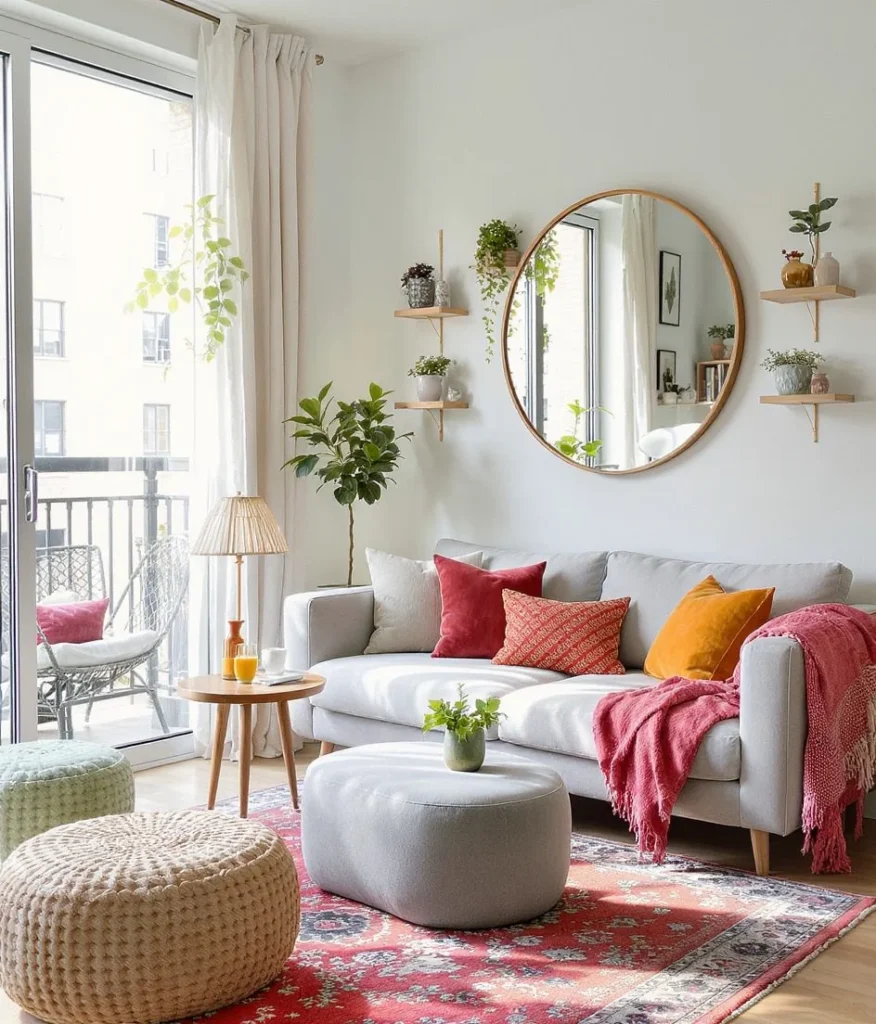
Floating shelves are a smart tiny living room idea that replaces bulky cabinets while keeping the space light, open, and visually balanced. In luxury home decor, wall-mounted storage is often preferred in small spaces because it maximizes functionality without overwhelming the room. By keeping the floor visible, floating shelves instantly create an airy, spacious effect that makes the entire living room feel larger. Unlike heavy furniture, they add storage and display space without adding visual weight, which is essential in modern home decor where simplicity and openness define elegance.
Styling Tips:
Install shelves slightly higher to draw the eye upward and enhance height.
Keep décor minimal—use a few books, plants, or candles for balance.
Match shelf color with the wall tone for a seamless, built-in look.
Avoid overcrowding to maintain a clean, curated appearance.
Why It Works:
Floating shelves reduce visual bulk and free up floor space, creating a cleaner, more open, and stylishly organized living room.
5. Vertical Design That Draws Eyes Upward
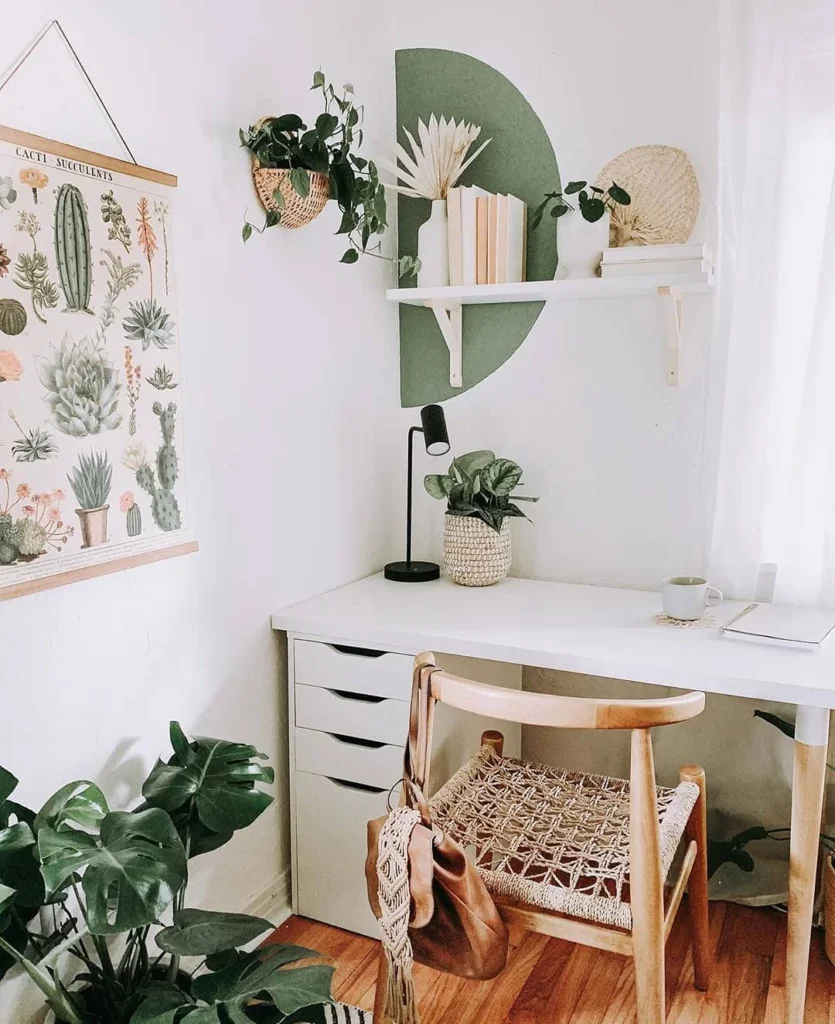
Vertical design is a powerful tiny living room idea that visually expands compact spaces by drawing the eye upward. In luxury home decor, vertical lines are often used to enhance proportion, create elegance, and make ceilings feel higher than they actually are. When floor space is limited, focusing on height instead of width helps the room feel more open, balanced, and architecturally refined. Elements like tall curtains, vertical artwork, and floor-to-ceiling shelving naturally guide the eye upward, creating an illusion of spaciousness. This technique is especially effective in apartments and small homes where ceiling height is average or low, making it a key principle in modern home decor for maximizing visual impact without adding clutter.
Styling Tips:
Hang curtains close to the ceiling to elongate wall height.
Use tall indoor plants to enhance vertical flow.
Choose vertical artwork or gallery-style layouts for upward movement.
Keep furniture low-profile to emphasize height.
Why It Works:
Vertical design creates the illusion of height, making the room feel taller, airier, and more spacious.
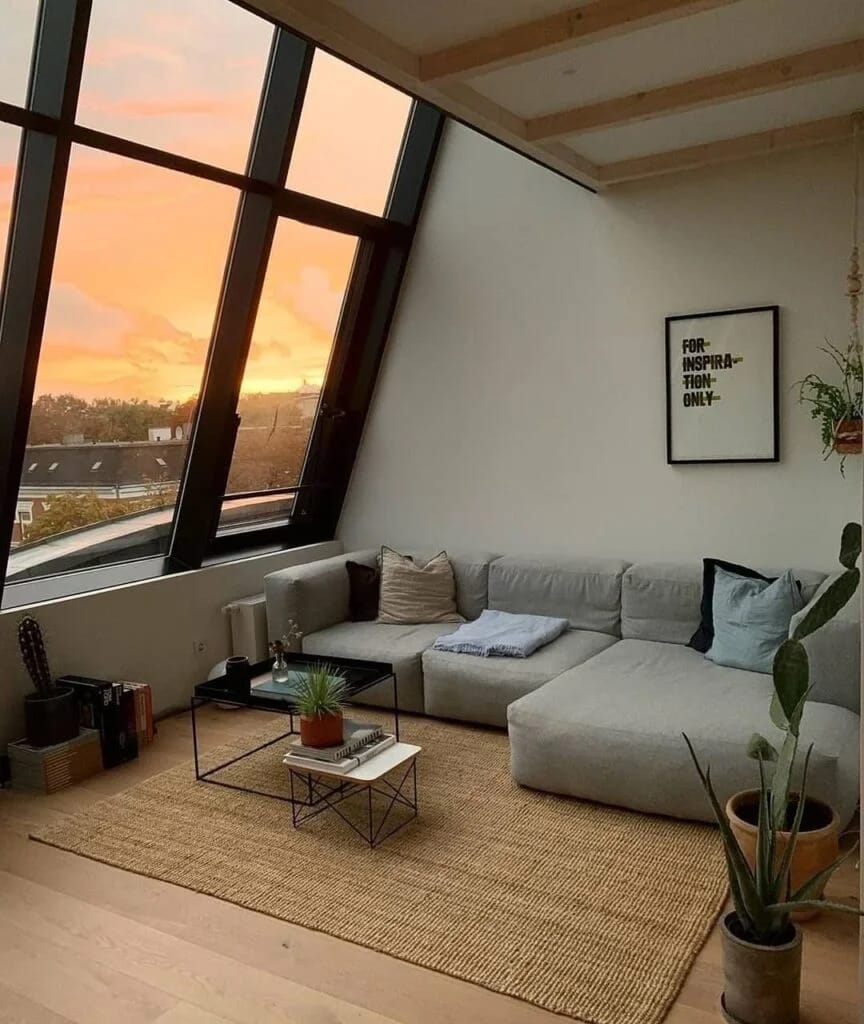
6. Minimal Furniture Layout for Open Flow
A minimal furniture layout is one of the most effective tiny living room ideas for creating an open, breathable, and visually balanced space. In luxury home decor, less is often more—especially in compact rooms where overcrowding can quickly make the space feel tight and chaotic. Instead of filling every corner, a minimal layout focuses on intentional placement, allowing air, light, and movement to flow freely throughout the room. This approach creates a sense of calm and openness that feels both modern and refined. In modern home decor, negative space is just as important as furniture, helping define structure and enhance spatial perception.
Styling Tips:
Avoid overcrowding corners with unnecessary furniture or décor.
Keep clear walking paths to improve flow and functionality.
Choose slim-profile or lightweight furniture to reduce visual bulk.
Stick to essential pieces like a sofa, one coffee table, and a single accent chair.
Why It Works:
More negative space reduces visual clutter, improves flow, and makes the living room feel significantly larger and more open.
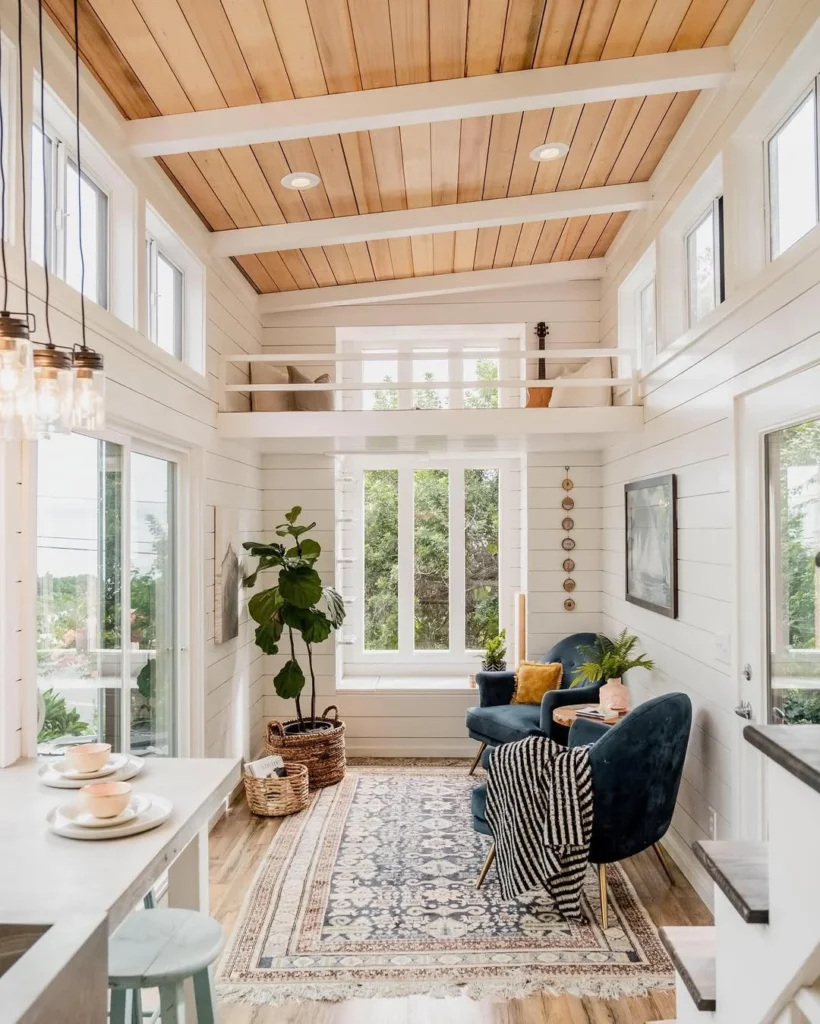
7. Glass Furniture for Invisible Visual Weight
Glass furniture is a smart that helps create an airy, open, and uncluttered visual flow. In luxury home decor, transparent materials like glass are often used because they reduce visual weight while still providing full functionality. Unlike solid, bulky furniture, glass coffee tables, side tables, and shelving allow light and sightlines to pass through, making the room feel more spacious and less crowded. This “invisible” effect is especially valuable in small spaces, where every visual element matters. In modern home decor, glass is also paired with metal or wood accents to maintain structure and add subtle contrast without overwhelming the design.
Styling Tips:
Choose glass-top coffee tables to maintain openness in the center of the room.
Pair glass surfaces with slim metal or light wood frames for balance.
Keep surrounding décor minimal to preserve the clean, floating effect.
Avoid heavy or oversized accessories on glass furniture.
Why It Works:
Transparent materials reduce visual density, allowing light and space to flow freely, making the living room feel larger and more refined.
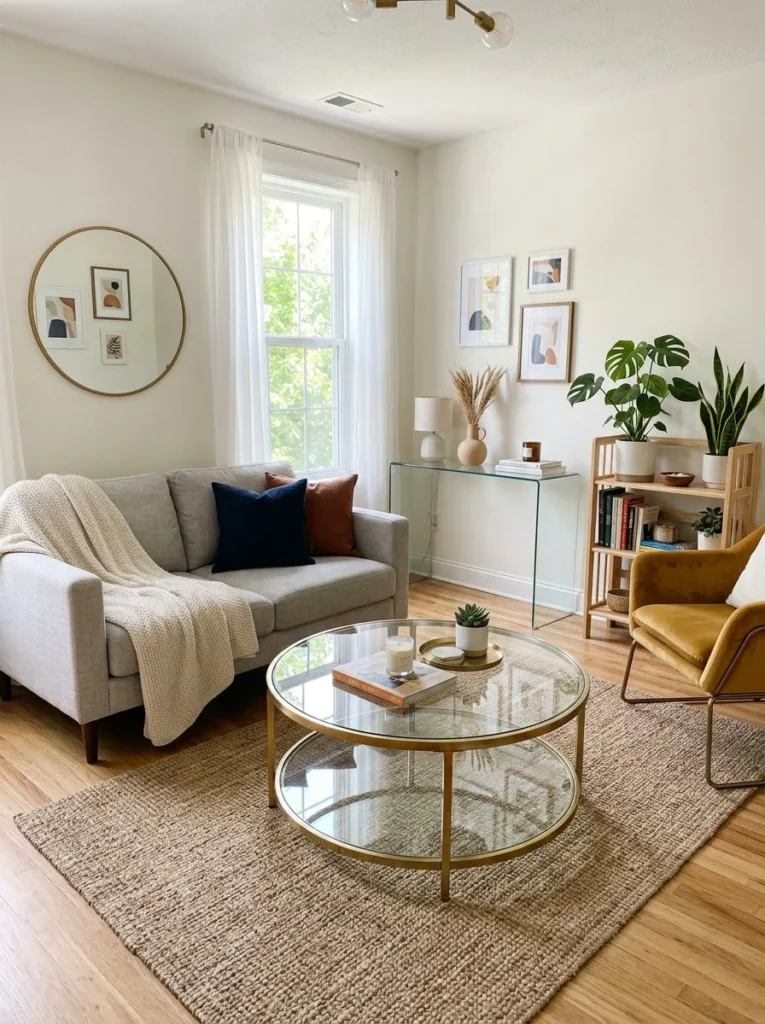
8. Light Sheer Curtains Instead of Heavy Drapes
Light sheer curtains are an essential tiny living room idea for creating an airy, open, and elegant atmosphere. In luxury home decor, window treatments play a major role in shaping how spacious a room feels. Heavy drapes can visually compress a small space, making it feel darker and more enclosed, while sheer curtains allow natural light to filter through softly. This balance of brightness and privacy helps the room feel larger, fresher, and more inviting. In modern home decor, sheer fabrics are often used to maintain a clean, minimal aesthetic while enhancing softness and flow throughout the space.
Styling Tips:
Use white or ivory sheer fabrics for a light, timeless look.
Hang curtains high near the ceiling and let them fall to the floor for added height.
Avoid heavy patterns or dark fabrics that block light.
Choose full-length panels to elongate the walls visually.
Why It Works:
Sheer curtains maximize natural light flow, reduce visual heaviness, and create a brighter, more spacious living environment.
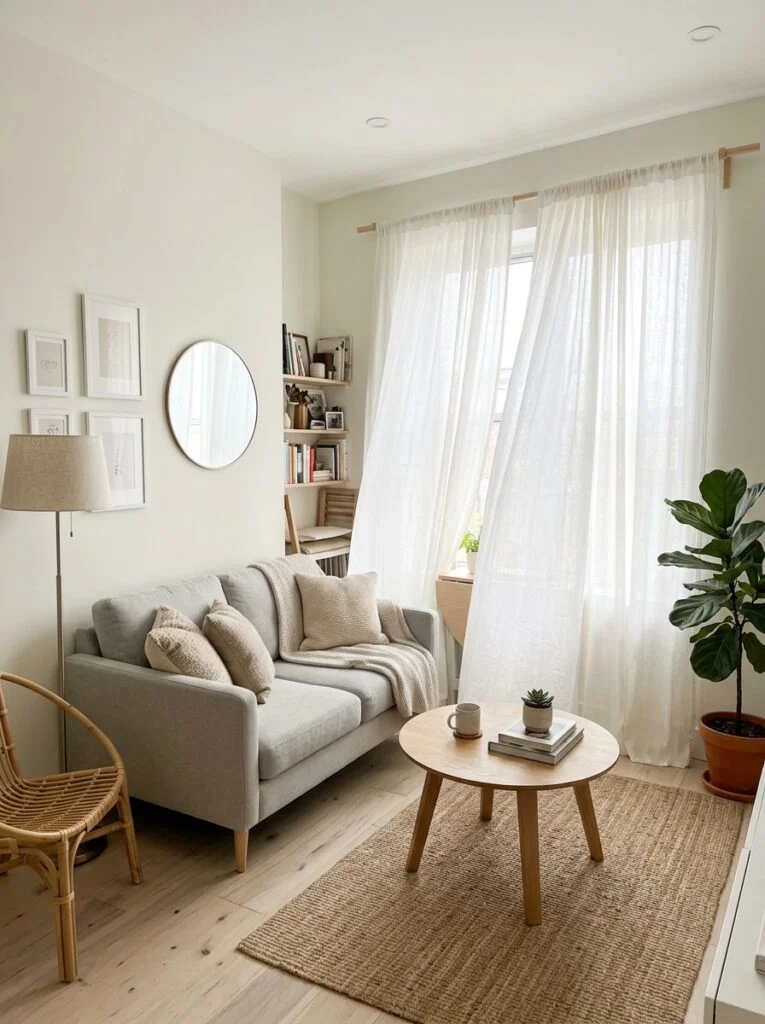
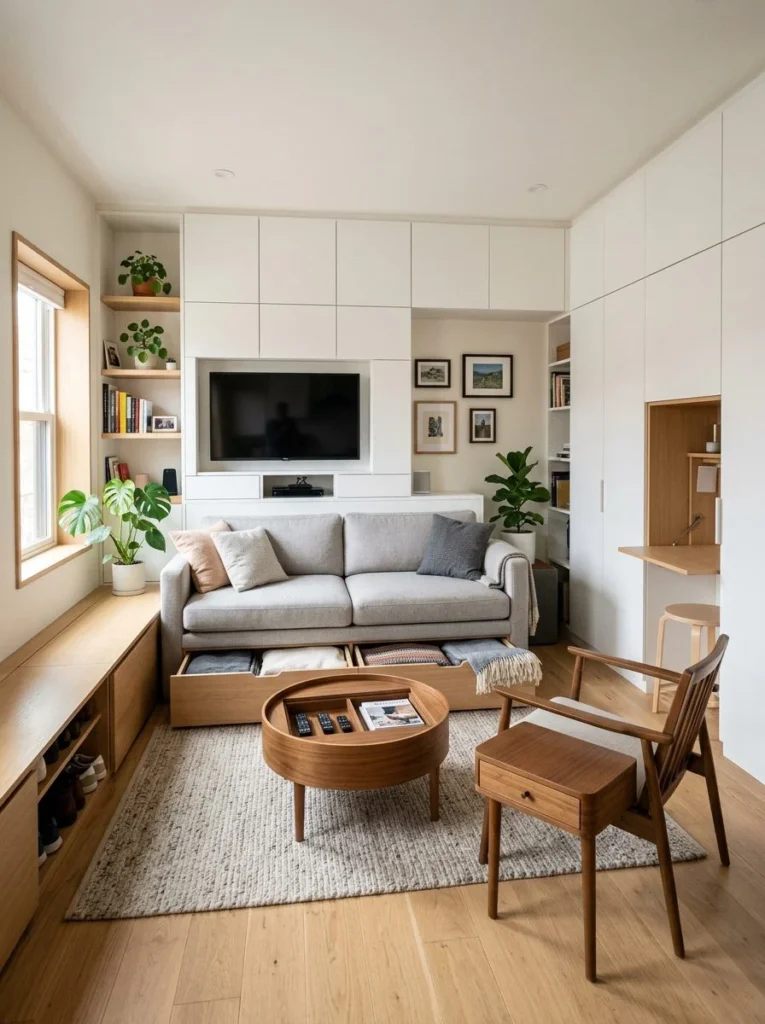
9. Hidden Storage to Reduce Clutter
Hidden storage is a key tiny living room idea for maintaining a clean, open, and visually spacious environment. In luxury home decor, clutter-free interiors are essential because they allow the design, furniture, and architecture to stand out without distraction. When everyday items are left visible, even a well-designed room can feel cramped and chaotic. Hidden storage solves this by keeping essentials organized and out of sight, creating a calm and polished atmosphere. In modern home decor, functionality is seamlessly integrated into design, where storage is built into furniture and architecture rather than added on as bulky pieces. This ensures the space remains both practical and aesthetically refined.
Styling Tips:
Use storage benches, ottomans, or sofas with hidden compartments.
Opt for under-sofa storage boxes to maximize unused space.
Choose furniture with built-in drawers or concealed storage options.
Keep surfaces like tables and shelves completely clear.
Why It Works:
Less visible clutter creates a stronger sense of openness, making the living room feel larger, cleaner, and more visually balanced.
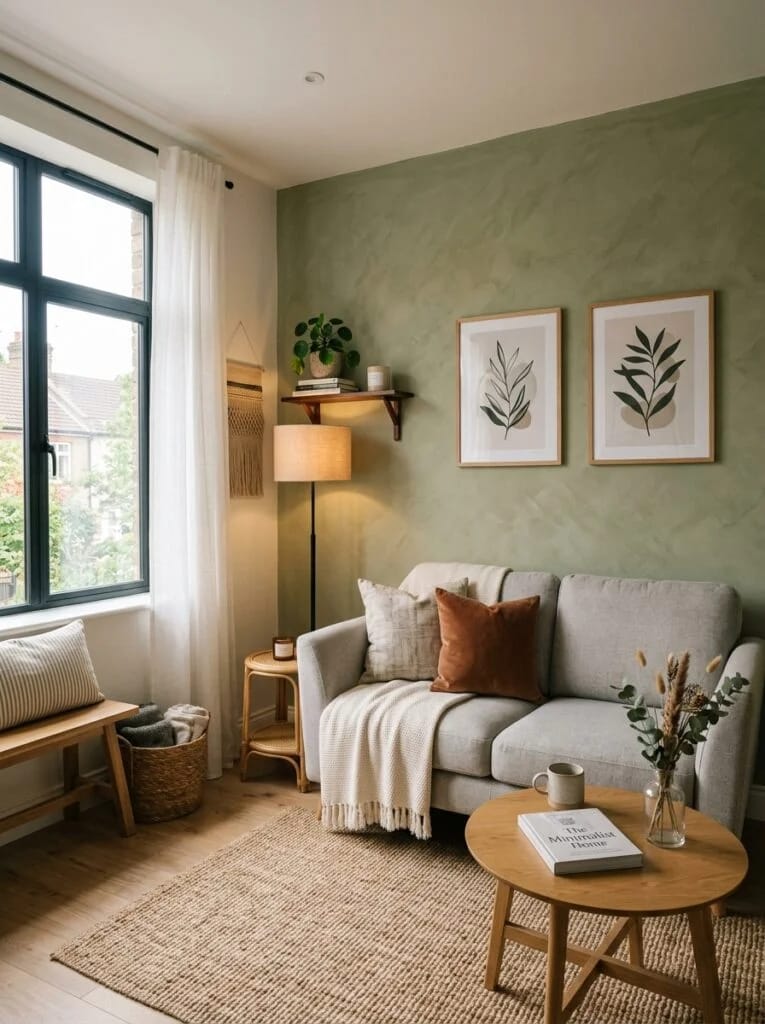
10. Accent Wall With Subtle Texture
An accent wall with subtle texture is a refined tiny living room idea that adds depth and character without making the space feel smaller. In luxury home decor, accent walls are used strategically to introduce visual interest while maintaining a balanced and airy atmosphere. Instead of bold or dark colors that can overwhelm a compact room, soft textures like light wood panels, stone finishes, or delicate wallpaper patterns create dimension in a more understated way. This approach enhances the room’s design without compromising openness, which is essential in modern home decor where simplicity and elegance go hand in hand.
Styling Tips:
Apply the accent treatment to only one wall to maintain focus and balance.
Choose light, neutral-toned textured materials for a soft visual effect.
Avoid heavy patterns or dark finishes that can visually compress the space.
Pair with minimal décor to let the texture stand out naturally.
Why It Works:
Subtle texture adds depth and sophistication while preserving an open, breathable feel that makes the living room appear larger and more refined.
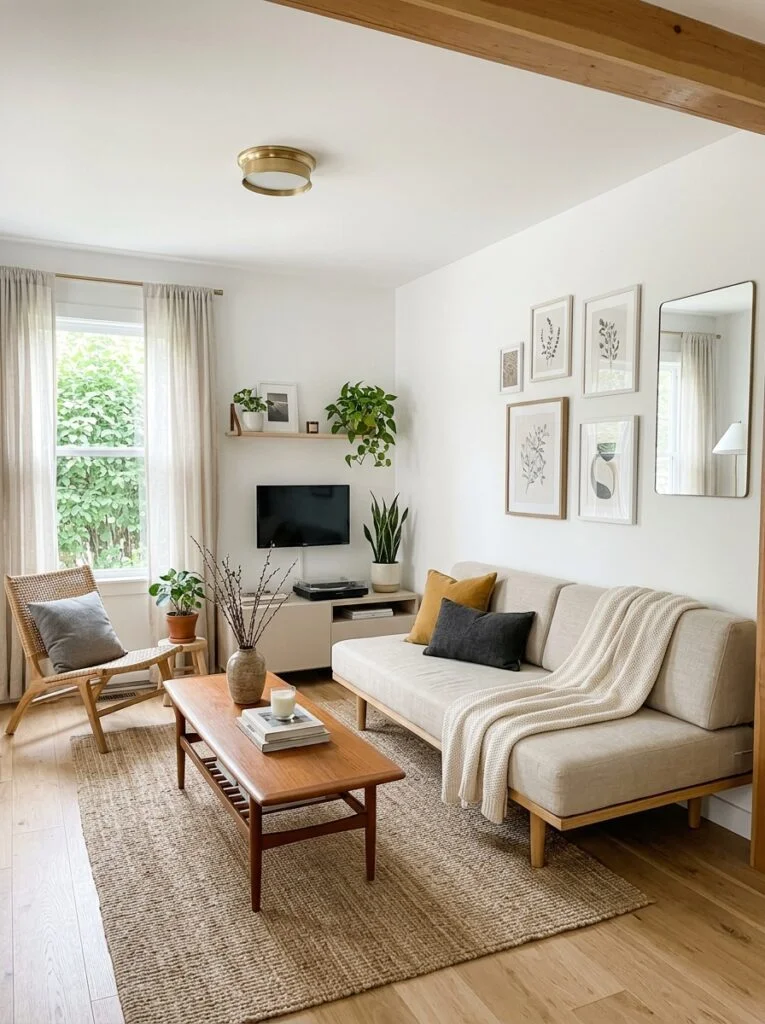
11. Low-Profile Furniture for Airy Feel
Low-profile furniture is a highly effective tiny living room idea for creating an airy, open, and visually expanded space. In luxury home decor, furniture height plays a crucial role in how spacious a room feels. Low-seated sofas and chairs with slim silhouettes help maintain open sightlines, allowing more wall space to remain visible above the furniture. This creates the illusion of higher ceilings and a more expansive interior. In modern home decor, low-profile designs are often used to achieve a clean, minimalist aesthetic that feels both stylish and uncluttered. By reducing visual bulk, the entire room appears lighter, more balanced, and easier to move through.
Styling Tips:
Choose low-seated sofas and seating to enhance openness.
Avoid bulky armrests that add unnecessary visual weight.
Opt for sleek, streamlined furniture designs with simple lines.
Keep proportions balanced to avoid overcrowding the space.
Why It Works:
More visible wall space above furniture creates the illusion of height, making the room feel larger, airier, and more refined.
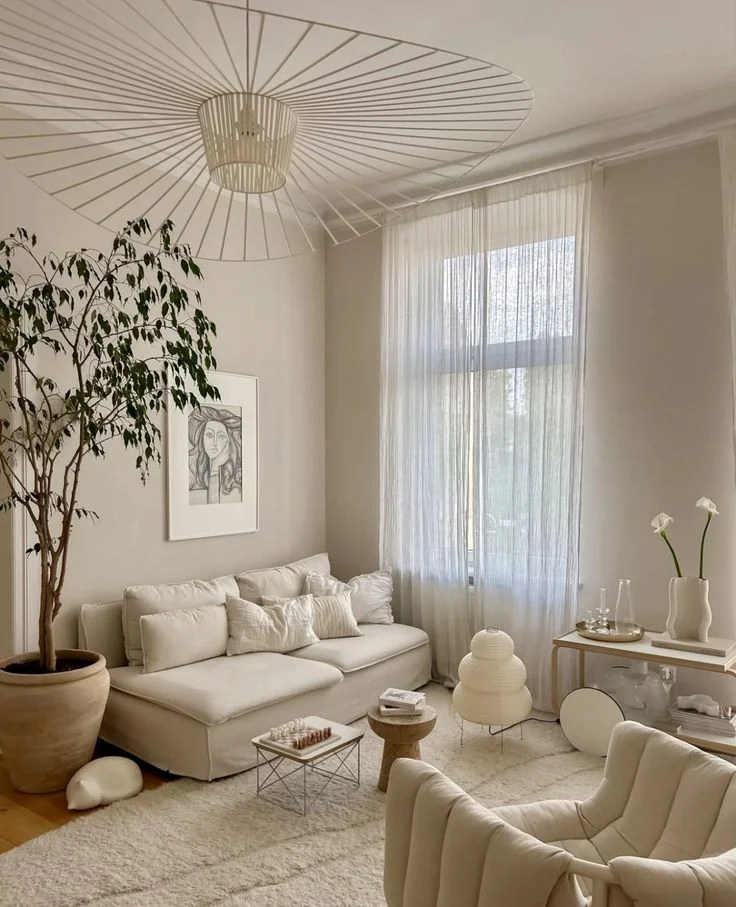
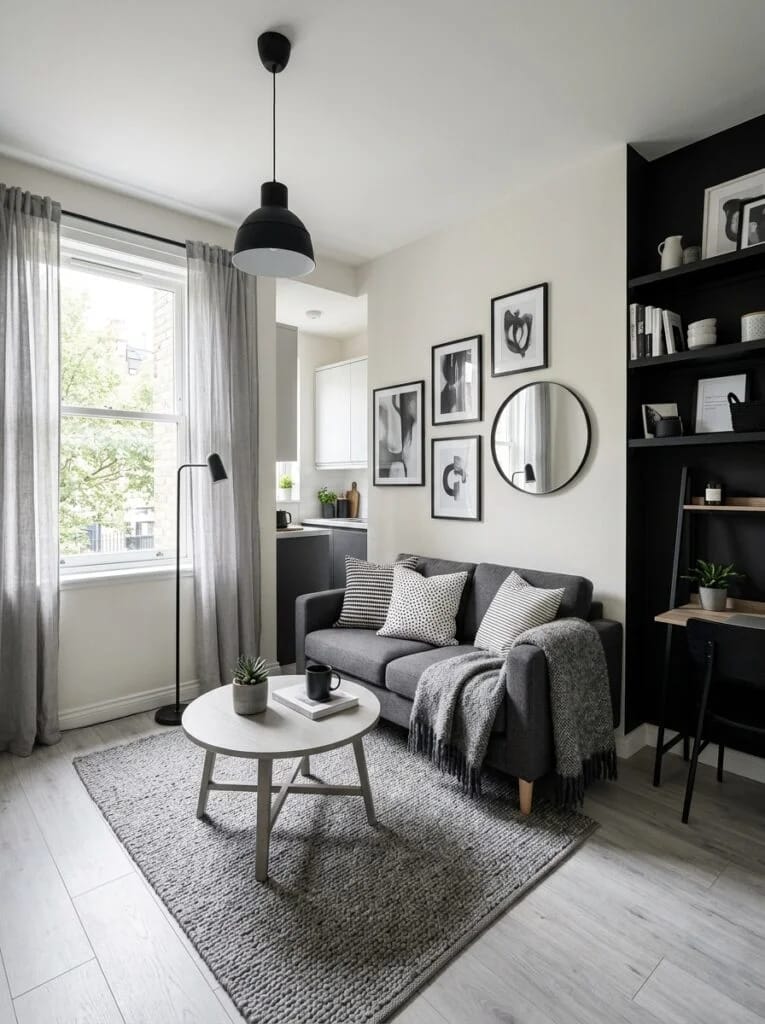
12. Monochrome Styling for Seamless Flow
Monochrome styling is a powerful tiny living room idea that creates seamless visual flow and makes compact spaces feel larger and more cohesive. In luxury home decor, unified color palettes are often used to reduce visual fragmentation and enhance a sense of calm sophistication. When walls, furniture, and décor share similar tones, the eye moves smoothly across the room without interruption, which naturally expands the perceived space. Instead of relying on bold contrasts, depth is created through texture, layering, and subtle tonal variations. In modern home decor, this approach is especially popular because it delivers a clean, minimalist aesthetic while still feeling warm and inviting.
Styling Tips:
Stick to a maximum of 2–3 closely related shades for harmony.
Use texture—like linen, wool, or matte finishes—instead of strong color contrasts.
Layer soft tones throughout furniture, rugs, and décor for depth.
Keep accents subtle to maintain a unified look.
Why It Works:
Visual continuity reduces fragmentation, making the space feel more open, balanced, and effortlessly spacious.
13. Strategic Lighting Layers
Strategic lighting layers are a key tiny living room idea that instantly enhances space perception, depth, and overall atmosphere. In luxury home decor, lighting is never treated as a single source—it is layered to create dimension, warmth, and balance. A combination of ceiling lights, floor lamps, table lamps, and wall sconces helps eliminate harsh shadows and prevents the room from feeling flat or enclosed. This layered approach makes even compact living rooms feel more open and visually dynamic. In modern home decor, lighting is used not only for function but also as a design element that shapes mood and highlights architecture. Warm white lighting is especially effective because it softens edges and creates a cozy yet spacious feel.
Styling Tips:
Combine multiple lighting sources instead of relying on one ceiling fixture.
Place floor or corner lamps to brighten dark areas and add depth.
Avoid harsh overhead lighting that flattens the space.
Use warm white bulbs for a soft, inviting glow.
Why It Works:
Balanced lighting removes dark corners, enhances depth, and makes the living room feel brighter, larger, and more inviting.
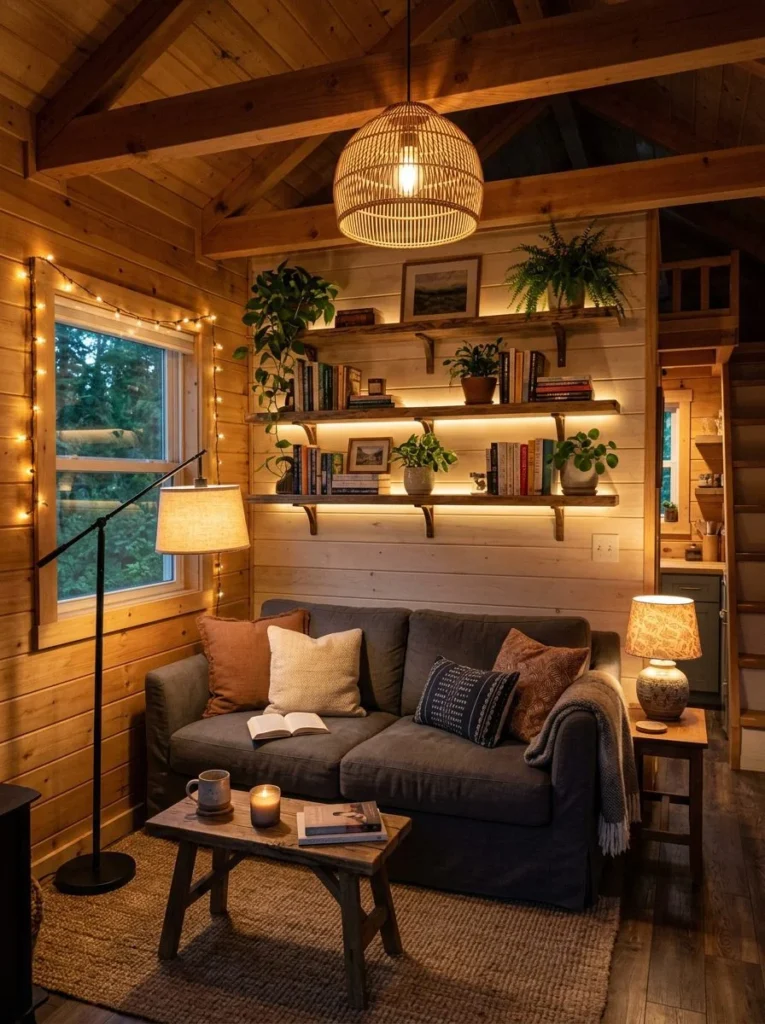
14. Open Leg Furniture for Visual Space
Open leg furniture is a smart tiny living room idea that enhances visual space by allowing more floor area to remain visible. In luxury home decor, furniture design is carefully chosen not only for comfort but also for how it affects spatial perception. Pieces with raised legs—such as sofas, chairs, and tables—create a sense of lightness because they don’t visually block the floor. This openness helps the room feel larger, less crowded, and more breathable. In modern home decor, this design approach is widely used to maintain clean lines and a minimalist aesthetic while improving flow and balance within compact spaces.
Styling Tips:
Choose furniture with slim wooden or metal legs for a light, elegant look.
Avoid bulky or boxy base designs that touch the floor completely.
Keep flooring visible and uncluttered to enhance openness.
Coordinate leg finishes with other accents for a cohesive feel.
Why It Works:
Exposed flooring increases visual continuity, reduces heaviness, and creates the illusion of a larger, more open living space.
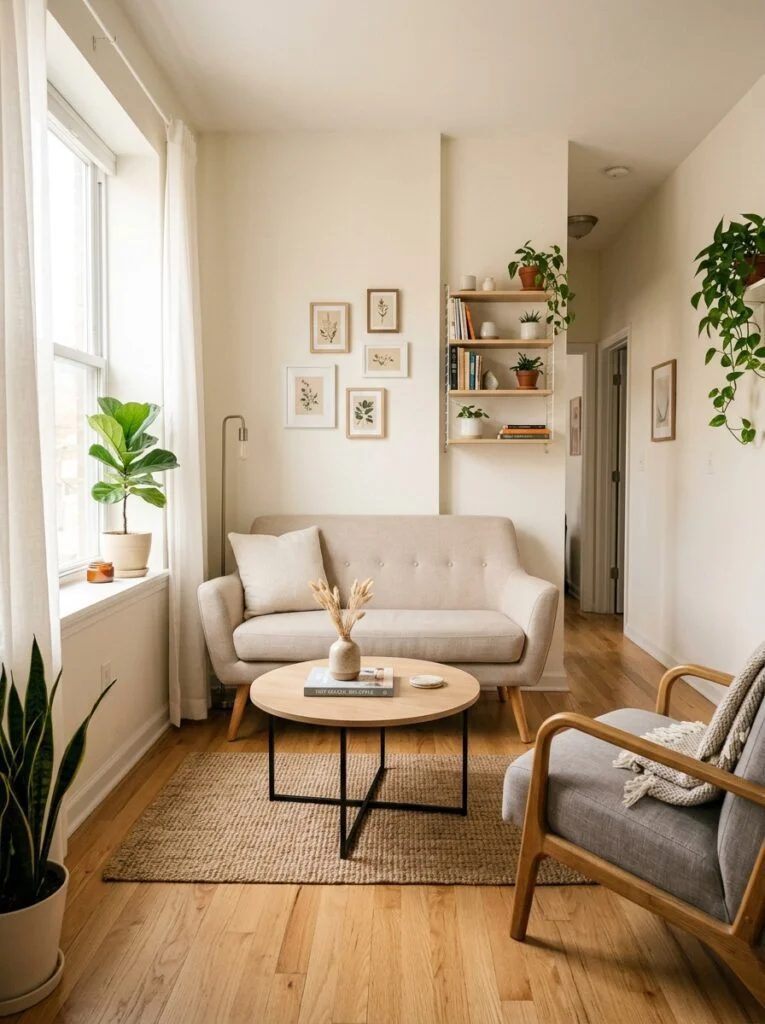
15. Compact Sectional Sofa Design
A compact sectional sofa is a highly effective tiny living room idea for maximizing seating while maintaining an open and balanced layout. In luxury home decor, smart furniture placement is essential, especially in small spaces where every inch matters. An L-shaped sectional fits neatly into corners, helping define the seating area without disrupting the room’s flow. This design allows you to enjoy generous seating capacity while keeping the center of the room open, which improves movement and creates a more spacious feel. In modern home decor, compact sectionals are favored for their clean lines, versatility, and ability to blend comfort with minimalism.
Styling Tips:
Choose slim armrests to reduce visual bulk and keep the design light.
Opt for neutral fabric tones like beige, grey, or cream for a timeless look.
Place the sectional in a corner layout to maximize usable floor space.
Avoid oversized cushions that can overwhelm the proportions.
Why It Works:
Efficient use of corners frees up central space, improves flow, and makes the living room feel larger, more organized, and visually open.
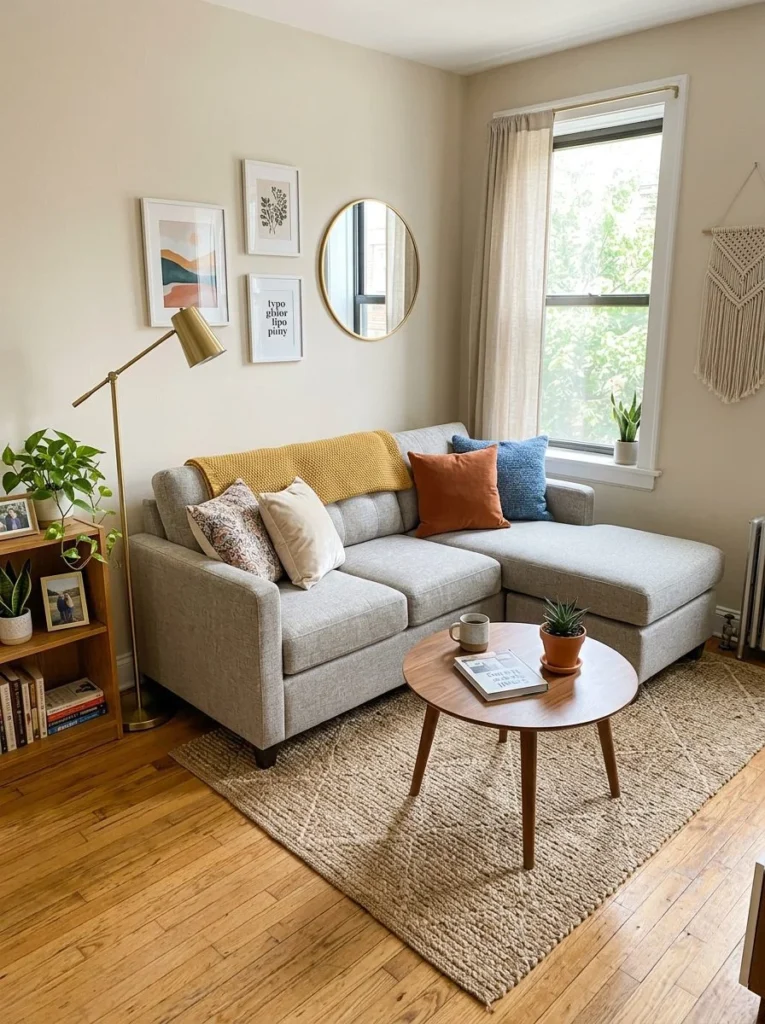
16. Vertical Wall Art Arrangements
Vertical wall art arrangements are a smart tiny living room idea that helps visually stretch the space and make ceilings feel higher. In luxury home decor, artwork placement is used strategically to guide the eye and influence how a room is perceived. By stacking frames vertically instead of spreading them horizontally, you naturally create an upward visual flow that enhances height and adds elegance. This technique works especially well in compact rooms where floor space is limited but wall space can be used creatively. In modern home decor, vertical compositions also support a clean, structured aesthetic that feels intentional and refined.
Styling Tips:
Stack frames in a vertical line to draw the eye upward.
Choose slim, simple artwork to avoid visual heaviness.
Keep spacing between frames consistent for a balanced look.
Align arrangements with furniture edges for a cohesive layout.
Why It Works:
Vertical art enhances height perception, making the room feel taller, more structured, and visually more spacious.
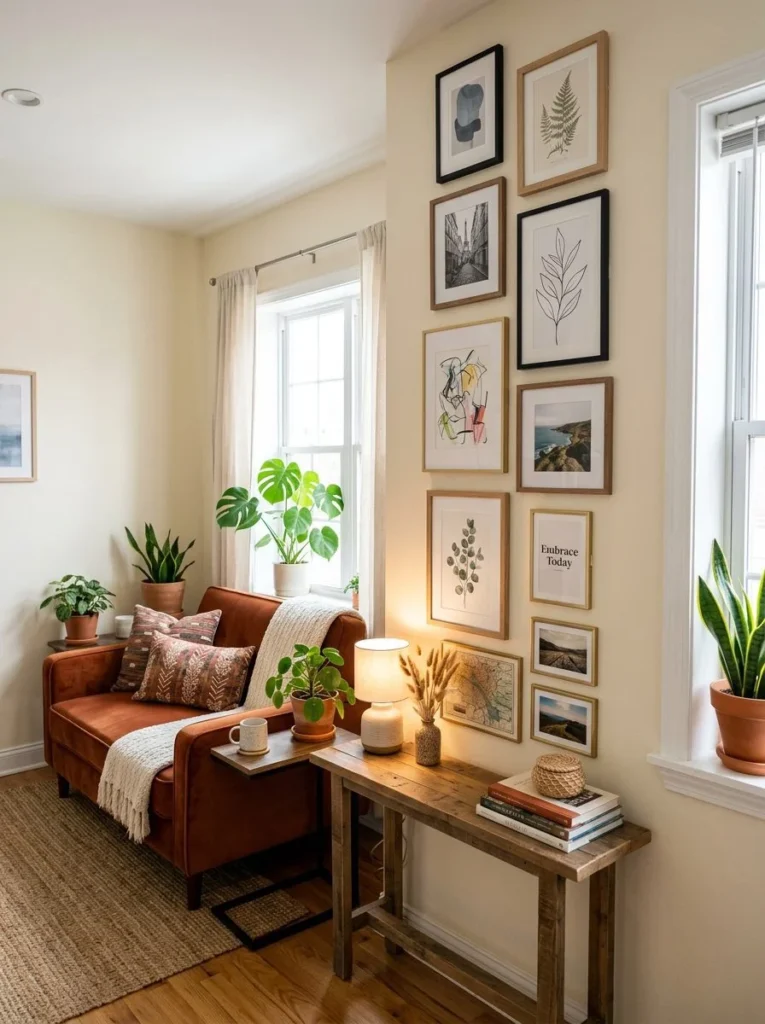
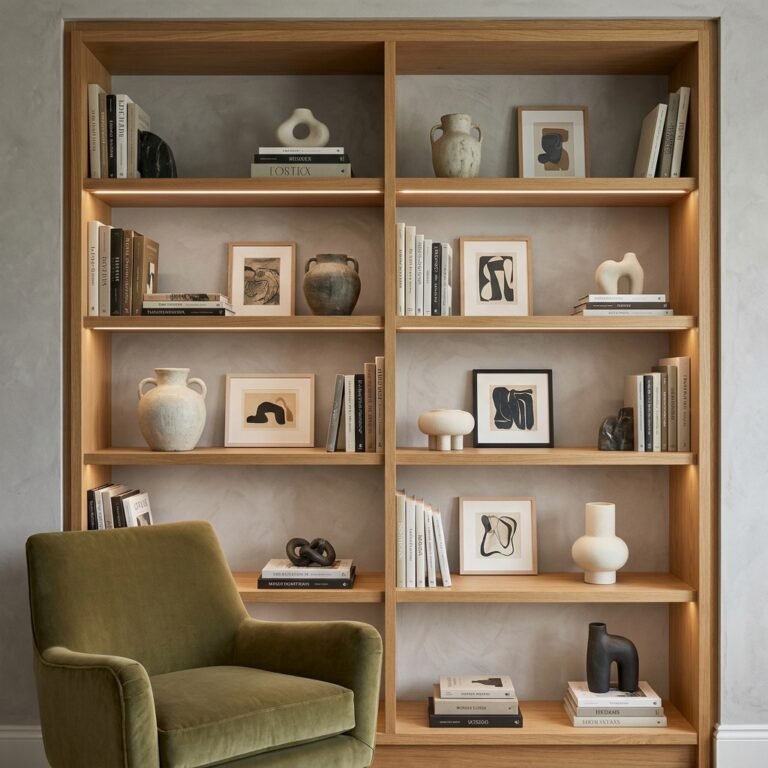
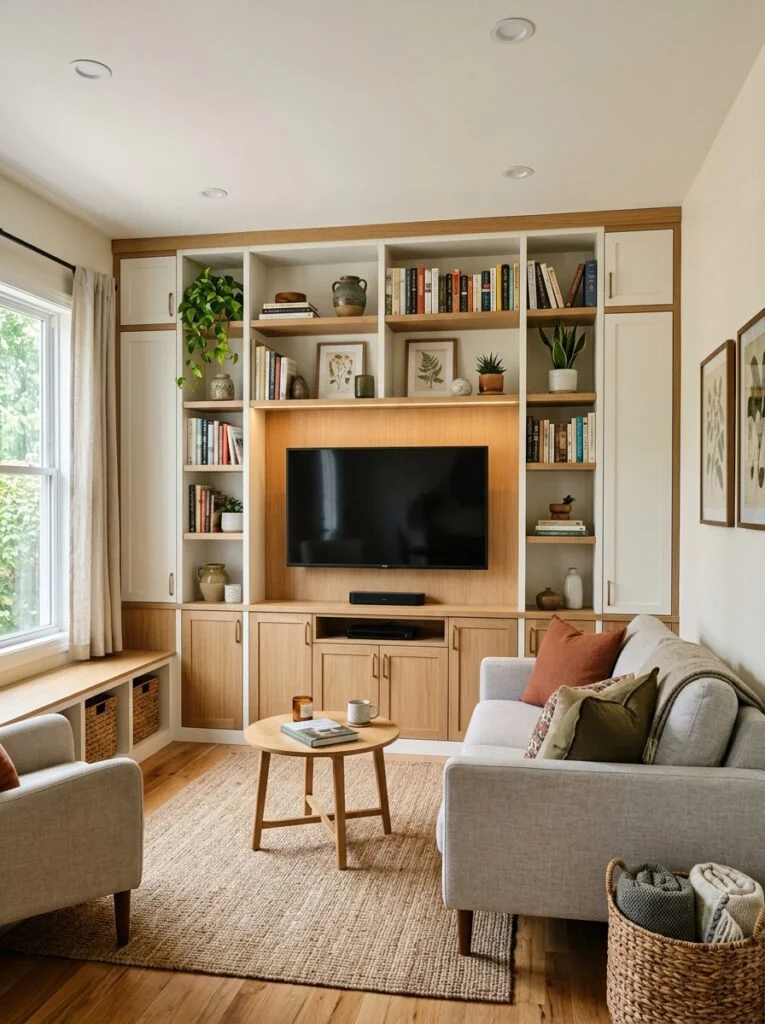
17. Built-In Wall Units for Seamless Storage
Built-in wall units are a powerful tiny living room idea for achieving seamless storage while maintaining a clean, architectural look. In luxury home decor, built-in furniture is often used to eliminate visual clutter and create a smooth, custom-designed appearance that blends effortlessly with the walls. Unlike standalone cabinets that can feel bulky and heavy, built-in units are integrated into the structure of the room, making the space feel larger, more organized, and intentionally designed. This approach is especially effective in modern home decor, where minimalism and functionality go hand in hand to create open, breathable interiors.
Styling Tips:
Match the color of the built-in unit with the wall to create a seamless, blended effect.
Keep the overall design minimal with clean lines and simple detailing.
Incorporate hidden compartments to store clutter out of sight.
Use open and closed sections strategically for both display and storage.
Why It Works:
Seamless built-in storage reduces visual disruption, maximizes functionality, and creates a unified, spacious, and high-end interior feel.
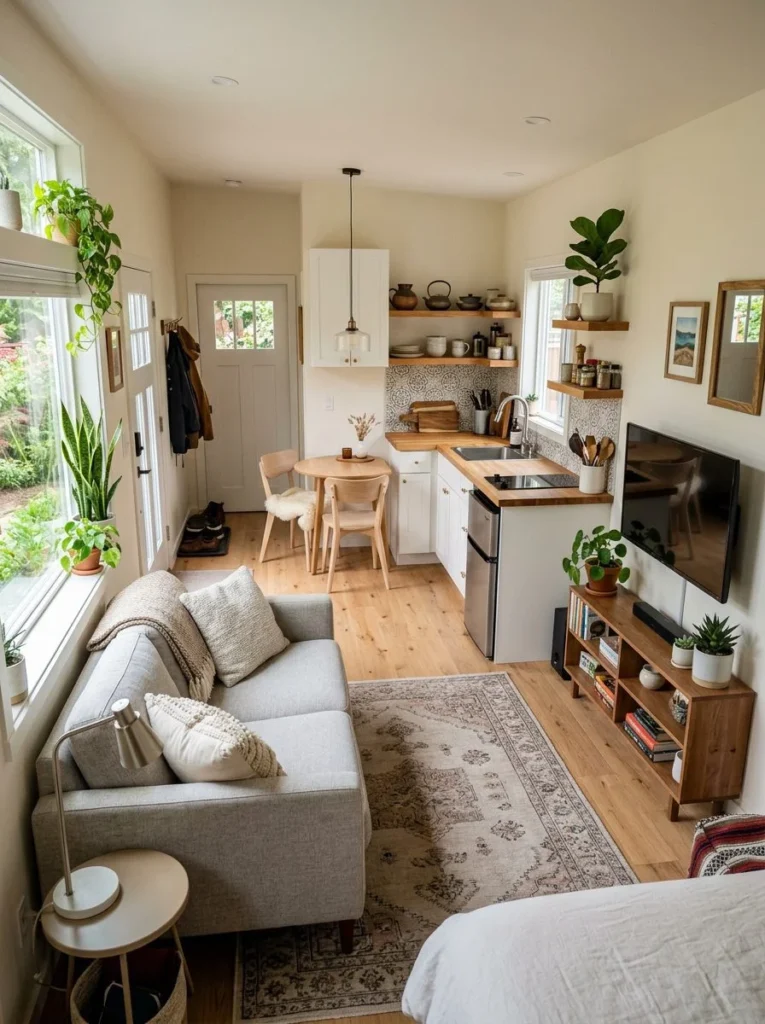
18. Open Concept Flow With Adjacent Spaces
Open concept flow is a highly effective tiny living room idea for making compact spaces feel larger, more connected, and visually uninterrupted. In luxury home decor, removing unnecessary barriers between spaces—such as living rooms, dining areas, or hallways—creates a seamless architectural flow that enhances openness and sophistication. When the eye can travel freely across connected areas, the entire home feels more spacious than its actual square footage. This approach is widely used in modern home decor, where simplicity, continuity, and functionality work together to create airy, cohesive interiors.
Styling Tips:
Use consistent flooring across adjacent spaces to unify the visual layout.
Avoid heavy partitions or solid dividers that block light and sightlines.
Maintain a cohesive color palette throughout connected areas for harmony.
Use rugs or lighting to subtly define zones instead of walls.
Why It Works:
Open flow removes visual boundaries, increases perceived square footage, and creates a brighter, more spacious, and architecturally balanced living environment.
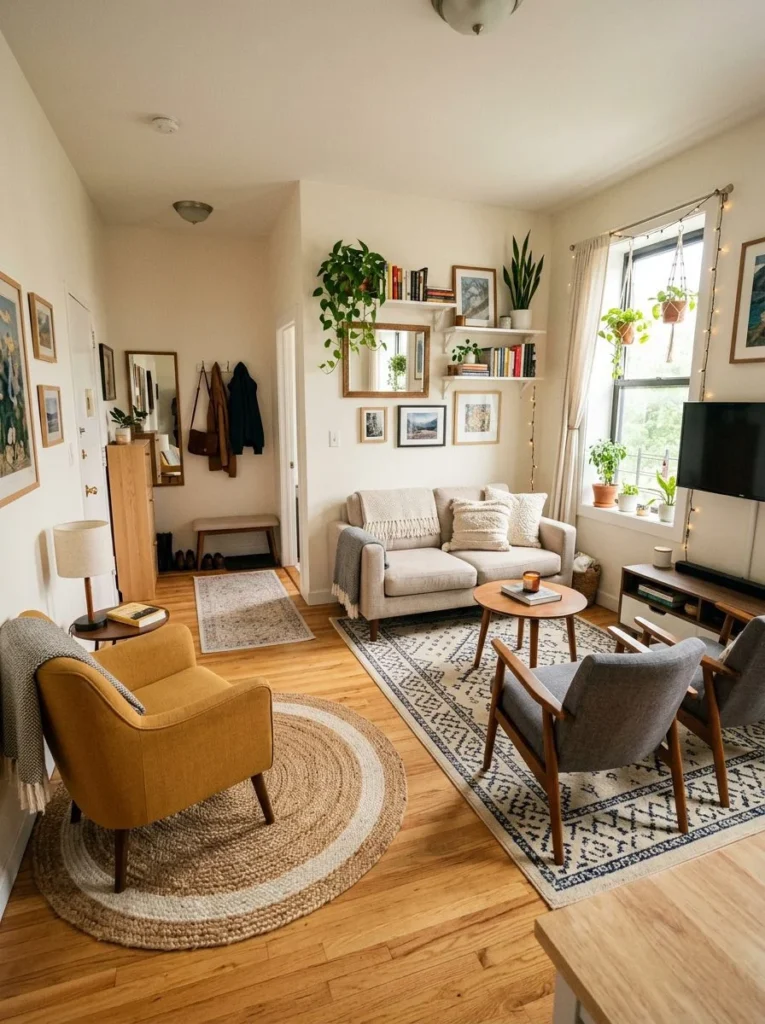
19. Small Rugs With Defined Zones
Small rugs can be a smart tiny living room idea when used correctly to define zones without visually overwhelming the space. In luxury home decor, rugs are not just decorative—they are functional tools used to organize layouts and create subtle structure within open or compact rooms. A well-sized rug helps anchor furniture groupings, such as a sofa and coffee table, while still preserving visible flooring around the edges. This balance is key in modern home decor, where openness and clarity are prioritized over heavy visual coverage. When chosen thoughtfully, rugs can guide the eye, improve flow, and maintain a sense of spaciousness.
Styling Tips:
Choose light-colored or softly patterned rugs to keep the space feeling open.
Ensure the rug is proportional to the furniture it anchors, not too small or too large.
Avoid oversized dark rugs that visually shrink the room.
Position rugs to clearly define seating zones without blocking floor visibility.
Why It Works:
Defined zones create structure and order while preserving openness, helping the living room feel organized, balanced, and more spacious.
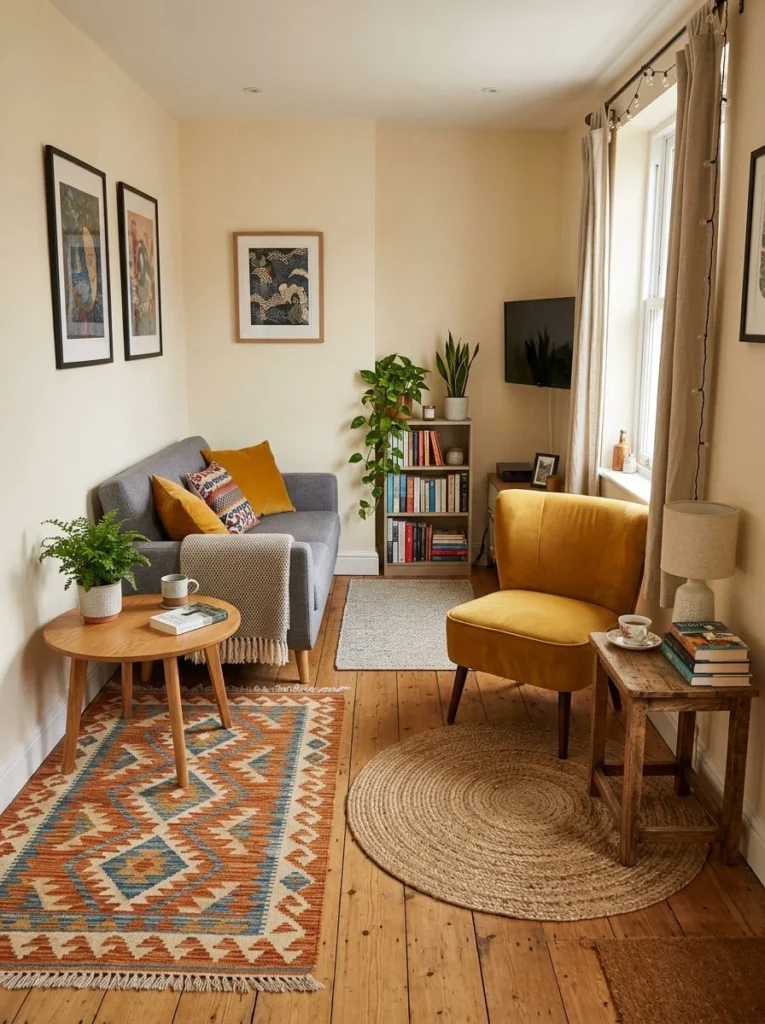
20. Decluttered Styling for Luxury Feel
Decluttered styling is one of the most powerful tiny living room ideas for instantly making a compact space feel larger, calmer, and more luxurious. In luxury home decor, simplicity is a defining principle—spaces are carefully edited so that every object has purpose, placement, and visual breathing room. When unnecessary items are removed, the room immediately feels more open and intentional. This approach is especially important in modern home decor, where clean lines, minimal décor, and structured organization create a refined, high-end atmosphere without visual noise.
Styling Tips:
Keep only essential décor pieces that add function or beauty.
Use hidden storage solutions to maintain a clean, uncluttered look.
Maintain clear surfaces on tables, shelves, and consoles.
Group remaining items intentionally rather than scattering them.
Why It Works:
Empty space enhances visual luxury, improves flow, and creates a sense of openness that makes even the smallest living room feel elegant and spacious.
Conclusion:
A tiny living room doesn’t have to feel restrictive—it just needs thoughtful design and intentional styling. In modern home decor, the focus is on perception rather than size, using techniques that make spaces feel open, balanced, and visually light. Elements like light color palettes, smart furniture choices, vertical design, reflective surfaces, and clutter-free styling work together to completely transform how a room is experienced. In luxury home decor, it’s not about adding more—it’s about refining what’s already there so every detail feels purposeful and harmonious.
The real shift happens when you stop thinking about limitations and start focusing on design strategy. Even the smallest changes—like improving lighting, simplifying furniture, or introducing vertical elements—can dramatically enhance openness and comfort.
Start with just one idea today and build from there. With consistent, smart choices, your living room can feel brighter, more spacious, and effortlessly Pinterest-worthy—without any renovation or extra square footage.