20 Neo-Deco Designs That Silence “Is My Home Ugly?” Anxiety
The Rise of Neo-Deco
Ever caught yourself staring at your living room and thinking, “Is my home ugly?” Don’t worry, you’re not alone. Many of us struggle to create spaces that feel both unique and luxurious without falling into the trap of clutter or chaos. Enter Neo-Deco—a design trend that takes the elegance of Art Deco and blends it with modern sensibilities. It’s bold, glamorous, and surprisingly approachable. Neo-Deco is not just about shiny surfaces and geometric patterns; it’s about confidence. The style allows you to experiment with color, texture, and shape without making your space feel overwhelming. Imagine your home as a canvas, where every corner tells a story of sophistication. With the right Neo-Deco touches, even the most minimalistic room can scream style.

Understanding Neo-Deco: A Blend of Past and Present Origins of Art Deco
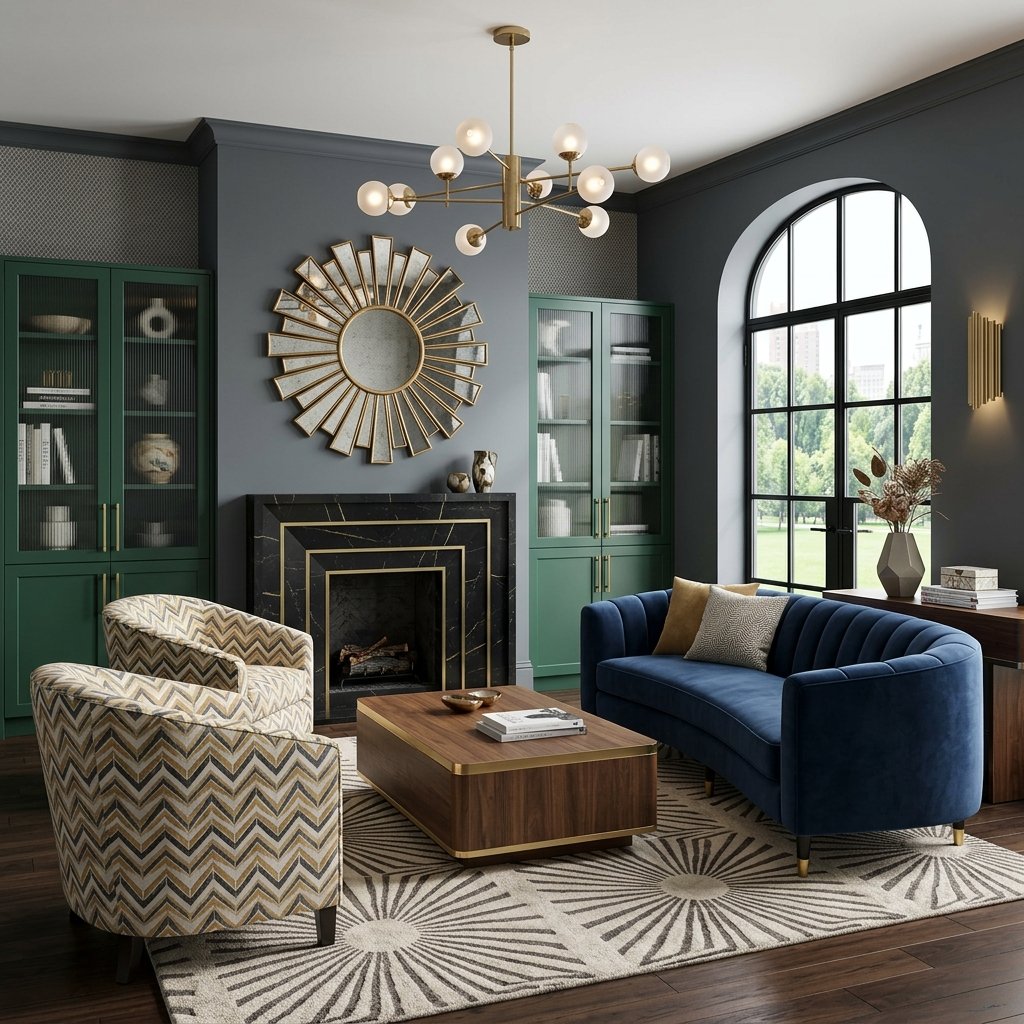
To grasp the essence of Neo-Deco, one must first appreciate its foundation in the original Art Deco movement of the 1920s and 1930s. Born from a post-war desire for optimism and progress, Art Deco was a visual celebration of the Machine Age, emphasizing sleekness, symmetry, and expensive materials. It rejected the flowery, organic curves of Art Nouveau in favor of streamlined, aerodynamic forms and bold, repetitive geometric patterns. Key architectural and interior hallmarks included the iconic sunburst motif—symbolizing a new dawn—alongside chevron patterns, stepped forms (reminiscent of ziggurats), and high-contrast color palettes. This era utilized lavish finishes like chrome, glass, and polished exotic woods to project an image of ultimate confidence and cosmopolitan glamour. By blending these historical elements with contemporary minimalism and softer textures, Neo-Deco creates a bridge between that vintage opulence and modern-day functionalism, resulting in a space that feels both nostalgic and forward-thinking.

How Neo-Deco Reinvents Classic Design
Neo-Deco represents a sophisticated evolution of Jazz Age opulence, reimagined to align with today’s preference for serene, livable luxury. This contemporary movement deconstructs the rigid geometry of the 1920s, skillfully blending those iconic bold lines with the fluid, organic curves favored in modern minimalist layouts. While the original movement relied on high-contrast drama, Neo-Deco softens the visual narrative by pairing striking metallic accents—like brushed brass or champagne gold—with a calming palette of muted pastels and earthy neutrals. Lighting is no longer merely a utility but serves as a sculptural centerpiece, where angular, stepped forms meet soft, ambient diffusion to create a “functional art” effect. By filtering traditional Art Deco through a lens of 2026 design sensibilities, this style achieves a perfect equilibrium: it retains the confident, celebratory spirit of the past while embracing the airy, uncluttered comfort required for a modern retreat. The result is a curated environment that feels historically grounded yet effortlessly fresh.
1: Geometric Glam
Geometric patterns are Neo-Deco’s signature. From angular mirrors to zigzag rugs, these shapes add depth and sophistication to any room. You can mix and match bold geometric wallpaper with subtle floor tiles to create a playful yet polished look. The magic of geometric glam lies in its ability to guide the eye. Properly placed lines and angles can make a small room feel expansive or draw attention to a beautiful feature wall. Pair these patterns with metallic accents for that extra dose of elegance.

2: Bold Color Statements
Neo-Deco embraces a fearless approach to color, utilizing deep emerald greens, rich navy blues, and jewel-toned purples to instantly inject a sense of cinematic drama and opulence into any sanctuary. Unlike the heavy palettes of the past, these vibrant hues maintain a sophisticated air when balanced against airy, neutral backgrounds, allowing the saturated tones to pop without overwhelming the room’s proportions. Strategically applied, color acts as a tool for spatial definition; a single accent wall in a bold, vibrant shade serves as a magnetic focal point that anchors the entire layout and reflects a confident, curated personality. To truly master this modern evolution, experiment with unexpected yet harmonious pairings—such as the warmth of burnt orange set against the coolness of sapphire blue—to break visual monotony and add a layer of curated intrigue. By grounding these high-energy pigments in a structured, cohesive design plan, you create a space that feels both high-fashion and remarkably inviting, perfectly capturing the spirit of modern luxury.

3: Metallic Accents Everywhere
Gold, brass, chrome, and bronze are Neo-Deco staples. Think metallic vases, lamp bases, drawer handles, and picture frames. These accents don’t just sparkle—they reflect light, giving a room an elevated, luxurious feel. You can layer metallics subtly or go full glam, depending on your comfort level. The key is balance: too little and it’s underwhelming; too much and it feels gaudy. Strategically placed metallics create focal points without overwhelming the senses.

4: Mirrored Elegance
In Neo-Deco interiors, mirrors transcend simple utility to become transformative architectural elements that define the room’s atmosphere. By incorporating mirrored console tables, geometric cabinets, or floor-to-ceiling wall panels, you introduce a layer of high-shine glamour that serves to multiply ambient light and create an expansive illusion of space. This strategic use of reflective surfaces adds immediate physical depth and a sophisticated, rhythmic quality to the layout, echoing the polished opulence of the 1920s. To maintain a contemporary feel, these mirrored features often incorporate subtle beveling or tinted finishes—like bronze or smoked glass—which soften the reflection and integrate seamlessly with a modern, muted color story. Whether used as a singular focal point or a repetitive motif, mirrored accents anchor the room in a sense of “organized luxury,” ensuring even the most compact environments feel airy, bright, and exceptionally curated.

5: Luxe Lighting Fixtures
In Neo-Deco design, lighting serves as the ultimate sculptural centerpiece, transcending basic utility to function as high-end art. By integrating dramatic chandeliers with cascading crystals, dynamic sputnik pendants, or bold, architectural floor lamps, you establish an immediate focal point that anchors the entire room’s aesthetic. These fixtures are most effective when used to create creative layers of light; for instance, pairing a metallic lamp with a mirrored console and geometric artwork transforms a neglected corner into a sophisticated, eye-catching vignette. Neo-Deco masterfully manipulates both warm and cool tones to accentuate rich textures, polished metallics, and vibrant color stories, providing the depth and mood characteristic of a luxury boutique hotel. This intentional approach to illumination ensures that every surface—from a velvet cushion to a brass inlay—is highlighted with cinematic precision. By selecting fixtures that emphasize form as much as light, you elevate a simple layout into a multidimensional sanctuary that feels both curated and exceptionally glamorous.

6: Sculptural Furniture
In Neo-Deco design, furniture transcends utility to become a sculptural statement, where every piece functions as a work of art. This aesthetic encourages the integration of curved sofas, asymmetrical armchairs, and bold, geometric coffee tables to inject a distinct personality into your sanctuary while maintaining modern functionality. By introducing these fluid, organic forms, you effectively soften the rigid lines often found in traditional architecture, creating a harmonious balance that is both visually satisfying and physically inviting. Even a singular accent chair featuring unique angles or a scalloped backrest can serve as a sophisticated focal point, instantly elevating the room’s design pedigree and sparking conversation. To achieve a truly high-end, editorial look, prioritize pieces that play with scale and silhouette, ensuring that the furniture’s profile is as compelling as its comfort. This intentional selection of form-driven decor transforms a standard living space into a curated gallery of livable luxury, where every curve and contour feels both historically grounded and effortlessly contemporary.

7: Layered Textures
In Neo-Deco design, the strategic layering of textures is essential for creating a multidimensional sanctuary that feels both curated and exceptionally inviting. By juxtaposing the opulent sheen of silk drapes and plush velvet cushions against the hard, reflective surfaces of sleek metallics or polished glass, you introduce a sophisticated contrast that adds immediate depth to the room. This tactile variety allows for bold experimentation within a single space; for instance, pairing a structured leather chair with a soft faux fur throw instantly communicates a sense of indulgent luxury without appearing over-the-top. These layers work together to soften the movement’s inherent geometric rigidity, transforming a high-fashion aesthetic into a lived-in experience. To achieve a professional, editorial finish, focus on a harmonious color story that allows the physical properties of the materials—the grain of the wood, the pile of the rug, and the cool touch of stone—to serve as the primary visual interest. The result is a sensory-rich environment that balances high-glamour with effortless, tactile comfort.

8: Statement Rugs
In Neo-Deco design, statement rugs serve as the foundational anchors that transform a room into a high-impact, curated sanctuary. By integrating bold geometric patterns, intricate shapes, and deep jewel tones, these “unsung heroes” provide a visual gravity that defines specific seating areas and highlights architectural features with cinematic flair. To achieve a professional, editorial balance, pair a plush, high-texture patterned rug with more minimalist furniture; this strategic juxtaposition allows the floor to act as a bold canvas without overwhelming the room’s sophisticated simplicity. Selecting the perfect piece requires a careful consideration of scale and color to ensure the rug extends generously beyond furniture edges, creating a sense of intentional proportion and architectural depth. This layering of soft, vibrant textiles against the movement’s characteristic metallic or glass surfaces adds essential warmth and a tactile, indulgent experience. The result is a grounded yet dramatic environment where the rug functions as a functional work of art, seamlessly bridging the gap between vintage opulence and modern comfort.

9: Curved Sofas and Chairs
Curved furniture serves as the definitive Neo-Deco indulgence, artfully breaking the movement’s characteristic geometric rigidity with fluid, organic silhouettes. Unlike the stark, straight lines of traditional modernism, these sweeping forms evoke a sense of continuous movement and sophisticated softness, instantly transforming a semicircular sofa into a room’s magnetic focal point. To maintain a contemporary edge, pair these rounded profiles with high-contrast elements, such as striking jewel tones or slender metallic legs in brushed brass or polished chrome. Strategically placing curved accent chairs in neglected corners not only maximizes comfort but also reinforces a sense of intentional, cohesive design that feels both spacious and snug. This architectural shift from sharp angles to inviting arcs creates a visually satisfying balance, mimicking the high-end allure of a luxury lounge. By prioritizing these sculptural contours, you elevate a standard seating arrangement into a curated gallery of comfort, ensuring your sanctuary feels historically grounded yet effortlessly avant-garde.

10: Monochrome Magic
While Neo-Deco is often celebrated for its vibrant jewel tones, a monochrome palette—comprising shades of black, crisp white, and nuanced grays—offers a sophisticated alternative that exudes timeless elegance. This approach is particularly effective in compact environments where saturated colors might overwhelm the visual field, allowing the room to feel expansive and airy. To ensure a monochromatic space feels rich and dynamic rather than flat, focus on the interplay of varied textures and metallic accents; the sheen of a polished chrome frame against a matte charcoal wall creates a subtle yet high-end friction. By stripping away the distraction of color, the focus shifts to the movement’s iconic structural silhouettes, allowing sculptural furniture, intricate moldings, and architectural lighting fixtures to take center stage as pure form. This “quiet luxury” strategy utilizes light and shadow to define space, where a white bouclé chair against a light gray rug provides a tactile depth that feels both modern and serene. Grounding the room in a single-color story provides a cohesive, polished backdrop that effortlessly highlights statement art or mirrored surfaces, transforming a simple layout into a masterclass in understated, curated glamour.

11: Art-Inspired Walls
In Neo-Deco design, walls serve as an expansive canvas for architectural storytelling, where art-inspired murals and framed prints inject a sense of curated personality and vintage glamour. By integrating abstract geometric patterns or stylized motifs reminiscent of the 1920s, you create a sophisticated visual rhythm that anchors the room’s aesthetic. To elevate these elements into a professional gallery-like experience, pair your wall art with strategic accent lighting—such as adjustable brass picture lights or recessed LEDs—to highlight textures and metallic foils. This intentional approach transforms ordinary vertical surfaces into high-impact focal points without the need for excessive decor. Whether you choose a bold, full-scale mural for a dramatic statement or a series of symmetrical framed sketches to maintain a minimalist balance, these artful additions provide a layer of historical depth and modern sophistication. By focusing on form and precision, you ensure the walls contribute to a cohesive, high-end atmosphere that feels both expressive and impeccably polished.

12: Minimalist Neo-Deco
Minimalist Neo-Deco refines the movement’s inherent opulence by stripping away excess ornamentation to focus purely on clean lines, functional luxury, and a sense of subtle, understated glamour. This streamlined iteration utilizes a restrained palette of muted neutrals and calming earth tones to create a serene backdrop, allowing the structural integrity of the design to serve as the primary visual interest. To prevent the space from feeling clinical, introduce highly selective metallic accents—such as brushed brass on slender table legs or polished chrome within a streamlined light fixture—to inject a necessary layer of sophisticated shine. The core philosophy of Minimalist Neo-Deco is selective investment over abundance. Rather than cluttering the environment with countless accessories, prioritize a few exceptional statement pieces to define the room’s character. For instance, a single iconic, curved armchair or a precisely engineered geometric chandelier provides a powerful stylistic anchor without disrupting the airy, uncluttered composition. This approach ensures that every element—from the texture of a bouclé textile to the curve of a console—feels intentional and luxurious. By balancing the movement’s characteristic high-quality materials with modern-day minimalist discipline, you create a sophisticated sanctuary that feels historically grounded, exceptionally refined, and perpetually tranquil.

13: Vibrant Glass Decor
In Neo-Deco design, vibrant glass decor serves as the ultimate medium for diffusing light and injecting a contemporary, high-fashion flair into a space. By incorporating sculptural vases, bowls, and crystalline accents in saturated hues, you introduce a layer of functional beauty that effortlessly captures and refracts ambient light. These translucent pieces are particularly effective at harmonizing a room’s color story; for instance, a deep emerald glass vessel can subtly echo the jewel tones of a statement rug or velvet cushions, creating a cohesive visual thread throughout the layout. When placed strategically—perhaps atop a mirrored console or a minimalist shelving unit—colorful glass adds a sense of playful sophistication and rhythmic depth. The inherent clarity of the material ensures that even the most vibrant shades feel airy and light, preventing the decor from cluttering the visual field. To achieve a professional, curated look, experiment with varied heights and silhouettes, allowing the interplay of transparency and saturated color to serve as a sophisticated focal point. This intentional use of glass transforms simple accessories into luminous works of art that feel both historically grounded and strikingly modern.

14: Jewel-Toned Accessories
Jewel-toned accessories serve as the sophisticated finishing touches that instantly elevate a room’s design pedigree, offering a nod to Art Deco opulence through a manageable, modern lens. By incorporating small-scale elements like sapphire velvet throw pillows, ruby-tinted candle holders, or emerald lacquer decorative trays, you introduce a concentrated burst of luxury that anchors the room’s aesthetic without overwhelming its proportions. These saturated colors act as “visual anchors,” drawing the eye to specific vignettes—such as a styled coffee table or a minimalist armchair—and providing a sense of cinematic depth. The true strength of this approach lies in its inherent flexibility; because these details are non-structural, they can be easily swapped or rotated to reflect seasonal shifts or evolving tastes while maintaining a consistent Neo-Deco foundation. To achieve a professional, curated look, pair these high-pigment accessories with sleek metallic finishes like gold or brass to amplify their brilliance. This strategic layering ensures that even the most neutral sanctuary feels intentionally designed and richly textured, capturing the spirit of a high-end boutique hotel with effortless ease.

15: Elegant Partitions
In Neo-Deco design, partitions transcend mere utility to become architectural jewelry, functioning as high-impact decorative statements that anchor modern open-plan layouts. By integrating screen dividers featuring intricate geometric patterns, sunburst motifs, or brushed metallic finishes in champagne gold and matte black, you introduce a sophisticated tool for spatial storytelling. These “transparent boundaries” effectively delineate transitions—such as separating a velvet-clad living area from a sleek dining suite—creating a sense of intimacy and structural purpose without sacrificing the vital flow of natural light. This rhythmic symmetry echoes the movement’s 1920s roots while serving as a sculptural backdrop that adds vertical scale to any room. Whether used to ground a curved sofa or define a foyer, a well-placed Neo-Deco partition acts as functional art, ensuring the environment feels both expansive and intentionally curated. The result is an equilibrium of organized luxury that feels historically grounded yet effortlessly airy and contemporary.

16: Retro Futuristic Corners
In Neo-Deco design, retro-futuristic corners serve as a cinematic nod to the “Space Age” glamour of the mid-century, reimagined with a sophisticated, contemporary edge. This aesthetic thrives on the interplay of high-shine chrome accents, sleek furniture with softened, rounded edges, and architectural lighting that feels both nostalgic and forward-thinking. By integrating these elements, you create a visual oasis that feels like a curated time capsule—blending the opulence of the past with a streamlined, galactic ambition. Even the most compact areas can be transformed; a single retro-inspired velvet chair paired with a polished metallic floor lamp can instantly elevate a neglected nook into a stylish, practical retreat. This intentional layering of polished surfaces and aerodynamic silhouettes adds a layer of “organized wonder” to the home, ensuring the space feels grounded in history yet boldly prepared for the future. The result is a high-contrast, editorial environment where every curve and metallic gleam sparks a sense of curated, timeless intrigue.

17: Nature Meets Deco
In Neo-Deco design, the integration of organic elements serves as a vital counterpoint to the movement’s inherent architectural boldness, softening its sharp geometric lines with the restorative presence of nature. By pairing luxurious, heavy materials like veined marble, polished wood, and raw stone with lush greenery, you achieve a sophisticated equilibrium between high-glamour and domestic tranquility. Indoor plants function as living sculptures that introduce dynamic texture and air-purifying benefits to a room’s layout. A singular, large-scale statement plant—such as a Fiddle Leaf Fig or a structural Monstera—housed in a metallic or faceted geometric planter can instantly transform a static corner into a vibrant Neo-Deco highlight. This “Nature Meets Deco” approach utilizes the contrast between the rigid, man-made precision of glass or brass and the unpredictable, fluid shapes of botanical life to create a space that feels both editorial and deeply livable. To maintain a polished aesthetic, prioritize planters with clean silhouettes that echo the room’s metallic accents, ensuring the greenery feels like an intentional design choice rather than an afterthought. The result is a curated sanctuary that celebrates modern luxury while remaining grounded in the calming, tactile beauty of the natural world.

18: Statement Headboards
In Neo-Deco design, the bedroom is anchored by the statement headboard, a functional masterpiece that transforms the bed into a high-drama focal point. Moving away from standard frames, this aesthetic favors oversized, upholstered designs in rich velvets or intricate geometric patterns—often featuring channeled tufting or scalloped “clamshell” silhouettes that echo 1920s opulence. To achieve a professional, boutique hotel suite atmosphere, pair these plush textures with high-contrast elements. Positioning metallic nightstands in brushed gold or polished chrome against a soft velvet headboard creates a sophisticated friction between hard and soft surfaces. Complementing the arrangement with symmetrical art pieces or sleek sconces further enhances the room’s architectural depth. By prioritizing scale and tactile luxury, the headboard dictates the room’s narrative, shifting the focus from simple utility to curated glamour. This intentional layering of rich pigments and reflective accents ensures the sleeping space feels like a private sanctuary that is both historically grounded and effortlessly modern.

19: Neo-Deco Bathrooms
In Neo-Deco design, the bathroom is reimagined as a high-glamour sanctuary, shifting from a purely utilitarian space to a cinematic, indulgent experience. This aesthetic thrives on the precision of geometric tiling—often in high-contrast palettes like monochrome or deep navy—paired with the radiant warmth of brushed gold or polished brass fixtures. Even a compact powder room can be transformed into a jewelry box of design by integrating a bold, faceted mirror or a petite crystal chandelier over a pedestal sink. These reflective elements work to amplify light and create a sense of vertical scale, making the space feel expansive and curated. To achieve a professional, editorial finish, focus on the details: marble vanities with clean, mitered edges and hardware that echoes the rhythmic symmetry of the 1920s. By prioritizing these architectural textures and metallic accents, you elevate daily routines into moments of “organized luxury.” The result is a bathroom that feels historically grounded yet strikingly modern—a private retreat where every surface, from the herringbone floor to the sculptural faucet, contributes to a cohesive narrative of timeless elegance.

20: Personalized Glam Corners
The final touch of a Neo-Deco home is the personalized glam corner, a curated vignette that translates high-fashion design into a reflection of your individual narrative. This approach moves beyond rigid showrooms to create a “personal oasis”—a reading nook, for instance, anchored by a sculptural curved chair, an architectural floor lamp, and a mini gallery wall featuring vintage-inspired prints. Neo-Deco thrives on design confidence, encouraging a fearless interplay of textures, jewel-toned velvets, and rhythmic patterns. By integrating sentimental objects—perhaps a family heirloom on a metallic pedestal or a collection of vibrant glass travel souvenirs—you ground the movement’s inherent opulence in authentic, lived-in comfort. These small-scale zones allow for concentrated experimentation where bold wallpaper or a high-contrast rug can define the space without overwhelming the broader floor plan. To achieve a professional, editorial finish, ensure each element shares a cohesive metallic or color accent to tie the “story” together. The result is a home that feels both impeccably polished and uniquely yours—a sophisticated sanctuary where every corner serves as a testament to your personal style and the timeless allure of modern glamour.

Conclusion
Neo-Deco is more than a trend—it’s a lifestyle choice for those who want to silence home-anxiety and embrace luxury with personality. With bold colors, geometric shapes, metallic accents, and curated textures, you can transform any space into a confident, stylish haven. Remember, it’s about balance, experimentation, and making each corner reflect your taste. So go ahead, mix, match, and make your home unapologetically glamorous.