21 Modern Coffee Table Ideas to Elevate Your Living Room Instantly
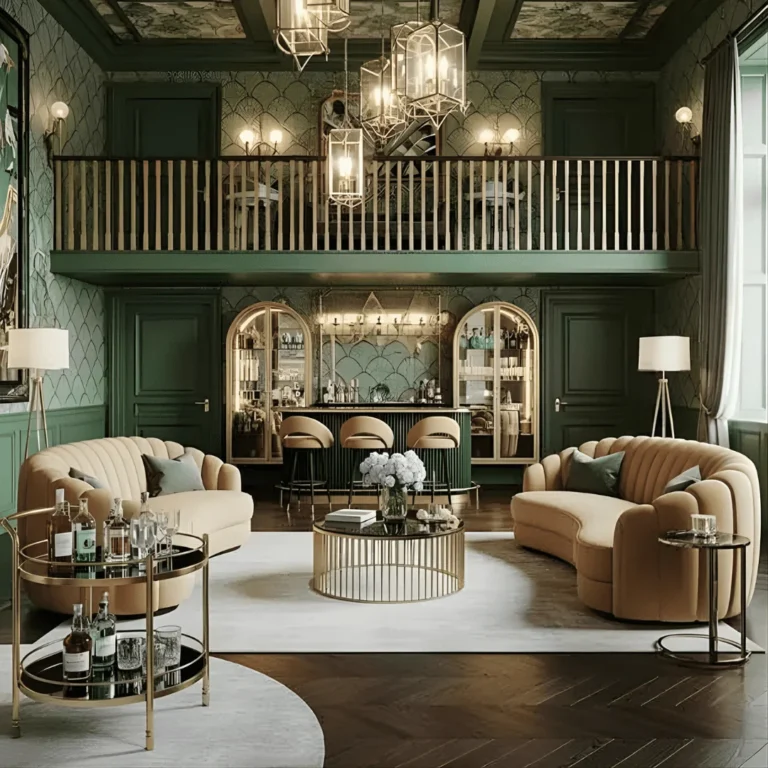
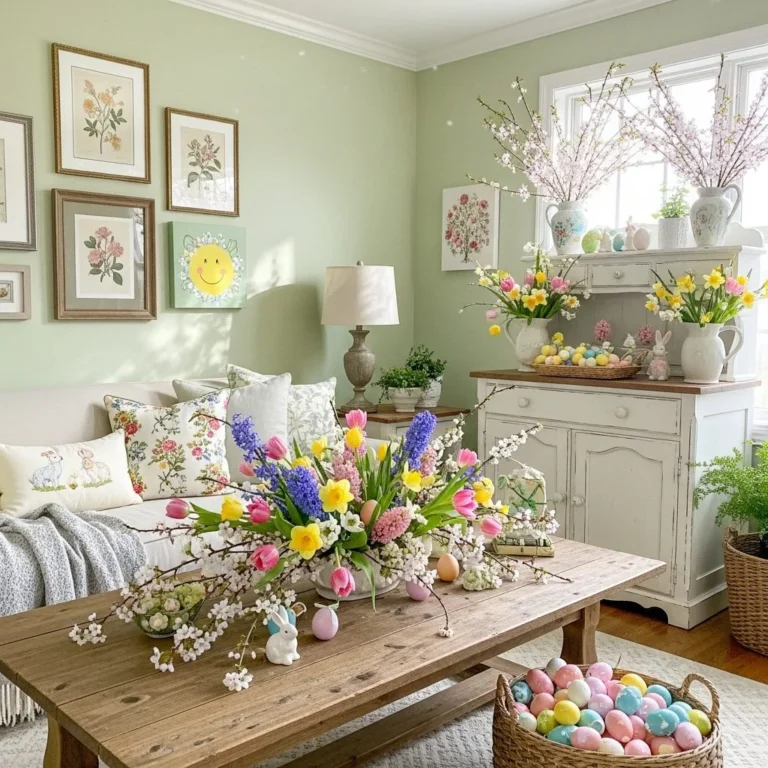
In the Neo-Deco framework, the coffee table serves as the primary visual weight anchor, transforming the center of a room from a utilitarian surface into a piece of functional art. While a standard table can leave a seating area feeling “flat,” these 21 modern coffee table ideas prioritize the luminous hierarchy and architectural depth required for a sophisticated sanctuary. By selecting bold silhouettes—ranging from solid stone plinths to fluted metallic forms—you effectively solve the problem of a “cheap” or generic layout, establishing the intentionality of a premium, bespoke retreat.

Why the Right Coffee Table Changes Everything
In interior design, the coffee table is often underestimated. Yet this single piece of furniture quietly anchors your living room, shaping how the space looks, feels, and functions. A thoughtfully chosen modern coffee table can make a small living room feel intentional, a minimalist interior feel warm, and a luxury home decor setup feel complete. Whether you’re planning a full home renovation or simply refreshing your living room decor ideas, updating your coffee table is one of the fastest ways to see an immediate upgrade—without replacing everything else. From sculptural statement pieces to smart storage solutions for small space decor, this guide explores 21 modern coffee table ideas that blend style, practicality, and trend-forward design. These ideas are curated with Google Discover and Pinterest virality in mind, while staying timeless enough to grow with your home.

1. Sculptural Statement Coffee Tables
In the Neo-Deco framework, sculptural statement coffee tables serve as the primary architectural anchor, transforming a functional necessity into a piece of functional art. While a standard, four-legged table can leave a room feeling “flat” and uninspired, a sculptural piece—featuring a solid plinth base, a fluted cylindrical form, or an asymmetrical stone slab—provides the essential visual weight required for a sophisticated sanctuary. This design strategy effectively solves the problem of a “cheap” or generic seating area by introducing a bold silhouette that draws the eye and establishes a premium, bespoke focal point.

2. Glass Coffee Tables for Light & Space
In the Neo-Deco framework, glass coffee tables act as architectural “power tools” for manipulating perceived volume. By prioritizing transparency, you introduce a sophisticated sense of visual weight that doesn’t consume physical space, effectively solving the problem of a “cluttered” or boxed-in living room. This design strategy serves as the essential “luminous hierarchy” anchor for small-space decor, allowing your bold silhouettes and statement flooring to remain the primary focal points while providing a functional, bespoke sanctuary.

3. Round Coffee Tables for Softer Flow
In the Neo-Deco framework, round coffee tables serve as a strategic “visual softener,” providing the essential architectural balance required to counteract the sharp, geometric lines of a traditional floor plan. While a rectangular table can sometimes feel “aggressive” or obstruct movement, a circular silhouette—featuring a fluted base or a beveled marble top—improves traffic flow and introduces a sense of organic harmony. This design strategy effectively solves the problem of a “boxy” or rigid living room, establishing a sophisticated sanctuary that feels both expansive and profoundly inviting.

4. Marble Coffee Tables for Luxury Appeal
In the Neo-Deco framework, marble coffee tables serve as the definitive “material anchor,” providing the intense visual weight and natural cooling effect required for a sophisticated sanctuary. While a wood or metal table can feel “light,” a substantial marble slab—featuring bold veining or a honed finish—introduces an architectural depth that immediately signals premium, bespoke luxury. This design strategy effectively solves the problem of a “flat,” builder-grade living room by establishing a luminous focal point that grounds the entire seating arrangement.

5. Nesting Coffee Tables for Flexible Living
In the Neo-Deco framework, nesting coffee tables serve as the primary “adaptive anchor,” providing the architectural flexibility required for a modern, multifunctional sanctuary. While a single, static table can feel restrictive in a compact layout, a nesting set—featuring staggered heights and complementary materials—introduces a dynamic “visual weight” that effectively solves the problem of “cluttered” or rigid living spaces. This design strategy allows you to expand your surface area for entertaining and tuck it away for daily use, maintaining a sophisticated, bespoke flow.

6. Minimalist Slab Coffee Tables
In the Neo-Deco framework, minimalist slab coffee tables serve as the definitive “weight anchor,” providing the architectural permanence and unadorned elegance required to ground a sophisticated sanctuary. While a table with complex legs can create “visual noise,” a singular, monolithic slab—whether crafted from honed stone, raw concrete, or solid oak—introduces a sense of structural depth that effectively solves the problem of a “flighty” or disjointed seating arrangement. This design strategy acts as a primary focal point, establishing a “luminous hierarchy” where the material’s natural texture becomes the hero.

7. Storage Coffee Tables That Hide Clutter
In the Neo-Deco framework, storage coffee tables serve as a primary “functional anchor,” providing the essential architectural depth required to maintain a sophisticated sanctuary. While an open-frame table can inadvertently highlight “visual noise” like remote controls or magazines, a storage-integrated piece—featuring hidden compartments, seamless drawers, or a lift-top mechanism—effectively solves the problem of a cluttered living room. This design strategy allows you to prioritize a bold silhouette while keeping daily essentials out of sight, ensuring a premium, bespoke retreat.

8. Black Coffee Tables for Bold Contrast
In the Neo-Deco framework, black coffee tables serve as the definitive “tonal anchor,” providing the intense visual weight required to ground a light-filled, airy space. While a pale or mid-toned table can sometimes disappear into a neutral palette, a black silhouette—whether in matte charcoal, obsidian stone, or high-gloss lacquer—introduces a “luminous hierarchy” through high-contrast clarity. This design strategy effectively solves the problem of a “washed-out” or uninspired interior by establishing a primary focal point that signals premium, bespoke luxury.

9. Wooden Coffee Tables with Modern Lines
In the Neo-Deco framework, wooden coffee tables with modern lines serve as the primary “organic anchor,” providing the essential tactile warmth and visual weight required to balance a sophisticated sanctuary. While traditional wood furniture can sometimes feel “heavy” or dated, modern silhouettes—featuring tapered legs, beveled edges, or fluted tambours—introduce a “luminous hierarchy” of natural grain and shadow. This design strategy effectively solves the problem of a “cold” or overly clinical minimalist interior by establishing a vibrant, multi-dimensional retreat that feels both expansive and profoundly bespoke.

10. Concrete Coffee Tables for Industrial Style
In the Neo-Deco framework, concrete coffee tables serve as the definitive “industrial anchor,” providing an uncompromising visual weight that grounds a sophisticated sanctuary. While lightweight materials can sometimes feel “temporary,” a singular, cast-concrete form—whether in a raw gray finish or a honed charcoal tone—introduces a sense of architectural permanence. This design strategy effectively solves the problem of a “floaty” or unanchored seating area by establishing a primary focal point that signals a premium, bespoke retreat.

11. Acrylic Coffee Tables for a Modern Twist
In the Neo-Deco framework, acrylic coffee tables serve as a “minimalist optical anchor,” providing the essential visual weight of a functional surface without the physical bulk that can overwhelm a sophisticated sanctuary. While solid furniture can “shrink” a room, a high-quality acrylic piece—whether a thick waterfall bench or a sculptural block—effectively solves the problem of a “cluttered” or narrow living room by maintaining a transparent flow. This design strategy acts as a “luminous hierarchy” tool, allowing light to pass through the furniture and highlight your bold silhouettes and statement rugs.

12. Coffee Tables with Metal Frames
In the Neo-Deco framework, metal-framed coffee tables serve as the definitive “linear anchor,” providing the essential architectural structure and high-contrast clarity required for a sophisticated sanctuary. While an all-wood table can sometimes feel “heavy,” a slender metal frame—whether in brushed brass, matte black steel, or polished chrome—introduces a “luminous hierarchy” that effectively solves the problem of a “flat,” builder-grade interior. This design strategy acts as a structural bridge, allowing for bold silhouettes and expansive glass or stone surfaces to float within a room.

13. Two-Tier Coffee Tables for Styling Depth
In the Neo-Deco framework, two-tier coffee tables serve as the definitive “compositional anchor,” providing the essential architectural depth and visual weight required for a sophisticated sanctuary. While a single-surface table can sometimes feel “flat” or utilitarian, a double-layer design—featuring staggered materials like a glass top and a marble base—effectively solves the problem of a “cluttered” or uninspired seating area. This design strategy introduces a “luminous hierarchy” by allowing you to separate functional items from curated, bespoke decor.

14. Oval Coffee Tables for Modern Elegance
In the Neo-Deco framework, oval coffee tables serve as a sophisticated “geometric compromise,” providing the expansive surface area of a rectangular piece without the rigid, aggressive corners. This elongated, curved silhouette introduces a sense of “flowing visual weight” that effectively solves the problem of a “stiff” or poorly circulated seating area. By prioritizing this softened profile, you establish a primary focal point that feels both architecturally sound and profoundly inviting—a hallmark of a bespoke, high-end sanctuary.

15. Statement Color Coffee Tables
In the Neo-Deco framework, statement color coffee tables serve as the primary “tonal anchor,” providing an energetic visual weight that prevents a neutral room from feeling “flat” or uninspired. While a standard wood or stone table can blend into the background, a silhouette in a saturated hue—whether in high-gloss lacquer, matte powder-coated metal, or tinted resin—introduces a “luminous hierarchy” through high-contrast clarity. This design strategy effectively solves the problem of a “washed-out” interior by establishing a primary focal point that signals a premium, bespoke retreat.

16. Coffee Tables with Integrated Tech
In the Neo-Deco framework, coffee tables with integrated tech serve as the ultimate “invisible anchor,” providing the architectural depth of a high-end sanctuary while solving the modern problem of “cable clutter.” While a standard table can become a tangled mess of charging wires, a silhouette featuring wireless charging pads, hidden USB ports, or recessed outlets effectively maintains a clean, bespoke flow. This design strategy allows you to prioritize a bold silhouette—like a fluted walnut drum or a sleek marble plinth—without sacrificing the connectivity required for a 2026 lifestyle.

17. Organic-Shaped Coffee Tables
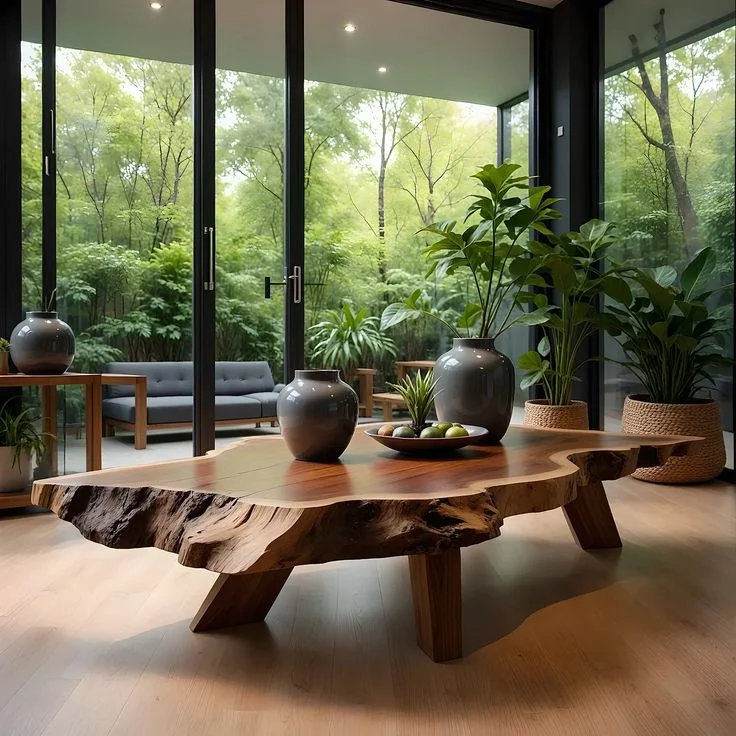
In the Neo-Deco framework, organic-shaped coffee tables serve as a “biophilic anchor,” providing the essential architectural relief required for a sophisticated sanctuary. While traditional geometric furniture can sometimes feel “rigid” or clinical, an organic silhouette—featuring asymmetrical curves, pebble-like forms, or live-edge contours—introduces a sense of “flowing visual weight.” This design strategy effectively solves the problem of a “stiff” or poorly circulated seating area by mimicking the soft, irregular lines found in nature, establishing a vibrant, multi-dimensional retreat.

18. Mixed-Material Coffee Tables
In the Neo-Deco framework, organic-shaped coffee tables serve as a “biophilic anchor,” providing the essential architectural relief required for a sophisticated sanctuary. While traditional geometric furniture can sometimes feel “rigid” or clinical, an organic silhouette—featuring asymmetrical curves, pebble-like forms, or live-edge contours—introduces a sense of “flowing visual weight.” This design strategy effectively solves the problem of a “stiff” or poorly circulated seating area by mimicking the soft, irregular lines found in nature, establishing a vibrant, multi-dimensional retreat.

19. Low-Profile Japanese-Inspired Tables
In the Neo-Deco framework, low-profile Japanese-inspired tables serve as the definitive “grounding anchor,” providing the essential architectural depth and visual weight required for a tranquil, sophisticated sanctuary. While standard-height furniture can sometimes “crowd” a room’s vertical mid-section, a silhouette featuring a low center of gravity—such as a solid charcoal-stained oak plinth or a honed granite slab—introduces a sense of “flowing visual weight.” This design strategy effectively solves the problem of a “cluttered” or over-stimulated living room by mimicking the clean, horizontal planes of traditional Japanese architecture.

20. Vintage-Inspired Modern Tables
In the Neo-Deco framework, vintage-inspired modern tables serve as a “temporal anchor,” providing the essential architectural character and visual weight required for a curated, sophisticated sanctuary. While strictly contemporary furniture can sometimes feel “sterile,” a silhouette featuring tapered dowel legs, surfboard edges, or warm teak grains introduces a sense of history and craftsmanship. This design strategy effectively solves the problem of a “soulless” or overly modern living room by establishing a vibrant, multi-dimensional retreat that feels both expansive and profoundly bespoke.

21. Budget-Friendly Modern Coffee Tables
In the Neo-Deco framework, budget-friendly modern coffee tables serve as a “strategic anchor,” proving that architectural depth and visual weight are not exclusive to high-end price tags. While a luxury designer piece may offer prestige, a well-chosen budget silhouette—focusing on sculptural forms, matte finishes, and tactile textures—effectively solves the problem of an uninspired or “empty” living room. This design strategy allows you to prioritize a bold silhouette while maintaining a smart, accessible budget for a 2026-ready sanctuary.

Final Thoughts: Upgrade with Intention
A modern coffee table is more than just a surface—it’s a design statement that brings your living room together. Whether your style leans minimalist, luxurious, or budget-conscious, there’s a coffee table idea that can instantly refresh your space. If you loved these ideas, explore more interior design inspiration, subscribe for weekly decor trends, and don’t forget to save your favorite looks to Pinterest for later. Your living room upgrade starts here.