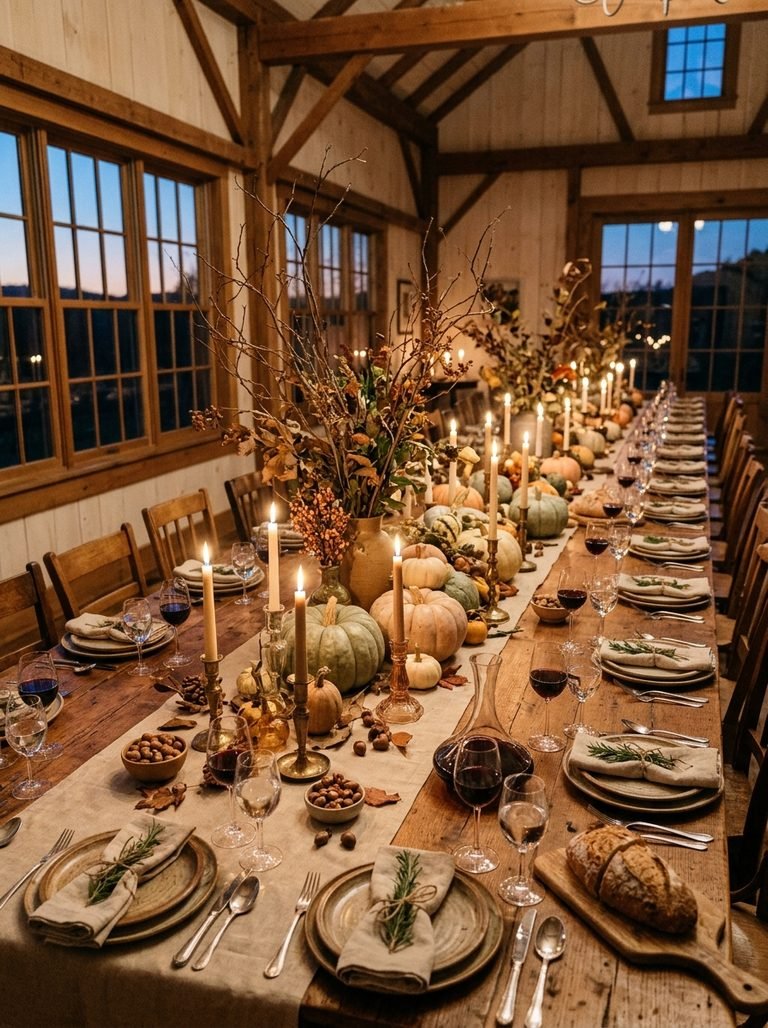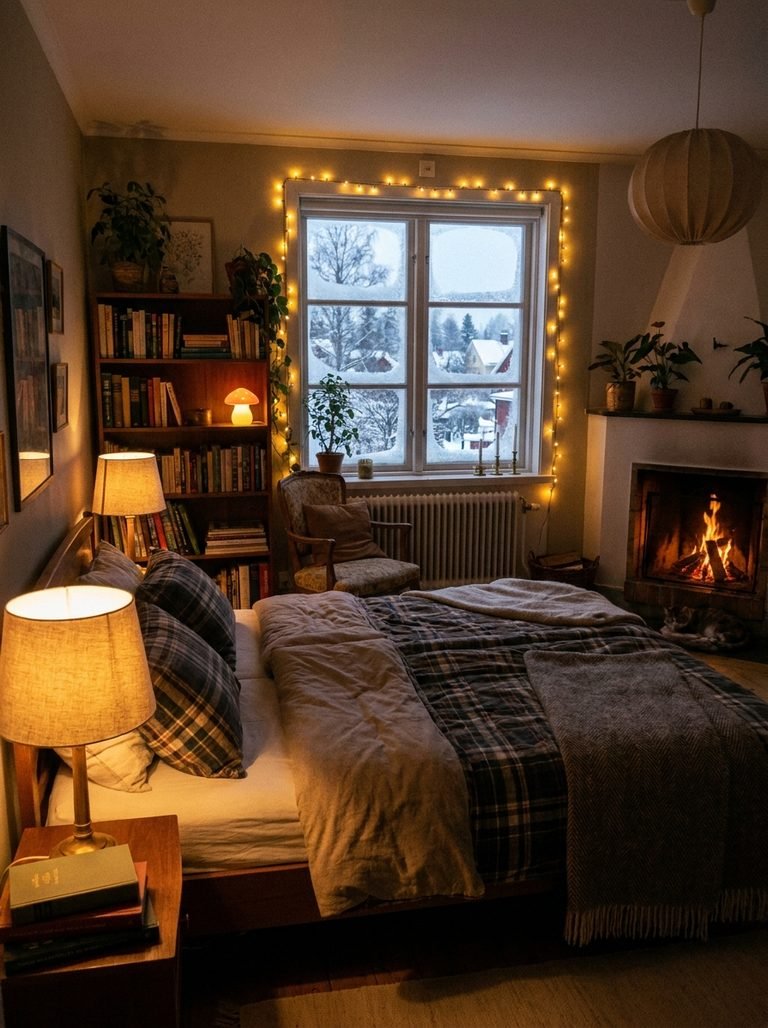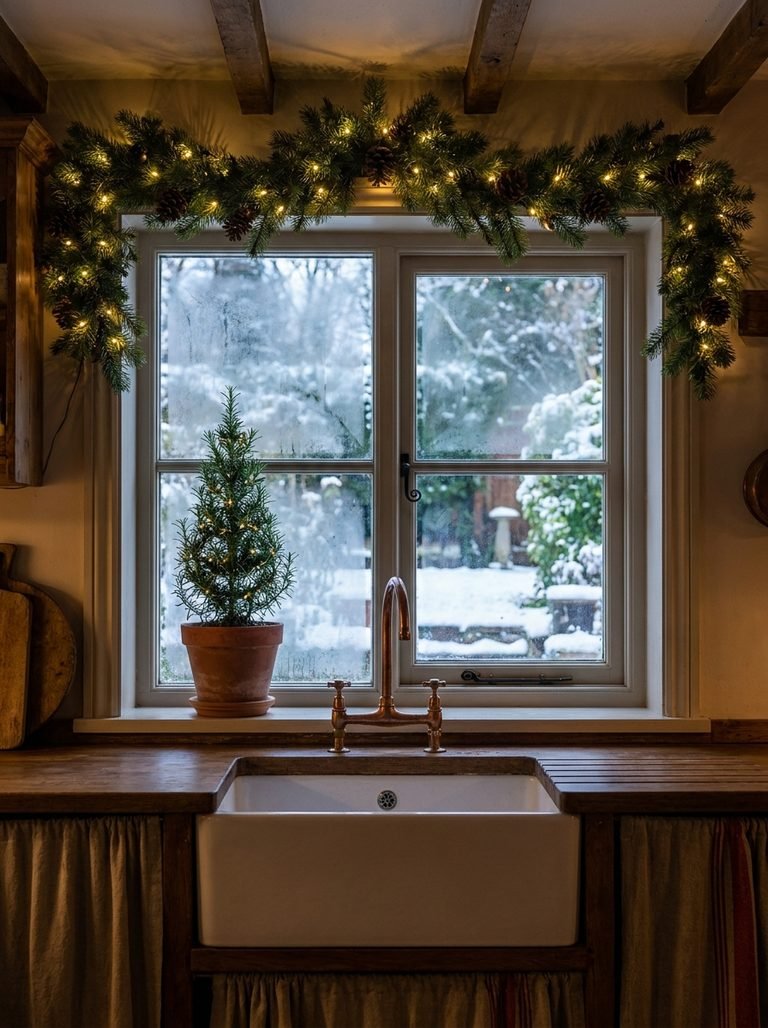
On January 2, the tree goes out, the garland comes down, and the house suddenly looks like it has lost its coat. The decorations that made December feel warm are packed away, and winter still has about ten weeks to run. Many homes sit in that bare middle stretch, feeling a little flat.
Hygge is a useful way to think about those weeks. The word comes from Denmark and describes a feeling of comfort, contentment and togetherness more than a particular style. It depends on warm light, soft materials, natural touches and spaces that invite people to stay. This guide breaks the season into stages, with ideas for January, February and the cold early days of March, so the house keeps its warmth long after the ornaments are put away.
January: Keep the Warmth, Lose the Christmas
The first job after the holidays is sorting what stays. Anything tied to Christmas, such as red and gold ornaments, tree-shaped pieces and gift-themed tray items, can go into storage. Items that simply say winter can stay out.
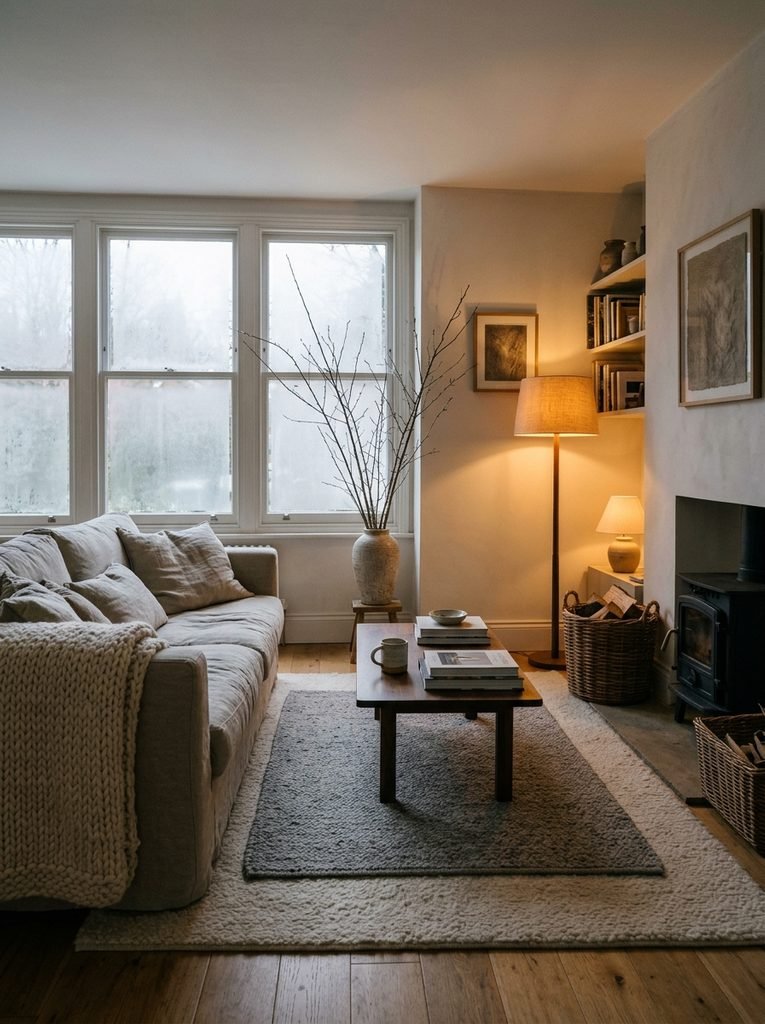
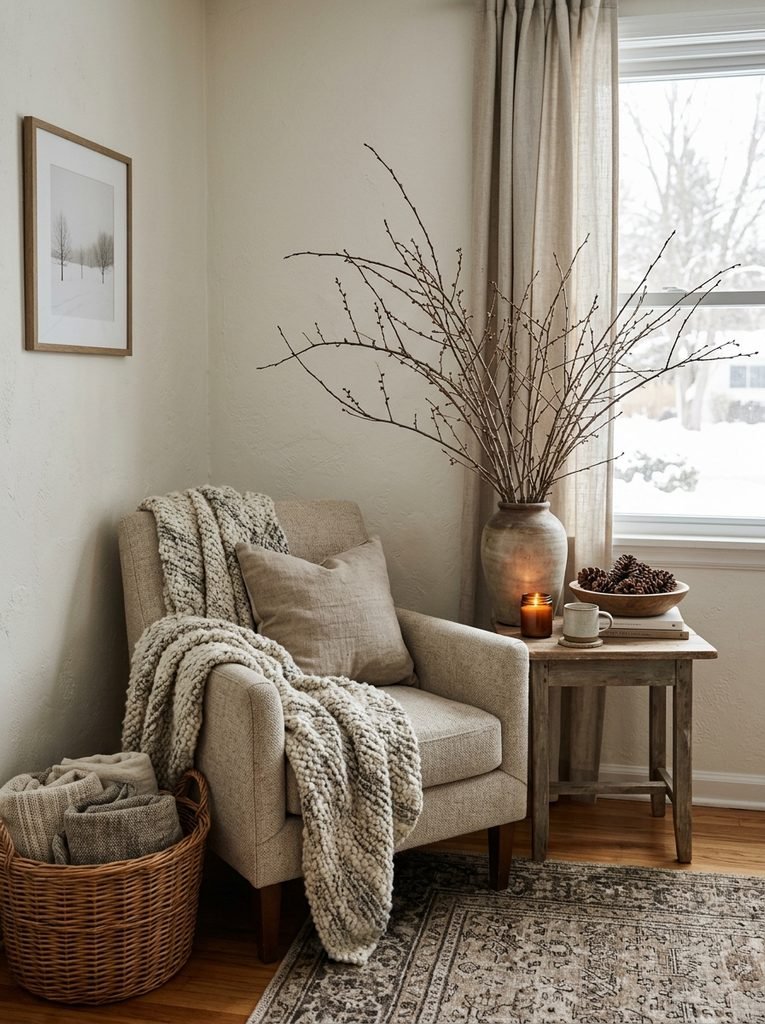
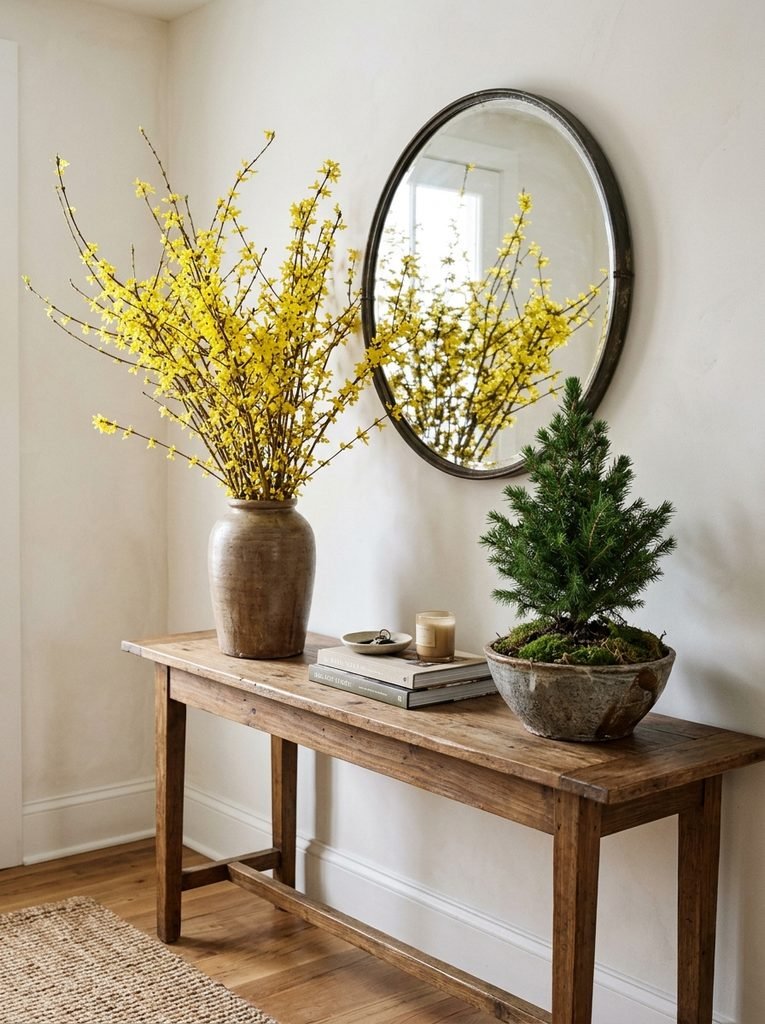
Winter greenery in a tall vase, a bowl of pinecones, a wool throw, plug-in lights on a timer and a few ceramic pieces in cream or stone all fit the next three months. A single branch arrangement or a small potted evergreen on a table keeps the room feeling alive without looking like leftover Christmas.
Swap anything shiny or red for quieter tones. Oatmeal, soft gray, pine green, charcoal and warm white make a calm base, and they work with the colors already in most living rooms. Replace bright artwork with a snowy landscape, a muted forest photograph or a simple line drawing, which gives the walls a seasonal shift without a big purchase.
A Winter Entryway That Handles Wet Boots and Still Feels Warm
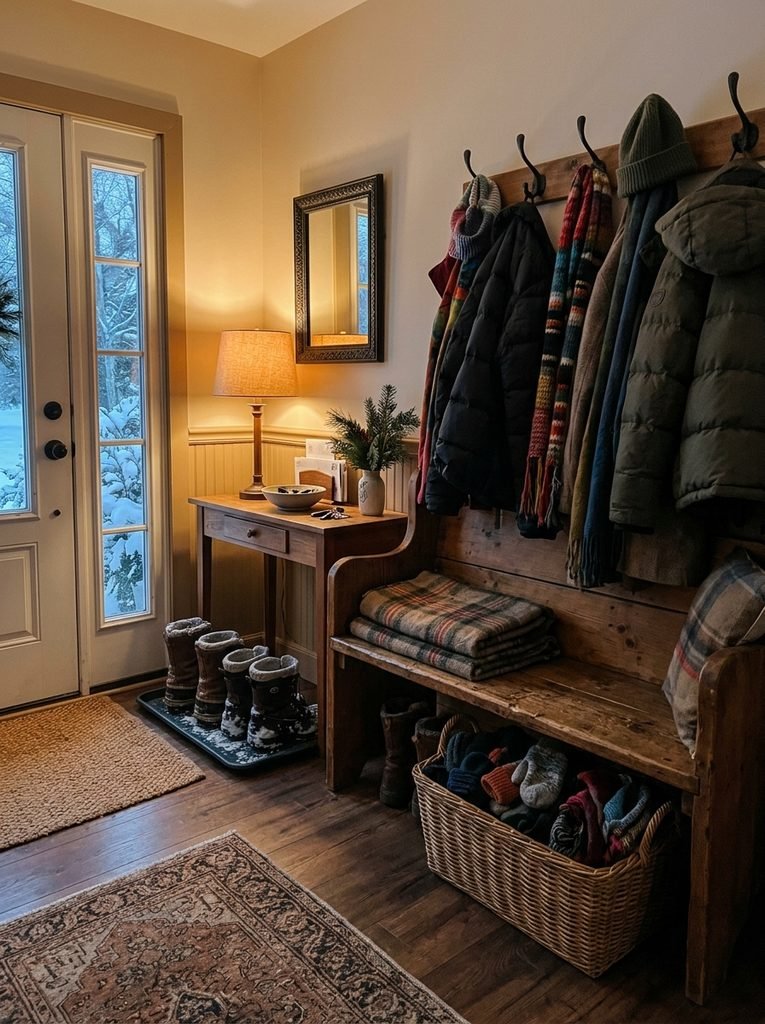
The entry takes the worst of winter: slush, wet coats, hats and gloves. It is also the first thing you see when you come home, so a messy one can make the whole house feel less welcoming.
A boot tray, a sturdy mat and a row of hooks at a comfortable height handle the practical side. A narrow bench with a basket underneath holds gloves and scarves. Add a small lamp on a shelf or console so the entry glows when you come home in the dark.
A wool runner or a thick mat in a warm gray or oatmeal helps hide dirt and feels better underfoot than bare tile. Leave one hook or a small space for guests’ coats, and the entry looks organized rather than overfilled.
Set Up a Hot Drink Corner
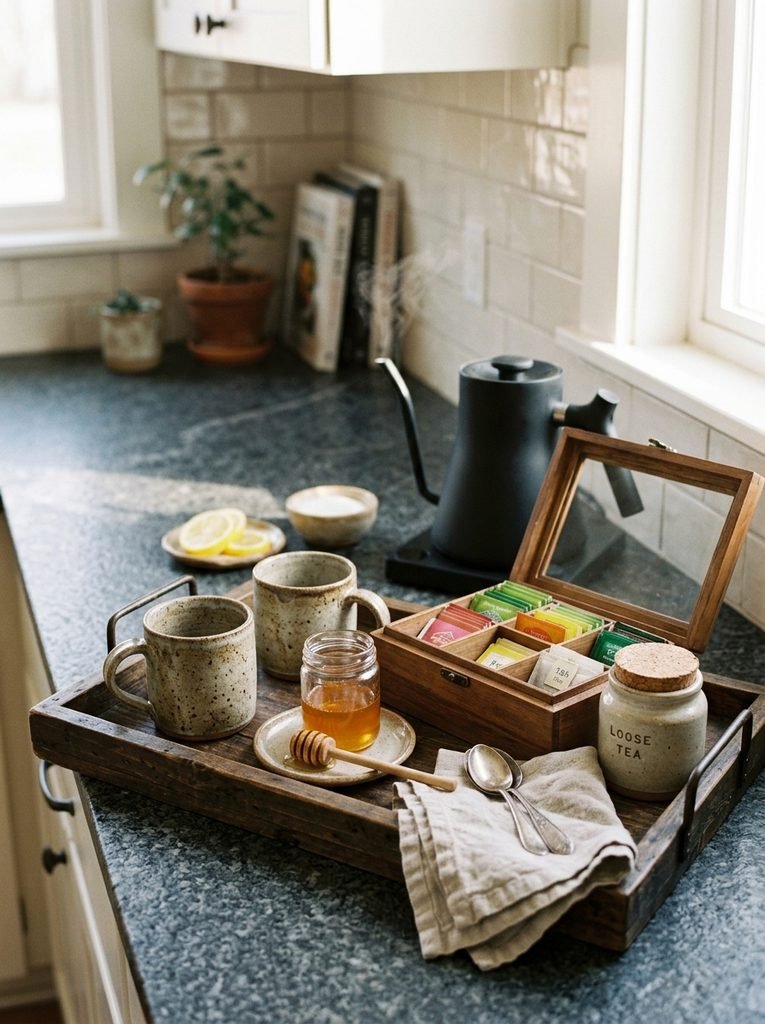
Hygge is partly about small rituals, and a hot drink is one of the simplest. A dedicated corner makes the ritual easy and also looks good, which helps the kitchen or dining area feel more inviting through the dull weeks of winter.
Use a section of counter, a small cart or a sideboard. Put a kettle, a tea tin, a jar of honey, a small stack of mugs and a tray to hold them. Hang mugs from hooks or keep them on an open shelf so they become part of the display. Keep the setup to a few items so it still looks tidy.
Choose containers in a single material, such as ceramic, wood or glass. Matching tones make a counter look arranged rather than crowded. Keep cords away from the edge of the counter and out of reach of children.
Make the Most of Short Winter Days
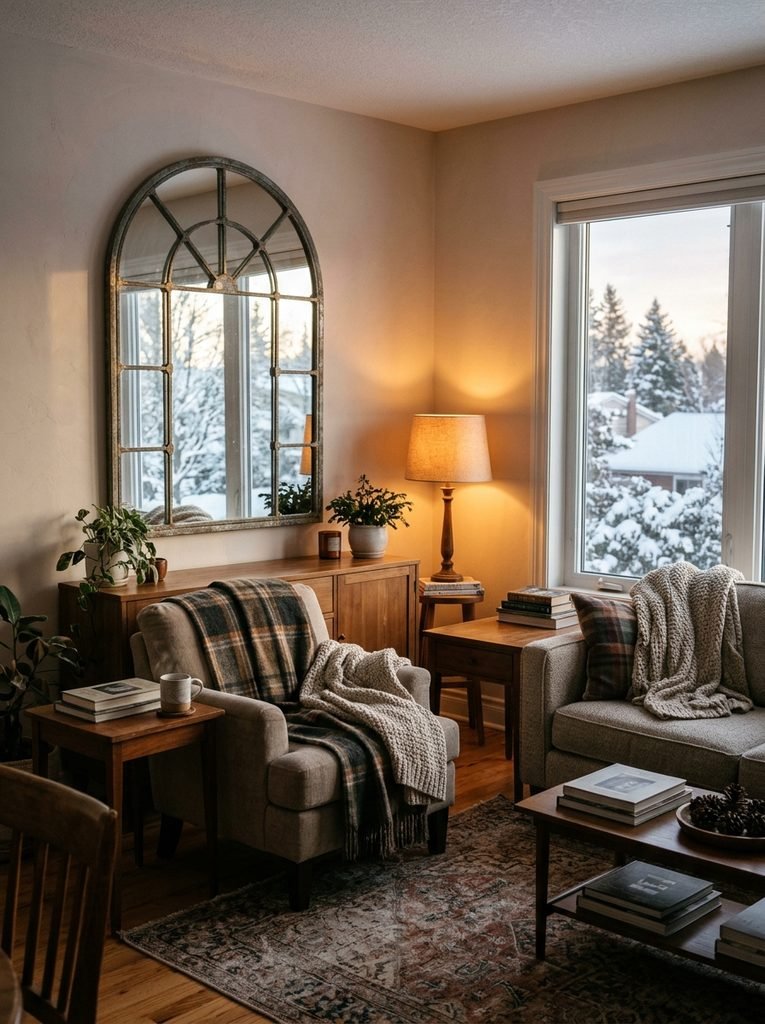
Daylight is limited, so the room should use every bit of it. Clean windows, pulled-back curtains and a mirror placed across from the main window can make a room look brighter without adding any lamps.
As the afternoon darkens, warm light should take over. Lamps with warm bulbs around 2700K or softer, switched on before the light fades, make the shift gentle. If you often arrive home after dark, plug a lamp into a timer so the room is already glowing when you walk in.
Color can help or hurt here. Dark walls can feel cozy at night but heavy in a dim room by day, which is explored in living room color combinations that look just as good after dark as they do at noon. That guide is a good check before you commit to a bold winter paint color.
Soften the Touch Points
Cozy is something you feel, not only something you see. The most effective winter changes are on the surfaces you touch every day, and many of them are not in the living room.
Seat pads on wooden dining chairs make long dinners more comfortable. A thick bath mat and a warm towel stack make the bathroom less chilly. A stair runner or a rug at the bedside keeps bare feet off cold floors. A cushion on a window seat or a deep windowsill invites you to sit near the glass without feeling the draft.
Use materials that warm quickly: wool, flannel, felted fabric, sheepskin and corduroy. Pick two or three shades from the same range so the additions look intentional. Because most of these items are flat or foldable, they are simple to store in spring.
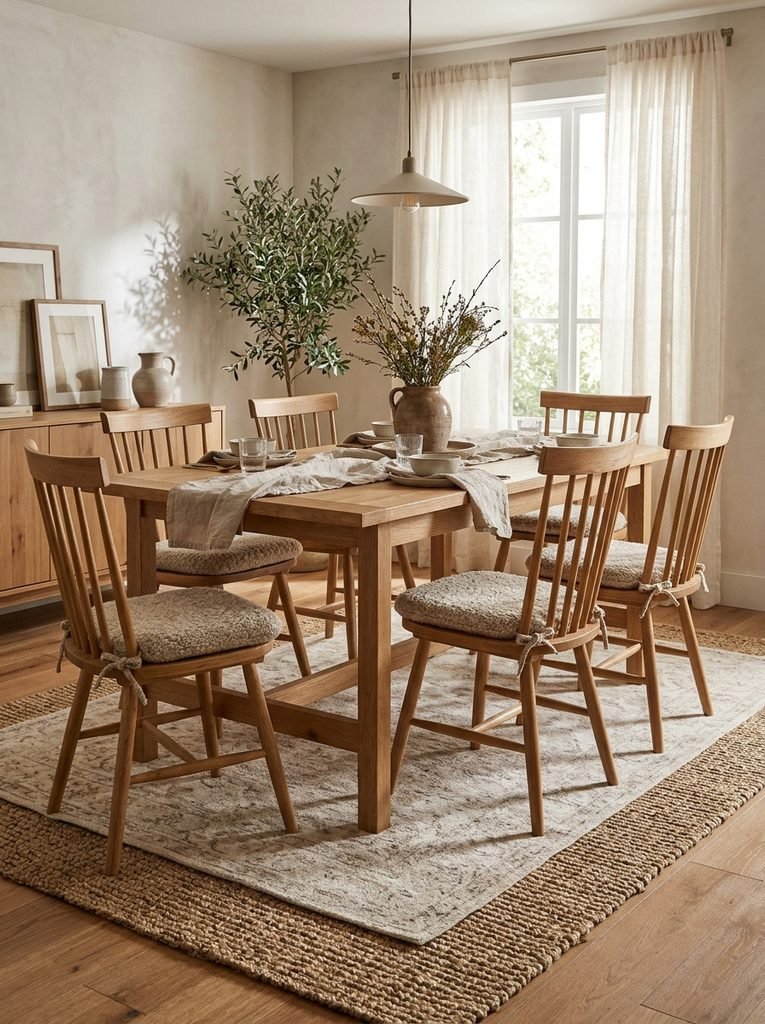
Create a Fireside Gathering Spot
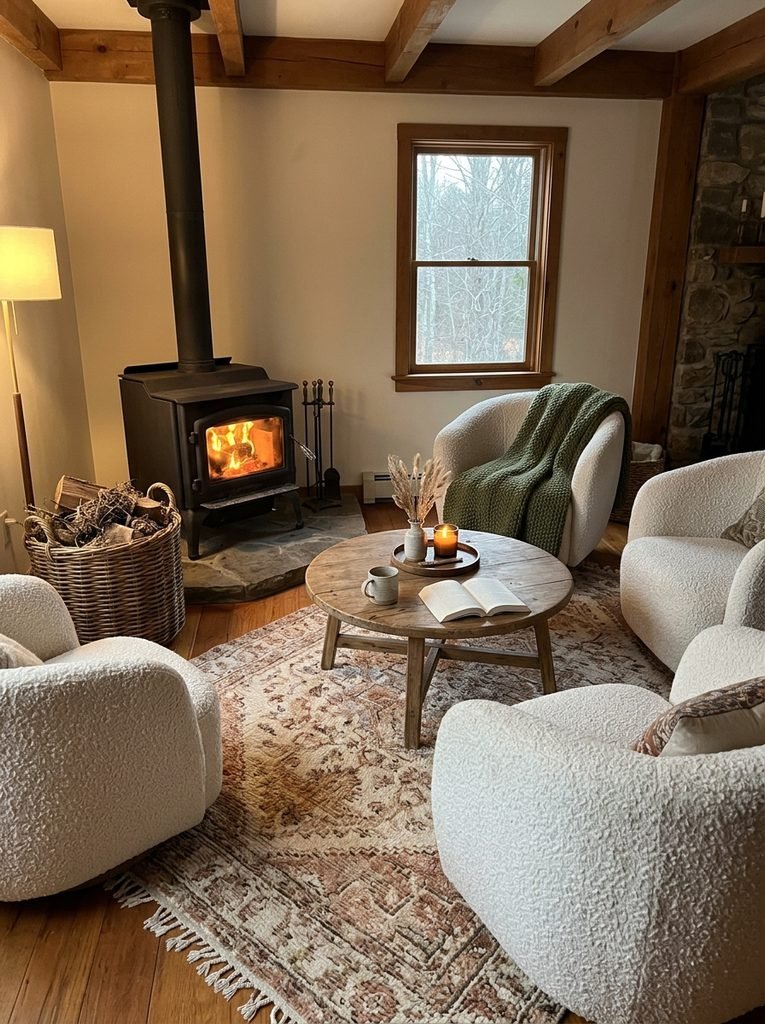
A fireplace is a natural center of hygge, but the feeling does not depend on having one. The idea is a place where people want to sit together and stay a while. If you do have a fireplace or a stove, a log basket, a stack of kindling and a few winter greens on the mantel keep it looking inviting. The wall treatment ideas in fireplace wall ideas that turn a plain focal point into a statement can help if the surround looks flat.
Without a fireplace, create the same pull with seating. Angle two chairs toward the sofa, add a low round table in the middle, a lamp nearby and a thick rug under everything. A tray of flameless candles on the table gives a gentle flicker.
If you use real candles, keep them well away from anything that burns, never leave them unattended and put them out before bed. Practical guidance on this is available from the National Fire Protection Association.
Bring Winter Greenery Indoors
Plants and branches keep a room from looking stale. In winter, you do not need a lot of them. A few good stems or a single plant can make a bigger difference than a whole shelf of foliage.
Evergreen branches such as pine, fir or cedar last well in water and add a faint scent. Bare branches in a tall vase look graceful and modern. Cut branches from early-flowering shrubs such as forsythia or quince, set in water indoors in late winter, can open into blossoms and bring early color before spring arrives.
Bulbs like amaryllis and paperwhites are popular for winter, but some, including narcissus, can be harmful if pets chew them, so check a reliable pet-safety list before placing them where animals can reach. Dried grasses, wheat stems and eucalyptus last for weeks and need no care at all.
A Game and Puzzle Table for Long Evenings
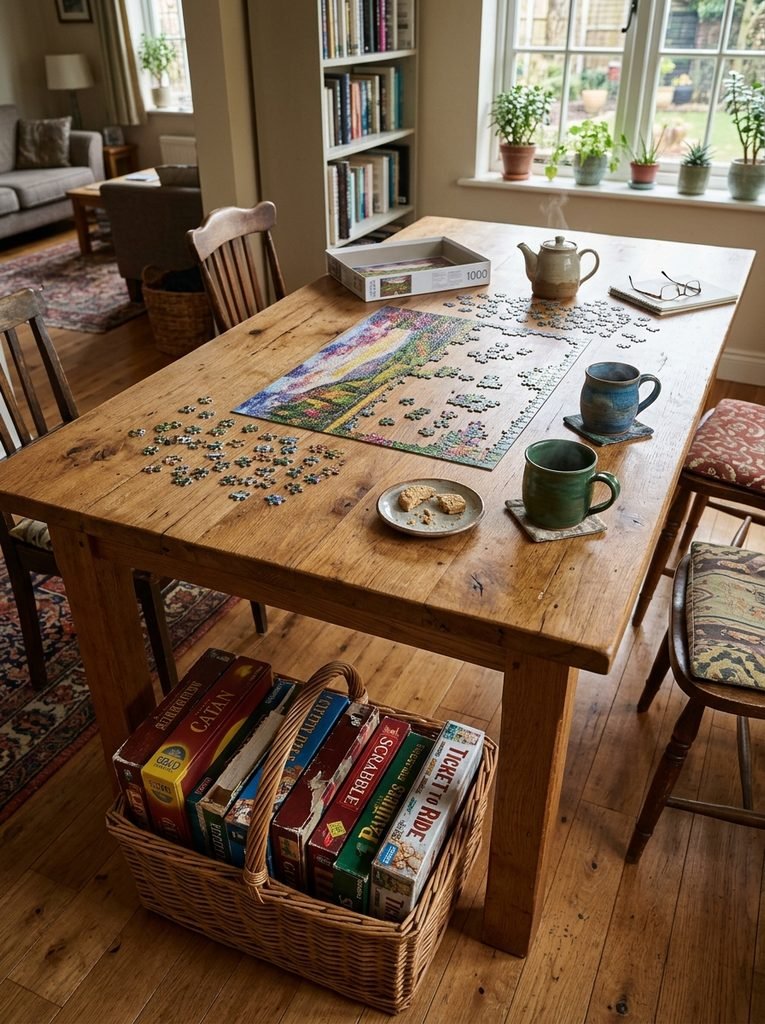
Hygge is about spending time with other people, and winter evenings are good for slow, screen-free activities. A small table set aside for a jigsaw puzzle or a card game does more for the atmosphere than another decorative object.
Choose a spot near a lamp and away from the main walkway. A round or square table that can take a puzzle board works well, and a nearby shelf or basket keeps boxes tidy. Stack board games on a shelf with spines facing out, in a color range that suits the room, so they look like decor when no one is playing.
Keep a lidded basket for cards, dice and small pieces so the table clears quickly when it is dinner time. A comfortable chair or two with seat cushions encourages people to settle in.
Warm Up the Bedroom and Bath
Winter comfort extends to the rooms where you start and end the day. For the bedroom, a set of flannel or brushed cotton sheets, a heavy blanket and a rug beside the bed make the biggest difference. More ideas are covered in cozy bedroom decor ideas for the ultimate relaxing space.
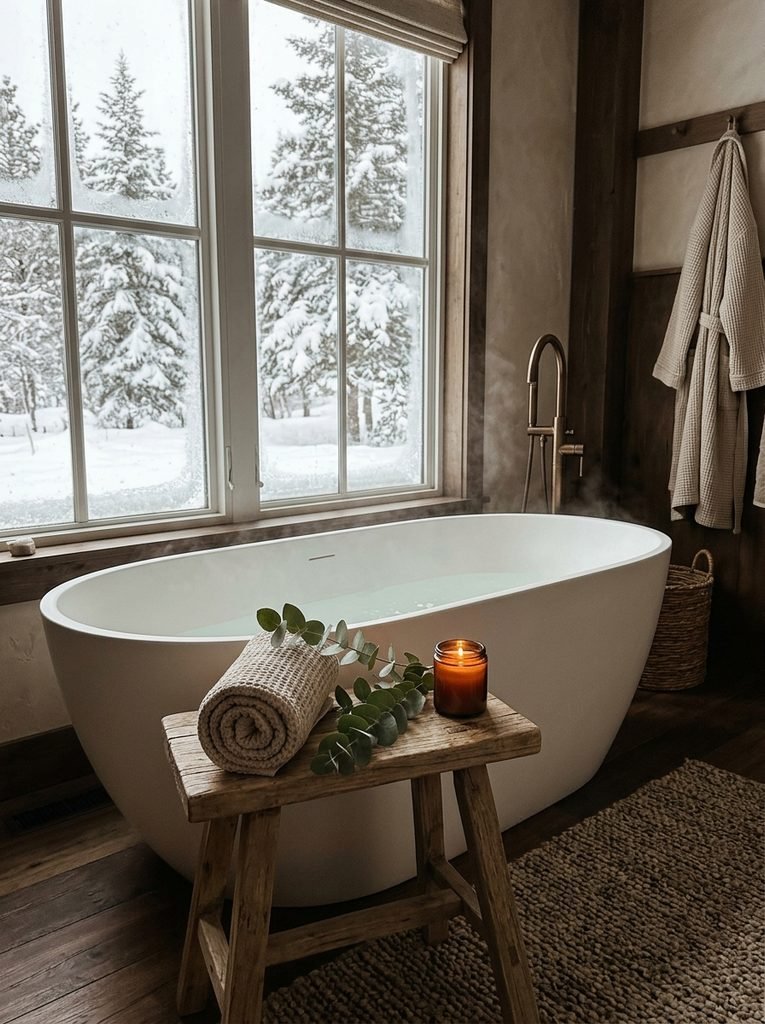
In the bathroom, a warm towel stack on a stool or rack, a thick bath mat, a small tray with soap and a candle in a jar, and a branch of eucalyptus create a spa-like mood. A wooden stool next to the tub gives you somewhere to rest a book and a mug.
Keep real candles away from towels and curtains, and never leave them burning when you leave the room.
March: Ease Out of Winter Without Losing the Cozy
By March, the days are longer, but the weather is often still cold. A room that stays dark and heavy can start to feel tired. This is the moment to lighten the palette without removing all the warmth.
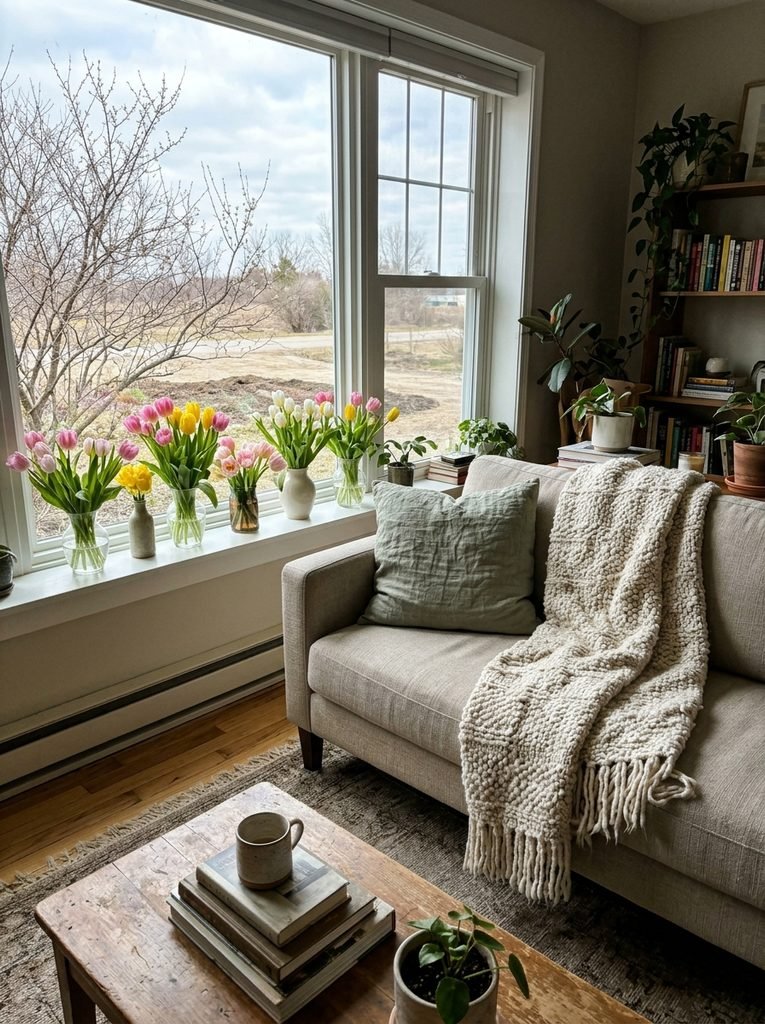
Swap velvet and heavy knit pillow covers for linen or cotton in pale green, soft white or light gray. Keep the wool throw, since the evenings are still chilly. Move the heaviest winter rug away if the room needs a fresher look, or roll it back and layer a lighter one.
Fresh tulips, narcissus stems in a vase out of reach of pets or a bowl of lemons add early spring color. Keep the lamps on a timer. The idea is a gentle move toward spring, not a sudden switch.
Small Spaces and Rentals
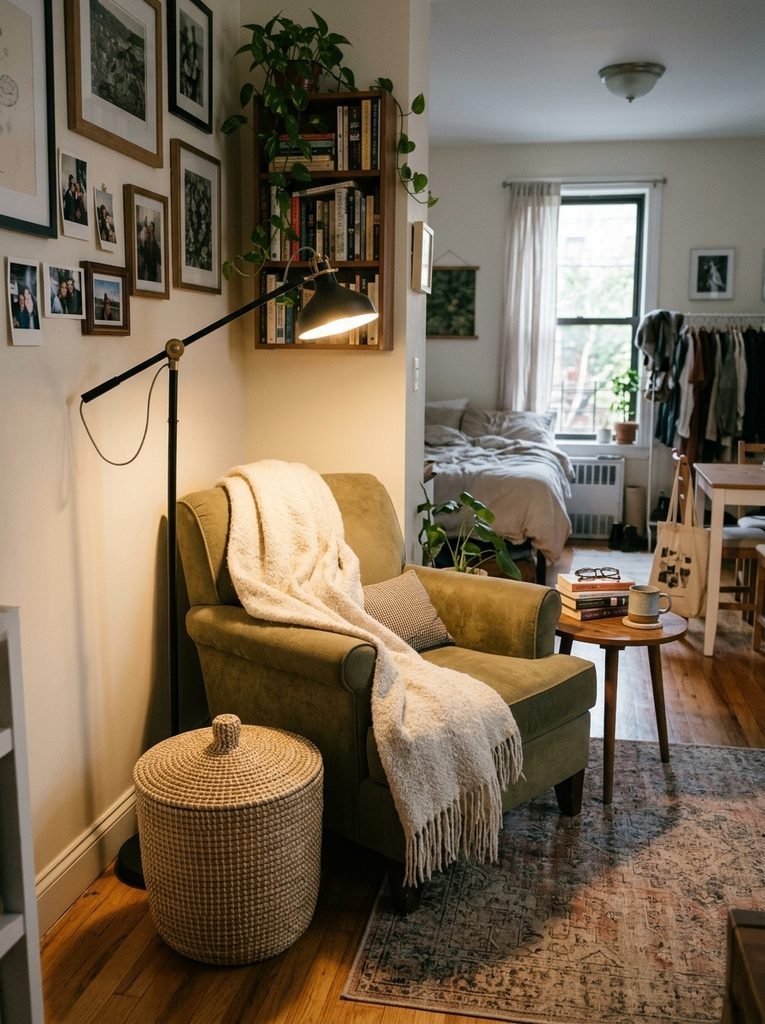
A studio or small apartment needs the same warmth, but with a tighter edit. Choose one corner for your hygge setup, such as an armchair, a lamp, a throw and a small table, rather than spreading small items across the room.
Use plug-in lamps and clip-on lights, and avoid drilling into walls. Removable hooks, subject to the manufacturer’s weight and surface guidance, can hold lightweight wreaths or a small framed print. Soft furnishings do most of the work in a rental: bedding, pillow covers, a throw and a rug over cold flooring.
Storage matters in a small space, so choose baskets with lids and fold flat items under the bed. That way the room can shift from winter to spring with almost no effort.
Mistakes That Make Winter Decor Feel Heavy
The goal is comfort, but a few habits can turn warm into oppressive:
- Using only dark colors in a room with limited daylight.
- Adding so many textiles that the sofa becomes hard to use.
- Relying on one bright overhead light after dark.
- Keeping holiday items in place long after the season ends.
- Placing real candles near fabric, paper or greenery.
- Buying seasonal pieces that are hard to store.
- Filling every shelf and surface, which leaves no calm space for the eye.
A good test is to stand in the doorway and look at the room for ten seconds. If you feel relaxed, the setup is working. If your eye keeps jumping, remove something.
Keep the Season Going
The best hygge ideas are the ones you will actually use every day: a lamp you switch on without thinking, a mug that is easy to reach, a throw that is within arm’s length of the sofa. These small habits do more than any single decoration.
Take Christmas down early in January, keep the warm pieces, and decide on one new addition for February and one for March. That slow rhythm helps the house look cared for through the grayest weeks, and it makes spring feel earned rather than rushed.