Tiny apartments don’t have to feel cramped, cluttered, or limiting. In fact, with the right decor strategy, even the smallest studio can look airy, open, and beautifully intentional. The secret is not more space—it’s smarter design. From light-enhancing color palettes to multifunctional furniture and visual tricks that “expand” your walls, every detail plays a role in transforming your home’s perception of space.
In this Pinterest-style guide, you’ll discover 20 deeply practical, aesthetic, and budget-friendly decor ideas that make tiny apartments feel surprisingly spacious. Each idea is designed with real-life usability in mind—so you’re not just decorating, you’re redesigning how your home feels. Let’s turn your compact space into a calm, stylish, and open-feeling sanctuary.
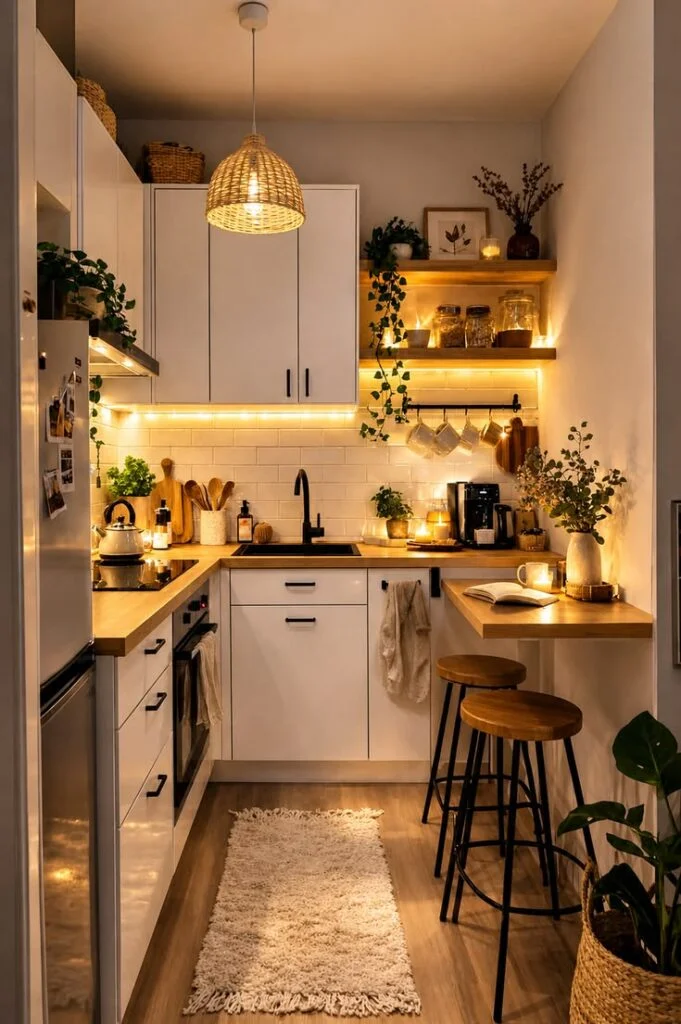
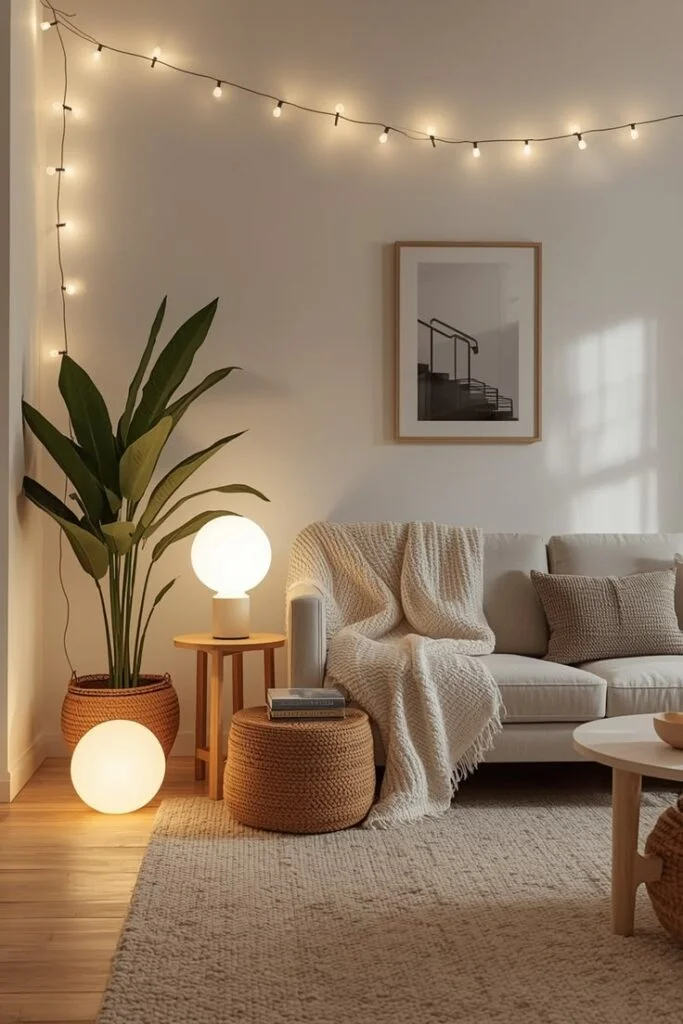
11. Sheer Curtains That Let Light Expand the Room
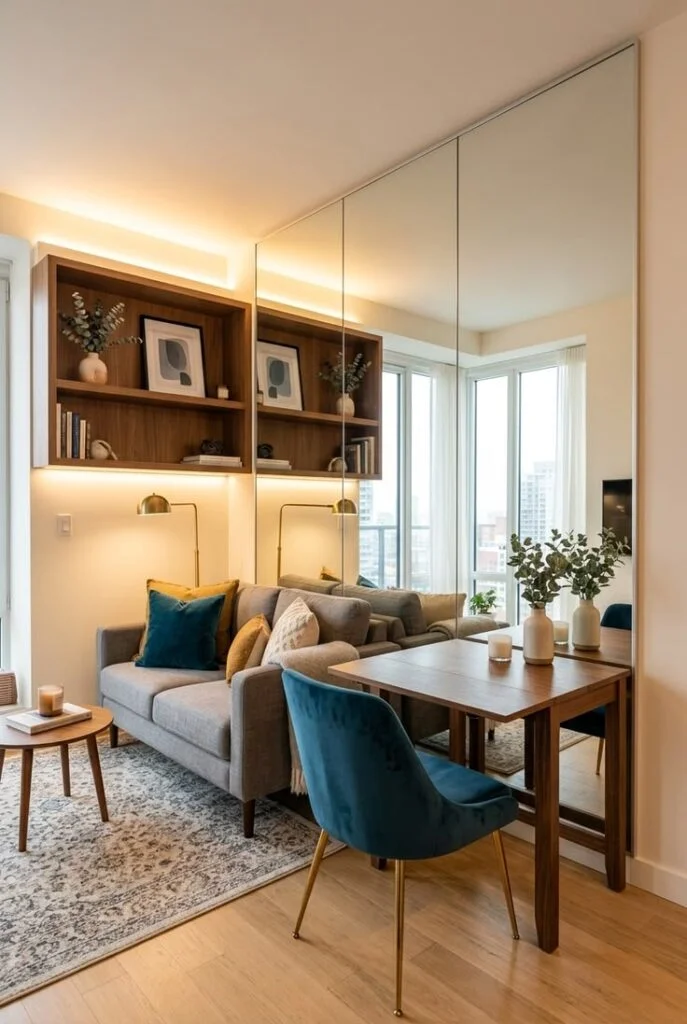
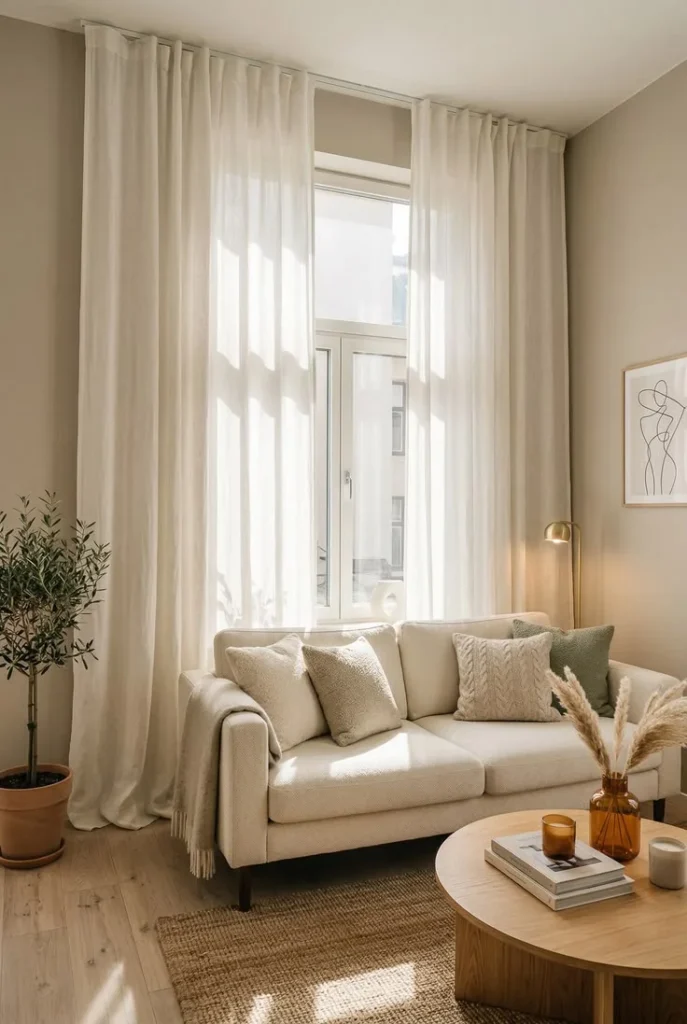
Sheer curtains are a game-changer for tiny apartment decor because they allow natural light to flow freely while still providing privacy. Heavy drapes can visually close a space, making windows feel smaller and rooms darker. In contrast, sheer fabrics like voile, linen blends, or soft cotton create a light-filtering effect that keeps the apartment bright and airy. When sunlight passes through, it spreads gently across the room, making walls appear farther apart and ceilings feel higher. This is especially powerful in studio apartments where natural light is one of the main tools for creating spaciousness. Sheer curtains also add a soft, elegant movement that enhances the overall aesthetic without adding visual clutter. This design choice is widely used in Scandinavian and modern minimalist interiors because it supports openness and calm visual flow.
Styling Tips:
- Choose floor-to-ceiling sheer curtains
- Use neutral shades like white or cream
- Layer with light blackout blinds if needed
Why it works: Maximizes natural light + softens visual boundaries
12. Corner Utilization That Unlocks Hidden Space
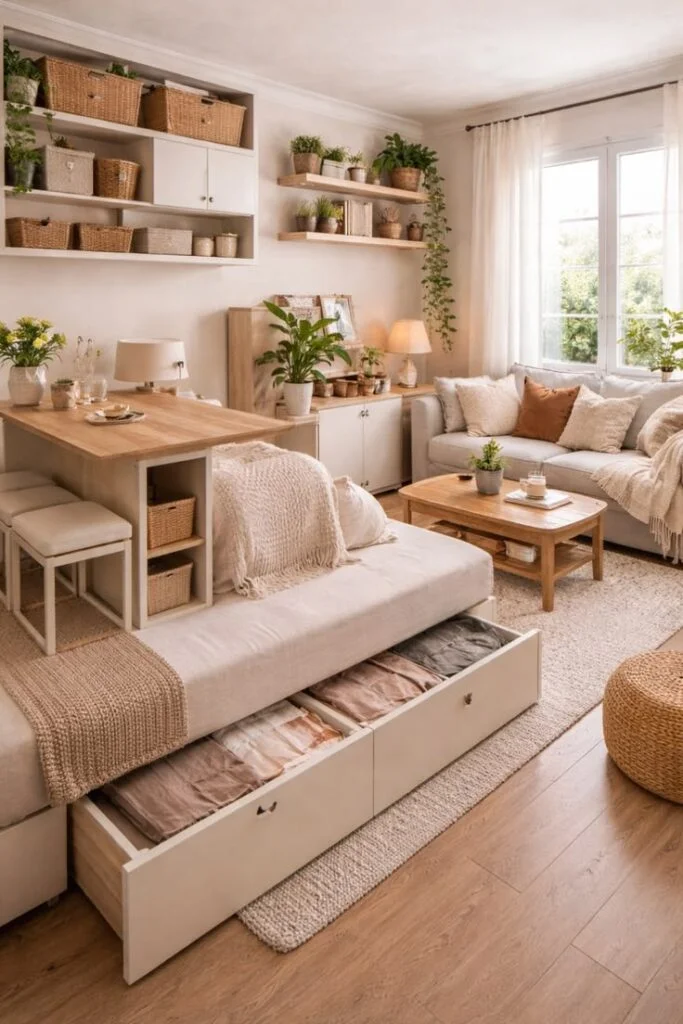
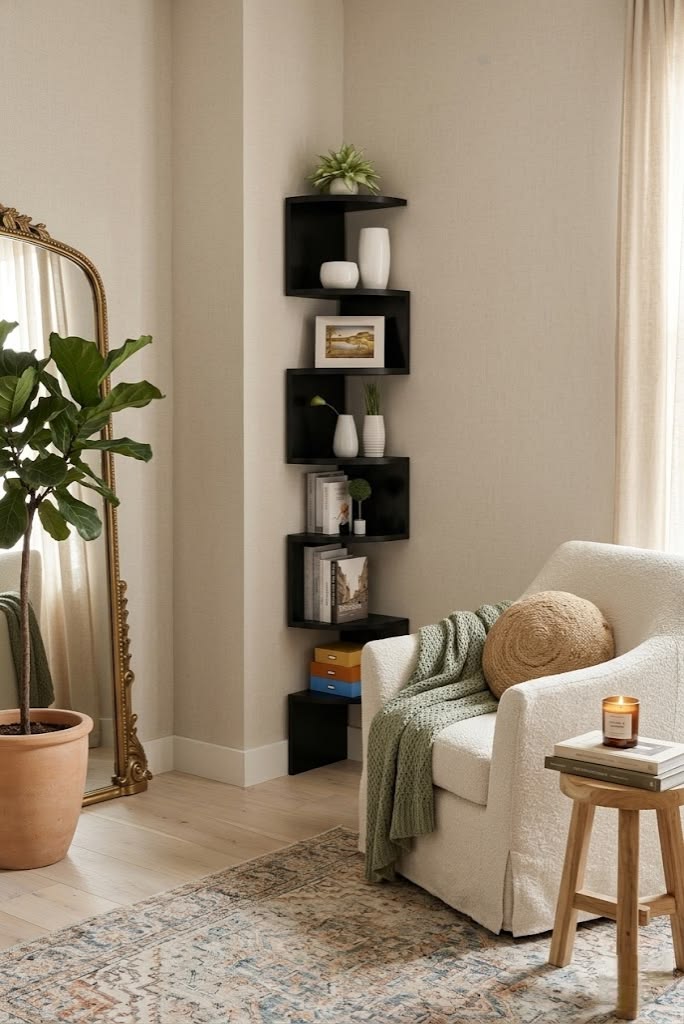
Corners are often wasted in tiny apartments, but smart corner utilization can dramatically increase both storage and style. Instead of leaving corners empty, you can install corner shelves, L-shaped seating, or compact desks that fit perfectly into unused angles. This transforms dead zones into functional areas without disrupting the room layout. In small apartment design, every corner has potential to become a storage nook, reading space, or decorative feature. When corners are used properly, the overall room feels more structured and intentional rather than empty or incomplete. This approach also improves movement flow because furniture is aligned with the edges of the room, leaving the center open and spacious. It’s a highly effective strategy for maximizing usability in tight spaces.
Styling Tips:
- Use floating corner shelves
- Add a small reading chair or plant corner
- Keep designs slim and angular
Why it works: Utilizes dead space + improves layout efficiency
13. Low-Profile Furniture for a Wider Room Feel
Low-profile furniture is one of the most underrated tiny apartment decor strategies because it visually expands vertical space. Sofas, beds, and chairs with lower heights make ceilings appear higher, instantly creating a more open atmosphere. This works because the eye perceives more empty wall space above the furniture line, which enhances spaciousness. In small apartments, bulky or tall furniture can overwhelm the room and make it feel cramped. Low-profile designs, on the other hand, maintain comfort while keeping the visual weight closer to the ground. This technique is commonly used in Japanese and Scandinavian interiors where simplicity and openness are key. Pairing low furniture with light colors and minimal decor creates a clean, balanced environment that feels calm and breathable.
Styling Tips:
- Choose low-height sofas and beds
- Keep furniture proportions minimal
- Pair with tall wall decor for contrast
Why it works: Increases vertical perception + opens up wall space.
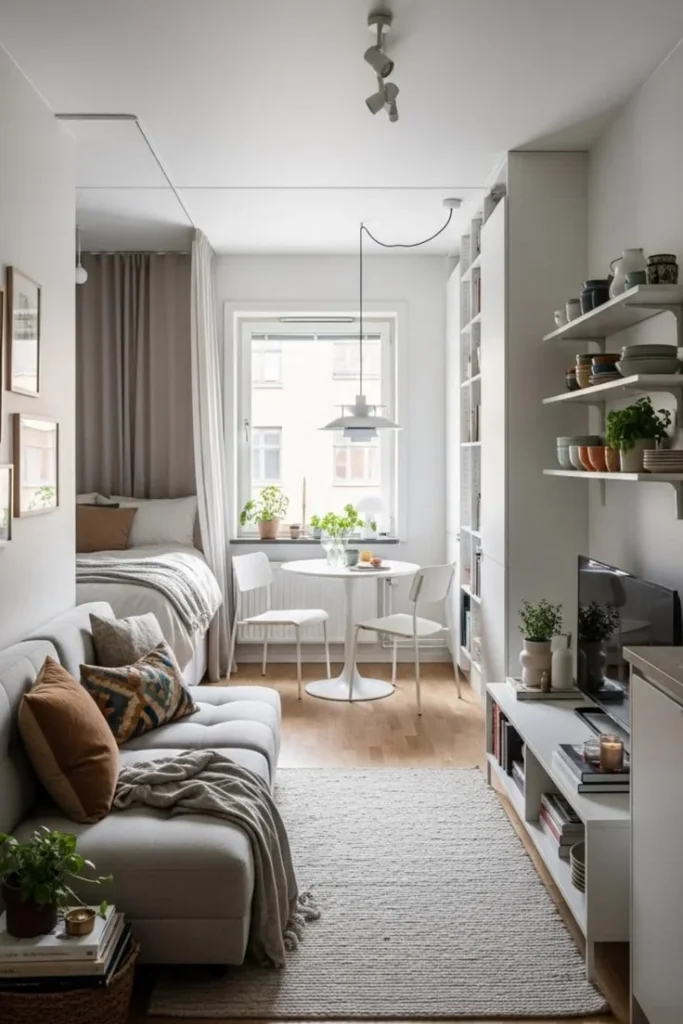
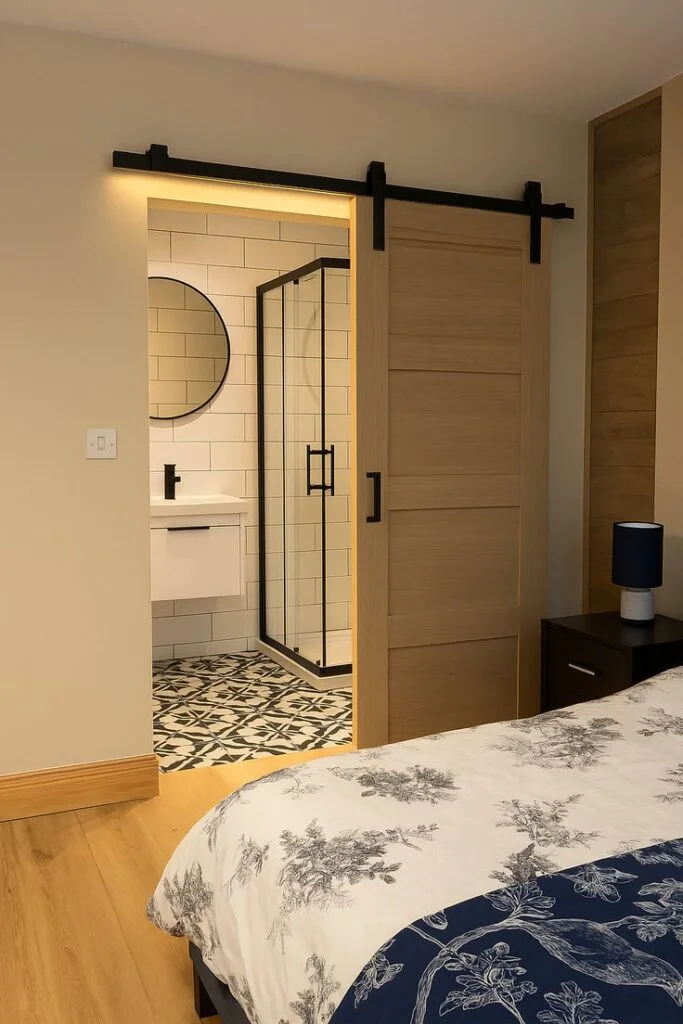
14. Sliding Doors Instead of Swing Doors
Sliding doors are a smart space-saving solution for tiny apartments because they eliminate the need for door clearance space. Traditional swing doors require extra room to open, which reduces usable floor area and limits furniture placement. Sliding doors, whether for bathrooms, wardrobes, or room dividers, glide along walls and keep layouts flexible and open. This allows you to use every inch of your apartment more efficiently. In modern small apartment design, sliding doors also add a sleek and minimal aesthetic that blends seamlessly with interiors. They can be made of glass for light flow or wood for warmth, depending on your style. This simple change can significantly improve movement flow and make compact homes feel more functional and spacious.
Styling Tips:
- Use frosted glass for bathrooms
- Choose wooden sliding panels for warmth
- Keep tracks minimal and hidden
Why it works: Saves swing space + improves layout efficiency
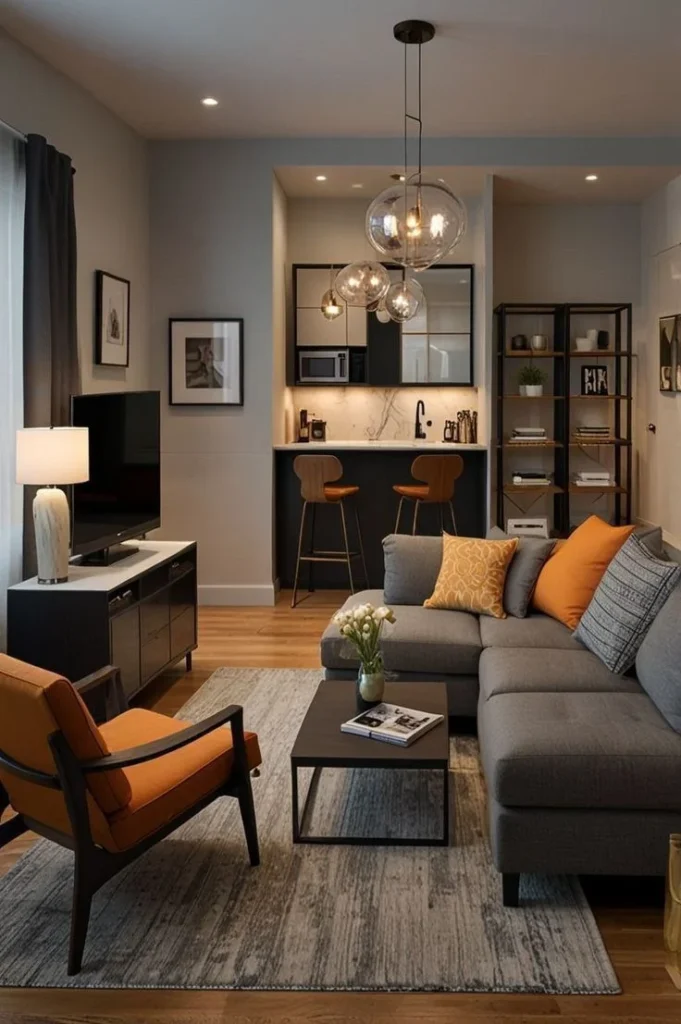
15. Monochrome Styling for a Seamless Open Look
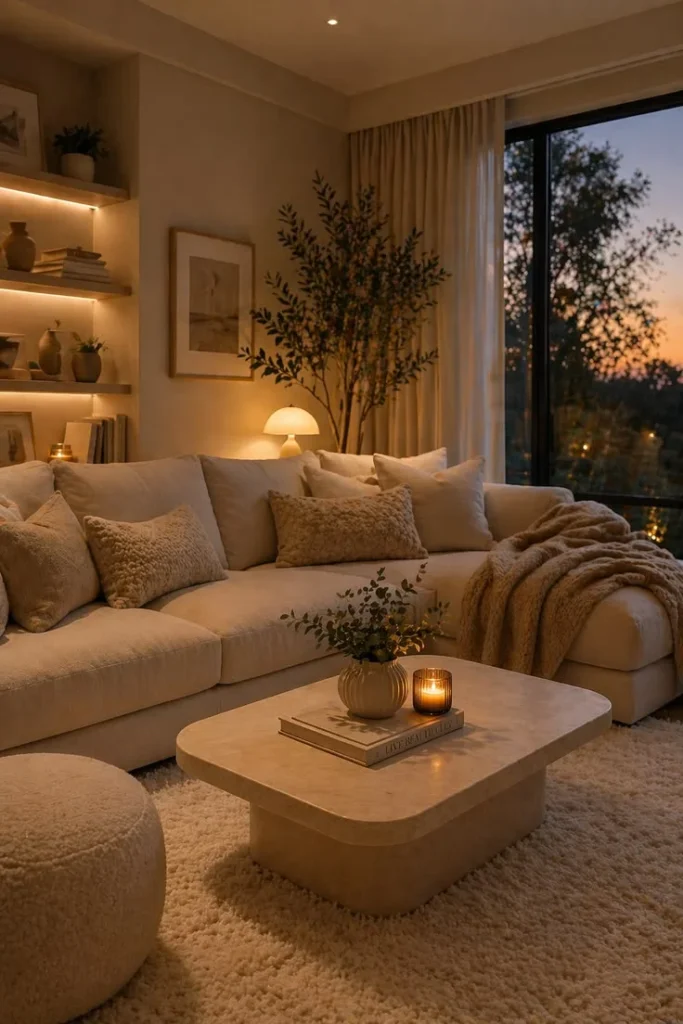
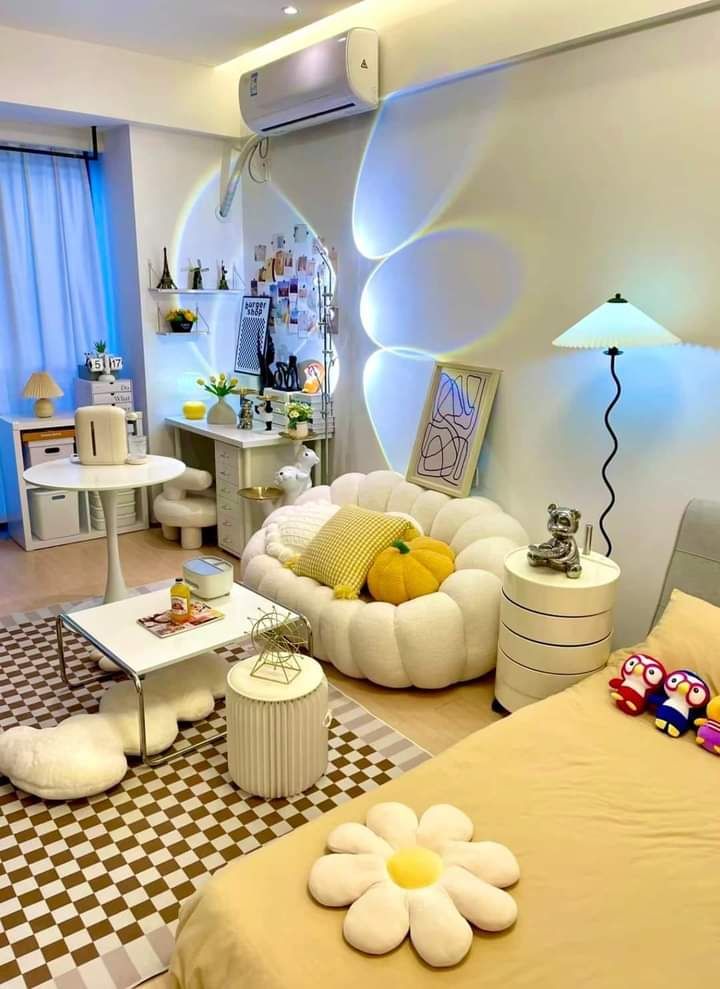
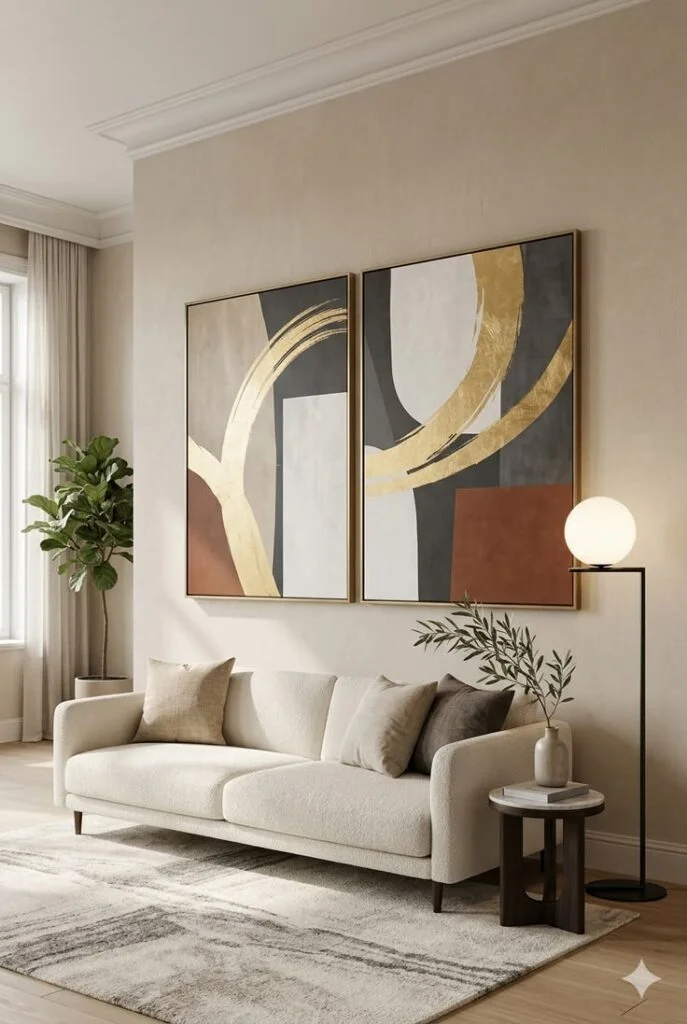
Monochrome styling is a powerful tiny apartment design technique that uses variations of a single color family to create visual harmony. Instead of mixing too many contrasting shades, sticking to one dominant color—such as beige, white, grey, or soft earth tones—creates a smooth and continuous visual flow. This reduces breaks in the design, making the room feel larger and more unified. In small apartments, too many colors can create visual clutter, while a monochrome palette enhances calmness and sophistication. Layering different textures within the same color family adds depth without breaking the spacious illusion. This approach is widely used in luxury minimalist interiors because it creates a clean, high-end, Pinterest-worthy aesthetic that feels intentional and open.
Styling Tips:
- Stick to one color family throughout
- Mix textures like linen, wood, and cotton
- Avoid high-contrast patterns
Why it works: Creates visual continuity + reduces clutter perception
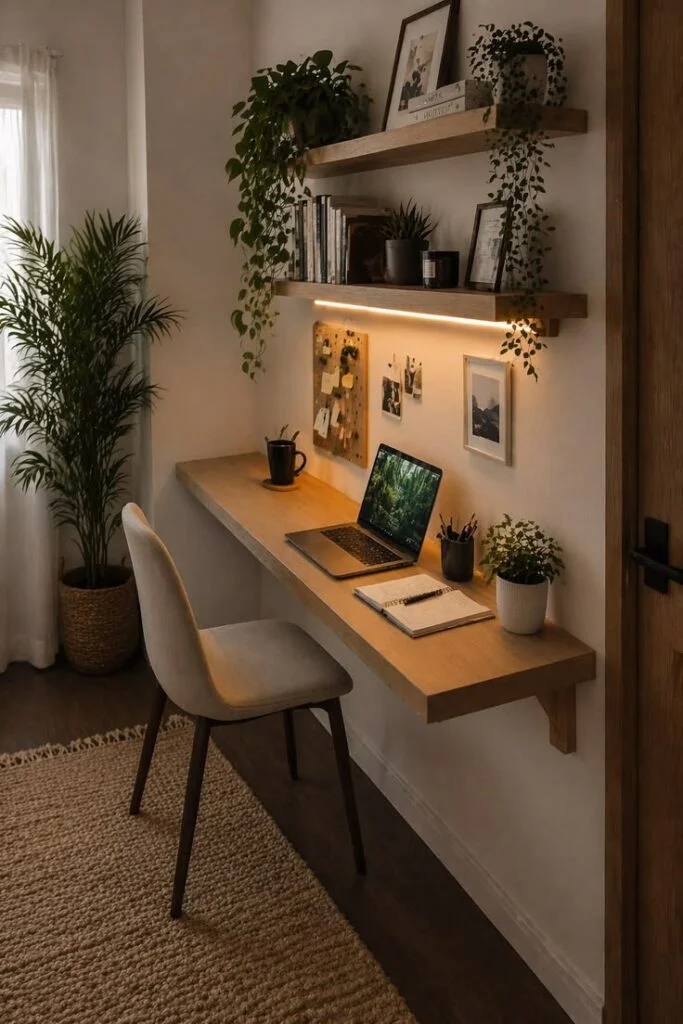
16. Wall-Mounted Desks for a Clutter-Free Work Zone
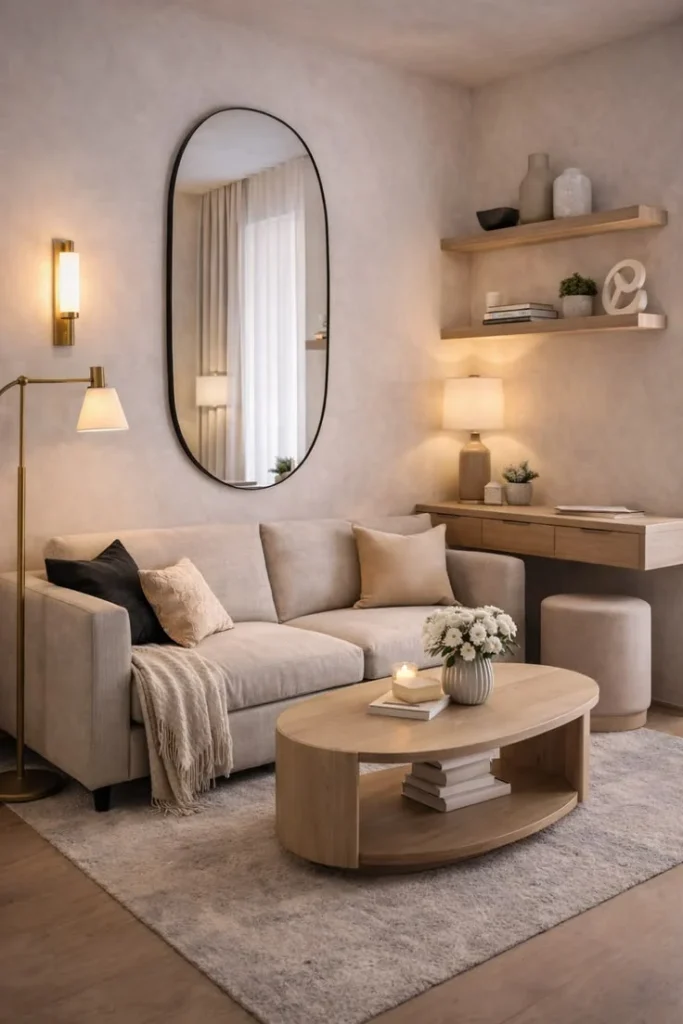
Wall-mounted desks are one of the smartest tiny apartment decor solutions for creating a functional workspace without sacrificing floor area. Instead of using bulky office tables, a floating or foldable wall desk provides a dedicated work zone that disappears visually when not in use. This is especially useful in studio apartments where every corner must serve multiple purposes. When paired with minimal shelving above, it creates a clean vertical workspace that keeps essentials organized without cluttering the floor. The open space underneath the desk improves movement flow and makes the room feel larger. This design is widely used in modern small apartment interiors because it balances productivity with space efficiency, allowing you to work comfortably without overwhelming your living area.
Styling Tips:
- Choose foldable or slim wall desks
- Add floating shelves above for storage
- Keep desktop decor minimal
Why it works: Saves floor space + maintains visual openness
17. Large Rugs That Define and Expand Space
It may sound surprising, but large rugs actually make tiny apartments feel bigger, not smaller. A common mistake is using small rugs that visually cut the floor into sections, making the room feel fragmented and cramped. Instead, a large area rug anchors the entire space and creates a unified visual base. This tricks the eye into seeing one continuous zone, which enhances spaciousness. In open-plan studio apartments, rugs are especially powerful for defining living, dining, and sleeping areas without using walls. Soft textures and neutral tones add warmth while maintaining an airy aesthetic. This technique is widely used in interior design because it brings structure, balance, and comfort without reducing openness.
Styling Tips:
- Choose oversized rugs that fit under furniture
- Stick to light neutral or subtle patterns
- Use same rug tone across open spaces
Why it works: Creates visual unity + reduces fragmented floor zones
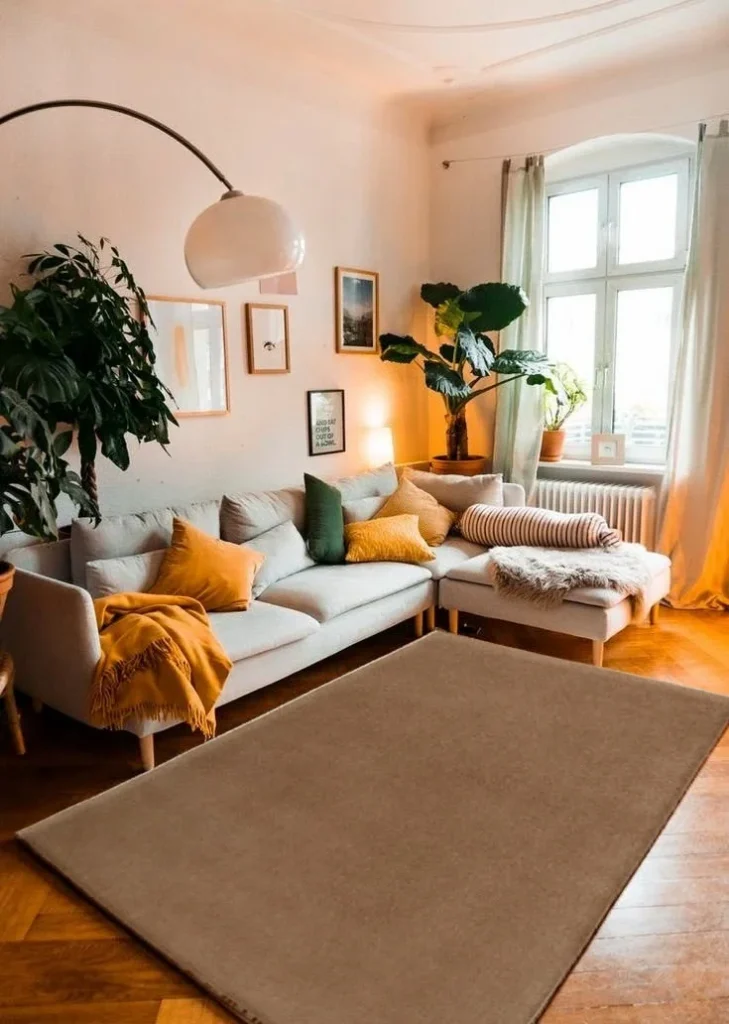
18. Built-In Storage Walls for Seamless Design
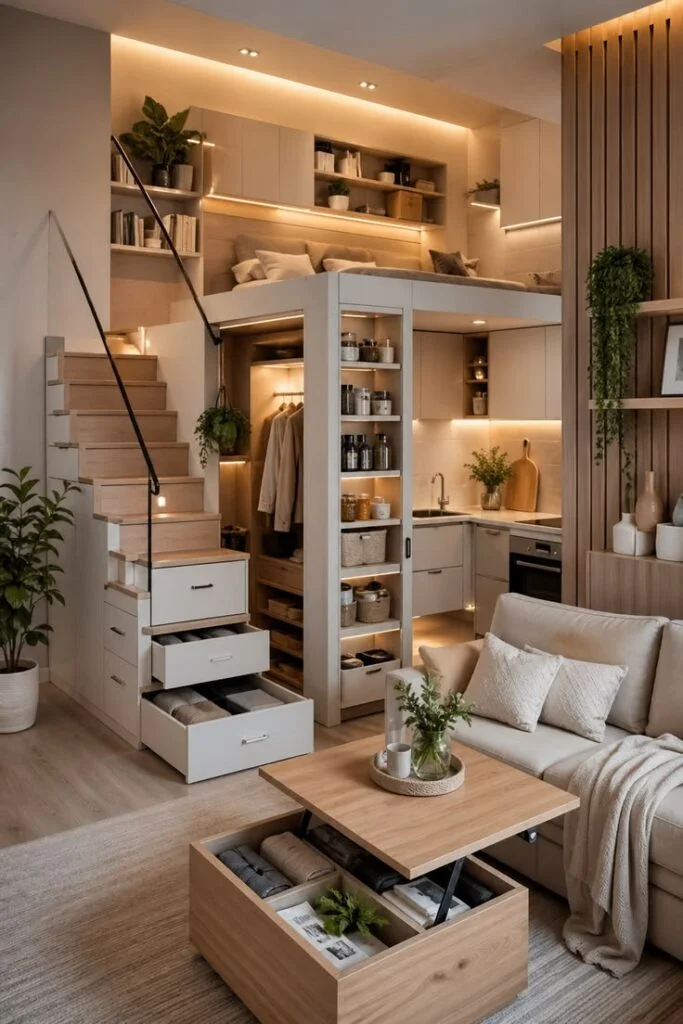
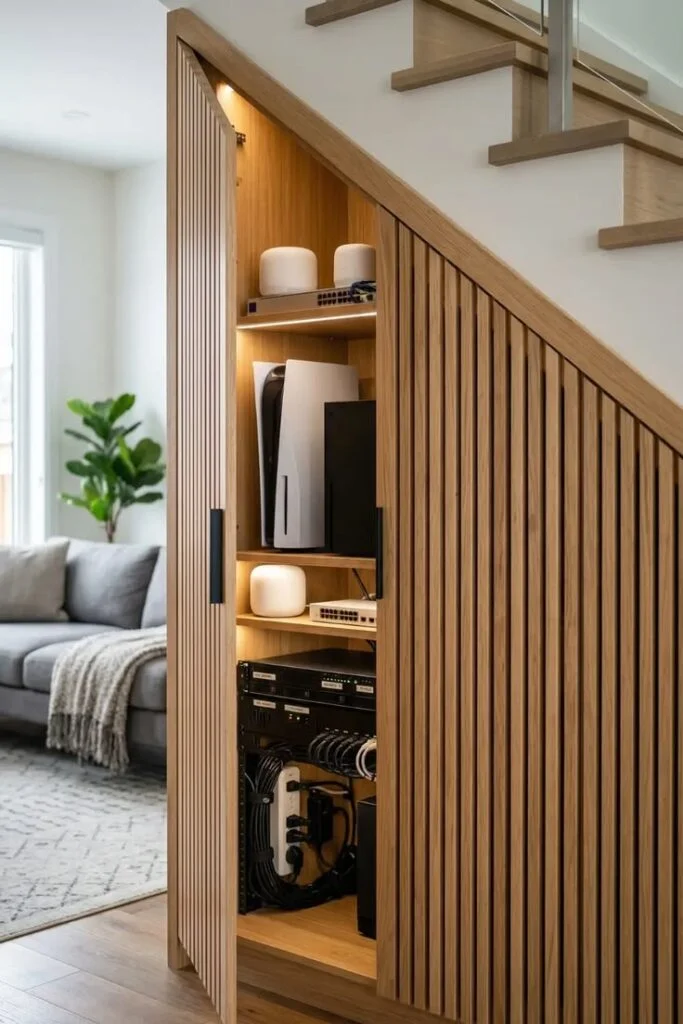
Built-in storage walls are a premium yet highly effective tiny apartment solution for maximizing space while maintaining a clean aesthetic. Instead of scattered cabinets or shelves, a full wall of built-in storage creates a seamless, structured look that blends into the architecture. This design eliminates visual clutter and keeps everything organized behind closed or hidden panels. It is especially useful in bedrooms and living rooms where storage needs are high but space is limited. Built-in units can include wardrobes, bookshelves, and hidden compartments, making the room feel intentional and highly functional. This approach is widely used in luxury compact homes because it creates a sleek, uninterrupted visual flow that enhances spaciousness.
Styling Tips:
- Use handleless cabinet designs
- Match storage color with wall paint
- Combine open + closed storage balance
Why it works: Eliminates clutter + creates seamless wall flow
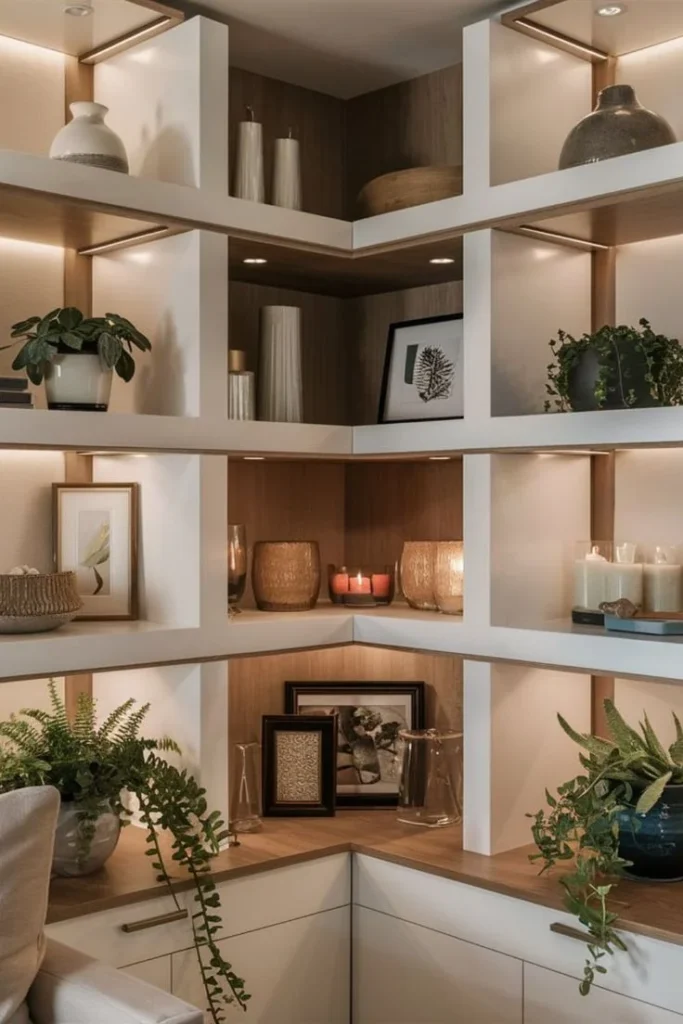
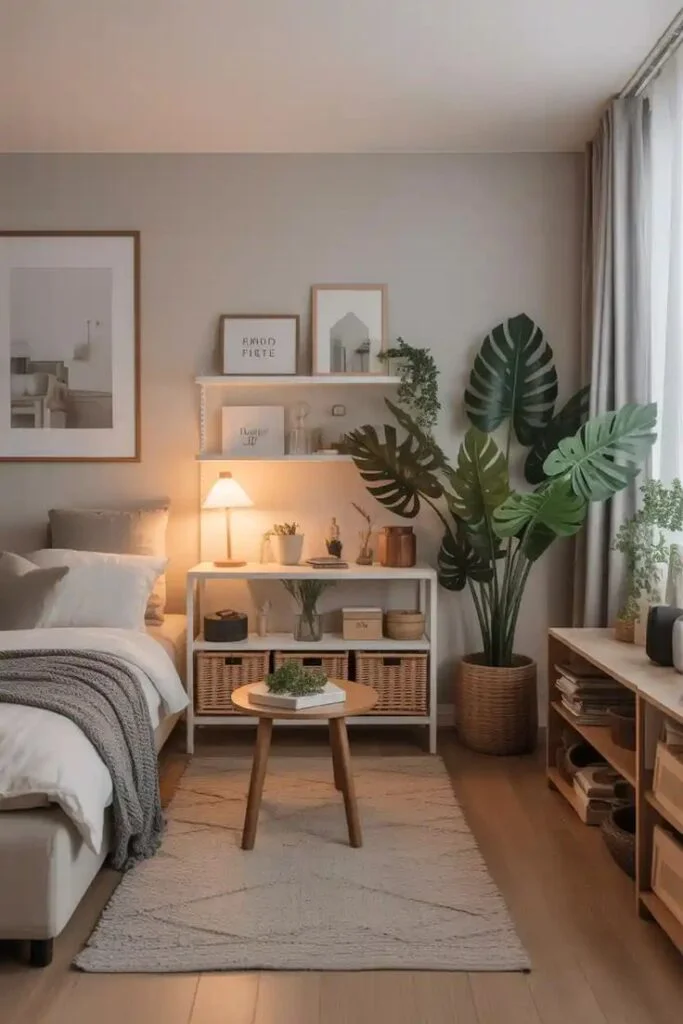
19. Minimal Decor Styling for Breathing Room
Minimal decor styling is essential in tiny apartments because too many decorative items can overwhelm the space. Instead of filling every surface, focus on a few meaningful pieces that allow the room to breathe. This includes a single vase, a small sculpture, or one plant per surface. Empty space is not wasted space—it is what creates openness and calmness in compact interiors. By reducing unnecessary objects, your apartment feels more organized, intentional, and visually larger. Minimal styling also highlights architectural features and furniture instead of hiding them under clutter. This design philosophy is widely used in modern interior styling because it promotes balance, clarity, and a high-end aesthetic.
Styling Tips:
- Decorate with fewer but larger pieces
- Leave surfaces partially empty
- Use natural elements like plants
Why it works: Reduces clutter density + improves visual breathing space
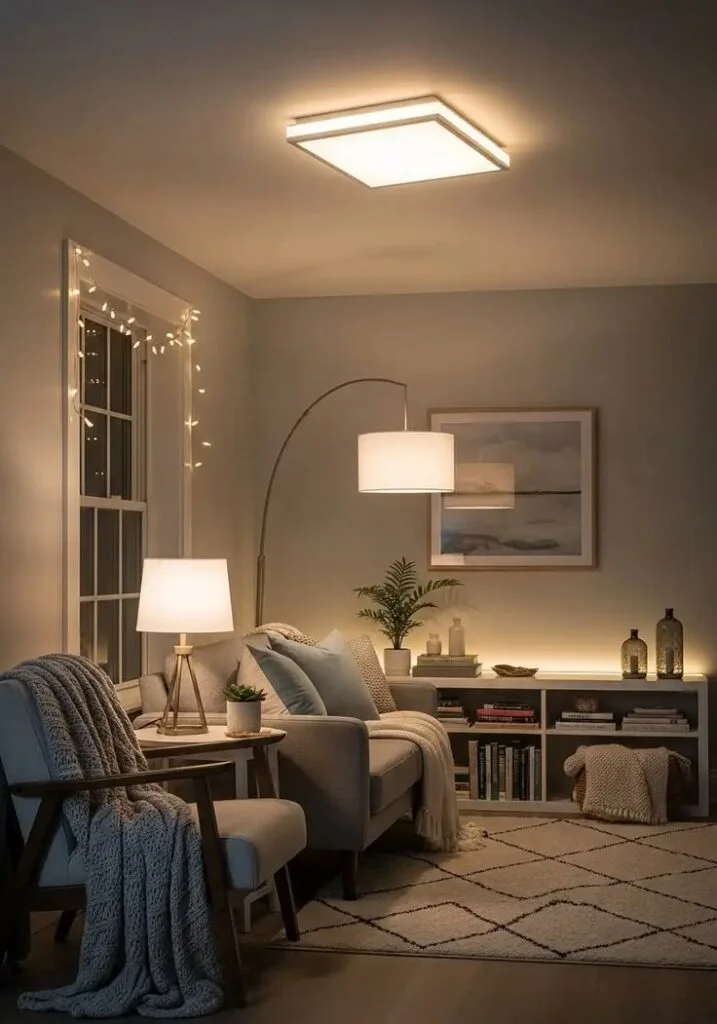
20. Strategic Lighting Corners for Depth Illusion
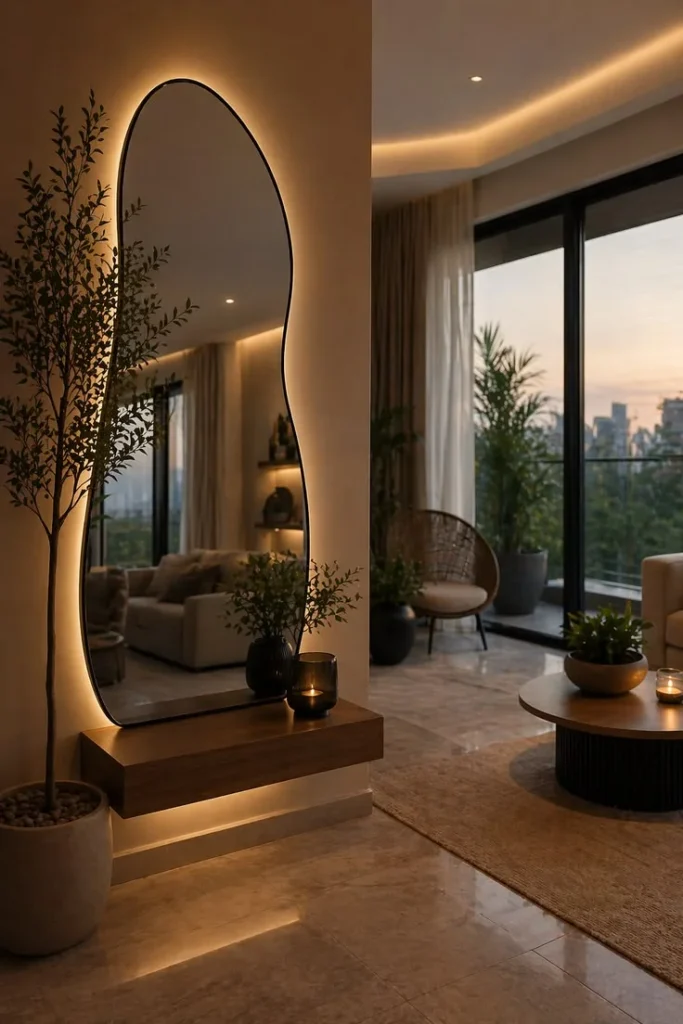
Strategic corner lighting is a powerful tiny apartment decor trick that creates depth and dimension without adding physical objects. By placing soft lighting in corners—such as floor lamps, LED strips, or hidden wall lights—you eliminate dark shadows that make rooms feel smaller. Bright corners visually push walls outward, giving the illusion of a larger footprint. This technique is especially effective in small living rooms and bedrooms where corners often feel unused or empty. When combined with warm lighting tones, it creates a cozy yet expansive atmosphere that enhances both comfort and spaciousness. This method is widely used in modern interior design because it shapes perception rather than structure, making small spaces feel dramatically bigger.
Styling Tips:
- Add floor lamps in dark corners
- Use hidden LED corner strips
- Keep lighting warm and soft
Why it works: Eliminates dark zones + expands visual boundaries
Conclusion:
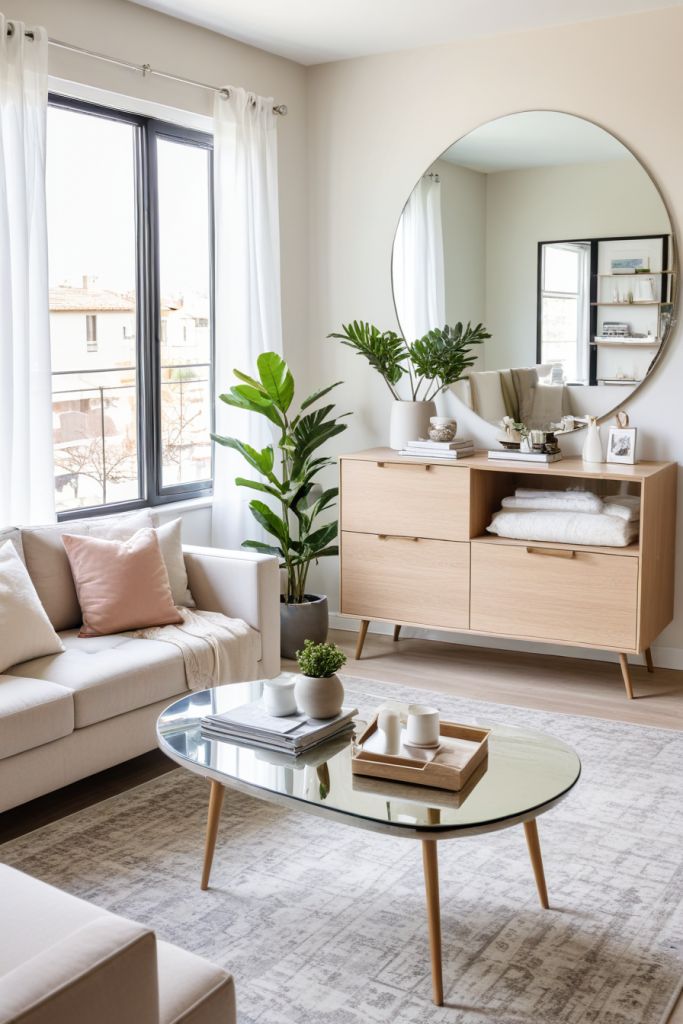
Tiny apartments are not a limitation—they are an opportunity to design smarter, lighter, and more intentionally. When you apply the right decor strategies like mirrors for depth, floating furniture for open floors, vertical storage for unused height, and soft lighting for layered dimension, even the smallest space can feel expansive and luxurious. The key is not filling your apartment with more items, but choosing pieces that work harder, feel lighter, and create visual breathing room.
Spaciousness is not always about square footage—it’s about perception. With the right balance of color, light, storage, and minimal styling, your home can shift from cramped to calming, from cluttered to curated. These 20 tiny apartment decor ideas are designed to help you build a space that feels open, functional, and deeply comfortable every single day.
If you’re ready to transform your apartment, start with just 2–3 ideas and build gradually. Small changes create the biggest visual impact when done intentionally.
Your space can feel bigger—you just have to design it that way.