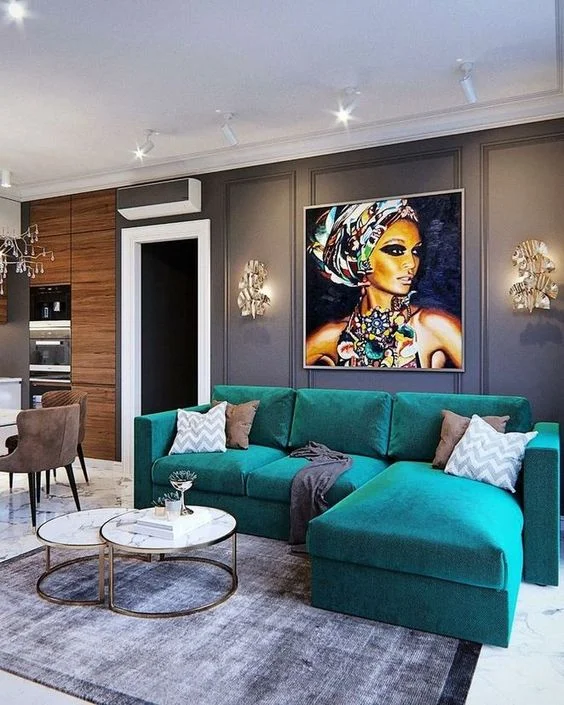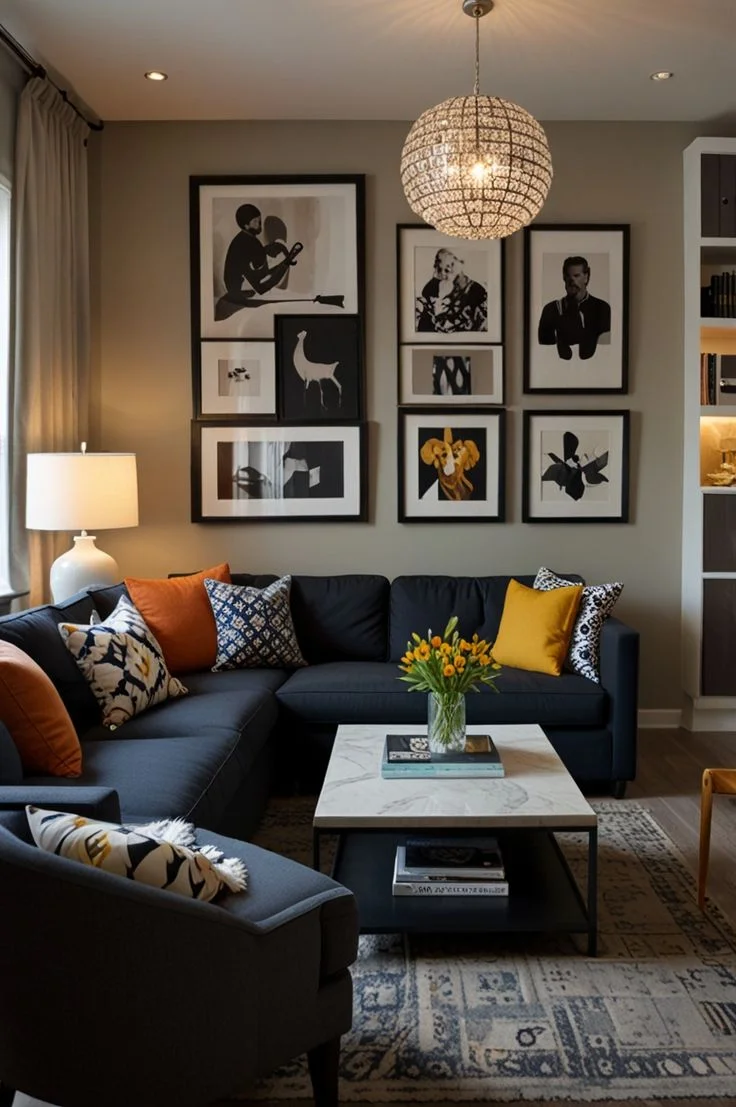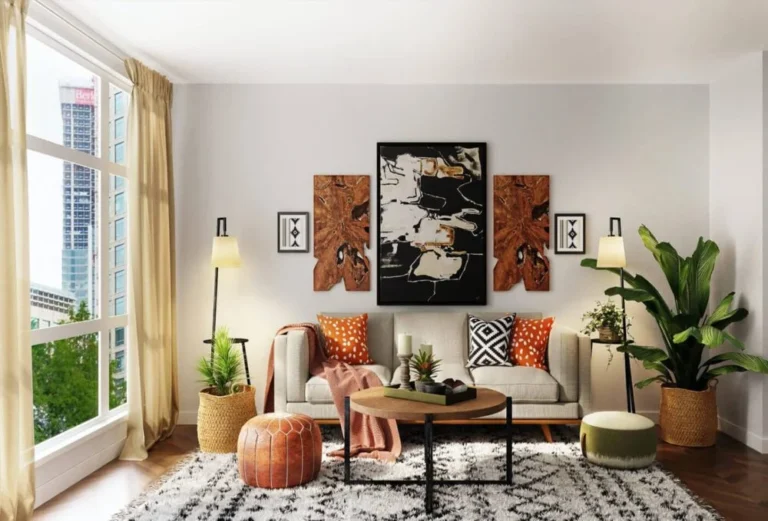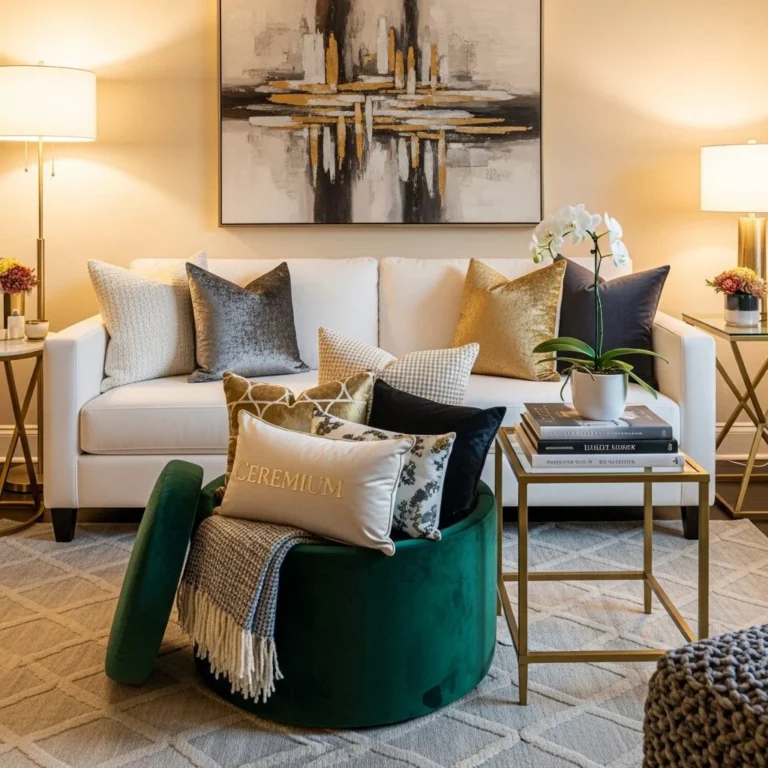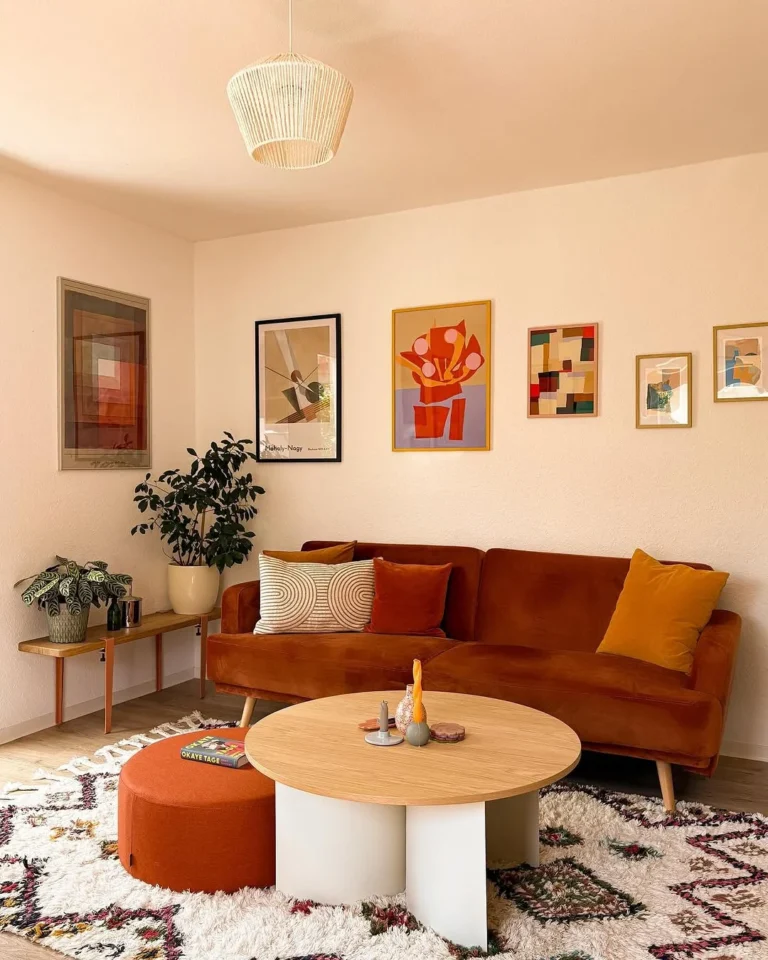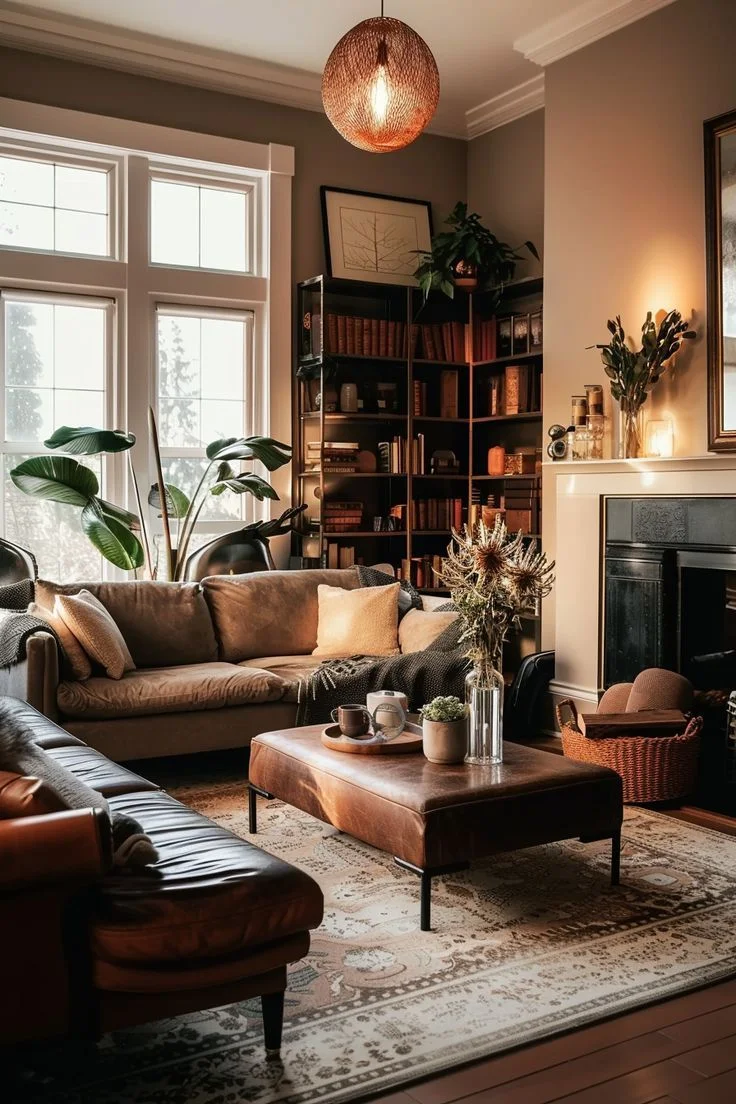
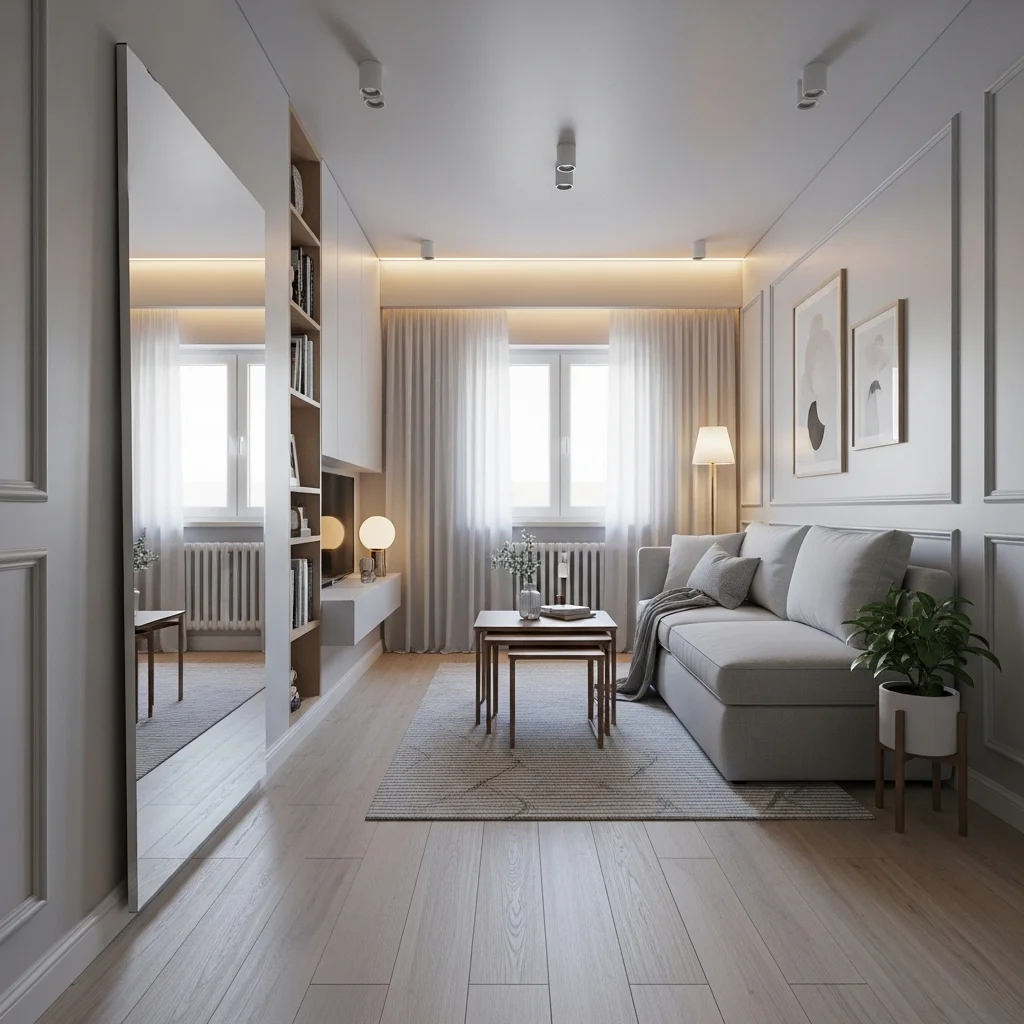
Small living rooms don’t have to feel cramped or cluttered. With the right design tricks, you can make even the tiniest space feel open, airy, and luxurious. From space-saving furniture to clever layouts and optical illusions, these tiny living room ideas that make your space look bigger are perfect for small apartments and cozy homes. Each idea below comes with styling tips, materials, colors, and pro advice so your room feels both functional and Pinterest-worthy. Whether your style is modern, minimalist, or cozy, these tips will help you maximize space, create flow, and instantly expand your living area visually.
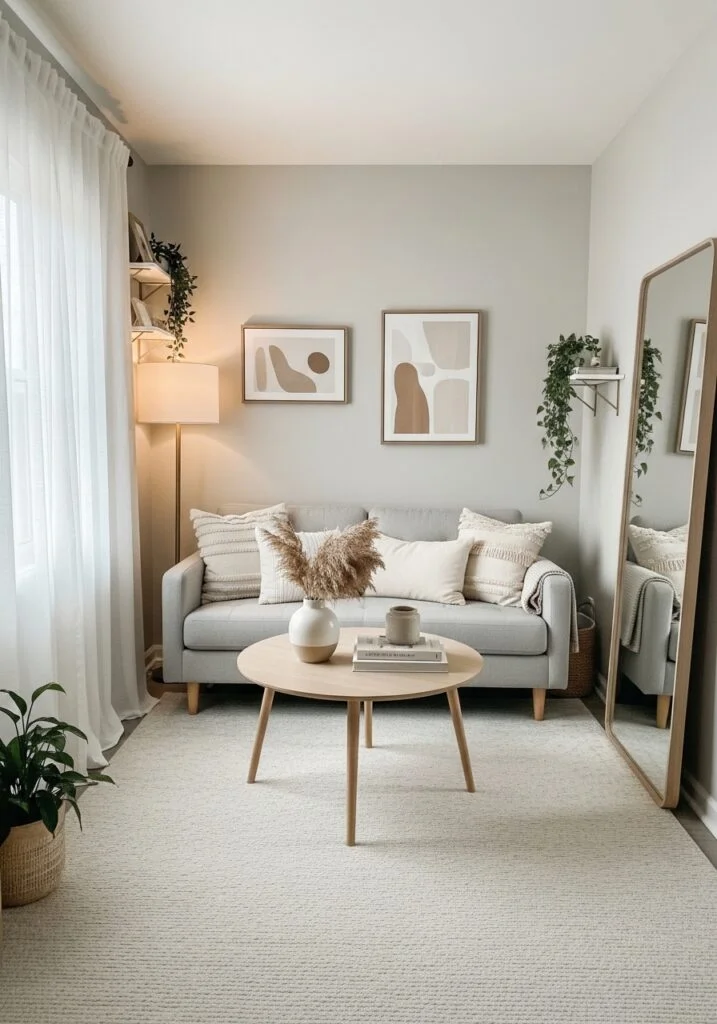
1. Neutral Color Palette Magic
Painting walls in light, neutral shades instantly makes a small living room feel larger. Soft whites, pale grays, or beige reflect natural light, creating openness. Pair with light-colored flooring, minimal window treatments, and subtle decor for a seamless flow. Using a neutral palette for furniture—like linen sofas or pale wooden tables—enhances the illusion of space. Incorporate a few accent colors in pillows or artwork to maintain personality without crowding the eye.
Why it works:
- Light tones reflect light and open the space
- Neutral colors prevent visual clutter
- Creates a calming and airy feel
Styling tips:
- Use whites, creams, or soft grays on walls and furniture
- Add subtle pops of color in small accents
- Match curtains or rugs to the palette for continuity
- Choose lightweight materials like linen or soft wood
2. Mirror Magic for Instant Expansion
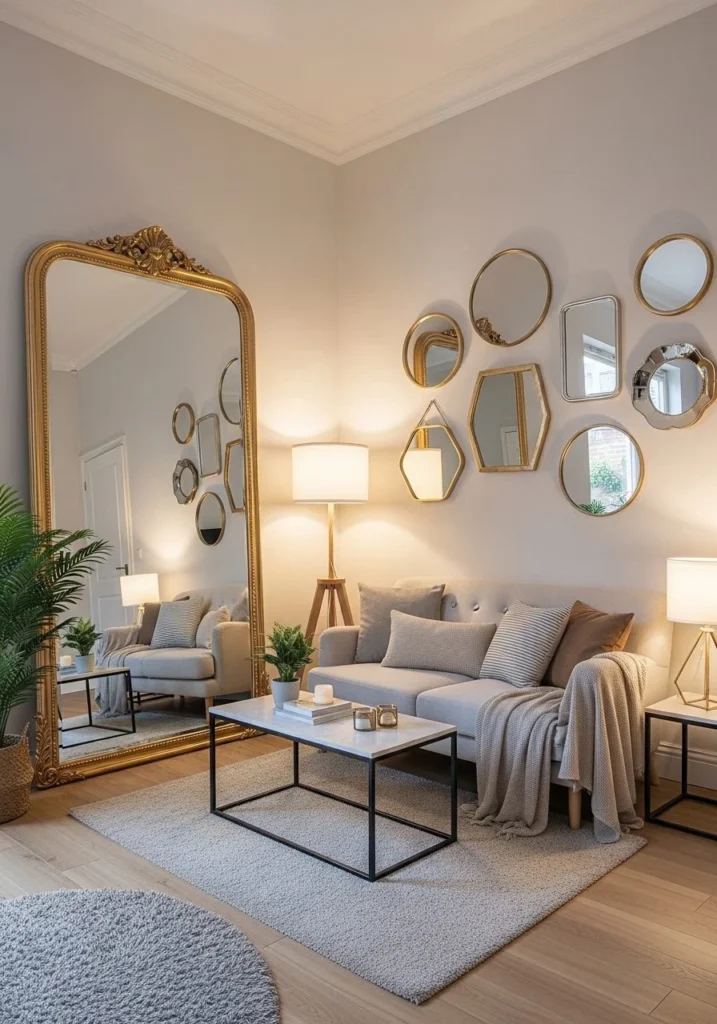
Placing a large mirror on a key wall doubles the visual depth of a tiny living room. Mirrors reflect both natural and artificial light, making the room feel open and airy. Use a floor-to-ceiling mirror if possible or a stylish statement mirror above a sofa. Combine with light-colored furniture and minimal accessories to avoid clutter and maximize the illusion of space.
Why it works:
- Reflects light and surroundings
- Creates an illusion of depth
- Makes small rooms feel spacious instantly
Styling tips:
- Use large or full-length mirrors
- Place opposite windows for maximum effect
- Pair with light-colored furniture
- Avoid heavy, ornate frames that overwhelm
3. Multi-Functional Furniture
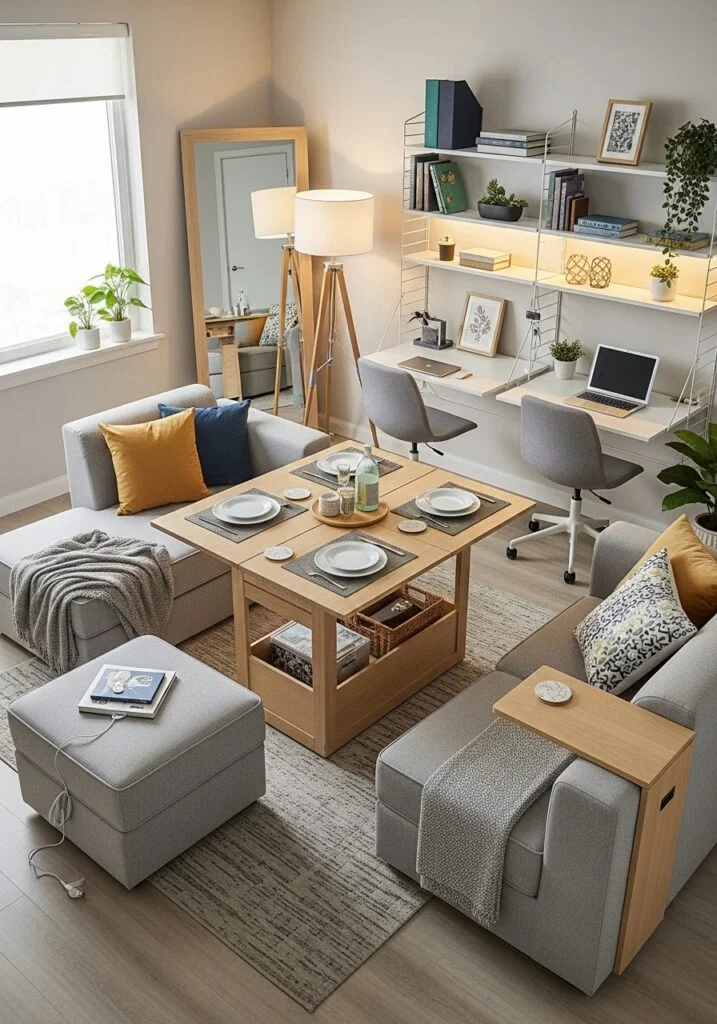
Space-saving furniture for small living rooms, like storage ottomans, foldable tables, or sofa beds, keeps clutter at bay while serving multiple purposes. This works because multifunctional pieces reduce furniture footprint, leaving more open floor space and enhancing flow. Choose light-colored or transparent furniture to maintain a sense of airiness.
Why it works:
- Reduces furniture footprint
- Adds storage without bulk
- Improves movement and openness
Styling tips:
- Use ottomans with hidden storage
- Choose nesting or foldable tables
- Opt for light wood or acrylic materials
- Keep decor minimal to highlight functionality
4. Floating Furniture
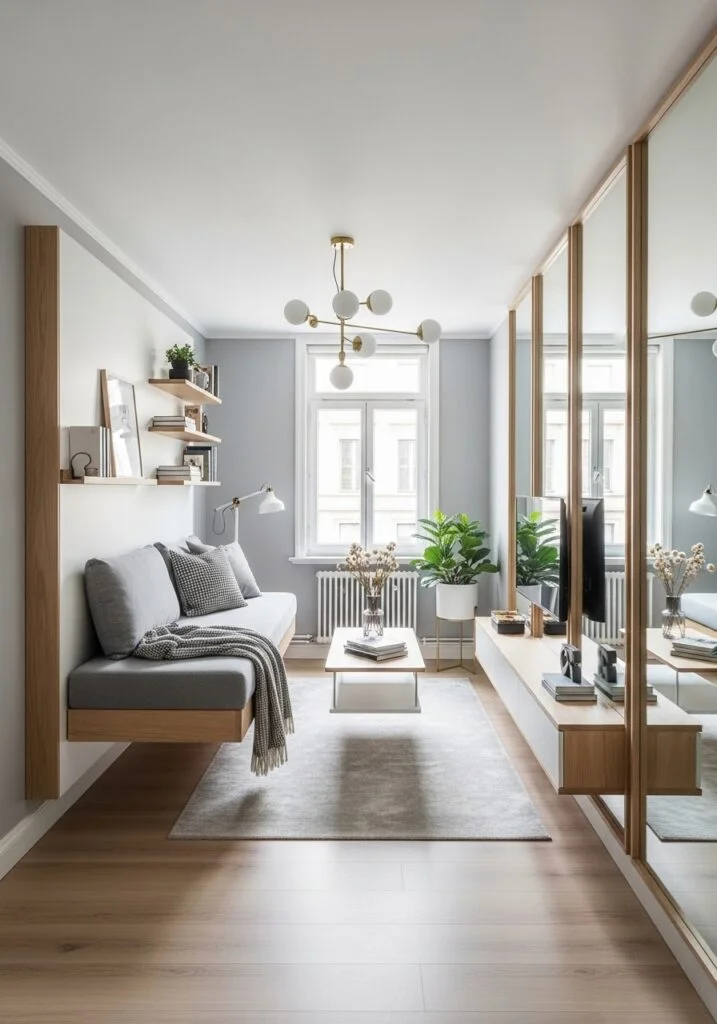
Maximize your home’s potential with floating furniture, the ultimate design hack for small room ideas and minimalist home decor. By utilizing wall-mounted desks, sleek shelving, and elevated consoles, you effectively reclaim valuable floor real estate, creating an airy, unobstructed flow that makes any compact space feel significantly larger. This space-saving furniture strategy visually expands your square footage by drawing the eye upward, fostering a sophisticated and modern aesthetic. To achieve the best interior design results, prioritize slim profiles and curated styling; avoiding clutter on your surfaces ensures the “floating” effect remains crisp and intentional. Whether you are upgrading a home office or a tiny living area, integrating floating shelves and wall-attached units is a proven way to enhance functionality without sacrificing style, providing a clean, open atmosphere that breathes life into your environment.
Why it works:
- Opens floor space
- Creates airy, minimal vibes
- Draws attention upward for height
Styling tips:
- Use wall-mounted shelves or cabinets
- Pair with floating TV stands
- Select slim, light-toned wood or painted MDF
- Display only 3–4 curated items per shelf
5. Glass and Acrylic Pieces
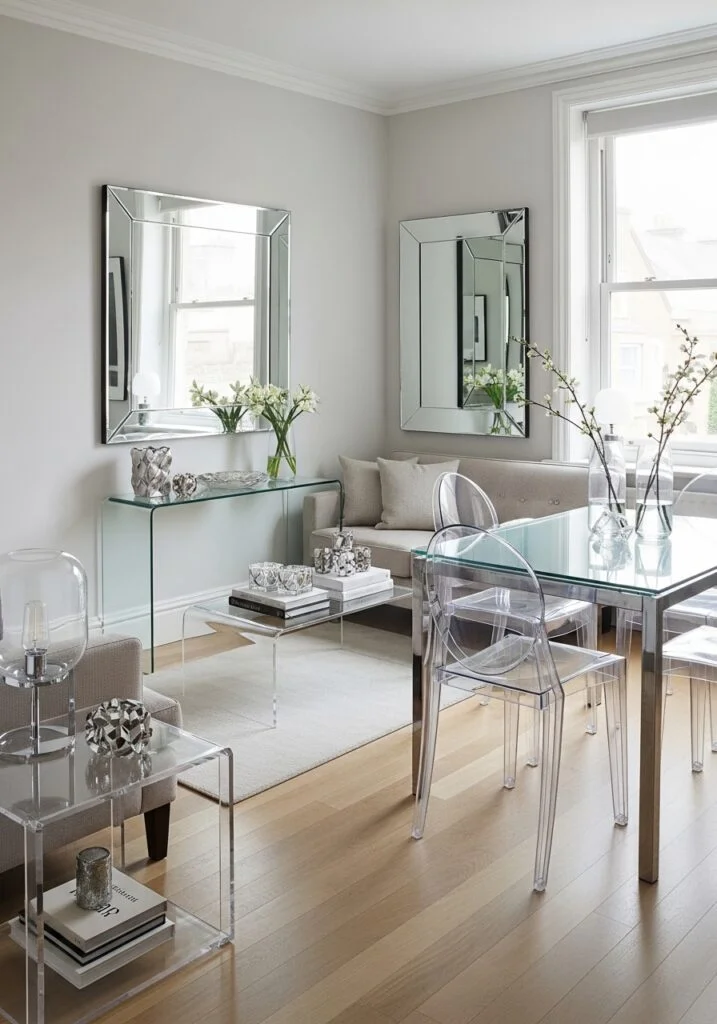
Elevate your small space interior design by incorporating glass and acrylic furniture, a savvy tactic for reducing “visual noise” in compact areas. Utilizing transparent coffee tables or ghost chairs allows light to pass through seamlessly, preventing the room from feeling cramped or boxed in. Because these clear furniture pieces lack physical “weight” in your line of sight, they maintain an open, airy flow while providing essential functionality. To master this modern minimalist aesthetic, pair your acrylic accents with neutral rugs and light-toned upholstery; this creates a cohesive, high-end look that prioritizes transparency. Whether you’re searching for apartment living room ideas or ways to brighten a dark corner, investing in see-through materials is a brilliant way to maximize perceived square footage without sacrificing your personal style.
Why it works:
- Transparent materials create visual openness
- Reduces perceived clutter
- Enhances natural light flow
Styling tips:
- Use acrylic chairs or coffee tables
- Pair with neutral-toned furniture
- Keep accessories minimal
- Add reflective decor like metallic vases
6. Vertical Storage Solutions
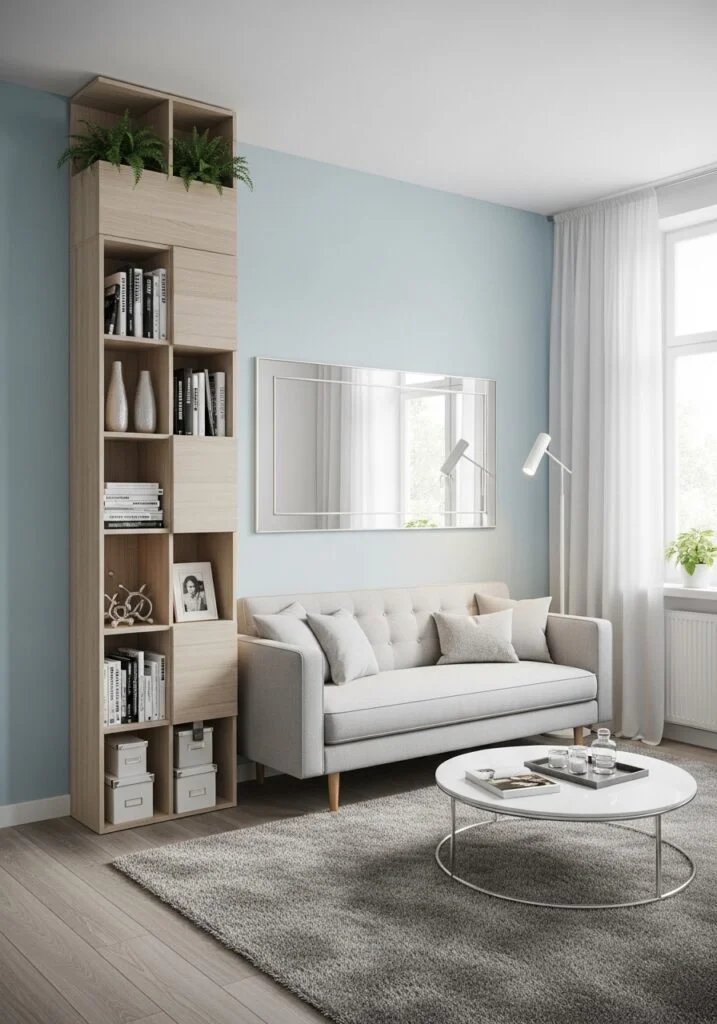
Transform your home with vertical storage solutions, a powerful small space organization strategy designed to maximize utility while drawing the eye upward. By utilizing tall bookshelves and slender floor-to-ceiling cabinets, you emphasize verticality, which effectively creates the illusion of higher ceilings and a more expansive atmosphere. This space-saving design approach allows you to increase your storage capacity without encroaching on essential floor area, keeping your living environment feeling open and organized. For the best modern interior design results, choose units in light-toned finishes or natural woods to maintain a bright, airy feel. To ensure your vertical shelving remains a stylish focal point rather than a source of clutter, curate your displays thoughtfully and avoid overfilling. Embracing height is a brilliant way to achieve a high-impact, minimalist aesthetic that turns even the most compact room into a functional and sophisticated sanctuary.
Why it works:
- Maximizes vertical space
- Makes ceilings appear higher
- Keeps floor area free
Styling tips:
- Use slim, tall shelving units
- Keep decor minimal and balanced
- Paint shelves in neutral tones
- Mix books, plants, and small decor
7. Strategic Rug Placement
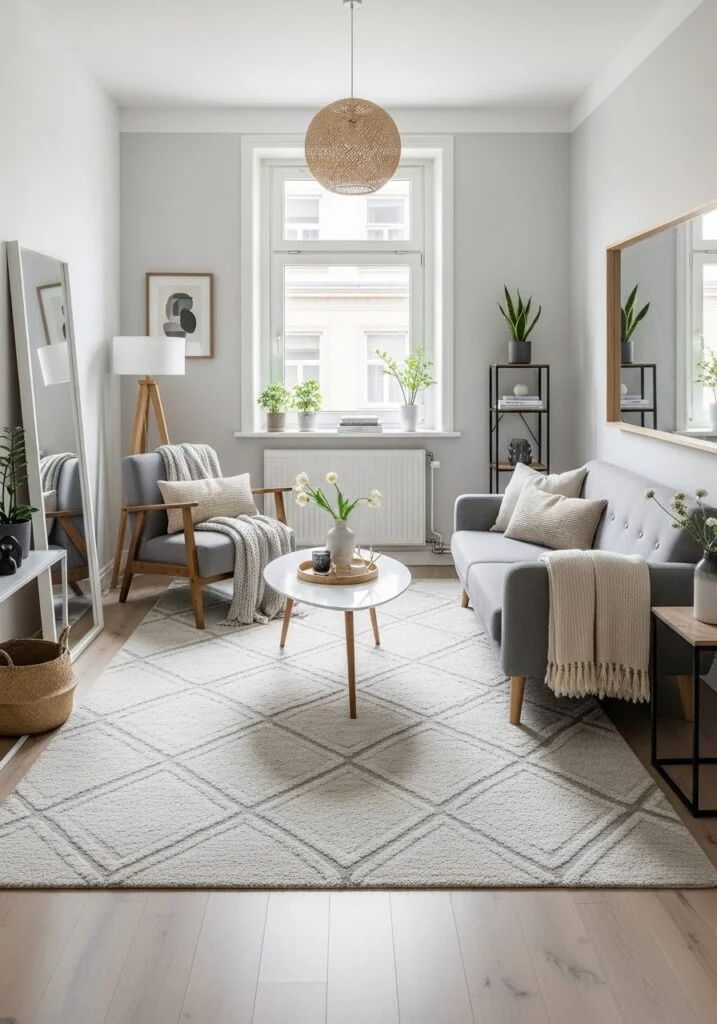
Master your small living room layout by implementing strategic rug placement, a foundational technique for defining and expanding your home. Selecting a large area rug instead of multiple small mats prevents the floor from looking fragmented, creating a seamless sense of flow that visually enlarges the entire space. To maximize this effect, opt for light-colored rugs or soft, subtle patterns that reflect natural light and extend the perceived square footage of your room. For a professional, cohesive look, ensure all major furniture legs rest on the rug; this “anchoring” method unifies your seating area and creates a structured, organized aesthetic. Using high-quality, neutral area rugs not only adds a layer of comfort but also acts as a sophisticated backdrop for minimalist home decor, making your compact living area feel intentional, spacious, and expertly designed.
Why it works:
- Creates visual continuity
- Defines space without crowding
- Makes room feel larger
Styling tips:
- Choose light, neutral rugs
- Place furniture legs partially on the rug
- Use subtle patterns to elongate the room
- Opt for thin, low-pile rugs
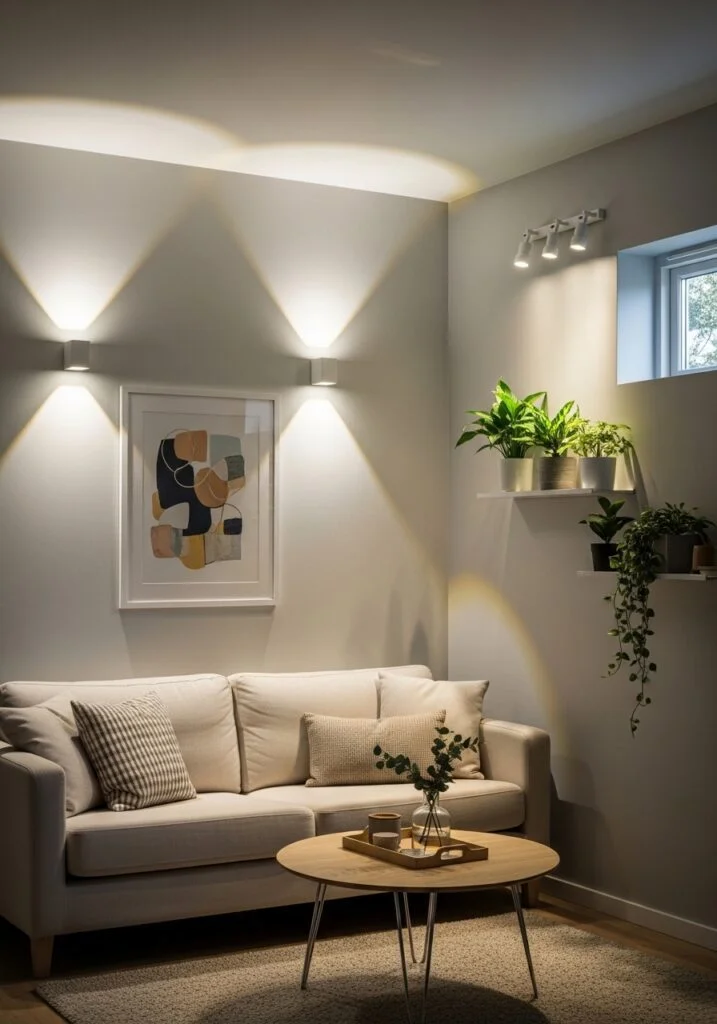
8. Use of Wall-Mounted Lighting
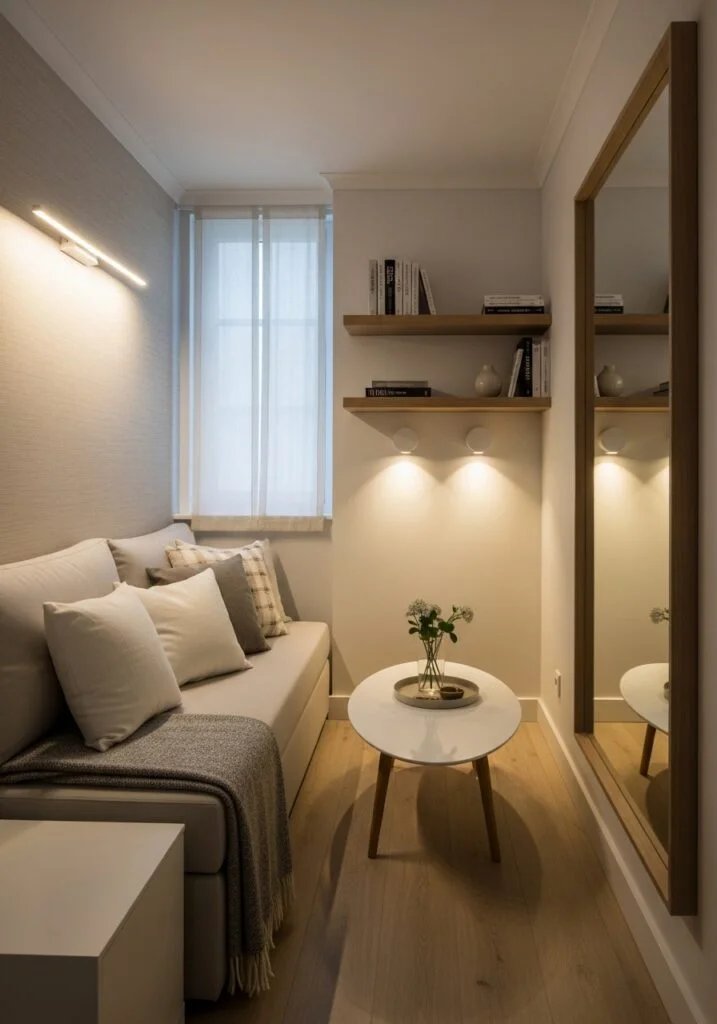
Optimize your small room lighting by installing wall-mounted sconces and swing-arm lamps, an essential design move for reclaiming floor and surface real estate. By eliminating the need for bulky floor lamps or oversized end tables, wall lighting keeps your layout streamlined and clutter-free. These vertical light sources are highly effective because they draw the eye upward, significantly enhancing the perception of ceiling height and architectural volume. To achieve a professional modern interior design, pair these fixtures with light-colored walls to maximize light bounce and create a bright, airy atmosphere. Utilizing space-saving lighting not only provides targeted task illumination but also serves as a stylish, minimalist accent that frees up your living area. Whether you are updating a bedroom or a narrow hallway, wall-mounted lamps offer a sophisticated way to brighten your home while maintaining a clean, open, and expansive fee
Why it works:
- Opens floor space
- Draws eye upward
- Enhances room brightness
Styling tips:
- Use slim, modern sconces
- Pair with light walls
- Position strategically for task or accent lighting
- Avoid oversized lamps
9. Reflective Surfaces
Revolutionize your small room ideas by incorporating reflective surfaces, a classic “smoke and mirrors” technique used by professionals to instantly double perceived square footage. By strategically placing large wall mirrors opposite windows, you bounce natural light deep into the room, creating an illuminated, breezy atmosphere that masks tight corners. Integrating metallic decor accents or glossy furniture further enhances this effect, as these high-shine finishes trick the eye into seeing depth where there is none. To master this modern minimalist aesthetic, balance these bright elements with neutral wall tones and soft, matte furnishings; this prevents harsh glare while maintaining a sophisticated glow. Whether you are using a statement mirror as a focal point or subtle chrome details, leveraging reflective interior design is a brilliant way to add “sparkle” and airiness to your home, making even the most compact layout feel open, luxurious, and intentionally spacious.
Why it works:
- Reflects light for openness
- Adds depth and dimension
- Enhances modern aesthetic
Styling tips:
- Add mirrored coffee tables or side tables
- Use metallic vases or decor
- Keep reflective pieces balanced
- Pair with soft neutral tones
10. Foldable or Extendable Furniture
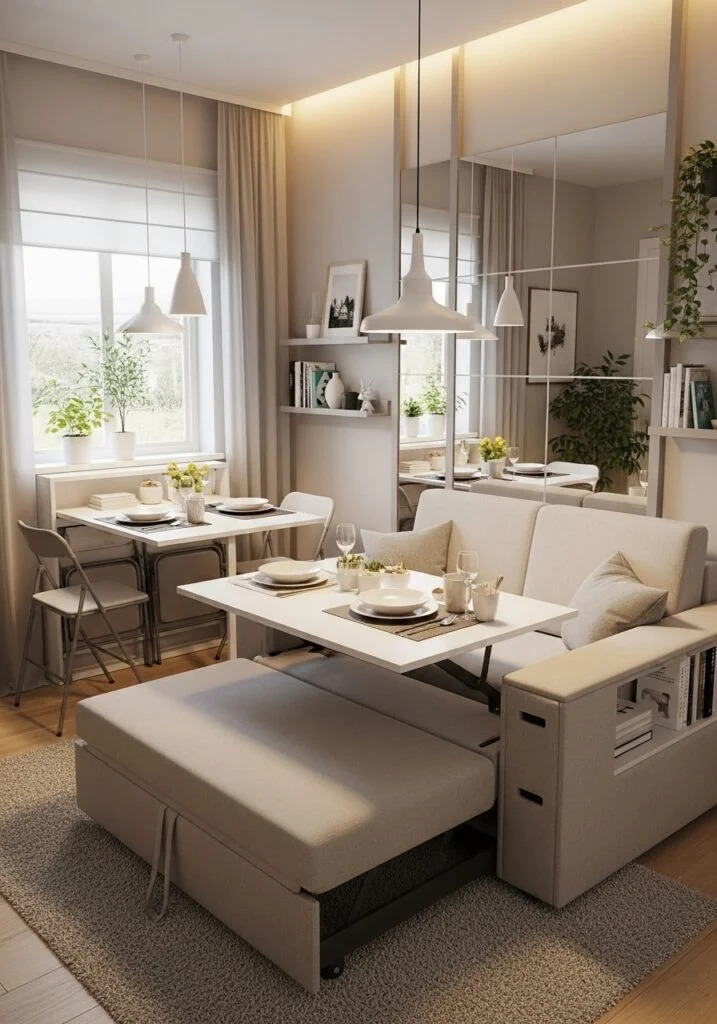
Maximize your home’s versatility with foldable and extendable furniture, the gold standard for flexible small space living. By integrating drop-leaf tables, nesting chairs, or convertible sofas, you create a high-functioning environment that adapts to guests without permanently sacrificing precious square footage. These multi-functional furniture pieces are essential for modern apartment design, allowing you to transition from a cozy personal sanctuary to a social hub in seconds. To maintain a “barely there” look, prioritize light wood grains or acrylic finishes, which prevent the room from feeling weighed down by heavy textures. This space-saving furniture strategy ensures your layout remains fluid and open, providing a tailored solution for those who refuse to choose between hosting and a clutter-free lifestyle. Whether you’re hunting for tiny home ideas or office-to-guest-room hacks, choosing adaptable pieces is a brilliant way to ensure your living area feels expansive and intentionally organized.
Why it works:
- Flexible space usage
- Reduces furniture footprint
- Keeps room airy and functional
Styling tips:
- Use foldable chairs or extendable tables
- Keep furniture light-toned
- Limit decor on expandable surfaces
- Combine with minimal accessories
11. Light and Airy Curtains
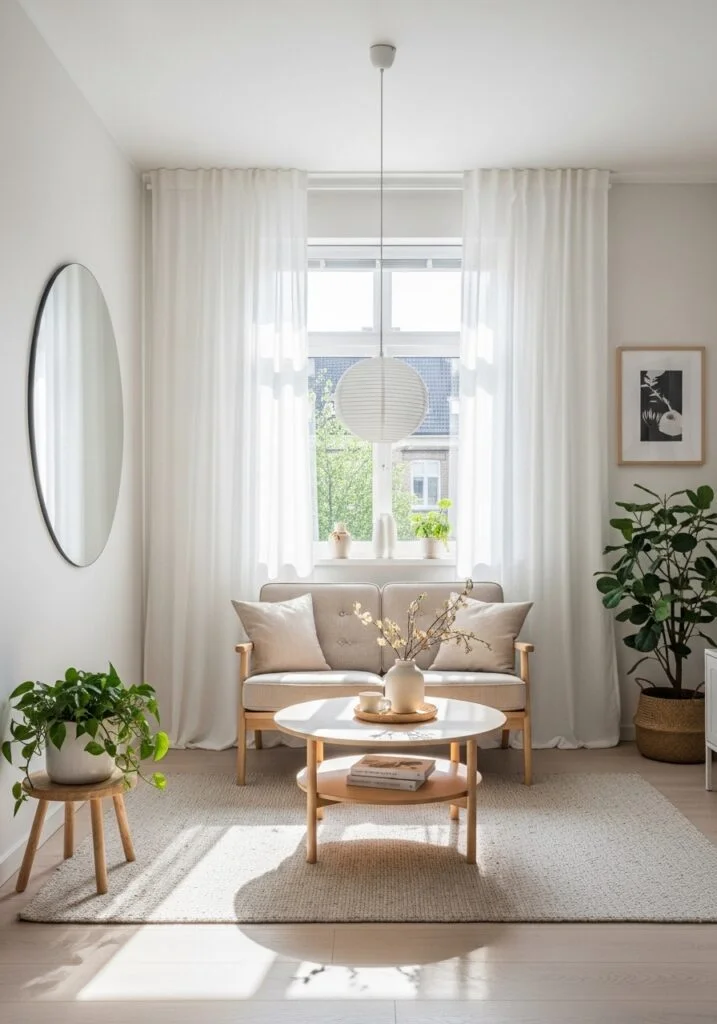
Transform your space with light and airy curtains, a simple yet transformative small room window treatment that maximizes natural illumination. By opting for sheer fabrics or light-colored linens, you allow soft sunlight to permeate the room, instantly dissolving shadows and creating a breezy, expansive atmosphere. To master this interior design hack, hang your curtain rods close to the ceiling and let the fabric sweep the floor; this vertical line draws the eye upward, effectively elongating your walls and creating the illusion of soaring height. When paired with neutral paint tones and minimalist decor, these window coverings act as a seamless extension of the space rather than a visual barrier. Whether you’re searching for apartment decorating ideas or ways to brighten a dim area, choosing lightweight, floor-to-ceiling drapes is a sophisticated way to achieve a high-end, “breathable” aesthetic that makes your living area feel significantly larger and more inviting.
Why it works:
- Lets natural light brighten the room
- Draws eye upward, elongating walls
- Keeps space feeling open and airy
Styling tips:
- Use floor-to-ceiling sheer curtains
- Stick to whites, creams, or pale gray
- Keep curtain rods slim and minimal
- Avoid heavy, dark drapes
12. Wall-Mounted TV Units
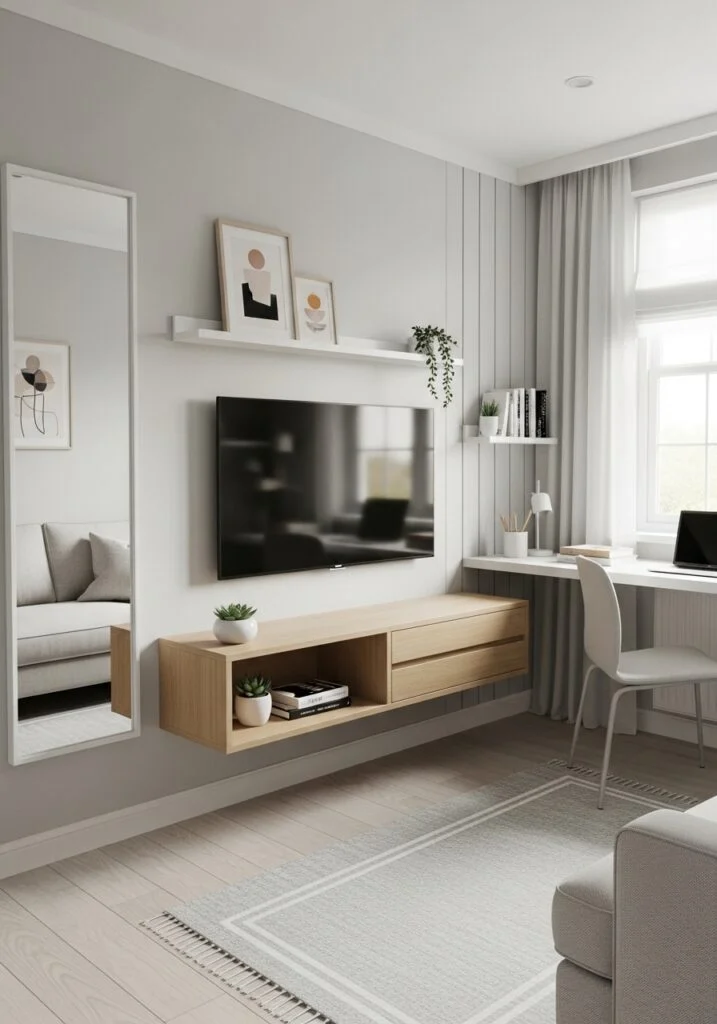
Streamline your home entertainment setup by installing a wall-mounted TV, a premier small living room idea that instantly recovers valuable floor real estate. By ditching bulky, traditional media consoles, you eliminate visual clutter and open up the room’s footprint, creating a sleek, modern minimalist aesthetic. To maximize both style and utility, pair your screen with floating shelves for a weightless storage solution that keeps essentials organized without grounding the room. Opting for light-toned woods or crisp white finishes ensures your media wall blends seamlessly into the architecture, maintaining a bright and airy flow. This space-saving design tactic not only improves viewing angles but also draws the eye upward, making your living area feel significantly more expansive. Whether you’re refining a tiny apartment or a cozy den, a wall-attached unit is a sophisticated way to achieve high-end interior design while keeping your environment feeling open, clean, and perfectly curated.
Why it works:
- Frees up floor space
- Reduces visual clutter
- Creates modern, sleek aesthetic
Styling tips:
- Pair with floating shelves for small decor
- Use neutral or light wood finishes
- Hide wires with cord covers
- Keep surrounding walls minimal
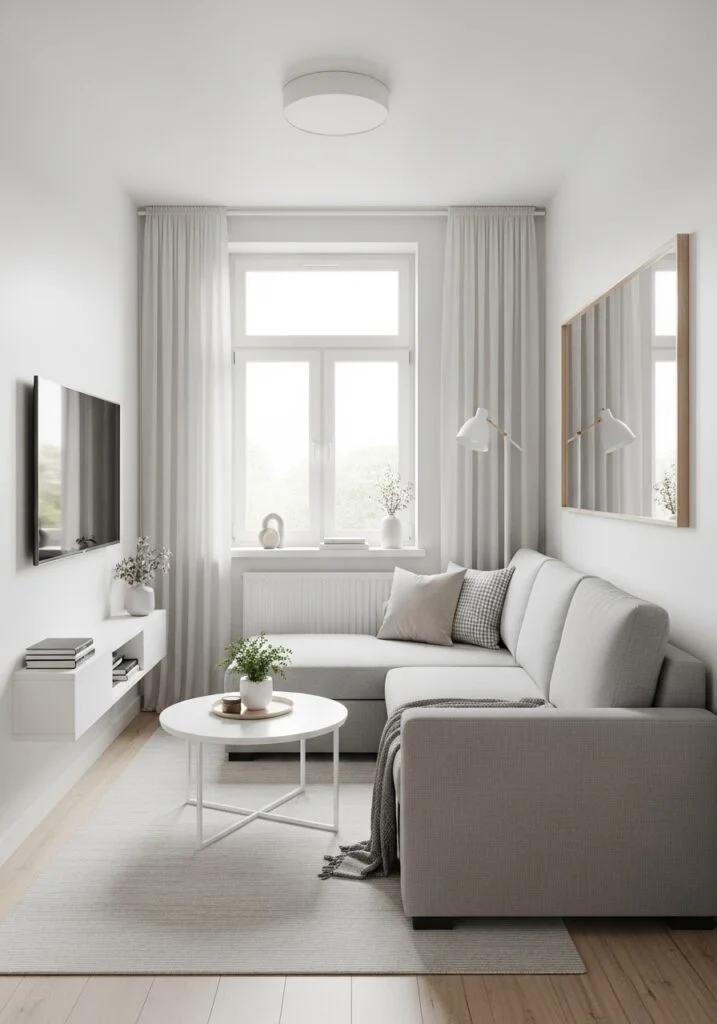
13. Compact Sectionals
Optimize your small living room layout with a compact sectional, the perfect seating solution for defining your space without overwhelming the floor plan. Unlike bulky traditional sofas, a small L-shaped sectional fits snugly into corners, effectively maximizing your open floor area while providing ample seating for guests. To maintain a modern minimalist aesthetic, choose light-colored fabrics or neutral upholstery that reflects natural light, ensuring the furniture feels integrated rather than intrusive. Incorporating dual-purpose furniture, such as a storage ottoman, adds extra functionality and keeps clutter out of sight. This space-saving interior design strategy anchors your room, creating a cozy yet organized atmosphere that feels curated and expansive. Whether you’re searching for apartment furniture ideas or ways to streamline a cozy den, a well-placed, low-profile sectional is a brilliant way to achieve high-end comfort while preserving a bright, airy, and sophisticated environment.
Why it works:
- Defines seating area
- Maximizes floor space
- Provides multi-use functionality
Styling tips:
- Use neutral, light upholstery
- Add a small throw or pillow for comfort
- Include storage ottoman for practicality
- Keep surrounding space uncluttered
14. Open-Back Furniture
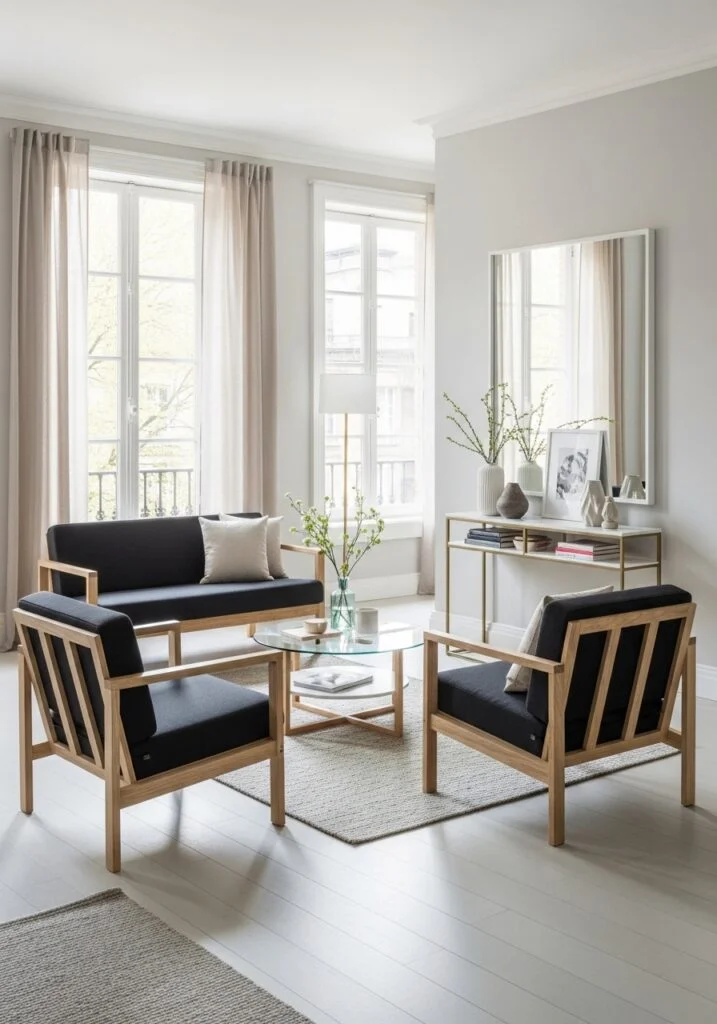
Enhance your small space interior design with open-back furniture, a sophisticated technique for maintaining clear sightlines and a seamless room flow. By incorporating open shelving units or spindle-back chairs, you eliminate heavy “visual blocks,” allowing the eye to travel through the piece rather than stopping at its surface. This modern minimalist aesthetic is highly effective because it provides essential storage and seating without the feeling of confinement associated with solid, bulky furniture. To master this space-saving design, prioritize slim frames and airy silhouettes that prioritize “negative space,” keeping your layout feeling light and unburdened. Whether you are searching for apartment decorating ideas or functional minimalist decor, choosing furniture with an open framework is a brilliant way to reduce visual weight while maximizing utility, ensuring your living area remains bright, breathable, and expertly organized.
Why it works:
- Maintains openness
- Reduces visual weight
- Enhances airflow and sightlines
Styling tips:
- Use open-back bookshelves or armchairs
- Pair with neutral or light wood
- Keep decor minimal to prevent clutter
- Balance open and closed storage
15. Monochrome Decor
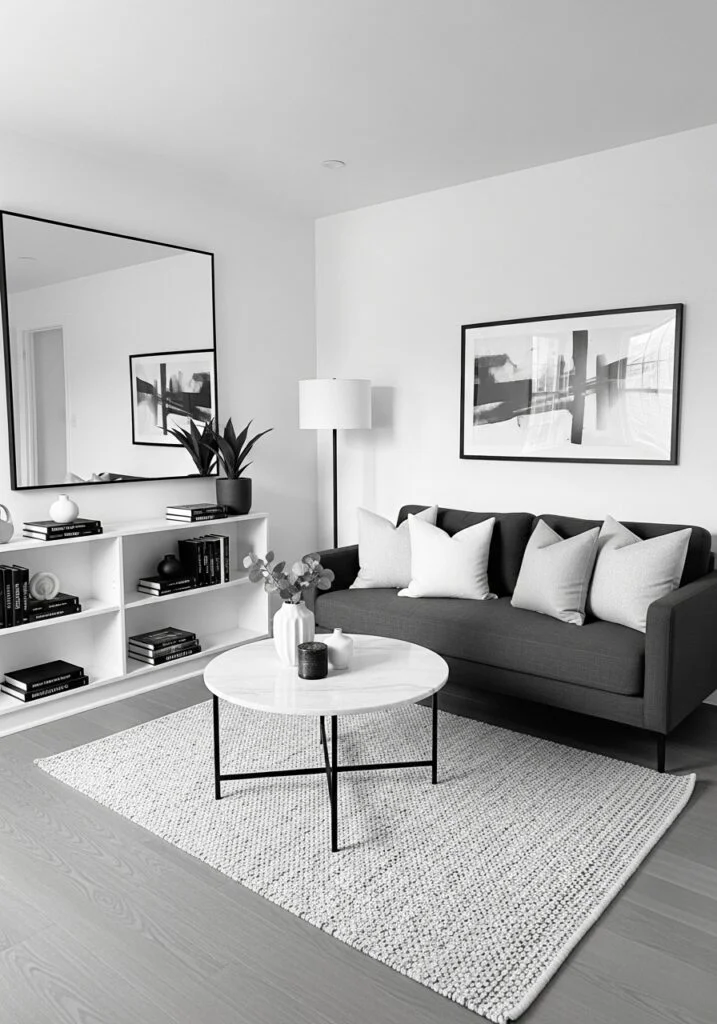
Achieve a seamless, high-end look with monochrome decor, a powerful interior design strategy for visually expanding small living spaces. By sticking to a single, cohesive color palette—such as soft grays, crisp whites, or warm beiges—you eliminate the harsh visual breaks that make a room feel fragmented and cramped. This minimalist home decor approach allows walls and furniture to blend harmoniously, creating a continuous flow that tricks the eye into perceiving more square footage. To prevent a monochromatic room from feeling flat, introduce depth through textured accents like chunky knit throws, woven rugs, and velvet pillows; these layers add sophisticated visual interest without cluttering the layout. Implementing a tonal color scheme not only fosters a calm, serene atmosphere but also maximizes light reflection, ensuring your home feels airy, intentional, and much larger than its physical dimensions.
Why it works:
- Creates visual continuity
- Expands perception of space
- Reduces visual clutter
Styling tips:
- Choose one primary color and add 1–2 subtle accents
- Layer textures for depth
- Keep furniture and walls consistent in tone
- Avoid bold, clashing colors
16. Corner Seating Solutions
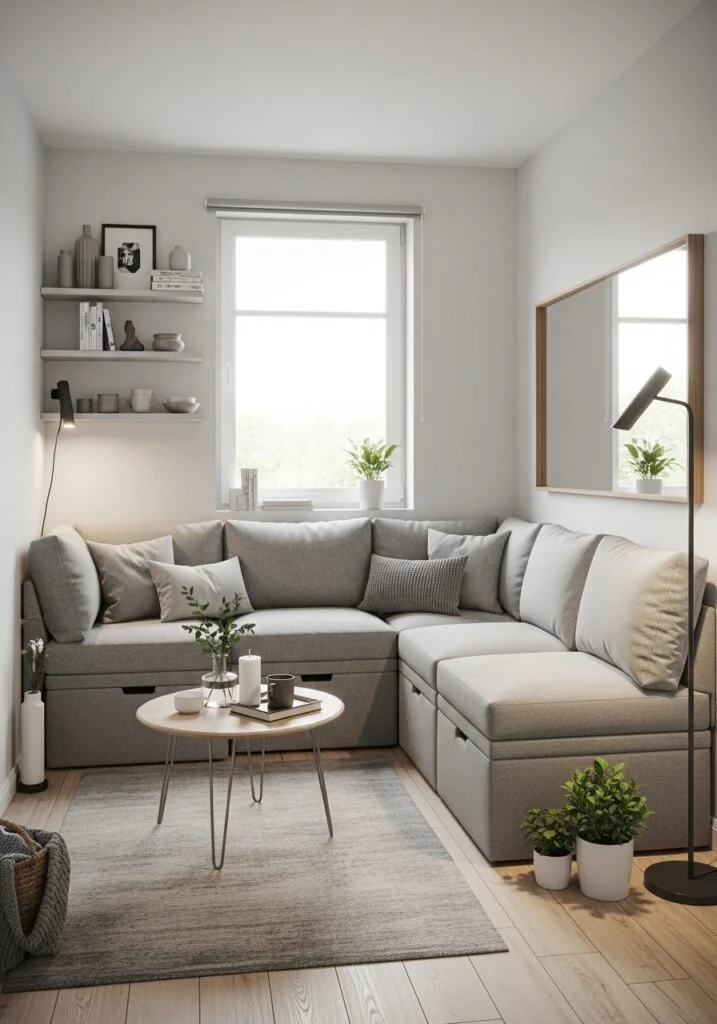
Maximize your small room layout by implementing corner seating solutions, a clever design tactic that transforms underutilized “dead zones” into functional focal points. By integrating compact L-shaped sofas, cozy accent chairs, or custom built-in benches, you effectively reclaim the perimeter of the room, leaving the central floor area open and unobstructed. This space-saving furniture strategy is essential for modern minimalist decor, as it prevents a cramped atmosphere while significantly increasing your seating capacity. To enhance the modern aesthetic, choose low-profile designs in light, neutral tones that blend seamlessly into the walls. Utilizing corner real estate not only improves traffic flow but also creates a structured, organized feel that is perfect for apartment living ideas. Whether you’re designing a breakfast nook or a compact lounge, corner-focused interior design is a brilliant way to achieve a balanced, high-impact environment that feels both spacious and expertly curated.
Why it works:
- Maximizes underutilized corners
- Opens central floor area
- Creates cozy, intimate seating
Styling tips:
- Fit sofa snugly in corner
- Add corner cushions or throws
- Pair with small side tables
- Keep floor space clear
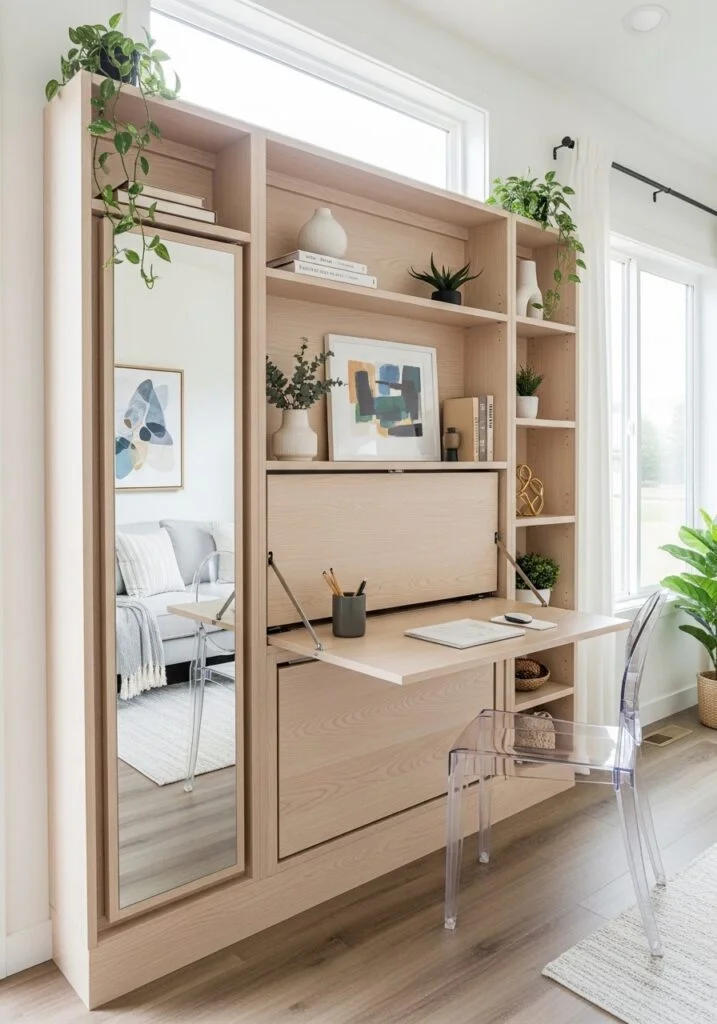
17. Fold-Down or Wall-Mounted Desk
Streamline your small home office with a wall-mounted desk, the ultimate space-saving furniture solution for multi-functional living areas. By securing your workspace directly to the wall, you eliminate bulky legs and reclaim essential floor real estate, fostering a “floating” look that maintains an open, airy flow. For maximum efficiency in tiny apartments, a fold-down desk (or murphy desk) is a game-changer; it provides a sturdy surface for productivity and simply “disappears” when the workday ends, instantly restoring your room’s minimalist aesthetic. This modern interior design approach is perfect for creating a hidden workstation in a living room or bedroom without compromising on style or square footage. To achieve a professional look, pair your wall-hung desk with a slim, stowable chair and integrated cord management to keep visual clutter at bay. Embracing vertical workspace solutions ensures your home remains versatile, organized, and effortlessly spacious, no matter the size.
Why it works:
- Adds functional space
- Saves floor area
- Keeps room tidy and minimal
Styling tips:
- Choose light wood or white finishes
- Use foldable chairs
- Keep decor above desk minimal
- Add small plants for softness
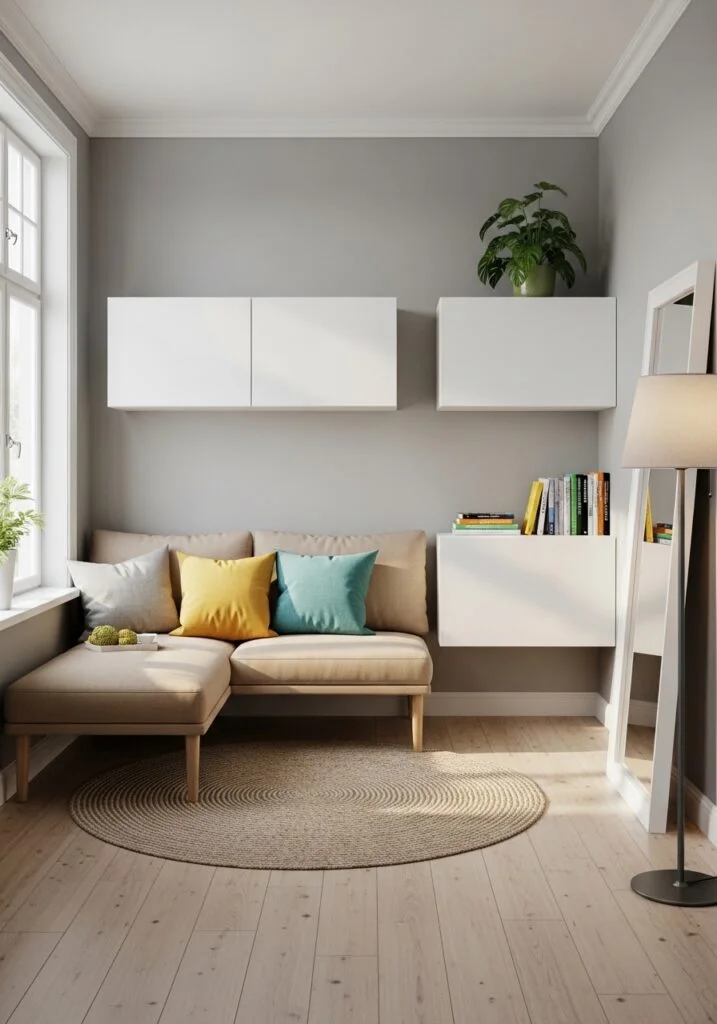
18. Floating Storage Cabinets
Elevate your small room organization with floating storage cabinets, a premier design solution for maximizing utility without encroaching on your floor plan. By elevating your storage off the ground, you maintain a continuous sightline across the floor, which is a key interior design hack for making compact areas feel significantly larger and more breathable. These wall-mounted units are perfect for tiny living rooms, offering a sleek, “weightless” alternative to bulky traditional credenzas while effectively concealing household clutter behind clean lines. To master this modern minimalist aesthetic, opt for low-profile designs in neutral tones or wood finishes that complement your walls, ensuring the cabinetry feels like a seamless architectural feature. Implementing space-saving storage not only keeps your essentials organized but also reinforces an airy, sophisticated atmosphere. Whether you’re upgrading a media center or a home office, floating cabinetry is a brilliant way to achieve a high-end, uncluttered look that prioritizes both style and open space.
Why it works:
- Frees up floor area
- Provides hidden storage
- Creates sleek, modern feel
Styling tips:
- Use cabinets in neutral tones
- Mount at comfortable height
- Keep top surfaces minimally styled
- Pair with floating shelves above
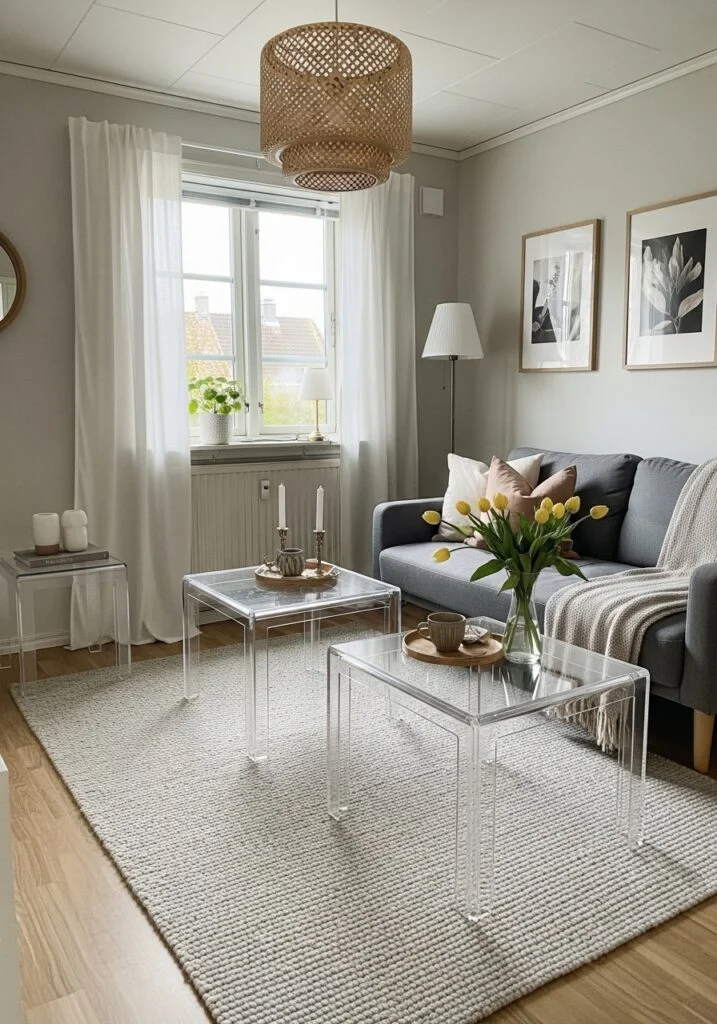
19. Transparent Coffee Tables
Enhance your small living room ideas with transparent coffee tables, a strategic choice for reducing “visual weight” in tight quarters. By incorporating clear acrylic or glass furniture, you allow light and sightlines to pass through the piece seamlessly, which tricks the brain into perceiving more open floor area. This modern minimalist aesthetic is highly effective because, unlike solid wood or metal tables, see-through materials don’t create a “block” in the middle of your layout, making the entire room feel significantly larger and less congested. To master this space-saving design tactic, pair your ghost table with a statement rug to let the patterns shine through, or keep it simple for a high-end, airy look. Whether you are decorating a tiny apartment or a narrow den, using transparent surfaces is a brilliant way to provide essential functionality while maintaining a bright, breathable, and expertly organized atmosphere.
Why it works:
- Reduces visual clutter
- Enhances light flow
- Keeps room airy
Styling tips:
- Pair with light sofa and rug
- Keep decor on table minimal
- Add metallic or neutral accent objects
- Avoid bulky table designs
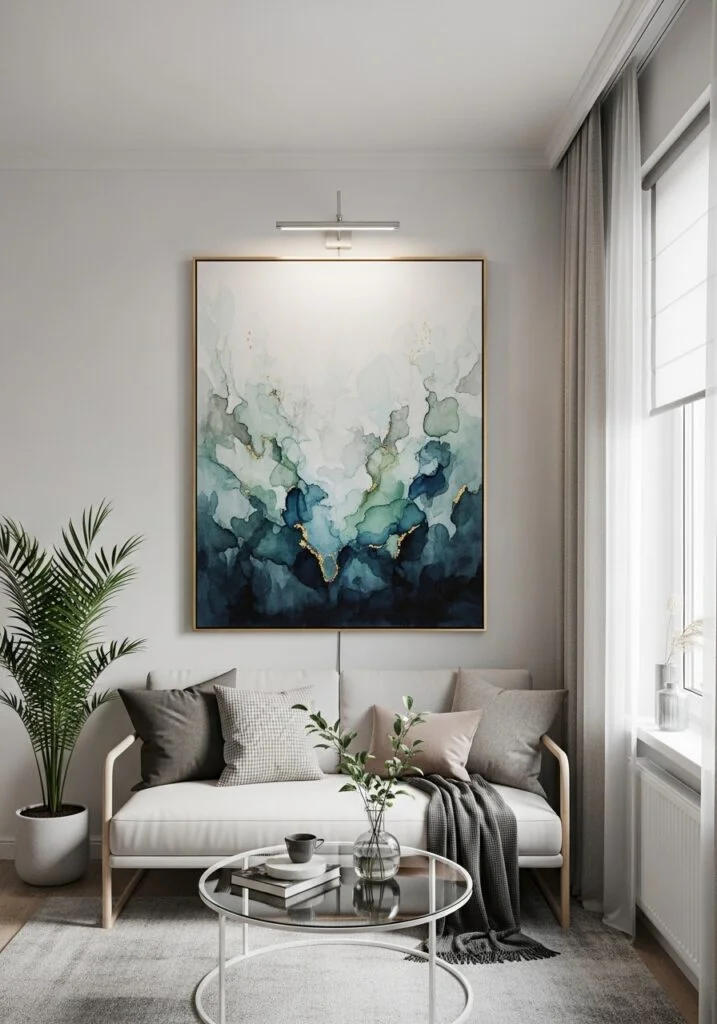
20. Wall Art at Eye Level
Optimize your small space wall decor by hanging wall art at eye level, a professional technique for creating a balanced and harmonious interior design. By positioning frames approximately 57 to 60 inches from the floor, you draw the eye horizontally across the room, which emphasizes the width of your walls rather than their limitations. This minimalist home decor strategy establishes a clear, intentional focal point that anchors the room without the “visual crowding” often caused by placing art too high or in cluttered clusters. To achieve a sophisticated modern aesthetic, choose a single large statement piece or a curated gallery row to guide the viewer’s gaze seamlessly through the environment. Keeping your artwork placement grounded and accessible creates a sense of intimacy and order, making even the most compact living area feel curated, spacious, and expertly designed.
Why it works:
- Guides eye horizontally
- Prevents vertical crowding
- Adds personality without bulk
Styling tips:
- Use medium-sized frames
- Stick to cohesive color palette
- Avoid multiple layers of artwork
- Pair with minimal decor
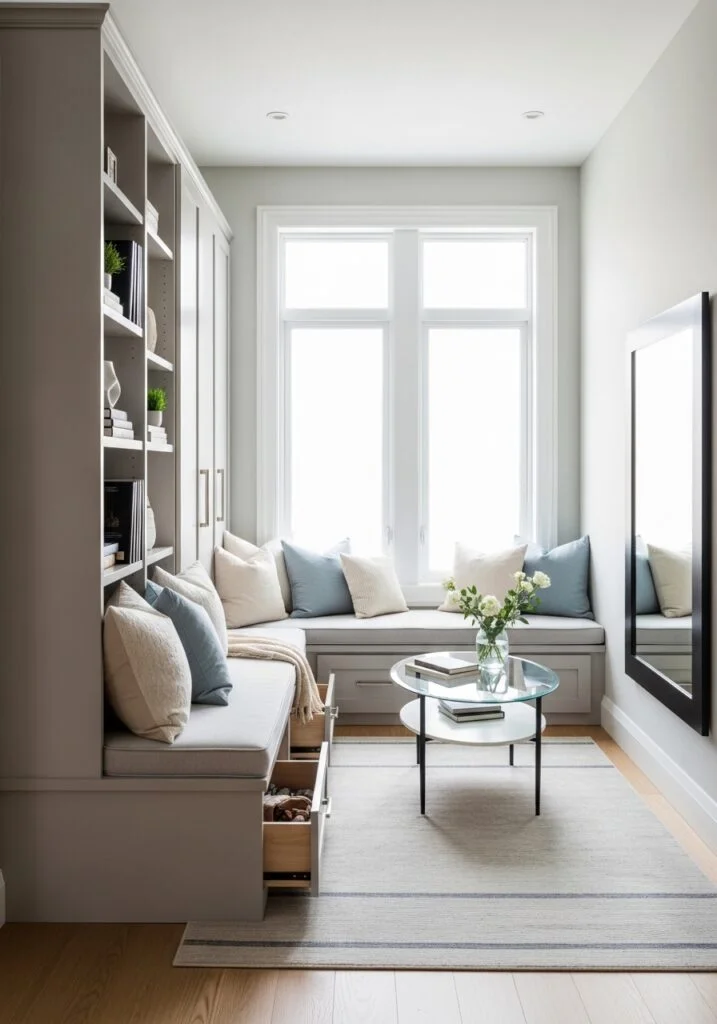
21. Built-In Seating
Maximize your home’s efficiency with built-in seating, a high-impact small apartment furniture solution that merges comfort with heavy-duty utility. By integrating custom benches directly into your architecture, you reclaim the “dead space” along walls and windows, effectively eliminating the need for bulky, freestanding chairs that obstruct traffic flow. These space-saving benches often feature hidden under-seat compartments, providing essential built-in storage to keep your environment clutter-free and organized. This modern interior design strategy creates a clean, streamlined look that visually expands your floor plan while doubling your seating capacity. To achieve a minimalist aesthetic, opt for slim cushions in neutral tones that blend with your wall color, ensuring the unit feels like a seamless part of the room. Whether you’re designing a cozy breakfast nook or a window-side lounge, built-in furniture is a brilliant way to achieve a high-end, tailored feel that prioritizes both functionality and an open, airy atmosphere.
Why it works:
- Combines seating and storage
- Saves floor space
- Creates clean, integrated look
Styling tips:
- Use cushions in neutral tones
- Store items under bench
- Pair with small side table
- Keep design minimal
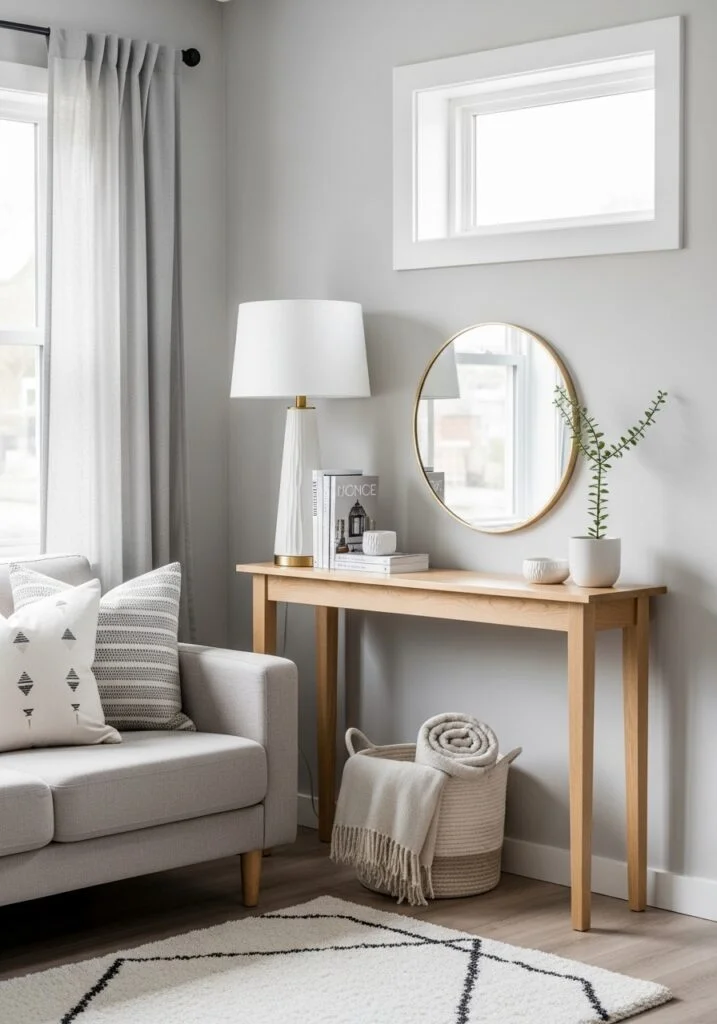
22. Narrow Console Tables
Streamline your entryway or living room layout with narrow console tables, a savvy space-saving furniture choice designed for high-traffic areas. By utilizing a slim-profile table behind a sofa or along a hallway, you gain essential display and storage surfaces without encroaching on your primary walkways. This modern minimalist aesthetic is highly effective in small apartment design because it provides a dedicated spot for keys, lighting, or decor while maintaining a wide, unobstructed floor plan. To maximize the interior design impact, choose pieces with open legs or “floating” designs to keep sightlines clear and the atmosphere airy. Integrating slim console furniture is a brilliant way to add architectural interest and organizational utility to narrow zones, ensuring your home feels sophisticated and functional without ever feeling “crowded.” Whether you’re styling a foyer or a compact lounge, these slender units are the perfect balance of form and floor-conscious efficiency.
Why it works:
- Keeps floor clear
- Adds functional surface
- Maintains visual flow
Styling tips:
- Choose slim, light wood or metal
- Display 2–3 decor pieces
- Avoid overcrowding
- Place near sofa or entryway
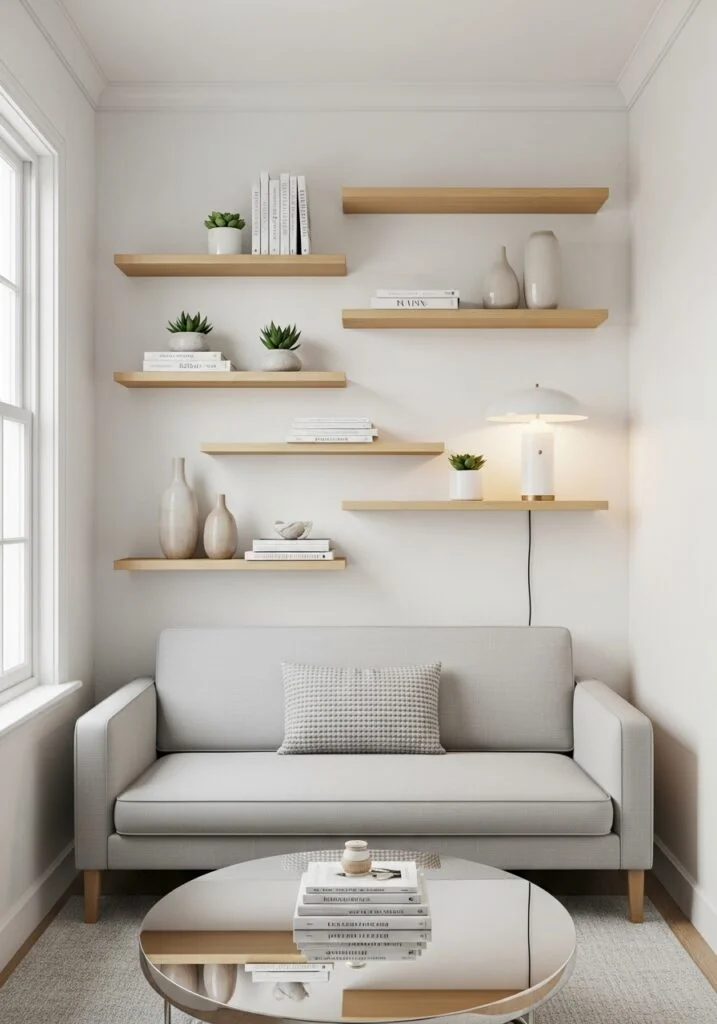
23. Multi-Level Floating Shelves
Maximize your vertical real estate with multi-level floating shelves, a dynamic small space storage solution that adds character without the heavy footprint of a traditional bookcase. By staggering shelves at varying heights, you create a rhythmic, vertical layering effect that draws the eye upward, effectively highlighting the height of your ceilings and making the room feel more expansive. This modern minimalist design is perfect for tiny apartments, as it provides ample space for books, plants, and decor while leaving the floor area entirely unobstructed and “breathable.”
To master this wall decor strategy, prioritize slim profiles in light wood or monochromatic tones to maintain a weightless, airy aesthetic. Using floating wall shelves allows you to customize your storage to fit awkward nooks or narrow walls, turning “dead space” into a curated focal point. Whether you’re organizing a home office or adding personality to a living room, this space-saving interior design tactic ensures your home feels intentionally styled, open, and effortlessly organized.
Why it works:
- Utilizes vertical space
- Draws attention upward
- Provides open storage
Styling tips:
- Use light-colored shelves
- Mix books, plants, and small decor
- Avoid overcrowding
- Keep spacing even
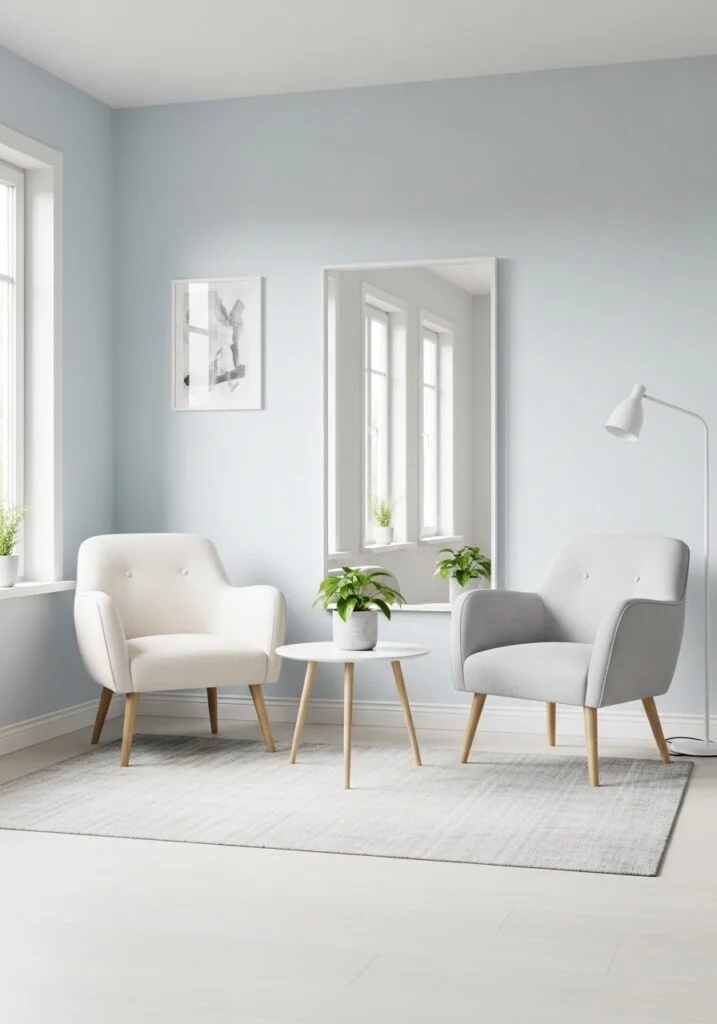
24. Compact Accent Chairs
Refine your small living room layout with compact accent chairs, the ideal solution for adding extra seating without the visual or physical “heaviness” of traditional armchairs. By selecting pieces with slim silhouettes and tapered legs, you maintain a clear view of the floor, which is a fundamental interior design trick for making a room feel more expansive. These lightweight furniture options are designed to facilitate an easy traffic flow, ensuring your space remains functional and navigable even during social gatherings.
To achieve a modern minimalist aesthetic, look for chairs with low-profile backs and open frames that prioritize “negative space.” Opting for light-colored upholstery or natural textures further enhances the airy atmosphere, allowing the chairs to serve as stylish accents rather than imposing obstacles. Whether you’re filling an empty corner or flanking a sofa, small-scale accent chairs are a sophisticated way to boost your home’s capacity while keeping the environment feeling open, intentional, and perfectly balanced.
Why it works:
- Provides functional seating
- Keeps space open
- Adds personality
Styling tips:
- Choose light fabrics or open-back designs
- Place at angles for flow
- Pair with small side tables
- Avoid bulky armrests
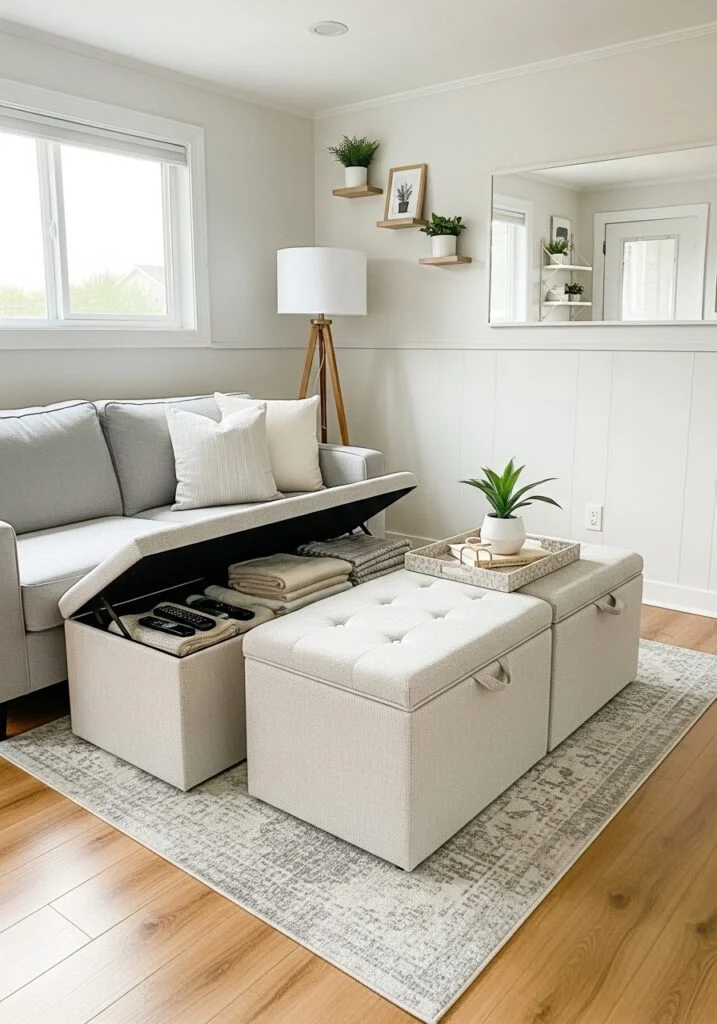
25. Hidden Storage Ottoman
Upgrade your functional living room with a hidden storage ottoman, a versatile powerhouse in the world of multifunctional furniture. By serving as a footrest, extra guest seating, and a coffee table alternative all in one, these pieces maximize utility while significantly reducing the number of individual items needed in a room. The “secret” compartment is a premier small space organization tool, providing a discreet home for bulky blankets, pillows, or media accessories that would otherwise clutter your surfaces.
This space-saving design works beautifully within a modern minimalist aesthetic because it keeps your essentials accessible but completely out of sight. To maintain an open feel, choose an ottoman with short legs to lift it slightly off the floor, or opt for a round silhouette to soften the lines of a compact room and improve traffic flow. Whether you’re styling a studio or a cozy family room, a dual-purpose ottoman is a brilliant way to maintain a clean, organized, and sophisticated environment without sacrificing comfort.
Why it works:
- Offers seating and storage
- Reduces visual clutter
- Keeps room functional
Styling tips:
- Use neutral or light fabric
- Store blankets or magazines inside
- Pair with small coffee table
- Keep top surface simple
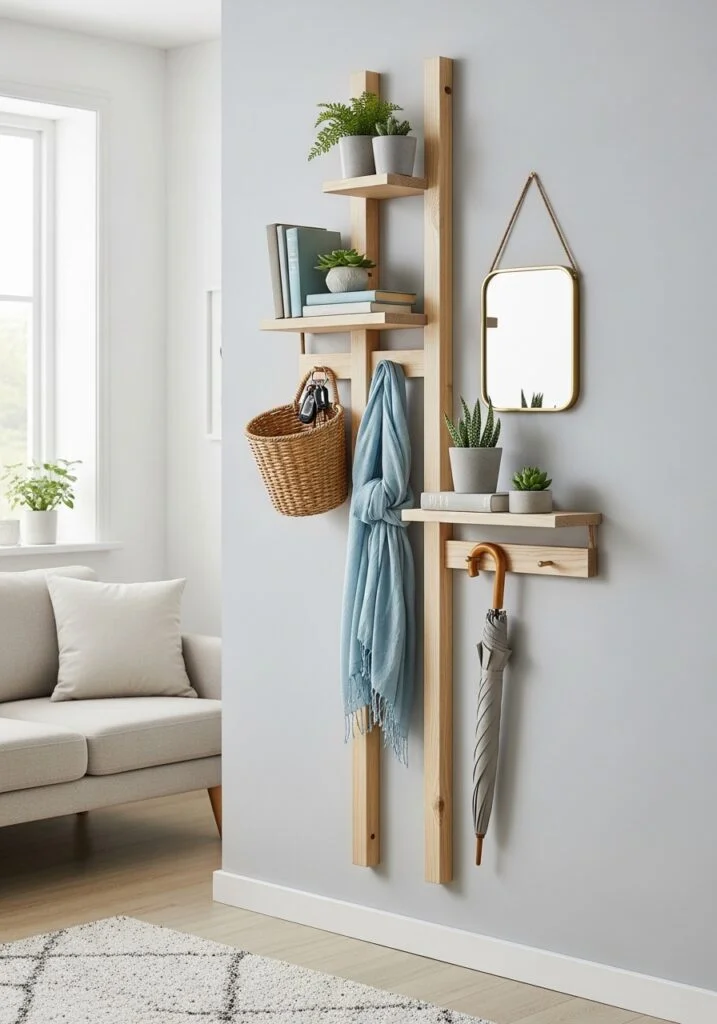
26. Vertical Wall Hooks
Maximize your entryways and bedrooms with vertical wall hooks, a simple yet highly effective small space organization strategy. By shifting storage from the floor to the walls, you eliminate the need for bulky coat racks or “accessory chairs,” instantly reclaiming valuable square footage. This minimalist storage approach utilizes often-overlooked vertical real estate to keep bags, hats, and scarves neatly organized and within reach.
To maintain a modern aesthetic, arrange hooks in a clean linear row for a structured look, or a staggered “gallery” layout to create a functional art installation. Choosing hooks with slim profiles or natural wood finishes helps them blend into your decor, ensuring the walls remain a feature rather than a source of visual clutter. This vertical storage solution is essential for tiny apartment living, as it preserves open floor area and maintains a clear, navigable path through your home, leaving it feeling orderly, intentional, and much more spacious.
Why it works:
- Frees floor space
- Provides functional organization
- Draws eye upward
Styling tips:
- Use sleek, metallic hooks
- Keep items organized
- Group hooks evenly
- Match wall color for cohesion
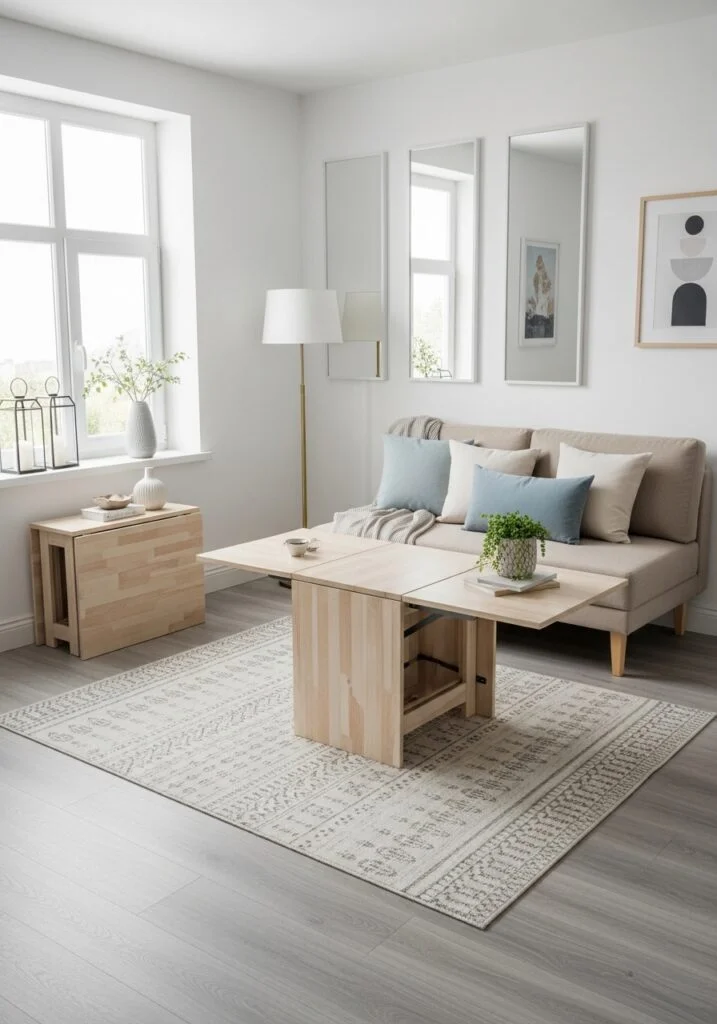
27. Foldable Coffee Table
Optimize your flexible living room layout with a foldable or nesting coffee table, a dynamic solution for maintaining a truly multi-functional space. By utilizing furniture that can be tucked away or stacked, you gain the ability to transition your room from a cozy lounge to an open area for yoga, entertaining, or play in seconds. This space-saving design is a cornerstone of small apartment living, as it ensures your floor plan remains versatile and never permanently “locked” by heavy, static furniture.
To master this modern minimalist aesthetic, consider these variations:
Nesting Tables: These offer tiered surface area when needed but slide into a single footprint to clear the room’s “visual center.”
Fold-Away Designs: Ideal for ultra-tiny spaces, these can be stored against a wall or in a closet when the floor needs to be completely unobstructed.
Choosing versatile furniture with slim metal frames or light wood finishes helps maintain an airy atmosphere, even when the tables are fully deployed. Whether you’re maximizing a studio or a compact den, collapsible coffee tables are a brilliant way to ensure your home stays adaptive, organized, and effortlessly spacious.
Why it works:
- Maintains open floor
- Provides flexibility
- Prevents clutter
Styling tips:
- Use light-toned wood or acrylic
- Stack or fold when unused
- Pair with small sofa
- Minimal accessories on table
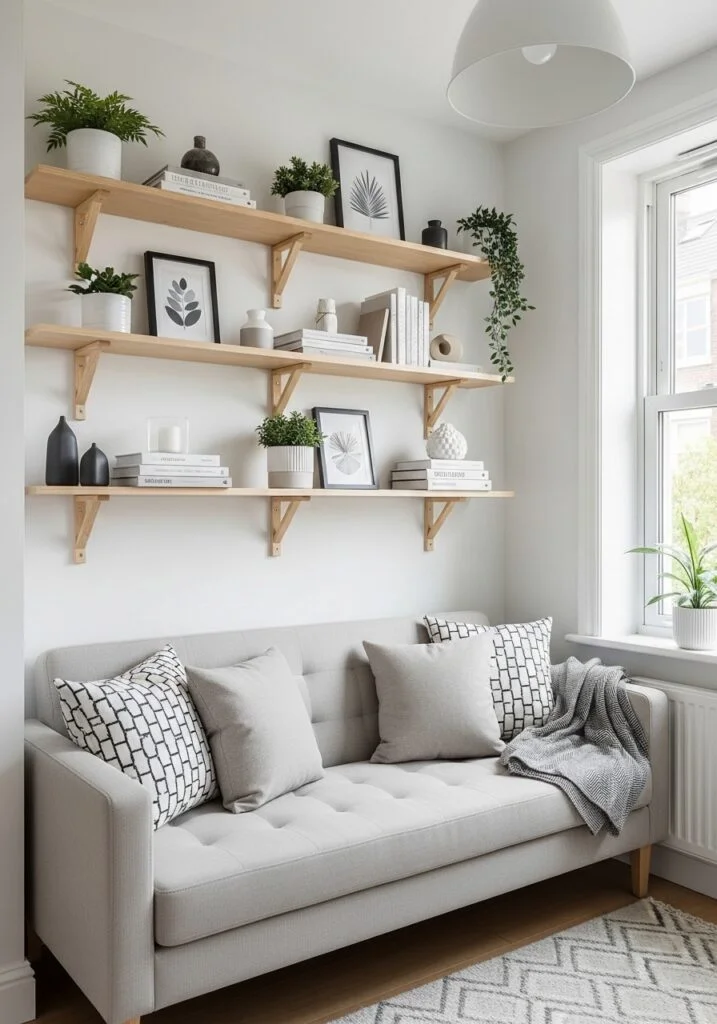
28. Wall-Mounted Shelves Above Sofa
Maximize your living area’s potential by installing wall-mounted shelves above the sofa, a sophisticated interior design tactic that leverages underutilized vertical space to enhance both style and utility. By shifting your books, plants, and decorative accents upward, you eliminate the need for floor-hogging bookcases or bulky side tables, keeping your small living room layout feeling open and unobstructed. This vertical storage solution integrates your personal items directly into the room’s architecture, turning your collection into a cohesive wall feature rather than a source of visual clutter. To execute this modern minimalist aesthetic effectively, mount the lowest shelf at least 12 to 18 inches above the sofa back to ensure a grounded visual connection while maintaining comfortable head clearance. Choosing shelves that match your wall color creates a seamless, “built-in” look, while natural wood finishes can add warmth and organic texture. Ultimately, utilizing floating shelves in this way draws the eye upward to increase perceived ceiling height, ensuring your floor plan remains dedicated to movement and relaxation in even the most compact tiny apartment.
Why it works:
- Saves floor space
- Draws attention upward
- Adds storage without clutter
Styling tips:
- Keep shelves light-colored
- Display 2–3 decor items per shelf
- Avoid heavy pieces
- Layer textures subtly
29. Light-Colored Flooring
Transform your home’s foundation with light-colored flooring, a premier interior design strategy for instantly expanding the perceived square footage of any room. By opting for light wood, pale vinyl, or soft-toned tile, you harness the power of natural light reflection, which bounces brightness into every corner and creates a more vibrant, airy atmosphere. This modern minimalist aesthetic works because dark floors often act as a visual “anchor” that defines the room’s limits, whereas lighter surfaces blur the boundaries between walls and floor, making the entire layout feel fluid and expansive. To maximize this small space hack, choose wide planks or large-format tiles to reduce the number of visible seams, which further simplifies the visual field and enhances the room’s architectural flow. Whether you are renovating a tiny apartment or refreshing a compact bedroom, light-colored flooring serves as a neutral, high-end canvas that makes your home feel significantly more open, clean, and expertly designed.
Why it works:
- Brightens the room
- Extends perception of space
- Maintains airy feel
Styling tips:
- Use pale oak, whitewashed wood, or light tiles
- Pair with neutral rugs
- Avoid dark or heavy finishes
- Match furniture tones to floor
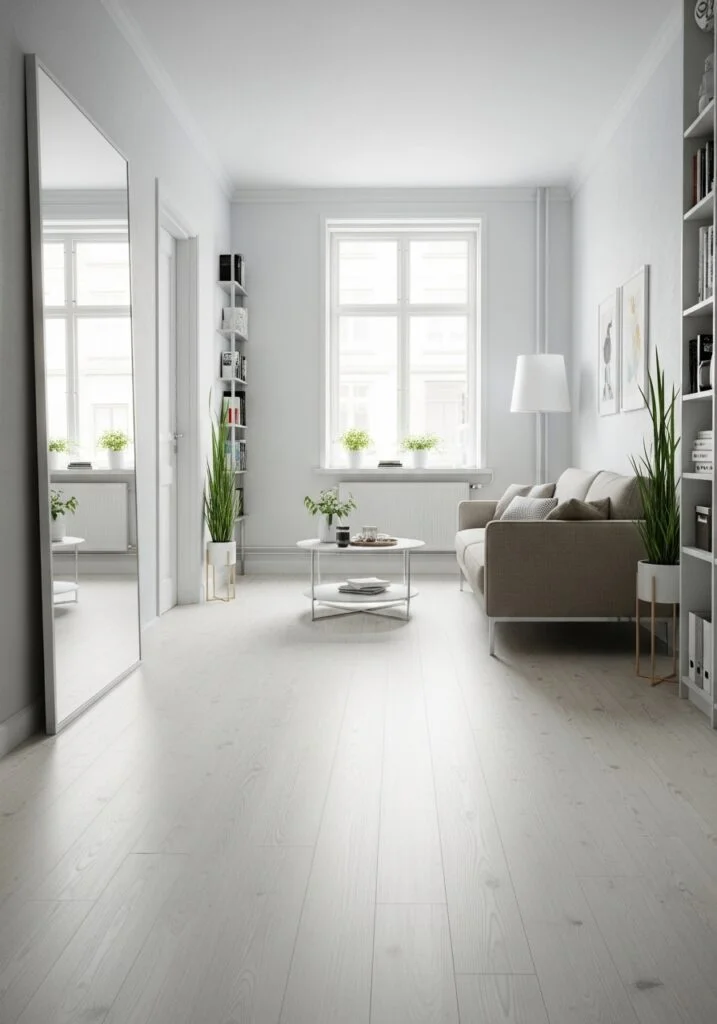
30. Minimal Decor, Maximum Impact
Master the art of minimalist interior design by adopting a “less is more” philosophy, focusing on high-impact decor rather than a collection of small trinkets. By curating your space to feature only 3–4 key pieces—such as a vibrant indoor plant, a bold piece of artwork, a textured rug, and a sculptural lamp—you eliminate the visual noise that often makes a tiny apartment feel cramped. This small space strategy works because it creates intentional “negative space,” allowing the eye to rest and the architectural lines of the room to breathe. Instead of a room filled with competing objects, a few statement pieces draw the viewer’s attention to specific focal points, which naturally emphasizes the available floor area and makes the environment feel significantly more expansive. To achieve a modern aesthetic, ensure each item serves a dual purpose of beauty and function, such as a large-scale rug that anchors the furniture or a statement lamp that provides essential warmth. Ultimately, keeping your decor minimal is a brilliant way to achieve a high-end, gallery-like feel that prioritizes an open, airy, and expertly organized atmosphere.
Why it works:
- Reduces clutter
- Enhances perceived space
- Draws attention to key focal points
Styling tips:
- Limit decor to essential items
- Stick to neutral palette with 1 accent
- Maintain consistent style and texture
- Keep floors and surfaces clear
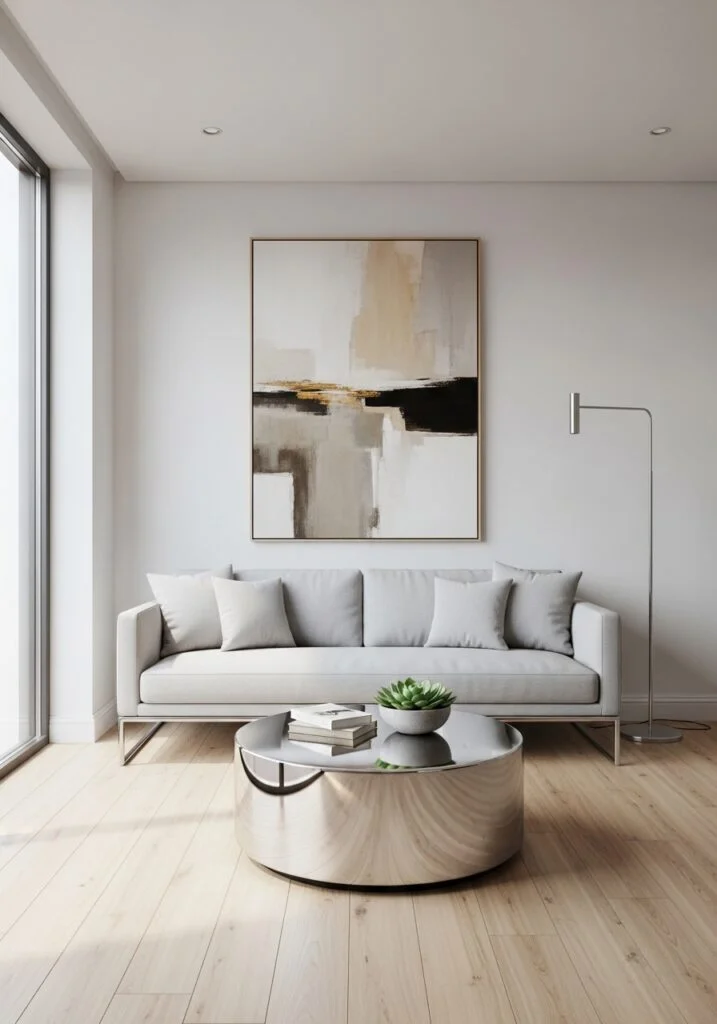
Conclusion
Designing a tiny living room doesn’t mean compromising on style or comfort—it’s all about using smart, intentional choices that visually expand your space. From light color palettes and multi-functional furniture to clever layout tricks and vertical styling, even the smallest living rooms can feel open, airy, and inviting. The key is to focus on simplicity, balance, and maximizing every inch without overcrowding.
By layering textures, using mirrors strategically, and keeping your decor cohesive, you create a space that feels both functional and beautiful. Remember, a well-designed small living room isn’t about size—it’s about how it feels. With the right ideas, your compact space can look effortlessly stylish, spacious, and truly elevated.